


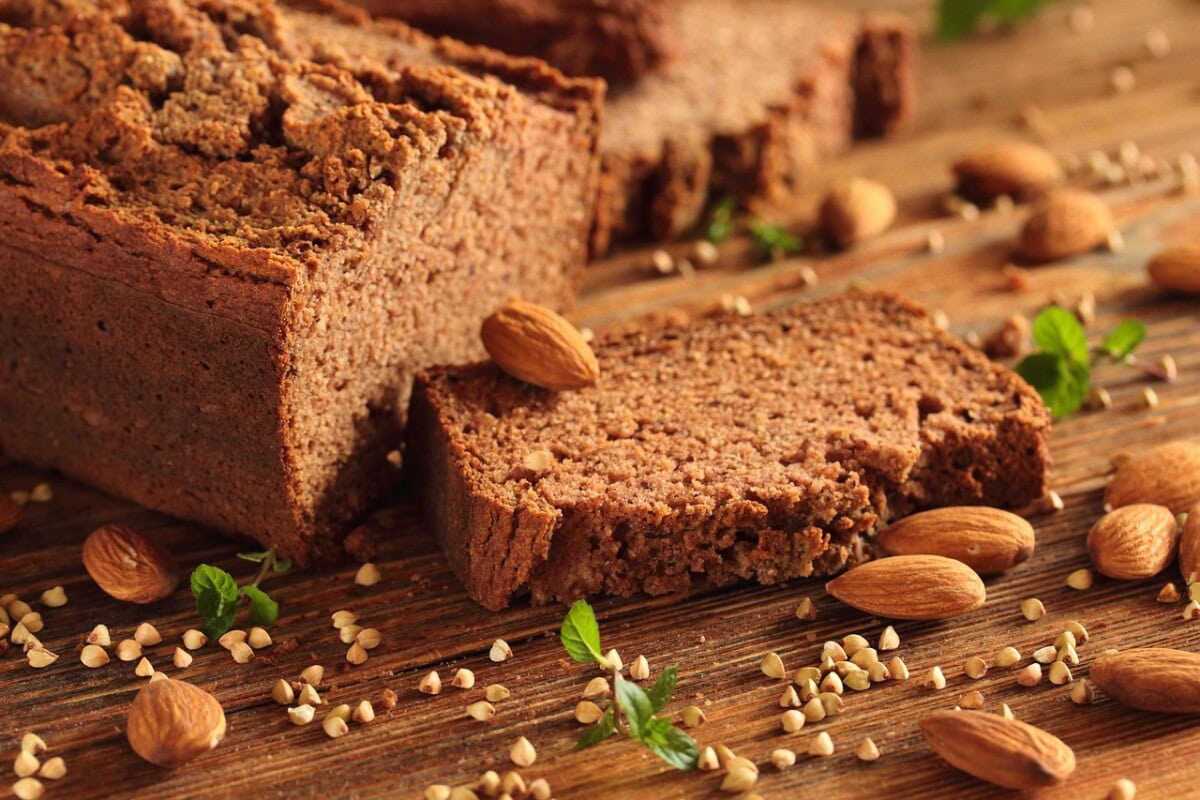
Standing in front of the pantry, staring at a loaf of bread and a box of pasta, wondering, “Now what?” That’s often how it feels in the beginning. The decision to go gluten-free can sneak up after years of stomachaches, skin issues, brain fog, or unexplained fatigue. Suddenly, the simple act of eating gets complicated. But here’s the good news—it gets better. Much better.
For many, removing gluten isn’t about following a trend. It’s about finally waking up without the bloating, the brain fog, or that dragging sense of exhaustion. Whether it’s celiac disease, gluten intolerance, or non-celiac gluten sensitivity, cutting gluten brings real, noticeable relief. That first grocery trip might feel intimidating, and that’s ok! Soon enough, reading labels, finding safe products, and whipping up delicious gluten-free meals feels second nature.

What Is a Gluten Free Lifestyle?
Starting a gluten free lifestyle isn’t just about switching out a few ingredients. It’s about changing the way food is approached, chosen, and enjoyed. For many, this shift brings noticeable improvements in digestion, energy levels, and overall health. Gluten often hides in places that don’t seem obvious at first, so understanding where it lives and how it works in food makes all the difference. With a little creativity and some label reading, plenty of delicious gluten-free options can fill the kitchen again.
Understanding Gluten and Its Role in Food
Gluten is a protein naturally found in certain grains. It’s responsible for giving bread its chewy texture and helping baked goods hold their shape. While that sounds helpful in baking, for some people, it creates serious health problems.
Gluten can cause issues for those with celiac disease, gluten sensitivity, or gluten intolerance. Even small amounts can trigger uncomfortable symptoms and damage the lining of the small intestine in people with celiac disease. Gluten shows up in more places than most expect.
- Wheat, barley, and rye are the primary sources.
- Durum, spelt, and farro also contain gluten.
- Processed foods often hide gluten in thickeners, food starch, and flavoring agents.
- Condiments and sauces like soy sauce, salad dressings, and marinades may sneak in gluten-containing ingredients.
- Baked goods such as cakes, cookies, pastries, and most store-bought bread rely on wheat flour.
Recognizing these sources is the first step to avoiding gluten safely. The good news? Many naturally gluten-free foods offer plenty of delicious alternatives.
Why Go Gluten-Free?
Deciding to follow a gluten-free lifestyle often comes after a long road of frustrating symptoms, endless doctor visits, and trial-and-error diets. For some, it’s a medical necessity. For others, it’s a chance to finally feel better after years of unexplained discomfort.
Gluten-related disorders range from celiac disease to non-celiac gluten sensitivity and gluten intolerance. In all of these, removing gluten from the diet can bring dramatic relief. Before making the switch, it helps to recognize some common signs that gluten might be the problem.
Signs It Might Be Time to Start a Gluten Free Diet
The body has a way of sending signals when something isn’t quite right. Gluten can trigger a variety of symptoms that often seem unrelated at first.
- Bloating and stomach pain that show up after meals.
- Chronic fatigue that doesn’t improve with rest.
- Brain fog that makes focusing feel impossible.
- Joint pain or inflammation that lingers without injury.
- Skin issues like rashes, eczema, or persistent acne.
- Mood changes including anxiety or depression.

Symptoms like these can make everyday life exhausting. When they start interfering with daily routines, it may be time to consider removing gluten as part of a balanced diet. For many, this simple change helps increase your energy and reduce ongoing discomfort.
Celiac Disease and Gluten Sensitivity Explained
Not everyone who reacts to gluten has celiac disease, but it’s important to understand the difference.
Celiac disease is an autoimmune disorder triggered by eating gluten-containing foods. Even a tiny amount of gluten damages the lining of the small intestine, which affects nutrient absorption. Those diagnosed with celiac disease must eliminate gluten entirely to avoid serious complications.
On the other hand, gluten sensitivity or non-celiac gluten sensitivity can also cause symptoms of gluten consumption without the autoimmune response or intestinal damage. Though the body reacts differently, people still feel better when they eliminate gluten from their diets.
A doctor can run tests to diagnose celiac disease or gluten sensitivity and help create a plan for following a gluten-free diet safely.
How to Start a Gluten-Free Diet
Making the transition to living a gluten-free lifestyle can feel like stepping into unfamiliar territory. Those shelves filled with unfamiliar gluten-free flours, strange-looking grains, and labels filled with tiny print can be intimidating. With a little planning and a clear approach, following a gluten-free diet becomes much easier than expected. The key is not trying to change everything overnight. Small, simple steps help the transition feel doable, even for busy families.
Simple Steps to Go Gluten-Free Without the Stress
Jumping into a gluten-free lifestyle doesn’t mean tossing out every item in the kitchen in one afternoon. Start with the basics, build confidence, and grow from there.
- Focus on naturally gluten-free foods like fruits, vegetables, meat, fish, eggs, and dairy.
- Stick to unprocessed items whenever possible to avoid hidden gluten.
- Read food labels carefully, checking for ingredients like wheat starch, “modified” food starch, or barley malt.
- Replace everyday staples like pasta and bread with many gluten-free options now widely available.
- Thoroughly clean utensils, cutting boards, and the toaster to prevent cross-contact.
- Use separate utensils when cooking for both gluten-free and gluten-eating family members.
Making the switch doesn’t have to feel overwhelming. Following a gluten-free diet becomes easier once these habits settle into daily routines.
Stocking Your Pantry with Buckwheat, Quinoa, and More: What to Keep and What to Toss
A well-stocked gluten-free pantry creates a solid foundation for success. Some items will need to go, while others can easily become new favorites.
- Keep gluten-free grains such as buckwheat, quinoa, teff, rice, millet, and amaranth.
- Add gluten-free flours like almond flour, coconut flour, and arrowroot for baking.
- Toss gluten-containing grains like wheat, barley, and rye.
- Swap out oats for gluten-free oats, which are processed in dedicated facilities to avoid cross-contamination.
- Replace brewer’s yeast and flavorings containing gluten with certified gluten-free alternatives.
- Check condiment labels for hidden gluten-containing ingredients.
Refreshing the pantry with gluten-free foods available at most stores makes it easy to cook and snack without gluten every day.
Gluten-Free Diet Guide for Beginners

Settling into a gluten-free lifestyle starts feeling comfortable once the first week of meals is mapped out. Planning ahead eliminates the daily guessing game of what can I eat? and brings back the joy of food again. Meals don’t have to feel limited. Many delicious, naturally gluten-free grains and simple swaps allow for variety, flavor, and satisfaction.
Sample Meal Ideas for Your First Week
Each meal offers a chance to explore new gluten-free recipes while still enjoying family favorites.
- Breakfast: Gluten-free oats with berries, chia seeds, and almond butter.
- Lunch: Grilled chicken over a quinoa and roasted vegetable salad. You can even find kid-friendly options!
- Dinner: Baked salmon with wild rice and steamed broccoli.
- Snacks: Rice cakes with peanut butter, hard-boiled eggs, or a smoothie with spinach and protein powder.
- Dessert: Flourless chocolate cake, chocolate crinkle cookies, pineapple upside-down cake, or fresh fruit with whipped cream.
These gluten-free and gluten-containing swaps show how simple it can be to stay on track while still enjoying every bite.

Sources of Gluten to Watch Out For
It’s important to understand that gluten hides in more places than just bread and pasta. Many processed foods, sauces, and even beverages may contain gluten or be exposed to cross-contact during manufacturing. Recognizing these hidden sources makes it easier to confidently avoid problem foods.
Hidden Gluten Sources in Everyday Foods
Some foods seem safe at first glance but actually contain gluten once the ingredient list is reviewed.
- Soy sauce and marinades often contain wheat.
- Soup bases and gravies may include “modified” food starch from gluten-containing grains.
- Processed meats and sausages sometimes include wheat-based fillers.
- Snack foods like crackers, granola bars, and chips may contain gluten.
- Candy and chocolate can hide gluten-based thickeners or flavorings.
Even small traces—over 20 ppm—can trigger symptoms for those sensitive to gluten, so it’s important to stay diligent.
Reading Labels: How to Spot Gluten Ingredients
Scanning food labels quickly becomes second nature. Ingredient lists give away a lot once a few keywords are known.
- Look for terms like wheat, barley, rye, malt, and brewer’s yeast.
- Be cautious of “modified” food starch if the source isn’t listed.
- Avoid wheat starch unless labeled as specially processed to be gluten-free and safe to consume.
- Watch for oats that are not labeled gluten-free, as cross-contact may occur during processing.
Finding gluten-free products gets easier with practice. Many brands now clearly label their foods as certified gluten-free, making shopping much simpler.
Tips for Maintaining a Gluten Free Lifestyle
Once the initial switch is made, the real challenge becomes maintaining gluten-free habits long-term. Family events, vacations, restaurants, and even the occasional craving can test even the most committed person. A few simple habits help keep things smooth while living a gluten-free lifestyle.
Dining Out and Traveling Gluten-Free
Restaurants and travel don’t have to feel like minefields. Planning ahead makes eating gluten-free while out and about much easier.
- Call ahead to ask if gluten-free options are available.
- Stick with simple menu items like grilled meats, salads (without croutons), and steamed veggies.
- Avoid fried foods that may share oil with foods containing gluten.
- Carry gluten-free snacks to stay prepared during long flights or road trips.
- Communicate clearly with servers about gluten-free needs to avoid cross-contact in the kitchen.

More restaurants now offer dedicated gluten-free menus, giving safer food choices to enjoy without stress.
Keeping Kids and Family on Board
Family life can make gluten-free living a bit more complicated, but it also opens doors for everyone to enjoy healthier, whole foods together.
- Cook naturally gluten-free meals that everyone enjoys, like tacos with corn tortillas or grilled chicken with roasted veggies.
- Keep separate cooking utensils for gluten-free food prep.
- Use a dedicated gluten-free toaster to prevent stray crumbs from causing problems.
- Teach kids early how to read food labels and watch for risky ingredients.
Making the home kitchen a safe space ensures family meals stay both fun and gluten-free.
Dealing with Cravings and Slip-Ups
Everyone has moments of weakness. The key is knowing how to bounce back without feeling defeated.
- Keep gluten-free versions of favorite snacks and desserts on hand.
- Experiment with new gluten-free recipes to keep meals exciting.
- Recognize symptoms quickly if accidentally eating gluten occurs, and give the body time to recover.
- Consult a doctor or nutritionist if frequent slip-ups happen, to help adjust routines and better avoid triggers.
Mistakes happen. Returning to safe habits right away helps minimize the impact and keeps the gluten-free lifestyle sustainable.

Embracing the Gluten Free Journey with Confidence
The journey to living a gluten-free lifestyle can feel overwhelming at first glance, but confidence grows with time. Focusing on naturally safe foods, learning to read ingredient lists, and building new routines brings freedom and peace of mind.
Shopping along the perimeter of the grocery store often provides the best selection of fresh produce, meats, and unprocessed options that are naturally gluten-free. These sections offer plenty of options without the worry of accidentally choosing foods that contain gluten.
Many foods found in wheat-based products have simple swaps. Gluten-free flours made from almond, coconut, or arrowroot make baking feel familiar again. Certain foods may still feel off-limits at first, but over time, gluten-free and gluten-containing versions exist for nearly everything.
- Celiac disease and gluten sensitivity require completely eliminating gluten.
- Gluten is found in wheat, barley, rye, and many processed products.
- Naturally gluten-free grains like quinoa, buckwheat, and teff are safe options.
- Always read the ingredient list carefully, watching for “modified ” starches and other hidden sources.
- Prevent cross-contact with separate utensils, toasters, and thoroughly clean prep spaces.
- Stick to the perimeter of the grocery store for fresh, unprocessed food choices.
- Certified gluten-free products meet the 20 ppm safety standard.
- Slip-ups happen — focus on recovery and getting back to safe habits.
It’s important to understand that even tiny crumbs can cause issues for sensitive individuals. That’s why cross-contact prevention, separate utensils, and a thoroughly clean prep area matter so much. The ingredient list becomes a trusted friend, signaling safe to consume items and red-flagging risky additives like wheat starch or “modified” food starch.
Most importantly, keep in mind that many gluten-free options today fall well below the 20 ppm standard, ensuring safety for those who cannot consume gluten. With smart food choices and a little preparation, anyone can follow this path successfully, feel their best, and confidently enjoy each meal.
You might also be interested in…
Already prepping for packing school lunch? Check out these 5 gluten free lunch ideas.
CONNECT WITH DAILY MOM
💖 NEWSLETTER: DAILY READS IN YOUR INBOX 💖
Sign up to receive our picks for the best things to do, see and buy so you can relax and focus on more important tasks! Let us help you be the best version of yourself you can be!
BE SOCIAL WITH US
📌 LOVE IT? PIN IT!📌


