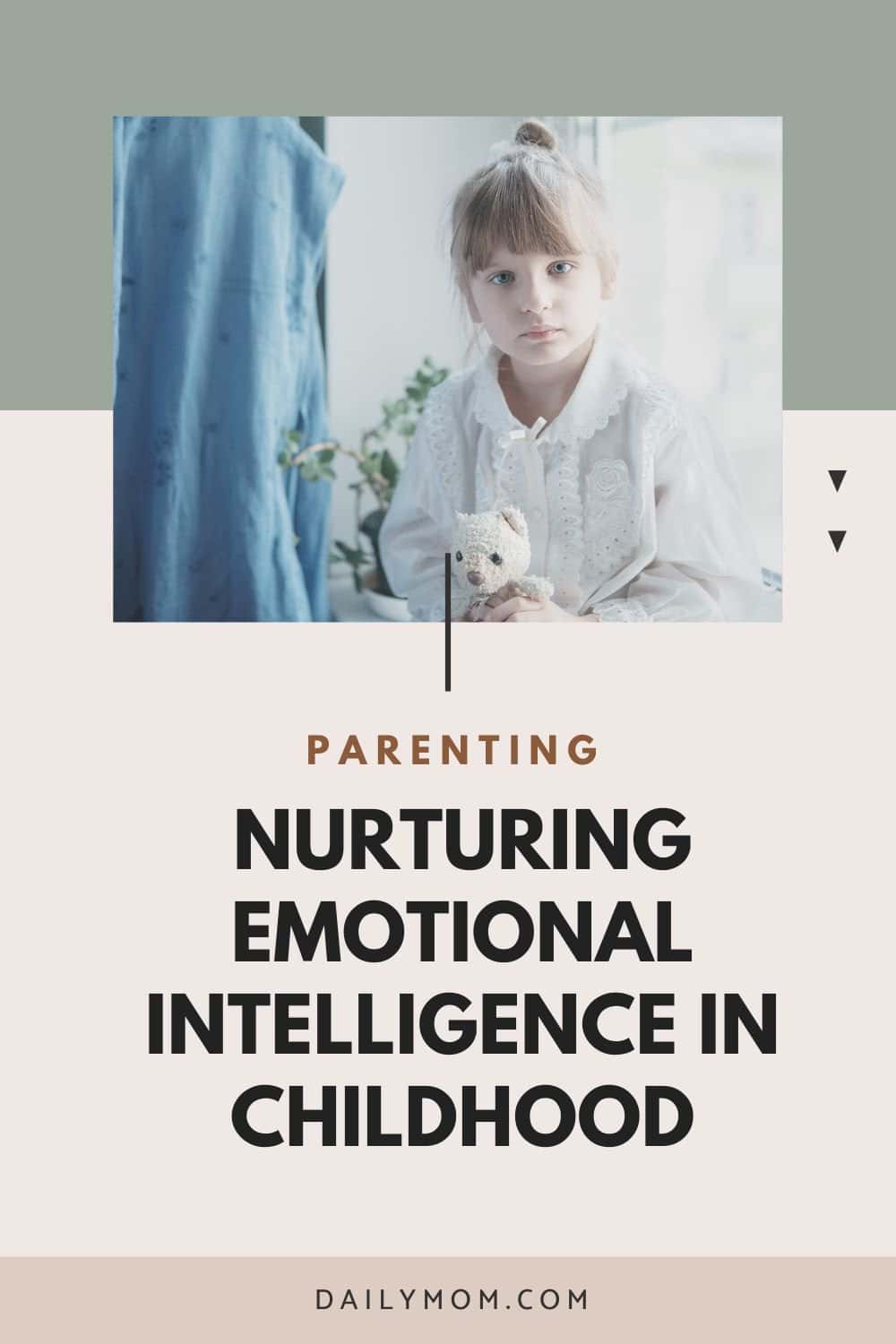

































In a fast-paced and highly competitive world, parents are constantly seeking ways to give their children an edge in life. The list of extracurricular activities can seem endless from music lessons to sports training. But amidst the frenzy, one crucial aspect of a child’s development is often overlooked: emotional intelligence in childhood.
While academic achievement and physical prowess are undeniably important and give children a sense of self-worth, research shows nurturing emotional intelligence in childhood may be the key to unlocking lifelong success. So, what exactly is emotional intelligence?
In simple terms, it refers to the ability to understand and manage emotions effectively, both in oneself and in others. While IQ measures cognitive abilities, emotional intelligence encompasses a set of skills that goes beyond pure intellect. It involves being aware of one’s emotions, empathizing with others, and effectively controlling and expressing emotions healthily.
Research has shown that emotional intelligence in childhood has far-reaching implications for a child’s future success and well-being. Individuals that possess high levels of emotional intelligence in childhood tend to have better social relationships, perform better academically, and are more likely to become successful adults.
Some studies have even suggested that emotional intelligence could be more important than IQ in predicting long-term success.
So, how can parents foster emotional intelligence in their children? From teaching children to identify and label their emotions to encouraging empathy and perspective-taking, there are numerous ways to nurture this crucial life skill.
Join us as we delve into the fascinating world of emotional intelligence in childhood and discover how it holds the key to lifelong success.
Tips for Raising an Emotionally Intelligent Child: Empathy Awareness to Foster in Early Childhood
Emotional intelligence, often referred to as “EQ,” is the ability to recognize, understand, and manage emotions in oneself and others. It involves being aware of one’s own emotions, empathizing with others, and effectively expressing and controlling emotions. While academic intelligence (IQ) is important, emotional intelligence plays a vital role in a child’s overall development.
During childhood, emotions run high as children navigate various experiences and interactions. Developing emotional intelligence during this crucial period helps children understand their own feelings and those of others. It enables them to communicate effectively, build positive relationships, and navigate social situations with empathy and compassion.
Children with high emotional intelligence are better equipped to handle stress, resolve conflicts peacefully, and make sound decisions based on both logic and emotions. They are more likely to have healthy self-esteem, exhibit resilience in the face of challenges, and have a positive outlook on life.
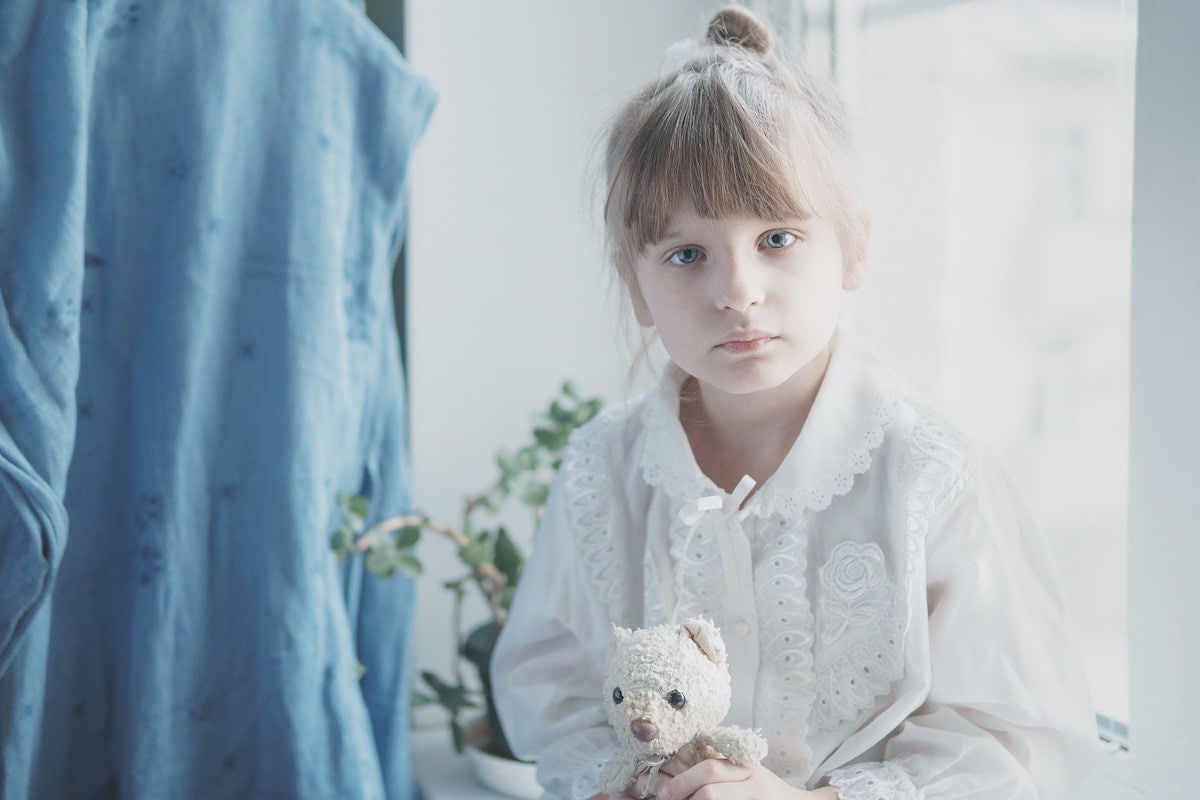
What is Emotional Intelligence and Why is It Important in Childhood?
Emotional intelligence comprises several key components:
- Self-awareness: This involves recognizing one’s own emotions as they arise. Children who are self-aware can identify how they feel in different situations.
- Social awareness: This refers to understanding the emotions of others by observing their facial expressions, body language, or tone of voice.
- Self-regulation: The ability to manage one’s own emotions appropriately is an essential aspect of emotional intelligence. Children who can regulate their emotions are less likely to act impulsively or engage in disruptive behavior.
- Social skills: Building positive relationships with peers requires effective communication skills such as active listening, empathy, cooperation, and conflict resolution.

The Connection Between Emotional Intelligence and Empathy

Empathy is an integral part of emotional intelligence. It involves understanding and sharing the feelings of others. When children develop empathy, they can connect with others on a deeper level, show kindness, and offer support when needed. Even a toddler can beging to develop this skill.
Empathy allows children to recognize when someone is sad or upset and respond in a caring manner. It helps them build meaningful relationships based on trust, respect, and understanding. By fostering empathy in childhood, parents can help their children become compassionate individuals who contribute positively to society, which is something we all want for our children.
How to Identify Emotional Intelligence in 3 or 4 Year Olds
Identifying emotional intelligence in young children and preschoolers can be might not seem easy, but it is possible. Here are some signs that indicate a child may possess high levels of emotional intelligence:
- Emotional awareness: The child can identify and label their own emotions, such as happiness, sadness, anger, or fear.
- Empathy: The child shows concern for others’ feelings and demonstrates acts of kindness and compassion.
- Self-regulation: The child can calm themselves down when upset or frustrated without resorting to aggressive behavior.
- Social skills: The child engages in cooperative play, takes turns, shares toys, and communicates effectively with peers.
If a child exhibits these behaviors, it is likely that they have developed a good level of emotional intelligence. However, it is important to remember that emotional development is a gradual process and may vary from child to child.

Showcase of Emotional Intelligence: Responding to Children’s Emotions
One of the most powerful ways parents can foster emotional intelligence in their children is by responding empathetically to their emotions. When children feel understood and supported, they learn that it is safe to express themselves and seek comfort when needed.
To respond effectively to a child’s emotions:
- Listen actively: Give your child your full attention when they express their feelings. Maintain eye contact, nod, and provide verbal reassurance that you are there for them.
- Acknowledge their emotions: Validate your child’s feelings by acknowledging what they are experiencing. Use phrases like “I understand that you’re feeling sad right now” or “It’s okay to be angry, but let’s find a way to calm down.”
- Show empathy: Put yourself in your child’s shoes and try to understand how they are feeling. Reflect their emotions and try saying things like “It sounds like you’re frustrated” or “I can see that you’re excited about this.”
- Offer comfort and support: Provide physical affection, such as hugs or holding hands, if your child is open to it. Reassure them that you are there for them no matter what.
By responding empathetically, parents create a nurturing environment where children feel safe to express their emotions and develop a strong emotional foundation.
Children’s Feelings and Understanding their Emotional Expression
Understanding and expressing emotions is a fundamental aspect of emotional intelligence. Children need guidance in recognizing, labeling, and understanding their feelings. By helping children navigate their emotions, parents can support their emotional development and listen with empathy.
Here are some strategies to help children understand and express their emotions:
- Label emotions: Teach children the names of different emotions by using picture books or emotion cards. Encourage them to identify how they feel in various situations.
- Talk about feelings: Engage in conversations about emotions regularly. Ask open-ended questions like “How did that make you feel?” or “What do you think caused that reaction?”
- Encourage journaling or drawing: Provide children with a journal or sketchbook where they can express their feelings through writing or drawing. This allows them to process their emotions in a creative way.
- Use storytelling: Read books that explore different emotions and discuss the characters’ feelings. Relate the stories to real-life situations your child may have experienced.

Difference Between IQ and EQ in Early Childhood
The terms IQ (intelligence quotient) and EQ (emotional quotient) are often used when discussing a child’s development. While both are important, there are key differences between the two.
IQ measures cognitive abilities such as problem-solving, logical reasoning, memory, and academic performance. It focuses on intellectual capabilities and is typically assessed through standardized tests.
On the other hand, EQ measures emotional intelligence, which encompasses a range of skills related to understanding and managing emotions. It includes self-awareness, empathy, self-regulation, and social skills.
While IQ may determine a child’s academic success, EQ plays a crucial role in their overall well-being and success in life. Emotional intelligence is essential for building positive relationships, resolving conflicts peacefully, and navigating social situations effectively.
Tips for Raising an Emotionally Intelligent Child
Raising an emotionally intelligent child requires intentional effort and consistent practice. Here are some tips for parents:
- Lead by example: Spoiler alert: This is not easy! Try to model emotional intelligence by expressing your own emotions in healthy ways and demonstrating empathy towards others.
- Create a safe environment: Foster open communication where your child feels comfortable expressing their feelings without fear of judgment or punishment.
- Teach emotional vocabulary: Help your child develop a rich emotional vocabulary by introducing them to different emotions and encouraging them to label their own feelings.
- Promote perspective-taking: Encourage your child to consider how others might be feeling in different situations. This helps develop empathy and understanding.
- Celebrate successes: Acknowledge and praise your child’s efforts in developing emotional intelligence. Celebrate their milestones along the way.
- Raising an emotionally intelligent child is an ongoing process that requires patience, understanding, and support from parents. By prioritizing emotional development alongside academic achievement, parents can set their children up for success in all areas of life.
Opportunity to Connect: Building Emotional Intelligence through Interaction
The foundation of emotional intelligence is built through meaningful interactions with others. Parents play a crucial role in providing opportunities for children to connect with their emotions and those of others. Here are some ways to build emotional intelligence through interaction:
- Engage in active listening: Give your child your undivided attention when they speak. Show genuine interest and ask follow-up questions to demonstrate that you value their thoughts and feelings.
- Encourage expression of emotions: Create a safe space where your child feels comfortable expressing their emotions. Let them know that all feelings are valid and provide support when needed.
- Practice empathy: Help your child understand different perspectives by discussing various situations from different points of view. Encourage them to consider how others might be feeling in those situations.
- Promote cooperative play: Engage your child in activities that require cooperation, sharing, and taking turns. This helps develop social skills and empathy towards others.
By actively engaging with their children, parents can foster emotional intelligence and create strong bonds based on trust, understanding, and open communication.

Psychologist-Recommended Methods to Build Emotional Intelligence in Children

Pediatric psychologists recommend several methods for building emotional intelligence in children:
- Mindfulness exercises: Teach children simple mindfulness techniques such as deep breathing or body scans to help them become more aware of their emotions.
- Social-emotional learning programs: Enroll your child in programs or classes that focus on social-emotional learning. These programs teach essential skills such as self-awareness, self-regulation, empathy, and problem-solving.
- Reward emotional intelligence: Recognize and reward your child’s efforts in developing emotional intelligence. Praise their empathetic behavior or their ability to regulate their emotions in challenging situations.
- Encourage reflection: Help your child reflect on their emotions and actions. Ask questions like “How did you feel when that happened?” or “What could you have done differently?” This promotes self-awareness and self-improvement.
The Idea of “How Do You Think I Feel?” in Developing Emotional Intelligence
Developing emotional intelligence involves understanding and empathizing with the emotions of others. The phrase “How do you think I feel?” can be a powerful tool in helping children develop empathy and perspective-taking skills.
When a child is involved in a conflict or situation where their actions have caused harm or hurt, asking them “How do you think I feel?” encourages them to consider the impact of their behavior on others. It helps them understand that their actions have consequences and that they should take responsibility for how they make others feel.
This question prompts children to put themselves in someone else’s shoes and consider the emotions they might be experiencing. It fosters empathy, compassion, and an understanding of the interconnectedness of emotions within relationships.
Social and Emotional Learning in Children: The Key to Emotional Intelligence
Social and emotional learning (SEL) plays a crucial role in developing emotional intelligence in children. SEL focuses on teaching children essential skills for managing emotions, building positive relationships, and making responsible decisions.
Key components of SEL include:
- Self-awareness: Recognizing one’s own emotions and understanding how they influence thoughts and behavior.
- Social awareness: Understanding the emotions and perspectives of others.
- Self-management:Regulating emotions, controlling impulses, and adapting to different situations.
- Relationship skills: Building positive relationships, communicating effectively, cooperating with others, and resolving conflicts peacefully.
- Responsible decision-making: Making ethical choices based on consideration of social norms, safety concerns, and personal values.
- Schools often incorporate SEL programs into their curriculum to support students’ emotional development. However, parents can also reinforce these skills at home by incorporating SEL principles into daily life.
READ MORE: Mindfulness Activities for Families
Handling “Emotional” Moments When a Child Doesn’t Feel Understood
In moments when a child doesn’t feel understood or validated emotionally, it is essential for parents to respond with empathy and patience. It is possible it may lead to a tantrum. Here are some strategies for handling such situations:
- Show active listening: Give your child your full attention when they express their feelings. Maintain eye contact and nod to show that you are actively listening.
- Reflect their emotions: Repeat back what your child is saying to demonstrate that you understand their feelings. For example, say, “It sounds like you’re feeling really frustrated right now.”
- Acknowledge their perspective: Let your child know that you understand how they feel, even if you may not agree with their point of view. Validate their emotions by saying things like, “I can see why that would make you upset.”
- Offer comfort and support: Provide physical affection or a comforting presence if your child is open to it. Reassure them that you are there for them and willing to listen.
By responding empathetically in these moments, parents can help children feel understood and supported, fostering emotional growth and strengthening the parent-child bond.
READ MORE: The Parening Guide to Finding Better Balance
Tools to Raise Emotionally Intelligent Kids Develop Emotional Intelligence
Raising emotionally intelligent kids requires the use of various tools and strategies. Here are some effective tools for developing emotional intelligence in children:
- Emotion cards: Use visual aids such as emotion cards or charts to help children identify and label different emotions.
- Journals or drawing activities: Encourage children to express their feelings through writing or drawing. This allows them to process their emotions creatively.
- Social stories: Read books or create stories that explore different emotions and discuss how characters handle those feelings.
- Perspective-taking exercises: Engage children in activities that requires them to consider how others might be feeling in different situations. This helps develop empathy and understanding.
These tools provide children with practical ways to develop emotional intelligence and enhance their overall well-being.
READ MORE: Mom Gene’s and Intelligence: More than Your Looks are Passed Down
Nurturing Emotional Intelligence for Lifelong Success
Emotional intelligence in childhood is a crucial skill that plays a significant role in emotion regulation for your child’s entire life. By nurturing emotional intelligence in childhood through strategies such as teaching children to identify their emotions, encouraging empathy and perspective-taking, developing self-regulation skills, and integrating emotional intelligence into education and extracurricular activities, parents can set their children up for lifelong success.
Children who possess high levels of emotional intelligence tend to have better social relationships, perform better academically, and are more likely to become successful adults. They excel in leadership roles, build positive relationships, and navigate challenges with resilience. In a world that values academic achievements and physical abilities, it is essential not to overlook the importance of emotional intelligence. By prioritizing the development of this skill in childhood, parents can equip their children with the tools they need to thrive in all aspects of life.
Frequently asked questions about emotional intelligence:
Q: What are the 4 basic elements of emotional intelligence in childhood?
A: The 4 basic elements of emotional intelligence in EI development in childhood are self-awareness, self-regulation, motivation, and empathy. Self-awareness involves understanding one’s own emotions. Self-regulation, or self-control, is about controlling impulsive responses to emotional situations. Motivation is about using emotional energy in a positive way. And empathy, which is understanding and sharing the feelings of others, is essential to also develop strong relationships.
Q: At what age (2, 3, or 4) do many kids begin to show signs of empathy?

A: Many kids begin to show signs of empathy around the age of 2. It’s at this stage that young children begin to understand that others have feelings, too. This understanding is an essential element of empathy. Ask them
Q: What role does emotional intelligence play in a learning environment?
A: EI plays a vital role in the learning environment. It helps children to self-regulate, manage negative emotions, and solve problems effectively. More importantly, it helps them to build strong relationships with their peers, creating a more empathic and conducive learning environment.
Q: How can I promote my child’s emotional self-awareness?
A: Promoting your child’s emotional self-awareness can be done in various ways. For example, you can start by consistently asking “how do you feel?” or “how do you think this person feels?” when discussing experiences or watching a movie. These actions invite your child to reflect on their own emotions and others’ feelings. Also important, modeling emotional awareness by telling your child how you’re feeling is an effective strategy, too.
Q: Who is John Gottman and the five-step model for improving a child’s EI?
A: John Gottman’s five-step model for improving a child’s EI suggests: 1. Be aware of the child’s emotion. 2. Recognize the emotion as a chance for intimacy and teaching. 3. Listen empathetically to the child, validating their feelings. 4. Help the child to verbally label their emotions. 5. Assist the child in problem-solving or in coming up with ways to handle the situation. These steps are especially helpful as they strengthen a child’s emotional experience and control those big feelings.
Q: Can you provide an explanation for the term SEL in connection with developing EI in kids?
A: SEL, or Social Emotional Learning, refers to the process of developing skills necessary for managing emotions, setting goals, showing empathy, building relationships, and making responsible decisions. It is closely tied to EI, as both promote emotional awareness and understanding. Effective SEL programs can greatly enhance a child’s EI.
Q: Who is Daniel Goleman and why is his work relevant to childhood EI?
A: Daniel Goleman is a renowned psychologist and author known for his work on emotional intelligence. His research and writing have deeply influenced our understanding of EI. He asserts that emotional intelligence is crucial in achieving success in all aspects of life, including academic and personal spheres, and thus should be instilled from childhood.
Q: When a child starts preschool, how can I help them practice self-control?
A: Once a child starts preschool, you can help teach your child practice self-control by setting clear rules and consistently enforcing them. It’s also important to provide them with strategies to manage their impulses, such as taking deep breaths or counting to 10 before reacting. Modeling self-control and patience is equally essential.
Q: Do children learn empathy or is it innate?
A: While certain elements of empathy may be innate, it is generally accepted that empathy is a skill that can be taught, learned, and developed. Parents and educators play critical roles in teaching empathy by modeling empathic behavior, promoting understanding of others’ emotions, and creating opportunities to practice empathy.
Q: What are some strategies parents can use to foster their child’s emotional intelligence?
A: Parents can foster emotional intelligence in their children by discussing emotions openly, asking questions like, “how do you think x felt when…?” to heighten emotional awareness, and avoiding dismissing the child’s feelings. They can also model emotional intelligence through their own behavior, showing self-control, and expressing their own feelings clearly and respectfully.
You might also be interested in…
If you’re still looking for a unique gift the guy that has everything? Check out Notes to New Parents: Advice Full of Wisdom and Well Wishes
CONNECT WITH DAILY MOM
💖 NEWSLETTER: DAILY READS IN YOUR INBOX 💖
Sign up to receive our picks for the best things to do, see and buy so you can relax and focus on more important tasks! Let us help you be the best version of yourself you can be!
BE SOCIAL WITH US
📌 LOVE IT? PIN IT!📌