


























Infant puffs have become one of the most popular baby snack options for families who want something simple, healthy, and convenient. Whether you’re introducing solid foods for the first time or looking for the best puff snacks that fit your family’s organic lifestyle, choosing the right baby puff can feel overwhelming. This guide breaks down everything you need to know about puff snacks—the ingredients, how they’re made, what to look for, and how to keep your little one safe as they grow. If you’re curious about organic baby food, avoiding lead and heavy metals, or simply finding the best baby puffs, you’ll find everything you need right here.
Understanding Infant Puffs: What Makes a Good Baby Puff Snack?
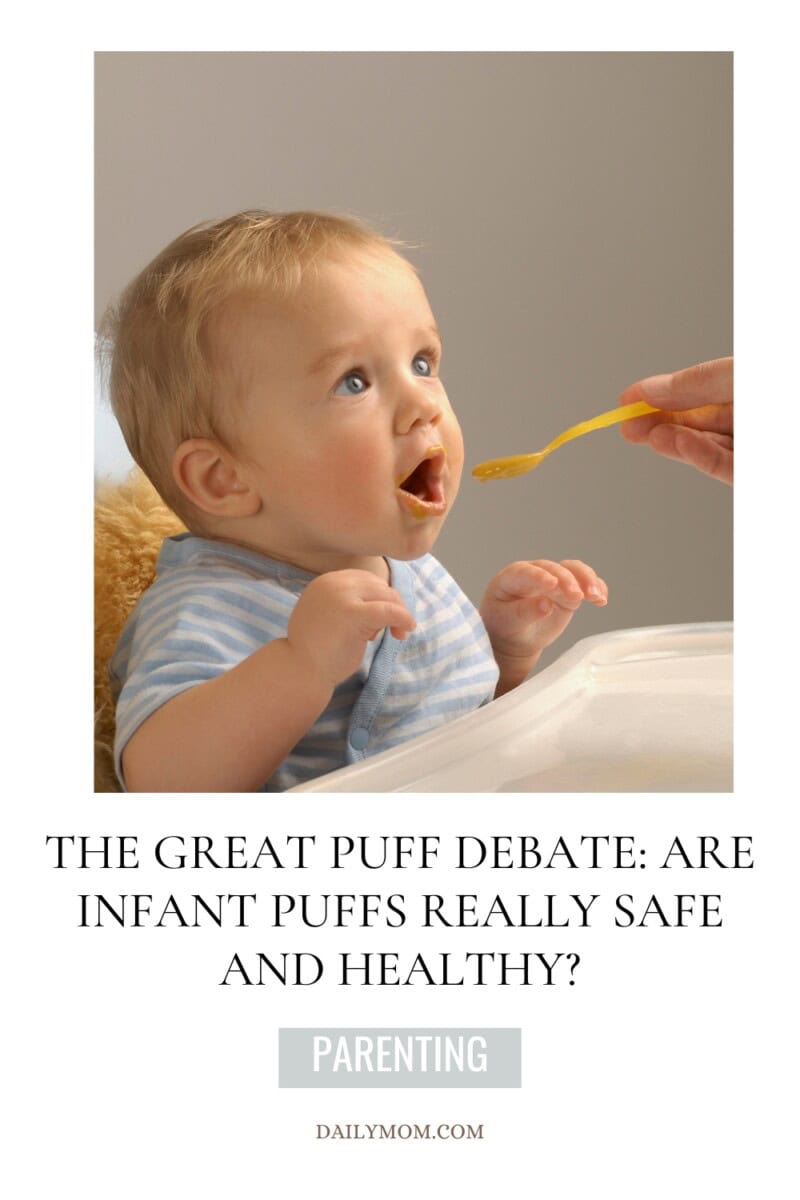
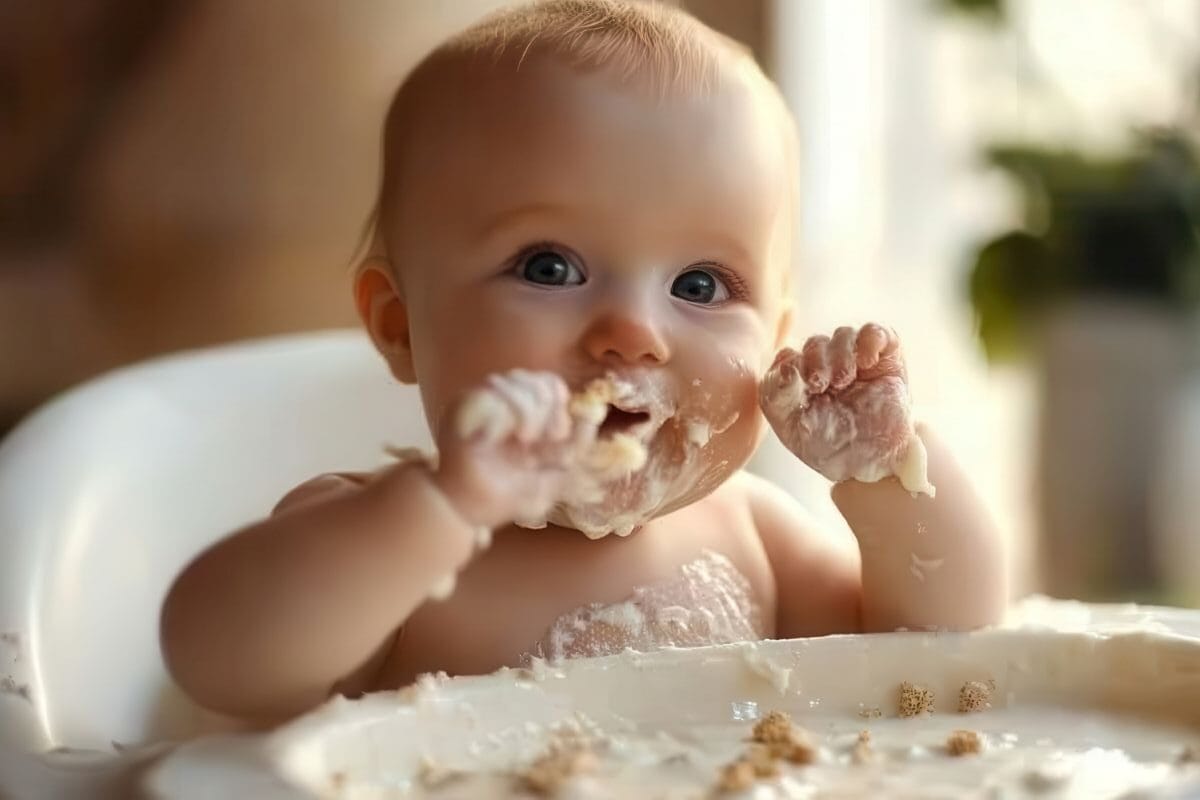
Infant puffs are a simple, airy snack made for babies and toddlers—usually light, dissolvable, and crafted to help your baby learn how to bring food to their mouth. These tiny puff pieces are perfect for helping a baby practice the motion that leads to self-feeding as your little eater grows more confident.
They’re often marketed as healthy snacks, but not all puffs are crafted equally. Some puff snacks contain organic ingredients, while others may use fillers or grain blends that aren’t ideal for babies and toddlers. This article is worth reading because it breaks down what’s truly inside the puffs, how to choose the best, and what parents should watch for—like the risk of heavy metals like lead in certain baby food products.
Below is the full guide filled with friendly explanations, real-parent insights, and side-by-side comparisons to help you choose the safest, healthiest, and most delicious infant puffs for your growing eater.
What Are Infant Puffs and Why Do So Many Babies Love This Snack?
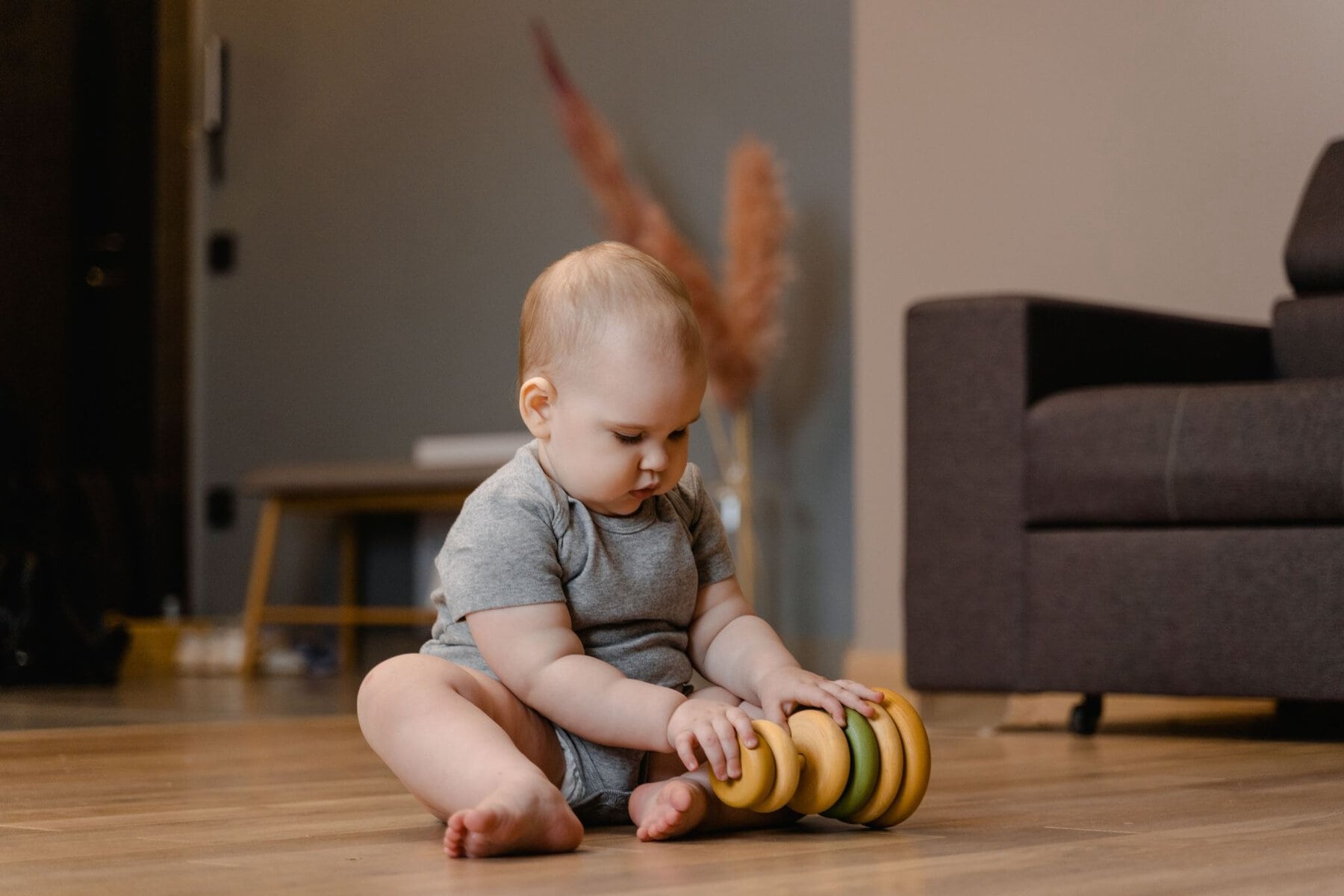
Infant puffs are often a baby’s first finger food because they melt so easily, making them a safe option when introducing your baby to solid foods.
- They’re small enough for tiny hands.
- They dissolve quickly.
- They help a baby practice picking up pieces of food.
Most puffs are made with simple ingredients like cassava flour, rice, or organic grains. Parents choose them because they’re easy, portable, and a gentle way to expose babies to a variety of foods. While some babies like fruit flavors such as organic apple and organic mango, others enjoy savory versions like cheese or sweet potato blends.
Infant puffs also help a baby learns important motor skills as they grow, giving them the confidence to explore new textures and tastes. By starting with puffs for babies, you’re helping your little one grow into a more adventurous eater who will eventually enjoy snacks like fruit and veggie melts, veggie puffs, and even peanut butter puffs.
What Ingredients Make the Best Baby Puff for My Little One?
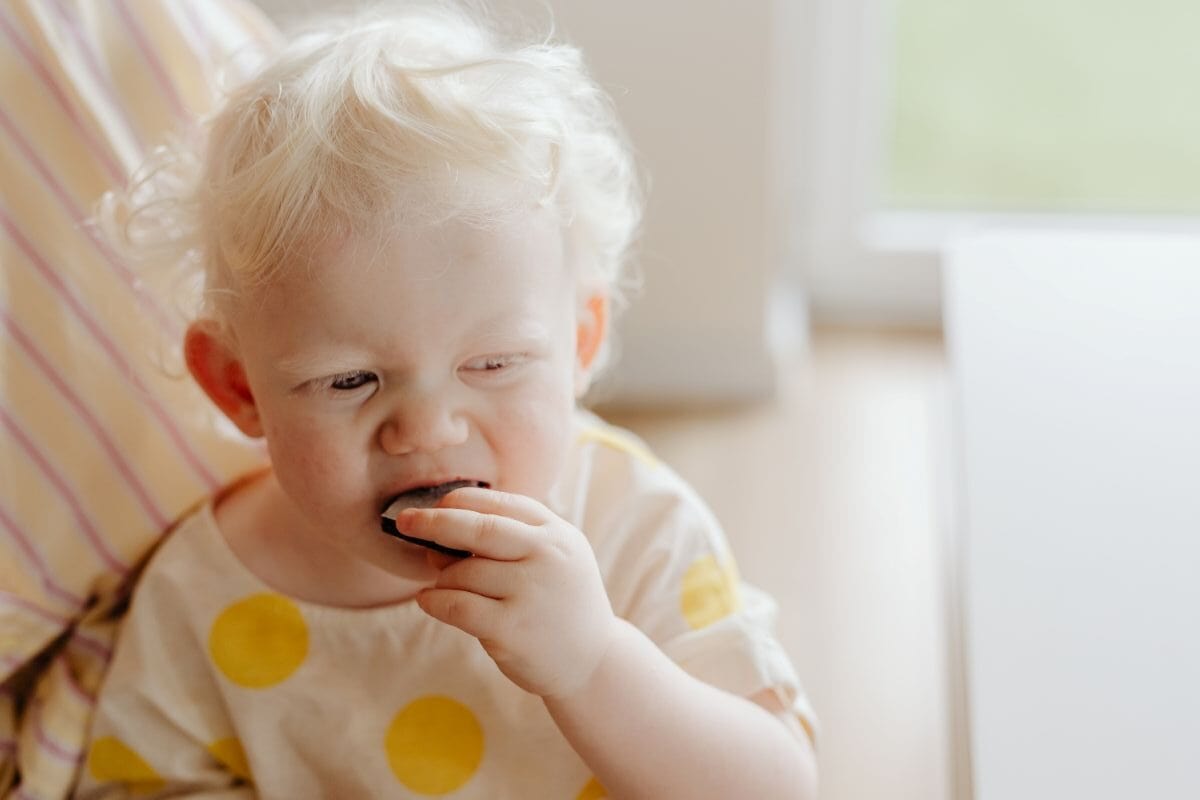
When reading labels for infant puffs, the ingredients matter. Some families prefer certified organic or USDA certified organic puff snacks made with whole-food ingredients instead of fillers or added sugar.
Consider looking for:
- Organic ingredients such as organic carrot, organic coconut milk, or organic apple
- Simple food for babies that avoids artificial additives
- Grain-free puffs if your baby has sensitivities
- Puffs that are free from common allergens unless intentionally choosing exposures
Not every puff is the same. Some brands like Serenity Kids, Lesser Evil, or Yumi Organic use high-quality formulations and prioritize organic blends. Other brands such as Gerber offer affordable options, but parents may want to read about testing baby food or concerns about heavy metals in baby food pouches, baby formula, and 80 baby foods studied in recent years.
Selecting the best infant puffs comes down to reading the label and choosing what fits your baby’s needs while offering a snack food that fits your family’s lifestyle.
Are Infant Puffs Safe? What About Heavy Metals in Baby Food?
Parents often wonder whether infant puffs are safe, especially with concerns about heavy metals in baby products. While not every puff is high in heavy metals, some brands that use rice or certain grains may have higher levels of contaminants.
Here’s what to consider:
- Look for organic puffs that test for heavy metals
- Choose rice-free puffs to avoid higher-risk grains
- Read brand transparency reports when available
Some brands, including Serenity Kids, offer blends like puffs intergalactic voyager veggie blend or voyager veggie blend, and these companies emphasize testing, transparency, and safer sourcing. While no food is completely risk-free, choosing the best baby puffs with fewer additives and more natural sourcing can provide peace of mind.
When Can Babies Start Eating Infant Puffs?
Most babies can start eating puffs around the 6–8 month mark when they show readiness signs such as:
- Sitting up without support
- Developing a pincer grasp
- Bringing food to their mouth
- Showing interest in table foods
But every baby is little different. It’s important to follow your baby’s cues and consult your pediatrician when necessary before starting baby cereal, homemade baby food, or infant puffs.
Safety tip: Always supervise your baby closely during feeding, and make sure they’re upright.
What Are the Best Baby Puffs? A Look at Organic and Grain-Free Options
Parents searching for the best baby puffs often want high-quality ingredients and safe processing. Today’s market includes everything from organic baby puffs to grain-free puffs. Brands that tend to rate well with parents include:
- Serenity Kids with serenity puffs
- Lesser Evil and Serenity Kids blends
- Yumi Organic puff lines
- Lesser Evil with creative veggie blends
These puffs are made with thoughtful ingredient sourcing and minimal additives.
When comparing brands, look for:
- Organic peanut butter if offering allergen exposure
- Natural flavors over artificial
- No added sugar
- No artificial colors
A quality baby snack should taste good, keep your baby interested, and fit into a diet filled with whole food choices.
Are Peanut Butter Puffs Safe for Babies? Understanding Allergy Exposure
Parents sometimes hesitate around peanut butter puffs, but introducing common allergens like peanuts early may reduce the risk of developing peanut allergy.
Many babies and toddlers can safely enjoy peanut-based snack puffs under guidance from a pediatrician.
Things to look for:
- Organic peanut butter on the ingredient list
- Blends that are easy for babies to dissolve
- Puffs that support safe allergen introduction
Brands like Serenity Kids and Lesser Evil offer safe, high-quality peanut butter puffs with clean formulations.
Are Homemade Baby Puffs Worth Making?
Some families love the idea of homemade baby snacks. Making your own homemade infant puffs can be a fun way to use ingredients like sweet potato, cheese, or even fruit blends.
Homemade options can allow parents to:
- Choose all ingredients
- Avoid unwanted additives
- Create allergen-friendly versions
But there are a few challenges:
- Homemade versions don’t always dissolve as safely
- Texture can be harder to control
- Store-bought brands often test more rigorously
If you enjoy DIY cooking and already make things like homemade baby food, trying your own puff recipe can be a fun kitchen project.
Are Organic Baby Puffs Really Better?
Some families choose organic baby puffs made with organic ingredients because they want natural, cleaner baby food.
Organic options may help reduce exposure to pesticides and other additives. You may see terms like:
- Certified organic
- USDA certified organic
- Organic puffs
- Organic mango or organic apple flavors
Organic doesn’t automatically mean healthier, but it often means fewer artificial ingredients and cleaner processing.
How Do Serenity Kids Puffs and Lesser Evil Compare?
Parents searching for the best infant puffs often compare Serenity Kids and Lesser Evil. Both brands offer:
- Organic blends
- Unique flavors
- Clean ingredient lists
- Creative textures
Serenity Kids offers blends like puffs intergalactic voyager veggie blend, while Lesser Evil has options like lil’ puffs or veggie puffs. These puffs tend to be flavorful, meltable, and appealing for kids to eat, making them popular among parents who value clean-label baby products.
Should Babies Eat Many Puffs or Just a Few?
While infant puffs are convenient, they should not replace a variety of foods. Even though kids like simple snacks like puffs, babies benefit from exposure to a wide range of flavors and textures.
Puffs work well as:
- A training finger food
- A car-friendly snack
- A transition food between meals
But babies should still enjoy fruits, veggie blends, purees, and fresh meals to ensure balanced nutrition.
Infant Puffs: the Great Debate
Choosing the best infant puffs for your baby doesn’t have to be complicated. By focusing on clean labels, organic options, and well-tested brands, you can feel confident about the puff snacks you offer your little one. Whether you prefer organic baby puffs, grain-free puffs, allergen-friendly blends like peanut butter puffs, or thoughtful brands such as Serenity Kids or Lesser Evil, there’s a safe and tasty option for every family. Infant puffs are a gentle introduction to self-feeding, a perfect early snack, and a fun way to help your baby grow into a curious, confident eater who enjoys a variety of foods every day.
FAQ About Infant Puffs
Are infant puffs a good way to keep my baby happy during snack time?
Yes, many parents find that infant puffs are an easy way to keep their little one happy while supporting early self-feeding skills. Their quick-dissolve texture and small size help babies stay engaged and confident as they learn to pick up food.
How old should a baby be before trying infant puffs?
Most babies can try infant puffs around 7 months old, but readiness signs matter more than age. Look for strong head control, the ability to sit upright, and early attempts at self-feeding.
Are Lil Spoon snacks similar to infant puffs?
Some parents compare Lil Spoon snacks to puffs because they’re designed for early eaters, but textures vary. Infant puffs melt quickly, while Lil Spoon products may have thicker or more complex textures depending on the item.
What does it mean when a label says puffs are free from certain allergens?
When a brand notes that their puffs are free from certain ingredients, it typically means they avoid common allergens like wheat, dairy, soy, or nuts. Always read the packaging closely since each company defines this differently.
Are there healthy puffs for babies?
Yes — healthy puffs usually contain simple ingredients, no added sugar, and may include whole grains, fruits, or vegetables. These options support development without unnecessary additives.
What nutrients do infant puffs contain?
Depending on the brand, infant puffs contain vitamins like B12, iron, or vitamin E. Some are fortified to support growth, while others focus on whole-food ingredients. Always check the nutrition label to compare.
What should I know about puffs and baby self-feeding?
Puffs and baby self-feeding go hand-in-hand. Because puffs melt quickly, babies can practice chewing motions and develop a confident pincer grasp.
Should I be offering a variety of foods along with infant puffs?
Absolutely. Offering a variety of foods helps babies explore flavors and textures beyond puffs, supporting a balanced diet and more adventurous eating habits.
Do infant puffs contain allergens sometimes?
Yes, some infant puffs do contain potential allergens, depending on the recipe. Gluten, dairy, or soy may appear in certain varieties, so always review the ingredient list before serving them to your baby.
You might also be interested in…
Check out “Toxic Heavy Metals in Baby Food Can Increase the Risk of Autism” for more baby food and infant puffs information.
CONNECT WITH DAILY MOM
💖 NEWSLETTER: DAILY READS IN YOUR INBOX 💖
Sign up to receive our picks for the best things to do, see and buy so you can relax and focus on more important tasks! Let us help you be the best version of yourself you can be!
BE SOCIAL WITH US
📌 LOVE IT? PIN IT!📌