






























Gothic makeup never really leaves the room—it just changes the lighting. From dramatic runway moments to a soft goth everyday look, this style continues to evolve without losing its edge. The beauty of a true goth makeup look lies in its balance: dark yet romantic, dramatic yet wearable, bold yet surprisingly simple once the technique clicks.
This guide blends inspiration with a practical step-by-step tutorial approach, helping refine everything from a classic gothic makeup statement to softer, modern makeup looks. Whether the goal is full traditional drama or just tapping into an inner goth for the weekend, there’s a version of this aesthetic that fits.
Why Gothic Makeup Never Goes Out of Style
Trends come and go, but gothic makeup has serious staying power. It thrives on contrast—light against dark, softness against sharp structure, romance layered over rebellion. That tension is exactly what keeps the goth look relevant decade after decade.
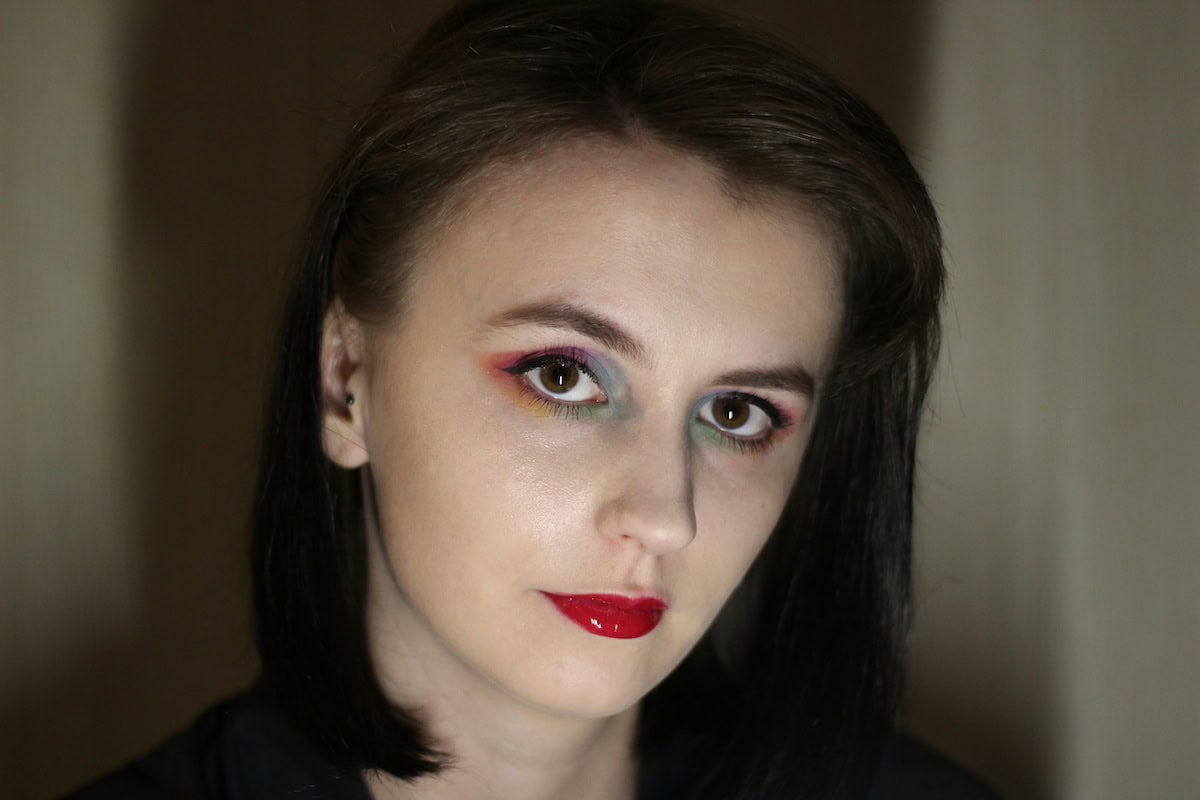
At its core, goth makeup isn’t just about black eyeliner and bold lipstick. It’s about mood. A moody complexion, a smoky eye, a matte base that reads almost porcelain under certain lighting. It can feel theatrical or subtle, depending on how the elements are styled. Some makeup looks lean toward dramatic vampire glam; others flirt with a soft goth vibe that feels understated but still intentional.
What makes gothic makeup look so compelling is their adaptability. A goth makeup look can be:
- Romantic and ethereal with diffused eyeshadow and a deep berry lipstick
- Sharp and traditional with matte black eye makeup and sculpted contour
- Modern and editorial with structured skin and graphic eyeliner
- Soft and wearable for an everyday look that still carries unmistakable goth vibes
There’s also a sense of artistry involved. Gothic makeup invites experimentation—playing with shadow placement, deep plum tones, charcoal blending, and bold lash emphasis. It’s makeup that doesn’t apologize for taking up space.
And while the aesthetic often feels rooted in classic gothic culture, it continues to inspire new interpretations. From 80s trad goth energy to romantic goth makeup with a softer touch, the style adapts without losing its identity. That’s why it keeps resurfacing across fashion, beauty campaigns, and social media feeds.
More importantly, goth makeup offers something many other trends don’t: emotional expression. It allows room for drama, intensity, and elegance all at once. It can feel pretty in a haunting way. It can feel powerful without being flashy. It can even feel simple when stripped down to its core elements. The enduring appeal comes from this flexibility. Gothic makeup looks to try range from full classic gothic glamour to a muted, moody take that pairs seamlessly with modern fashion. There’s always another way to get the look, another variation to explore.
And maybe that’s the real secret: gothic makeup isn’t about copying one rigid formula. It’s about refining your own version of dark beauty and letting it evolve.
What Defines Gothic Makeup?
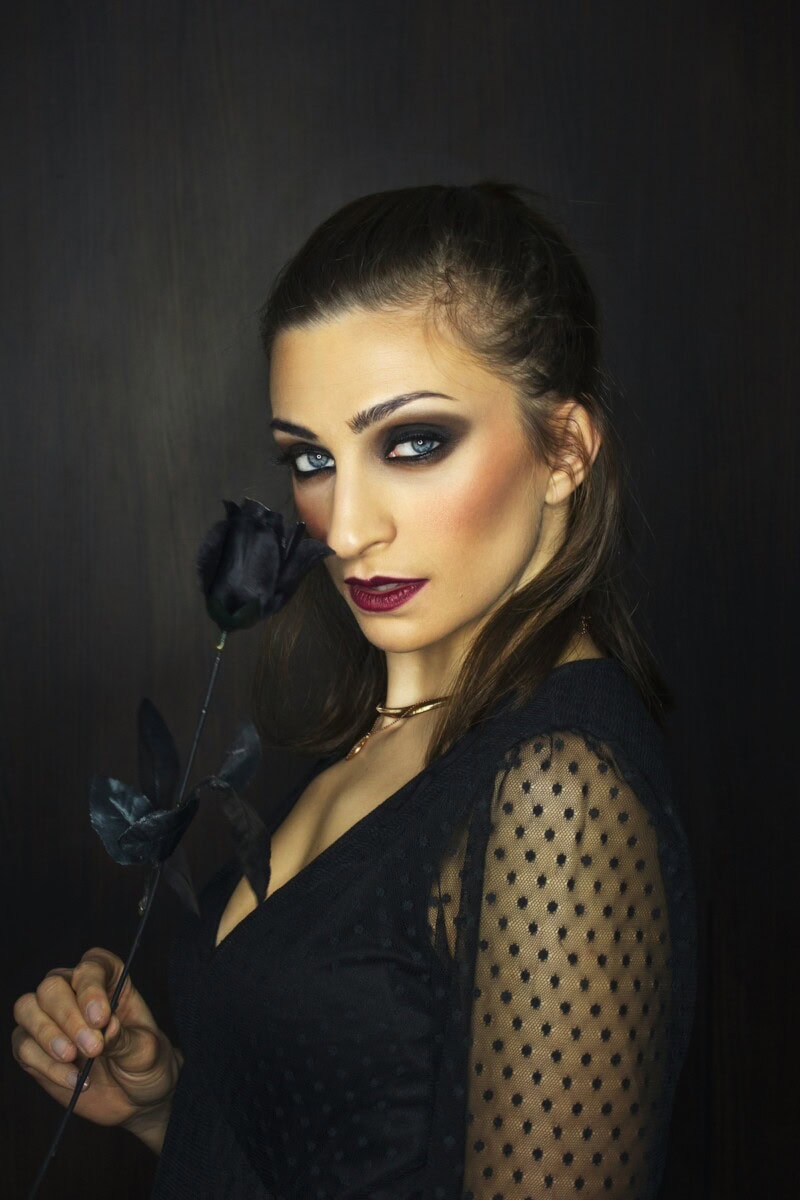
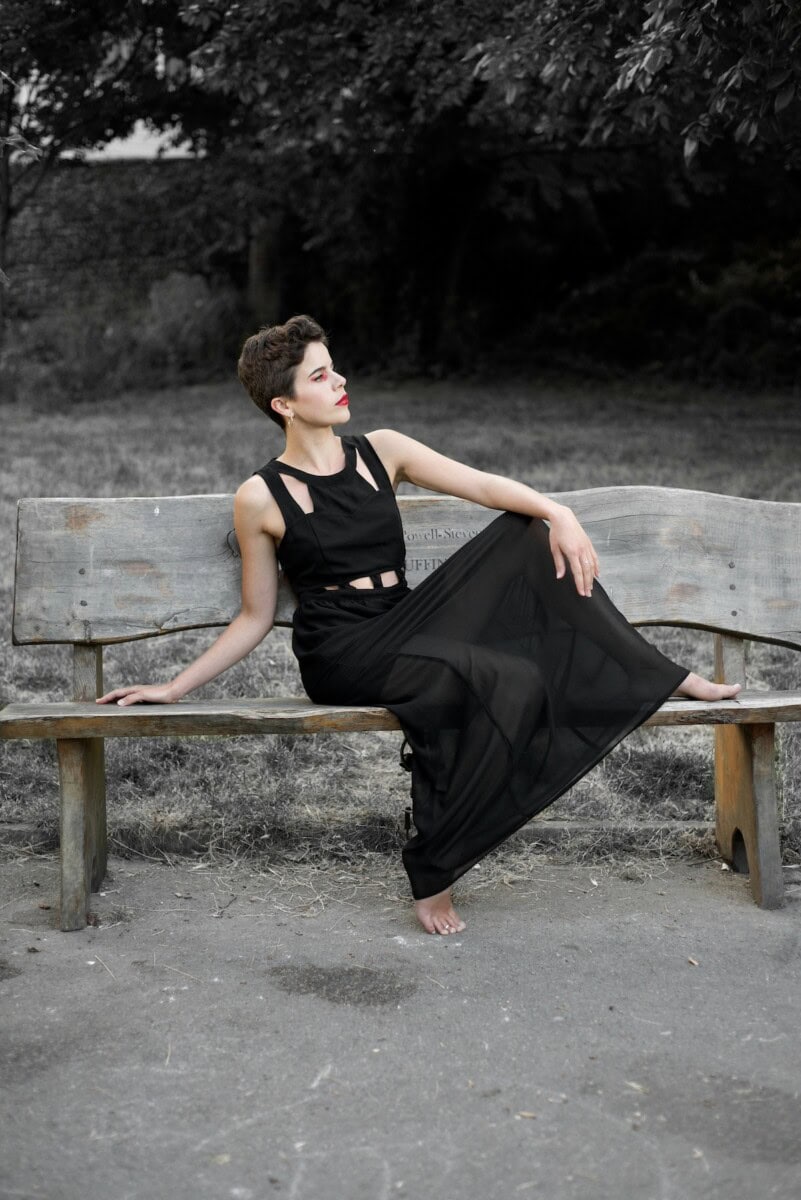

Before diving into brushes and blending, it helps to define what actually makes makeup “gothic.” Not every dark lipstick qualifies. Not every smoky eye equals a full goth makeup look. The magic lives in the details — texture, contrast, structure, and mood. At its heart, gothic makeup is about intention. Every element feels deliberate. Nothing is accidental.
A. The Core Elements of Gothic Beauty
The most recognizable goth makeup shares a few defining traits. These aren’t strict rules, but they create the foundation for everything from classic gothic makeup to modern editorial interpretations.
Key characteristics of a strong gothic makeup look:
- A dark, moody aesthetic – Think black, charcoal, deep plum, burgundy, and oxblood tones. Even when color appears, it leans cool-toned and dramatic.
- High contrast skin – A smooth foundation base that reads lighter or more muted against bold eyes and lips. The complexion often appears sculpted rather than sun-kissed.
- Matte textures – A matte finish dominates traditional goth makeup because it absorbs light instead of reflecting it. The result feels velvety and dramatic.
- Intense eye makeup – The eye becomes the focal point, often defined with heavy eyeliner, layered eyeshadow, and strong lash emphasis.
- Statement lipstick – Black, deep red, deep plum, or burgundy lipstick anchors the entire look.
Skin is where the drama begins. A well-prepped foundation creates that porcelain or muted canvas. Instead of glow-heavy trends, gothic makeup favors a matte base that enhances the shadowy structure of the face. This doesn’t mean flat or chalky — it means controlled. The complexion looks smooth, intentional, and almost sculptural. Contour plays a role here, too. Subtle contour under the cheekbone creates a slightly hollowed effect that enhances the moody structure. Add a restrained blush placement higher on the cheekbone, and suddenly the face looks lifted but still mysterious. The overall vibe? Structured, not sunlit.
Then come the eyes — arguably the most expressive part of the goth look. Gothic eye makeup often features:
- Smudged eyeliner along the lash line
- Deep eyeshadow blended through the outer corners
- Emphasis on the lower lash line or even the waterline
- A generous coat of mascara to build intensity
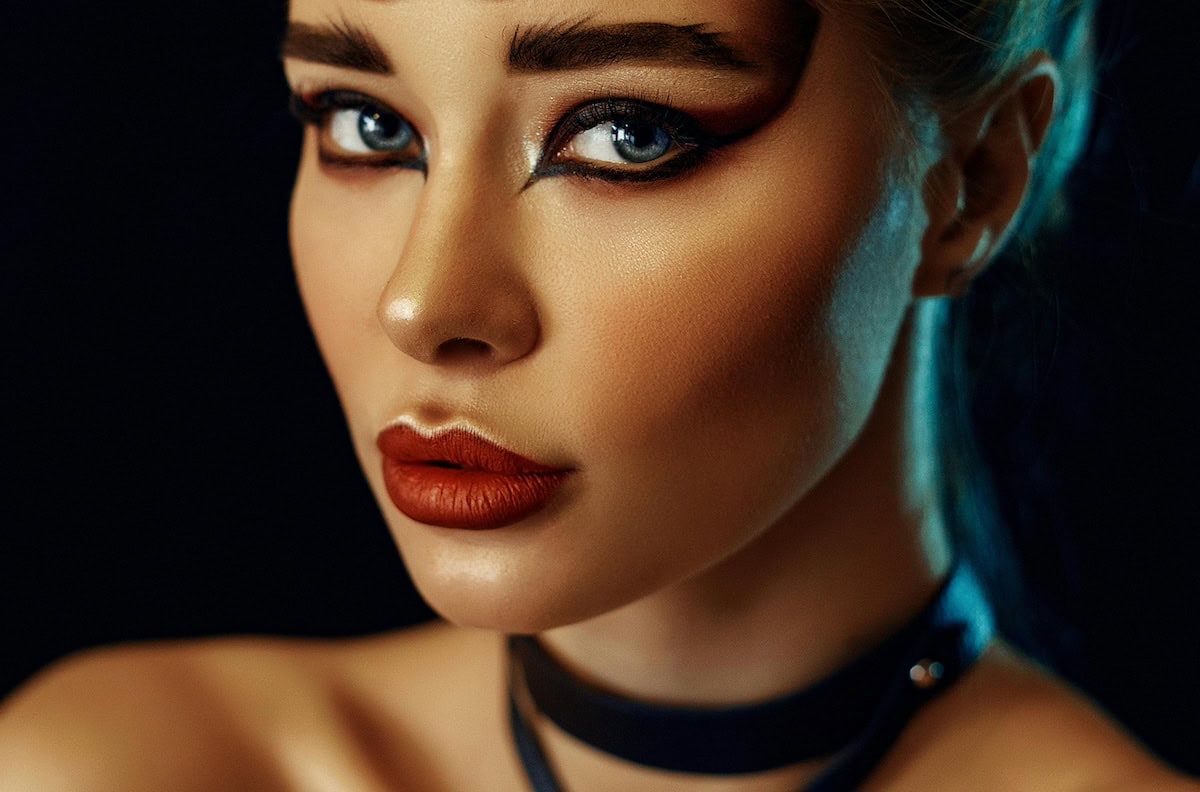
Unlike bright glam styles, the goal isn’t sparkle overload. Its depth. Even when shimmer appears, it’s subtle and strategic. Finally, there’s lipstick. A crisp, dark lipstick line instantly elevates the entire goth makeup look. Whether it’s matte black for dramatic impact or a deep plum shade for romantic goth makeup, the lip seals the mood. The result is a style that feels cohesive rather than chaotic. Every feature works together — complexion, brow, eye, and lip — to create a look that feels intentional and powerful.
Gothic vs. Emo: What’s the Difference?
The confusion between goth and emo has been lingering since the 80s and early 2000s, and while they share overlap, they’re not identical twins. Both aesthetics lean into dark tones and emotional expression. Both may include heavy eyeliner and moody fashion. But the intention and structure behind the makeup looks often differ.
Gothic makeup typically emphasizes:
- Structured contour and defined cheekbones
- Matte finishes for a polished, dramatic effect
- Symmetry and deliberate shaping
- Classic gothic influence or trad goth references
Emo makeup tends to feel more raw and spontaneous:
- Messier eyeliner
- Less emphasis on sculpted contour
- Focus on expressive, sometimes smudged eye makeup
- A slightly undone quality
Where gothic makeup often feels artistic and refined, emo leans more emotional and rebellious in execution. A trad goth makeup style might feature sharp brow shaping, defined foundation work, and carefully blended eyeshadow. Emo influence might skip some of that structure in favor of heavy liner and mood-driven placement.

That said, overlap absolutely exists. A goth makeup look can incorporate smudged eyeliner. An emo-inspired style can borrow gothic depth. Beauty evolves through blending influences. The difference really comes down to mood and finish. Gothic makeup feels deliberate. Emo feels expressive and immediate. Both have cultural roots and creative merit — they just communicate slightly different energies. Understanding that distinction helps refine your own approach. Whether the goal is classic gothic makeup or a modern hybrid take, knowing the foundation of each aesthetic makes it easier to build something that feels authentic instead of accidental.
The Perfect Gothic Makeup Base
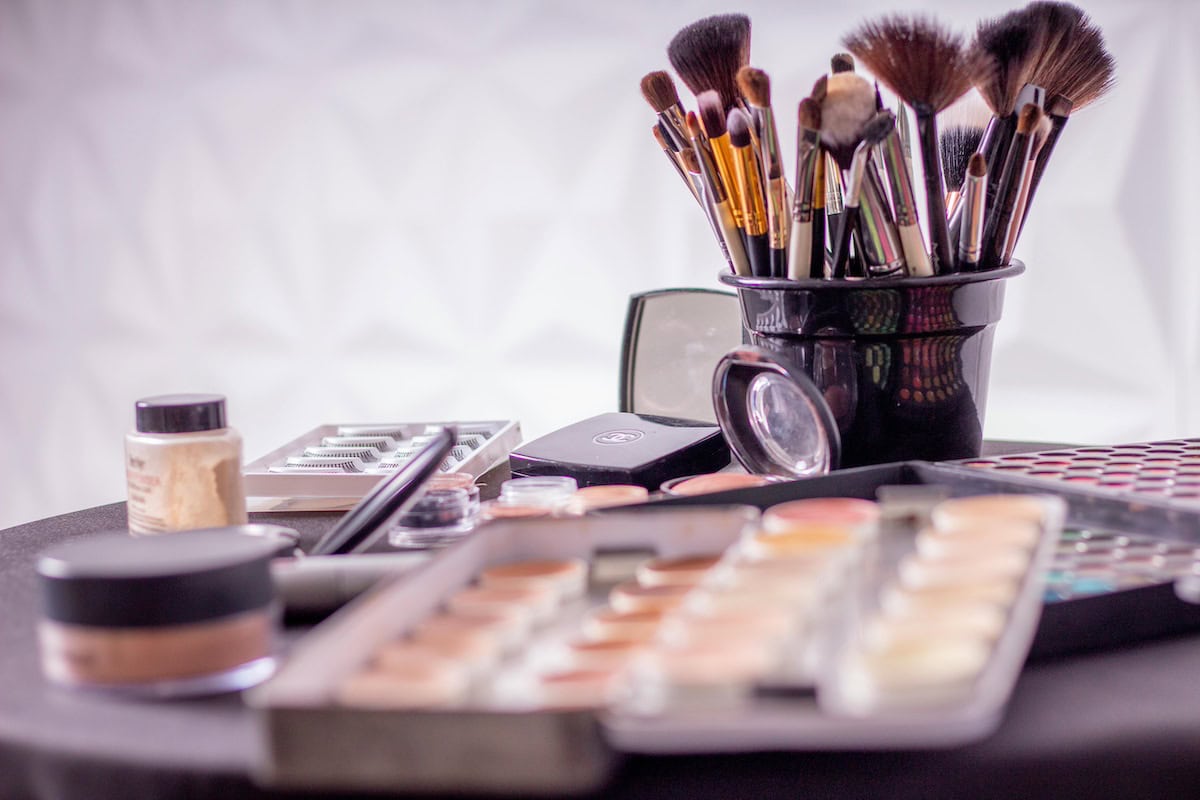
Before the eyeliner gets dramatic and the lipstick gets bold, the base sets the tone. A strong goth makeup routine always starts with structure. The skin doesn’t compete with the eyes or lips — it supports them. This is where technique matters. The right foundation, thoughtful contour placement, and intentional brow shaping create that unmistakable gothic framework.
Foundation & Complexion: How Do You Create the Perfect Base?
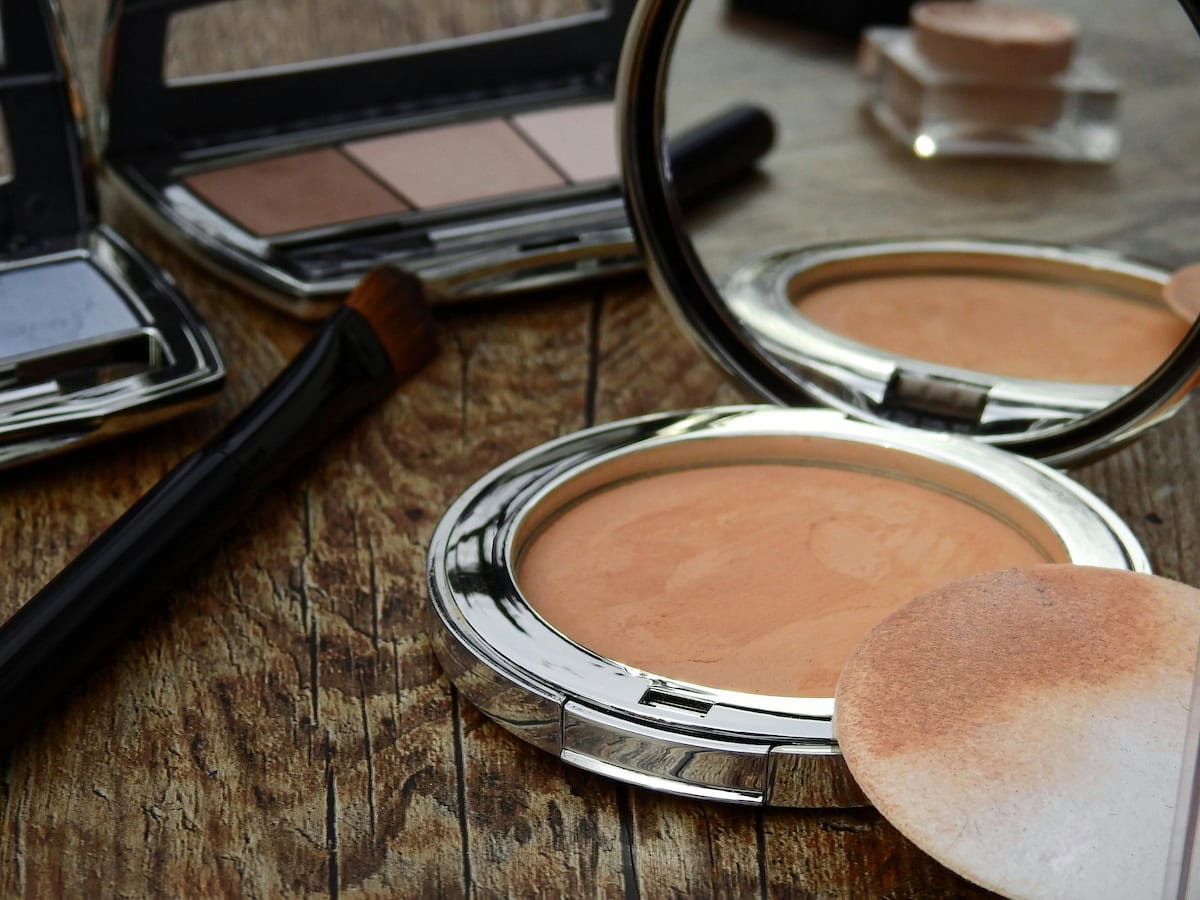
A gothic makeup look often begins with a controlled, even complexion. Not heavy. Not cakey. Just smooth, balanced, and slightly ethereal. The goal isn’t necessarily to go several shades lighter than your natural skin tone. It’s about creating a muted, almost porcelain effect that contrasts beautifully with dark elements. Choosing the right foundation means paying attention to undertones. Many gothic makeup looks lean cool-toned rather than overly warm or bronzed.
For a classic goth makeup look, matte is usually the move.
Why matte works so well:
- It enhances shadow placement
- It prevents shine from distracting the eye
- It photographs beautifully under dim or dramatic lighting
- It supports that slightly moody finish
A luminous base can dilute the drama. A matte finish, on the other hand, reinforces it. Think velvety rather than glowing. Controlled rather than dewy.
Application matters too. Use a sponge or dense brush to build coverage gradually. The complexion should look smooth and intentional, not mask-like. Blending down the neck keeps everything cohesive, especially when working with deeper eye makeup and bold lipstick. This is also the moment to subtly brighten under the eye to enhance contrast without adding shimmer. Gothic makeup thrives on dimension, not glitter.
Contour & Cheekbone Definition: How Do You Sculpt Without Looking Muddy?
Contour in gothic makeup isn’t about beachy definition. It’s about structure. The kind that catches candlelight and casts shadow in the right places. A cool-toned contour shade works best here. Anything too warm can read bronzy, which shifts the vibe away from gothic and closer to glam. The objective is a slightly hollowed cheekbone that feels moody but still polished.
Placement tips for a dramatic effect:
- Apply contour just beneath the cheekbone, blending upward lightly
- Add subtle depth at the temples for balance
- Keep the jaw sculpted but not overly harsh
- Avoid heavy shimmer in contour products
Blending is critical. A fluffy brush helps diffuse edges so the contour enhances bone structure instead of sitting on top of the skin. Blush plays a supporting role. In many gothic makeup looks, blush is placed slightly higher on the cheekbone rather than the apples of the cheeks. This keeps the face lifted and sharp rather than soft and rounded. Shades like muted rose, deep berry, or even a subtle plum complement the overall moody tone without competing. The result? Definition that feels intentional — sculpted, not streaky.
Brow Structure: Why the Brow Changes Everything
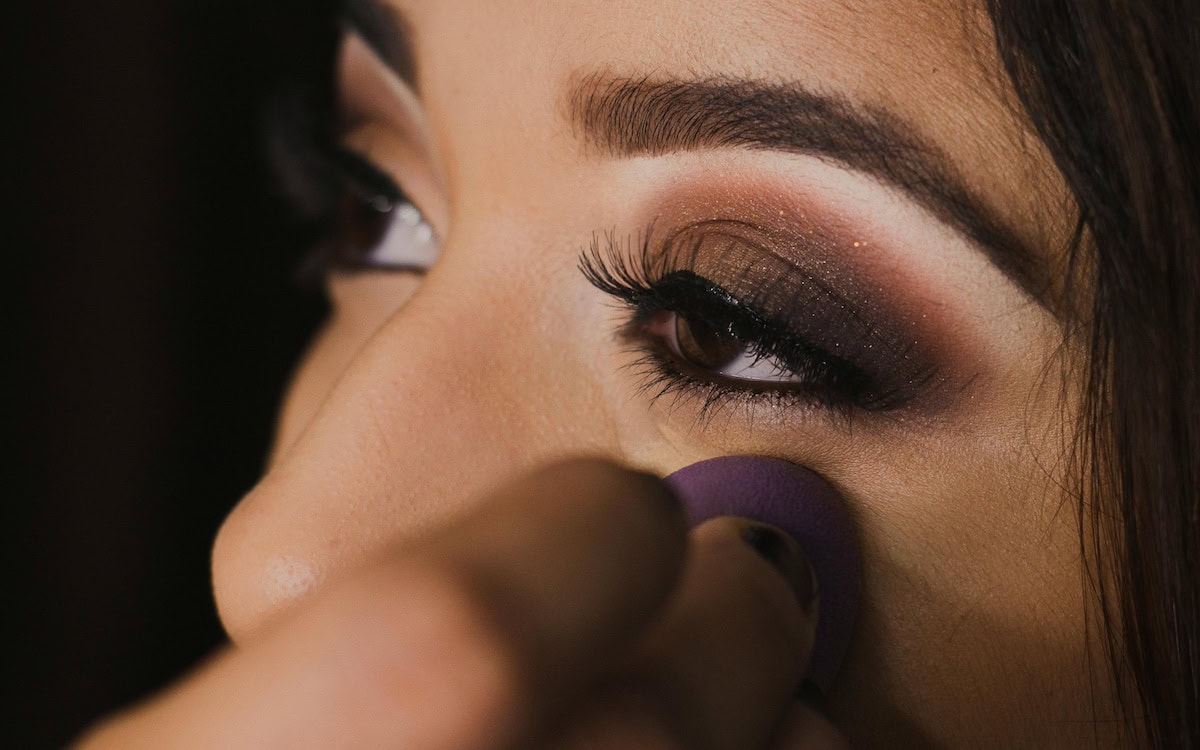

Nothing frames a gothic makeup look quite like the brow. It can transform the entire mood in seconds. A strong brow anchors dramatic eye makeup. Without it, even the best eyeliner can feel unfinished. The choice between straight or arched brows depends on the specific style being created.
Different brow shapes create different effects:
- Straighter brows – More traditional, sometimes associated with trad goth or classic gothic aesthetics
- High arches – Add intensity and drama
- Slimmer shapes or micro brow styles – Channel 80s and 80’s influence for a bold, alternative edge
Filling in the brow with a deeper shade enhances contrast, especially when paired with dark eyeshadow. However, the brow should still look intentional — not blocky or overly drawn on. Using short, hair-like strokes keeps the finish believable. For extra drama, slightly extending the tail elongates the eye area and adds structure to the overall goth look. When the base, contour, and brow work together, the entire makeup foundation feels balanced. The face becomes a canvas ready for the main event — the eye makeup that brings the gothic vision fully to life.
The Eyes: Where the Goth Look Comes Alive
If the base sets the stage, the eye steals the spotlight. Goth makeup lives and breathes through eye makeup. This is where depth, drama, and personality show up in full force. Whether the vibe leans classic gothic, romantic, glam, or slightly emo-inspired, the eye area carries the emotional weight of the entire look.
Done well, goth eye makeup feels intentional, dimensional, and just a little hypnotic.
Eyeshadow Techniques: How Do You Build Depth?
Black eyeshadow gets all the credit, but the real secret to a compelling goth makeup look is layering. Flat black alone can look heavy. Dimension is what makes it editorial.
Start by building a gradient.
To create a smoky, diffused effect:
- Lay down a transition shade (cool-toned taupe, gray, or muted brown)
- Deepen the outer corners with charcoal or matte black
- Press deeper shades like deep plum or burgundy near the lash line
- Blend edges upward using a fluffy brush for a seamless fade
This layering technique keeps the eye from looking one-dimensional. Burgundy and deep plum add richness without straying from the dark palette. A touch of charcoal in the crease creates that soft shadow effect that reads moody but polished. For added drama, concentrate pigment on the outer corners and slightly elongate the shape. This creates a subtle lifted effect that feels romantic without going full theatrical vampire.
And yes, black eyeshadow absolutely has a place — just blend it thoughtfully. A smoky finish feels intentional. A harsh edge feels accidental.
Graphic & Dramatic Eye Looks: How Bold Is Too Bold?
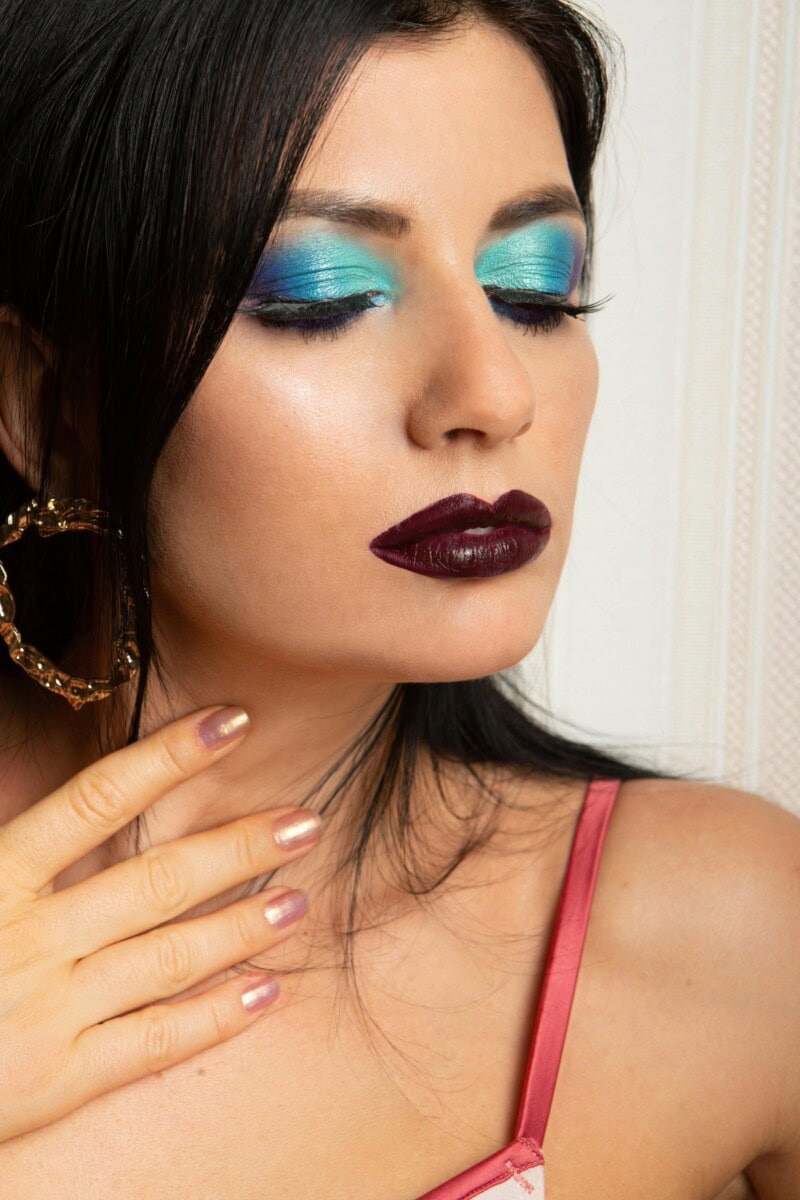
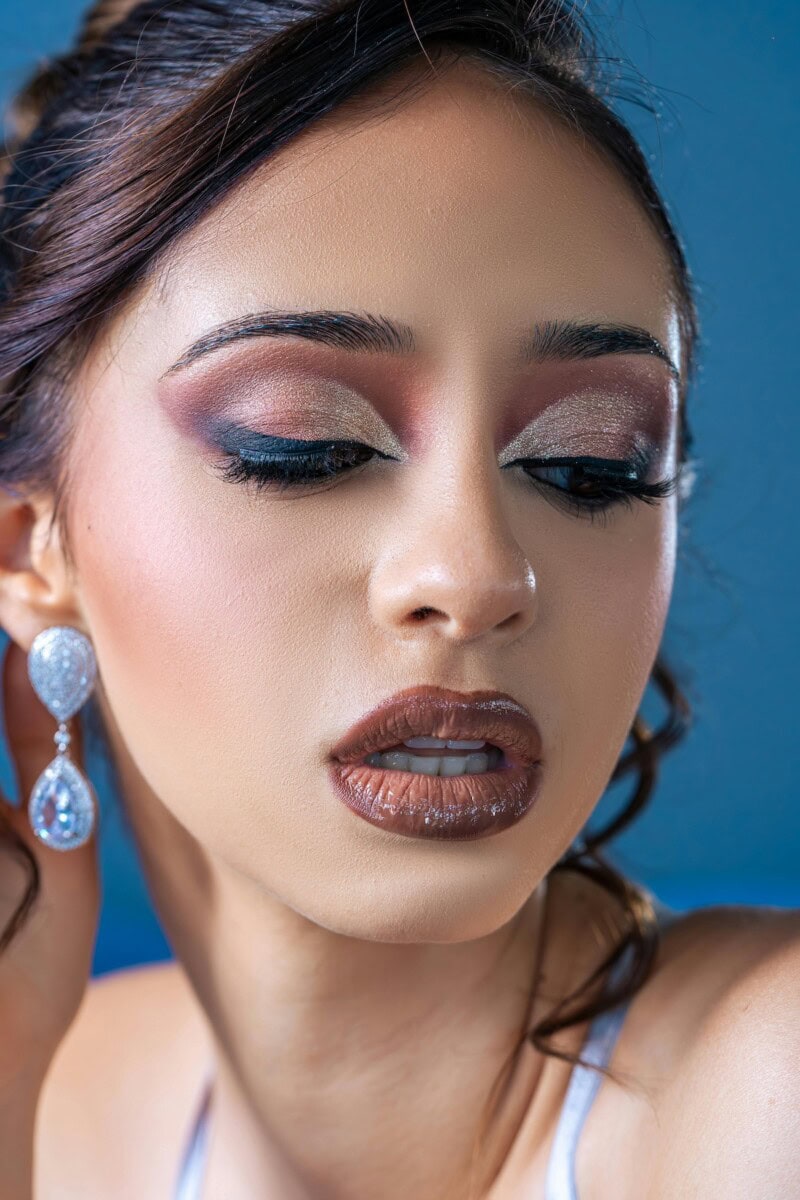
In goth makeup, bold is kind of the point. Eyeliner becomes architectural here. Instead of a thin flick, think structure and weight. A thicker upper lash line grounds the look, especially when paired with a dramatic lip.
Ways to intensify the eye:
- Tightline the upper lash to remove any visible gaps
- Apply liner to the waterline for added depth
- Smudge product slightly along the lower lash line
- Connect upper and lower waterlines for a seamless frame
Smudging is key. A slightly diffused liner feels intentional and moody. Using an angled brush to soften edges keeps it controlled rather than messy.
Heavy lower lash emphasis is common in trad goth and traditional goth makeup. It frames the eye in a way that feels dramatic and slightly rebellious. The trick is balance — blend enough to create shadow, but not so much that it drags the face downward. Then comes mascara. A volumizing formula — even something bold like big bad lash mascara — builds intensity fast. Focus on the upper lash, but don’t ignore the lower lashes if drama is the goal. Clumpy isn’t mandatory, but density definitely helps.
The result should feel elongated, defined, and expressive. Not chaotic. Not costume. Just powerful.
Matte vs. Shimmer in Gothic Makeup: Does Shine Ruin the Mood?
Traditional goth makeup tends to favor matte finishes. A matte finish absorbs light and enhances depth, which reinforces the dramatic effect. That said, shimmer isn’t banned — it just needs strategy.
Matte shadows dominate because they:
- Enhance the contour in the crease
- Create a velvety, classic gothic feel
- Support that moody aesthetic
But a subtle shimmer can elevate a romantic or modern interpretation. A touch of sheen pressed lightly at the center of the lid can add dimension without breaking the mood. Think glow, not glitter. For a more romantic goth makeup take, pairing matte eyeshadow with a faint reflective highlight at the inner eye creates contrast. It keeps the look dimensional while staying within the aesthetic. The key is restraint. Gothic makeup isn’t about sparkle overload. It’s about shadow play.
When the eyes are layered, blended, and framed properly, the entire goth makeup look feels cohesive. The base supports it. The brow anchors it. But the eye? That’s where the personality lives.
Lips That Define the Look
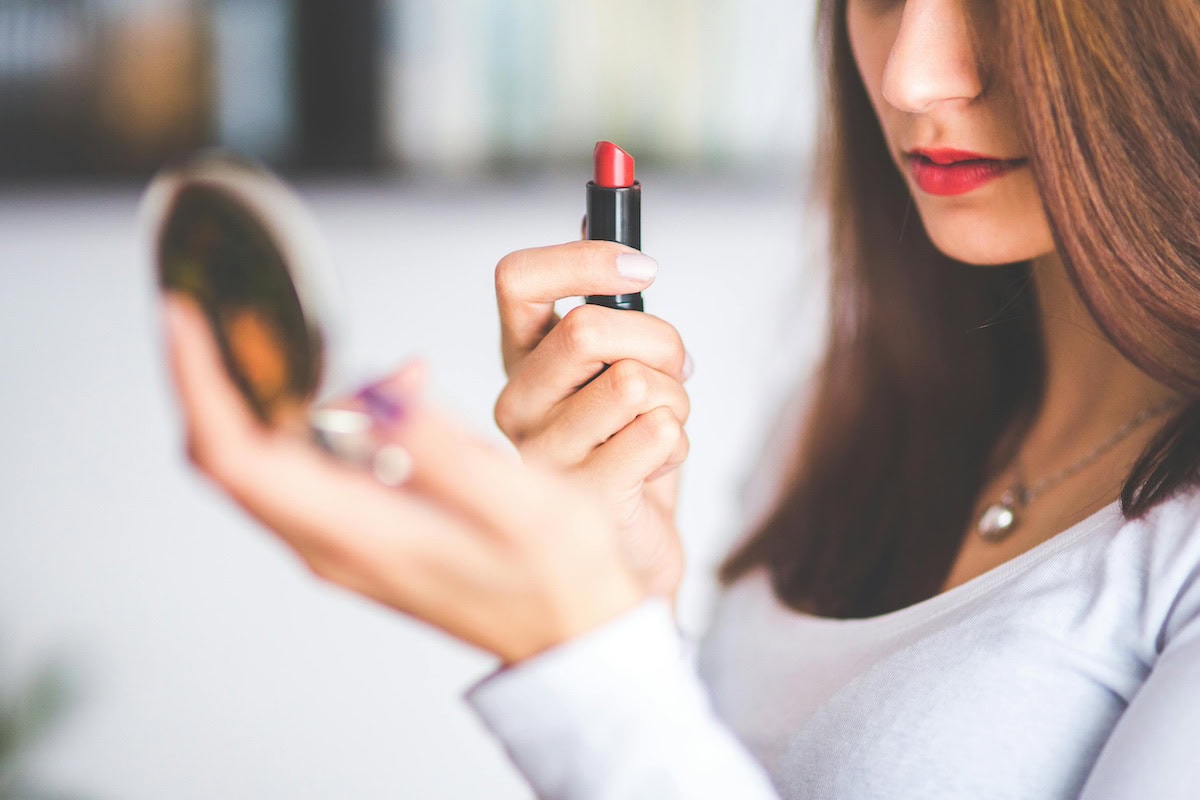
If the eyes bring the intensity, the lipstick seals the deal. A goth makeup look without a defined lip can still work — but once a dark lipstick enters the picture, everything shifts. The energy becomes sharper. More deliberate. A little dangerous in the best way. The lip in gothic makeup isn’t just color. It’s punctuation.
Classic Dark Lipstick: Which Shades Work Best?
Black may be the most iconic option, but it’s far from the only one. Gothic makeup thrives on depth, and there are plenty of shades that deliver drama without defaulting to jet black.
Classic goth-approved lipstick shades include:
Each shade creates a slightly different mood. Black feels bold and unmistakably trad goth. Deep red leans classic, gothic, and timeless. Burgundy and deep plum introduce a romantic edge while still keeping things dark. Formula matters just as much as color.
Matte vs. satin finishes:
- Matte lipstick reinforces a dramatic, structured aesthetic
- Satin finishes add a subtle dimension without becoming glossy
- Ultra-glossy lips tend to shift the look toward glam rather than gothic
For a traditional goth makeup approach, matte usually wins. A matte finish keeps the lip velvety and intense, especially when paired with a matte base and defined contour. Application technique makes a difference, too. Crisp edges feel intentional. Using a lip brush or carefully tracing the lip line first helps maintain precision. Clean edges prevent darker shades from looking messy. For extra impact, slightly sharpening the cupid’s bow adds structure. For a more romantic goth makeup feel, softly rounding the edges creates a subtle, vintage softness.
Balancing the Eye and Lip: Can You Go Bold on Both?
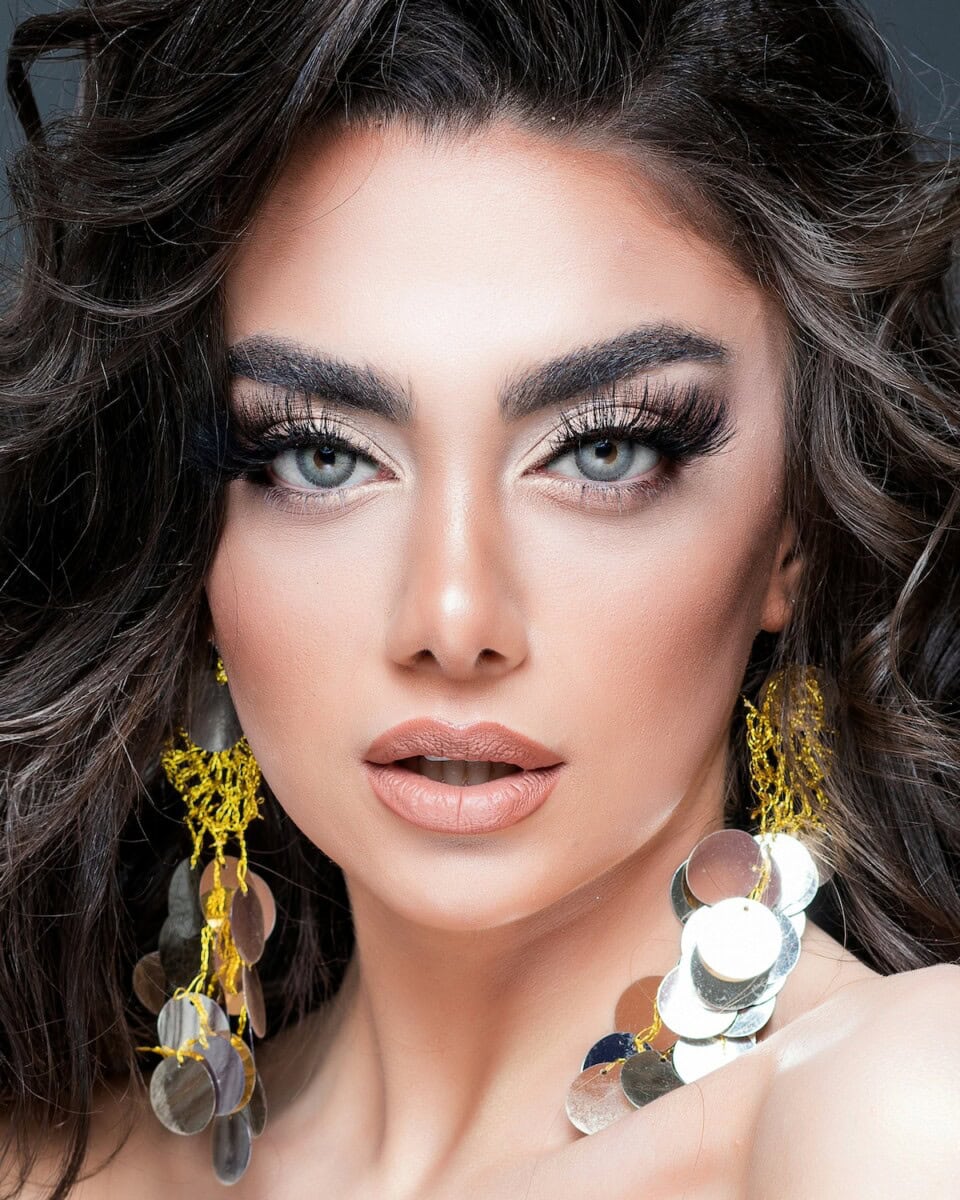
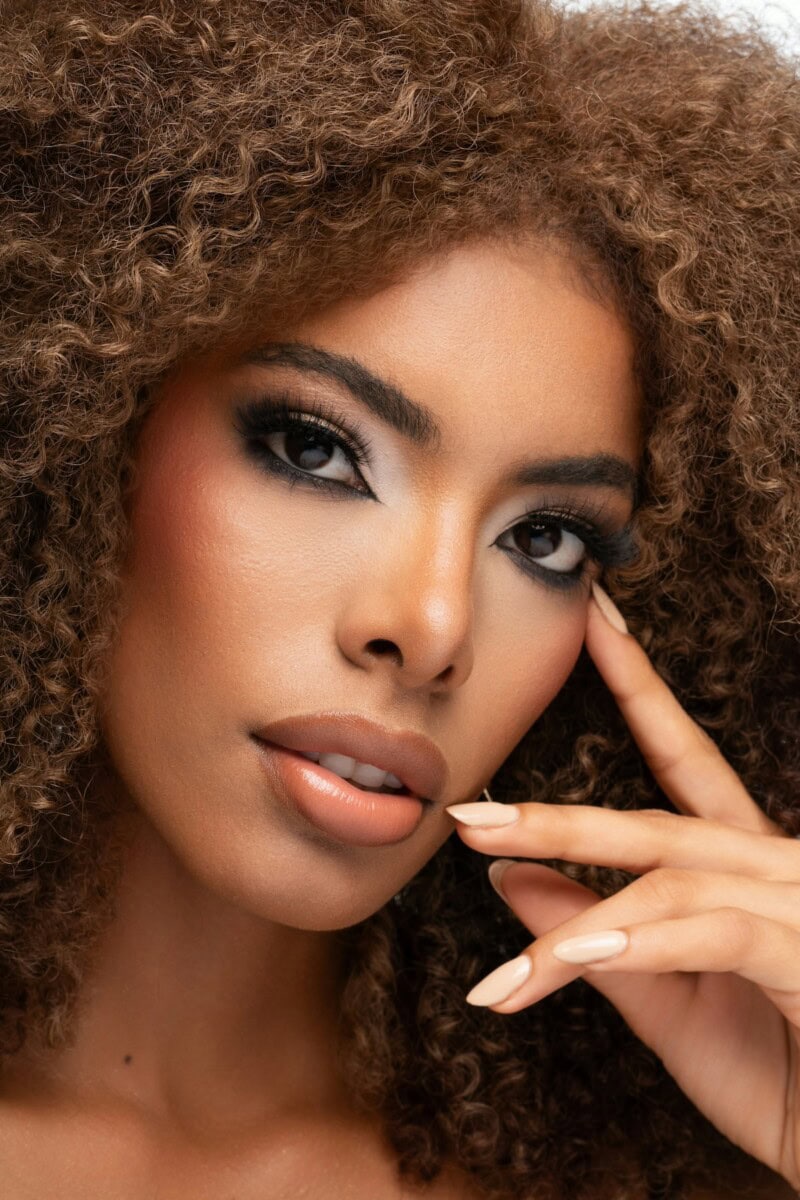
Short answer? Yes. Long answer? It depends on the proportion. Goth makeup isn’t shy, but balance still matters. When both the eye and lipstick are intense, the surrounding features need to stay refined.
Here’s how to avoid overpowering your features:
- Keep the complexion smooth and controlled
- Avoid overly heavy blush if the lip is very dark
- Maintain brow structure to frame everything properly
- Blend eye makeup seamlessly so it looks intentional
If the eye features heavy eyeliner, deep eyeshadow, and strong lower lash definition, pairing it with matte black lipstick can create a dramatic, full glam moment. This is especially common in classic goth makeup and trad goth circles. For a softer take, try pairing a smoky eye with burgundy lipstick and a slightly diffused lip edge. The result still reads gothic but feels more wearable for an everyday look.
There’s also the minimalist option: bold eye, muted lip. A stained berry tone or toned-down deep nude keeps attention upward while preserving the goth vibe. Ultimately, the key is cohesion. The lip and eye should feel like they belong in the same story. When the balance works, the entire goth makeup look feels powerful instead of overwhelming. And that’s the beauty of it — gothic makeup doesn’t follow conventional “rules.” It plays with contrast. It embraces boldness. It just does so with intention.
Gothic Makeup Looks to Try
Once the fundamentals are in place, it’s time to experiment. Gothic makeup isn’t one fixed formula — it’s a spectrum. From romantic and pretty to bold and theatrical, there’s room to take on the trend in a way that fits personal style. Consider this the inspiration menu. Different moods, different finishes, same unmistakable goth vibe.
Romantic Gothic Makeup
This version softens the intensity without losing depth. Romantic goth makeup keeps the structure but diffuses the edges slightly for a more wearable finish.
What defines this look:
- Soft smoky eye in charcoal or deep plum
- Blended eyeliner rather than harsh graphic lines
- Deep berry or burgundy lipstick
- Subtle contour with a gentle blush placement
The eyeshadow fades seamlessly into the crease, creating that moody haze instead of sharp drama. Lashes are defined with mascara, but not overly spiked. The result feels romantic rather than severe. This approach works beautifully as an everyday look. It carries the essence of gothic makeup while feeling approachable enough for daytime or creative work settings. Think candlelit poetry reading, not midnight concert pit.
Dramatic Traditional Goth
Now this is where traditional goth makeup fully commits. Bold. Structured. Unapologetic.
Core elements of a trad goth makeup look:
- Matte black eyeshadow packed onto the lid
- Heavy eyeliner along the upper lash and lower lash line
- Defined brow with strong structure
- Sculpted contour under the cheekbone
- Matte black lipstick
The shapes are sharper here. Edges are cleaner. The eye may extend slightly outward for a more elongated silhouette. This is where classic gothic influence shows up clearly. Heavy emphasis along the upper and lower waterlines intensifies the gaze. Lashes are dramatic — whether layered with mascara or enhanced further — to create maximum depth. It’s theatrical, yes. But when done with precision, it reads intentional rather than costume. This is the blueprint for classic gothic makeup.
Modern Editorial Goth
This version blends runway influence with traditional elements. The skin remains matte-based focused, but there’s a bit more experimentation in texture.
Modern editorial details might include:
- Glossy lids paired with structured matte skin
- Deep charcoal eyeshadow concentrated at the outer corners
- Minimal lip color to shift focus upward
- Sculpted contour blended seamlessly
This take feels fashion-forward. A bold eye paired with understated lipstick creates contrast. The complexion stays controlled, but the eye becomes almost graphic in its placement. It’s less about historical reference and more about evolving gothic makeup into something contemporary. Perfect for those who love high-impact makeup looks with artistic flair.
Everyday Soft Goth Makeup
For those not ready to go full dramatic, soft goth makeup offers a toned-down alternative that still channels clear goth vibes. This approach simplifies the steps without losing identity.
A simple goth makeup variation might include:
- Smudged eyeliner along the lash line
- Muted eyeshadow blended softly
- Defined brow without extreme shaping
- Balanced complexion with light contour
- Deep rose or toned-down plum lipstick
The emphasis shifts from intensity to atmosphere. The finish feels subtle but intentional. It’s easy to wear, adaptable, and perfect for experimenting without committing to full traditional goth makeup. This version proves that gothic makeup doesn’t have to be extreme to be effective. Even softened, the aesthetic remains unmistakable.
Step-by-Step Tutorial: How to Create a Classic Gothic Makeup Look
Time to pull everything together. A classic gothic makeup look may appear complex, but when broken down into steps, it becomes surprisingly manageable. This step-by-step guide walks through the structure in a way that keeps the process clear and intentional. Think of it as a blueprint for building a cohesive goth makeup routine from the ground up.
Step 1: Prep the Skin
Great makeup starts before foundation even touches the face. Hydrated skin prevents heavy products from clinging or cracking. A lightweight moisturizer followed by a smoothing primer creates an even surface. This step ensures the matte base applies cleanly rather than patchy. Keep the finish controlled. The goal isn’t glow — it’s refinement.
Step 2: Apply Foundation
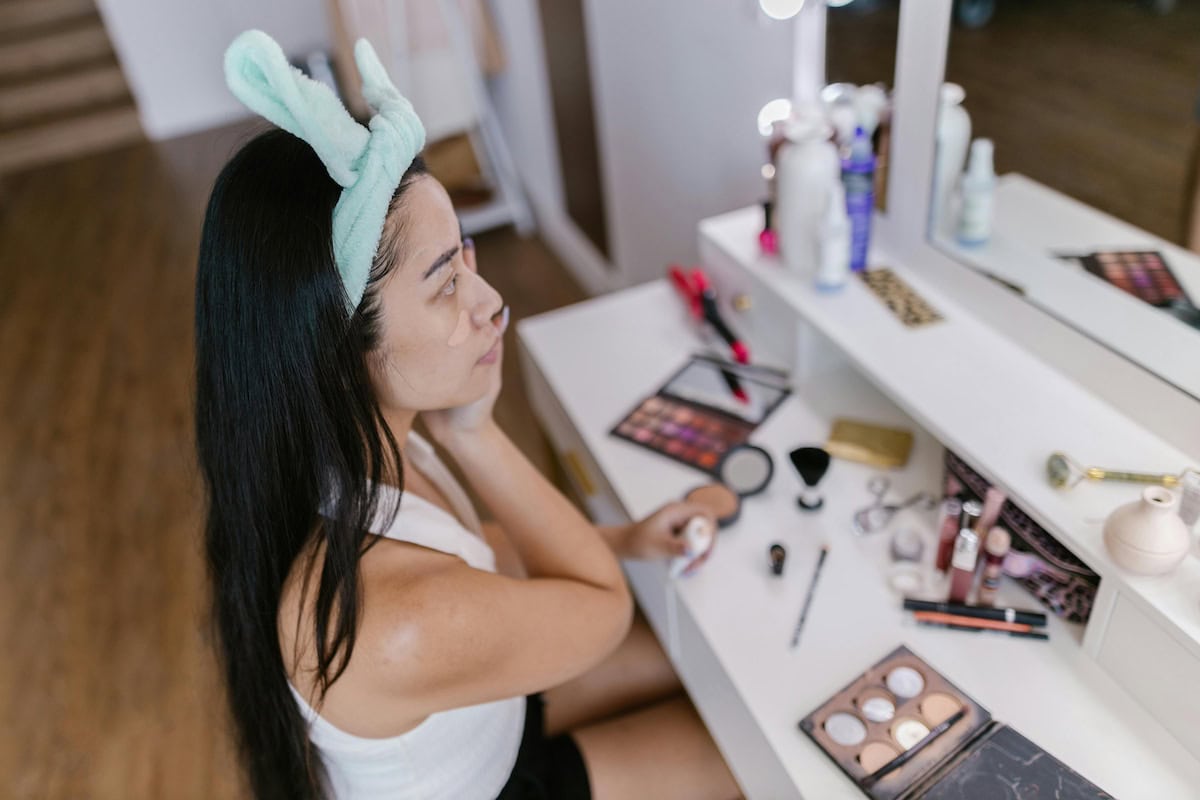
Choose a foundation that complements your skin tone while leaning slightly muted or cool-toned for that classic gothic effect.
Using a sponge or dense brush:
- Apply thin layers instead of one heavy coat
- Blend evenly along the jaw and hairline
- Soften under the eye for brightness without shimmer
The result should be smooth and even. A balanced complexion supports dramatic elements without competing for attention. If needed, lightly set with powder to lock in that matte finish.
Step 3: Sculpt with Contour
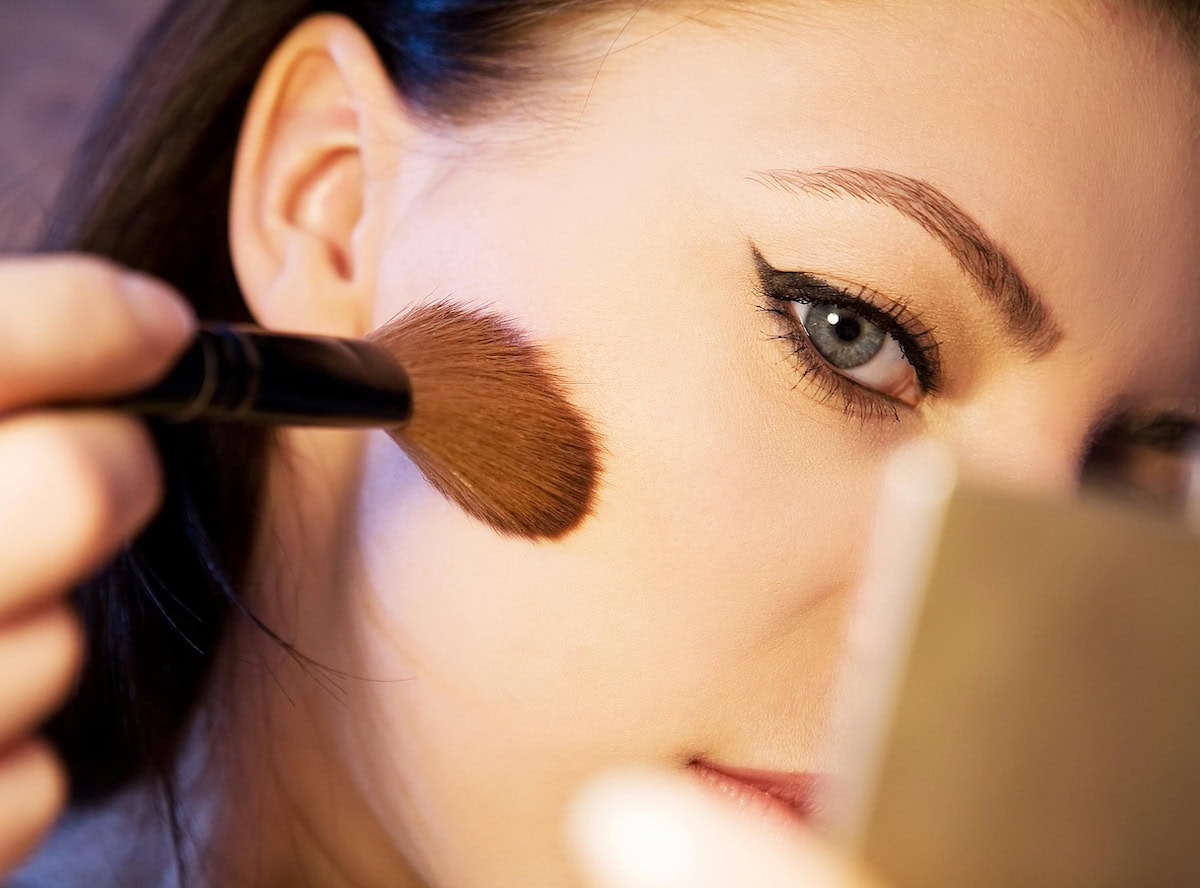
Now structure begins to emerge.
Using a cool-toned contour shade:
- Define beneath the cheekbone
- Add subtle depth at the temples
- Lightly sculpt along the sides of the nose if desired
Blend thoroughly with a fluffy brush to avoid harsh lines. The aim is shadow, not stripes. This is where the moody undertone of the entire goth makeup look starts to show up.
Step 4: Define the Brow
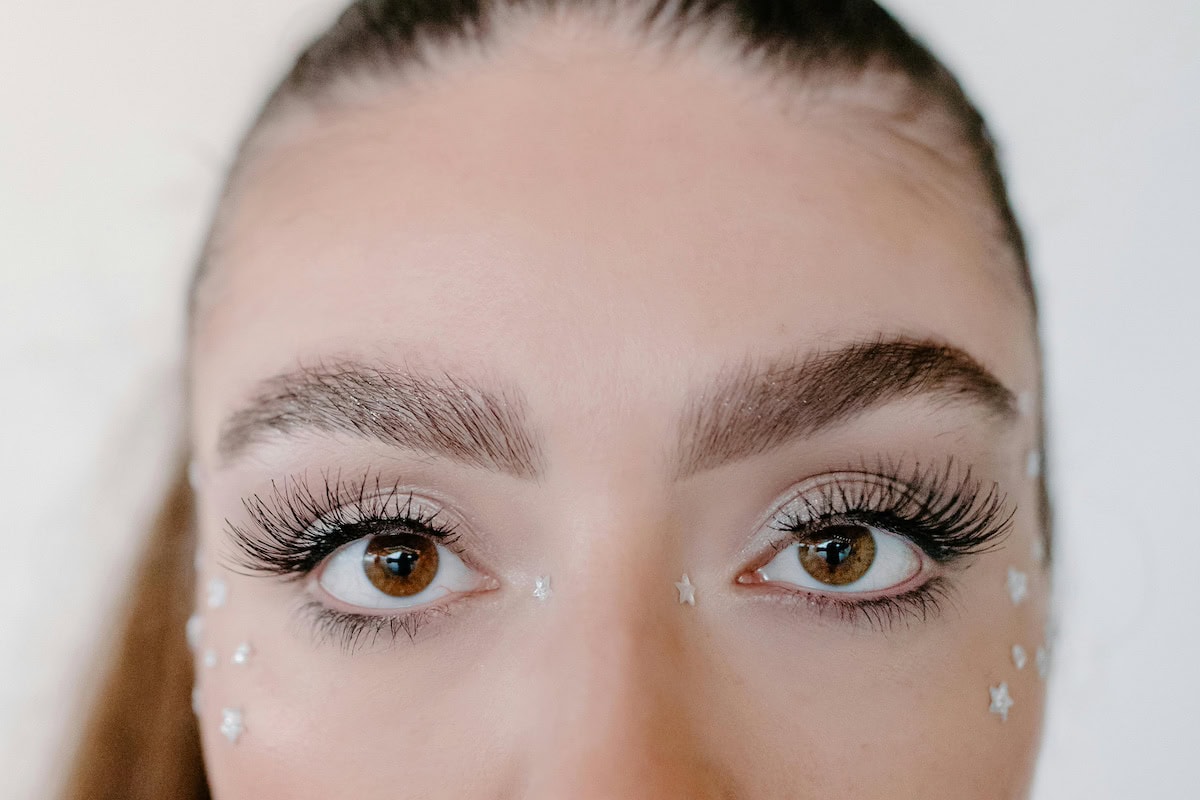
The brow frames everything that follows.
Using a pencil or powder:
- Fill sparse areas with light, hair-like strokes
- Extend the tail slightly for elongation
- Keep the shape intentional and structured
A defined brow anchors bold eye makeup and balances dark lipstick later on.
Step 5: Build the Eye
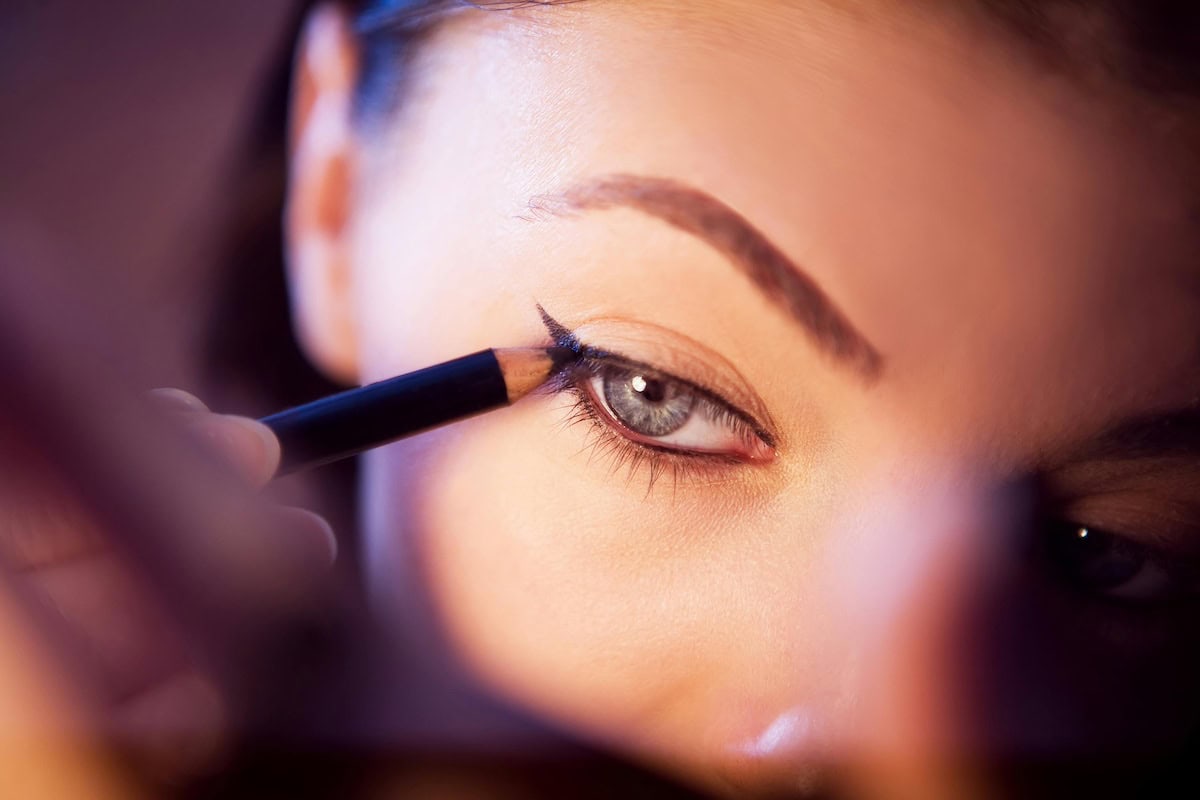
Here’s where the transformation happens. Layer eyeshadow gradually. Start with a transition shade, deepen with charcoal or black, and concentrate intensity near the lash line and outer corner.
Next:
- Tightline the upper lash for seamless depth
- Apply eyeliner along the upper lash and lower lash line
- Smudge slightly for a smoky effect
- Add mascara generously to define the upper lashes
If extra drama is the goal, build layers slowly rather than packing everything on at once. Blending between each step keeps the finish controlled. The eye should feel deep and dimensional, not flat.
Step 6: Add Lipstick
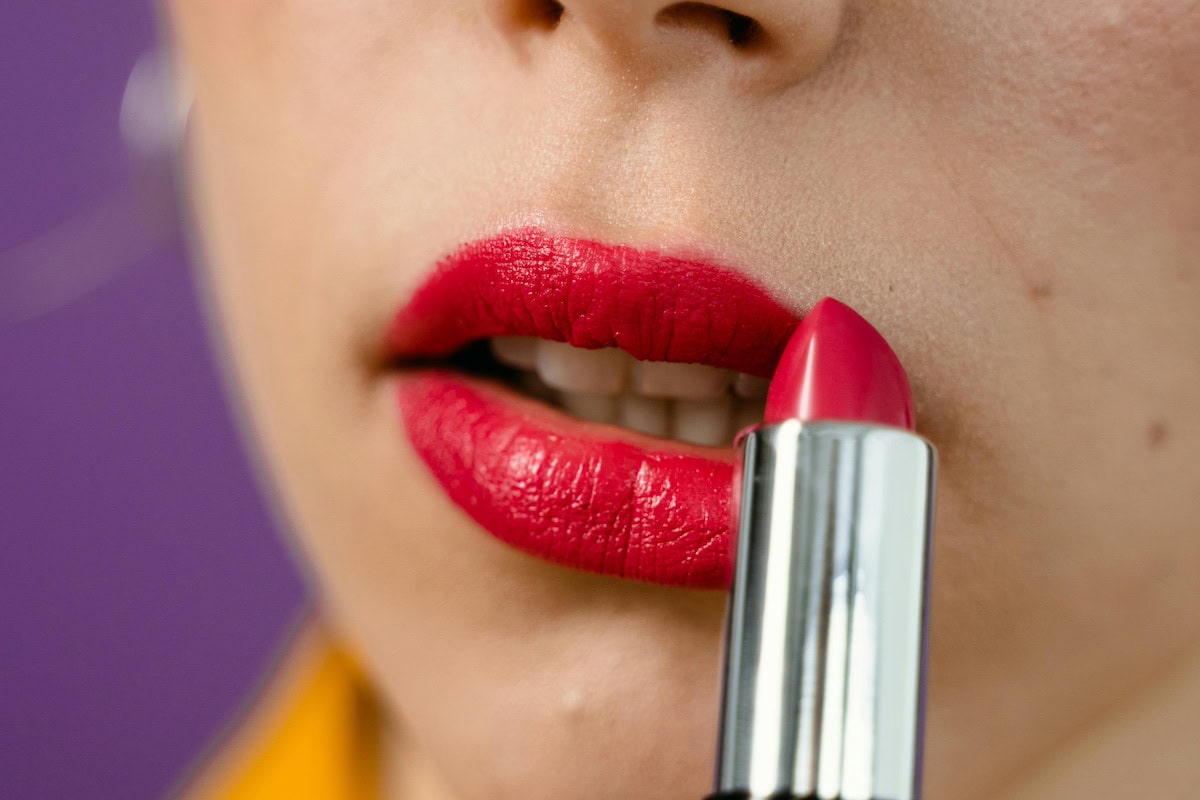
Now seal the mood.
Choose a dark lipstick — black, burgundy, or deep plum all work beautifully. Apply carefully, defining the edges for a sharp silhouette.
For extra precision:
- Outline lightly before filling in
- Use a brush for cleaner lines
- Blot and reapply for longevity
The lip anchors the entire goth makeup look and ties the drama together.
Step 7: Final Adjustments to Your Goth Makeup Look
Step back and assess balance. Does the eye overpower the lip? Does the contour need blending? Are the brows symmetrical? Make small refinements rather than overloading the product. A touch more mascara. A softened edge. A bit of powder to control shine. Finish with setting spray for long wear, especially if the night includes dim lighting, music, or a little dancing. When each element works in harmony, the final result feels cohesive, structured, dark, and unmistakably gothic without looking accidental.
Inspiration: Finding Your Inner Goth
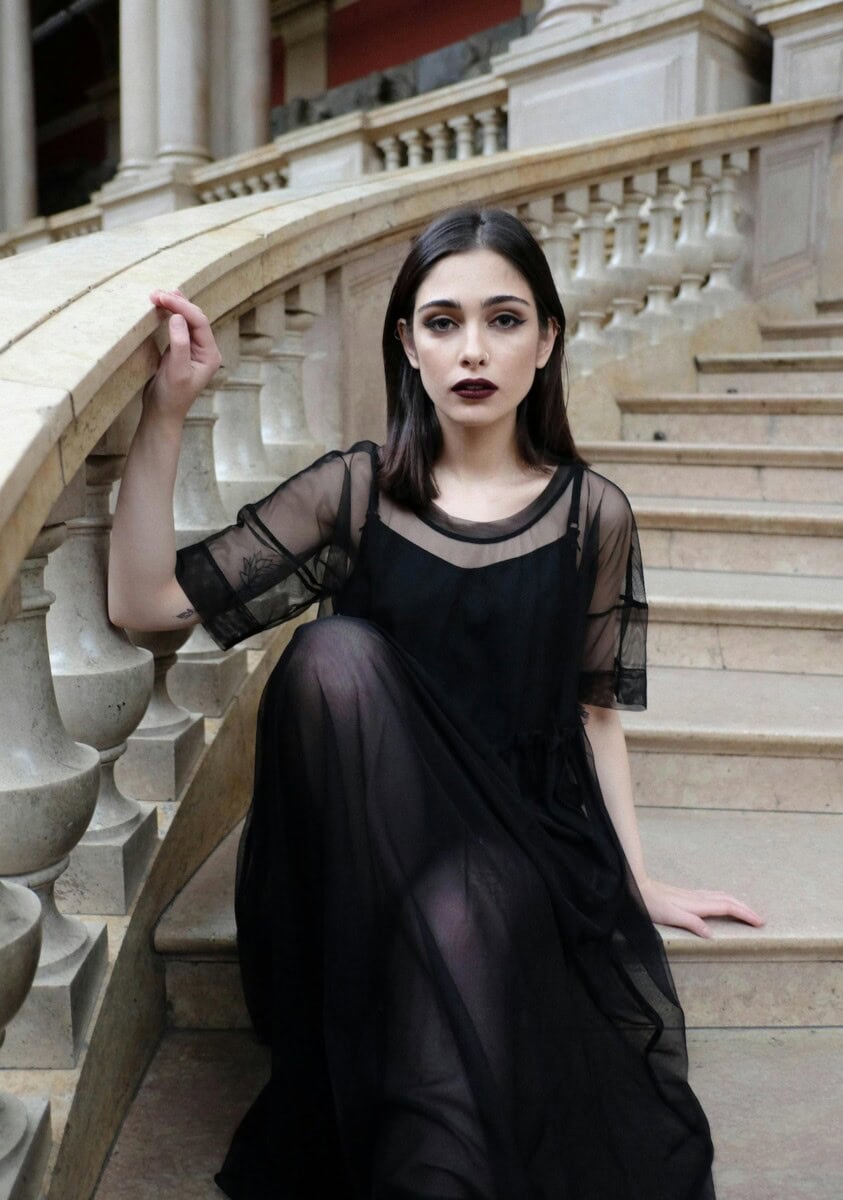
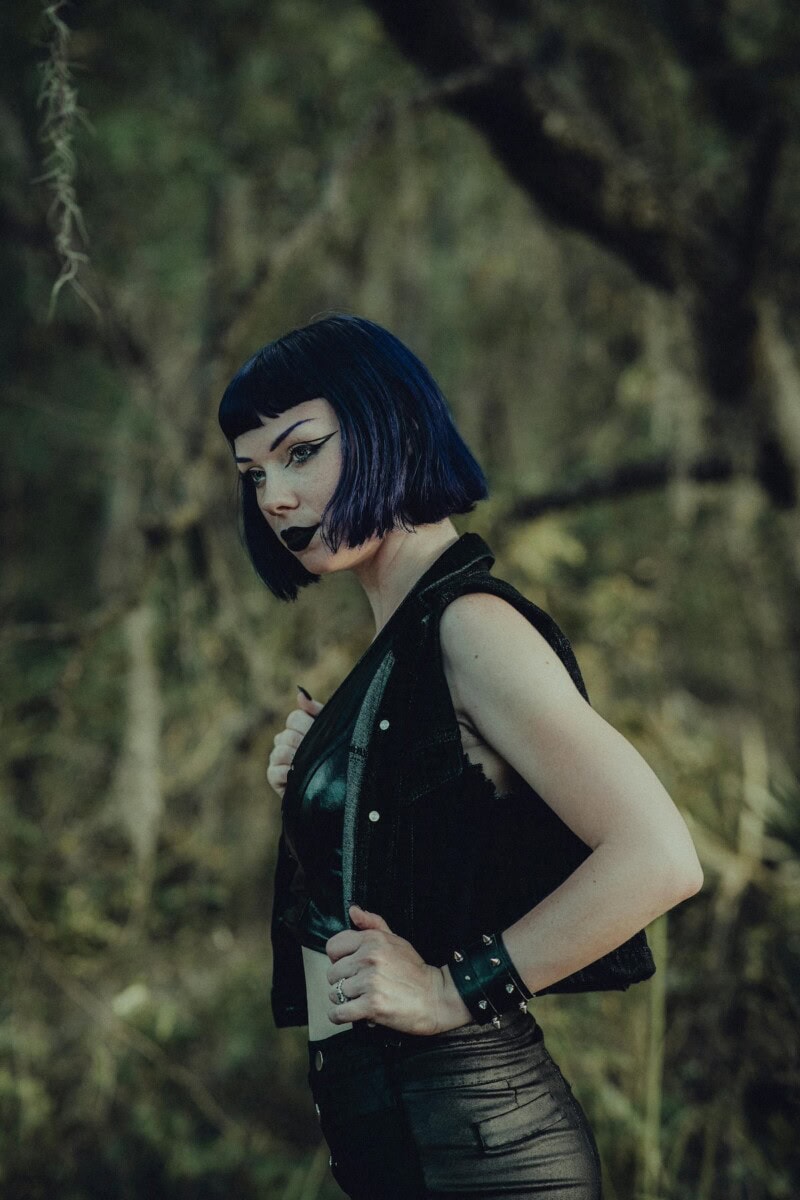
Technique matters. Products matter. But inspiration? That’s what makes a goth makeup look feel personal instead of copied. Gothic style has evolved across decades, music scenes, and fashion movements. Exploring those influences helps shape a version of the aesthetic that feels authentic rather than forced. This is where the creative part really begins. Tapping into your inner goth isn’t about following a rigid rulebook. It’s about asking what kind of mood feels right.
Where to Find Inspiration
Gothic makeup has deep cultural roots, and those influences still shape modern makeup looks.
Places to look for ideas:
- Classic gothic literature and art
- 80s and 80’s music scenes
- Trad goth and trad subculture fashion
- Modern runway interpretations of dark beauty
- Street style and alternative fashion photography
The 80s era, in particular, brought bold traditional goth makeup into the spotlight — sharp shapes, dramatic liner, and unapologetic intensity. That energy still influences today’s classic Gothic looks. Newer interpretations mix elements of glam, editorial texture, or even pastel goth color stories. The aesthetic keeps evolving, but the core remains rooted in mood and contrast. Music plays a role, too. From moody post-punk to darker alternative genres, sound and style often move together. The atmosphere created by music frequently inspires the direction of the makeup — smoky, romantic, structured, or rebellious.
Exploring Different Eras and Aesthetics
Not all gothic makeup looks feel the same. Exploring variations helps refine personal taste.
Some directions to consider:
- Classic gothic – Deep matte eyes, structured contour, bold lipstick
- Trad goth makeup – Heavier liner, dramatic lower lash emphasis, strong brow
- Pastel goth – Unexpected soft hues layered into a darker structure
- Modern glam goth – Glossy accents paired with matte skin
- Soft goth – A muted, toned-down interpretation with subtle depth
Each variation carries a slightly different energy. Some feel theatrical. Others feel pretty in a shadowy, understated way. Some are bold enough for a night out; others work as a creative everyday look. Trying different gothic makeup looks doesn’t mean abandoning identity. It means refining it.
Making the Goth Look Your Own
The most compelling goth makeup doesn’t look borrowed — it looks lived in. Experiment with placement. Adjust intensity. Swap black lipstick for deep plum. Trade harsh lines for diffused blending. Keep what resonates and discard what doesn’t. The beauty of this style is its flexibility. It can be structured and traditional one day, softer and romantic the next. It can be subtle or fully dramatic depending on the mood. And that’s the point. Gothic makeup isn’t a costume unless it’s meant to be. It’s a form of self-expression. When inspiration meets technique, the result isn’t just a goth look — it’s your goth look.
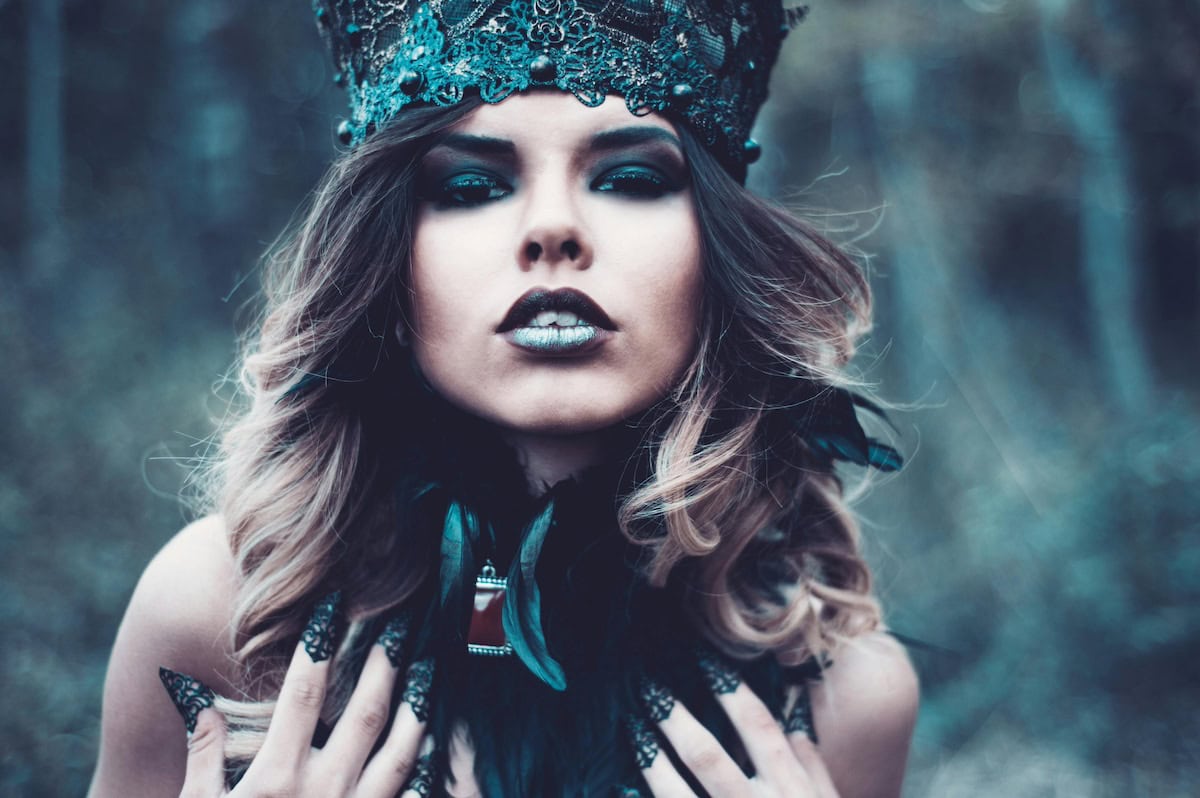
At the end of the day, gothic makeup is less about rules and more about range. It adapts to mood, setting, and personality — shifting easily from subtle makeup looks with smudged liner to full theatrical glam with bold eyes, sculpted contour, and dramatic lipstick. It doesn’t have to be extreme to be effective, and it definitely doesn’t have to be basic to be wearable. Even a softened version can feel powerful, polished, and yes, even a little cute when styled with intention.
The real transformation happens through practice. Refining blending techniques, experimenting with different makeup products, and adjusting placement over time are what turn a good goth makeup look into a great one. Keep what feels authentic. Tweak what doesn’t. Gothic beauty has always been rooted in individuality — so the best version will always be the one that feels unmistakably your own.
Gothic Makeup — Frequently Asked Questions
What is gothic makeup?
Gothic makeup is a style characterized by pale or matte complexions, dark, dramatic eyes, bold lips (often black, deep red, or plum), and strong contouring to create a moody, dramatic look inspired by gothic fashion, music, and subculture.
How do I start with gothic makeup if I’m a beginner?
Begin with a clean, moisturized face. Use a matte or full-coverage foundation one to two shades lighter than your natural skin tone if you want a paler look. Focus on strong brows, dark eyeshadow blends, black eyeliner, and a bold lip. Practice blending and build intensity gradually.
What products are essential for a gothic makeup look?
Essentials include a long-wear foundation, matte setting powder, eyeshadow palette with blacks and deep neutrals, black liquid or gel eyeliner, mascara, false lashes (optional), dark lipstick or lip liner, contour/bronzer, and a translucent setting spray.
How can I achieve a pale complexion without looking cakey?
Choose a lightweight or buildable foundation formula and apply sparingly. Blend well into the neck, set lightly with translucent powder, and use a damp sponge only where needed. Avoid heavy layering; use color-correcting primers if you need to neutralize redness first.
What eye shapes and techniques work best for gothic eye makeup?
Smoky, winged, and halo eye techniques work well. For almond or hooded eyes, a soft smoky look along the lash line adds depth. For round eyes, extend the shadow outward to elongate. Use a mix of matte and satin black or deep plum shades and finish with black liner on upper and lower waterlines for intensity.
How do I prevent dark lipstick from feathering or transferring?
Line your lips with a matching lip liner to define edges and fill in the lips for a base. Apply lipstick, blot with tissue, dust a thin layer of translucent powder through tissue, then apply a second coat. Use long-wear or matte formulas and consider a setting spray to reduce transfer.
Can gothic makeup be adapted for daytime or subtle looks?
Yes. Keep the complexion natural, use softer browns or plum shades instead of pure black, and choose a muted berry or deep mauve lip. Focus on one feature—either a bold eye or a dark lip—to maintain subtlety while keeping the gothic aesthetic.
Which gothic makeup styles exist (vintage, Victorian, glam, etc.)?
Popular variations include Victorian/romantic gothic (soft pale skin, subtle blush, dark lips), glam gothic (high contrast, glitter or shimmer accents), Victorian mourning (matte finishes, minimal shimmer), and punk/goth crossover (graphic liner, bold colors). Each emphasizes different components of the Gothic aesthetic.
Are there cruelty-free or vegan options for gothic makeup?
Yes. Many brands offer cruelty-free and vegan foundations, eyeliners, mascaras, and lipsticks in deep shades suitable for gothic makeup. Check product labeling or brand policies and look for certifications from recognized organizations.
You might also be interested in…
CONNECT WITH DAILY MOM
💖 NEWSLETTER: DAILY READS IN YOUR INBOX 💖
Sign up to receive our picks for the best things to do, see and buy so you can relax and focus on more important tasks! Let us help you be the best version of yourself you can be!
BE SOCIAL WITH US
📌 LOVE IT? PIN IT!📌