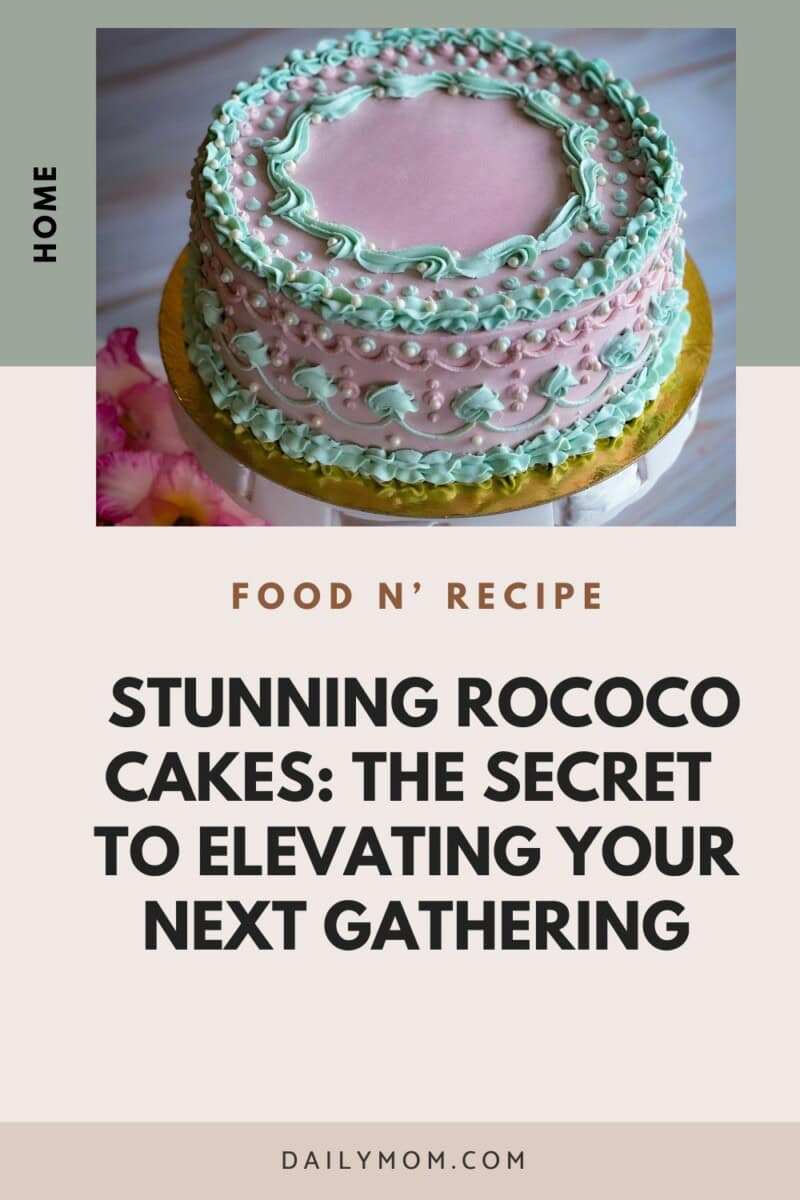





























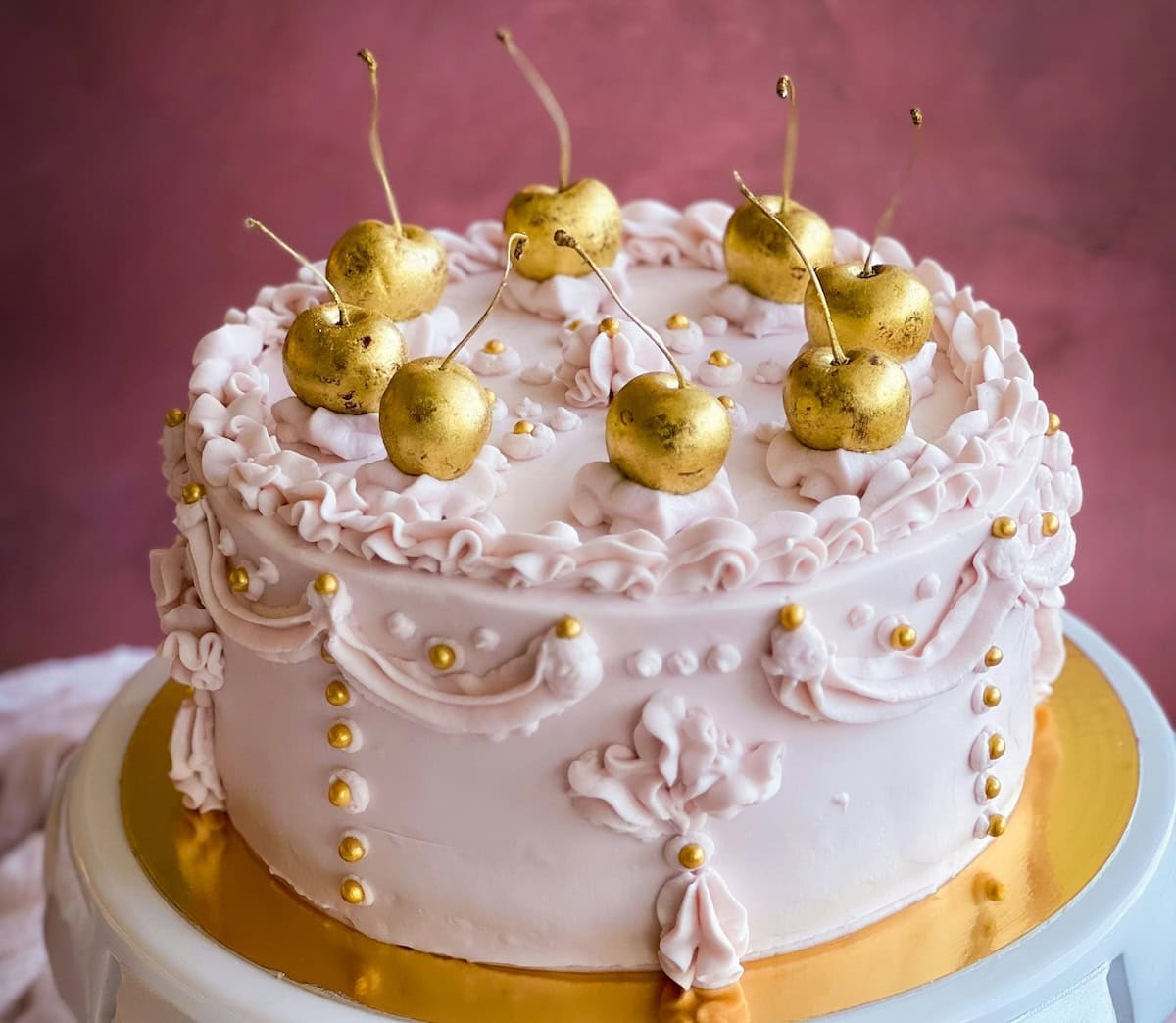
Towering, romantic, and maximalist, rococo cakes are a confectionery marriage between art and irresistible indulgence. Drawing inspiration from 18th-century design, these stunning cakes are intentionally over-the-top in the best possible way. With layers of luscious frosting, delicate floral details, and palettes of soft pastels and metallics, they transform dessert into a centerpiece worthy of admiration.
Rooted in history, rococo cakes have evolved into a modern favorite for weddings, milestones, and Instagram-worthy moments. Each rococo-inspired creation becomes a work of art through texture, careful detail, and elaborate design, blending old-world inspiration with contemporary baking techniques. From the first step to the first slice, it reflects vision, patience, and dedication.
While the concept of rococo cakes can feel daunting, the more-is-more design welcomes asymmetry, imperfection, and improvisation, making it a blank slate for experimentation. Whether professionally commissioned or homemade with love, these on-trend desserts are guaranteed to elevate any gathering, from everyday celebrations to once-in-a-lifetime events.
The Origins of Rococo Cake Design
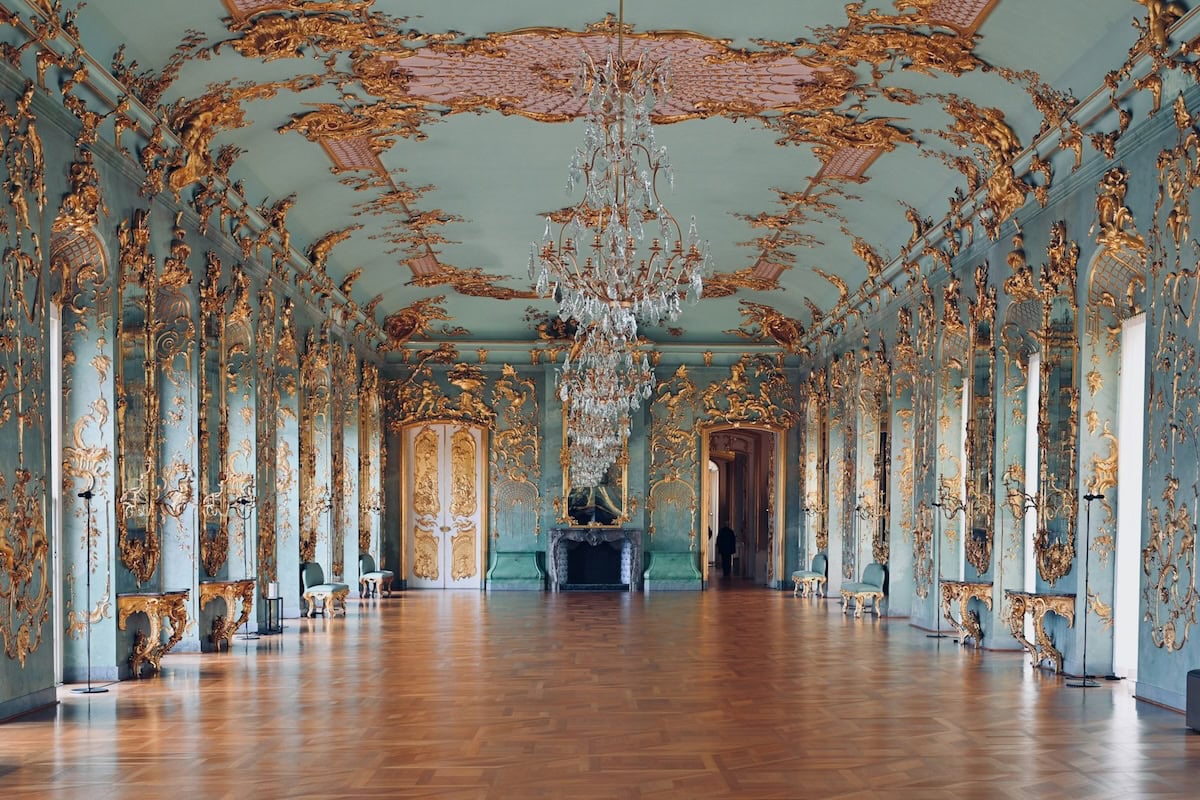
The story of rococo cake design begins long before ovens, pans, and piping bags entered the picture. In 18th-century France, the Rococo art movement emerged as a reaction to heavy, formal Baroque design. In contrast to the rich aesthetics of its predecessor, Rococo favored lightness, whimsy, and romance—qualities that would later translate beautifully into cake decoration.
Rococo art celebrated movement, soft curves, flowers, and fine detail. Walls were adorned with scrolls, pastel paintings, and ornamental flourishes inspired by nature. These same ideas eventually found their way into the world of baking, where chefs and designers began transforming simple desserts into edible masterpieces.
Rococo aesthetics introduced to cake design:
- Ornate buttercream piping that mimics carved architectural details
- Pastel shades of pink, cream, and soft gold accents
- Floral decoration inspired by roses, blooming gardens, and painted florals
- Asymmetry that embraces natural over rigid
Rococo cakes were made truly special by their symbolism. Each layer represented craftsmanship, time, and luxury. Ingredients like sugar, butter, egg yolk, cream, and flour were at the time costly and precious, making the finished cake a sign of abundance.
How Rococo Cakes Became a Staple in Modern Bakeries
Rococo cakes may have roots in the 18th century, but their resurgence in modern bakeries feels anything but outdated. What once lived exclusively in royal courts has been reimagined in contemporary kitchens, where bakers blend historical inspiration with modern technique, flavour, and presentation.
Social platforms like Instagram have played a major role in this revival. A rococo cake photographs beautifully from every angle—layers stacked high, decoration spilling outward, and colors that feel romantic and timeless. These cakes are often designed with both real-life impact and digital sharing in mind, making them a natural choice for modern celebrations.
Modern bakeries have embraced rococo-inspired design because it allows:
- Creative freedom without strict symmetry
- Custom decoration tailored to each occasion
- A balance of visual drama and edible comfort
Despite shifting dessert trends, rococo cakes remain popular because they are endlessly customizable. Whether it’s a chocolate cake layered with mascarpone filling, a vanilla sponge brushed with syrup, or a choco and cocoa-based creation with rum notes, the style adapts effortlessly to different flavour profiles while maintaining its charm. Modern innovations have breathed new life into rococo designs, allowing for constant experimentation and evolution that keeps up with the changing times.
Classic Rococo Elements: Buttercream, Texture, and Dreamy Decor
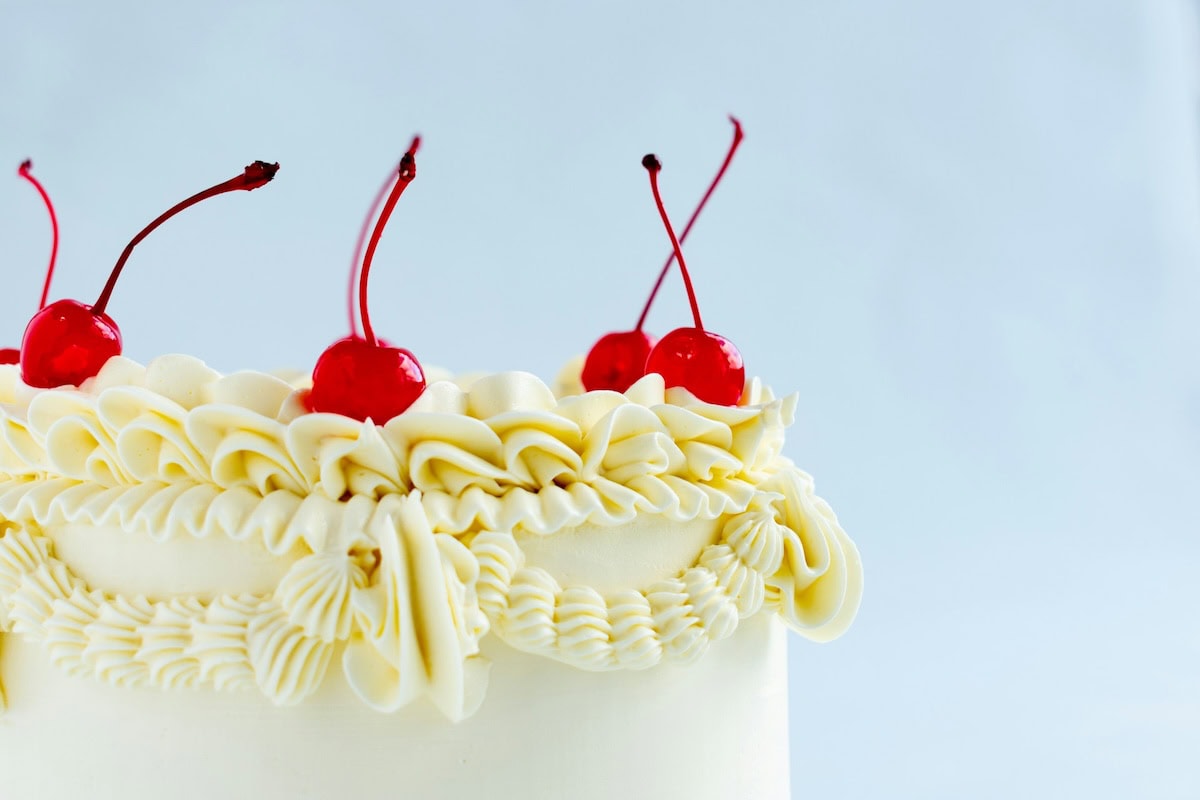
Classic rococo texture techniques often include:
- Layered ruffles that create movement and depth
- Shell piping that adds rhythm and pattern
- Floral designs inspired by roses, buds, and garden blooms
- Scrollwork that frames the cake like decorative molding
At the heart of every rococo cake is buttercream—soft, pliable, and inviting. Unlike fondant-heavy designs, rococo cakes rely on cream-based frosting that feels delicate but rich. Buttercream allows texture to shine, turning simple ingredients into edible art.
The foundational element of buttercream is its versatility. When whipped to the right consistency, it holds soft folds and sculptural details without losing its smooth finish. Thick buttercream can be piped into ruffles, shells, and scrolls that echo historical architectural motifs, while lighter cream creates soft floral accents that feel almost painted onto the cake.
Color plays an equally important role. Rococo cakes are known for pastel palettes—think soft pink, pale cream, muted gold, and subtle natural tones. These shades enhance the dreamlike quality of the design, making the cake feel airy rather than heavy. Gold accents are often used sparingly to highlight detail without overpowering the overall look.
Texture is intentionally varied. A smooth buttercream base may sit beneath intricate decoration, creating contrast and visual balance. Peaks and folds catch the light, while dainty details soften the structure. The final result is never meant to be perfect in a modern sense; rococo decor embraces gentle asymmetry and organic flow.
What Customers Love Most About Rococo Cakes
Rather than following short-lived trends, rococo cakes lean into timeless inspiration. The cakes’ careful details feel elegant and personal, which resonates deeply with customers looking for a dessert that doubles as an experience.
Customers consistently love:
- The sense of artistry and handcrafted creation
- Custom design that reflects the occasion, message, or personality
- A balance of nostalgia and modern design
- Visual impact that feels worthy of a once-in-a-lifetime moment
Rococo cakes have a strong emotional pull that is romantic, whimsical, and celebratory all at once. Each design, from soft pink to dramatic chocolate, sparks conversation long before it is served.

Another reason these cakes stand out is how beautifully they photograph. Rococo cakes make a statement on social media without feeling staged. They look just as striking up close as they do across the room, making them a favorite for modern gatherings that blend real-life moments with digital sharing.
Ideal Occasions For Rococo Cakes
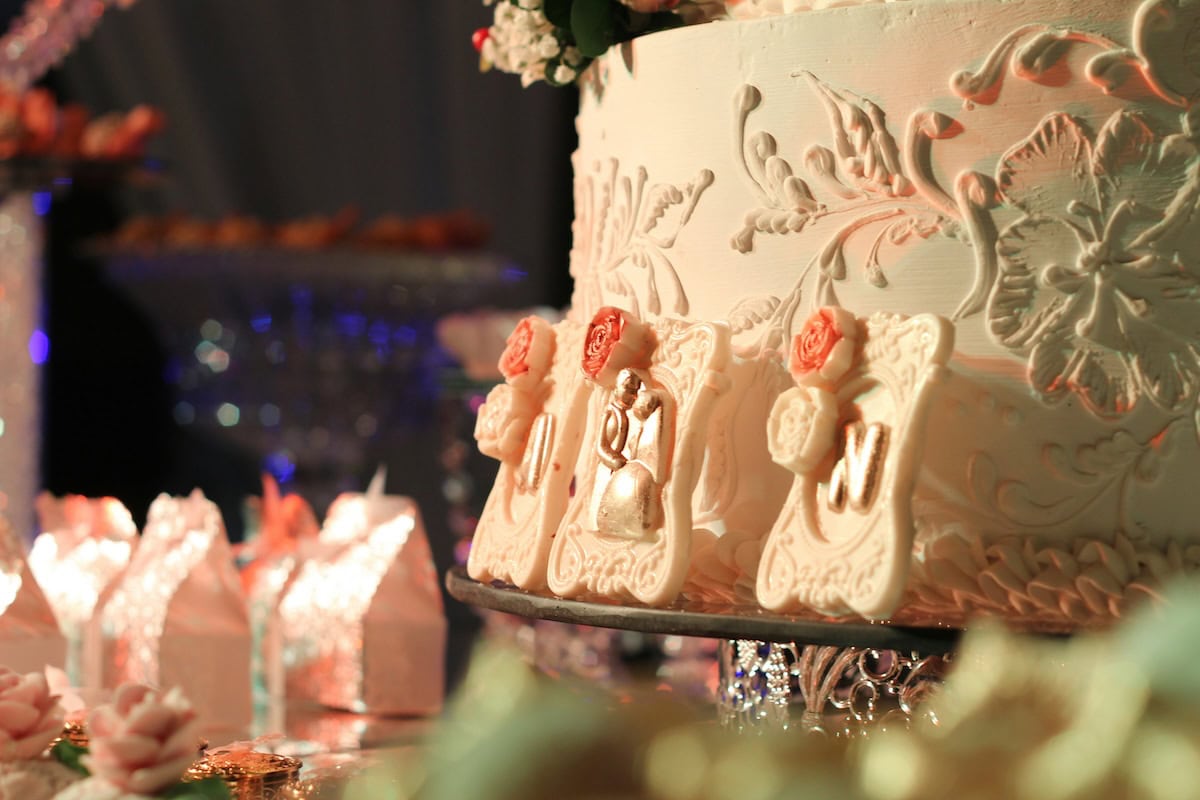
Rococo cakes are naturally suited for any event that calls for beauty, recognition, and a little drama. Their conspicuous style elevates an occasion without feeling forced, especially when paired with complementary decoration and setting.
Perfect settings for rococo cakes include:
- Weddings and engagement parties
- Milestone birthdays and anniversaries
- Styled shoots and designer installations
- Luxury events and intimate gatherings
- Goodbye parties that honor transitions
Because rococo cakes feel ceremonial, they’re often chosen when the goal is to mark a moment in time. Whether placed at the center of a long table or revealed as a surprise, the presentation is an essential part of the celebration itself.
Key Considerations for Deciding Whether to Bake or Order a Rococo Cake
Deciding whether to bake a rococo cake at home or place an order with a professional baker depends on time, skill level, and desired complexity. These cakes reward patience and practice, especially when decoration plays a central role.
Baking a rococo cake at home offers unparalleled creative freedom. Working in a familiar kitchen allows full control over flavour, ingredient selection, and design experimentation. Although time-consuming, many home bakers find the practice of folding egg whites into batter, sifting flour and cocoa powder, and adjusting texture by hand to be deeply satisfying.
However, ordering from a trusted chef or designer offers ease and consistency. Professional bakers understand how to balance structure with delicate decoration and how to manage timelines efficiently.
For many, the decision comes down to whether the joy lies in the process or the final presentation. Both paths can result in a dreamy rococo-inspired creation when planned thoughtfully.
Key considerations include:
- Required decorating and piping skills
- Time needed to bake, cool, frost, and decorate
- Budget for custom work and detailed labour
- Stress level around execution and delivery
Choosing the Right Cake Layer Style
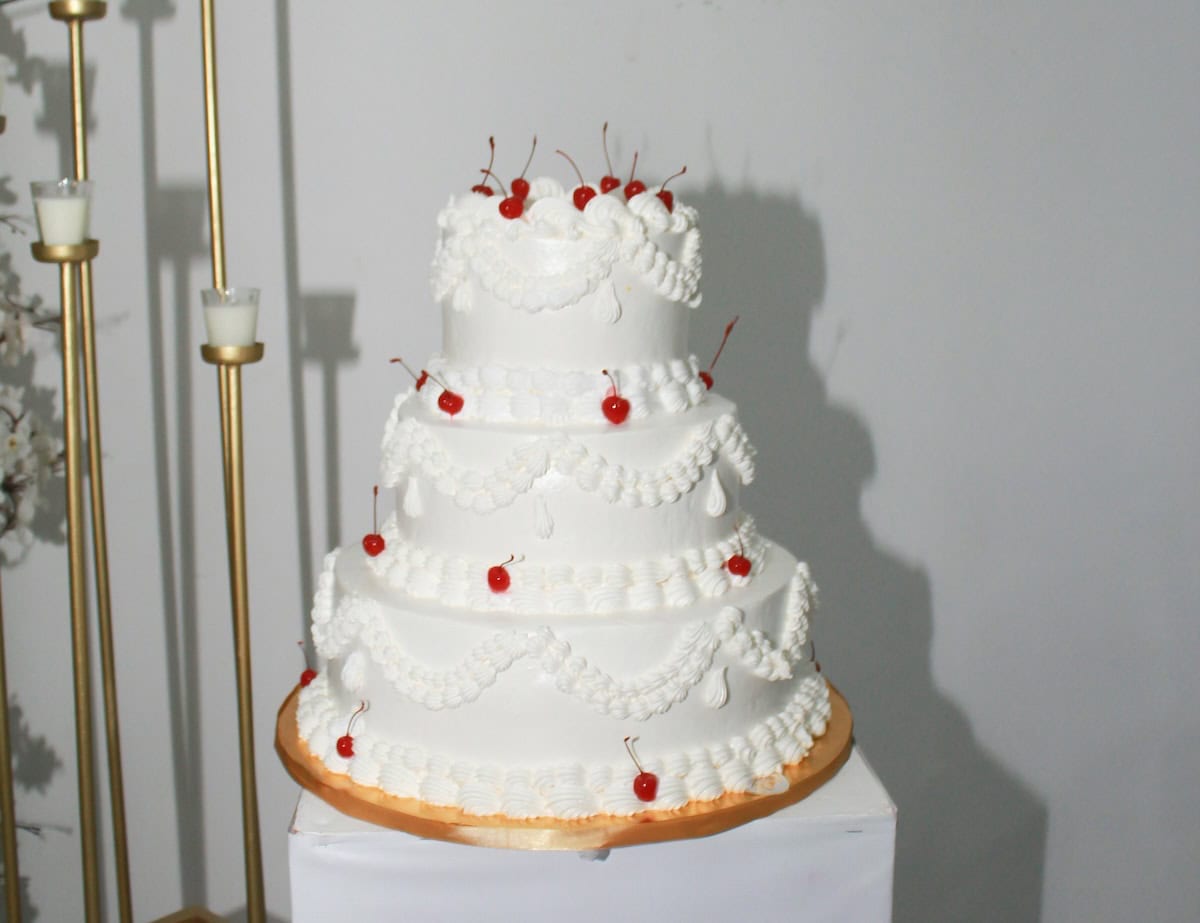
Layering is central to the rococo look. The number of layers, their height, and their flavour combinations all influence the final silhouette and impact of the cake.
Popular rococo cake flavours include:
- Vanilla sponge with rose syrup and cream filling
- Rococoa, as popularized by Nigella Lawson: chocolate and mascarpone with rum notes
- Almond or liquor-infused sponge brushed with sugar syrup
- Chocolate cake layered with buttercream and chocolate ganache
Single-tier cakes feel intimate and refined, while multi-layer designs create vertical drama. Taller cakes allow more space for ornate decor, embellishments, and textured finishes.
Stability matters just as much as appearance. Layers must be even, fillings thick enough to support weight, and frosting applied smoothly before decorative elements are added. A well-built layer structure ensures the cake remains secure through display and delivery.
Tools and Tips to Effortlessly Frost and Finish a Rococo Cake
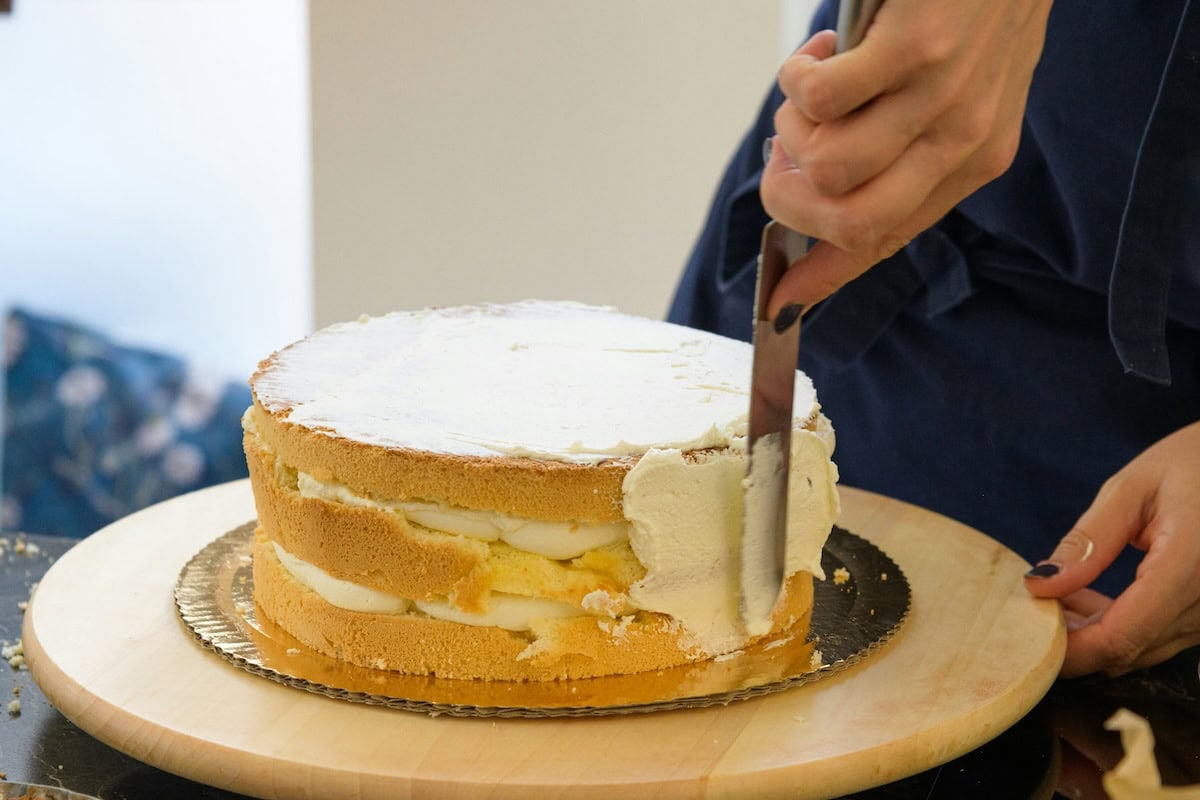
Frosting a rococo cake is where artistry truly comes to life. Preparation is key to achieving an impressive finish without frustration.
Before decorating:
- Allow cakes to cool fully
- Apply a thin base layer of frosting (known as a crumb coat) and chill
- Level layers for stability
Common tools include piping bags, decorative tips, offset spatulas, and soft brushes for gold powder or painted details. Buttercream should be thick enough to hold peaks but smooth enough to glide easily.
Helpful tips:
- Work in sections to avoid overwhelming detail
- Embrace subtle asymmetry for a natural look
- Build texture gradually rather than all at once
Most importantly, enjoy the process. The goal isn’t perfection—thanks to the forgiving nature of rococo, flaws add to the charm and character.
Delivery and Handling of Delicate Rococo Cakes
Because rococo cakes rely on extensive decoration, delivery requires extra care. Temperature, movement, and handling all affect the final presentation.
Best practices include:
- Keeping the cake cool but not cold
- Transporting on a flat, stable surface
- Avoiding sudden stops or sharp turns
Once delivered, put the cake away from direct heat or sunlight. If it will be displayed prior to serving, ensure it is safe from disturbance. Florals, peaks, and piped details are best admired when protected from crowding and excess handling.
A Simple Rococo-Inspired Cake Recipe for Home Bakers
Ready to take matters into your own hands? No need to be intimidated—with their whimsical, artsy vibes, rococo cakes are perfectly attainable for experienced and novice bakers alike. This beginner-friendly recipe from Hannah at BeRecipe produces a luscious, mouth-watering canvas for customization in only one hour.
Rococo Cake Decorated with Vintage Elegance and Creamy Layers
⏲️ Total Time
1 Hour
🍴 Serves
12
Ingredients
- 2 cups cake flour
- 1 cup granulated sugar
- 1 cup unsalted butter (room temperature)
- 4 large eggs
- 2 tsp vanilla extract
- 1 cup heavy cream (for frosting)
- 1 cup powdered sugar (for frosting)
- Food coloring (gel, pastel shades)
Directions
- Preheat oven to 350°F (175°C). Grease and flour two round cake pans.
- In a bowl, sift together cake flour and baking powder. Set aside.
- Beat butter and sugar until fluffy (about 3 minutes).
- Add eggs one at a time, mixing well after each addition, then add vanilla extract.
- Gradually mix in dry ingredients with milk until smooth without overmixing.
- Divide batter into pans and bake for 25-30 minutes or until a toothpick comes out clean.
- Let cakes cool completely before frosting.
- Whip heavy cream with powdered sugar until soft peaks form; frost between layers and outer sides of the cake.
E N J O Y!
Final Thoughts: Why Rococo Cakes Continue to Inspire Bakers and Cake Lovers
Rococo cakes have a timeless appeal because they offer more than flavour; they prioritize artistry over mass production. When so much of life revolves around speed, desserts force a pause for indulgence. Each rococo cake is a masterpiece in its own right, whether crafted by a home baker or a professional chef.
Rococo cakes invite creativity, honor history, and turn ordinary moments into something unforgettable. From kitchen to table, from first glance to final bite, they prove that beauty still matters—and sometimes, the most memorable moments can come from little more than basic ingredients, imagination, and a dream.
You might also be interested in…
Continue exploring the rococo trend with our rococo makeup guide.
CONNECT WITH DAILY MOM
💖 NEWSLETTER: DAILY READS IN YOUR INBOX 💖
Sign up to receive our picks for the best things to do, see and buy so you can relax and focus on more important tasks! Let us help you be the best version of yourself you can be!
BE SOCIAL WITH US
📌 LOVE IT? PIN IT!📌