




























Learning new skills is one of the most exciting and rewarding ways to challenge yourself, expand your horizons, and even improve your everyday life. Whether you’re looking to pick up a new hobby, advance in your career, or simply explore something you’ve always been curious about, learning new skills opens doors you didn’t even know existed.
In this article, we’ll dive into practical ways to start learning new skills, explore tips for staying motivated, and share ideas for skills you can learn from home or in your free time. By the end, you’ll have a roadmap to confidently tackle new challenges and make learning a fun, regular part of your life.

Why Is Learning New Skills Important?
Learning new skills isn’t just a fun way to pass the time—it’s a powerful tool for personal growth and self-improvement. Every time you take on a new skill, you challenge your brain, expand your horizons, and build confidence in your abilities. Whether it’s learning something practical, like cooking a new recipe, or a professional skill to advance your career, the benefits are undeniable.
Here’s why learning new skills matters:
- Boosts brain power: Engaging in new activities keeps your mind active and improves cognitive function.
- Expands opportunities: The more skills you have, the more doors open in both personal and professional life.
- Builds confidence: Every time you master a skill, you gain a sense of accomplishment and self-assurance.
- Encourages creativity: Trying different skills can spark new ideas and ways of thinking.
Even small, consistent efforts toward learning new skills can make a big difference over time. Dedicating just 20 minutes a day to a new skill can accelerate progress and create a lifelong habit of curiosity.
How Can You Start Learning a New Skill at Home?
Starting to learn a new skill at home is easier than you might think. With access to online resources, free tutorials, and a little motivation, you can turn your home into a personal learning hub.
Here are some tips to get started:
- Set up a dedicated space: Even a small corner with a desk, chair, and good lighting can help you focus on learning new skills.
- Use online courses: Platforms like LinkedIn Learning or free resources on YouTube provide tutorials on almost any skill.
- Create a learning plan: Decide on your goals, break the skill into smaller steps, and track your progress.
Remember, the key to learning new skills at home is consistency. A few focused sessions each week can be more effective than sporadic hours of practice.

What Are the Best Skills to Learn in Your Free Time?
Your free time can be a goldmine for learning new skills. Choosing the right skill can make the process enjoyable and fulfilling.
Consider skills like:
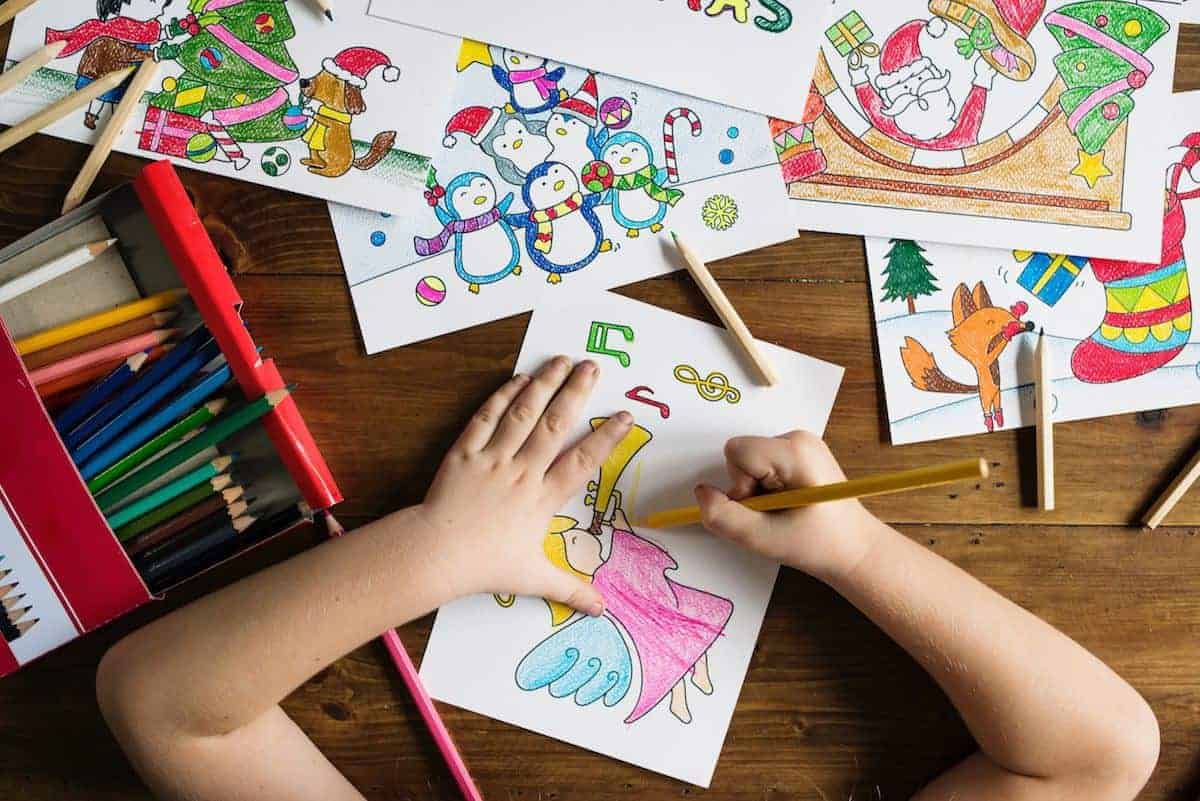
- Creative skills: Drawing, painting, photography, or writing.
- Practical life skills: Cooking, gardening, or basic home repair.
- Technical skills: Coding, AI skills, or using productivity software.
- Interpersonal skills: Communication, negotiation, or empathy development.
Picking skills that spark your interest ensures you’ll stay motivated. Fun and value often go hand-in-hand, and you’ll find yourself naturally dedicating more time to learning something new.
How Do You Stay Motivated While Learning Something New?
Learning new skills can be challenging, and motivation often wanes over time. The secret is to make the process enjoyable and rewarding.
Try these strategies:
- Set small milestones: Celebrate little wins along the way to stay encouraged.
- Mix fun with learning: Gamify your practice or turn it into a social activity.
- Track progress: Keeping a journal or checklist of what you’ve learned helps you see growth.
Motivation also comes from curiosity. Remind yourself why you wanted to learn this skill in the first place, and focus on the benefits it will bring to your life.

Which Technical Skills Are Worth Learning Today?
Technical skills are increasingly valuable in today’s world, whether for career growth or personal projects. Learning new skills in this area can give you a competitive edge and open up exciting opportunities.
Examples include:
- AI skills: Understanding AI tools, automation, or machine learning basics.
- Coding and programming: Python, JavaScript, or app development.
- Data analysis: Excel, SQL, or data visualization tools.
- Digital design: Photoshop, Canva, or web design basics.
Even if you’re not in a tech-heavy profession, picking up technical skills can help you adapt to new challenges and expand your options.
How Can Learning New Skills Benefit Your Life?
The benefits of learning new skills go far beyond the immediate enjoyment of mastering something new. These advantages include:
- Career growth: New skills can make you more marketable and open doors to promotions.
- Problem-solving abilities: Learning different approaches builds adaptability.
- Personal fulfillment: Gaining mastery of new skills brings a sense of accomplishment.
- Social connections: Sharing or collaborating on skills can expand your network.
Even one skill learned well can ripple across many areas of your life, improving your confidence, creativity, and opportunities.
What Are Fun Ways to Learn Something New?

Learning new skills doesn’t have to feel like a chore. Making the process enjoyable ensures you’ll stick with it.
Some fun methods include:
- Hands-on projects: Build, cook, or craft as you learn.
- Online challenges: Join 30-day challenges or skill-building games.
- Social learning: Learn with friends or join online communities for encouragement.
The key is to choose learning experiences that feel engaging. If you enjoy the process, you’re far more likely to continue learning new skills consistently.
How Can You Master a New Skill Faster?
While learning new skills takes time, certain strategies can accelerate mastery:
- Deliberate practice: Focus on areas that challenge you the most.
- Break skills into parts: Master small components before combining them.
- Get feedback: Seek guidance from experts or peers to improve faster.
- Stay consistent: Daily or weekly practice beats occasional long sessions.
Mastering a skill is a journey, and progress often comes in small, incremental steps. Celebrate each milestone and stay patient with yourself.

How Do You Find the Right Skills to Learn?
Finding skills you want to learn requires reflection and curiosity. Here’s how to identify the right fit:
- Assess your goals: Are you learning for fun, career growth, or personal development?
- Follow your interests: Skills that align with your passions are easier to stick with.
- Look at trends: Identify skills that are in demand or add value to your life.
- Experiment: Trying new things helps you discover hidden talents or interests.
Once you identify the right skill, commit to learning it consistently and set small, achievable goals.
How Can You Make Learning New Skills a Daily Habit?
Turning learning into a habit ensures consistent growth over time. Here are tips to integrate learning new skills into your daily life:
- Schedule practice time: Treat it like an appointment on your calendar.
- Use micro-learning: Dedicate 10–20 minutes a day to focused learning.
- Combine skills with routines: Listen to tutorials during chores or commuting.
- Reflect regularly: Track progress and adjust your approach as needed.
Making learning a daily habit transforms it from a task into a lifestyle. Over time, you’ll find yourself naturally seeking out new skills and experiences.

Learning New Skills
Learning new skills is one of the most rewarding ways to grow personally and professionally, boosting your confidence, creativity, and problem-solving abilities while opening up new opportunities. By starting at home, using online resources, and dedicating even small amounts of daily time, you can explore creative, technical, and practical skills that align with your interests and goals. Staying motivated through milestones, fun activities, and consistent practice helps you master skills faster, while reflecting on your progress ensures long-term growth. Whether for career advancement, personal fulfillment, or simply the joy of trying something new, making learning new skills a regular habit can transform your life and keep you curious, engaged, and empowered every day.
FAQ: Learning New Skills

Q: Can adults learn a new language effectively?
A: Absolutely! Adult learners can achieve great results in language learning with consistent practice. Learning a new language may feel challenging at first, but using strategies tailored to your learning style can make it easier and more enjoyable.
Q: How can I make learning new skills easy and learnable?
A: Breaking a skill into smaller steps, setting clear learning goals, and using resources like online courses can help you learn new things efficiently. Focus on skills that you’d like to learn, and remember that regular practice helps you master them over time.
Q: What are some valuable skills I can develop at home?
A: You can learn a wide variety of skills at home, from writing skills and learning to play an instrument, to coding, creative hobbies, or technical skills. Learning at home allows you to explore new creative projects and build your skills at your own pace.
Q: How do I avoid getting bored while learning new skills?
A: Choose skills that interest you and align with your learning goals. Mix different modes of learning, try hands-on projects, and explore new knowledge that excites you. Skills can also be more fun when you combine them with social learning opportunities or challenges.
Q: How can I track my skill development effectively?
A: Keep a journal of your progress, set milestones, and reflect on your learning process regularly. Focusing on existing skills and integrating new skills to learn ensures steady improvement. You can also identify which skills on this list are most relevant to your goals.
Q: Are there in-demand skills I should focus on?
A: Yes! In-demand skills include good communication skills, technical skills, writing skills, and creative skills. Skills you can develop in these areas can enhance your career, personal growth, and ability to adapt to new opportunities.
Q: How do I know which skills I want to learn new?
A: Think about your interests, goals, and learning opportunities available. By learning, taking on new challenges, and exploring skills that come naturally to you can help you decide. Being open to new experiences often uncovers awesome skills you’d like to learn.
Q: How can I learn at my own pace without feeling overwhelmed?
A: Focus on learning the basics first, then gradually build your skill set. Use resources like LinkedIn Learning offers, online tutorials, or courses that suit your learning style. Learning these skills step by step ensures progress without pressure.
Q: What are some reasons to learn new skills regularly?
A: Learning new skills helps you build your skills, expand your skill set, and acquire new knowledge. Skills to stay relevant, grow professionally, and enjoy personal enrichment all make learning important to learn consistently.
Q: How can I make the learning process more effective?
A: Combine different modes of learning, explore learning opportunities that match your style, and stay committed to your learning goals. Learning this new skill with intentional practice and reflection ensures you take on new challenges successfully.
Q: Can I learn both practical and creative skills at the same time?
A: Absolutely! Learning new skills can include technical skills, creative skills, and life skills. You can explore new creative hobbies while developing valuable skills that can also benefit your personal and professional life.
Q: How much time should I dedicate to learning new skills?
A: Even small amounts of time make a difference. Try to learn at least a few minutes each day, or dedicate larger blocks when possible. Over time, the learning process compounds, helping you develop one of the best skills for growth and fulfillment.
You might also be interested in…
Check out our Lifestyle and Self-Improvement sections for more tips on learning new skills!
CONNECT WITH DAILY MOM
💖 NEWSLETTER: DAILY READS IN YOUR INBOX 💖
Sign up to receive our picks for the best things to do, see and buy so you can relax and focus on more important tasks! Let us help you be the best version of yourself you can be!
BE SOCIAL WITH US
📌 LOVE IT? PIN IT!📌