




































So you’re ready to upgrade your nail game, but you’ve hit the eternal dilemma: gel or acrylic? If you’ve ever stood in a nail salon feeling like you’re about to make a life-altering decision between these two types of fake nails, you’re not alone. The gel nails vs acrylic nails debate has been raging since, well, since both existed. One promises a natural look and easy removal, the other boasts superhuman durability and length. But which one deserves a spot on your fingertips? Let’s break down everything you need to know about a gel manicure vs acrylic nails—from cost and application to the inevitable removal process—so you can walk into your next manicure appointment with confidence (and maybe even impress your nail professional with your newfound knowledge).
What Are Acrylic Nails?
Think of acrylic nails as the OG of the artificial nail —they’ve been around since the 1950s and have stood the test of time for good reason. An acrylic manicure involves mixing a liquid monomer with a powder polymer to create a thick, paste-like substance that is applied directly onto your natural nails (or nail tips, if you’re going for extra length). The mixture hardens when exposed to air, creating a rock-solid extension that can withstand just about anything you throw at it—or accidentally bang against a car door. The result? Strong, durable nails that laugh in the face of your daily typing, dish-washing, and general life chaos.
How Acrylic Nail Extensions Work
The magic of acrylic nail extensions happens through a surprisingly straightforward chemical reaction. Your nail technician starts by prepping your natural nails—filing, buffing, and applying a primer to help the acrylic adhere. Then comes the artistry: they dip their brush into the liquid monomer, pick up a bead of acrylic powder, and apply it to your nail in sections, shaping and smoothing as they go. The mixture self-levels and hardens within minutes, no UV light required. Once dry, they file and shape your new acrylic nails into your desired look—whether that’s classic square tips or trendy almond-shaped claws. After a final buff and polish (or nail art, if you’re feeling fancy), you’re left with a set of nails that could probably survive the apocalypse.
What Are Gel Nails?
Description of Gel Manicure
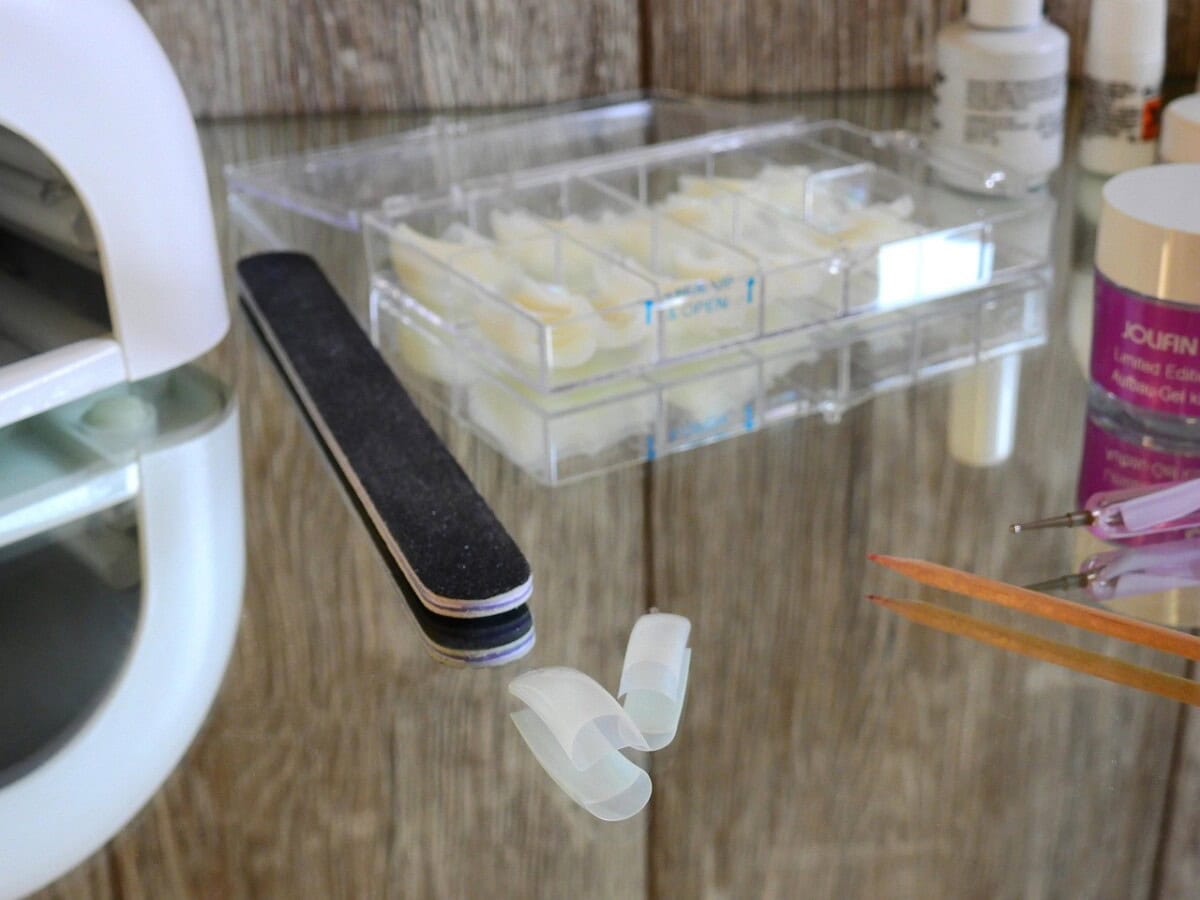
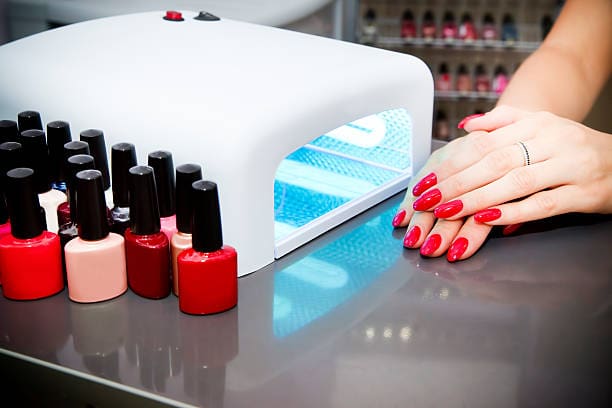
Gel nails are the newer, shinier cousin in the artificial nail family—and they’ve been stealing the spotlight since they hit nail salons in the early 2000s. A gel manicure uses a special gel nail polish (or gel overlay) that’s painted onto your natural nails or extensions, then cured under a UV or LED light to create a glossy, chip-resistant finish. Unlike acrylics, gel doesn’t have that tell-tale chemical smell, and the application process feels more like getting regular nail polish—just with a fancy light treatment in between coats. The end result is a natural-looking manicure with serious shine that feels lighter and more flexible than its acrylic counterpart. It’s like the difference between wearing stilettos and ballet flats: both get the job done, but one definitely feels less aggressive.
Hard Gel vs Soft Gel Explained
Here’s where gel nails get a little more complicated (because nothing in the beauty world can ever be simple, right?). There are actually two types of gel: hard gel and soft gel, and they’re not interchangeable. Soft gel—also called “soak-off gel”—is what most people think of when they picture a gel manicure. It’s flexible, can be removed with acetone, and is perfect for adding a durable polish coat to your natural nails. Hard gel, on the other hand, is the bodybuilder of the gel world. It’s used to build nail extensions, add serious length, and create structure—kind of like acrylic’s gel-based sibling. The catch? Hard gel can’t be soaked off; it has to be filed down, which means removal takes a bit more elbow grease (or nail drill power). Think of soft gel as your everyday workhorse and hard gel as the heavy-duty option when you need extra reinforcement.
What’s The Difference Between Gel and Acrylic Nails?
Difference Between Gel Nail Polish and Acrylic Application
If you’ve ever wondered why your nail tech reaches for different tools depending on whether you’re getting gel or acrylic, here’s your answer: these two types of manicure are fundamentally different beasts. Acrylic nails involve that whole liquid-meets-powder science experiment we talked about earlier—your technician literally sculpts a paste onto your nails and lets it air-dry into a hard shell. Gel nail polish, meanwhile, starts as a thick, goopy polish that gets painted on in layers and needs UV or LED light to cure (fancy word for “harden”). The application process for gel feels more familiar if you’re used to regular manicures, while getting acrylic nails is like watching an artist sculpt tiny pieces of armor for your fingertips. Also worth noting: acrylic has a distinctive smell (thanks, monomer liquid), while gel is basically odorless—a major win if you’re sensitive to chemical scents or just prefer not to leave the salon smelling like a chemistry lab.
How Long Each Type of Manicure Lasts
Let’s talk longevity, because nobody wants to invest time and money into nails that chip after three days. Acrylic nails are the marathon runners of the manicure world—they typically last three to four weeks before you need a fill, and some people stretch them even longer (though your manicurist might give you the side-eye for that). Gel nails usually clock in at a respectable two to three weeks before they start lifting or growing out noticeably. The difference comes down to durability: acrylic and gel nails both resist chipping like champions, but acrylics are harder and less prone to cracking under pressure. That said, gel nails tend to look more natural as they grow out, while acrylic growth can be more obvious thanks to that visible gap at your cuticle. The takeaway? If you’re hard on your hands or want maximum longevity, acrylic might be your best bet. If you prefer a more natural look and don’t mind slightly more frequent salon visits, gel could be your soulmate.
Understanding Gel Manicure vs Acrylic Nails
Acrylic or Gel? The Cost Differences
Let’s talk money, because your nail budget matters. Generally speaking, gel and acrylic nails are pretty comparable in price, though you’ll often find that gel manicures cost slightly more upfront—usually ranging from $35 to $80 for a full set, while acrylic nails typically run $30 to $70. But here’s the plot twist: the long-term cost can actually tip in acrylic’s favor. Since acrylic nails last longer between fill appointments (and fills are usually cheaper than full sets, running about $20 to $50), you might end up spending less over time compared to more frequent gel touch-ups. Of course, prices vary wildly depending on where you live, how fancy your nail salon is, and whether you’re adding nail art or extensions.
Pro tip: if you’re trying to stretch your dollar, acrylic might give you more bang for your buck, but if you hate the smell and prefer a quicker appointment, the extra cost of gel might be worth it for your sanity.
Nail Looks and Appearance

Here’s where personal preference really comes into play. Gel nails are the clear winner if you’re going for a natural, glossy finish—they have that “my nails but better” vibe that looks effortlessly polished. The shine is unmatched (seriously, it’s like your nails went to a spa), and gel tends to look thinner and more flexible on the nail. Acrylic nails, on the other hand, have a slightly thicker, more structured appearance—which some people love for that ultra-glam, Instagram-worthy look. If you want dramatic length or sculptural shapes like stiletto or coffin nails, acrylic is typically the way to go since it’s easier to build and shape. Both types can be painted any color your heart desires and topped with nail art, rhinestones, or whatever trendy design is having a moment. The real question is: do you want your artificial nails to whisper elegance or shout glamour? Choose accordingly.
Durability and Maintenance
When it comes to surviving your daily life, acrylic nails are basically the tanks of the nail world. They’re incredibly strong, resist breakage like it’s their job (because it is), and can handle everything from aggressive typing to opening soda cans with reckless abandon. Gel nails are more flexible and feel lighter, which some people prefer—but that flexibility can also make them more prone to peeling or cracking if you’re particularly rough on your hands. However, gel has one major advantage: it tends to cause less damage to natural nails during wear, since it’s not as rigid and allows for slight movement. Maintenance-wise, both acrylic and gel nails need regular fill appointments to address growth and prevent lifting. Skip those fills too long, and you’re risking moisture getting trapped underneath (hello, nail fungus) or awkward breakage. Think of it this way: acrylic is your heavy-duty work glove, while gel is your stylish driving glove—both protect your hands, but in different scenarios.

Pros and Cons of Acrylic Nails
Benefits of Getting Acrylic Nail Extensions
Let’s start with why acrylic nails have maintained their throne for decades. First up: strength. If you have weak, brittle natural nails that break if you so much as look at them wrong, acrylic nail extensions are your new best friend. They provide a protective layer that’s virtually indestructible, letting you finally grow out your natural nails underneath without constant breakage drama. Acrylic is also the champion of length—want talons that could double as weapons? Acrylic can get you there. The material is incredibly versatile for shaping and sculpting, so your nail technician can create just about any look you’re dreaming of. Plus, acrylic nails don’t require ultraviolet light to cure, which means no concerns about ultraviolet exposure (and you can leave the salon immediately without worrying about smudging). And here’s a bonus: if one nail breaks, you can usually get just that single nail repaired without redoing your entire set. It’s the ultimate “fix what’s broken” approach to manicures.
Drawbacks of Acrylic Manicure
Now for the reality check, because acrylic nails aren’t all sunshine and perfectly shaped tips. That chemical smell during application? It’s real, it’s strong, and if you’re sensitive to odors, it can be downright unpleasant. The application process also takes longer than gel—sometimes up to two hours for a full set—so block out your afternoon accordingly. Acrylic can be tough on your natural nails, especially if applied or removed incorrectly; the filing and prep work required can leave your nail beds feeling thin and damaged. They’re also noticeably thicker and heavier than gel nails, which takes some getting used to (try texting or putting in contacts those first few days—it’s an adventure). And let’s be honest: acrylic nails growing out can look a bit obvious, with that telltale gap at the cuticle practically screaming “I need a fill!” If you’re not diligent about maintenance appointments every two to three weeks, you’ll be walking around with a very clear announcement that your manicure is overdue.
Pros and Cons of Gel Nails
Benefits of Gel Manicure
Gel nails have earned their devoted fanbase for some very good reasons. First and foremost: they look incredibly natural. If you want nails that appear like you just happen to be genetically blessed with perfect, glossy fingertips, gel is your ticket. The application process is faster than acrylic (usually about an hour or less), relatively odorless, and feels more like getting a traditional manicure—just with a high-tech curing light involved. Gel nails are also lighter and more flexible than acrylic, so they feel more like your natural nails and are less likely to cause that weird “I have weights on my fingertips” sensation. They’re generally gentler on your natural nails too, causing less damage during both application and wear. The shine factor is unbeatable—that mirror-like gloss lasts the entire time you’re wearing them, no top coat touch-ups needed. And if you opt for gel, removal is relatively straightforward with acetone soaking, making it easier to give your nails a break between manicures without requiring aggressive filing.
Drawbacks of Gel Nails
But before you rush off to book a gel appointment, let’s talk about the downsides. Gel nails, while durable, aren’t quite as bulletproof as acrylic—they can chip or peel if you’re particularly hard on your hands, especially around the edges. If you’re someone who does a lot of manual work or tends to be rough with your nails, gel might not hold up as well as you’d hope. There’s also the UV light situation: while the exposure time is brief, some people worry about the potential skin damage from repeated sessions (though you can mitigate this with sunscreen or fingerless gloves). Gel manicures also tend to cost slightly more than acrylic, and since they don’t last quite as long, you might find yourself back in the nail salon more frequently. Hard gel, while great for extensions, can only be removed by filing—which means you’re committed until your nail artist manually grinds it off. And here’s a frustrating one: if a gel nail cracks or breaks, you often need to redo the entire nail rather than doing a quick patch job like you can with acrylic.
How to Get Gel Nails and Acrylic Nails
Getting Fake Nails at a Nail Salon
Walking into a nail salon for your first set of nails can feel a bit intimidating, but here’s what to expect so you can stride in with confidence. First, you’ll consult with your nail specialist about what you want—length, shape, color, and whether you’re team gel or team acrylic. A reputable nail salon will assess your natural nails, discuss your lifestyle (are you typing all day or working with your hands?), and help you make the best choice. The prep work is crucial: your technician will clean, file, and buff your natural nails to create the perfect foundation. For acrylic nails, they’ll apply tips or forms, then build the acrylic overlay. For gel nails, they’ll either apply gel polish directly to your natural nails or use hard gel to create extensions, curing each layer under the UV or LED light. The whole process takes anywhere from 45 minutes to two hours depending on complexity. Pro tip: don’t be shy about speaking up if something feels uncomfortable or if you’re not loving the shape—good nail techs want you to leave happy, and adjustments are totally normal.
Applying Acrylic Nails and Gel Nails at Home
Feeling ambitious and want to try DIY acrylic nails and gel nails at home? It’s definitely possible, though fair warning: there’s a learning curve steeper than your favorite cat-eye liner. For at-home gel, you’ll need a UV or LED lamp, gel polish, base and top coats, and various prep supplies. The process mirrors what happens at the salon—prep, apply thin layers, cure under the light, repeat. It’s the more beginner-friendly option of the two. At-home acrylic is trickier since you’re working with that liquid and powder system, which requires practice to get the consistency and application right (your first few attempts might look… rustic). You’ll need an acrylic kit with monomer liquid, polymer powder, brushes, nail tips or forms, and a whole lot of patience. The biggest challenge? Working on your dominant hand—it’s like trying to write with your non-dominant hand while wearing oven mitts. Many people successfully do their nails at home and love the cost savings, but be realistic about the time investment and potential for some trial-and-error disasters before you achieve salon-worthy results.
Maintenance: Fill Appointments and Upkeep
How Often You Need a Fill for Acrylic and Gel Nails
Here’s the thing about gel and acrylic nails that nobody tells you until you’re already committed: they require regular maintenance, kind of like your car or your houseplants (but hopefully more rewarding). For acrylic nails, you’ll need a fill every two to three weeks as your natural nails grow out and create that gap near your cuticles. Some people push it to four weeks, but that’s risky territory—you’re flirting with lifting, breakage, and a look that screams “I’ve been too busy/broke to get to the salon.” Gel nails follow a similar timeline, typically needing attention every two to three weeks, though some people can stretch gel manicures a bit longer if they’re gentle and lucky. Hard gel extensions need fills around the same schedule as acrylic. The growth rate of your natural nails plays a big role here—if you’re blessed (or cursed?) with fast-growing nails, you might find yourself booking appointments more frequently. Bottom line: factor these regular fill appointments into your budget and schedule, because skipping them isn’t just about aesthetics—it can actually damage your natural nails.
What to Expect During Maintenance Visits
So you’ve booked your fill appointment—what actually happens? For acrylic or gel maintenance, your nail tech starts by assessing the current state of your nails, checking for any lifting, cracks, or damage. They’ll file down the grown-out product near your cuticles and smooth out any uneven areas, basically prepping the canvas for fresh material. For acrylic nails, they’ll apply new acrylic to fill in that gap where your natural nail has grown, blending it seamlessly with the existing product. For gel, they’ll add new gel layers to the regrowth area and cure everything under the light. Then comes reshaping, buffing, and either repainting with your color of choice or applying fresh gel polish. The whole process usually takes 45 minutes to an hour—significantly less time than getting a full new set. Many people use fill appointments as an opportunity to switch up their nail preference with different colors or designs, treating it like a mini nail makeover rather than just maintenance.

Just remember: consistent fills keep your nails appearing fresh and prevent bigger problems down the road.


How to Remove Acrylic Nails and Gel Nails
Removing Acrylic Nails Safely
Let’s address the elephant in the room: please, for the love of healthy nails, do not rip off your acrylic nails. Yes, it’s tempting when they start lifting, or you’re just over them, but peeling them off is a one-way ticket to damaged, thin nail beds that’ll haunt you for months. The proper way to remove acrylic nails involves soaking them in acetone—the real stuff, not regular nail polish remover. Your nail tech will typically file down the top layer of acrylic first to break the seal, then wrap each nail in acetone-soaked cotton and aluminum foil (you’ll look like you’re prepping for alien contact, but bear with it). After 15 to 30 minutes of soaking, the acrylic should be soft enough to gently scrape off with an orangewood stick. If it’s not budging easily, more soaking is needed—forcing it will cause damage to your natural nails. Some salons use an e-file to carefully drill off the acrylic instead, which is faster but requires a skilled hand. Either way, expect your natural nails to feel tender and look a bit worse for wear afterward. That’s normal. Give them some TLC with cuticle oil and strengthening treatments.
Taking Off Gel Nail Polish
Good news: removing soft gel nail polish is generally easier and less aggressive than removing acrylic nails—though it still requires patience and the right technique. Like acrylic removal, you’ll need pure acetone (sensing a theme here?). The process is similar: file the shiny top coat off your gel nails to break the seal, soak cotton pads in acetone, place them on each nail, wrap with foil, and wait about 10 to 15 minutes. The gel should start dissolving and can be gently pushed off with an orangewood stick or cuticle pusher. If you’ve got hard gel, though, buckle up—that stuff doesn’t soak off with acetone and has to be filed down manually, which is why most people leave hard gel removal to the professionals with their fancy e-files. One major mistake people make? Using too much force during removal. If the gel isn’t sliding off easily, it needs more soaking time, not more scraping. Your natural nails will thank you for being gentle. After removal, your nails might feel slightly dehydrated and look dull, so hit them with nail oil and give them a breather before your next manicure if possible.


Gel or Acrylic: Which Type of Manicure Should You Choose?
Best Scenarios for Acrylic Nails vs Gel Nails
So, decision time: which fake nails deserve a permanent place in your beauty routine? Here’s the honest breakdown. Choose acrylic nails if you have weak or damaged natural nails that need serious reinforcement, if you want dramatic length or sculptural shapes, if you’re hard on your hands and need maximum durability, or if you’re looking for the most cost-effective long-term option. Acrylic is your ride-or-die for lasting power. On the flip side, gel nails are your best bet if you prioritize a natural look and lightweight feel, if you’re sensitive to strong chemical smells, if you want faster application and easier removal, or if you prefer a glossy finish that doesn’t quit. Gel is perfect for people who want enhancement without the commitment level of acrylic. Also consider your lifestyle: nurses, teachers, and people who work with their hands often prefer the flexibility of gel, while those in creative fields or anyone who just loves a bold nail look tend to gravitate toward acrylic’s strength and versatility.
Everything You Need to Know Before Deciding
Before you commit to either acrylic or gel nails, here’s your final checklist of things to consider. Think about your budget—not just for the initial set, but for ongoing fills and maintenance every few weeks. Consider your pain tolerance and nail sensitivity; both types require some level of filing and prep that can feel uncomfortable if you have particularly sensitive nail beds. Be honest about your lifestyle and how rough you are on your hands—there’s no point getting delicate gel nails if you’re constantly doing home renovations or rock climbing. Research your local nail salon options and read reviews; the skill of your nail technician matters enormously for both the look and health of your nails. And here’s the thing nobody tells you: you’re not locked into one choice forever. Many people try both acrylic and gel nails at different times, switching based on their current needs, preferences, or just because they want to mix things up. The beauty of living in the future is that you have options—so experiment, see what works for your nails and your life, and don’t be afraid to switch teams if your first choice isn’t giving you everything you hoped for. Your perfect manicure is out there waiting.
So what’s the difference between gel and acrylic nails, really? Beyond the technical definition of how acrylic nails are made (with acrylic powder and liquid applied to the nail) versus how gel nails are created (with gel nail polish cured under UV light), the real distinction comes down to what each type of manicure offers your specific nail health and lifestyle. Acrylic nails vs gel nails isn’t just about hard gel vs soft gel, or even about nail extension length—it’s about understanding that gel nails are less rigid and more flexible than acrylic nails, while acrylic nails can last longer and provide more protection for brittle nails. Both acrylic and gel nails require maintenance as your nail grows, both can damage your natural nails if applied or removed incorrectly, and both offer stunning nail looks that regular nail polish simply can’t achieve.
The pros and cons of acrylic versus the benefits of gel each have their place, depending on whether you prioritize the thickness and durability of a layer of acrylic or the lightweight, flexible nature of gel. Acrylic nails tend to be stronger and can support more dramatic nail designs, while gel nails typically feel more natural and cause less damage to your natural nails when properly maintained. Gel nails also shine brighter than any regular nail polish, and soft gel is easier to remove compared to gel’s hard gel cousin or a full set of acrylic nails. Whether you’re choosing between gel or acrylic for nail enhancement, getting acrylic for strength, or trying gel (like Gelish) for that glossy finish, both types of gel and acrylic options have everything you need to know laid out above.
The difference between gel and acrylic nails ultimately comes down to this: acrylic nails require commitment and deliver on durability, creating a protective layer over your natural nails that can withstand serious wear as compared to gel nails, which require less thickness applied onto the nail and are more flexible than acrylic, making them gentler on the health of your natural nails. Acrylic vs gel isn’t about one being objectively better—it’s about which type of manicure aligns with your definition of the perfect nails. Whether you remove gel nails at home or let a nail artist work their magic with acrylic powder, whether you go for fake nails that look natural or nails that look bold and dramatic, the choice is yours. Now you can define your own nail journey with confidence, knowing exactly how acrylic nails and gel nails stack up in the eternal nails vs nails debate. Your perfect manicure—and the health of your natural nails—will thank you.
You might also be interested in…
Check out the latest nail trends for your next nail appointment!
CONNECT WITH DAILY MOM
💖 NEWSLETTER: DAILY READS IN YOUR INBOX 💖

Sign up to receive our picks for the best things to do, see and buy so you can relax and focus on more important tasks! Let us help you be the best version of yourself you can be!
BE SOCIAL WITH US
📌 LOVE IT? PIN IT!📌