




























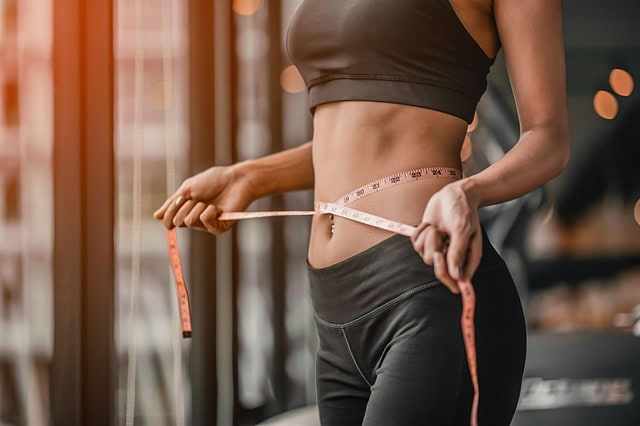
Gaining weight and Menopause changes a lot, including how you feel, sleep, react to stress, and, yes, even how your body holds onto weight. Many women notice the scale creeping up when hot flashes and night sweats start showing up. And it’s not just the number on the scale, it’s where the weight gain in menopause catches most off guard. Suddenly, belly fat becomes more stubborn, clothes fit differently, and managing weight feels like a new kind of challenge.
Understanding how hormonal changes affect weight gain during menopause can help shift frustration into action. There are real, practical ways to minimize weight gain during menopause, and it starts with knowing what’s happening inside the body during this major transition.
Understanding Menopause and the Menopause Transition
What is menopause and when does it typically occur?
Menopause officially marks the end of a woman’s reproductive years. Technically, menopause is defined as the point when a woman has gone 12 consecutive months without a menstrual period. This natural biological process typically occurs between ages 45 and 55, with the average age being 51 in the United States.
Define perimenopause, menopause, and postmenopause
The journey to menopause doesn’t take place overnight. Most women experience a transitional phase called perimenopause, which can begin several years before actual menopause. During perimenopause, the ovaries gradually produce less estrogen, leading to irregular periods and the start of some menopausal symptoms. This transition phase can last anywhere from 2 to 10 years.
What’s important to understand is that these physical changes aren’t random—they’re direct signals of the hormonal changes happening within the body. Estrogen affects nearly every tissue in the female body, from brain function to bone density to fat storage. As levels decline and fluctuate, the body responds in various ways, creating the constellation of symptoms known as menopause.
Once menopause is complete, a woman enters postmenopause, the phase that lasts for the remainder of her life. During this time, menopausal symptoms may ease for many women, though some continue to experience them for years.
Common menopause weight gain symptoms: hot flashes, night sweats, mood swings
The hormonal fluctuations throughout these phases trigger various physical changes and symptoms. Hot flashes are sudden, intense feelings of heat that spread throughout the upper body, affecting up to 80% of women during menopause. These can range from mild warmth to intense heat waves followed by sweating and chills. Night sweats, essentially hot flashes during sleep, can disrupt rest and lead to fatigue and mood changes.
Beyond temperature regulation issues, many women experience mood swings, vaginal dryness, sleep disturbances, and changes in sexual desire. These menopausal symptoms vary widely in intensity and duration from person to person. Some women notice minimal disruption to their daily lives, while others find the symptoms significantly impact their quality of life.
Why Does Weight Gain Occur During the Menopause Transition?
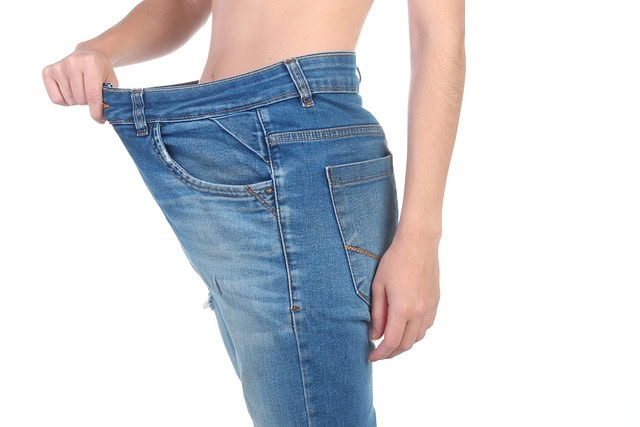
Explore how hormonal shifts, particularly estrogen decline, cause weight gain
Weight gain during menopause isn’t just about age or slowing down, and it’s about what’s happening hormonally behind the scenes. As estrogen levels drop, the body reacts in multiple ways, including an increased tendency to store fat, especially around the midsection. This is why so many women gain weight around the belly during menopause. It’s not just in your head; this shift in fat distribution is fundamental and driven by biology.
How fat distribution changes: What causes menopause weight gain around the belly (abdominal fat)
Estrogen is key in regulating metabolism, fat storage, and even appetite. As levels decline, the body tries to adjust, often storing more abdominal fat. Lower estrogen levels can also impact insulin sensitivity, making it easier to gain weight and more challenging to lose. Add that muscle mass naturally declines with age, especially if you’re not doing strength training, and it becomes clear why the scale starts creeping up even if your habits haven’t changed much.
Discuss other causes of weight gain around menopause that lead to weight increase: lifestyle, stress, aging
But hormones aren’t the only culprit. Lifestyle factors also contribute to weight gain during menopause. Stress, poor sleep (often caused by night sweats or hot flashes), less physical activity, and changes in eating habits can all lead to weight gain. Many women also experience emotional eating or decreased motivation to stay active during this time. The result is that weight gain during menopause becomes more likely and difficult to control.
It’s important to know that these weight changes aren’t about failure or lack of discipline—they’re about navigating a totally new hormonal landscape. Understanding what’s happening inside your body is the first step toward finding ways to minimize weight gain and feel in control again.
The Hormonal Connection – Estrogen, Progesterone, and Metabolism

Regarding menopausal weight gain, hormones are at the center of it all. Estrogen and progesterone, the two main female hormones, don’t just manage the menstrual cycle, they influence everything from body fat storage to energy levels and even how hungry you feel. As estrogen levels begin to decline during the menopause transition, the body’s entire balance shifts. One of the most significant consequences is metabolic changes and how the body handles being overweight.
How do lower estrogen levels cause the body to store more fat
Estrogen helps regulate body weight by affecting how fat is distributed and how efficiently the body burns calories. The body becomes more likely to store fat when estrogen drops, particularly in the belly area. Increasing weight around the belly is common during this time, even if your overall diet and activity level haven’t changed much. At the same time, muscle tissue tends to decrease with age, which slows down the metabolic rate even more, making weight increase feel almost inevitable.
Impact of hormonal imbalance on appetite, sleep, and metabolism
Another issue is that hormonal changes can affect appetite, sleep, and energy. Lower progesterone levels can affect mood and increase irritability, while estrogen decline can interfere with the physical ability to get quality rest. Poor sleep, especially when disrupted by hot flashes and night sweats, makes it harder to make healthy choices, stay motivated, or stick to a fitness routine. The combination of fatigue, cravings, and hormonal imbalance can easily lead to weight increase if not appropriately managed.
These internal changes don’t mean that managing weight during menopause is impossible, but they do highlight why it takes a new strategy. A one-size-fits-all approach doesn’t work here. Recognizing the role of hormone shifts allows for more targeted, realistic steps toward reclaiming balance and feeling good in your body again.
Common Challenges Women Face in Maintaining a healthy Weight Gain During Menopause
The emotional toll of menopausal weight increase and physical image
Menopausal weight accumulation presents unique challenges beyond the physical changes in a woman’s body. The emotional and psychological impact can be as significant as the hormonal shifts.
Many women’s physiques have remained relatively stable throughout adulthood until menopause arrives. Suddenly finding clothes fitting differently and seeing unfamiliar curves in the mirror can trigger feelings of loss and identity confusion. Women often report feeling like strangers in their bodies, wondering why their reliable weight management strategies no longer work.
The visible changes, particularly weight accumulation around the midsection, can affect self-confidence and physical image at a time when women may already be navigating other significant life transitions. Society’s emphasis on youthful appearance adds another layer of pressure, making natural bodily changes feel like personal failures rather than normal biological processes.
How night sweats, mood swings, and fatigue make it harder to stay active and manage weight
Beyond the emotional aspects, practical challenges emerge from menopausal symptoms that directly impact weight management. Night sweats disrupt sleep patterns, leaving many women exhausted during the day. This fatigue makes it harder to find the energy for regular exercise, leading to a cycle of inactivity contributing to further weight increase.
Hot flashes can be embarrassing and uncomfortable, causing some women to avoid social situations, including fitness classes or gym environments. The unpredictability of these symptoms means women might hesitate to commit to regular exercise routines, further complicating weight management efforts.
Mood fluctuations are another common symptom during the menopause transition, which can trigger emotional eating patterns. Food becomes a coping mechanism for managing anxiety, irritability, or low mood, creating a challenging cycle that’s difficult to break without addressing both the emotional triggers and the hormonal imbalances.
The difficulty ways in helping you manage your weight when the metabolism slows
Perhaps most frustrating is maintaining a healthy weight when the metabolism fundamentally changes. Women often express frustration that diet and exercise approaches that worked perfectly in their 30s and 40s seem completely ineffective during menopause. This metabolic shift requires lifestyle adjustments and a mental recalibration of weight and physical composition expectations.
Many women also come up against misconceptions about weight during menopause. Well, meaning friends or even healthcare providers might suggest that increased weight is simply inevitable or that women should accept their changing physique without taking steps to manage health risks associated with excess belly fat. Finding the balance between acceptance and proactive health management becomes another challenge.
How to Prevent Weight Accumulation and Manage Normal Weight During Menopause
Key strategies to prevent weight increase before it starts
The idea that nothing can be done to help minimize weight accumulation during menopause is untrue. While this stage of life does come with new challenges, there are very real, effective ways to reduce weight increase and support overall health. The key is adjusting your approach to fit your changing figure and hormones instead of relying on the same habits that worked in your 30s.
Exercise tips: strength training, cardio, flexibility during hormonal changes

First, let’s talk movement. Regular physical activity is one of the best tools to help minimize weight increase and support a stronger, healthier metabolism. But it’s not just about cardio anymore. Strength training is essential for maintaining muscle volume, which naturally declines with age and hormone loss. Lifting weights (or even bodyweight exercises like squats or planks) helps your body burn more calories at rest and combat the overweight that’s so common in the menopause transition. Combine this with gentle flexibility exercises like yoga or stretching, and your physique gets a full-spectrum boost in balance, strength, and stress reduction.
Importance of sleep and stress management
Speaking of stress, managing it is just as important as diet and exercise. High cortisol levels (the stress hormone) can increase weight, especially around the belly. Practicing stress-reducing habits like mindfulness, deep breathing, walking in nature, or getting enough sleep can make a huge difference. Poor sleep is often interrupted by night sweats and hot flashes, zaps energy, and increases cravings for high-calorie comfort foods. So, improving sleep quality is a big part of maintaing weight during menopause.
Setting realistic goals for weight loss and physical transformation
The goal isn’t perfection, it’s progress. Maybe the scale won’t drop like it used to, but that doesn’t mean you can’t feel better, move better, and increase strength. Aim to maintain a healthy weight and focus on how your clothes fit, how your energy feels, and how strong your body becomes. Menopause and weight increase don’t have to be defined in this chapter; they can be resets, not setbacks.
Diet Tips for Menopause: Ways To Help You Lose Weight
Anti-inflammatory and hormone-balancing diet choices
Nutrition takes on new importance during menopause as hormonal shifts alter how the body processes and stores nutrients. A strategic approach to eating can help maintain weight while addressing other menopausal symptoms.

The fundamental principle for menopausal eating is quality over quantity. With energy conservation naturally slowing, calorie needs typically decrease by about 200-400 calories per day compared to premenopausal requirements. However, eating less without considering nutrient density can backfire, leaving the body undernourished and triggering cravings.
Anti-inflammatory foods deserve special attention, as inflammation increases with age and hormonal modification. Colorful vegetables, berries, fatty fish, nuts, and olive oil provide compounds that fight inflammation while supporting overall health. These foods may also help reduce some women’s hot flashes and night sweats.
Protein, fiber, and healthy fats to support nutrient processing and control hunger during menopausal symptoms
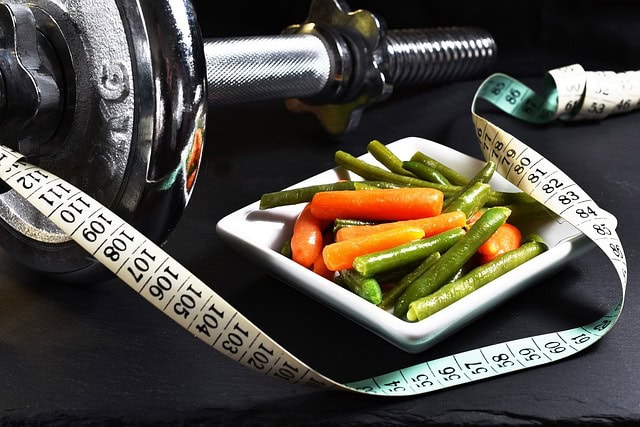
Protein becomes especially crucial during menopause. Higher protein intake supports muscle maintenance, increases satiety, and requires more digestion energy than other macronutrients. Aim for protein at every meal—eggs, fish, lean meats, legumes, and high-quality dairy can help preserve muscle tissue while supporting weight management.
Fiber-rich foods perform double duty during menopause. They keep the digestive system running smoothly while providing longer-lasting fullness that prevents overeating. Additionally, certain fibers support beneficial gut bacteria that influence weight regulation, mood, and even hot flash frequency. Beans, whole grains, fruits, and vegetables should be prominently featured in the menopausal diet.
The importance of hydration and reducing processed foods that cause hot flashes and night sweats
Hydration deserves special attention during menopause. Many women confuse thirst with hunger, leading to unnecessary snacking. Additionally, proper hydration supports energy conservation and can help minimize bloating. Aim for at least 8-10 cups of fluid daily, primarily from water, herbal teas, and other non-caloric beverages.
What to reduce or avoid becomes just as important as what to eat. Alcohol deserves particular caution during menopause, and it can trigger hot flashes, disrupt sleep, add empty calories, and increase fat storage. Similarly, highly processed foods, excessive sugar, and high-sodium items tend to worsen both weight increase and other menopausal symptoms.
How a healthy diet can help you lose fat, especially in the belly
Strategic timing of carbohydrates can help manage insulin sensitivity changes. Concentrating complex carbohydrates around active times of day and keeping evening meals lower in carbs helps many women maintain better energy levels while reducing fat storage. Pairing carbohydrates with protein and healthy fats slows digestion and prevents blood sugar spikes.
Phytoestrogens—plant compounds with mild estrogen-like effects—may help ease the transition for some women. Foods like flaxseeds, soybeans, and sesame seeds contain these beneficial compounds that may help reduce hot flashes while supporting hormone balance. While not strong enough to completely replace declining estrogen, these foods offer gentle support for the body’s adjustment to the hormonal landscape.
These dietary approaches don’t just help you lose fat, they specifically target belly fat accumulation, the most concerning weight increase during menopause. By focusing on hormone-supporting, anti-inflammatory nutrition, women can address both the symptoms and the underlying metabolic changes of menopause.
Medical and Hormonal Support Options
Overview of hormone replacement therapy (HRT) and hormone therapy
Sometimes, no matter how dialed your diet, sleep, and exercise routines are, managing menopausal weight increase still feels like an uphill battle. That’s because the hormonal alterations inside the female physique are robust, and sometimes, lifestyle changes alone aren’t enough. This is where medical support and hormone therapy can come into play.
Hormone replacement therapy (HRT), or simply hormone therapy, is often used to assist in managing difficult menopause symptoms like hot flashes, night sweats, mood shift, and sleep disruption. But beyond that, many women find that HRT may also help prevent weight increase by stabilizing estrogen levels. Since low estrogen can influence weight increase by altering fat distribution and slowing metabolism, restoring balance through therapy might help reduce some of these effects, especially when paired with healthy lifestyle changes.
Talk to your doctor about what solutions can support menopause and weight gain
Of course, HRT isn’t for everyone. Talking to your doctor about your symptoms, health history, and options is important. Some women benefit from natural supplements or non-hormonal medications that help with sleep, mood, or appetite regulation. For others, regular health monitoring—especially for issues like type 2 diabetes, heart disease, or abnormal weight accumulation- can help guide safer, more personalized strategies.
Medical support doesn’t mean giving up control—it means getting the help you need to feel like yourself again. Whether through hormone replacement, nutritional counseling, or working with a women’s health specialist, these tools can make a real difference in helping you control weight, support your physique, and move through menopause with more confidence and clarity.
Realistic Expectations and Encouragement for Women
What take place when you acknowledge the natural transformation in the female body
Let’s be honest, Menopause transforms things. Body weight might shift, energy may dip, and menopausal symptoms like hot flashes, night sweats, or mood swings can test even the most positive mindset. But it’s important to remember that these transformations are not a failure, they’re part of a natural transition. And you’re not alone in going through them.
Reframe expectations around fat, weight, and aging
As many women approach or move through the menopause transition, they notice their body doesn’t respond the way it used to. It becomes harder to lose weight, easier to increase, and more frustrating to manage it all. But this doesn’t mean you’ll carry extra weight forever. Instead, it’s time to shift expectations and focus on what can be controlled. That means aiming for strength over skinniness, energy over perfection, and a lifestyle that supports your hormones, rather than fights against them.
Reframing your relationship with your physique during this phase can be incredibly empowering. It’s not about trying to look 25 again, it’s about feeling strong, balanced, and at peace in the skin you’re in now. Menopause and weight may be linked, but that doesn’t mean they control your story. Small, sustainable habits, whether moving more, sleeping better, managing stress, or nourishing your body, can add to powerful transformation.
You’re not alone – millions of women go through this
Millions of women around the world are navigating this same transition. So take a breath, know you’re not alone, and give yourself some grace. There is no “perfect” menopausal physique. There’s only your body, and it deserves care, compassion, and attention as you move into this next chapter.
Check out this book for more information: Menopause and Weight Loss
FAQs
Q: What occurs in a woman’s body during menopause that can cause weight increase?
A: During menopause, several biological alterations can contribute to weight accumulation. Estrogen levels decline, which affects fat distribution, often leading to increased stomach fat. Metabolic rate naturally slows down, meaning fewer calories are burned at rest. Muscle mass typically decreases, further reducing calorie-burning capacity. Many women report weight increase during this time, even without changing their diet or exercise habits. These physiological alterations, combined with potential sleep disruptions and increased stress, create conditions where women are more likely to gain weight during menopause than at other life stages.
Q: Why do women gain weight during menopause even when their eating habits haven’t modified?
A: Weight increase often occurs during menopause, even with consistent eating habits, because the body undergoes significant metabolic transformation. As estrogen levels drop, the body’s metabolism slows by approximately 10-15%, meaning you burn fewer calories performing the same activities. Additionally, muscle mass naturally decreases with age, especially before menopause and continuing afterward, reducing caloric expenditure. Many women approach menopause without awareness of this biological transformation, continuing to eat as they always have while their bodies’ needs have changed. This metabolic shift is why strategies that worked for weight management in your 30s may no longer be effective in your 50s.
Q: How much weight gain is normal during menopause?
A: Most women who experience a shift in weight during menopause gain approximately 5-10 pounds on average. However, some women report weight gain of up to 15-20 pounds during the menopausal transition. This additional weight typically accumulates gradually over the perimenopausal and menopausal years rather than all at once. It’s important to understand that while some weight gain may be expected, gaining more than 20 pounds is not typical solely due to menopause and may indicate other health factors that should be addressed. Weight distribution also changes, with fat more likely to accumulate around the abdomen post menopause than in the hips and thighs.
Q: Can the weight gain that occur during menopause be prevented?
A: While some metabolic alterations during menopause are inevitable, some strategies can support you avoid significant weight gain. Adjusting caloric intake to match your new metabolic rate is essential—most women need about 200 fewer calories daily during and after menopause. Increasing physical activity, particularly strength training to preserve muscle mass, can counteract the natural metabolic slowdown. Managing stress is also critical, as elevated cortisol can contribute to abdominal fat storage. Some women find that hormone replacement therapy aids in stabilizing weight, though this option should be discussed with healthcare providers. Being proactive about this adjustment as you approach menopause, rather than reactive after weight gain occurs, is the most effective prevention strategy.
Q: Does stress make menopausal symptoms worse, including weight gain?
A: Yes, stress can significantly exacerbate menopausal symptoms, particularly weight gain. When stressed, the body produces more cortisol, which is associated with increased abdominal fat storage. This is especially problematic during menopause when the body is predisposed to store fat in the midsection. Additionally, stress often leads to emotional eating, disrupted sleep patterns, and reduced motivation for physical activity, all factors that can interfere with weight loss goals. Many women find themselves in a challenging cycle where menopause causes stress, which then makes weight management more difficult. Stress-reduction techniques such as mindfulness, yoga, and adequate sleep can be powerful tools to manage stress and weight during this transition.
Q: What is the best way to lose weight after menopause?
A: The most effective way to lose weight after menopause involves a comprehensive approach tailored to the post-menopausal body. First, strength training becomes crucial as it builds muscle mass, which increases metabolic rate. Aim for at least two strength sessions weekly. Second, focus on protein-rich foods (20-30g per meal) to support muscle maintenance and increase satiety. Third, practice portion control rather than severe calorie restriction, which can further slow metabolism. Intermittent fasting approaches may be beneficial for some women. Fourth, sleep quality and stress management should be prioritized, as both directly impact weight-regulating hormones. Finally, consider working with healthcare providers to address hormonal imbalances hindering weight loss efforts. Consistency is key, as weight loss typically occurs more slowly after menopause.
Q: How must the diet be modified when women approach menopause to prevent weight gain?
A: As women approach menopause, dietary adjustments become necessary to prevent weight gain. Caloric needs typically decrease by about 200 calories daily, requiring mindful portion control. Protein intake should increase to approximately 1.0-1.2 grams per kilogram of body weight daily to preserve muscle mass. Incorporating more fiber-rich foods helps manage hunger and stabilize blood sugar levels, which can fluctuate more during menopause. Reducing refined carbohydrates and alcohol is particularly important as these can contribute to both weight gain and hot flashes. Anti-inflammatory foods like fatty fish, nuts, and colorful vegetables may support counteract the increased inflammation of menopause. Spreading food intake throughout the day with three moderate meals and 1-2 small protein-rich snacks can support to maintain stable energy levels and prevent overeating.
Q: What exercises are most effective for combating menopause-related weight gain?
A: The most effective exercise strategy for combating menopause-related weight gain combines several modalities. Strength training tops the list as it directly addresses the muscle loss of menopause. Aim for at least 2-3 sessions weekly, targeting all major muscle groups. High-intensity interval training (HIIT) provides metabolic benefits in shorter time periods, though it should be introduced gradually if you’re new to exercise. Regular cardio activities like brisk walking, swimming, or cycling aid in burning calories and improve cardiovascular health. Weight-bearing exercises such as walking or dancing support bone density, which is another concern during menopause. Finally, mind-body exercises like yoga can help manage stress levels that might otherwise contribute to weight gain. The key is consistency and progression rather than intensity alone, as injury risk increases during this time.
You might also be interested in…
Want to know what fat-burning food to eat to lose weight? Check it out.
CONNECT WITH DAILY MOM
💖 NEWSLETTER: DAILY READS IN YOUR INBOX 💖
Sign up to receive our picks for the best things to do, see and buy so you can relax and focus on more important tasks! Let us help you be the best version of yourself you can be!
BE SOCIAL WITH US
📌 LOVE IT? PIN IT!📌