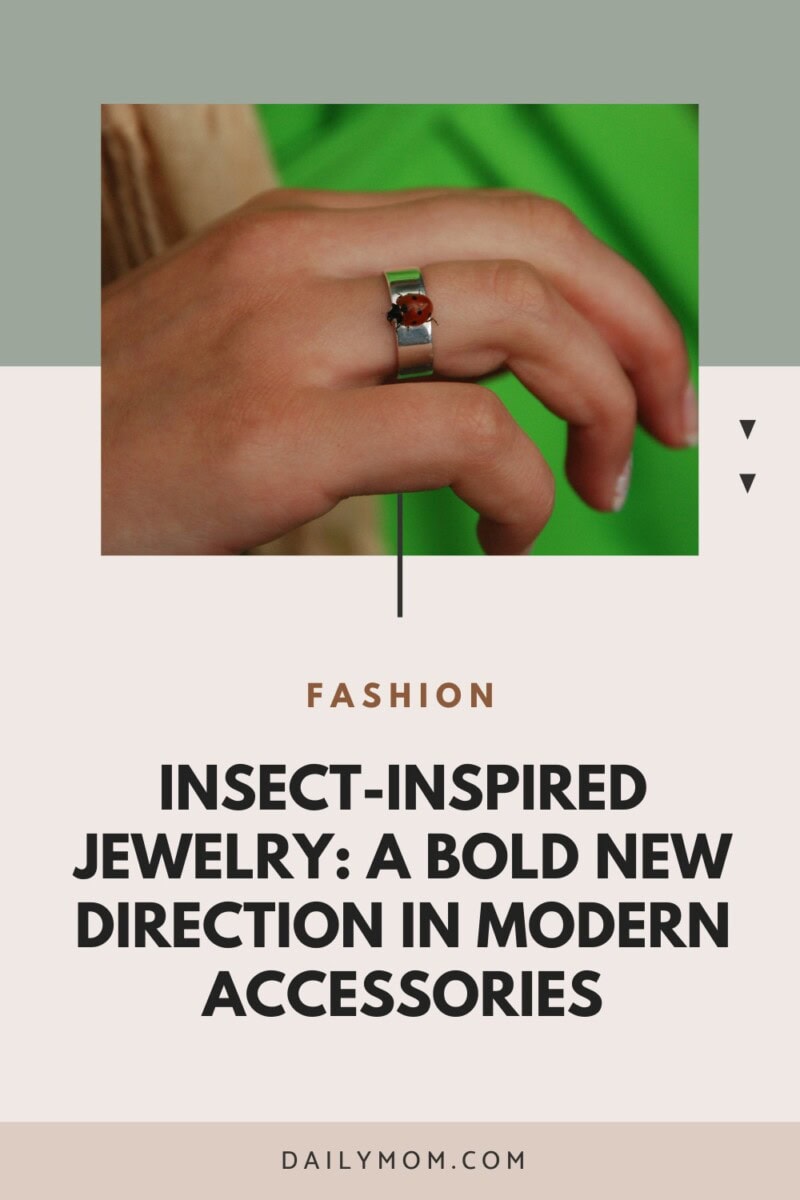

































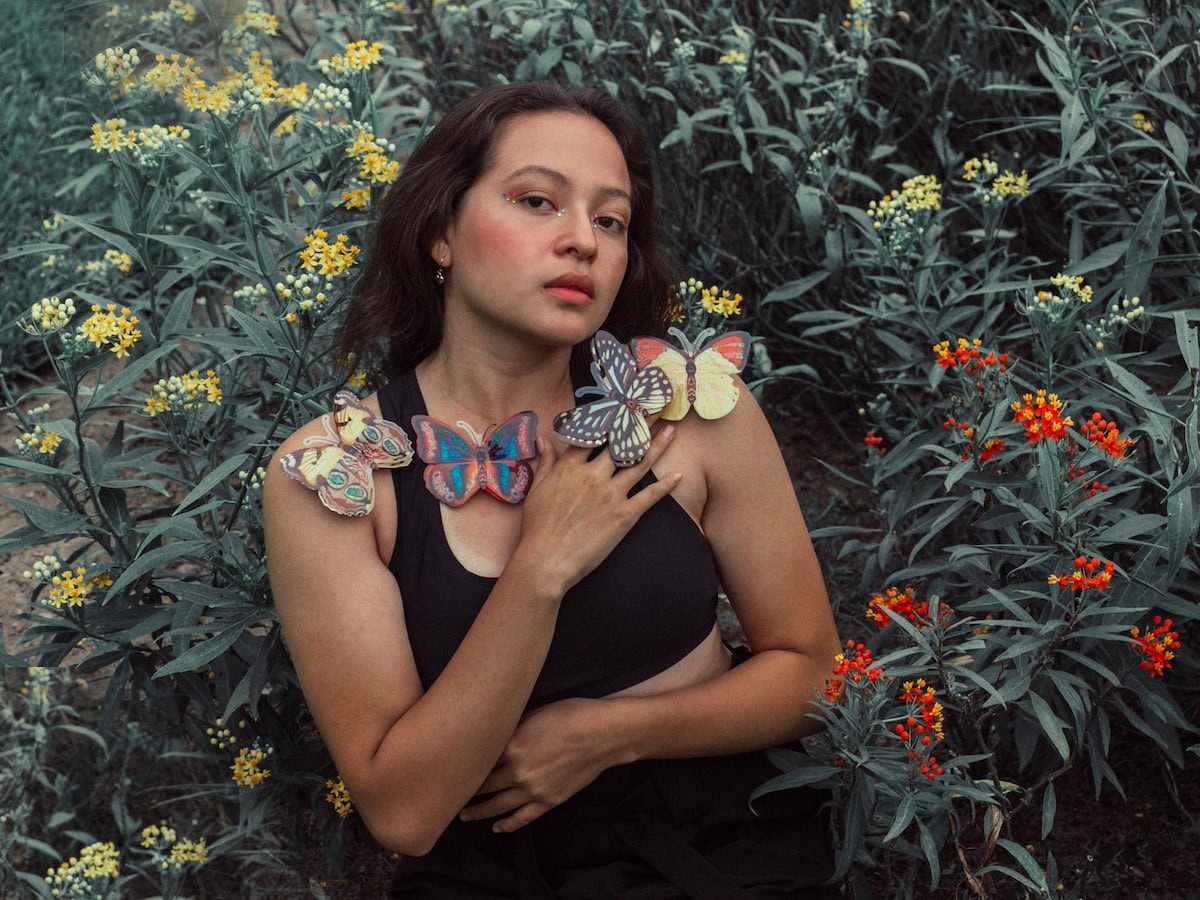
There’s something undeniably intriguing about insect jewelry—equal parts fascinating and slightly unsettling, yet completely impossible to ignore. Once tucked away in collectors’ drawers and museum displays, these tiny creatures have made their way into mainstream fashion, showing up on runways, in street style, and across curated jewelry collections. It’s not just about wearing a bug; it’s about wearing a story, a symbol, and a piece of nature that feels surprisingly personal.
This article is worth the read because insect jewelry isn’t just a passing trend—it’s a layered blend of history, art, and self-expression. From vintage Victorian influences to modern, eye-catching designs, there’s more meaning behind that beetle brooch or butterfly wing necklace than meets the eye.
Why Insect Jewelry Is Having a Moment
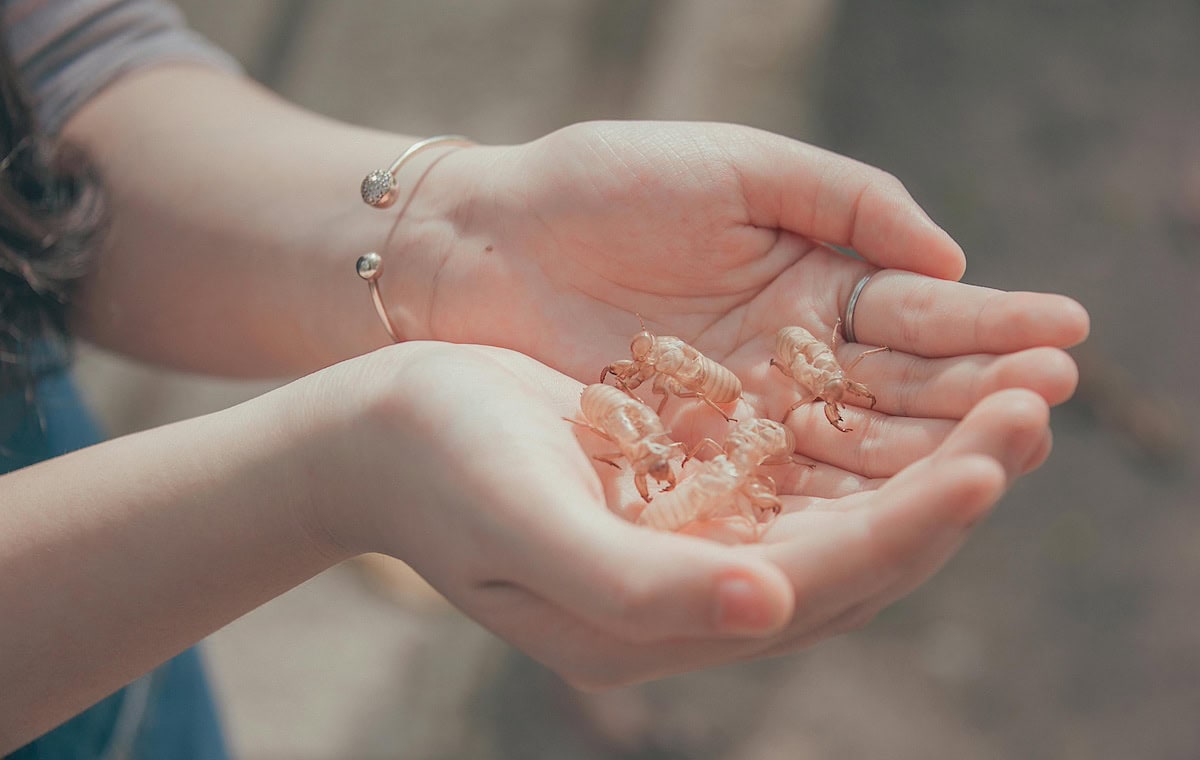
Insect jewelry has moved from niche curiosity to a confident style choice. What once felt reserved for collectors or vintage enthusiasts is now showing up in everyday fashion—from subtle earrings to bold statement pieces.
Part of the appeal comes from contrast. Insects aren’t traditionally seen as beautiful, yet when translated into jewelry, they become structured, detailed, and surprisingly refined. A beetle’s shell reflects light with an almost metallic sheen, while butterfly or moth designs introduce softness and movement. That tension between natural and designed is what makes these pieces stand out. There’s also a layer of meaning behind the aesthetic. Insects have long been associated with transformation, resilience, and change, giving even small pieces a sense of intention without feeling overly symbolic.
A few reasons this trend continues to gain traction:
- Subtle symbolism
Insect motifs carry meaning, but in a way that feels personal rather than obvious. - A fresh take on nature
For those drawn to organic design, insects offer an alternative to more predictable florals. - Cross-disciplinary appeal
These pieces sit at the intersection of fashion, art, and natural science, which gives them added depth. - Range in styling
Designs can lean delicate or bold, making them easy to incorporate into different aesthetics. - Built-in visual interest
Natural symmetry and intricate detailing make even the smallest piece noticeable.
Another factor driving the trend is individuality. Insect jewelry doesn’t rely on conventional ideas of beauty, which makes it feel more expressive than standard accessories. It stands apart without trying too hard—something that resonates in a landscape full of repetitive trends. There’s also a quiet connection to history. Modern designs echo earlier periods when insects were studied, preserved, and turned into decorative objects, adding a subtle sense of continuity.
Ultimately, insect jewelry occupies a space that feels both intentional and unconventional. It’s detailed without being fussy, distinctive without being impractical—and that balance is exactly what’s keeping it relevant.
From Curiosity Cabinets to Catwalks: A Brief History
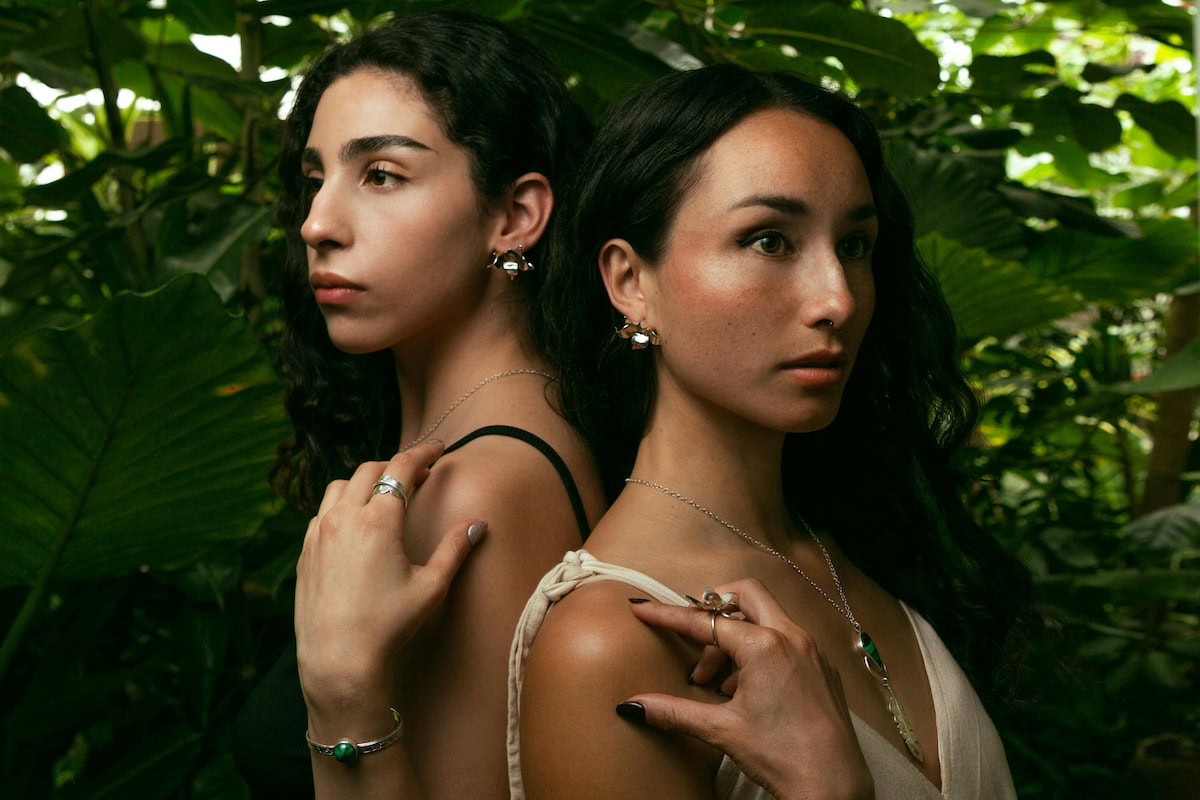
Long before insect jewelry started popping up in modern fashion feeds, it lived a very different life—one rooted in science, status, and a touch of obsession. To understand why a beetle ring or butterfly necklace feels so relevant now, it helps to look back at where it all began: the Victorian era, when fascination with the natural world reached a peak.
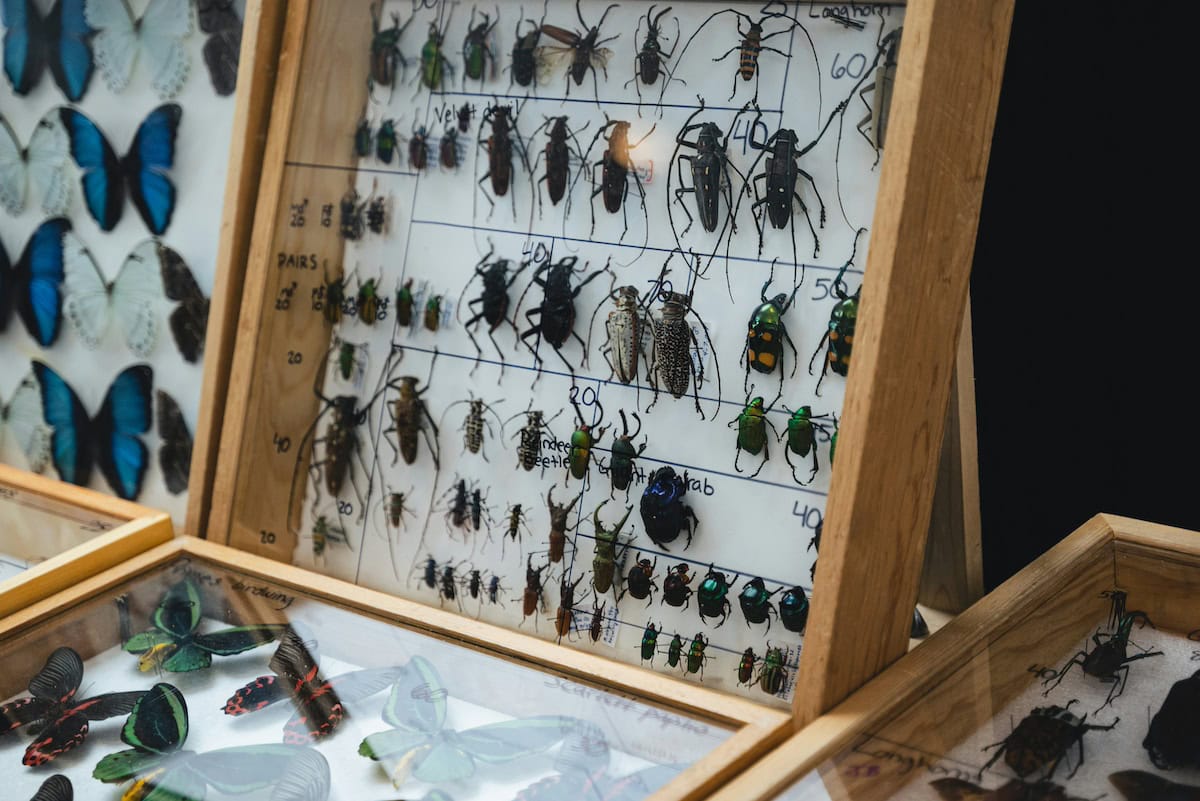
The Victorians didn’t just admire nature—they preserved it, studied it, and, yes, wore it. During the Victorian era, collecting specimens became both a scientific pursuit and a social statement. Wealthy households often displayed “curiosity cabinets,” filled with preserved insects, plants, and oddities. This interest in entomology naturally spilled over into vintage jewelry, where real insects were transformed into wearable art.
Some of the most recognizable elements of vintage insect jewelry trace back to this period:
- Beetles and scarabs as status symbols
A shimmering beetle, sometimes even a live beetle adorned with tiny chains (yes, really), was considered exotic and luxurious. - Butterflies and delicate wings
These represented transformation and beauty, often preserved or recreated in intricate designs. - Intricate metalwork in brooch and ring designs
Craftsmen leaned into detail, creating pieces that felt almost lifelike. - Early insect pendant and pendant necklace styles
These were often inspired by scientific illustrations, blending accuracy with artistry.
There was also a strong influence from taxidermy, which may sound a little unusual by today’s standards, but at the time, it was seen as a way to honor and study the natural world. Insects were carefully preserved and incorporated into jewelry, creating pieces that were equal parts scientific specimen and decorative accessory.
As time moved on, these designs didn’t disappear—they evolved. Antique brooch styles featuring beetle wings or delicate filigree settings became the blueprint for what we now recognize as vintage insect aesthetics. Even today, many modern designers borrow from these original silhouettes, updating them with cleaner lines or unexpected materials.
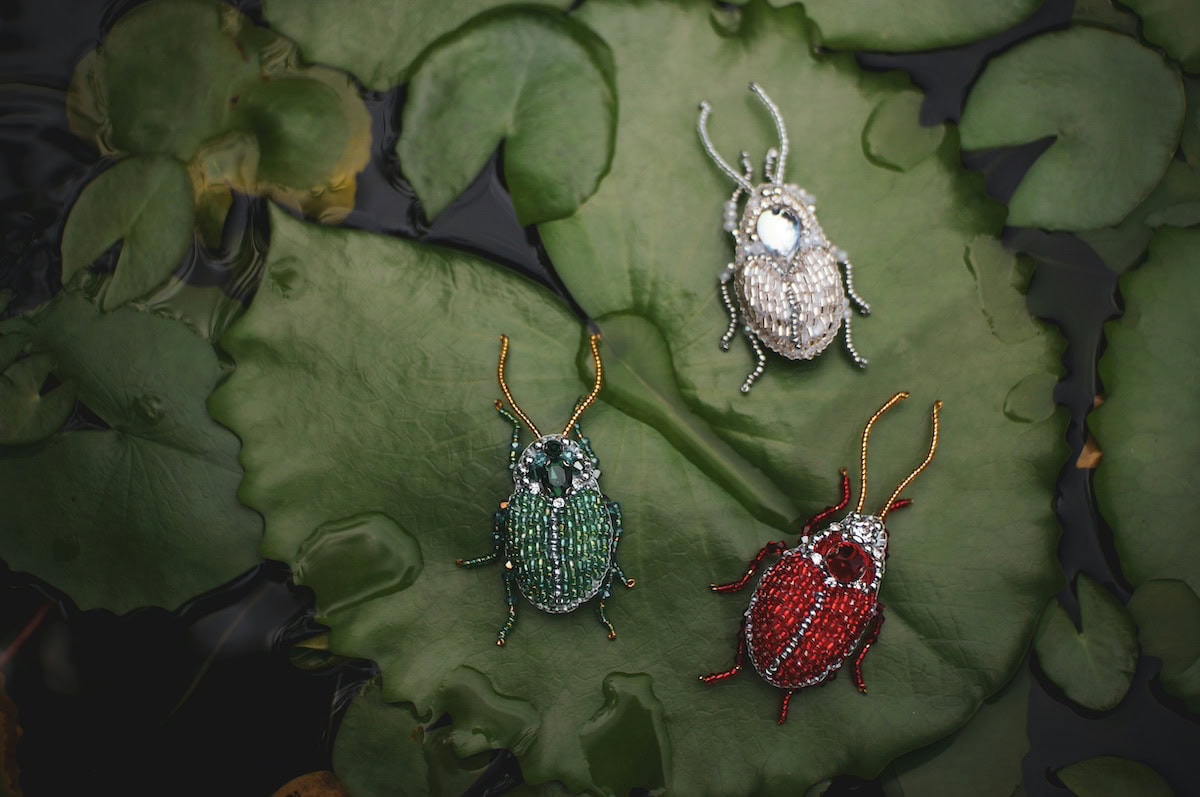
What’s interesting is how these historical pieces still influence current fashion:
- Vintage insect motifs feel timeless
A well-designed beetle or butterfly doesn’t read as outdated—it reads as intentional. - Old-world craftsmanship inspires modern recreations
Today’s designers often mimic the detail and intricacy of Victorian-era jewelry, even when using contemporary materials. - The line between collector’s item and wearable fashion has blurred
What was once displayed in a cabinet can now be worn with everyday outfits.
There’s a certain romance to it all—this idea that something once studied under glass is now styled on a lapel or around a neck. And while modern insect jewelry may not always use preserved specimens, the influence of those early vintage insect pieces is still very much alive.
In a way, today’s trend isn’t new at all—it’s a revival. Just with better lighting, more wearable designs, and a lot less formality.
The Aesthetic Spectrum of Insect Jewelry

One of the most compelling things about insect jewelry is its range. The same motif—a butterfly, beetle, or moth—can shift dramatically depending on how it’s designed and styled. This isn’t a one-note trend; it moves easily between subtle and statement-making. On one end, there are softer, nature-driven designs. These pieces often feel organic and understated, with flowing shapes and details that echo natural environments. They blend in rather than stand out, adding texture without overwhelming a look.
On the other end, insect motifs take on a more structured, design-forward form. Clean lines, metallic finishes, and sculptural shapes turn these natural references into something more intentional and fashion-focused. Instead of mimicking nature, they reinterpret it.
Some of the key style directions shaping insect jewelry right now:
- Bohemian influences
Relaxed, layered designs that feel collected over time, often with earthy tones and organic textures. - Nature-inspired aesthetics
Pieces that reflect outdoor elements more broadly, where insects are part of a larger visual story. - Structured and industrial styles
Designs that emphasize form and symmetry, sometimes incorporating mechanical or geometric elements. - High-fashion interpretations
Elevated, statement-driven pieces that exaggerate scale and detail for visual impact.
What ties all of these together is the inherent structure of insects themselves. Their symmetry and intricate forms translate naturally into jewelry, giving even the simplest designs a sense of intention. Finishes like iridescence or reflective surfaces only enhance that effect, adding depth without needing excessive embellishment. There’s also a subtle shift in perspective at play. Insect motifs take something often overlooked and reframe it as design-focused and wearable. That reinterpretation is what keeps the category feeling fresh.
Rather than fitting into a single aesthetic, insect jewelry adapts. It can be understated or expressive, minimal or detailed—depending entirely on how it’s executed. That flexibility is what allows it to move across styles without losing its edge.
Types of Insect Jewelry (And How They Wear)
If insect jewelry has proven anything, it’s that there’s no single way to wear a bug. These designs show up across every category imaginable—from subtle everyday pieces to full-on conversation starters. The key difference usually comes down to placement, movement, and just how bold someone feels getting.
Let’s break it down into the main types, because each one brings a completely different energy to the table.
Earrings
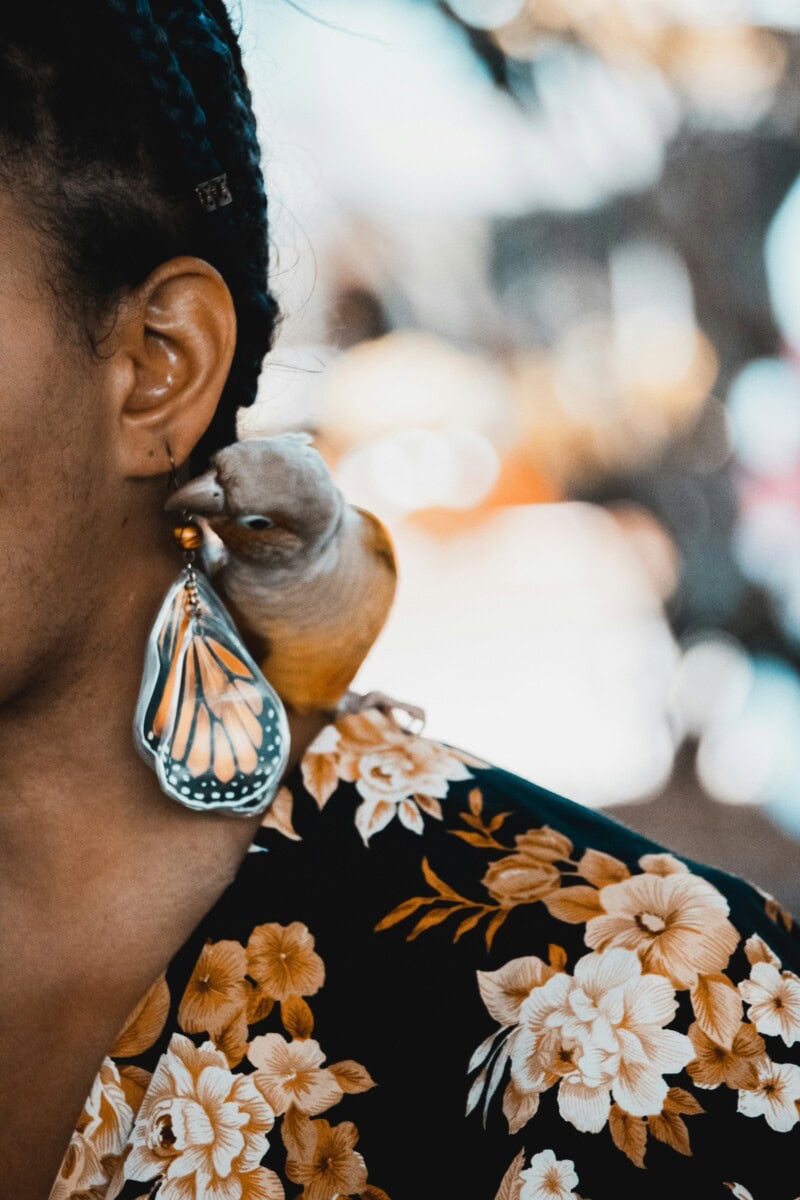
Earrings are often the easiest entry point into insect jewelry. They can be as understated or as dramatic as you want, which makes them surprisingly versatile.
- Stud vs. statement earring styles
A tiny ladybug or honey bee stud leans cute and approachable, while larger designs—like beetle earrings—instantly feel more daring. - Movement with dangle earrings and drop earrings
This is where things get interesting. Wings, legs, and elongated shapes create natural motion, catching light as they move. It’s subtle, but very effective. - Texture from wings and materials
Designs like moth wing earrings or butterfly-inspired pieces add a soft, layered effect that feels almost weightless when worn.
There’s also a balance here between playful and polished. A small insect earring can read as whimsical, while a longer, sculptural pair leans more into high-fashion territory without trying too hard.
Necklaces & Pendants
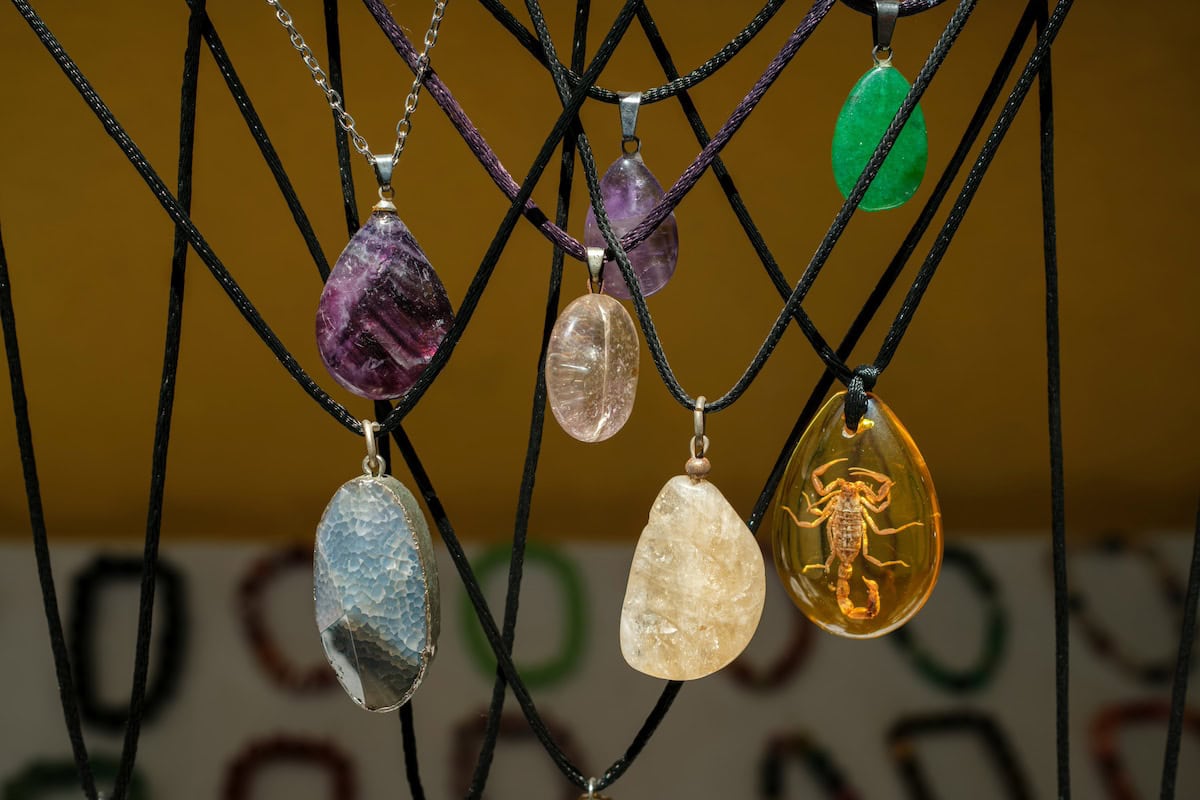
Necklaces tend to be where insect motifs really take center stage. This is where symbolism, storytelling, and styling all come together.
- Statement centerpiece vs. subtle charm
An insect necklace with a bold beetle or cicada necklace design becomes the focal point of an outfit, while a smaller insect pendant offers just a hint of detail. - Layering potential
A charm necklace or delicate pendant necklace pairs easily with other chains, letting you mix textures without overwhelming the look. - Variety of insect forms
From butterfly necklaces to a moodier moth necklace or even a detailed cicada pendant, each option carries its own vibe.
There’s something about a bug necklace that feels intentional. It’s not just decoration—it’s chosen, which makes it stand out more than a generic accessory.
Rings, Brooches & Bracelets
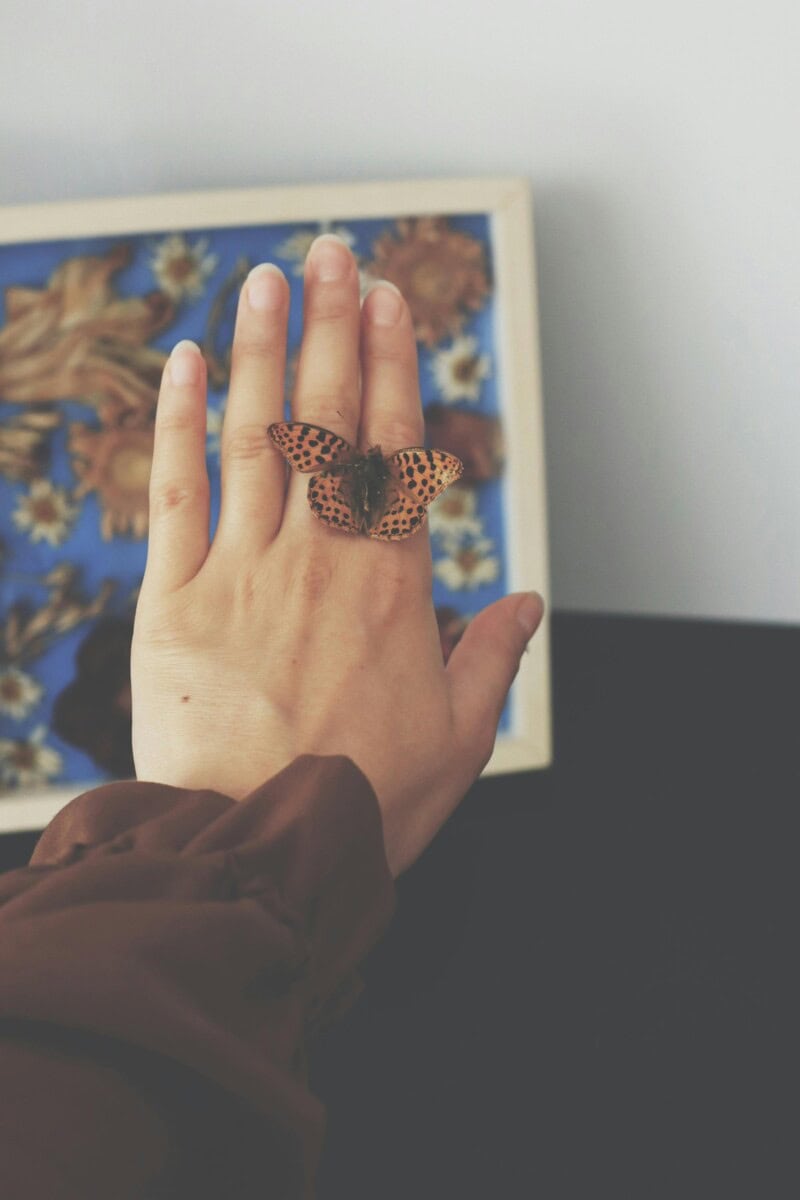
This category leans a little more expressive. These pieces often feel like they belong to someone who’s fully committed to the look—in the best way.
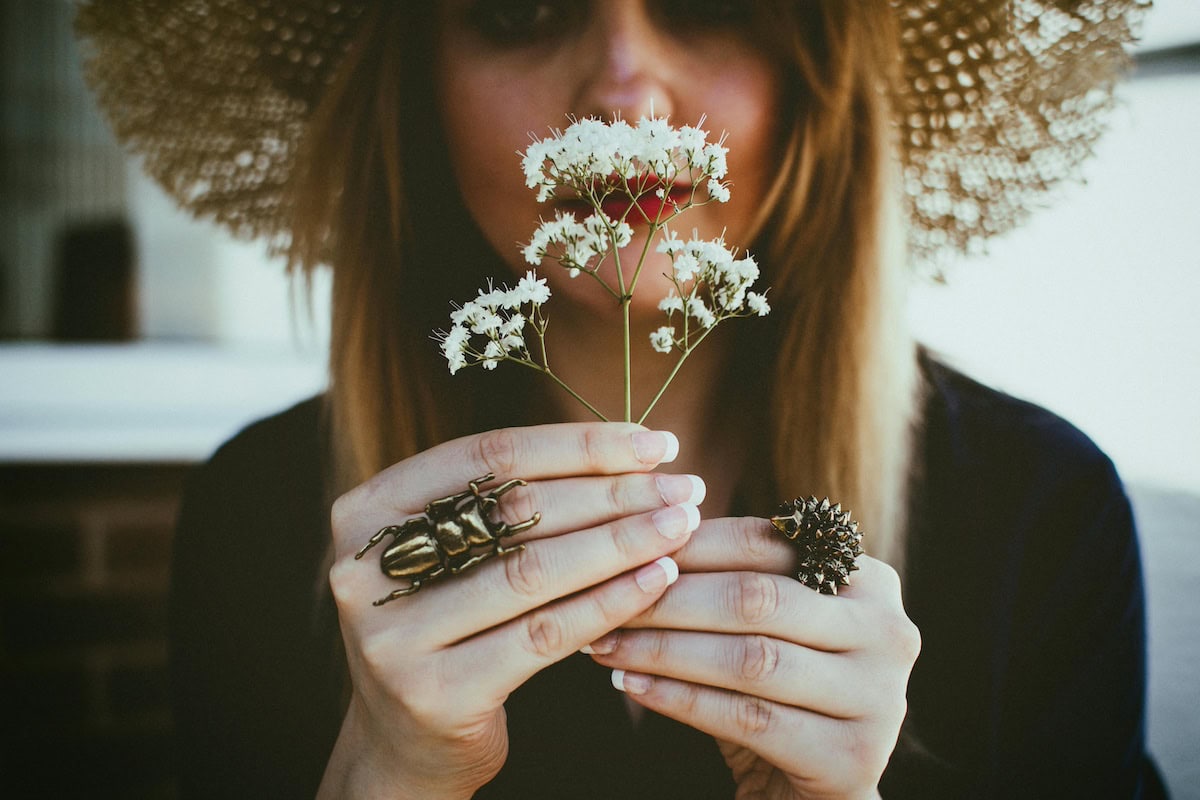
- Rings that make a statement
A bold insect-inspired ring can wrap around the finger or sit prominently on top, turning something small into a focal point. - The return of the brooch
The insect brooch is having a quiet comeback. Pinned to a blazer, bag, or even a collar, it adds a slightly vintage but very intentional detail. - Bracelets with layered detail
A bracelet featuring tiny insect motifs or dangling accents creates movement similar to earrings, but in a more subtle, wearable way.
These pieces often feel a bit more styled, like they’re part of a full look rather than a last-minute addition.
Accessories & Novelty Pieces
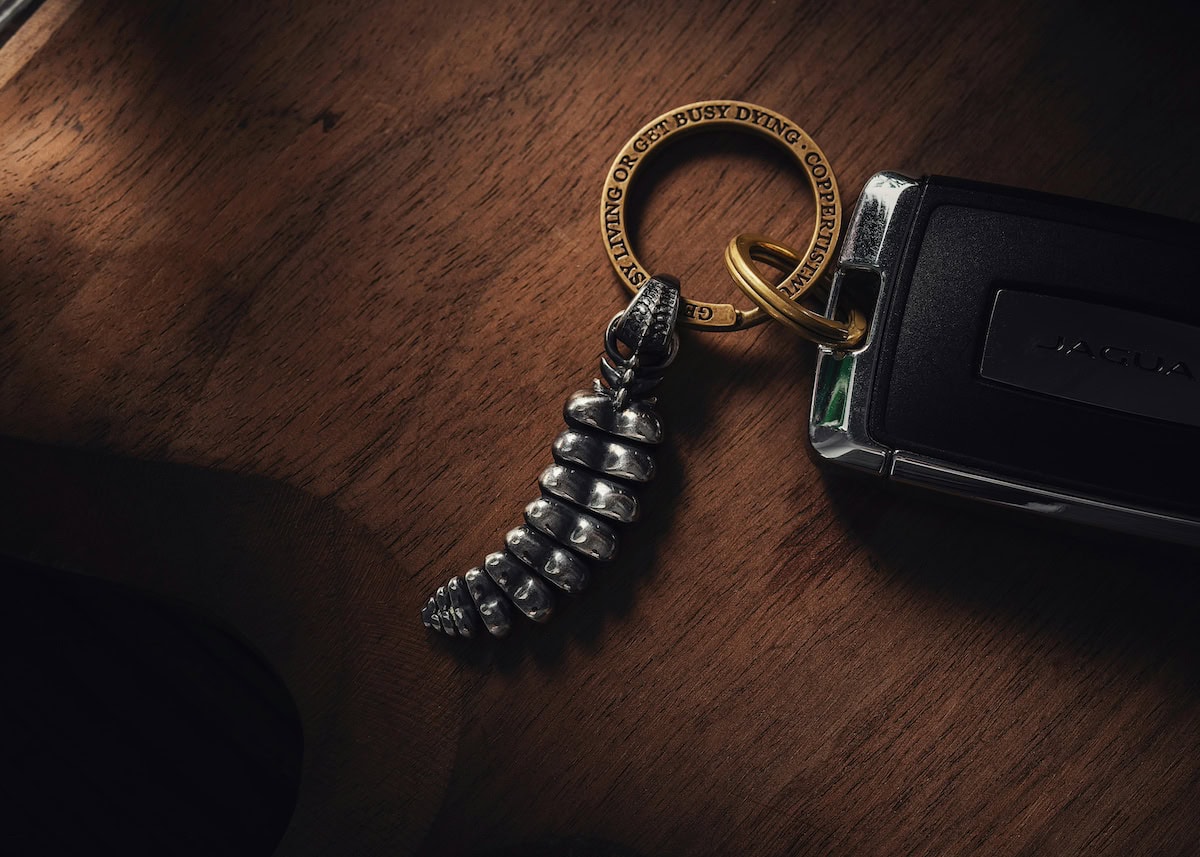
And then there’s the category that proves insect designs aren’t limited to traditional jewelry at all.
- Keychain designs and collectibles
A detailed insect keychain can feel like a small piece of art—something that travels with you rather than being worn. - Extended accessory options
Think beyond the usual: bag charms, pins, and even unexpected placements that turn a simple item into something more personal. - Collector appeal
Some pieces are less about daily wear and more about appreciation—tiny, intricate designs that feel like they belong in a curated collection.
This is where insect motifs really stretch their legs (no pun intended). They move beyond fashion into objects that feel personal, almost like little artifacts.
Materials That Define the Look
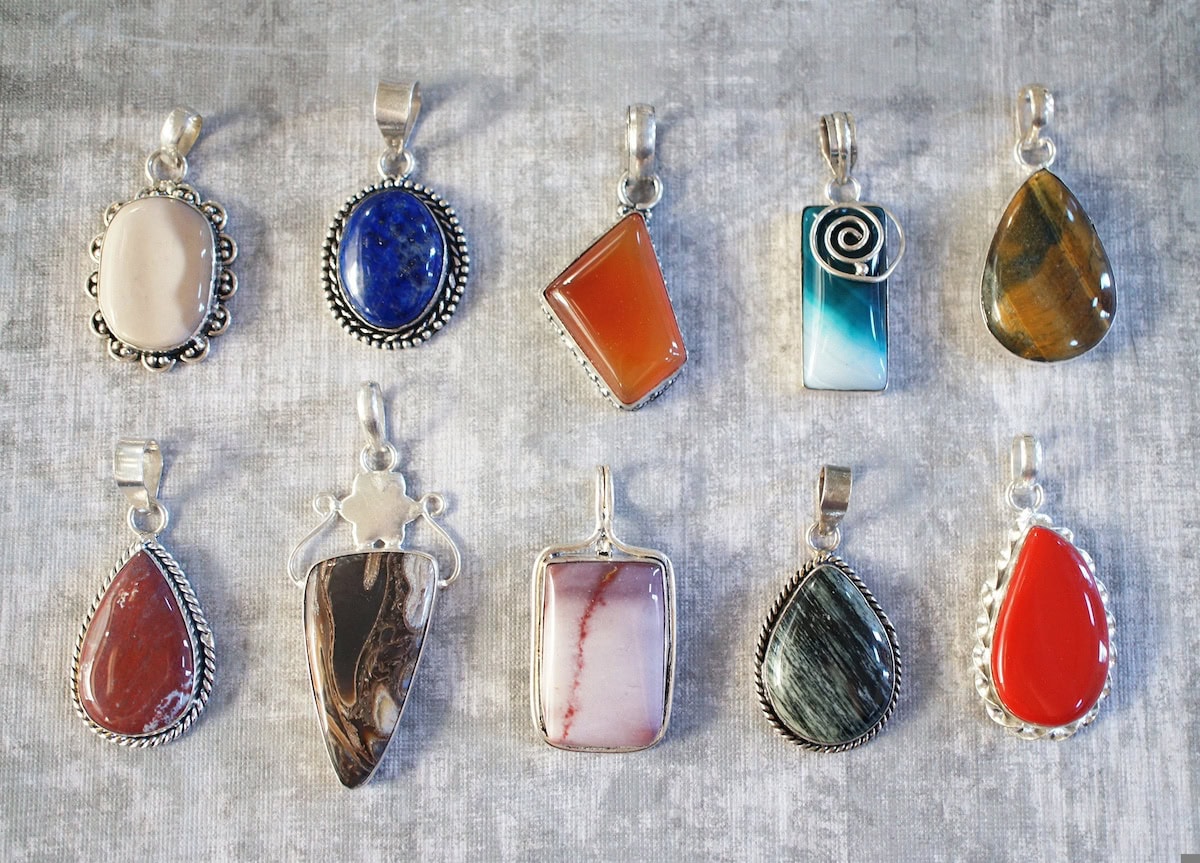
Strip away the insect motif for a second, and what really shapes the personality of a piece is the material. The same beetle design can feel ultra-luxurious, earthy, or playfully costume-inspired depending on what it’s made from. In the world of jewelry and jewelry, materials don’t just support the design—they define it. Some pieces lean into fine craftsmanship, using precious metals that give insect forms a polished, heirloom-quality feel. Others embrace more experimental or accessible materials, creating bold, artistic interpretations that feel just as impactful.
Here’s how different materials shift the overall vibe:
- Precious metals for elevated pieces
Think gold, 14k, or even 24k gold finishes that give insects a refined, almost regal presence. A beetle cast in solid gold feels less like a novelty and more like a future heirloom. - Cool-toned metals for versatility
Options like white gold, 925 sterling silver, or s925 blends offer a more understated look. These tend to pair well with everyday outfits without losing that distinctive edge. - Accessible finishes with style
Silver-plated designs make it easier to experiment with insect jewelry without committing to fine materials—perfect for trying out bolder looks.
Beyond metals, it’s the decorative elements that really bring these pieces to life.
- Stones that catch the light
An opal detail can add a soft glow, while rhinestone accents bring sparkle that feels a little more playful than precious. - Color through enamel
Enamel is where things get vibrant. It’s often used to recreate the natural hues of insects—think rich greens, deep blues, or even a glossy ladybug red. - Organic-inspired finishes
Resin designs sometimes encase an amber insect effect, preserving (or mimicking) a specimen in a way that feels both modern and slightly vintage at the same time.
There’s also a strong influence from global craftsmanship, especially in more artistic or bohemian styles.
- Czech glass and stones
Known for their color and detail, Czech elements often show up in more eclectic, layered designs. - Mixed-material approaches
Combining metals with glass, enamel, or resin creates depth—making each insect detail feel more dimensional.
What’s interesting is how these materials change perception. A delicate butterfly wing design in fine metal feels elegant and timeless, while the same shape in resin or enamel can feel playful, even experimental. Neither is better—it just depends on the mood. And that’s the real appeal here. Whether someone gravitates toward high-end jewelry or more accessible, artistic pieces, there’s room to explore. The materials don’t just support the insect—they transform it, turning something small into something surprisingly expressive.
Real vs. Faux: The Taxidermy Debate
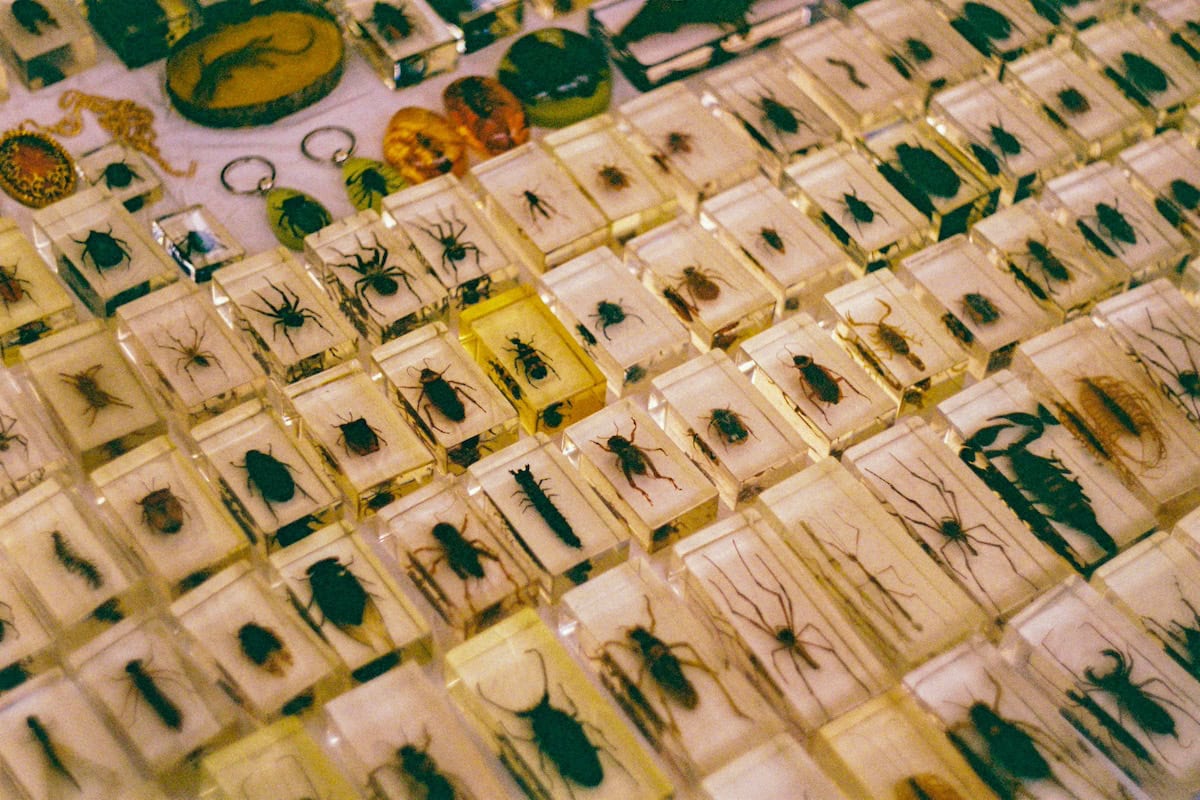
Here’s where insect jewelry gets a little more complex—and a lot more interesting. Not every piece is simply “inspired by” insects. Some are made using actual preserved specimens, while others are carefully designed replicas that only look lifelike. The difference between real and faux isn’t just about appearance—it’s about ethics, craftsmanship, and personal comfort. For some, the idea of wearing a real scorpion or preserved beetle feels like owning a tiny piece of natural history. For others, it’s a hard pass. And both reactions are completely fair.
Let’s break down the two sides.
The Case for Real Insects
Jewelry made with actual insects often overlaps with taxidermy, though on a much smaller, more delicate scale. These pieces typically preserve the insect’s natural form—wings, legs, and all—resulting in something that feels incredibly detailed and, yes, a little macabre.
- Unmatched detail
Nothing quite compares to the natural structure of a real insect. The symmetry, texture, and subtle color shifts are nearly impossible to replicate perfectly. - A connection to entomology
For collectors or enthusiasts, these pieces can feel like wearable extensions of scientific interest. - One-of-a-kind appeal
No two specimens are exactly alike, which makes each piece inherently unique.
That said, this side of the market can raise questions. Where did the insect come from? Was it ethically sourced? Those details matter more now than ever, especially as buyers become more mindful.
The Rise of Faux and Replicas
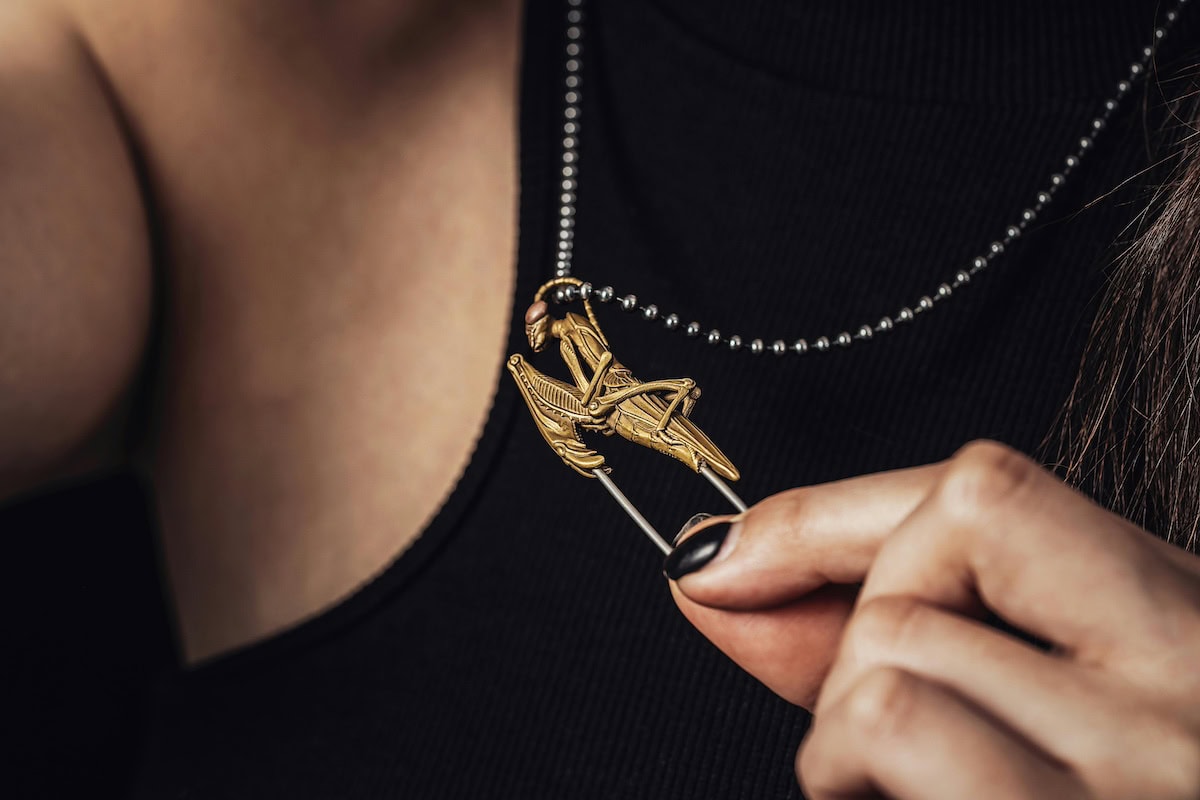
On the other side, faux designs are having a major moment—and for good reason. Advances in design and handcraft techniques mean these pieces can look incredibly lifelike without using actual insects.
- Hyper-realistic finishes
Skilled makers can recreate everything from a beetle’s shine to a moth’s soft wing texture using synthetic materials. - More accessible and wearable
Faux pieces tend to feel less intimidating, especially for those easing into the trend. - Creative freedom
Designers aren’t limited by nature—they can exaggerate shapes, play with color, or even invent entirely new insect forms.
This is also where handmade insect jewelry really shines. Artists who focus on handcrafted techniques often blur the line between real and replica, producing pieces that feel just as detailed but with a more artistic twist.
So… Which One Wins?

Honestly, neither side “wins.” It comes down to personal preference and what feels right to wear.
- Choose real if:
You appreciate natural detail, collect unique pieces, or feel connected to the scientific side of insect art. - Choose faux if:
You prefer ethical clarity, want something more lightweight, or like a slightly more stylized look.
What’s clear is that both approaches have pushed insect jewelry forward. Whether it’s a preserved specimen or a carefully crafted replica, the end result is the same: a piece that sparks curiosity and stands out in a sea of predictable accessories.
The Stars of the Show: Popular Insect Motifs
Not all insects get equal billing in the world of jewelry. Some have become full-blown icons, showing up again and again in different styles, materials, and levels of drama. Others lean a little more unexpected—edgier, stranger, and perfect for anyone who prefers their accessories with a bit of attitude. What makes these motifs so compelling isn’t just how they look—it’s what they represent. From transformation to resilience to a touch of mystery, each insect brings its own story into the design.
Let’s break down the standouts.
A. Beetles, Scarabs & Ants
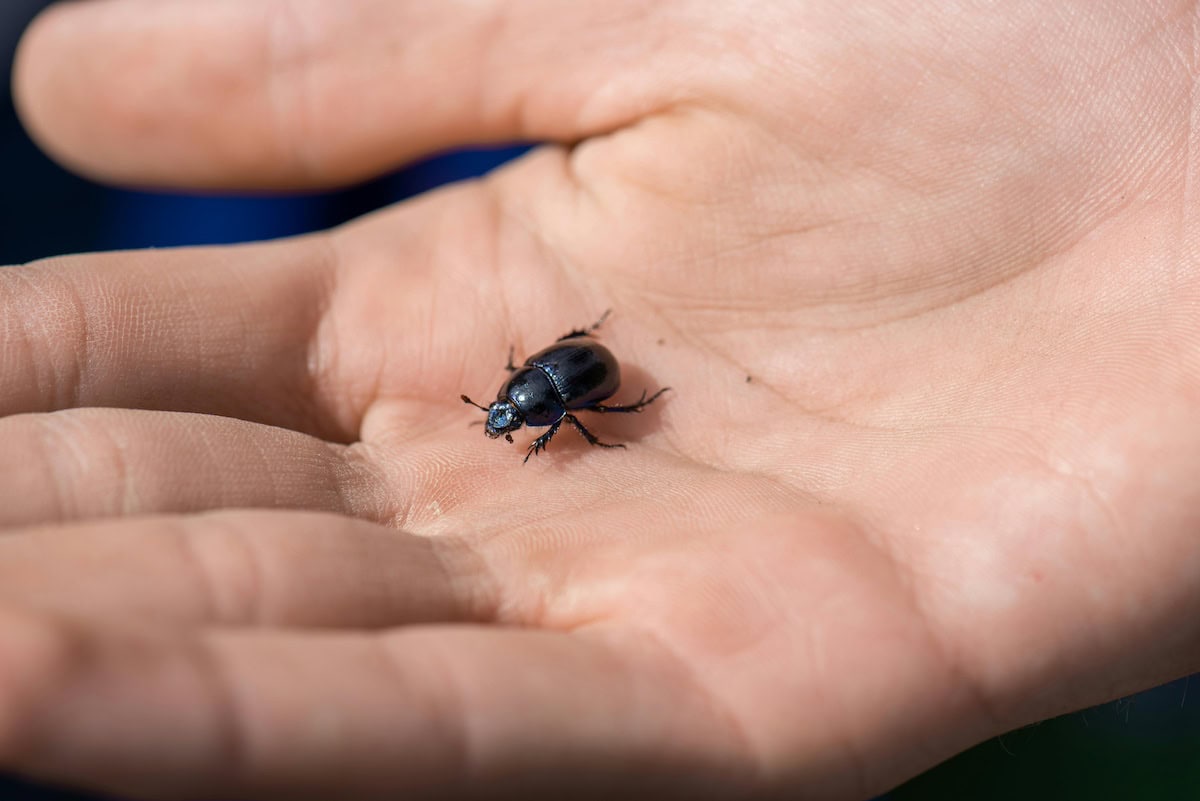
If there’s a quiet powerhouse in insect jewelry, it’s the beetle. With its structured shape and often glossy finish, it translates beautifully into wearable design.
- Beetle and scarab symbolism
Historically tied to protection and rebirth, especially in ancient cultures, the scarab still carries that sense of meaning today. - Strong, sculptural forms
These designs tend to feel solid and intentional—less delicate, more grounded. - Subtle edge with ant details
An ant motif might be smaller, but it adds an unexpected twist that feels clever rather than flashy.
There’s something about these insects that feels steady and powerful, making them a go-to for pieces that lean more structured than whimsical.
Winged Icons
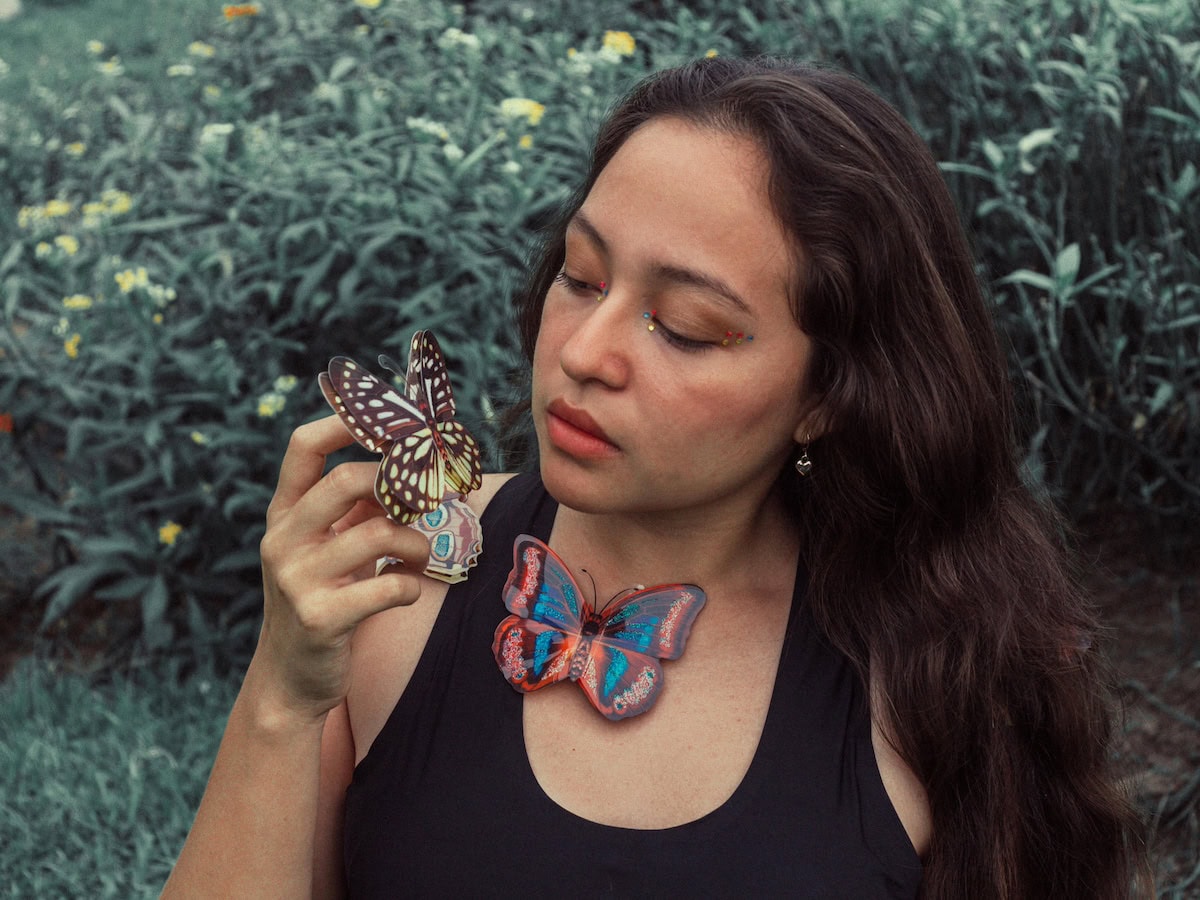
Winged insects are where things get light—literally and visually. These designs play with transparency, movement, and reflection in a way that feels almost effortless.
- Butterfly wing and dragonfly wing elements
These are all about delicacy. Fine lines and open shapes create a sense of airiness that works across styles. - Light-catching movement
Wings naturally reflect light, giving pieces a soft shimmer without needing heavy embellishment. - Cultural and symbolic layers
Transformation, freedom, and change are all wrapped up in these designs.
You’ll also see more stylized takes, like a silver celtic dragonfly, which blends traditional symbolism with a slightly more ornate, artistic approach.
Garden Favorites
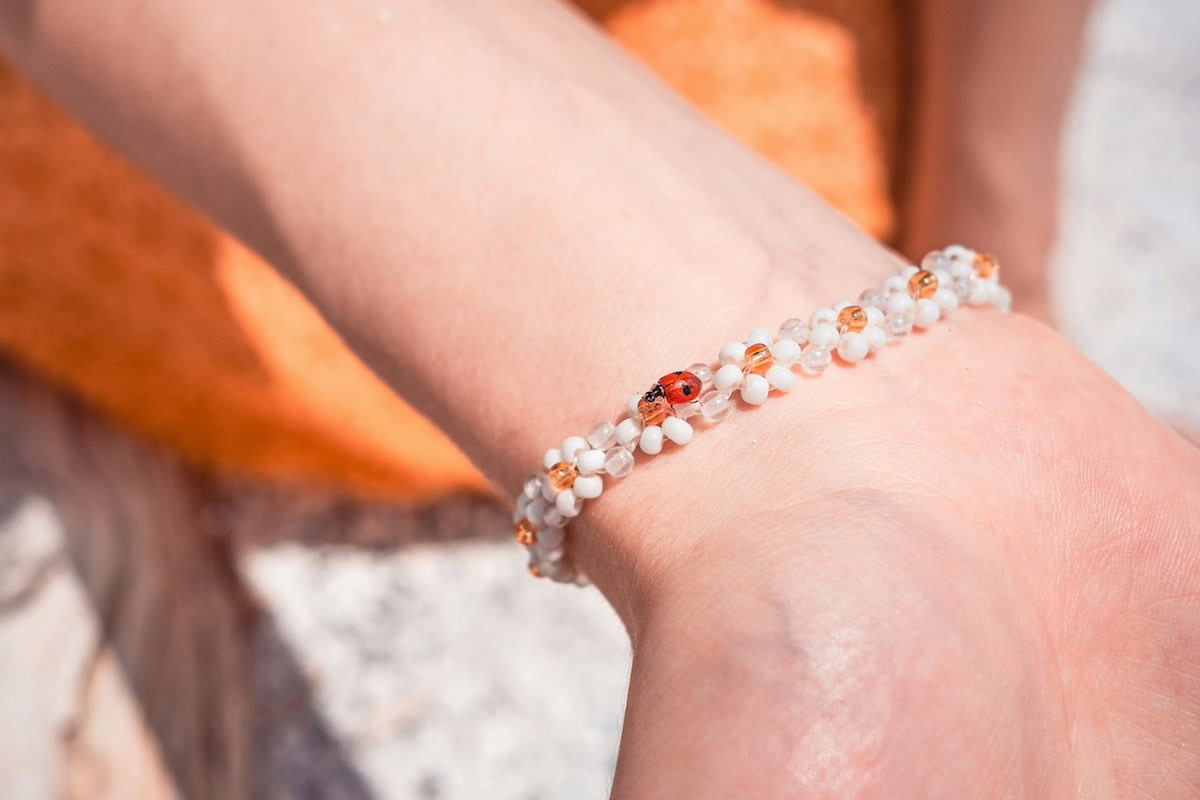
This is where insect jewelry becomes instantly approachable. These are the designs that even self-proclaimed “non-bug people” tend to warm up to.
- Ladybug and ladybird motifs
Bright, familiar, and often tied to luck, these designs lean playful without feeling childish. - Pollinators like the honey bee and bumblebee
These have surged in popularity, thanks in part to their environmental symbolism and soft, rounded shapes. - Perfect for gifting
These styles often show up in jewelry gifts because they feel friendly, recognizable, and easy to wear.
There’s a reason these insects dominate the more mainstream side of the trend—they’re charming without pushing too far outside the comfort zone.
The Unexpected & Edgy
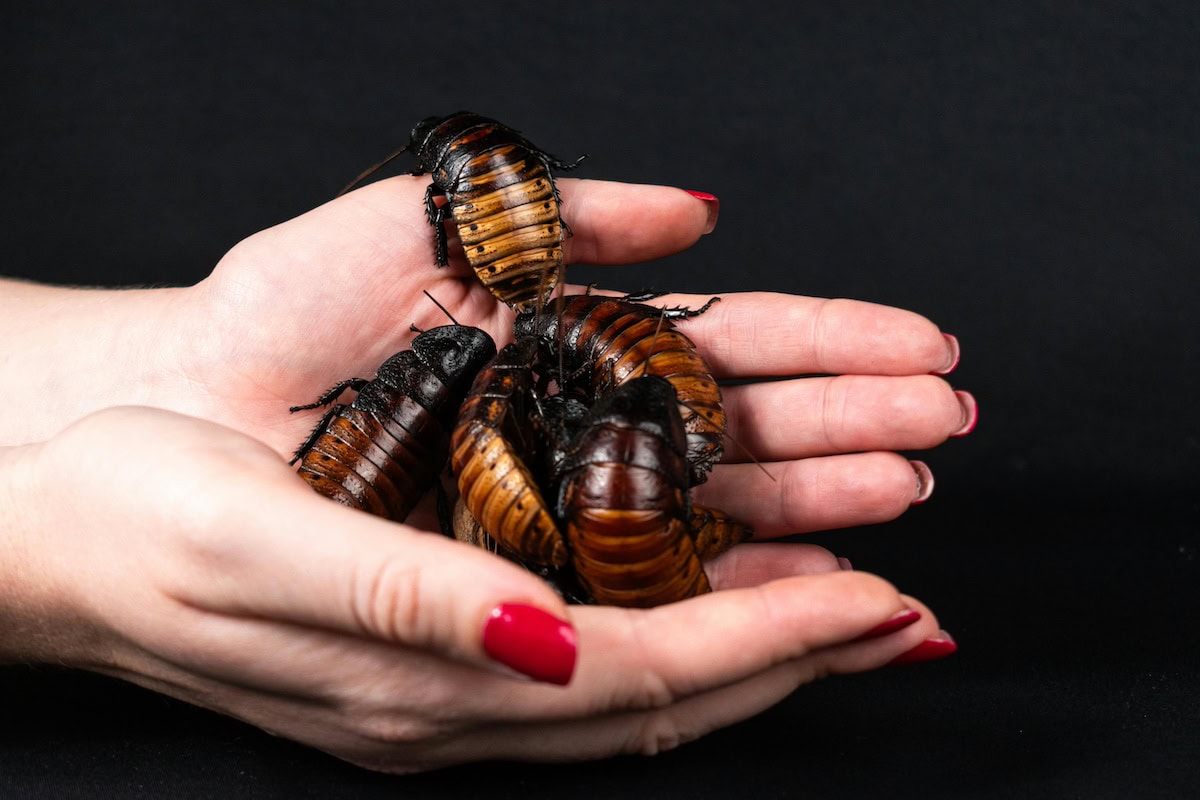
For those ladies who prefer their jewelry with a bit more bite, this category delivers. These are the pieces that don’t just accessorize—they make a statement.
- Tarantula and larger insect forms
These designs are bold, often oversized, or highly detailed. - Praying mantis silhouettes
Known for their striking shape, they translate into pieces that feel almost architectural. - Shock-factor pieces like a real scorpion design
Not for everyone, but undeniably memorable.
This is where insect jewelry tips into statement territory. It’s less about subtlety and more about owning a look that people will notice—and probably comment on.
Moths, Cicadas & Nocturnal Beauty
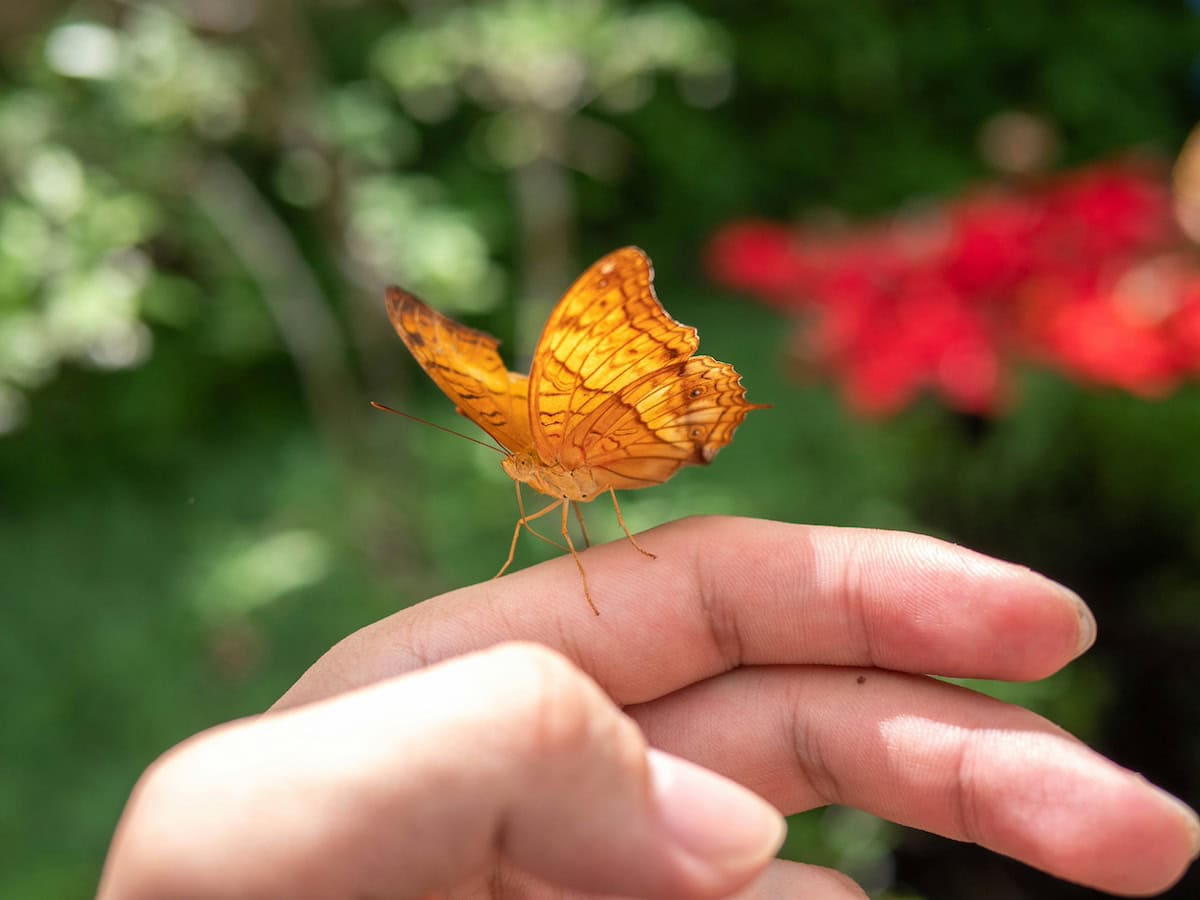
Then there’s the moodier side of things—the insects that come out at night and bring a completely different energy with them.
- Moth necklace designs
Softer than butterflies but with a slightly darker edge, moths feel introspective and a little mysterious. - Detailed cicada pendant and cicada necklace styles
These have gained traction for their unique shape and symbolic ties to transformation and renewal. - Aesthetic appeal in darker palettes
These pieces often lean into deeper tones and more subdued finishes, giving them a grounded, almost meditative feel.
There’s a quiet beauty here that feels less obvious but more intriguing the longer you look at it.
Style Pairings: Who’s Wearing Insect Jewelry
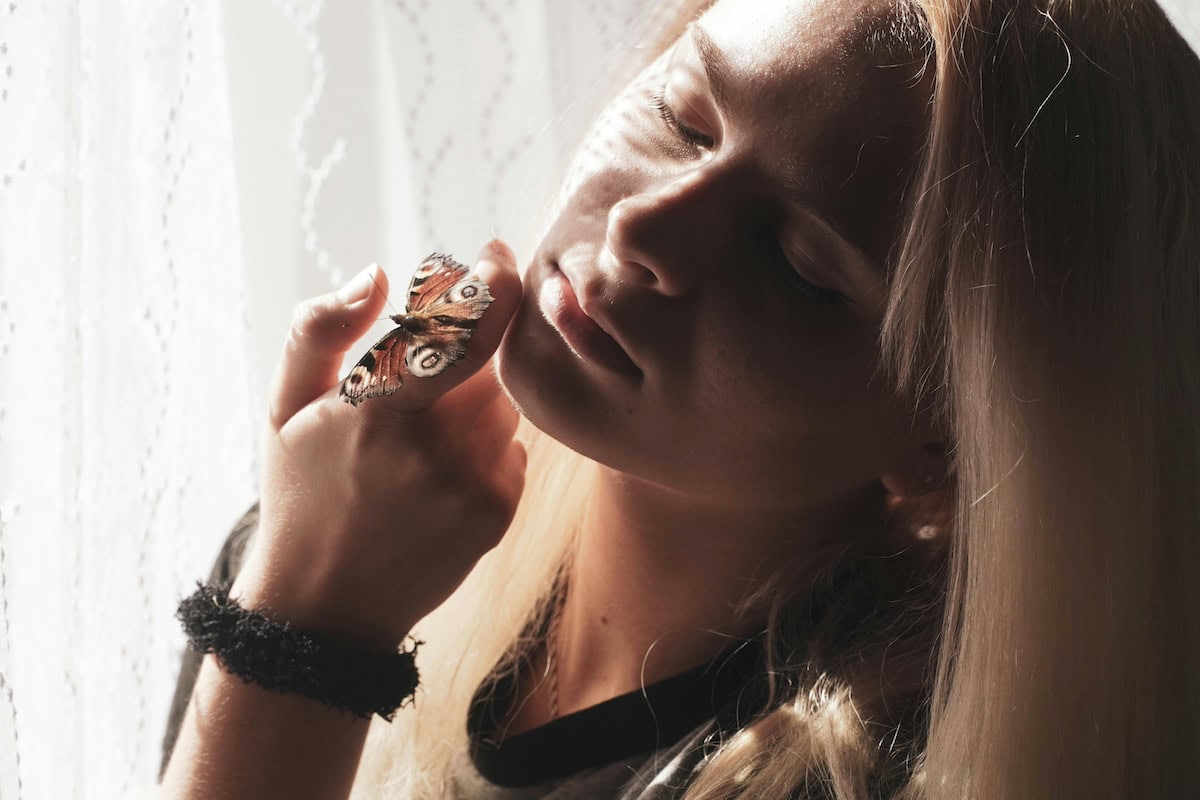
One of the biggest surprises about insect jewelry is just how universal it’s become. What used to feel like a niche interest has opened up into something far more inclusive—worn by men, women, collectors, casual shoppers, and anyone looking to add a little personality to their look. There’s no single “type” of person wearing these pieces anymore. Instead, it’s all about how they’re styled.
Everyday Wear vs. Statement Styling
Insect motifs can go subtle or bold depending on how they’re paired, which is exactly why they’ve stuck around in modern fashion.
- Low-key, everyday looks
A small insect detail—like a delicate ring or minimal pendant—blends easily into daily outfits without feeling overdone. - Layered and intentional styling
Pairing multiple pieces (like a necklace with a matching bracelet) creates a more curated, fashion-forward look. - Statement moments
A large brooch or oversized insect design turns into the centerpiece, especially when everything else is kept simple.
There’s flexibility here. The same piece can feel casual one day and dressed up the next, depending on what it’s paired with.
Who’s Actually Wearing It?
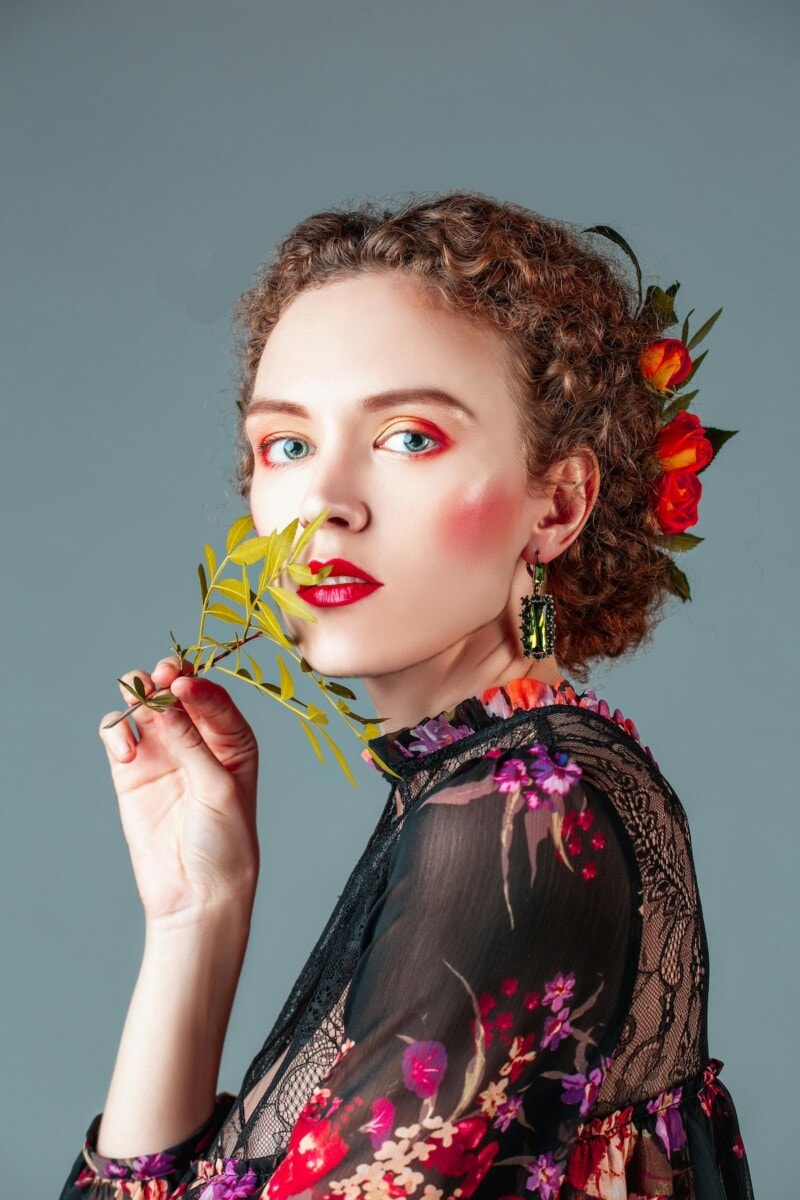
The short answer: more people than expected.
- Fashion-forward dressers
Those who like to stay ahead of the trend are embracing insect designs as a way to stand out without going overboard. - Nature-inspired stylers
Anyone drawn to organic textures and outdoor influences naturally gravitates toward these pieces. - Collectors and detail-lovers
People who appreciate craftsmanship tend to be drawn to the intricacy of insect forms. - The quietly bold
Not everyone wants loud color or oversized accessories—but a small, unusual insect detail? That’s a different kind of statement.
It’s also worth noting that these pieces don’t lean heavily in one direction when it comes to gender. Insect jewelry sits comfortably in a more fluid space, making it easy to style across different aesthetics without feeling boxed in.
Why It Works So Well as a Gift

There’s a reason insect designs are becoming more common as a gift for women—and honestly, for anyone who appreciates something a little different.
- They feel thoughtful, not generic
A carefully chosen insect motif shows intention, especially if it connects to personality or symbolism. - They stand out in the “jewelry for women gifts” category
Instead of another predictable piece, it offers something unexpected but still wearable. - They balance unique and approachable
Designs like a small bee or butterfly feel safe enough for gifting, while still being interesting. - They spark conversation
These aren’t pieces that get worn once and forgotten—they tend to get noticed.
Even a simple piece can feel more personal when it carries a bit of meaning or an unusual design twist. That’s what gives insect jewelry its edge—it doesn’t just sit there; it says something.
The Emotional Pull: Why We’re Drawn to Bugs
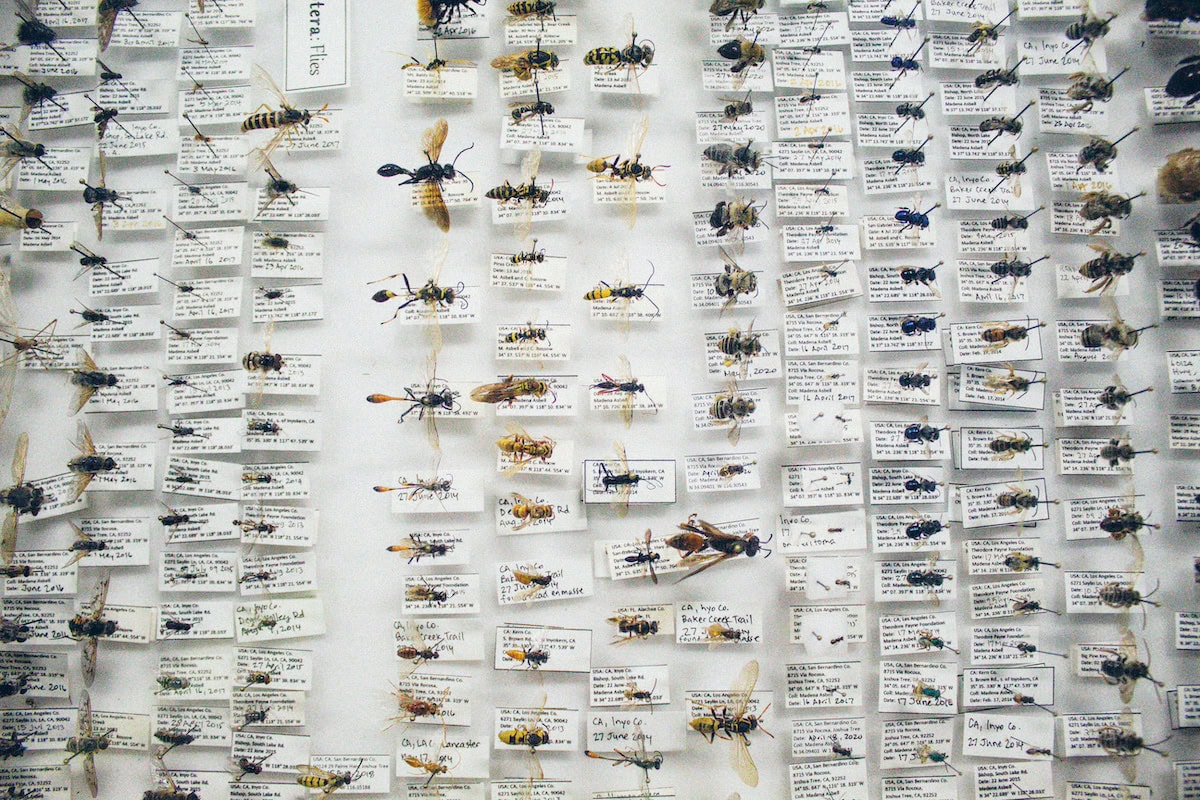
For something so small—and sometimes a little misunderstood—insects have a surprising emotional pull. There’s a reason insect jewelry sticks with people. It’s not just about how it looks; it’s about what it represents and the quiet connections it creates. At first glance, it might seem odd. Why choose a beetle or moth over something more traditional? But that’s exactly the point. These pieces feel more personal, less expected, and often more meaningful than standard accessories.
A Connection to Nature (Without Being Obvious)

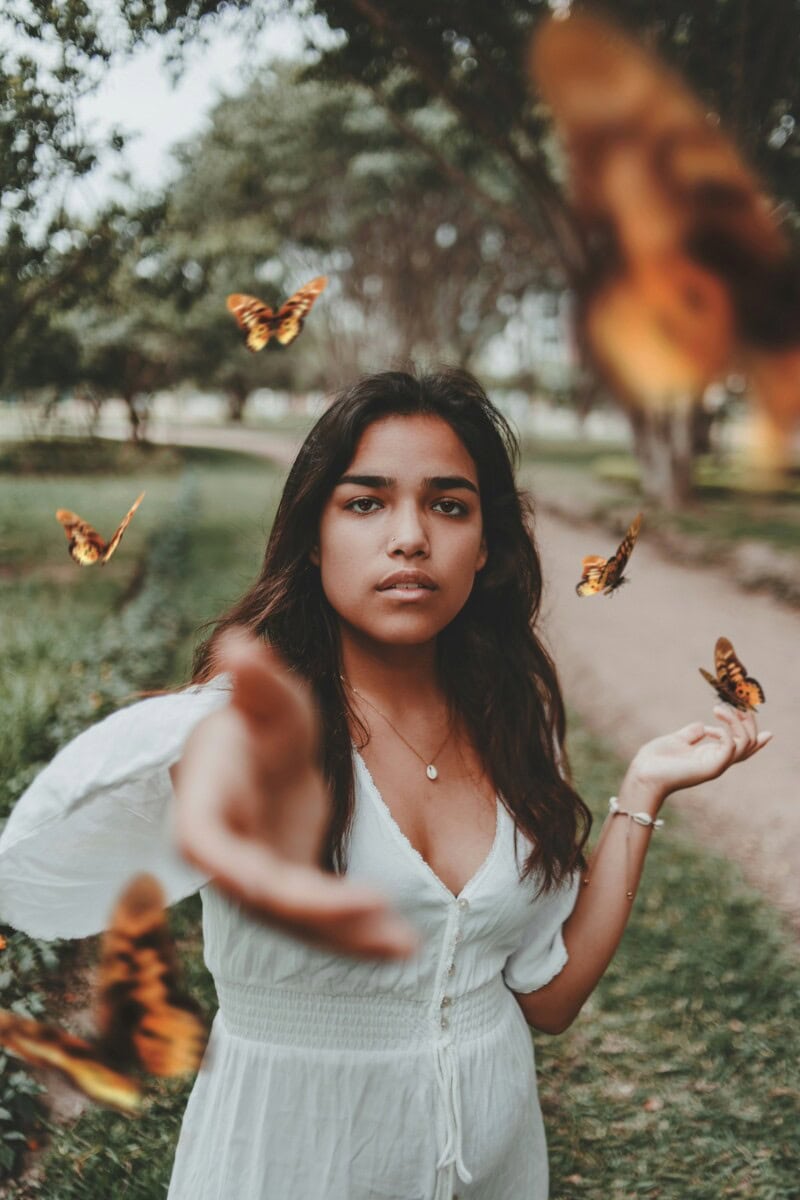
For nature lovers, insect designs offer a different way to stay connected to the natural world—one that feels less predictable than flowers or leaves.
- Closer to the details
Insects represent the smaller, often overlooked parts of nature—the ones that require a second look. - Grounded, not overly polished
There’s something refreshing about jewelry that doesn’t try to be conventionally perfect. - A wearable reminder of the outdoors
Even in a city setting, these pieces bring in a subtle, organic element.
This is where insect jewelry overlaps with animal jewelry in a way that feels a bit more nuanced. It’s not about bold animal imagery—it’s about appreciating the details most people miss.
Symbolism That Actually Feels Personal
Insects carry meaning, but it’s not always obvious or overused. That’s part of the appeal—it feels like a quiet layer rather than a loud statement.
- Transformation and change
Butterflies, moths, and cicadas all symbolize growth, making them especially meaningful during transitional moments. - Resilience and adaptability
Beetles and ants, in particular, are often associated with strength and persistence. - Light and fleeting beauty
A firefly, for example, captures something temporary and almost magical without needing explanation.
These meanings don’t have to be front and center. They can simply exist in the background, making the piece feel more intentional without spelling it out.
Why It Feels More Expressive Than Expected

There’s also an emotional edge to choosing something slightly unconventional. It suggests a willingness to step outside the usual boundaries of fashion.
- It invites curiosity
People notice insect designs—they’re not easily ignored. - It reflects individuality
Choosing a bug over a traditional gemstone or symbol says something without being overly loud. - It can inspire new perspectives
Seeing beauty in something unexpected shifts how it’s perceived, both by the wearer and everyone else.
That last point might be the most interesting. Insect jewelry has a way of subtly changing how people think about insects themselves—not as something to avoid, but as something worth appreciating.
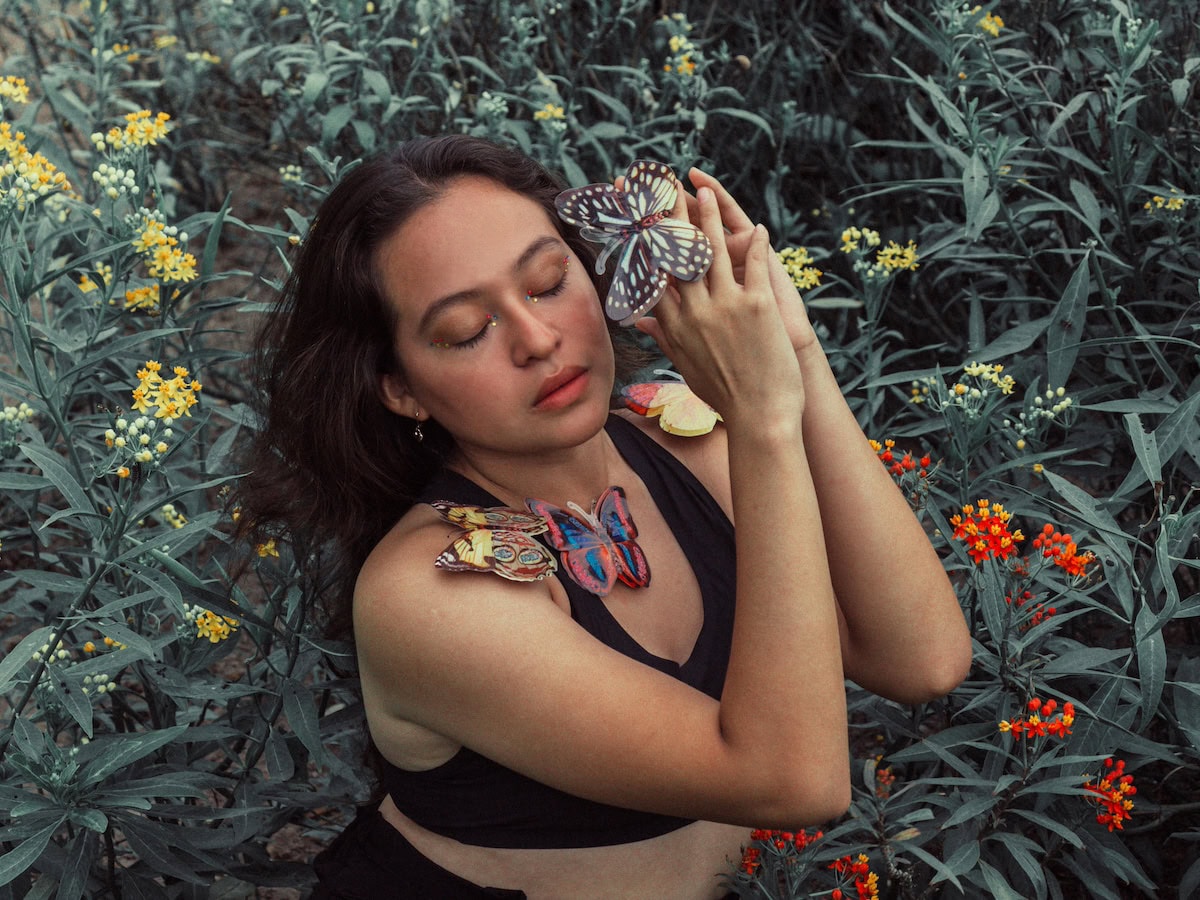
Insect jewelry exists in that in-between space where contrast becomes the whole appeal. It manages to be delicate and bold at the same time—soft in detail, yet striking enough to stand out. A single piece can feel refined one moment and slightly unexpected the next, which is exactly what gives it staying power in fashion. What makes it even more compelling is where it sits culturally. Insect-inspired designs pull from art, science, and style all at once. There’s a clear connection to entomology and historical craftsmanship, but also a modern sense of creativity that keeps it feeling current rather than costume-like. It’s not just about how it looks—it’s about what it represents and how it’s interpreted.
At the end of the day, insect jewelry isn’t just another accessory added to a collection. It’s the piece that gets noticed, the one that sparks curiosity, the one people ask about. Beautiful, a little strange, and completely impossible to ignore—it turns even the smallest detail into something worth talking about.
Frequently Asked Questions about Insect Jewelry
Is insect jewelry available in different materials like gold or sterling silver?
Yes, insect bug jewelry comes in a wide range of materials, including gold, white gold, and 925 sterling silver, as well as more affordable options.
Do insect necklaces and pendants make good gifts?
An insect necklace or a dainty insect pendant makes a memorable gift for women because it feels unique, personal, and slightly unexpected.
What types of insect earrings are popular right now?
Styles like beetle earrings, moth-wing, dangle, and drop earrings are especially popular for their movement and visual impact.
Is insect jewelry made with real insects or just replicas?
Some pieces use real preserved elements like amber insects, while others are handmade or faux designs that recreate the look without using actual bugs.
Which insect designs are trending in fashion?
Butterfly, ladybug, bumblebee, and even more unusual designs like praying mantis or tarantula are all part of the current bug insect jewelry trend.
You might also be interested in…
CONNECT WITH DAILY MOM
💖 NEWSLETTER: DAILY READS IN YOUR INBOX 💖
Sign up to receive our picks for the best things to do, see and buy so you can relax and focus on more important tasks! Let us help you be the best version of yourself you can be!
BE SOCIAL WITH US
📌 LOVE IT? PIN IT!📌