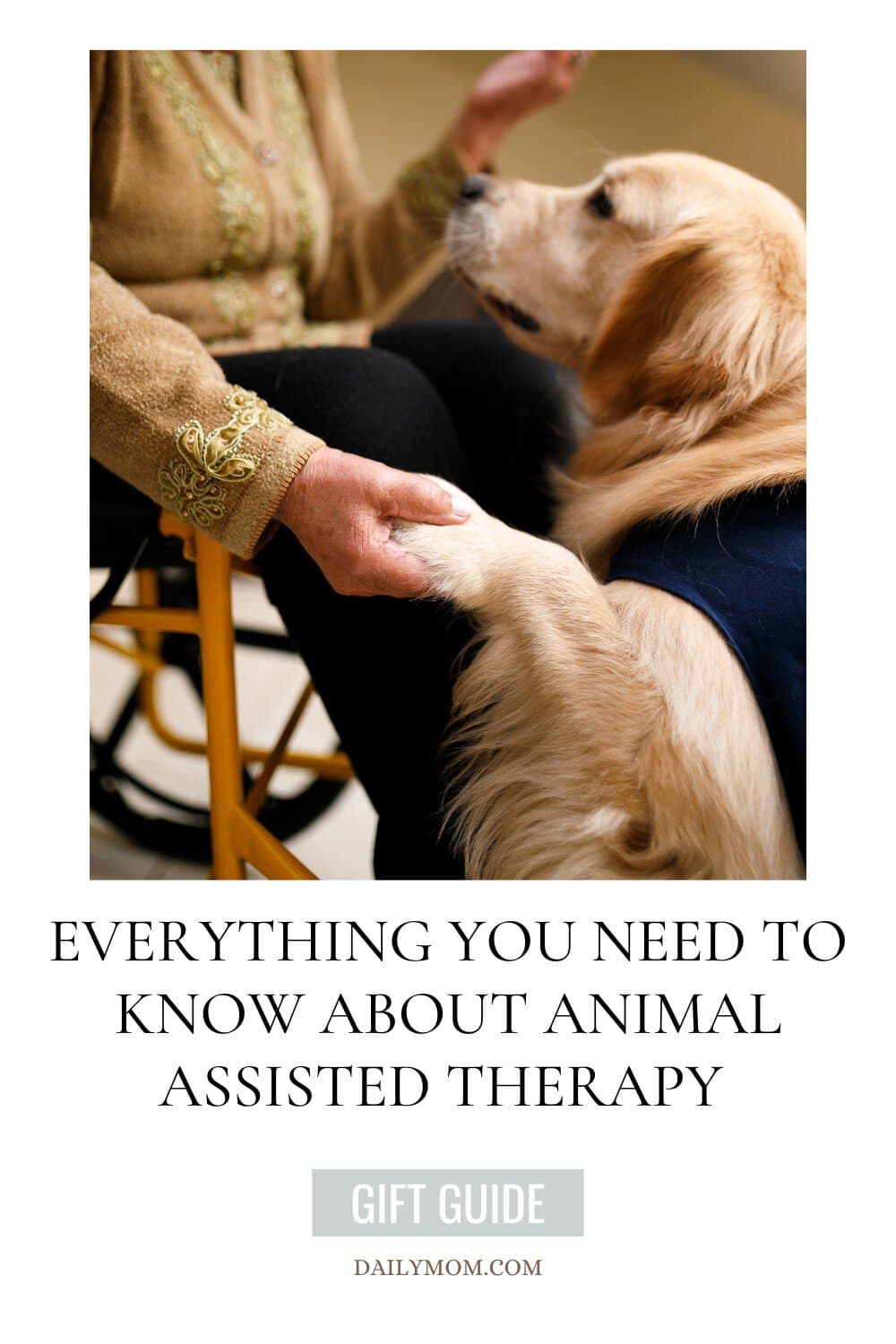




























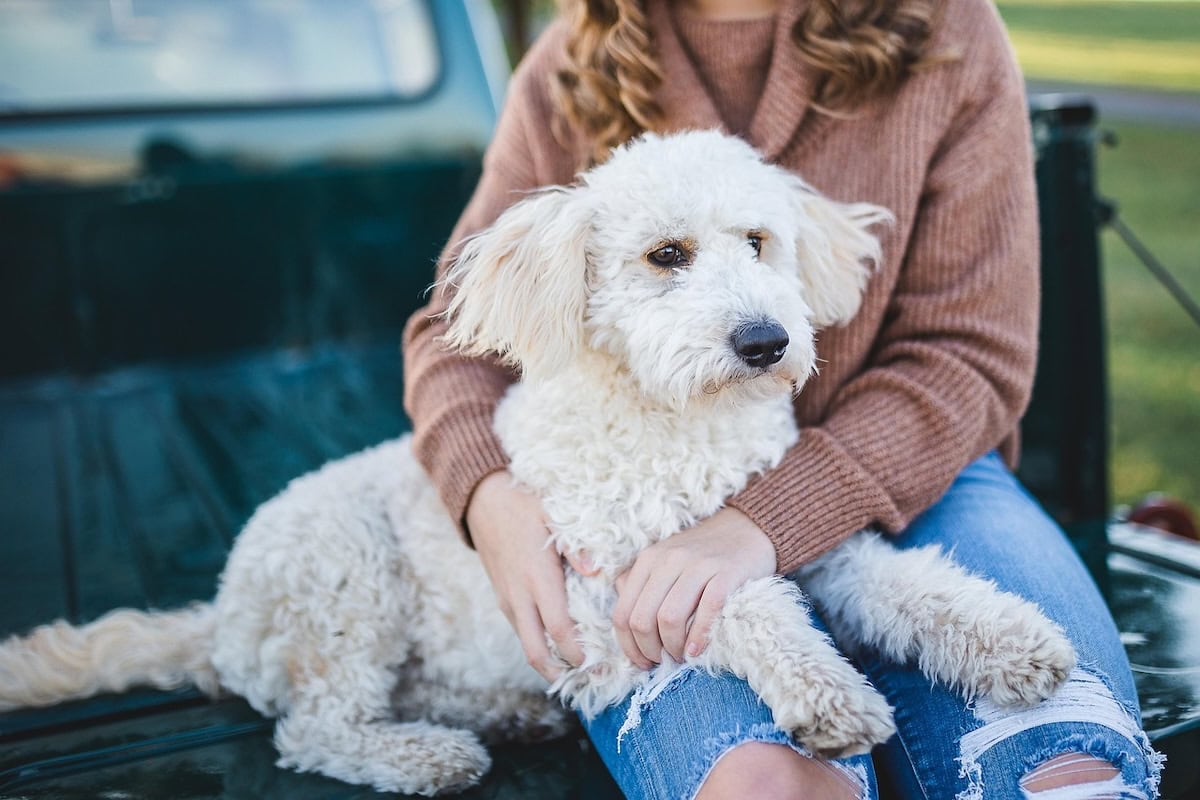
While many people instinctively feel better after spending time with animals, there’s growing evidence that these interactions can do much more than lift someone’s mood. In healthcare, education, and counseling settings, animal assisted therapy (AAT) has become a respected treatment that helps support both emotional and physical healing.
This approach pairs a trained animal with a qualified therapist to help people work toward specific treatment goals. Unlike casual visits with a pet, every therapy session is carefully planned, with the handler and animal working alongside healthcare professionals to create meaningful progress.
Today, animal therapy has proven to help people of all ages navigate everything from anxiety and trauma to developmental disorders and age-related cognitive decline. Whether it’s therapy for children, support during rehabilitation, or companionship for older adults in nursing homes, the field continues to grow as researchers discover more about the positive effects of animals on health and well-being.
What Is Animal Assisted Therapy?
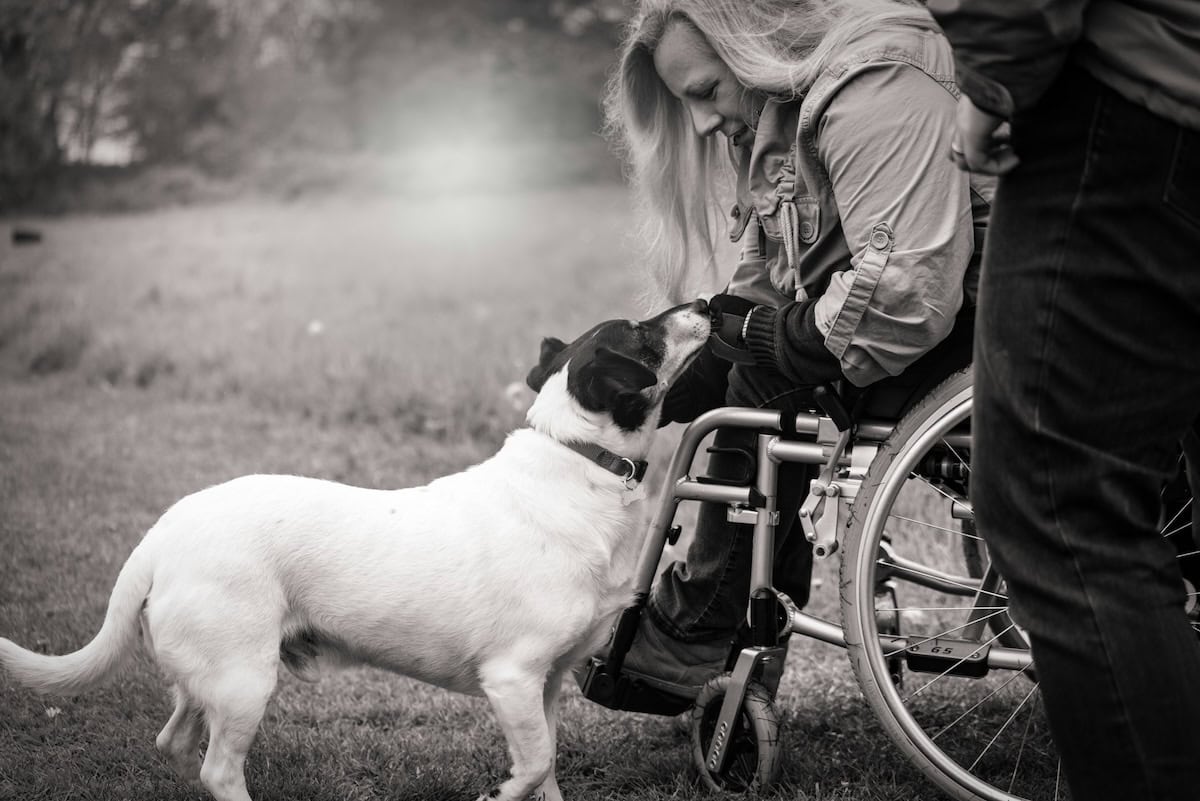
At its core, animal assisted therapy is a goal-oriented treatment that involves a trained animal as part of a structured care plan. Rather than replacing counseling or medical care, AAT complements traditional therapy by introducing an animal into a safe, therapeutic environment where meaningful progress can happen.
The approach is also known as animal-assisted interventions, an umbrella term that includes several ways professionals incorporate animals into healthcare, education, and wellness settings. Depending on the situation, animals are used to encourage communication, improve confidence, reduce anxiety, or motivate someone to participate more fully in treatment.
Unlike simply owning a pet, animal-assisted therapy offers measurable objectives. A counselor might use a therapy dog to help a child practice conversation skills, while a physical therapist may incorporate a dog into exercises that encourage movement after surgery or injury. Every animal interaction supports clearly defined therapeutic goals, making the experience both enjoyable and purposeful.
What Makes Animal Assisted Therapy Different From Pet Therapy?
The terms pet therapy and animal assisted therapy are often used interchangeably, but they aren’t exactly the same. Pet therapy generally refers to informal visits where friendly animals bring comfort and companionship. These visits are common in hospitals, schools, and care facilities, where volunteers and their animals spend time with patients or residents.
Animal assisted therapy, on the other hand, takes place in a more structured therapeutic setting. While there are many benefits of pet therapy, AAT focuses on achieving specific clinical results.
Some key differences include:
- Sessions are guided by a licensed therapist or healthcare provider.
- The therapy animal and handler work together to support treatment.
- Activities are designed around measurable outcomes.
- Progress is evaluated over time.
- The animal becomes part of their treatment, rather than simply providing companionship.
Animal Assisted Therapy vs. Service Animals
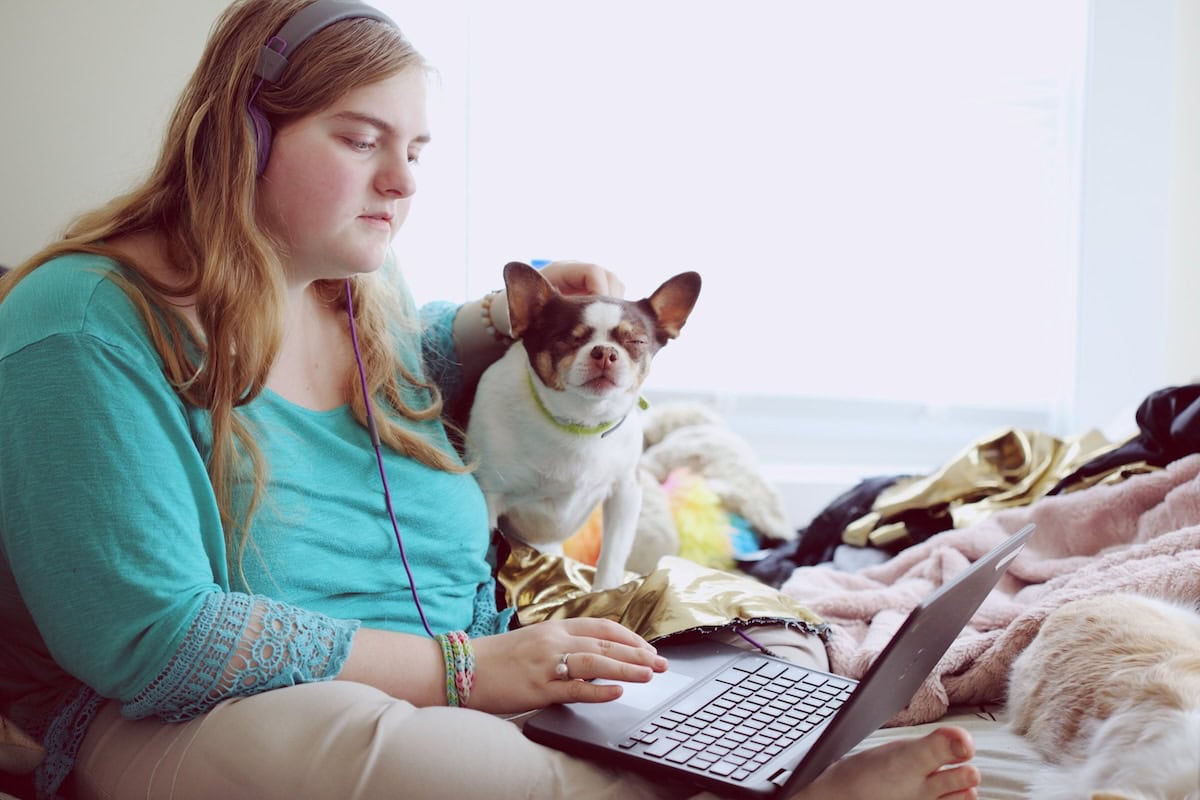

One of the biggest misconceptions is that therapy animals and service animals perform the same job. Although both receive specialized preparation, their responsibilities are very different.
Certified Therapy Animals:
- Work with professionals in structured therapy programs
- Visit schools, hospitals, counseling offices, and community settings
- Help multiple participants
- Focus on therapeutic activities
Service Animals:
- Assist one person with a disability
- Accompany their handler in daily life
- Perform specific tasks for one individual
- Support independence and accessibility
It’s also important to understand that therapy animals may have different access rights than service animals. While service dogs are individually trained to perform tasks for a person with a disability and are protected under disability laws, therapy animals typically visit facilities by invitation and do not have the same public access privileges.
How AAT Fits Alongside Other Types of Therapy
One reason AAT has become increasingly popular is its flexibility. Rather than standing alone, it often enhances many types of therapy, making sessions more engaging and less intimidating.
Animal-assisted approaches may complement:
- Individual counseling
- Group therapy
- Physical and occupational therapy
- Speech therapy
- Mental health counseling
- Pediatric therapy
- Geriatric care
- Rehabilitation following illness or injury
For many participants, the presence of a therapy animal provides a calming effect that makes it easier to open up, try new activities, or remain motivated throughout treatment.
How Animal Assisted Therapy Works

Every successful AAT program begins with collaboration. A licensed professional develops a treatment plan, then determines whether utilization of animals could help the individual reach their objectives. The sessions are intentionally designed around the person’s needs, whether they’re managing physical disabilities, coping with mental health challenges, or learning new communication strategies.
During a typical therapy session, participants may:
- Brush or groom the animal.
- Practice giving commands.
- Walk alongside the animal.
- Play structured games.
- Read aloud to a calm listener.
- Complete physical exercises involving the animal.
- Discuss emotions while interacting with the animal.
These seemingly simple activities often encourage participation in ways that traditional approaches alone cannot.
How a Therapist Incorporates a Therapy Animal Into Treatment

The success of AAT depends on thoughtful planning. A licensed professional doesn’t simply bring an animal into the room—they intentionally weave the animal into the therapeutic process. Because every person’s needs differ, therapy depends on individualized planning rather than a one-size-fits-all approach.
For example:
- A child working on social skills may practice making eye contact while giving a dog commands.
- Someone recovering from a stroke might improve balance by walking beside a dog.
- Older adults experiencing memory loss may recall stories from childhood after interaction with animals.
- Veterans may feel more comfortable discussing traumatic experiences when a calm animal is nearby.
Which Animals Are Used in Animal-Assisted Interventions?
A therapy dog remains the most common therapy animal because of its trainability, calm temperament, and ability to bond with many different people. However, a variety of other animals can be excellent partners depending on the setting and the goals of treatment.
Some of the most frequently used animals include:
- Dogs
- Horses
- Rabbits
- Cats
- Guinea pigs
- Miniature horses
- Birds
- Llamas and alpacas in specialized programs
Before participating, animals undergo evaluations that assess temperament, obedience, and comfort around unfamiliar people and environments. Many organizations also require ongoing testing and health screenings. The certification of therapy animals helps ensure they remain calm, predictable, and safe in busy environments like schools, hospitals, and clinics.
Therapy Animals, Handlers, and Professional Standards
Every successful therapy team includes both the animal and its human partner. The handler and animal train together extensively before visiting clients.
The handler is responsible for:
- Monitoring the animal’s comfort and stress level.
- Following safety guidelines.
- Working closely with healthcare professionals.
- Supporting the goals of each session.
- Ensuring positive interactions for everyone involved.
Many teams complete certification programs through recognized therapy organizations before participating in healthcare or educational settings. These organizations establish standards for animal behavior, training, and ongoing evaluations. As animal-assisted therapy continues to expand, professional training and ethical guidelines help ensure both people and animals enjoy safe, positive experiences.
The Benefits of Animal-Assisted Therapy
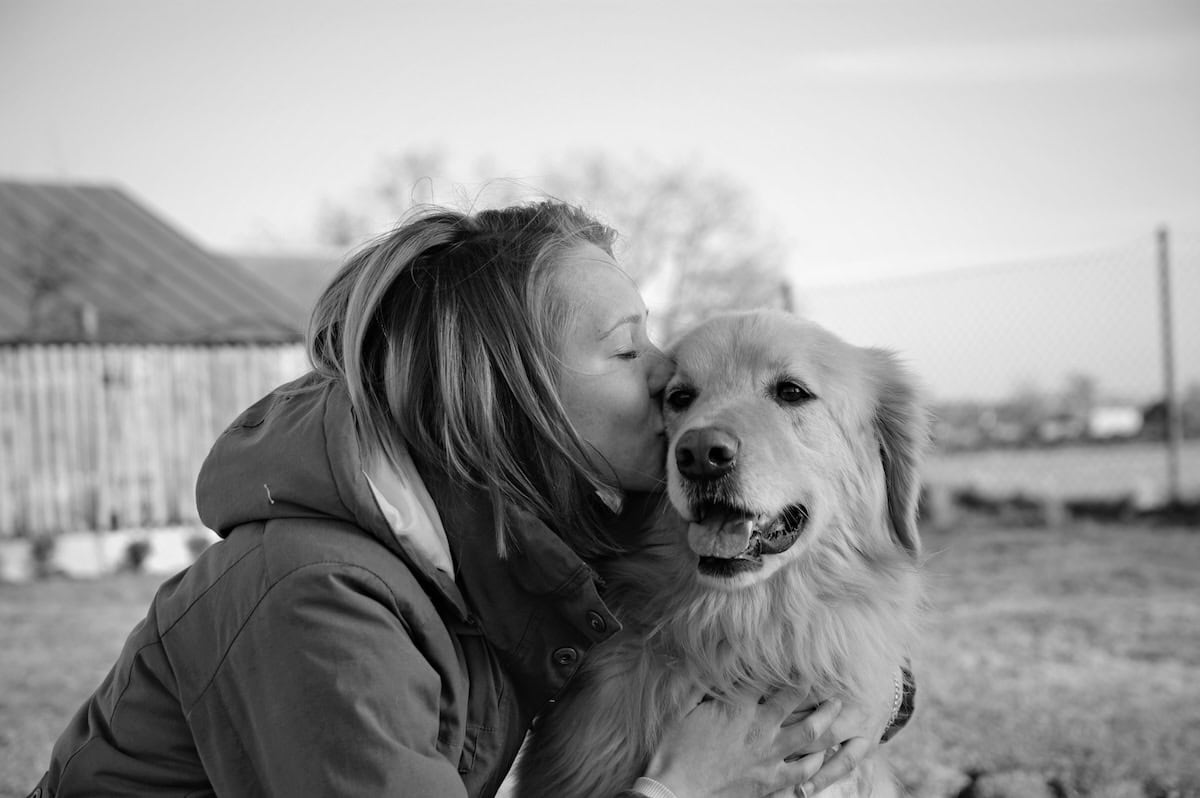
One of the biggest reasons families are drawn to AAT is that it addresses more than one challenge at a time. Rather than focusing on a single symptom, interactions with therapy animals support the whole person by encouraging growth in emotional, social, cognitive, and physical areas.
Researchers continue to study the effects of animals in therapeutic environments, and while outcomes vary from person to person, many findings point to a wide range of benefits. For children, older adults, and individuals facing illness or trauma, animal therapy provides a powerful stepping stone toward healing.
How Animals Can Provide Comfort, Motivation, and Emotional Support

Therapy animals often have a remarkable way of helping people feel accepted without judgment. They don’t criticize, interrupt, or expect perfect words. Instead, they respond with consistency and affection, creating an environment where many people feel safe enough to open up.
During therapy, animals can provide:
- Unconditional companionship
- Gentle encouragement during difficult tasks
- Increased motivation to participate
- A sense of routine and predictability
- Opportunities to practice empathy and responsibility
Many participants describe the presence of animals as reassuring, especially when talking about difficult experiences. Whether someone is recovering from an injury or learning to manage anxiety, having an animal nearby can make challenging moments feel more manageable. This kind of emotional support doesn’t replace professional treatment, but it often strengthens the relationship between client and clinician by making sessions feel less intimidating.
The Physical, Emotional, and Social Benefits of Animal-Assisted Therapy
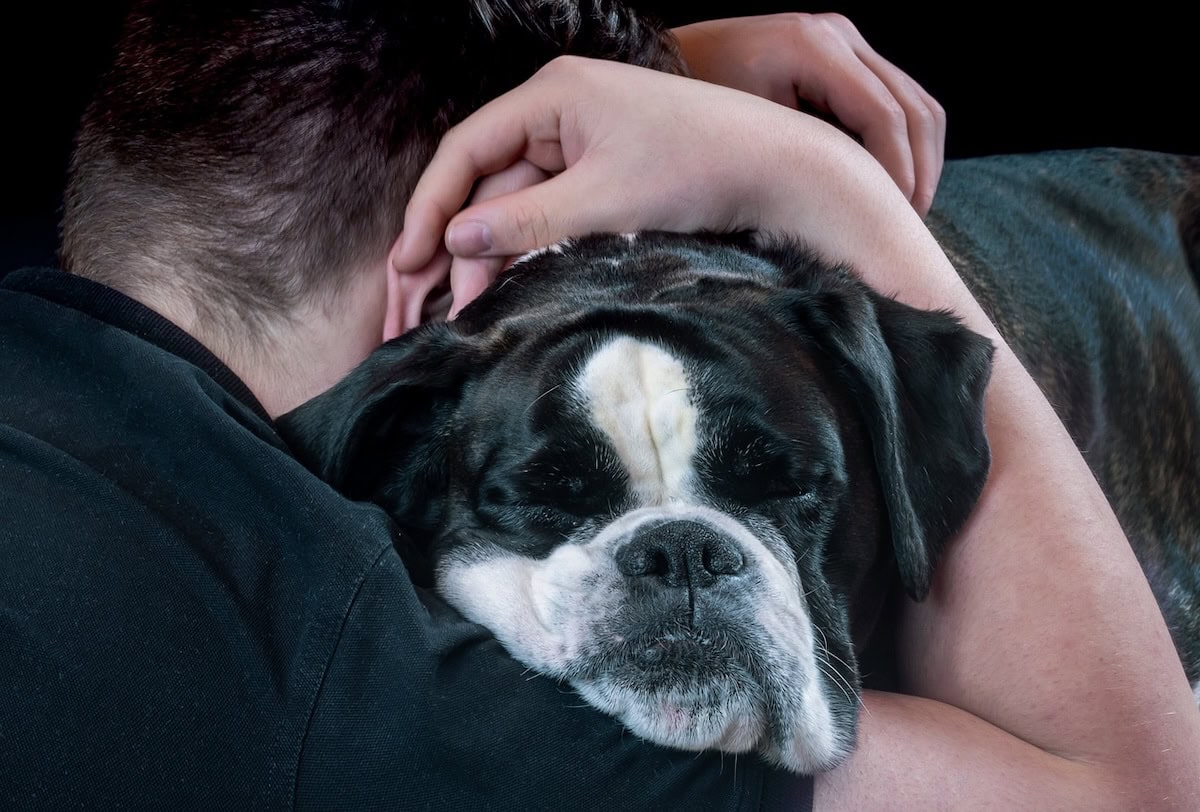
Depending on the individual and the treatment plan, animal assisted therapy programs may improve:
- Emotional regulation
- Self-confidence
- Communication
- Problem-solving
- Attention span
- Balance and coordination
- Motivation during rehabilitation exercises
- Relationship-building skills
For children and adults alike, the presence of therapy animals can make it easier to practice difficult skills. Someone recovering after surgery may be more willing to complete walking exercises when accompanied by an animal. A child learning conversation skills may find it easier to speak while brushing a dog’s coat than during a traditional discussion.
Many participants also report improvements in emotional well-being because therapy encourages meaningful connection while reducing feelings of isolation. Because interacting with animals can support both emotional and physical progress, many healthcare providers now include animals as part of broader treatment plans.
What Research Says About the Effects of Animals on Health and Well-Being
While scientists continue to explore exactly why these programs are so effective, existing studies suggest that therapy has shown promise across a variety of mental health and medical settings.
Research indicates that animals can help:
- Lower stress levels
- Encourage participation in treatment
- Improve mood
- Increase motivation
- Strengthen communication
- Promote relaxation during challenging situations
Some studies also suggest that animals can reduce feelings of loneliness and help foster stronger relationships between clients and healthcare professionals. For many participants, simply looking forward to seeing the animal becomes an important source of motivation.
Animal-Assisted Therapy for Children
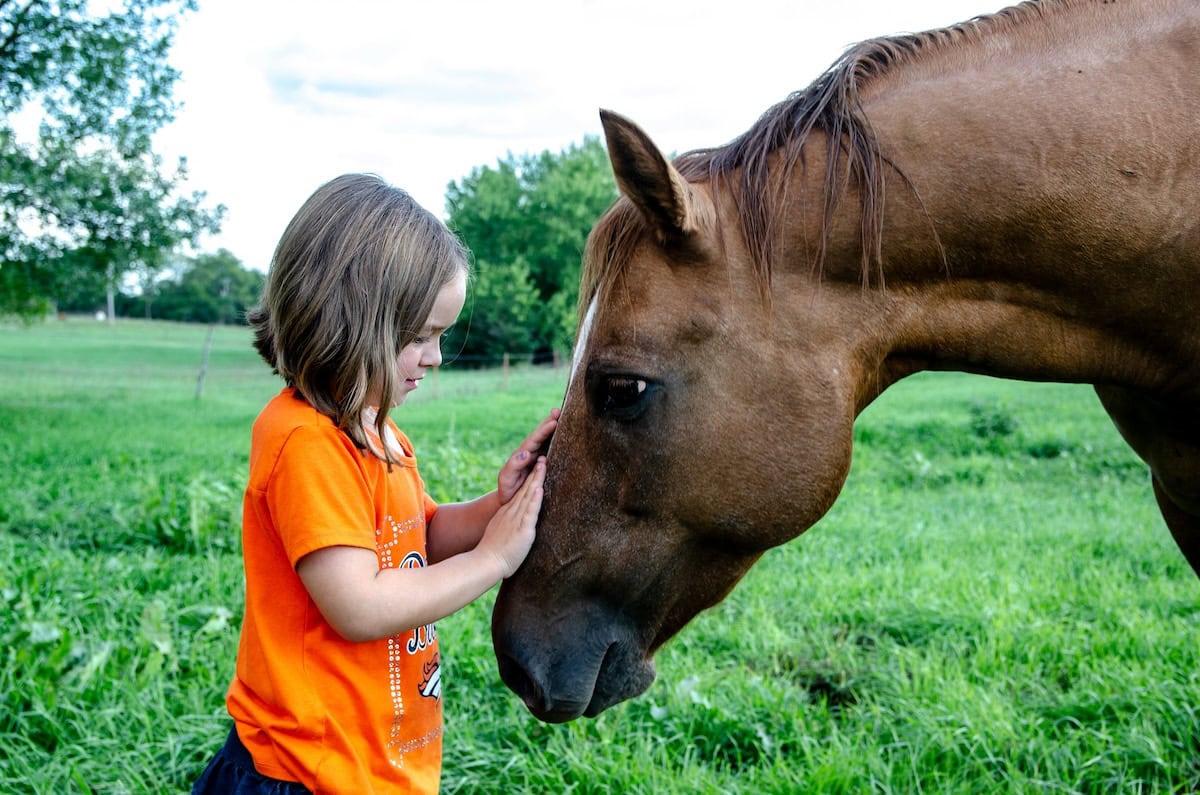
Children often express themselves differently than adults. They may struggle to explain their emotions, especially after stressful or traumatic experiences. That’s one reason animal assisted therapy for children has become increasingly popular in schools, counseling practices, and pediatric healthcare settings.
Animals naturally encourage curiosity, play, and conversation. Instead of feeling like they’re being evaluated, children often see therapy as spending quality time with animals, making participation feel more enjoyable.
How Animal-Assisted Therapy for Children Builds Confidence and Emotional Skills
One of the greatest strengths of AAT is its ability to create low-pressure opportunities for learning. For children who are shy or anxious, talking to an animal often feels much easier than speaking directly with adults. Over time, those experiences can transfer into everyday relationships with family members, classmates, and teachers.
As children interact with a gentle animal, they may practice:
- Taking turns
- Following directions
- Reading body language
- Expressing emotions
- Building trust
- Improving social interaction
Children Who May Benefit From Animal-Assisted Therapy
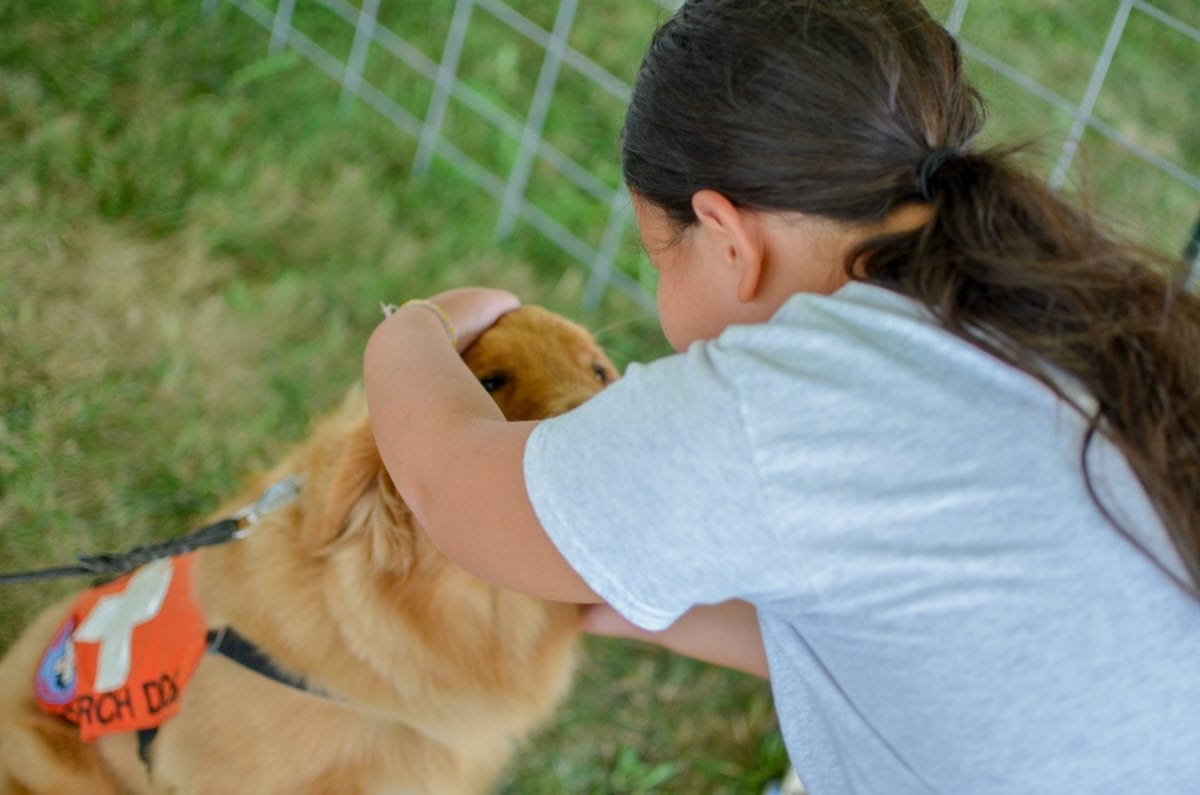
AAT is especially beneficial for individuals facing developmental, emotional, or physical challenges. Because therapy is individualized, activities are adapted to match each child’s age, abilities, and treatment goals.
Children who may benefit from animal-assisted therapy include those experiencing:
- Anxiety disorders
- Depression
- Trauma
- Grief
- ADHD
- Learning differences
- Medical recovery
- Chronic illness
Therapy for Children With Anxiety, Autism, ADHD, or Trauma
Among the most widely studied applications is therapy for children on the autism spectrum. For many children with autism, predictable routines and calm interactions with animals help create opportunities to practice communication and emotional regulation in a comfortable environment.
Likewise, children coping with anxiety or traumatic experiences often benefit from the steady companionship that a trained animal provides. Instead of immediately discussing painful memories, therapists may begin with simple activities involving grooming, walking, or playing with the animal before transitioning into more structured therapeutic conversations. The relaxed pace helps many children build confidence while reducing fear surrounding counseling itself.
Animal Assisted Therapy for Older Adults and Grandparents
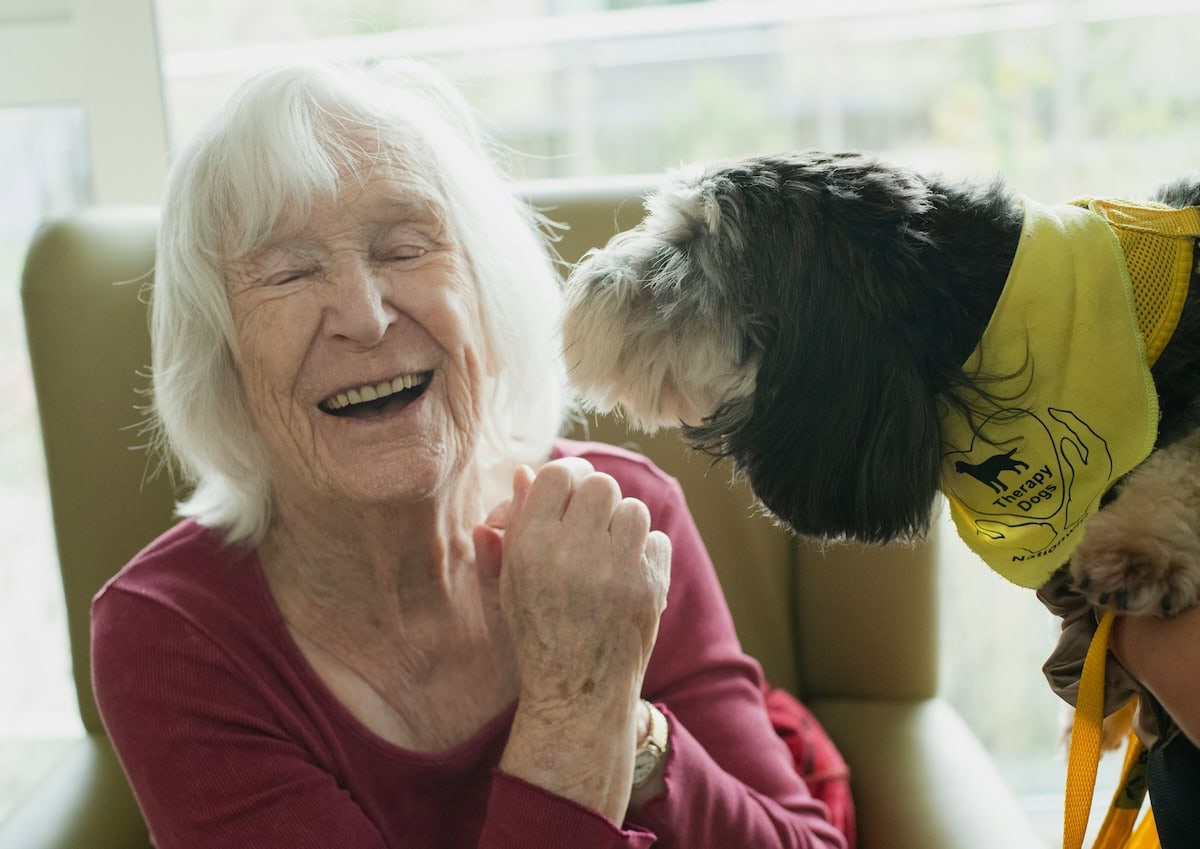
Animal assisted therapy isn’t just for children. Many older adults discover that regular visits with animals bring comfort, spark conversation, and create joyful moments that can sometimes feel harder to find later in life. Whether someone lives independently or in nursing homes or other care facilities, thoughtfully designed visitation programs can help reduce feelings of loneliness while encouraging meaningful engagement with others.
How Therapy Animals Help Reduce Loneliness and Isolation
Retirement, declining mobility, and the loss of loved ones can all contribute to social isolation. Even people surrounded by family may miss the daily companionship they once enjoyed. This is one area where therapy animals help make a noticeable difference.
During AAT, participants may:
- Share stories about pets they’ve loved throughout their lives.
- Practice gentle movement by brushing or walking alongside an animal.
- Engage in conversations with caregivers or fellow residents.
- Enjoy moments of laughter and relaxation.
- Feel more connected to those around them.
Supporting Cognitive Functioning in People Living With Alzheimer’s and Dementia
Families caring for loved ones with Alzheimer’s disease or other forms of dementia are always searching for ways to improve quality of life. While AAT isn’t a cure, many programs are designed to encourage cognitive functioning through familiar routines and positive experiences.
Looking at old photographs of pets, petting a calm dog, or recalling memories of growing up with animals may stimulate conversation and help individuals reconnect with cherished moments from the past. Many caregivers report that these sessions encourage greater participation and create opportunities for meaningful interaction between family members and healthcare staff.
Animal-Assisted Therapy for PTSD and Trauma Recovery
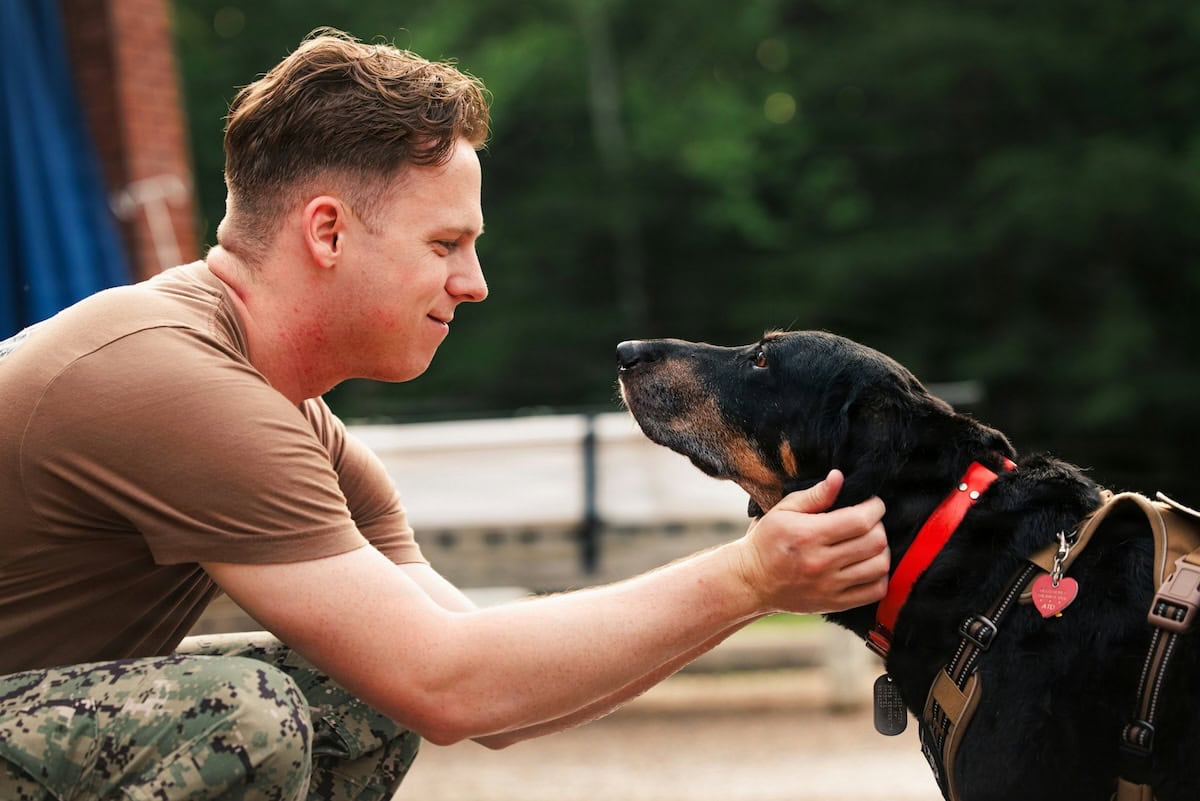
Trauma can affect every aspect of a person’s life, from sleep and relationships to concentration and emotional regulation. For some individuals living with PTSD or other mental health conditions, the clinical environment itself can feel overwhelming. That’s one reason therapy is particularly effective for some trauma survivors when a calm animal is incorporated into treatment.
How Animals Can Provide a Sense of Safety and Calm
Trauma often leaves people feeling constantly alert or emotionally disconnected. The quiet companionship of an animal can help create a greater sense of security during difficult conversations. The familiar rhythm of interacting with therapy animals can also make it easier for clients to remain present while working through challenging emotions.
Many participants find that:
- Petting an animal encourages relaxation.
- Gentle routines make sessions feel more predictable.
- Caring for another living being builds confidence.
- Positive experiences help strengthen trust.
AAT as Part of a Comprehensive Trauma Treatment Plan
While AAT can be incredibly valuable, it’s most effective when integrated into a broader treatment approach. Rather than replacing evidence-based care, the use of animals enhances many existing treatment methods by helping clients stay engaged and motivated throughout the healing process.
Depending on individual needs, a comprehensive treatment plan may include:
- Individual counseling
- Medication management
- Family therapy
- Physical rehabilitation
- Mindfulness practices
- Animal-assisted interventions
Determining Whether Animal-Assisted Therapy Is Right for Your Family
Every family has different needs, and no single approach works for everyone. While animal assisted therapy has helped many individuals build confidence, improve communication, and support recovery, it’s important to determine whether it’s the right fit for your child, parent, or loved one.
For many families, AAT works best as one component of a comprehensive care plan rather than a standalone solution. The approach should always be tailored to the individual’s age, goals, medical history, and comfort level around animals.
If your loved one enjoys spending time with animals and responds positively to interaction with animals, they may be an excellent candidate. Others may prefer more conventional approaches, and that’s perfectly okay. A qualified professional can help determine which combination of therapies is most appropriate.
Questions to Ask Before Starting Therapy

Before enrolling in a program, take time to learn about the provider’s experience and treatment approach. Asking thoughtful questions can help you feel confident that the program is safe, ethical, and designed around your family’s goals.
Consider asking:
- What conditions or concerns does the program commonly treat?
- How are therapeutic goals developed and measured?
- What role does the animal play during each therapy session?
- How are animals selected, trained, and monitored for their well-being?
- What happens if a client feels uncomfortable or overwhelmed?
- How is progress communicated to parents or caregivers?
- Will AAT be combined with other forms of treatment?
- How often are sessions recommended, and how long does treatment typically last?
These conversations can help set realistic expectations while ensuring everyone understands how therapy will support long-term growth.
Finding a Qualified Therapist Who Offers Animal-Assisted Interventions
Choosing the right provider is just as important as choosing the right type of therapy. Look for a licensed therapist with experience incorporating animal-assisted interventions into evidence-based treatment.
A reputable provider should be able to explain:
- Their professional credentials and areas of expertise.
- The training completed by both the handler and animal.
- Safety protocols for clients and animals.
- The organization’s standards for animal welfare.
- How treatment plans are individualized.
- How progress is evaluated over time.
It’s also worth asking whether the program partners with recognized therapy organizations or follows established best practices for trained therapy teams. Programs that prioritize ongoing education, ethical care, and the well-being of both clients and animals are often the best equipped to provide a positive experience.
Most importantly, trust your instincts. A quality therapist will welcome your questions, explain the treatment process clearly, and work collaboratively with your family to create a plan that supports meaningful progress. The goal is to find a program where both the client and the animal can thrive together in a safe, supportive, and compassionate environment.
Incorporating Therapeutic Animals Into Your Family’s Wellness Plan

As healthcare continues to evolve, the value of human-animal connections is becoming increasingly clear. From helping children develop confidence to supporting older adults through memory care and encouraging trauma survivors during recovery, animal assisted therapy demonstrates how compassionate, evidence-informed care can take many forms.
The heart of AAT isn’t simply the animal itself—it’s the relationship created between the client, the clinician, and a carefully prepared therapy partner. Those moments of trust, encouragement, and connection often help people accomplish goals that once felt out of reach.
Whether it’s a child learning new communication skills, a grandparent smiling as memories return, or someone overcoming anxiety, these experiences remind us that healing doesn’t always happen through conversation alone. Sometimes it begins with a gentle paw, a patient presence, and the opportunity to build confidence one interaction at a time.
Uncommon Goods
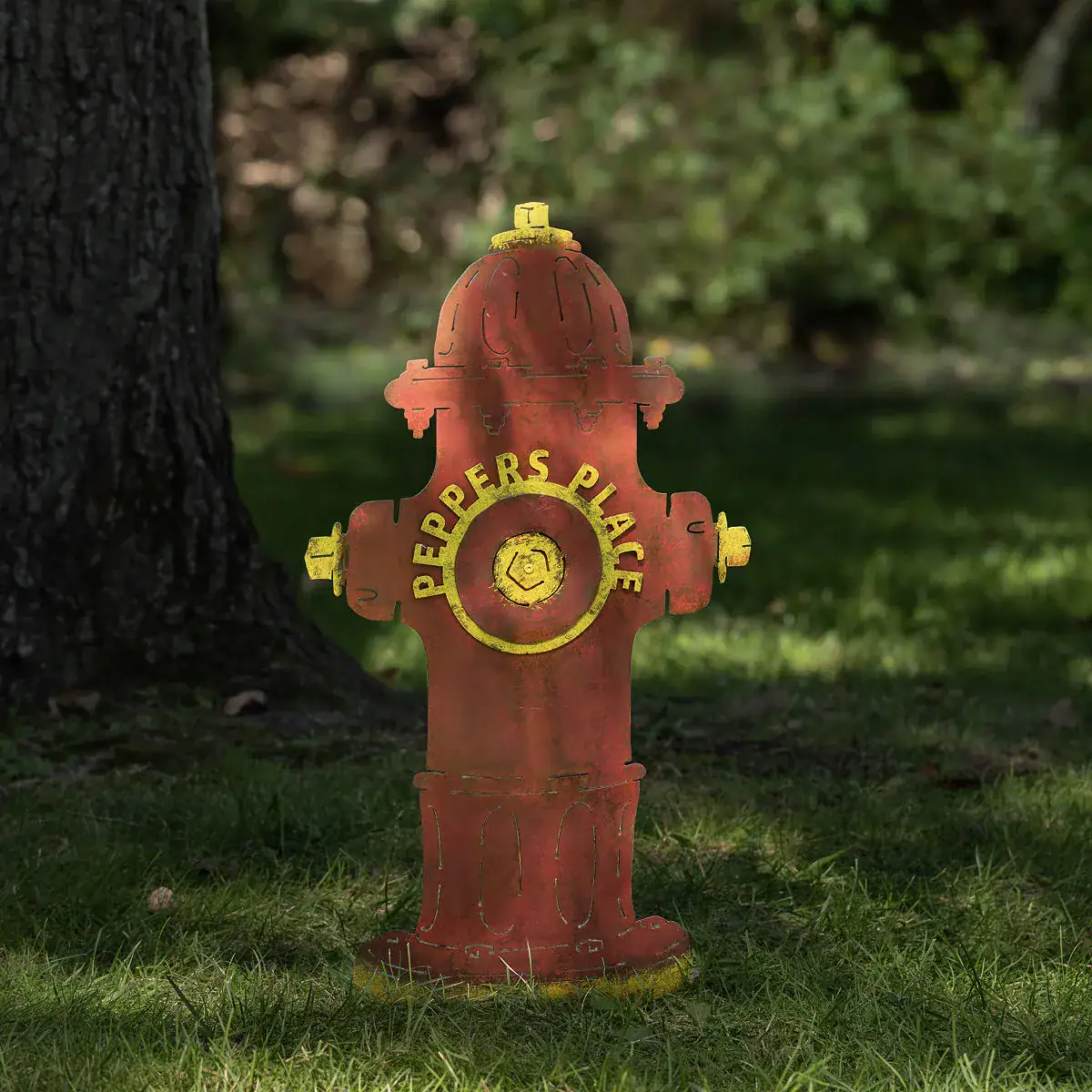
For many pet owners, dogs are more than companions—they’re family. The Personalized Dog’s Spot Garden Sculpture transforms a favorite backyard corner, garden, or flower bed into a meaningful space that celebrates the special bond between pets and the people who love them.
Why you’ll love it:
- Customized with your dog’s name: The personalized design creates a one-of-a-kind piece that feels uniquely connected to your furry family member.
- Adds personality to any outdoor space: Whether placed in a garden, along a walkway, or beside a favorite sunny spot, this sculpture adds charm and character to your landscaping.
- Creates a lasting keepsake: This decorative piece serves as a thoughtful reminder of the joyful moments shared with your dog.
- Durable enough for outdoor display: Designed specifically for outdoor use, it’s made to withstand the elements while maintaining its decorative appeal.
- Makes a thoughtful gift for dog lovers: Whether you’re shopping for a birthday, holiday, housewarming, or pet memorial gift, this personalized sculpture offers a meaningful option that’s both practical and sentimental.
- Blends with multiple decorating styles: From cottage gardens to modern landscapes, the simple design complements a wide variety of outdoor aesthetics.
The Personalized Dog’s Spot Garden Sculpture is more than a decorative accent—it’s a beautiful way to celebrate the four-legged family members who make a house feel like home.
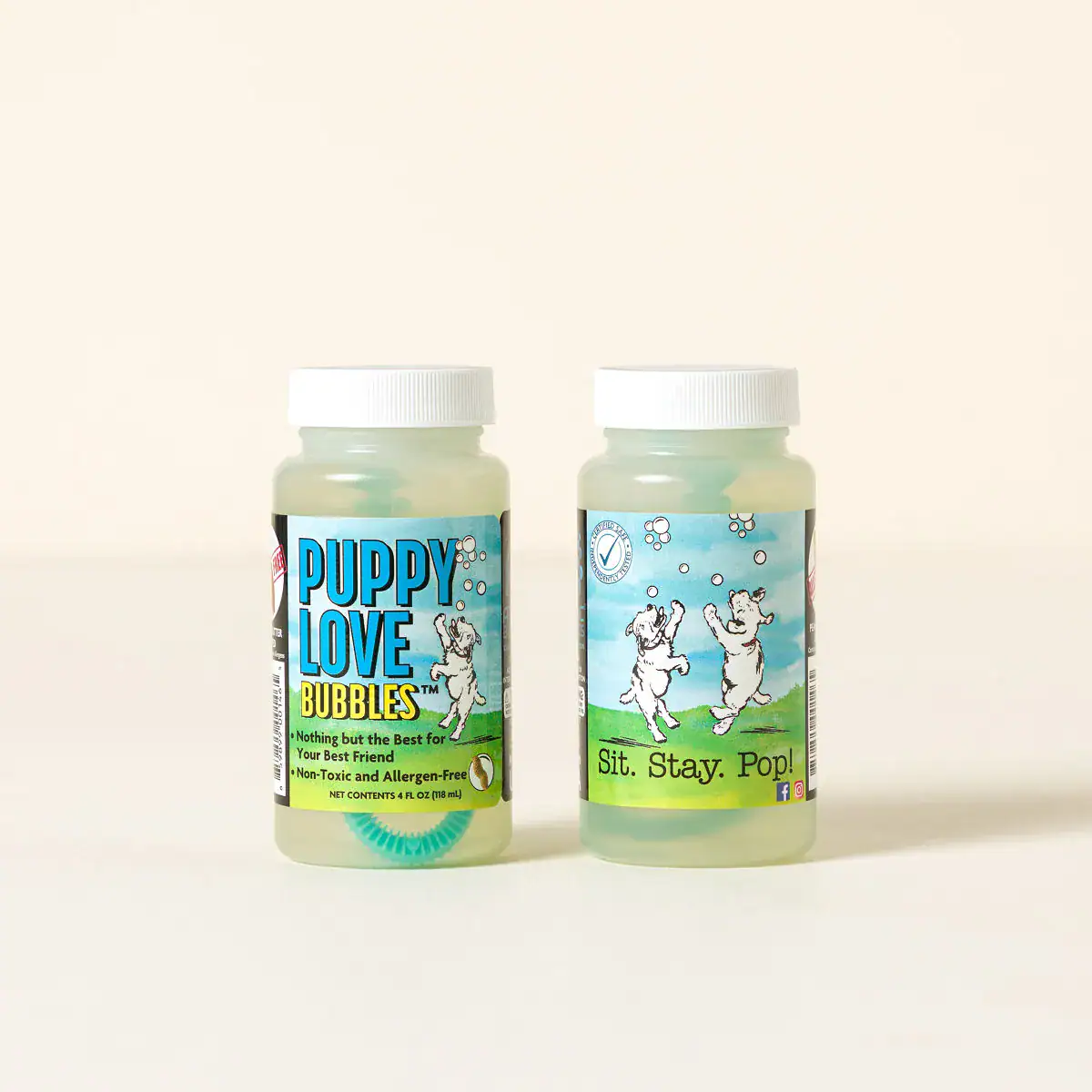
Traditional fetch and chew toys are always fun, but bubbles that smell and taste like peanut butter take interactive play to a whole new level. The Peanut Butter Puppy Bubbles Set turns an ordinary afternoon into an exciting enrichment activity that keeps dogs physically active and mentally engaged.
Why you’ll love them:
- Peanut butter flavor makes playtime even more exciting: Unlike traditional bubbles, these are specifically designed with dogs in mind, creating a sensory experience that’s much more engaging.
- Encourages healthy exercise: Chasing, jumping, and popping bubbles naturally promotes movement and helps dogs burn off excess energy.
- Provides valuable mental stimulation: Interactive games help reduce boredom and encourage problem-solving through play.
- Includes two bottles for extended fun: The two-pack design means you’ll have plenty of bubble solution for multiple play sessions.
- Perfect for dogs of different ages and sizes: Whether you have a playful puppy or an energetic adult dog, bubble chasing can easily be adapted to fit your dog’s activity level.
- Great for indoor or outdoor entertainment: Use them in the backyard, at the park, or even inside when you need a quick and easy enrichment activity.
The Peanut Butter Puppy Bubbles Set proves that sometimes the simplest activities create the most memorable moments with your pup.
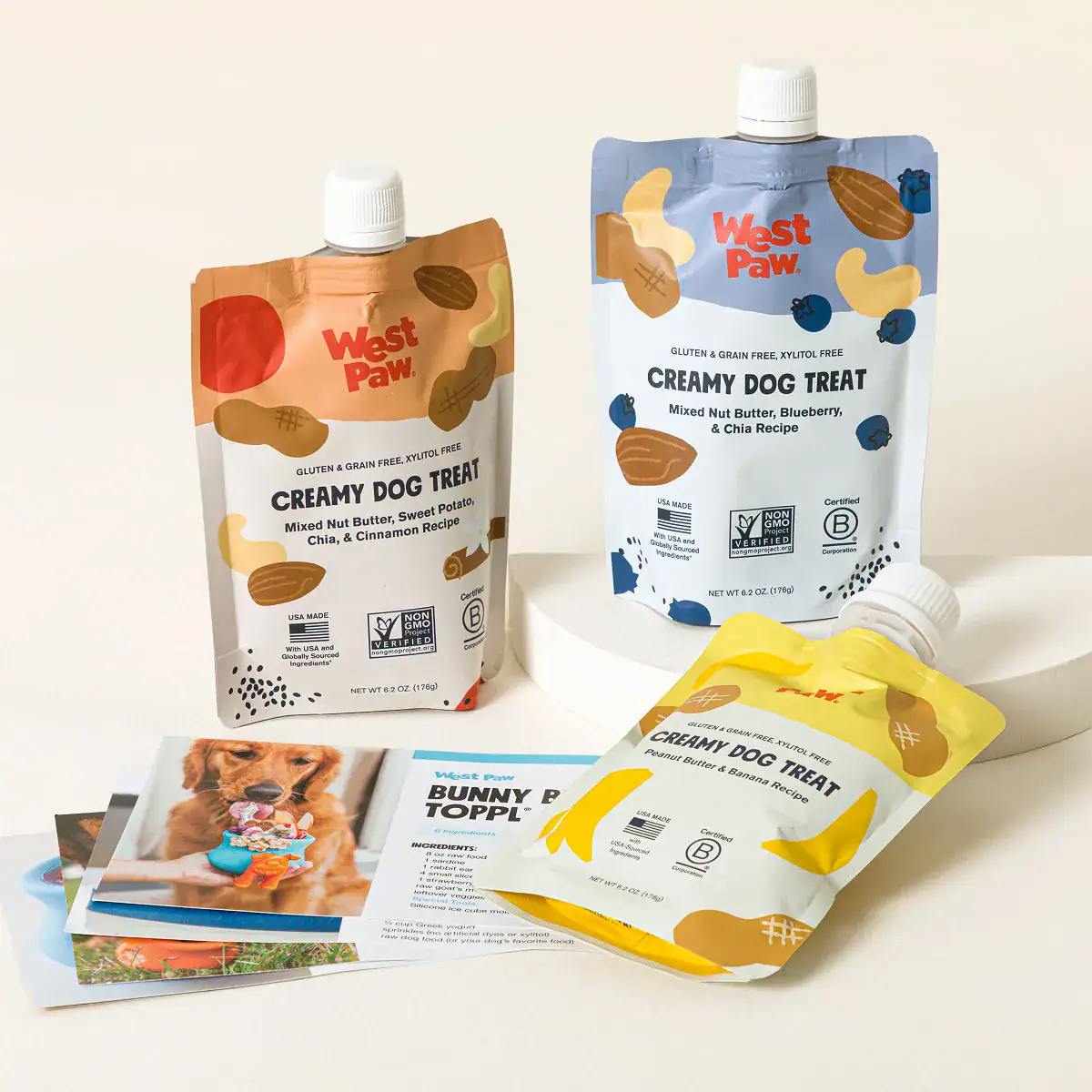
If your dog loves trying new treats, the Tasting Pawty Creamy Treat Sampling Set delivers a fun tasting experience with multiple flavors in one convenient package. It’s a playful way to add variety to snack time while creating interactive moments you’ll both enjoy.
Why you’ll love it:
- Multiple flavors keep treat time interesting: The assortment allows dogs to sample different creamy treats instead of sticking to a single flavor.
- Perfect for picky eaters: Offering several options makes it easier to discover which flavors your dog enjoys most.
- Creates an interactive feeding experience: Creamy treats can be served on their own, used as training rewards, or added to enrichment toys and lick mats.
- Excellent for mental enrichment: Licking activities can provide calming benefits while encouraging slower, more focused eating.
- Makes a unique gift for pet parents: This tasting set is a fun alternative to traditional dog treats and makes an excellent gift for birthdays, holidays, or adoption celebrations.
- Great for special occasions: Whether you’re hosting a dog birthday party or simply celebrating your pup, the sampling set adds a little extra excitement to the day.
The Tasting Pawty Creamy Treat Sampling Set turns ordinary treats into a fun, flavorful experience that both dogs and their humans can enjoy together.
ANIMAL ELEMENT
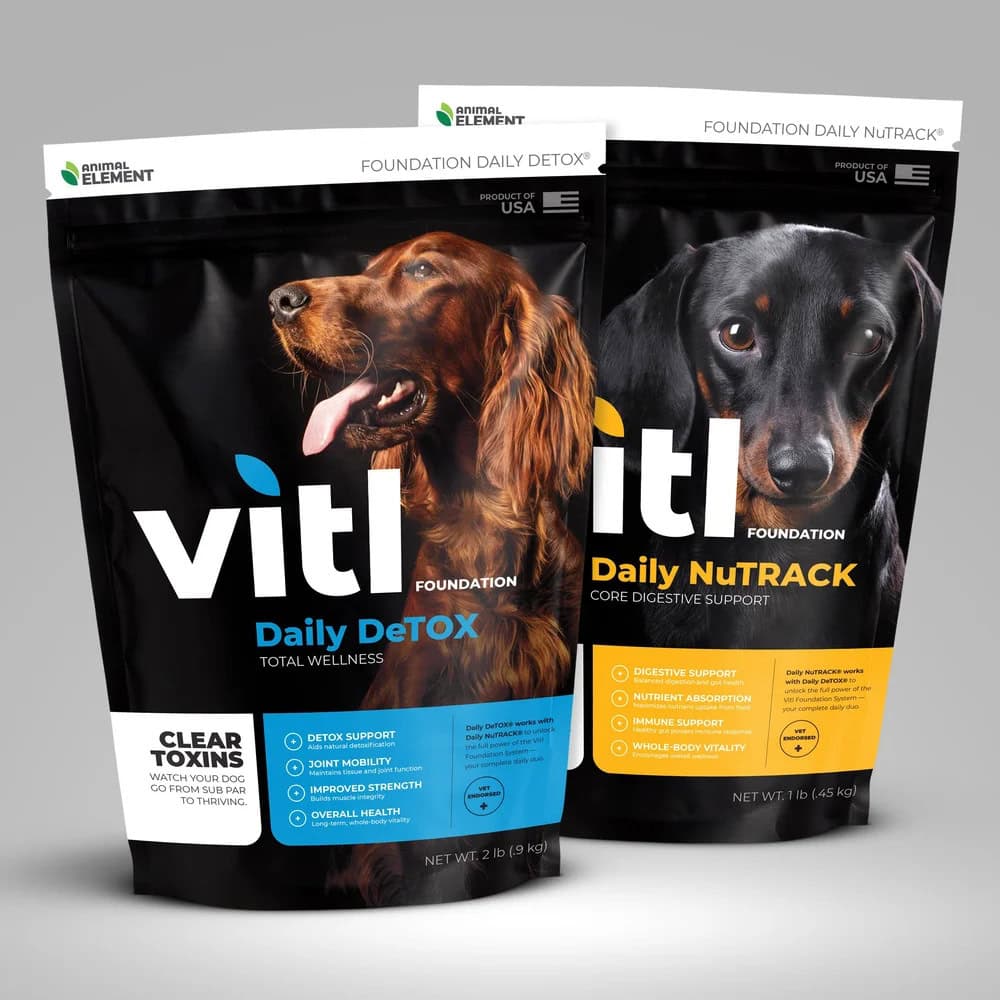
For the dog parent who wants their pup feeling their absolute best, this wellness bundle brings together daily essentials that support vitality from the inside out. It’s a thoughtful, high‑impact gift for anyone who treats their dog like family.
- Daily foundational support — Combines key nutrients to promote overall wellness in one streamlined bundle.
- Digestive balance — Formulated to support healthy digestion and nutrient absorption.
- Joint and mobility care — Helps maintain comfortable movement for dogs of all ages.
- Immune system boost — Includes ingredients that reinforce natural defenses.
- Easy daily routine — Designed to be simple for pet parents to incorporate into everyday care.
This bundle makes a meaningful, wellness‑forward gift for any dog lover who wants to support their pup’s long‑term health. It’s thoughtful, practical, and packed with benefits that help dogs feel vibrant every day.
Oxyfresh
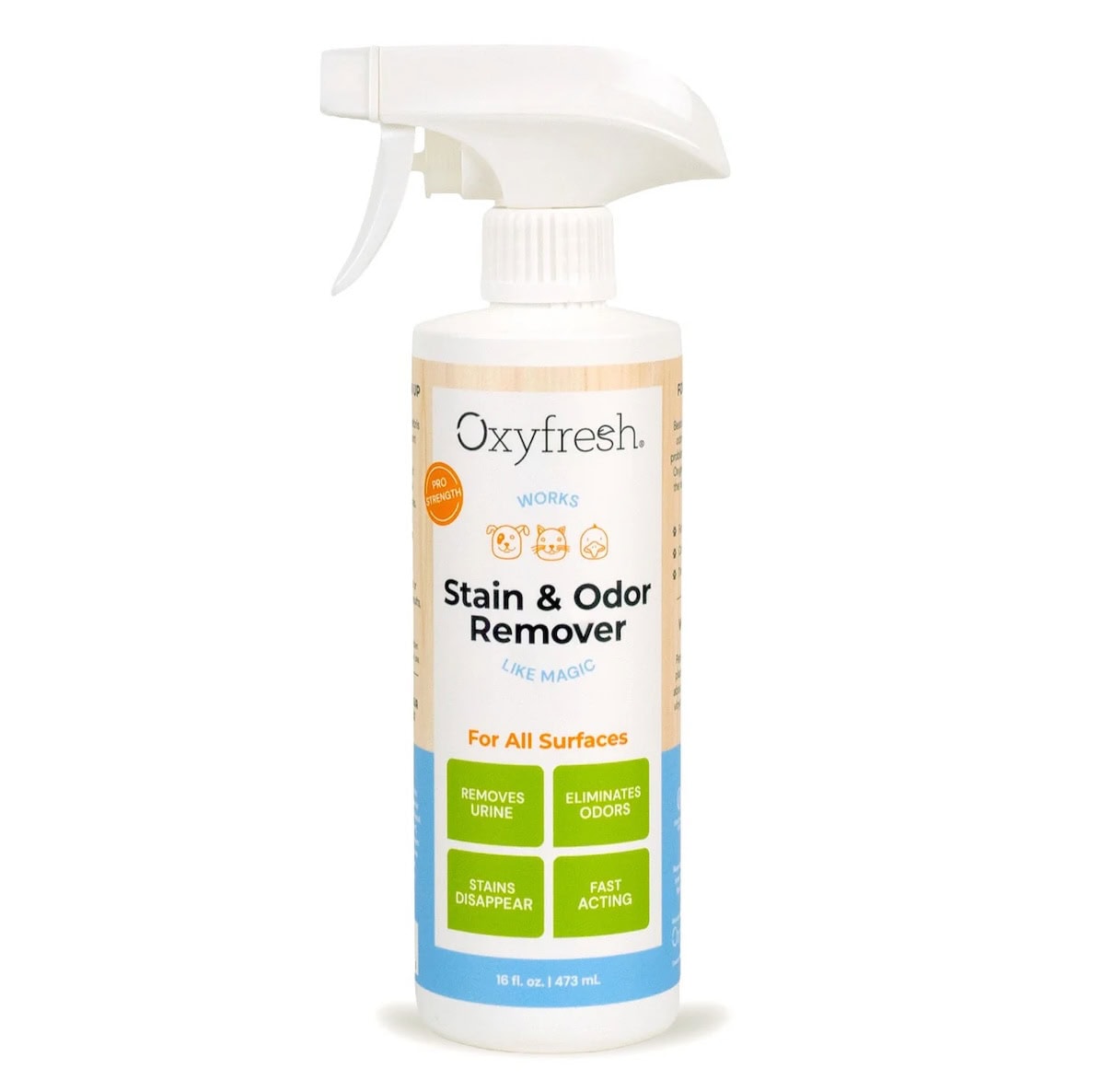
Pet owners know there are two kinds of homes: the ones with pets, and the ones pretending they don’t occasionally smell like pets. Oxyfresh’s Stain & Odor Remover is designed for real life—the muddy paws, mystery spots, and “how did that get there?” moments—while still keeping your home feeling fresh and clean.
- Dual-action formula works as both a stain remover and urine odor eliminator, helping tackle messes at the source instead of just masking them
- Safe for use on carpets, hardwood floors, upholstery, mattresses, tile, and more, making it a versatile household staple
- Kid-friendly and pet-safe formula designed to clean effectively without harsh chemical residue
- Helps neutralize stubborn pet odors from accidents, vomit, food spills, and everyday pet messes
- Fast-acting spray format makes cleanup feel less like a deep-cleaning project and more like a quick reset
The kind of cleaning product that makes pet ownership feel a little less chaotic—and your home smell a whole lot more like itself again.
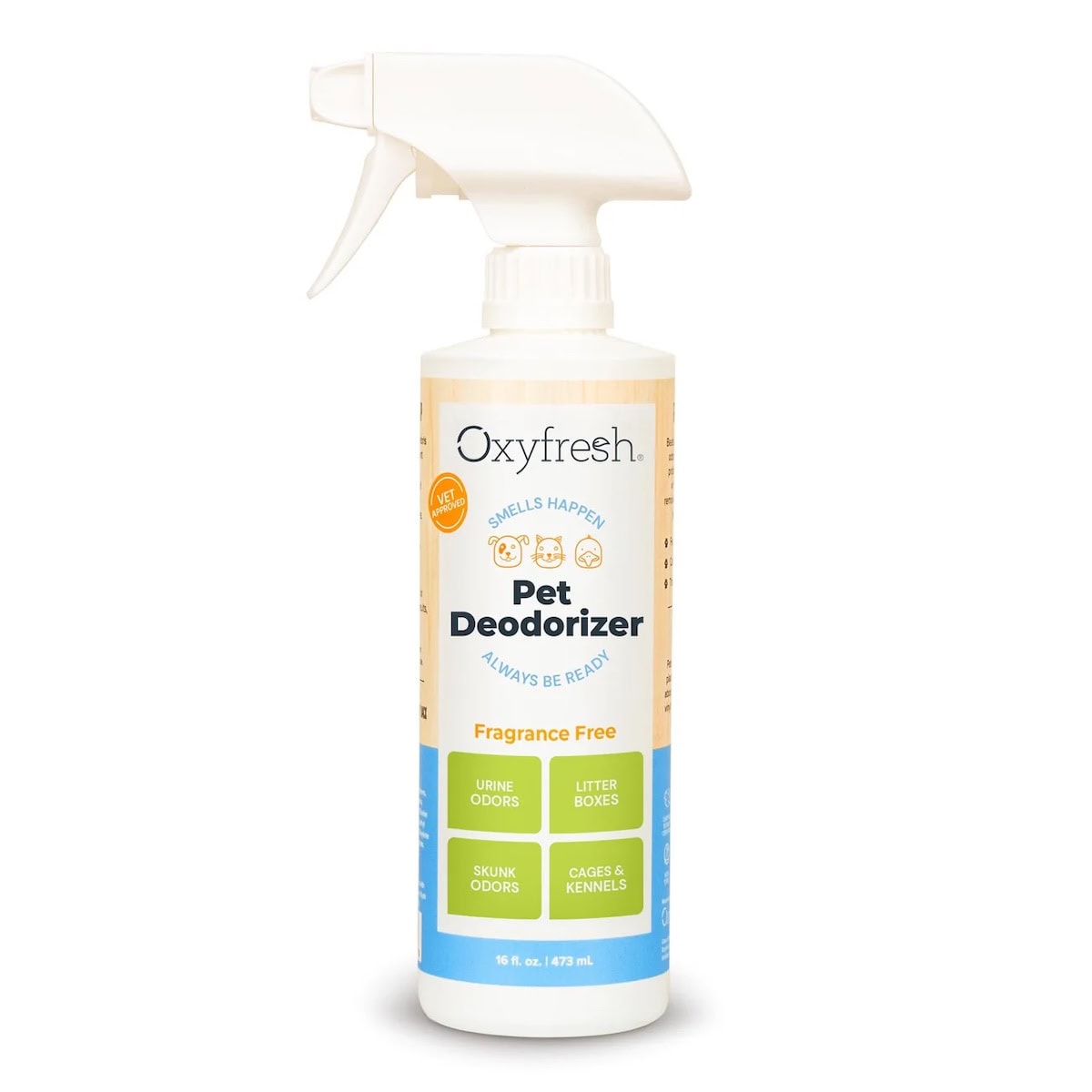
Every pet parent eventually reaches the moment where they lovingly look at their dog or cat and think, “You are adorable… but what is that smell?” Oxyfresh’s Pet Deodorizer is made for exactly those moments, tackling lingering pet odors quickly without covering your home in artificial fragrance.
- Uses Oxyfresh’s proprietary Oxygene formula to neutralize odors instead of simply masking them
- Fast-acting spray works on furniture, carpets, litter box areas, cars, and other odor-prone spots around the house
- Non-toxic and pet-safe formula designed for everyday use around cats and dogs
- Helps eliminate smells from wet fur, accidents, litter boxes, and general “pet house” funk
- Leaves spaces smelling genuinely fresh rather than heavily perfumed
- Easy spray-and-go format makes quick cleanups feel manageable, even during chaotic pet-parent days
A sanity-saving staple for pet owners everywhere—because loving your animals and wanting your house to smell good should absolutely coexist.

Dental treats and chew toys can only do so much. Oxyfresh’s new Advanced Dental Powder helps support your pet’s oral health right from their food bowl, making it a simple addition to everyday routines for dogs and cats alike.
- Sprinkle-on formula integrates seamlessly into your pet’s daily meals with no brushing required
- Designed to help freshen breath and support healthier teeth and gums as part of a regular dental care routine
- An easy option for pets that resist toothbrushes, finger brushes, or dental rinses
- Convenient powder format eliminates the hassle of complicated oral care regimens
- Gentle formula is suitable for both dogs and cats of all ages, making it a versatile addition to multi-pet households
- Complements other dental care practices to help support healthier smiles and fresher kisses over time
Because when it comes to pet dental care, the products that are easiest to use are usually the ones that actually become part of the routine.
Joyfull Pet
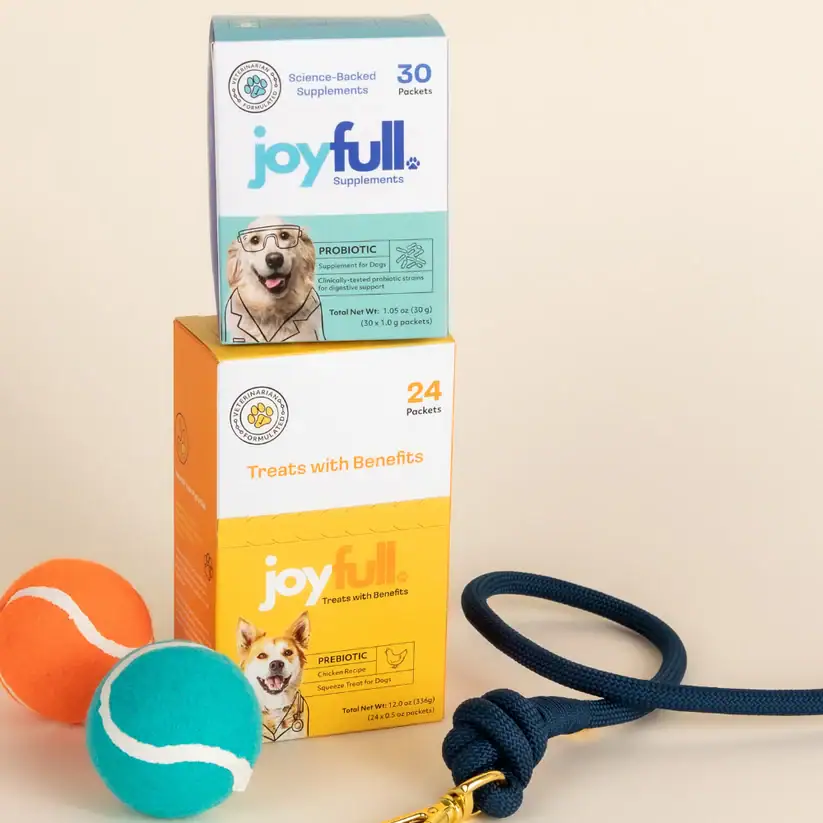
Some pups deserve more than another squeaky toy they’ll destroy in 12 minutes, and the Happy Guts Duo is a gift their humans will actually appreciate too. It pairs prebiotic chicken squeeze treats with a veterinarian-formulated probiotic supplement to support digestion, gut balance, and everyday wellness.
- For the dog who thinks every snack is a five-star dining experience: The lickable chicken treats can be given straight from the packet, added to a lick mat, used as a meal topper, or packed for on-the-go snacking.
- For the pet parent who likes a little less mystery behind their dog’s treats: The duo is made with high-quality protein, is free of artificial colors, preservatives, and flavors, and is veterinarian-formulated and third-party tested.
- For the pup whose stomach has a flair for the dramatic: The probiotic packets deliver 1 billion CFU per serving, while the prebiotics help feed the good bacteria already living in their gut.
Basically, it’s the rare dog gift that’s fun for the pup and genuinely useful for the person who has to deal with the aftermath of questionable tummy decisions. Consider this a little upgrade from “here’s a new tennis ball” to “I care about your digestive wellness.”
Dental Fresh
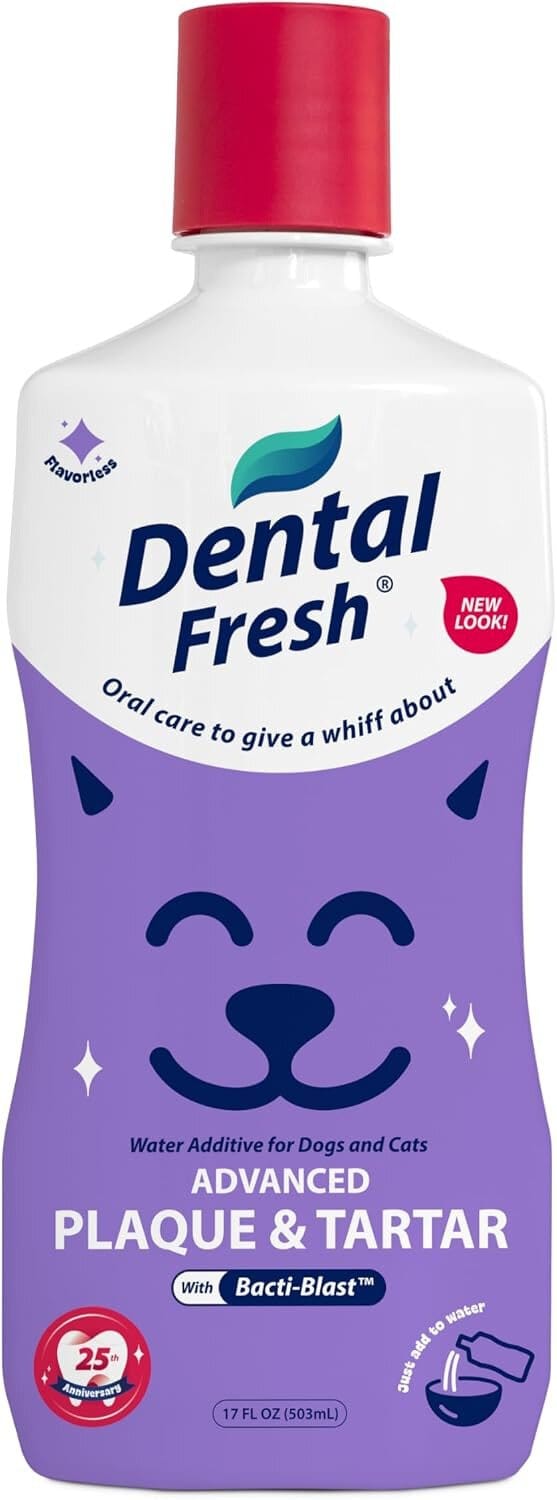
Dental Fresh Plaque & Tartar Control Water Additive offers a simple way to add an extra layer of daily oral-care support right in your pet’s water bowl. It helps support fresher breath and cleaner-looking teeth between regular veterinary dental visits.
The Dental Fresh Plaque & Tartar Control Water Additive is designed for both dogs and cats and comes in a flavorless formula that can be added to drinking water without changing the taste. Simply mix one teaspoon into every eight ounces of water, or begin with a half-teaspoon for more sensitive pets and work up gradually.
It is made without alcohol, sugar, or artificial flavors and is intended to support daily oral hygiene by helping reduce the buildup associated with plaque and tartar while freshening breath. Because it works through the water bowl, it is especially helpful for pets who resist brushing or for pet parents who want a low-fuss complement to their usual dental-care routine.
What You’ll Love
- Simple water-bowl formula for dogs and cats
- Flavorless formula is made without alcohol, sugar, or artificial flavors
- Helps support fresher breath and daily oral-care maintenance
- Easy option for pets who do not tolerate toothbrushing well
- Great for busy or multi-pet households
The Dental Fresh Plaque & Tartar Control Water Additive is one of those small pet-care upgrades that can make a daily routine feel more manageable. It is easy to use, simple to keep on hand, and a thoughtful option for pet parents who want to support their dog’s or cat’s overall care in a practical, everyday way.
Veterinary Formula
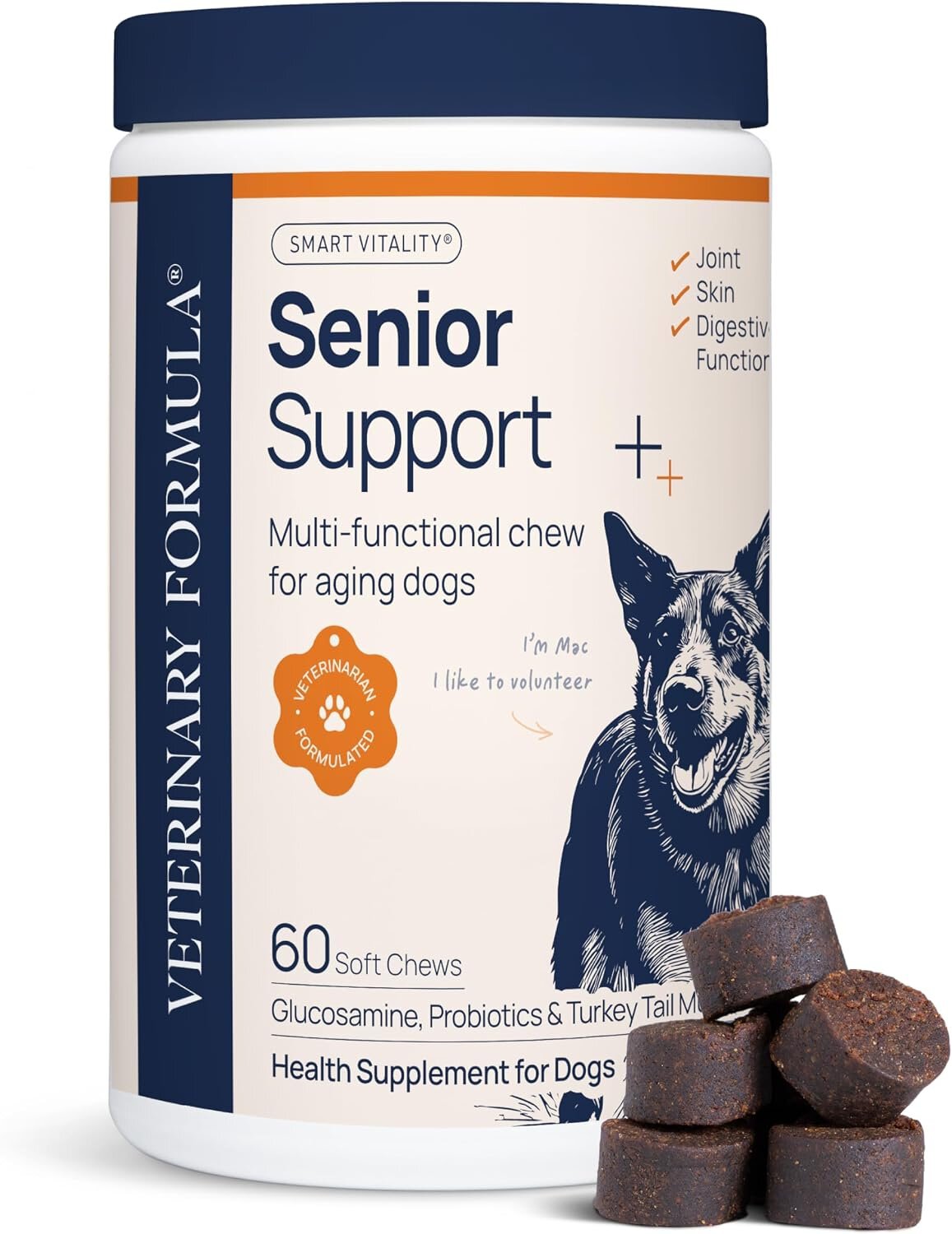
Veterinary Formula Smart Vitality Senior Support Soft Chews are a thoughtful addition to a senior dog’s daily routine, bringing several wellness-focused ingredients together in one easy-to-give chew. These chews are made for aging dogs and combine ingredients selected to support areas pet parents often think about as their dogs get older, including mobility, digestion, immune health, skin, and overall vitality. The pork-flavored soft chews include glucosamine and chondroitin for joint support, along with probiotics, turkey tail mushroom extract, flaxseed oil, wild Alaskan pollock oil, vitamin E, lutein, and biotin.
The easy soft-chew format makes this supplement feel less like a chore and more like a daily treat. This is a great option for pet parents who want a more all-in-one supplement for older dogs rather than keeping multiple jars and formulas on hand.
What You’ll Love
- Multi-functional soft chews created with senior dogs in mind
- Includes glucosamine and chondroitin to support joint health and flexibility
- Probiotics and turkey tail mushroom are included for digestive and immune support
- Pork-flavored soft chews are easy to add to a daily routine
- Helps simplify senior-dog wellness with several supportive ingredients in one formula
You might also be interested in…
Read more about the benefits of adding a pet to your family.
CONNECT WITH DAILY MOM
💖 Where every mom deserves a moment. 💖
FIND US ON OUR SOCIALS
LOVE IT? PIN IT!