


























Inflammation might be the hidden culprit behind many health issues that families face today. While some inflammation is necessary for healing, chronic inflammation can lead to serious health problems over time. The good news? What goes on your plate can make a tremendous difference. This comprehensive 7-day anti inflammatory meal plan highlights the most powerful foods that help reduce inflammation while providing delicious, family-friendly recipes everyone will enjoy.
Understanding Inflammation: What Is an Anti Inflammatory Diet?

When thinking about health and wellness, understanding inflammation is key. Our bodies naturally create an inflammatory response when fighting infections or healing injuries – that’s acute inflammation and it’s absolutely essential. The problem begins when inflammation doesn’t shut off, becoming chronic inflammation that silently damages tissues and organs over time.
An anti-inflammatory diet focuses on foods that naturally combat this persistent inflammation while avoiding inflammatory foods that can trigger or worsen it. Unlike fad diets, an anti-inflammatory eating pattern isn’t about restriction – it’s about embracing nutrient-dense whole foods that support overall health.
The best part? Following an anti-inflammatory meal plan doesn’t mean sacrificing flavor or spending hours in the kitchen. These simple recipes are designed for busy families who want to eat well without the fuss.
Key benefits of reducing inflammatory foods in your diet include:
- Decreased joint pain and stiffness
- Improved energy levels
- Better gut health and digestion
- Enhanced cognitive function
- Reduced risk of chronic disease
- Improved mood and mental clarity
- Support for healthy weight management
The Mediterranean diet serves as an excellent example of an anti-inflammatory eating pattern, emphasizing vegetables, fruits, whole grains, fatty fish, and olive oil while limiting processed foods and added sugar.
Top 10 Anti-Inflammatory Foods to Reduce Inflammation
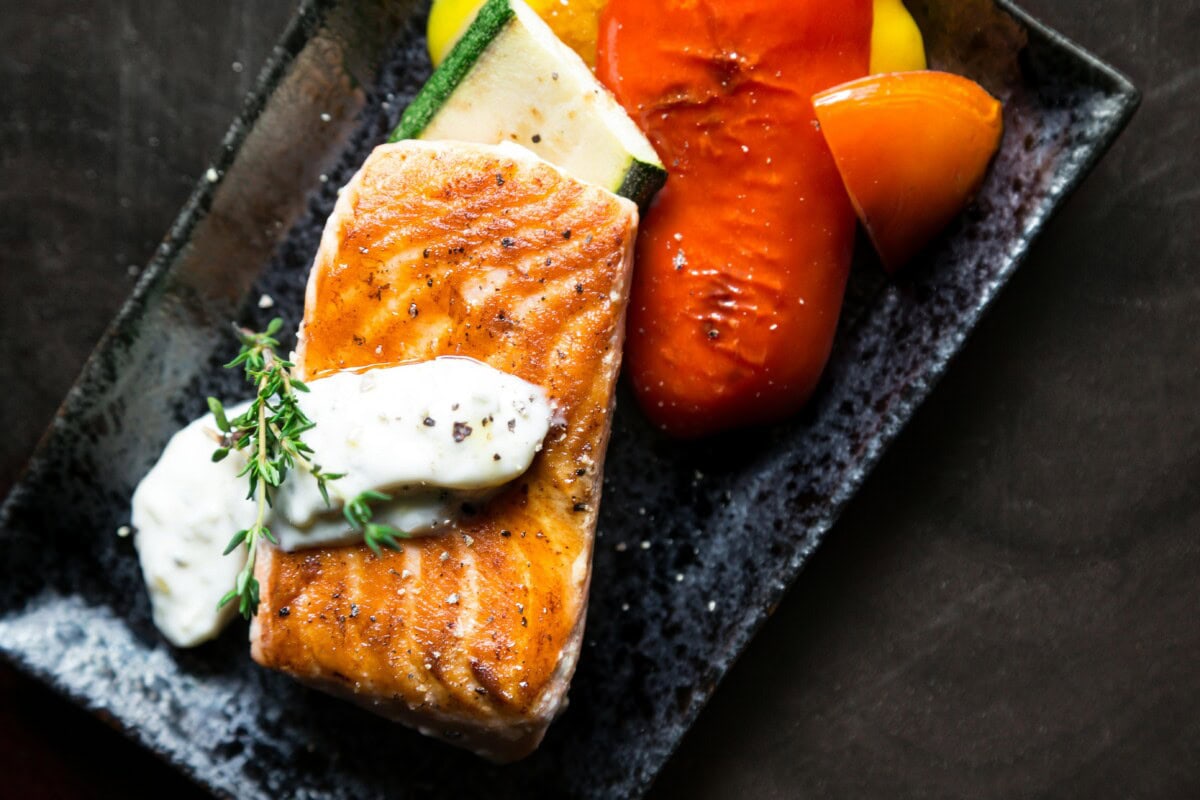
Looking to stock your pantry with inflammation-fighting superstars? These top 10 anti-inflammatory foods pack a powerful punch against chronic inflammation while delivering exceptional nutrition and flavor. Adding these foods to your weekly menu can help transform your family’s health from the inside out.
1. Fatty Fish Rich in Anti-Inflammatory Omega-3
Salmon, mackerel, and tuna contain omega-3 fatty acids that work like natural anti-inflammatory compounds in the body. Aim for at least two servings weekly to experience the full benefits. These fatty fish don’t just fight inflammation—they support brain health and cardiovascular function too.
2. Vibrant Leafy Greens
Kale, spinach, and collard greens are full of antioxidants and anti-inflammatory effects that make them nutritional powerhouses. Dark leafy greens contain vitamins and minerals that help neutralize free radicals and reduce inflammatory markers throughout the body.
3. Colorful Berries
Blueberries, strawberries, and blackberries aren’t just delicious—they’re rich in antioxidants called anthocyanins that help your body combat inflammation naturally. Even picky eaters tend to enjoy their natural sweetness, making them an easy addition to meals and snacks.
4. Nuts and Seeds
Walnuts, flaxseeds, and chia seeds provide plant-based omega-3 fatty acids along with fiber and protein. A small handful daily offers sustained energy and anti-inflammatory benefits without spiking blood sugar levels.
5. Extra Virgin Olive Oil
As a cornerstone of healthy fats, olive oil contains oleocanthal, which research shows has similar anti-inflammatory properties to ibuprofen—but without the side effects. Use it for low-heat cooking or drizzle it over finished dishes.
6. Golden Turmeric
This vibrant yellow spice contains curcumin, one of nature’s most potent anti-inflammatory compounds. Pair it with black pepper to enhance absorption, and incorporate it into everything from smoothies to curries.
7. Zesty Ginger
Fresh ginger root adds bold flavor while delivering impressive antioxidant and anti-inflammatory effects. It’s particularly helpful for digestive issues and can be brewed as tea or added to stir-fries and salad dressings.
8. Aromatic Garlic
Beyond vampire protection, garlic contains sulfur compounds that activate anti-inflammatory pathways in the body. Let crushed garlic rest for 10 minutes before cooking to maximize these beneficial compounds.
9. Rainbow Vegetables
Bell peppers, purple cabbage, and sweet potatoes offer different phytonutrients based on their colors—each working uniquely to fight inflammation. A diet high in colorful vegetables provides an array of anti-inflammatory benefits.
10. Soothing Green Tea
This ancient beverage contains EGCG, a catechin that’s been shown to inhibit inflammatory responses. Swapping one daily coffee for green tea can be a simple step toward improved wellness.
The power of these foods multiplies when they’re eaten together as part of an anti-inflammatory lifestyle. Unlike processed food with added sugar and unhealthy fats that contribute to inflammation, these whole foods work synergistically to create an environment where inflammation is naturally controlled.
How to Transition to an Anti-Inflammatory Diet and Lifestyle
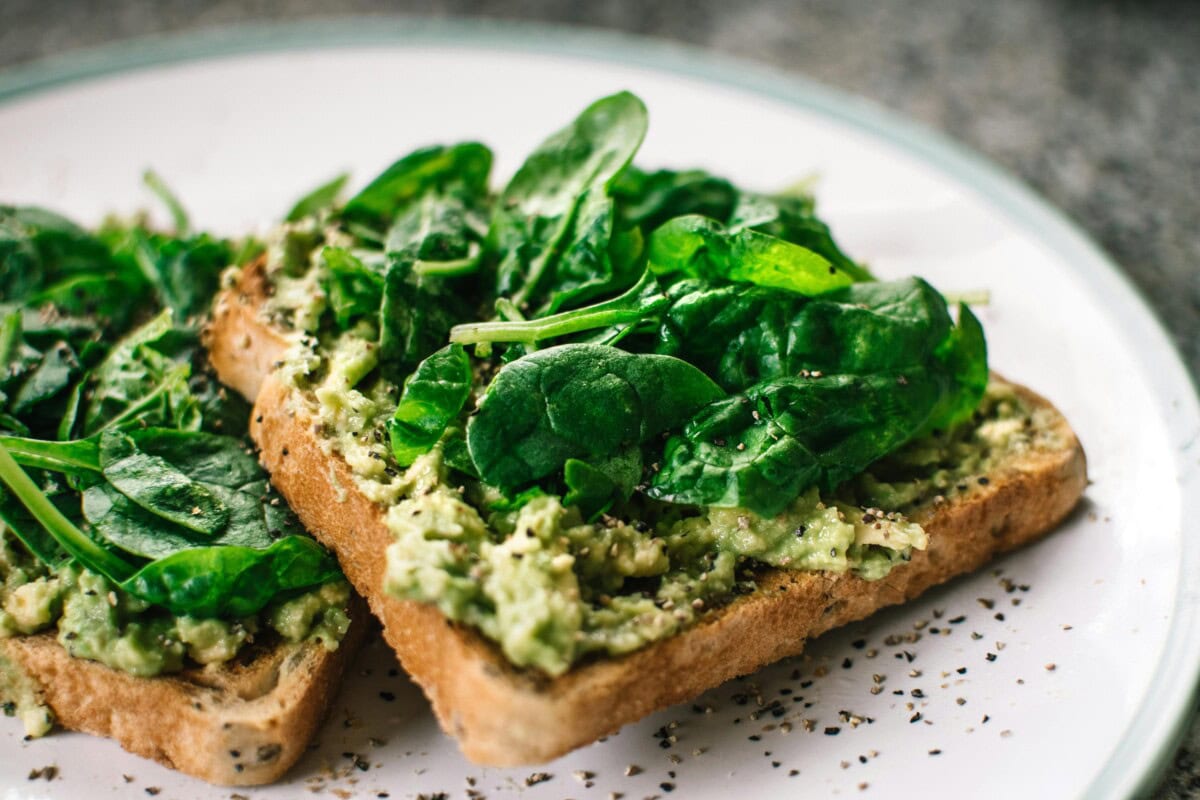
Jumping headfirst into a completely new way of eating rarely leads to lasting success. Instead, embracing an anti-inflammatory lifestyle works best when approached as a gradual journey rather than an overnight transformation. Small, consistent changes add up to significant health improvements over time.
Start with these manageable steps:
- Swap one processed snack daily for a piece of fresh fruit
- Add an extra serving of vegetables to dinner each night
- Replace conventional cooking oils with olive or avocado oil
- Incorporate fatty fish like salmon twice weekly
- Experiment with one new anti-inflammatory spice like turmeric or ginger weekly
Anti-Inflammatory Meal Plan Pantry Staples Worth Keeping On Hand:
Building a well-stocked pantry makes meal prep infinitely easier when hunger strikes. These versatile ingredients form the foundation of countless anti-inflammatory recipes:
- Canned wild salmon and tuna (look for low-mercury options)
- Dried or canned legumes (chickpeas, lentils, black beans)
- Whole grains (quinoa, brown rice, oats)
- Nuts and seeds (walnuts, almonds, flaxseeds, chia)
- Dried herbs and spices (turmeric, ginger, cinnamon, oregano)
- Fermented foods with probiotics (kimchi, sauerkraut)
- Plain yogurt (Greek or plant-based varieties)
- Frozen berries and vegetables (for when fresh isn’t available)
Smart Meal Prep Strategies:
Even with the best intentions, busy weeknights can derail healthy eating plans. Setting aside 1-2 hours on weekends for meal prep can be a game-changer for maintaining an anti-inflammatory eating pattern.
Try prepping components rather than entire meals: roast a sheet pan of vegetables, cook a batch of whole grains, and prepare a versatile dressing that works on salads, grain bowls, or as a marinade. This approach provides building blocks for quick assembly throughout the week while avoiding meal fatigue.
Bringing the Family Along:
Transitioning kids and partners to anti-inflammatory eating doesn’t have to feel like pulling teeth. Instead of focusing on what’s being eliminated, highlight the delicious additions coming to the table.
Get everyone involved in age-appropriate food preparation—even young children can help wash produce or tear lettuce. Older kids might enjoy researching the “superpowers” of different foods or creating a rating system for new recipes.When family members participate in the process, they develop ownership and pride in the healthy choices being made.
Remember that perfection isn’t the goal. The occasional treat or restaurant meal won’t undo all your good work. It’s the consistent daily choices that create the foundation for a sustainable anti-inflammatory lifestyle and lasting gut health improvements.
26 Anti Inflammatory Meal Plan Recipes That Will Transform Your Health

Ready to put knowledge into action? This carefully curated collection of 26 recipes takes the guesswork out of anti-inflammatory eating. Each dish maximizes nutritional benefits while delivering the flavors families crave. These aren’t just healthy recipes—they’re delicious meals that happen to fight inflammation.
Why 26 recipes? This collection provides enough variety to keep meals interesting throughout a month while being manageable enough to master. From quick breakfast options to impressive dinner spreads, these anti-inflammatory recipes fit seamlessly into real life.
Breakfast Champions (5 recipes):
- Turmeric-Ginger Smoothie Bowl with Berries and Seeds
- Mediterranean Vegetable Frittata with Fresh Herbs
- Overnight Cinnamon-Apple Oats with Walnuts and Flaxseed
- Wild Salmon and Avocado Toast on Whole Grain Bread
- Golden Milk Chia Pudding with Fresh Mango
Lunch Stars (6 recipes):
- Mason Jar Mediterranean Chickpea Salads
- Ginger-Turmeric Carrot Soup with Herb Drizzle
- Collard Green Wraps with Hummus and Rainbow Vegetables
- Wild Tuna Salad with White Beans and Herbs
- Lentil-Vegetable Power Bowls with Tahini Dressing
- Baked Sweet Potato with Black Bean Salsa and Avocado
Dinner Delights (8 recipes):
- One-Pan Herb-Roasted Salmon with Vegetables
- Slow Cooker Turmeric Chicken with Ginger and Garlic
- Mediterranean Lentil Soup with Leafy Greens
- Veggie-Packed Turkey Meatballs with Zucchini Noodles
- Wild Mushroom and Brown Rice Risotto with Peas
- Baked Fish Packets with Olive Tapenade and Tomatoes
- Bean and Vegetable Chili with Avocado Topping
- Grilled Vegetable and Quinoa Buddha Bowls
Simple Side Dishes (4 recipes):
- Massaged Kale Salad with Berries and Walnuts
- Roasted Rainbow Vegetables with Herbs
- Cauliflower Rice Pilaf with Turmeric and Ginger
- Baked Sweet Potato Wedges with Herbed Yogurt Dip
Better-For-You Treats (3 recipes):
- Dark Chocolate Dipped Strawberries with Crushed Pistachios
- Baked Apples with Cinnamon and Walnuts
- Greek Yogurt Parfaits with Berries and Hemp Seeds
Each recipe includes modifications for different dietary needs, making them versatile for families with mixed preferences. Most can be prepared in 30 minutes or less—perfect for busy weeknights when time is tight but nutrition matters more than ever.
Adapting to Your Family’s Needs:
Even the most dedicated healthy eater occasionally faces resistance from family members. These recipes include clever adaptations that maintain anti-inflammatory benefits while appealing to various palates:
- For spice-sensitive eaters: Offer turmeric and ginger in smaller amounts, gradually increasing as taste buds adjust
- For texture-conscious family members: Blend vegetables into sauces or soups
- For those craving crunch: Add toasted nuts or seeds as optional toppings
- For sweet tooth satisfaction: Incorporate naturally sweet fruits like berries instead of added sugar
With these 26 anti-inflammatory recipes in your arsenal, you’ll have the tools to transform your family’s health one delicious meal at a time.
What a Registered Dietitian Says About Anti-Inflammatory Eating
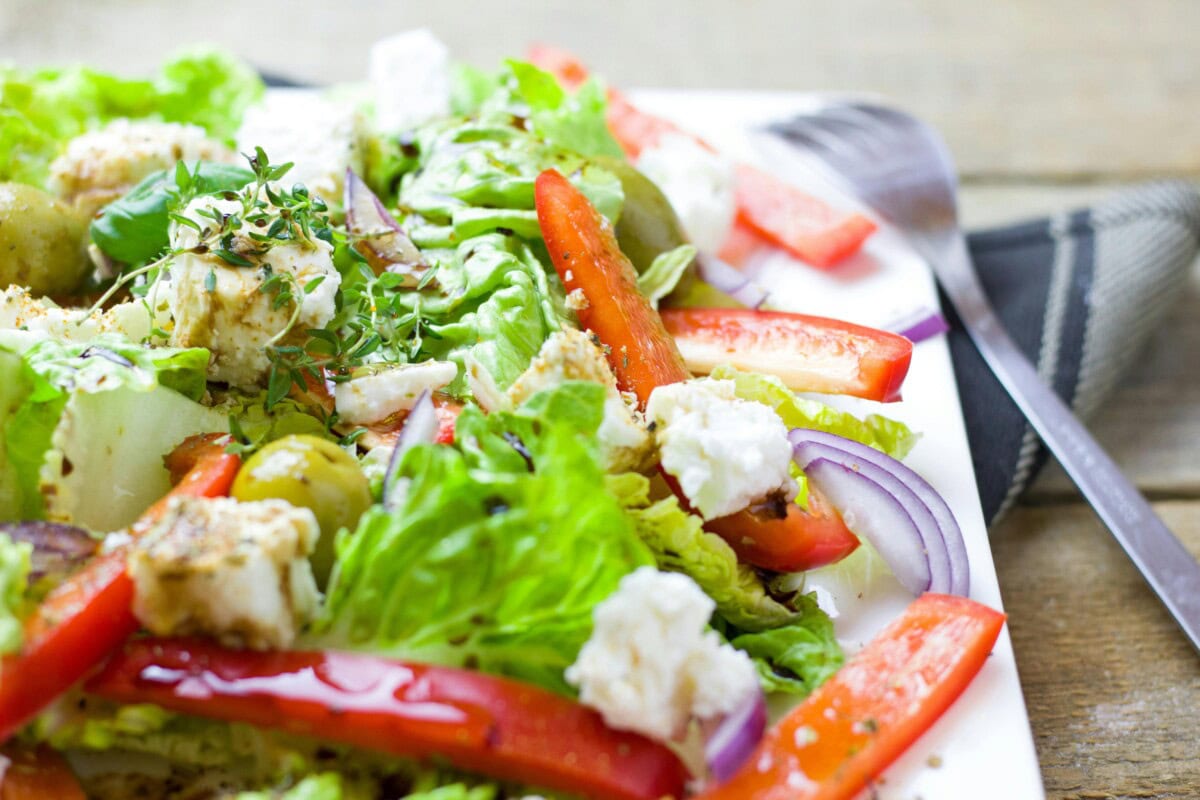
Curious what nutrition experts really think about anti-inflammatory diets? Registered dietitians are at the forefront of translating nutrition science into practical eating advice. Their evidence-based perspective helps separate legitimate health strategies from passing fads.
Expert Insights on Anti-Inflammatory Benefits:
According to nutrition professionals, an anti-inflammatory eating pattern offers scientifically-backed advantages beyond just reducing inflammation. These benefits extend to multiple body systems:
- Improved cardiovascular health: “The same foods that fight inflammation also support heart health by improving cholesterol profiles and reducing plaque formation,” explains nutrition experts.
- Enhanced cognitive function: Research suggests that long-term inflammatory eating patterns may contribute to cognitive decline, while anti-inflammatory foods support brain health.
- Balanced blood sugar: Many anti-inflammatory foods naturally help regulate blood glucose levels, making this approach beneficial for metabolic health.
- Strengthened immune function: A healthy gut microbiome, supported by anti-inflammatory foods rich in fiber and probiotics, plays a crucial role in immune response.
Common Misconceptions Clarified:
Even well-intentioned health enthusiasts sometimes misunderstand key aspects of anti-inflammatory eating. Dietitians frequently address these common confusions:
Myth #1: Anti-inflammatory eating means eliminating entire food groups. Reality: This approach emphasizes inclusion rather than restriction. The focus remains on adding nutrient-dense options rather than creating a list of forbidden foods.
Myth #2: You need expensive superfoods to fight inflammation. Reality: Many of the most potent anti-inflammatory foods are affordable everyday items—beans, frozen berries, canned fatty fish, and seasonal vegetables deliver impressive benefits without breaking the budget.
Myth #3: Results should be immediate. Reality: While some people notice improvements within days, meaningful changes in inflammatory markers typically develop over weeks or months of consistent anti-inflammatory eating.
Sustainable Approaches to Anti-Inflammatory Meal Planning:
Rather than pursuing perfection, dietitians recommend the “80/20 approach“—focusing on anti-inflammatory choices about 80% of the time while allowing flexibility for special occasions or favorite treats the other 20%.
This balanced perspective prevents the all-or-nothing thinking that often derails long-term dietary changes. It acknowledges that occasional deviation doesn’t negate the benefits of your overall eating pattern.
Most importantly, registered dietitians emphasize that anti-inflammatory eating should be enjoyable. When nutritious food is also delicious food, these patterns become sustainable lifestyle choices rather than temporary diets destined to be abandoned.
For personalized guidance on adapting anti-inflammatory principles to your specific health needs, consulting with a registered dietitian can provide tailored recommendations that complement your medical care, especially for those managing inflammatory conditions or chronic diseases.
The Complete 7-Day Anti-Inflammatory Meal Plan
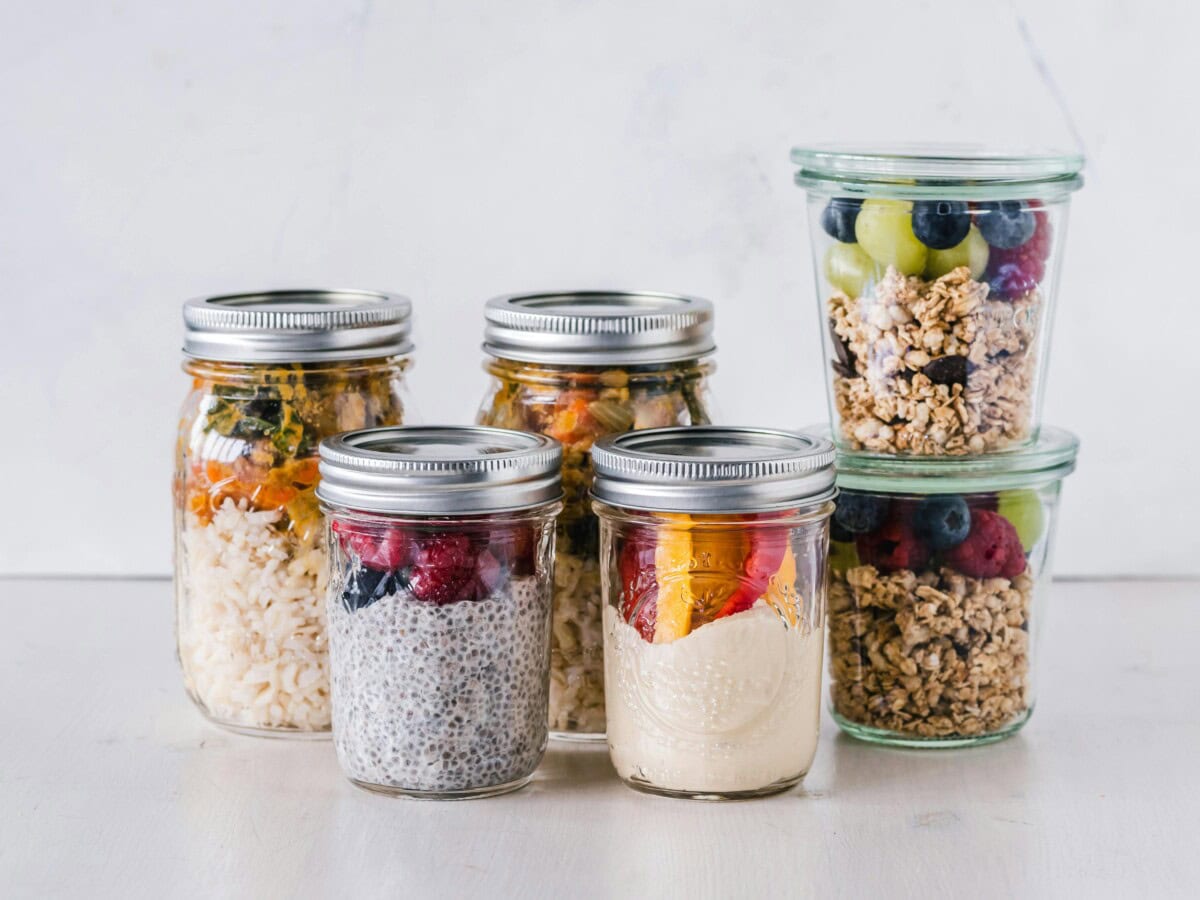
Ready to put these principles into practice? This comprehensive 7-day anti-inflammatory meal plan takes the guesswork out of healthy eating. Each day features breakfast, lunch, dinner, snacks, and even a nutritious dessert option—all designed to maximize anti-inflammatory benefits while keeping preparation manageable.
The Structure: Building Your Week for Success
This meal plan follows a strategic rhythm that builds on itself throughout the week:
- Days 1-3: Focus on introducing core anti inflammatory foods and establishing new eating patterns
- Days 4-5: Emphasize meal prep techniques that save time while maintaining nutritional quality
- Days 6-7: Showcase how variety and seasonal vegetables prevent healthy-eating fatigue
Making This Plan Work For You
The beauty of this sample 3-day anti-inflammatory diet meal plan (which extends to a full week) lies in its flexibility. Feel free to:
- Swap meals between days based on your schedule
- Repurpose leftovers to minimize waste and cooking time
- Double recipes that your family particularly enjoys
- Adjust portion sizes according to individual needs and activity levels
Smart Shopping Strategies
Success with anti-inflammatory eating starts in the grocery store. These practical tips make shopping more efficient:
- Shop the perimeter: Most whole, unprocessed foods line the outer edges of supermarkets
- Buy seasonal produce: It’s often more affordable and at peak nutritional value
- Consider frozen options: Frozen berries and vegetables retain nutrients and reduce waste
- Look for sales on fatty fish: Stock up when salmon or tuna are discounted and freeze portions
- Purchase herbs in bulk: Dry or freeze extra fresh herbs and spices to extend their life
Stay Hydrated
While focusing on food, don’t forget the importance of drinking water throughout the day. Proper hydration supports every aspect of health, including the body’s natural detoxification processes that help manage inflammation.
This carefully designed meal plan makes anti-inflammatory eating an achievable reality rather than an overwhelming concept. By following this structured approach, even busy families can transform their health one meal at a time—without spending hours in the kitchen or breaking the grocery budget.
Day 1: Kickstart Your Anti-Inflammatory Diet with These Easy Meals
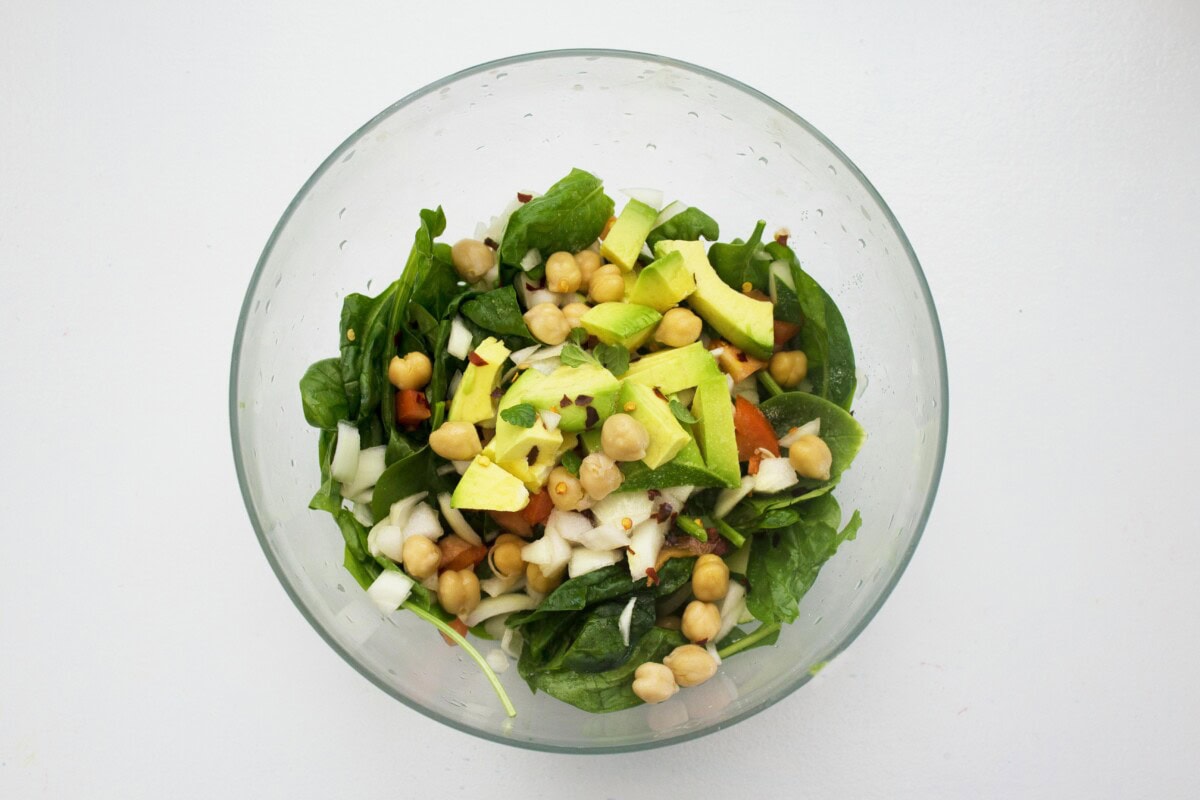
The journey of a thousand miles begins with a single step—or in this case, a single day of delicious anti-inflammatory eating! Day 1 of this meal plan introduces foundational foods that fight inflammation while keeping preparation straightforward. Even kitchen novices will find these recipes approachable.
Breakfast: Omega-3 Powerhouse Parfait
Start your anti-inflammatory journey with a breakfast rich in omega-3 fatty acids and antioxidants. This simple parfait layers:
- Greek yogurt (providing probiotics for a healthy gut)
- Ground flaxseeds (offering plant-based omega-3s)
- Fresh berries (delivering antioxidant and anti-inflammatory compounds)
- Drizzle of raw honey (much better than processed sugar)
- Sprinkle of cinnamon (a spice with impressive anti-inflammatory properties)
The healthy fats and protein provide sustained energy while the berries contribute natural sweetness without added sugar. Prepare this in five minutes flat or assemble ingredients the night before for an effortless morning.
Lunch: Mediterranean Power Bowl
Midday brings a vibrant bowl packed with anti-inflammatory ingredients inspired by the Mediterranean diet. This balanced meal features:
- Leafy greens base (providing vitamins and minerals)
- Chickpeas (offering plant protein and fiber)
- Cherry tomatoes and cucumber (contributing fresh vegetables)
- Olives (delivering healthy fats)
- Lemon-herb dressing with extra virgin olive oil
This power bowl demonstrates how anti-inflammatory eating embraces abundance rather than restriction. The combination of legumes, vegetables, and olive oil creates a satisfying lunch that won’t leave you reaching for unhealthy snacks an hour later.
Afternoon Snack: Turmeric-Ginger Energy Bites
When afternoon energy dips strike, these no-bake bites offer a perfect pick-me-up without inflammatory ingredients. Made with:
- Rolled oats (a whole grain base)
- Almond butter (providing healthy fats)
- Ground turmeric and ginger (potent anti-inflammatory spices)
- Touch of raw honey (natural sweetener)
- Dark chocolate chips (rich in antioxidants)
These portable snacks store beautifully for busy days when meals on-the-go become necessary. They satisfy sweet cravings while delivering anti-inflammatory benefits—a winning combination for sustainable healthy eating.
Dinner: One-Sheet Lemon Herb Salmon with Roasted Vegetables
Dinner showcases fatty fish, one of the most powerful anti-inflammatory foods available. This sheet pan meal minimizes cleanup while maximizing nutrition:
- Wild salmon fillets (packed with anti-inflammatory omega-3 fatty acids)
- Rainbow of vegetables (bell peppers, asparagus, onions)
- Herbs and spices (rosemary, thyme, garlic)
- Olive oil (adding more healthy fats)
- Lemon zest and juice (brightening flavors naturally)
This impressive yet easy dinner demonstrates how anti-inflammatory meals can be both nutritious and delicious. Even picky eaters often enjoy the natural flavors of properly prepared fish and roasted vegetables.
Dessert: Warm Berries with Cinnamon
End day one with a simple dessert that satisfies sweet cravings without inflammatory ingredients:
- Mixed berries (frozen work perfectly)
- Warming cinnamon (adding flavor and anti-inflammatory benefits)
- Optional dollop of Greek yogurt (for creaminess and probiotics)
This dessert exemplifies how anti-inflammatory eating patterns can include treats without compromising health goals. The natural sweetness of fruit provides satisfaction without the inflammatory effects of processed desserts full of refined sugar.
Day 1 sets the tone for your anti-inflammatory journey with approachable, satisfying meals that deliver serious nutrition without overwhelming preparation. By focusing on whole foods rich in anti-inflammatory compounds, these recipes demonstrate just how accessible this eating pattern can be and reducing inflammation through diet.
Day 2: Delicious Anti-Inflammatory Meal Prep Ideas for Busy Families
Let’s face it—between work deadlines, kids’ activities, and life’s endless to-do lists, finding time to prepare fresh meals can feel impossible. Day 2 focuses on practical meal prep strategies that make anti-inflammatory eating sustainable even during chaotic weeks. These recipes are designed to be prepared ahead of time without sacrificing flavor or nutritional value.
Breakfast: Make-Ahead Turmeric Overnight Oats
Mornings just got easier with this prep-friendly breakfast that practically makes itself while you sleep:
- Whole grain rolled oats (providing fiber that supports a healthy gut)
- Plant-based milk or yogurt (offering probiotics when using yogurt)
- Turmeric and ginger (delivering anti-inflammatory spices like these boosts benefits)
- Maple syrup (a natural sweetener preferable to refined sugar)
- Toppings bar of nuts, seeds, and berries (allowing family members to customize)
Prepare several jars on Sunday for grab-and-go breakfasts throughout the week. The vibrant golden color makes these visually appealing while the complex carbohydrates provide sustained energy to power through busy mornings.
Lunch: Mason Jar Mediterranean Salads
The humble mason jar transforms into a portable anti-inflammatory powerhouse with this clever layering technique:
- Bottom layer: Lemon-olive oil dressing (prevents soggy greens)
- Middle layers: Hearty vegetables, legumes, and cooked quinoa
- Top layer: Fresh greens and herbs (stay crisp until tossing)
These salads keep beautifully for 3-4 days in the refrigerator—simply invert onto a plate when hunger strikes for an instantly fresh lunch. The combination of plant proteins, healthy fats, and antioxidant-rich vegetables makes for a satisfying midday meal that supports an anti-inflammatory eating pattern.
Snacks: Grab-and-Go Anti-Inflammatory Options
Prepare a selection of these easy snacks during your weekend meal prep session:
- Cut vegetables with premade hummus portions
- Apple slices with individual almond butter containers
- Greek yogurt cups topped with berries and walnuts
- Roasted chickpeas seasoned with anti-inflammatory spices
Having these nutritious options readily available prevents reaching for processed foods when hunger hits between meals. Each snack combines anti-inflammatory ingredients in convenient packages that work for home, office, or school lunches.
Dinner: One-Pot Turmeric Chicken and Vegetable Soup
This hearty soup actually improves with time, making it perfect for meal prep:
- Bone broth base (supporting gut health and providing collagen)
- Pasture-raised chicken (offering lean protein)
- Abundance of vegetables (carrots, celery, leafy greens)
- Turmeric, garlic, and ginger (a trifecta of anti-inflammatory ingredients)
- White beans or lentils (adding plant-based protein and fiber)
Make a double batch and freeze individual portions for those evenings when cooking feels impossible. This warming soup delivers a complete meal in one bowl—especially when served with a side of whole grain bread for dipping.
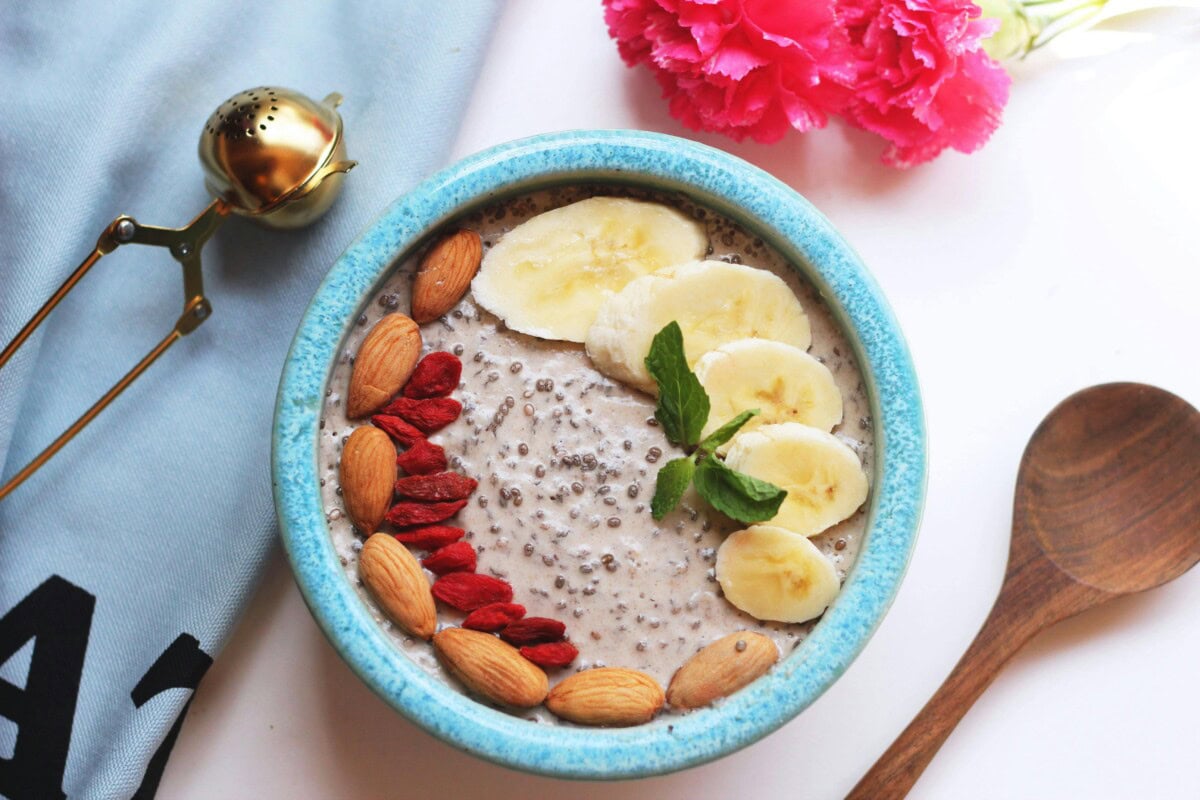
Dessert: 5-Minute Berry Chia Pudding
This make-ahead dessert doubles as a breakfast option:
- Chia seeds (packed with omega-3 fatty acids)
- Unsweetened plant milk or coconut milk
- Vanilla extract (adding flavor without sugar)
- Mixed berries (rich in antioxidants)
- Optional drizzle of raw honey (much gentler than refined sugar)
Prepare several small jars at once for a week’s worth of nutrient-dense sweet treats. Unlike conventional puddings made with inflammatory ingredients, this version supports your wellness goals while satisfying dessert cravings.
The beauty of these meal prep strategies lies in their efficiency—spending just 1-2 hours preparing key components saves countless hours during busy weekdays. For families transitioning to an anti-inflammatory lifestyle, these practical approaches make healthy eating attainable rather than aspirational.
Day 3: 3-Day Anti-Inflammatory Meal Plan Checkpoint
Congratulations on reaching the halfway point of your 3-day anti-inflammatory meal plan! By now, you might be noticing subtle changes—perhaps more stable energy levels, improved digestion, or fewer cravings. Day 3 builds on this momentum with nutrient-dense meals that continue to support your body’s natural inflammatory balance while introducing new flavors to keep things interesting.
Breakfast: Berry-Green Smoothie Bowl
This morning’s breakfast delivers a vibrant dose of antioxidants in a satisfying bowl:
- Base of leafy greens (spinach or kale provide anti-inflammatory compounds)
- Mixed berries (packed with polyphenols that fight oxidative stress)
- Avocado (contributing healthy fats for nutrient absorption)
- Plant-based protein powder (optional for sustained energy)
- Toppings: seeds, unsweetened coconut, and chopped nuts
Unlike typical smoothies that might spike blood sugar, this thicker bowl requires eating with a spoon, naturally slowing consumption and improving satiety. The beautiful presentation makes this healthy breakfast feel like a special treat rather than a nutritional obligation.
Lunch: Mediterranean Tuna Salad Wraps
This midday meal reimagines traditional tuna salad with inflammation-fighting ingredients:
- Wild-caught tuna (providing anti-inflammatory omega-3 fatty acids)
- Greek yogurt instead of mayonnaise (adding probiotics for gut health)
- Chopped vegetables (celery, red onion, bell pepper)
- Olives and herbs (delivering Mediterranean flavors and benefits)
- Whole grain or collard green wraps (offering fiber without refined carbs)
This protein-rich lunch keeps energy levels steady throughout the afternoon while the wrapped format makes it convenient for busy days. The combination of omega-3s from tuna and fermented dairy from yogurt creates a powerful anti-inflammatory duo.
Snacks: Energy-Boosting Bites
These afternoon pick-me-ups prevent the classic energy slump:
- Handful of walnuts and berries (brain-boosting omega-3s and antioxidants)
- Sliced apple with almond butter (fiber and healthy fats for sustained energy)
- Vegetable sticks with olive tapenade (crunchy satisfaction with healthy fats)
Strategically timed snacks like these maintain stable blood sugar levels, preventing the inflammation that can result from dramatic glucose fluctuations. Having several options allows for variety based on the day’s activities and hunger levels.
Dinner: Mediterranean-Inspired Vegetable Bake
Tonight’s dinner highlights the anti-inflammatory eating pattern exemplified by traditional Mediterranean cuisines:
- Eggplant, zucchini, and bell peppers (providing a rainbow of phytonutrients fruits and vegetables)
- Chickpeas or lentils (contributing plant-based protein and fiber)
- Tomato sauce infused with herbs and spices (delivering lycopene and anti-inflammatory compounds)
- Light sprinkle of feta cheese (offering protein and probiotics from fermentation)
- Side of quinoa or other whole grain (completing the meal with complex carbohydrates)
This one-pan meal proves that anti-inflammatory eating embraces bold flavors and satisfying textures rather than blandness. The complete protein from the legume-grain combination provides lasting fullness without relying on inflammatory proteins.
Dessert: Antioxidant-Rich Dark Chocolate Bark
End day three with a treat that actually supports your anti-inflammatory goals:
- Dark chocolate (70%+ cacao, rich in anti-inflammatory flavonoids)
- Chopped walnuts (providing additional omega-3 fatty acids)
- Dried cherries or berries (offering concentrated antioxidants)
- Sprinkle of sea salt (enhancing the chocolate’s natural sweetness)
This sophisticated dessert shows that an anti-inflammatory diet can include indulgences when they’re thoughtfully prepared with high-quality ingredients. The small portion size satisfies sweet cravings without triggering inflammatory responses from excessive sugar.
Reaching this checkpoint in your anti-inflammatory journey demonstrates your commitment to supporting your body’s optimal function. These meals showcase how this approach to eating works with your body’s natural processes rather than fighting against them, creating an environment where vibrant health can flourish.
Day 4: Midweek Anti-Inflammatory Recipe Favorites
By midweek, even the most dedicated healthy eaters can experience kitchen fatigue. Day 4 features tried-and-true anti-inflammatory favorites that combine convenience with exceptional nutrition. These recipes have earned their place as staples in many anti-inflammatory meal plans for good reason—they deliver reliable results with minimal fuss.
Breakfast: Protein-Packed Anti-Inflammatory Egg Muffins
These customizable breakfast bites solve the eternal morning time crunch:
- Pastured eggs (providing complete protein and healthy fats)
- Colorful vegetables (spinach, bell peppers, tomatoes)
- Anti-inflammatory herbs and spices (turmeric, basil, oregano)
- Optional additions of salmon or turkey (for extra protein)
- Sprinkle of nutritional yeast (offering cheesy flavor without dairy)
Make a dozen on Sunday for grab-and-go breakfasts throughout the week. Unlike inflammatory breakfast options like sugary cereals or processed pastries, these savory muffins stabilize blood sugar levels and provide lasting energy. Their portable nature makes them perfect for busy mornings or post-workout refueling.
Lunch: Hearty Anti-Inflammatory Lentil Soup
This warming midday meal works year-round and packs well for office or school lunches:
- Red lentils (a legume that cooks quickly while providing plant protein)
- Bone broth base (supporting gut health and reducing inflammatory markers)
- Rainbow of vegetables (carrots, celery, kale)
- Aromatic base of onions and garlic (delivering sulfur compounds with anti-inflammatory effects)
- Fresh ginger and turmeric (potent anti-inflammatory spices like these enhance benefits)
Batch-cooking this soup allows for multiple meals from one cooking session. The fiber-rich lentils promote a healthy gut microbiome—an essential component of managing chronic inflammation—while the complete protein keeps hunger at bay until dinner.
Snacks: Satisfying Anti-Inflammatory Options
These crowd-pleasing snacks prove healthy eating doesn’t mean deprivation:
- Guacamole with vegetable dippers (providing healthy fats and fiber)
- Greek yogurt with berries and a drizzle of honey (offering probiotics and antioxidants)
- Handful of mixed nuts (delivering protein and minerals)
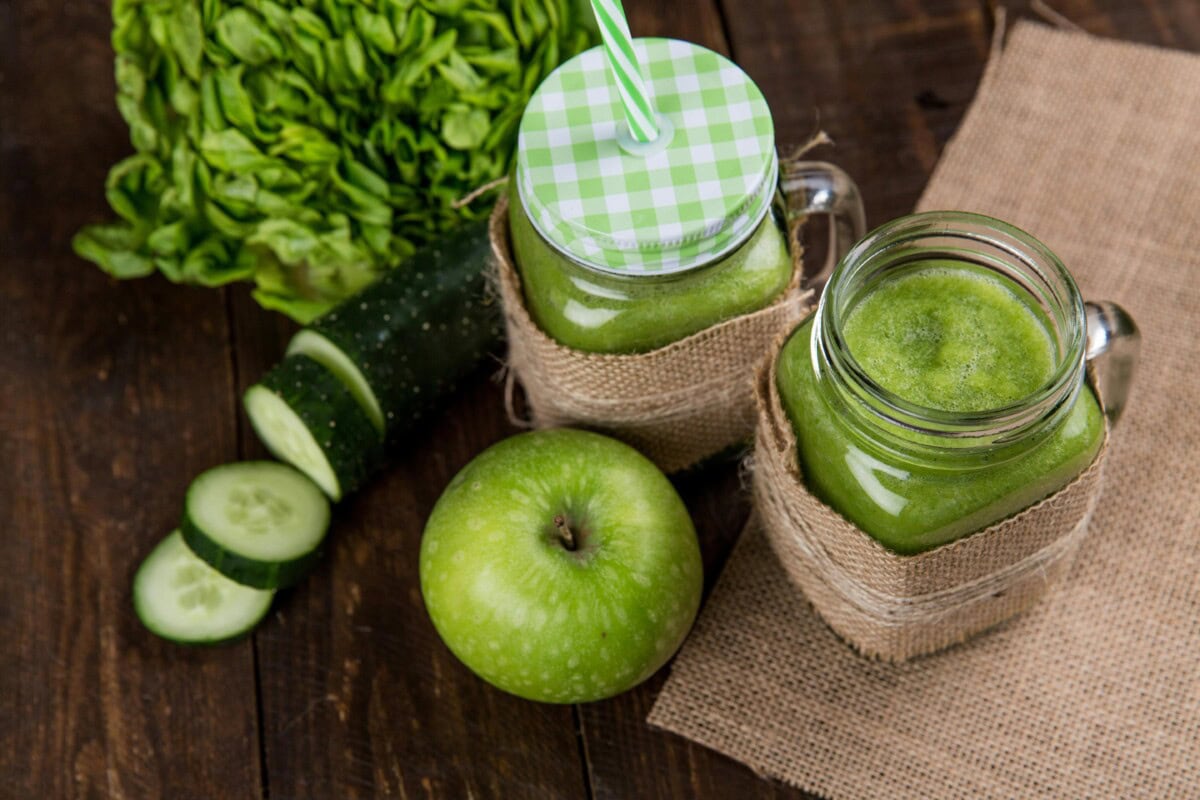
- Simple green smoothie (packing in vegetables effortlessly)
The key to successful anti-inflammatory eating is preparation. Having nutritious options readily available prevents reaching for processed foods when hunger strikes. These satisfying snacks bridge the gap between meals while actively supporting your wellness goals.
Dinner: Family-Pleasing Anti-Inflammatory Comfort Food
This better-for-you take on comfort food satisfies cravings without inflammatory ingredients:
- Turkey or grass-fed beef meatballs (leaner protein options)
- Sweet potato “noodles” (swapping refined pasta for vegetable alternatives)
- Tomato sauce infused with herbs (providing lycopene and polyphenols)
- Side salad with olive oil dressing (adding leafy greens and healthy fats)
- Sprinkle of fresh herbs (enhancing flavor without excess salt)
This reimagined classic demonstrates how familiar formats can be adapted to support an anti-inflammatory eating pattern. The complete meal delivers bold flavors while incorporating multiple anti-inflammatory foods in one satisfying plate.
Dessert: Guilt-Free Berry Crisp
End the day with a warm dessert that comforts without compromising health:
- Mixed berries (fresh or frozen, rich in antioxidants and anti-inflammatory compounds)
- Topping of oats, nuts, and cinnamon (providing whole grains and spices)
- Touch of maple syrup (natural sweetener preferable to refined sugar)
- Optional dollop of Greek yogurt (adding probiotics and protein)
Unlike traditional desserts loaded with inflammatory refined flour and sugar, this crisp delivers natural sweetness alongside beneficial nutrients. The warm, comforting nature makes it feel indulgent despite its healthful profile.
Day 4 showcases how anti-inflammatory eating can feel familiar and comforting rather than restrictive or bland. These crowd-pleasing recipes have stood the test of time in many kitchens because they skillfully balance nutrition with satisfaction—the true secret to sustainable healthy eating.
Day 5: Boost Your Wellness with These Fat-Fighting Anti-Inflammatory Foods

Day 5 focuses on the powerful connection between inflammation, fat metabolism, and overall wellness. While an anti-inflammatory lifestyle isn’t primarily about weight management, many people notice their body composition naturally improves as inflammatory foods are reduced. Today’s meals highlight ingredients that support metabolic health while delivering exceptional anti-inflammatory benefits.
Breakfast: Metabolism-Boosting Green Tea Smoothie
Start your day with a breakfast designed to energize your metabolism:
- Green tea base (providing catechins that support fat oxidation)
- Protein source (Greek yogurt or plant-based alternative)
- Healthy fats from avocado (supporting hormone production)
- Ginger and cinnamon (spices that enhance metabolic function)
- Touch of raw honey (gentler on blood sugar than refined sweeteners)
Unlike heavy breakfasts that can leave you feeling sluggish, this light yet satisfying option provides sustained energy without weighing you down. The combination of protein, healthy fats, and metabolism-supporting compounds creates the perfect morning foundation.
Lunch: Fat-Burning Mediterranean Bowl
This midday powerhouse combines several fat-fighting ingredients:
- Base of leafy greens (providing fiber with minimal calories)
- Lean protein from wild-caught fish or beans (supporting muscle maintenance)
- Olive oil dressing (containing oleic acid that helps reduce abdominal fat)
- Artichokes and onions (offering prebiotic fiber for gut health)
- Tomatoes and bell peppers (providing antioxidants and water content for fullness)
What makes this lunch exceptional is the strategic combination of nutrients that work synergistically to support metabolic health. The fiber and protein promote satiety while the healthy fats facilitate absorption of fat-soluble vitamins and phytonutrients.
Snacks: Healthy Fat Anti-Inflammatory Choices
These satisfying snacks prove that quality fats are allies, not enemies:
- Small handful of walnuts or almonds (providing omega-3s and protein)
- Celery sticks with almond butter (offering crunch with healthy fats)
- Half avocado with lemon and sea salt (delivering monounsaturated fats)
- Olives and cucumber slices (combining healthy fats with hydrating vegetables)
The right fats actually support weight management by triggering satiety hormones and providing slow-burning energy. These snacks showcase how anti-inflammatory eating embraces nutrient-dense fats while avoiding inflammatory processed options.
Dinner: Lean Protein Anti-Inflammatory Bowl
This evening meal balances protein and plants perfectly:
- Lean protein source (wild salmon, organic poultry, or tempeh)
- Cauliflower rice (reducing carb load while increasing vegetable intake)
- Rainbow of roasted vegetables (delivering diverse phytonutrients)
- Turmeric-tahini sauce (providing anti-inflammatory compounds and healthy fats)
- Fresh herbs (enhancing flavor without added sodium)
This satisfying dinner demonstrates how anti-inflammatory eating naturally supports weight management without explicit calorie counting. The nutrient density keeps you full longer while the balanced macronutrient profile supports overnight recovery and repair.
Dessert: Waistline-Friendly Anti-Inflammatory Treat
End day five with a dessert that satisfies sweet cravings without inflammatory ingredients:
- Coconut yogurt parfait (offering healthy fats and probiotics)
- Mixed berries (providing antioxidants and natural sweetness)
- Cinnamon and vanilla (enhancing sweetness perception naturally)
- Chopped pistachios (adding crunch and additional healthy fats)
Unlike conventional desserts that combine inflammatory refined sugar and flour, this option supports your wellness goals while still feeling indulgent. The combination of healthy fats and fiber slows sugar absorption while the probiotics support gut health—a key factor in both inflammation management and weight regulation.
Day 5 highlights how an anti-inflammatory eating pattern naturally aligns with body composition goals. Rather than pursuing restrictive diets high in inflammatory stress, this approach nourishes your body with foods that support its natural inflammatory balance and metabolic function. The result? Sustainable wellness that comes from working with your body rather than against it.
Day 6: Look What Anti-Inflammatory Eating Can Do For Your Health

By the sixth day of this anti-inflammatory journey, you might begin noticing subtle changes in how you feel. Perhaps your energy levels are more stable, your digestion has improved, or your skin looks clearer. Day 6 highlights the far-reaching benefits of anti-inflammatory eating beyond just reducing inflammation—showing how this approach positively impacts multiple aspects of health and appearance.
Breakfast: Skin-Glowing Anti-Inflammatory Smoothie Bowl
Start your day with nutrients specifically selected to support skin health:
- Base of coconut water (providing deep hydration)
- Berries rich in antioxidants (protecting skin cells from oxidative damage)
- Avocado (delivering vitamin E and healthy fats essential for skin repair)
- Collagen powder or plant protein (supporting skin elasticity)
- Flaxseeds (offering omega-3 fatty acids that reduce skin inflammation)
Beautiful skin starts from within, and this breakfast delivers key nutrients that combat inflammatory skin conditions. The combination of antioxidants, essential fatty acids, and protein provides the building blocks for radiant skin while hydrating cells from the inside out.
Lunch: Energy-Boosting Ancient Grain Bowl
This midday meal prevents the dreaded afternoon energy crash:
- Quinoa or other whole grain base (providing complex carbohydrates for sustained energy)
- Roasted root vegetables (offering slow-burning fuel)
- Legumes like chickpeas or lentils (delivering fiber and plant protein)
- Dark leafy greens (containing magnesium and B vitamins for energy metabolism)
- Olive oil-lemon dressing (enhancing nutrient absorption)
Unlike inflammatory lunch options that lead to energy crashes, this balanced bowl maintains steady glucose levels through the afternoon. The combination of complex carbohydrates, protein, and healthy fats provides lasting fuel without triggering inflammatory responses that can leave you feeling depleted.
Snacks: Mood-Enhancing Anti-Inflammatory Choices
These strategic snacks support cognitive function and emotional balance:
- Dark chocolate (70%+ cacao) with walnuts (providing flavanols and omega-3s that support brain function)
- Green tea with fresh mint (offering L-theanine for calm focus)
- Pumpkin seeds (delivering zinc and magnesium for neurotransmitter production)
- Berries with Greek yogurt (combining antioxidants with gut-supporting probiotics)
The gut-brain connection plays a crucial role in mood regulation, and these snacks support both gut health and cognitive function. By providing the nutrients needed for neurotransmitter production while reducing inflammatory compounds that can affect brain function, these snacks demonstrate how anti-inflammatory eating supports emotional wellness.
Dinner: Heart-Healthy Mediterranean Platter
This evening spread showcases the cardiovascular benefits of anti-inflammatory eating:
- Small portion of wild-caught fish (providing omega-3 fatty acids)
- Variety of colorful vegetables (delivering nitrates that support vascular function)
- Hummus or bean dip (offering plant protein and fiber that reduces cholesterol)
- Olives and olive oil (contributing monounsaturated fats that support heart health)
- Fresh herbs and spices (adding flavor without excess sodium)
This dinner highlights how anti-inflammatory eating naturally aligns with heart health recommendations. The Mediterranean approach featured in this meal has been extensively studied for its cardiovascular benefits, demonstrating how traditional eating patterns often intuitively incorporated anti-inflammatory principles long before science confirmed their importance.
Dessert: Age-Defying Anti-Inflammatory Sweet
Complete day six with a dessert designed to support cellular renewal:
- Poached pears with cinnamon (providing fiber and natural sweetness)
- Drizzle of dark chocolate sauce (delivering antioxidants)
- Sprinkle of pomegranate seeds (offering polyphenols that support cellular health)
- Optional dollop of coconut whipped cream (adding healthy fats without dairy)
This sophisticated dessert showcases how anti-inflammatory treats can actually contribute to your health goals rather than undermining them. The combination of fruit-based fiber, antioxidant-rich chocolate, and healthy fats creates a dessert that satisfies cravings while supporting your body’s natural anti-inflammatory processes.
Day 6 reveals how the benefits of anti-inflammatory eating extend far beyond reducing inflammatory markers. By providing your body with the nutrients it needs while avoiding compounds that trigger inflammation, this approach supports overall vitality from the cellular level up. From glowing skin to stable energy and improved mood, these wide-ranging benefits make anti-inflammatory eating a comprehensive approach to wellness rather than simply a dietary strategy.
Day 7: Complete Your Week with These Anti-Inflammatory Vegetable Powerhouses
Congratulations on reaching the final day of your anti-inflammatory meal plan! Day 7 celebrates the incredible diversity of vegetables—nature’s anti-inflammatory superstars. While many diet trends come and go, the advice to “eat more vegetables” remains consistently validated by research. Today’s meals showcase creative ways to incorporate these nutritional powerhouses into every eating occasion.
Breakfast: Vegetable-Packed Savory Breakfast Bowl
Start your day with a savory twist that incorporates vegetables from the morning:
- Sweet potato base (providing complex carbohydrates and beta-carotene)
- Sautéed kale or spinach (delivering calcium and vitamin K)
- Avocado slices (contributing healthy fats for nutrient absorption)
- Poached egg or plant-based alternative (offering protein)
- Herbs and spices like turmeric and black pepper (enhancing anti-inflammatory effects)
Unlike sugar-laden breakfast options that trigger inflammatory responses, this savory start provides stable energy while delivering significant vegetable servings before noon. The varied textures and flavors create a satisfying experience that might convert even dedicated sweet breakfast eaters.
Lunch: Rainbow Anti-Inflammatory Salad
This midday masterpiece proves that salads can be exciting and substantial:
- Base of mixed greens (providing diverse phytonutrients)
- At least five different colored vegetables (delivering a spectrum of benefits)
- Protein source like beans or wild-caught tuna (offering staying power)
- Seeds or nuts for crunch (contributing healthy fats and minerals)
- Herb-infused vinaigrette (enhancing flavor without inflammatory additives)
The visual appeal of this rainbow creation makes it as Instagram-worthy as it is nutritious. Each color represents different anti-inflammatory compounds—from the anthocyanins in purple cabbage to the lycopene in red tomatoes—creating a comprehensive approach to inflammation management through food.
Snacks: Crunchy Vegetable Anti-Inflammatory Options
These satisfying snacks prove vegetables can address textural cravings:
- Baked kale or zucchini chips (providing crunch without inflammatory oils)
- Bell pepper strips with guacamole (combining water-rich vegetables with healthy fats)
- Roasted chickpeas with herbs (offering protein-based crunch)
- Jicama sticks with lime and chili (delivering refreshing crispness)
For many people, the desire for crunch drives unhealthy snacking choices. These alternatives satisfy that textural craving while delivering anti-inflammatory benefits rather than promoting inflammation like conventional chips and crackers.
Dinner: Vegetable-Forward Anti-Inflammatory Feast
This evening celebration elevates vegetables from side dish to main attraction:
- Roasted cauliflower “steaks” with herbs (providing substantial texture)
- Colorful vegetable medley (delivering diverse phytonutrients)
- Quinoa pilaf with nuts and dried fruit (offering complete protein)
- Tahini-herb sauce (contributing healthy fats and calcium)
- Fresh herbs as garnish (enhancing flavor and nutritional value)
This feast demonstrates how vegetables can create a satisfying center-of-plate experience without feeling like a sacrifice. The substantial textures and flavor development through proper cooking techniques create a meal that feels special and complete.
Dessert: Vegetable-Based Anti-Inflammatory Sweet Treat
End your week with a dessert that cleverly incorporates vegetables:
- Dark chocolate avocado mousse (using avocado for creamy texture)
- Sweet potato brownies (leveraging natural sweetness from vegetables)
- Zucchini-chocolate chip cookies (adding moisture and nutrition)
- Carrot-cake energy balls (combining vegetables with warm spices)
These innovative desserts demonstrate how even sweet treats can include vegetables without compromising taste. By replacing inflammatory ingredients with nutrient-dense alternatives, these desserts support your health goals while satisfying sweet cravings.
The vegetable-focused approach of Day 7 reinforces perhaps the most important principle of anti-inflammatory eating: abundance rather than restriction. By celebrating the incredible diversity of plant foods, this day encourages exploration and enjoyment while delivering powerful anti-inflammatory compounds full of anti-inflammatory properties. The colorful, varied approach also ensures you’re receiving a wide spectrum of phytonutrients—many of which work synergistically to combat inflammation more effectively than any single compound could alone.
Maintaining an Anti-Inflammatory Eating Pattern Beyond the Meal Plan

Congratulations on completing the 7-day anti-inflammatory meal plan! Now comes the real challenge—and opportunity—to incorporate these principles into your everyday life for lasting benefits. Sustainable healthy eating isn’t about perfection but rather consistent choices that support your wellness goals over time.
Tips for Sustainable Anti-Inflammatory Eating
Creating lasting habits requires strategies that work with your unique lifestyle:
- The 80/20 approach: Aim for anti-inflammatory choices about 80% of the time, allowing flexibility for special occasions or favorite treats the remaining 20%
- Batch cooking rotation: Establish a weekly routine of preparing 2-3 anti-inflammatory staples (like roasted vegetables, a grain, and a protein) that can be mixed and matched throughout the week
- Strategic freezer use: Double recipes and freeze portions for busy days when cooking from scratch isn’t feasible
- Anti-inflammatory template: Rather than rigid meal plans, follow a template of protein + healthy fat + fiber-rich carbohydrate + colorful vegetables at each meal
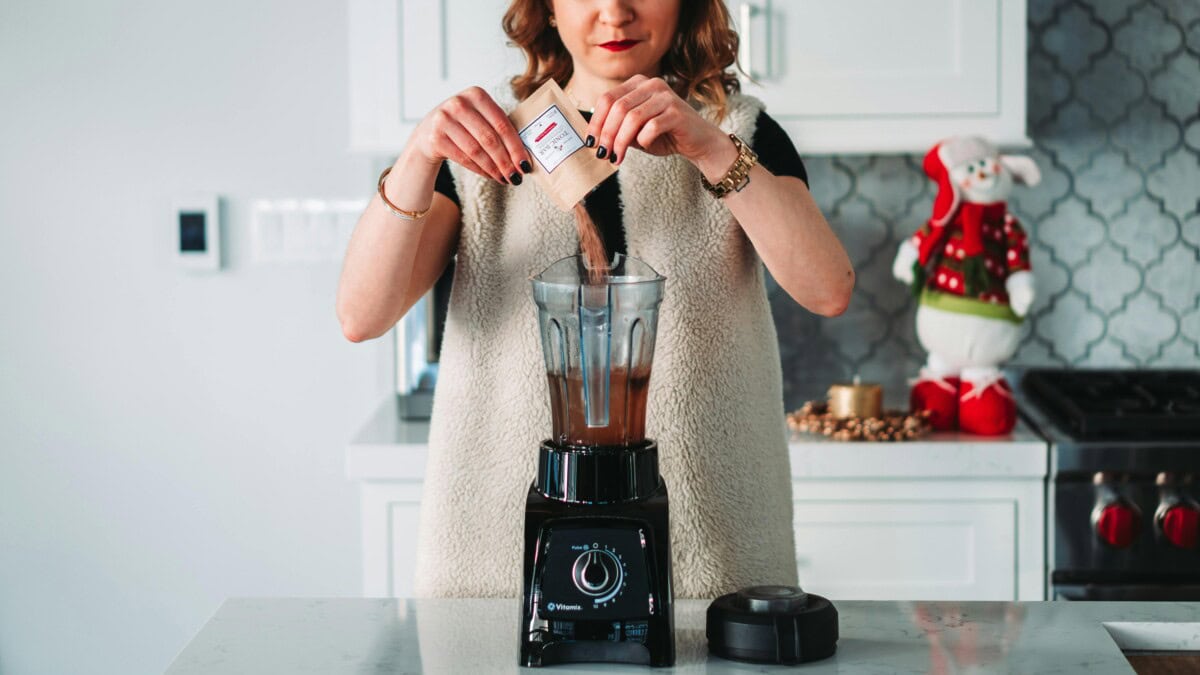
- Kitchen tool investments: Consider time-saving tools like slow cookers, pressure cookers, or high-quality blenders that make healthy food preparation more efficient
Remember that small, consistent changes create more lasting results than dramatic overhauls that prove unsustainable. Each anti-inflammatory choice adds up over time, gradually shifting your body’s inflammatory balance.
Navigating Dining Out While Following an Anti-Inflammatory Diet
Social eating remains one of the biggest challenges when adopting any new eating pattern:
- Research menus ahead: Many restaurants post menus online, allowing you to identify anti-inflammatory options before arriving
- Don’t arrive starving: Have a small anti-inflammatory snack before dining out to prevent impulsive choices driven by extreme hunger
- Build around vegetables: Order vegetable-forward dishes as your main or multiple vegetable sides to create a meal
- Request modifications: Ask for dressings and sauces on the side, and don’t hesitate to request simple preparation methods like grilling or steaming
- Focus on what you can enjoy: Rather than dwelling on inflammatory foods to avoid, celebrate the delicious anti-inflammatory options available
Even traditional restaurant cuisines offer anti-inflammatory options. Mediterranean restaurants typically feature olive oil, fish, and vegetables, while Japanese establishments often offer omega-3-rich seafood and fermented foods with probiotics.
Adapting Seasonal Changes to Your Anti-Inflammatory Meal Planning
Nature provides different anti-inflammatory foods throughout the year, and aligning your eating with the seasons offers both nutritional and economic benefits:
- Spring: Embrace tender leafy greens, asparagus, artichokes, and fresh herbs
- Summer: Enjoy abundant berries, tomatoes, peppers, and summer squash
- Fall: Focus on root vegetables, winter squash, apples, and pears
- Winter: Incorporate citrus fruits, cruciferous vegetables, and hearty greens like kale
Seasonal eating naturally increases variety in your diet while providing the specific nutrients your body needs during different times of the year. Additionally, seasonal produce typically costs less while offering peak flavor and nutrition.
By approaching anti-inflammatory eating as a flexible framework rather than a rigid set of rules, you can create a sustainable approach that supports long-term health while remaining adaptable to life’s inevitable changes and challenges.
Conclusion: Your Anti-Inflammatory Journey

Over the past week, you’ve explored the powerful world of anti-inflammatory eating—discovering not just what to eat, but how these foods work synergistically to support your body’s natural balance. This approach represents a fundamental shift from viewing food simply as calories to understanding it as information that either promotes or reduces inflammation.
Key Anti-Inflammatory Foods and Principles to Remember:
The most potent anti-inflammatory diet combines these foundational elements:
- Abundance of colorful plant foods: Aim for at least 5-7 servings of vegetables and fruits daily, emphasizing variety of colors
- Omega-3 rich foods: Include fatty fish like salmon or tuna twice weekly, along with plant sources like walnuts and flaxseeds
- Healthy fats: Use extra virgin olive oil as your primary cooking and dressing oil
- Fiber-rich foods: Incorporate whole grains, legumes, and abundant vegetables to support gut health
- Strategic spices: Make turmeric, ginger, cinnamon, and garlic kitchen staples
- Limited processed foods: Minimize refined flours, added sugars, and industrial seed oils
- Water throughout the day: Stay hydrated to support your body’s natural detoxification processes
Customizing the Plan to Individual Needs:
While the principles of anti-inflammatory eating remain consistent, the specific implementation should be tailored to your unique circumstances:
- Family preferences: Modify recipes to include familiar flavors and ingredients while maintaining anti-inflammatory benefits
- Medical conditions: Those with inflammatory conditions may need to further customize their approach, ideally with guidance from a registered dietitian
- Cultural considerations: Incorporate traditional foods and preparation methods that align with anti-inflammatory principles
- Budget constraints: Focus on affordable anti-inflammatory staples like legumes, seasonal produce, and frozen berries
- Time limitations: Develop a personalized meal prep strategy that fits your schedule
Final Thoughts: A Lifestyle, Not a Diet
The anti-inflammatory approach represents more than just a 7-day meal plan—it offers a sustainable framework for lifelong eating that supports your body’s natural processes rather than working against them. By reducing inflammatory triggers while providing abundant anti-inflammatory compounds, this pattern creates an internal environment where wellness can flourish.
Remember that perfection isn’t the goal. The occasional deviation doesn’t negate your overall anti-inflammatory eating pattern. What matters most is consistency over time, allowing these foods to gradually shift your inflammatory balance toward optimal function.
As you continue beyond this 7-day introduction, consider how these anti-inflammatory principles might be further adapted to your unique preferences and lifestyle. Perhaps you’ll develop your own signature anti-inflammatory recipes or discover creative ways to incorporate these foods into your family’s traditions.
The journey toward reduced inflammation and enhanced wellness continues well beyond these pages. By applying these principles consistently while remaining flexible and compassionate with yourself, you’re establishing the foundation for lasting health—one delicious, anti-inflammatory meal at a time.
FAQs
What are inflammatory foods that I should avoid in a 7-day anti-inflammatory meal plan?
Inflammatory foods to avoid include processed sugars, refined carbohydrates, fried foods, and trans fats. Instead, focus on a healthy diet that includes whole grains, fruits, and vegetables.
How can I incorporate healthy eating into my 7-day anti-inflammatory meal plan?
Healthy eating can be incorporated by choosing whole, unprocessed foods that are full of anti-inflammatory compounds. Focus on including a variety of fruits, vegetables, lean proteins, and healthy fats in your meals.
What is an anti-inflammatory lifestyle, and how can I achieve it?
An anti-inflammatory lifestyle includes a diet rich in anti-inflammatory and antioxidant foods, regular physical activity, stress management, and adequate sleep. Following a 7-day anti-inflammatory meal plan can kickstart this lifestyle.
Can you provide examples of foods to eat on an anti-inflammatory diet?
Foods to eat on an anti-inflammatory diet include leafy greens, berries, fatty fish, nuts, and olive oil. These foods can help reduce inflammation and promote overall health.
How do the 26 recipes in the 7-day anti-inflammatory meal plan support a healthy diet?
The 26 recipes are designed to be low in inflammatory ingredients while being rich in nutrients. They include a variety of flavors and ingredients that are full of anti-inflammatory compounds.
Is eating an anti-inflammatory diet effective for long-term health?
Yes, eating an anti-inflammatory diet can be effective for long-term health by reducing the risk of chronic diseases, improving overall wellness, and supporting a healthy weight.
What are some quick and easy recipes included in the 7-day anti-inflammatory meal plan?
The meal plan includes quick recipes such as quinoa salads, roasted vegetables, and smoothies that are not only delicious but also packed with anti-inflammatory ingredients.
How can I make sure my meals are full of anti-inflammatory compounds?
To ensure your meals are full of anti-inflammatory compounds, focus on incorporating a variety of colorful fruits and vegetables, whole grains, healthy fats, and spices like turmeric and ginger into your recipes.
Are there any snacks that fit into a healthy anti-inflammatory lifestyle?
Yes, snacks such as nuts, seeds, fresh fruit, and veggie sticks with hummus are excellent choices that fit into a healthy anti-inflammatory lifestyle.
You might also be interested in…
Want some more ideas on nutrient dense foods to power your kids? Check out this list!
CONNECT WITH DAILY MOM
💖 NEWSLETTER: DAILY READS IN YOUR INBOX 💖
Sign up to receive our picks for the best things to do, see and buy so you can relax and focus on more important tasks! Let us help you be the best version of yourself you can be!
BE SOCIAL WITH US
📌 LOVE IT? PIN IT!📌