


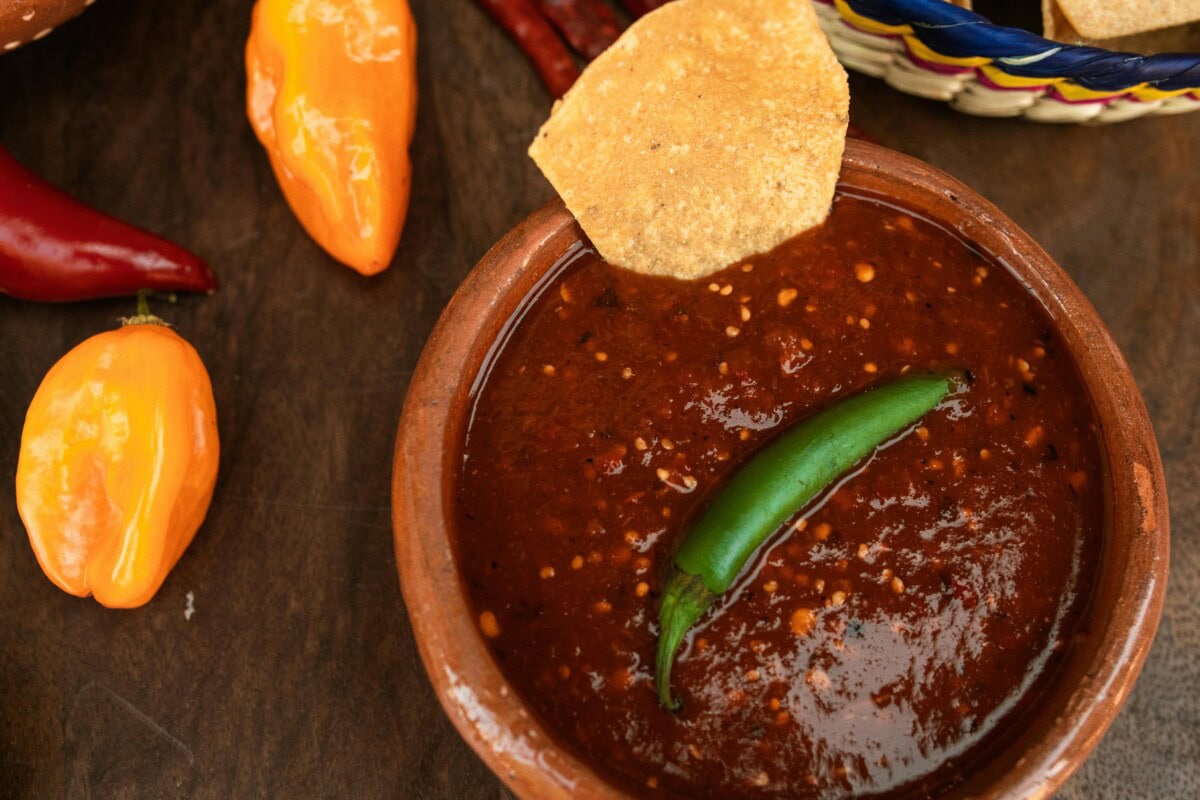
Want to stop breaking into a sweat at the mere mention of hot sauce? Let’s explore the fascinating journey of building tolerance to spicy foods, from understanding why some people handle heat better than others to discovering practical steps to enjoy hot foods and enjoy eating the everlasting trend of spicier dishes. This guide breaks down everything needed to transform from a spice novice into someone who can confidently order that ghost pepper curry.
Why Some People Run from Heat While Others Crave It
Everyone knows that person who grew up eating the hottest peppers without breaking a sweat, while others start tearing up at the sight of sriracha. This vast difference in spice tolerance happens for several fascinating reasons:
- Genetic Factors
- Some people are born with fewer heat-sensitive receptors, making them naturally more tolerant to spicy food
- Pain receptors around the mouth vary significantly from person to person
- Cultural exposure during childhood can actually influence taste bud development
- Environmental Impact
- Those who grew up eating Thai, Indian, or other traditionally spicy cuisines often handle heat better
- Early exposure to capsaicin, the compound that makes food spicy, helps develop tolerance
- Regular consumption of spicy foods can gradually increase overall tolerance levels
- Common Misconceptions
- Having a “high tolerance” isn’t about being tough – it’s about training your body
- The burning sensation in your mouth isn’t actually causing damage
- Drinking water to let your mouth to cool down spicy food actually makes it worse (more on that later!)
Benefits of Building Spice Tolerance:
Beyond just bragging rights at the local indian restaurant, build your experience with hot foods by developing a higher spice tolerance. This opens up a world of culinary possibilities:
- Access to authentic global cuisines that traditionally use more heat
- Enhanced appreciation for complex flavor profiles beyond just the burn
- Potential healthy benefits from capsaicin you eat
- Broader social dining experiences with friends who enjoy spicy food
The Science Behind the Burn: Understanding How Spicy Food Works
Ever wonder why that habanero feels like it’s setting your mouth on fire? Let’s dive into the fascinating science of spiciness without getting too technical. Think of capsaicin (that’s the stuff that makes peppers hot food) as a clever trickster – it’s not actually burning anything, but rather playing mind games with your nervous system.
The Spice Scale Chart Breakdown:
- Mild Zone (500-5,000 Scoville units)
- Bell peppers (0): The starting line for heat rookies
- Jalapenos (2,500-8,000): The gateway pepper
- Poblanos (1,000-2,000): Perfect for building baseline tolerance
- Medium Heat (5,000-50,000 Scoville units)
- Sriracha sauce (1,000-2,500): The trendy starter hot sauce
- Thai chilies (50,000-100,000): Where things get interesting
- Cayenne (30,000-50,000): The classic heat-bringer
- Serious Business (100,000+ Scoville units)
- Haberano pepper (100,000-350,000): Now the fun begins
- Ghost pepper (1,000,000+): Not for the faint of heart
- Carolina Reaper (1,500,000+): The current heat champion
- Pure capsaicin (16,000,000): The nuclear option
Breaking Down the Heat Experience:
Your body’s reaction to spicy food follows an interesting pattern that explains why some people handle heat better than others:
- First Contact
- Capsaicin binds to pain receptors designed to detect heat
- The brain receives signals similar to actual burning
- Individual receptor counts vary dramatically between people
- The Body’s Response
- Release of endorphins creates a natural high
- Increased heart rate and sweating are normal reactions
- Some people experience a temporary boost in metabolism
Fun Facts About Spice Science:
- Heat perception changes based on eating speed
- Different parts of the tongue experience spiciness differently
- Capsaicin dissolves in fat but not water (that’s why milk works better than water for cooling down)
Pro Tip: When starting the spice journey, remember that heat perception varies drastically from person to person. What feels like a gentle warmth to some might be a five-alarm fire to others. There’s no shame in starting at whatever level feels comfortable – everyone’s spice journey is unique.
Building Your Spice Foundation: Baby Steps to Better Heat Tolerance


Ready to start the journey from ketchup enthusiast to hot sauce aficionado? Let’s break down how to build that foundation without traumatizing those taste buds. Think of it like training for a marathon – nobody starts by running 26 miles on day one!
Starting Point Strategies:
- The Smart Starter Kit
- Begin with mildly spiced dishes from familiar cuisines
- Try adding small amounts of crushed red pepper to pasta
- Experiment with different hot sauces rated “mild” (so a lower number on a scale of 1 to 10)
- Mix spicy and non-spicy bites to pace yourself
- Beginner-Friendly Spicy Foods to Raise Your Tolerance
- Buffalo wings with ranch (start with mild sauce)
- Korean gochujang-based dishes
- Pico de gallo with just a few jalapeños
- Curry dishes marked as “mild” at restaurants
Safe Eating Techniques for Newbies:
The key to success lies in smart preparation and knowing exactly how to handle those first encounters with heat. Here’s the game plan:
- Pre-Game Prep
- Never eat spicy foods on an empty stomach
- Keep dairy products handy (yogurt, milk, or ice cream)
- Plan your spicy meals when you’re not rushed
- Start with small portions to test your limits
- During the Meal
- Take small bites and chew thoroughly
- Pair spicy foods with rice, bread, or potatoes
- Alternate between spicy and non-spicy items
- Listen to your body’s signals
Training Tips for Success:
- Consistency beats intensity – try something slightly spicy every day
- Keep a “heat diary” to track progress and favorite dishes
- Find a spice-loving buddy for support and recommendations
- Remember that sweating and a runny nose are totally normal
Avoiding Common Rookie Mistakes:
- Don’t try to match others’ tolerance levels
- Skip the “no pain, no gain” mentality
- Avoid competitive eating situations
- Never push through serious discomfort

Pro Tip: Those born with lower spice tolerance aren’t destined to forever fear the heat – it’s all about gradual exposure and smart training. Think of building spice tolerance like learning a new language; immersion works best when you start with the basics and slowly work your way up to more complex challenges.
Strategic Approaches to Level Up Your Spice Game

Now that the basics are covered, let’s talk strategy. Building serious spice tolerance isn’t just about powering through increasingly hot dishes – it’s about making smart choices that gradually expand those heat horizons. Here’s how to level up like a pro without burning out!
The Step-by-Step Heat Ladder:
- Level 1: Entry Level Heat (Week 1-2)
- Black pepper-based dishes
- Paprika-seasoned foods
- Mild salsa with chips
- Basic sriracha mixed into sauces
- Level 2: Getting Warmer (Week 3-4)
- Fresh jalapeños (seeds removed)
- Medium-heat wing sauces
- Chipotle-based dishes
- Thai food ordered at “mild” spice
- Level 3: Turning Up the Heat (Week 5-6)
- Full-seed jalapeños
- Serrano peppers
- Authentic Indian curries
- Hot sauce collections exploration
Cooling Agents: Your Secret Weapons
Smart spice warriors know it’s not just about what brings the heat – it’s also about what tames the effect of the capsaicin:
- Dairy Champions
- Greek yogurt packs more cooling power than regular
- Cottage cheese works surprisingly well
- Ice cream provides immediate relief
- Sour cream isn’t just for baked potatoes
- Non-Dairy Options
- Avocado smooths out the burn
- Honey offers sweet relief
- Cucumber slices refresh the palate
- Coconut milk brings tropical cooling
Common Pitfalls to Dodge:
- The Enthusiasm Trap
- Skipping levels in the heat hierarchy
- Trying too many new spicy foods at once
- Forgetting to keep cooling agents handy
- Pushing through when the body says stop
- Environmental Factors
- Empty stomach amplifies heat sensation
- Alcohol can intensify spiciness
- Hot weather makes spice feel hotter
- Stress can lower spice tolerance
Pro Tip: Want to fast-track spice tolerance? Try the “15% rule” – always go just 15% hotter than what feels comfortable. This sweet spot pushes boundaries to tolerate spicy food, while keeping things enjoyable. Remember, building tolerance is about consistency, not heroics!
Practical Tips for Making Food Spicy (Without Setting Your Mouth on Fire)

Let’s get into the kitchen and learn how to add heat without overwhelming the taste buds. Creating deliciously spicy dishes is an art form – one that requires finesse, not just a heavy hand with the hot sauce!
Building Layers of Heat:
- The Foundation Layer
- Start with aromatic spices like cumin and coriander
- Add dried chilies during the cooking process
- Toast your spices to release deeper flavors
- Create a spice paste for better distribution
- The Flavor Layer
- Incorporate fermented chili products
- Blend fresh peppers with aromatics
- Use spicy oils as flavor enhancers
- Layer multiple types of peppers for complexity
- The Finishing Touch
- Sprinkle chili flakes just before serving
- Offer tableside hot sauces
- Garnish with fresh chilies
- Add pickled peppers for bright heat
Smart Spice Combinations That Really Work:
- Sweet Heat Combos
- Mango + habanero
- Honey + chipotle
- Pineapple + jalapeño
- Brown sugar + cayenne
- Savory Heat Pairings
- Garlic + red pepper flakes
- Ginger + Thai chili
- Sesame + gochugaru
- Lime + serrano
Recipe Adjustments for Different Heat Levels:
- Beginner Mode
- Remove seeds and membranes from peppers
- Use fresh chilies in larger pieces (easy to pick out)
- Serve spicy components on the side
- Incorporate sweet elements to balance heat
- Advanced Mode
- Keep seeds for extra kick
- Finely mince chilies for even distribution
- Infuse oils with peppers
- Layer multiple heat sources
Kitchen Ninja Tips:
- Wear gloves when handling hot peppers
- Keep windows open for ventilation
- Have separate cutting boards for peppers
- Store spicy and non-spicy versions of dishes separately
Pro Tip: The “Three Taste Test” Rule Take three small tastes of any spicy dish you’re preparing
- First taste: Initial heat impact
- Second taste (30 seconds later): Heat development
- Third taste (2 minutes later): Lingering heat level
This method helps gauge how the spiciness will build and lets you adjust before serving!
Advanced Techniques: Taking Your Spice Game to the Next Level


So, those taste buds have toughened up, and ghost peppers don’t send you running for the hills anymore? Time to explore some pro-level strategies that separate the casual heat seekers from the true spice masters!
Pro-Level Eating Techniques:
The Art of Heat Management
- Take controlled breaths between bites
- Master the “micro-bite” technique
- Perfect the art of strategic palate cleansing
- Learn to identify different types of heat (sharp, slow-building, lingering)

Restaurant Ordering Strategies
- Decode menu spice ratings accurately
- Build rapport with servers who know heat levels
- Request authentic spice levels at ethnic restaurants
- Learn key phrases in different languages for heat preferences
The Hot Sauce Journey:
- Training Progression
- Commercial sauces with Scoville ratings
- Artisanal small-batch hot sauces
- International pepper-specific sauces
- Extract-based sauces (handle with extreme care!)
- Sauce Pairing Guide
- Fruity habanero sauces with seafood
- Smoky chipotle for grilled meats
- Green pepper sauces for eggs
- Ghost pepper sauces for marinades
Advanced Training Exercises:
- The Heat Ladder Challenge
- Weekly spice level increases
- Documented tolerance building
- Cross-cultural heat exploration
- Pepper variety tastings
- Endurance Building
- Extended exposure training
- Heat recovery exercises
- Palate reset techniques
- Breathing method mastery
Expert Tips That Actually Work:
- Never compete with others – focus on personal progress
- Document reactions to different pepper varieties
- Build a collection of trusted hot sauces
- Join local spicy food communities for support
The Mental Game: Remember, mastering super-spicy foods is as much about mindset as physical tolerance. Stay calm, breathe steadily, and remember – those endorphins are coming!
Pro Tip Warning: At this level, respect the peppers! Even seasoned heat warriors need to approach super-spicy foods with caution. That Carolina Reaper might look small, but it packs a legendary punch that demands serious respect.
Troubleshooting and Recovery: When Things Get Too Hot to Handle

Even seasoned spice enthusiasts occasionally meet their match. Whether it’s an unexpectedly potent ghost pepper sauce or an overly enthusiastic chef, knowing how to handle heat emergencies can save the day – and your taste buds!
Emergency Cool-Down Protocol:
- Immediate Relief Strategies
- Full-fat dairy products are your best friends
- Sip, don’t chug, cold milk
- Press a sugar cube against your tongue
- Eat starchy foods like rice or bread
- Never, ever use water (trust us on this one!)
- Recovery Game Plan
- Take slow, steady breaths
- Keep hands away from eyes
- Stay seated and calm
- Wait it out – the burn will pass
Building Your Spice Emergency Kit:
- Must-Have Items
- Full-fat yogurt cups
- Sugar packets
- Bread or crackers
- Lime wedges
- Clean paper towels
- Backup Solutions
- Honey packets
- Chocolate milk
- Coconut milk
- Ice cream access plan
- Antacids (just in case)
Knowing Your Limits:
- Warning Signs to Watch
- Uncontrollable hiccups
- Intense stomach discomfort
- Numbness or tingling
- Dizziness or nausea
- When to Tap Out
- Loss of taste sensation
- Persistent burning
- Physical distress
- Digestive issues
Recovery Period Best Practices:
- Give your system 24-48 hours to reset
- Stick to bland foods temporarily
- Stay hydrated with non-acidic beverages
- Consider probiotics to help digestion
The Aftermath Plan: Sometimes the real challenge isn’t the initial heat – it’s the next day! Keep these tips handy for post-spice recovery:
- Eat easily digestible foods
- Avoid acidic drinks
- Skip coffee temporarily
- Consider gentle exercises for endorphin release
Pro Tip: There’s no shame in recognizing when a spice level exceeds personal limits. The true mark of a spice master isn’t how much heat they can handle – it’s knowing exactly where their boundary lies and respecting it.
Cultural Perspectives: A Global Journey Through Heat and Spice

Ready for a worldwide tour of spice traditions? From Thai street food vendors to Mexican abuelas, every culture has its own unique relationship with heat. Let’s explore how different societies embrace, celebrate, and master the art of spicy food!
Global Spice Traditions:
- Asian Heat Mastery
- Thai chili balancing techniques
- Korean gochugaru grading system
- Szechuan numbing-heat combination
- Japanese wasabi heat sensation
- Latin American Spice Wisdom
- Mexican salsa hierarchies
- Brazilian malagueta rituals
- Peruvian aji cultivation
- Caribbean pepper sauce traditions
Famous Dishes Worth the Burn:
- Signature Spicy Specialties
- Nashville Hot Chicken (USA)
- Phaal Curry (India)
- Som Tam (Thailand)
- Mapo Tofu (China)
- Jerk Chicken (Jamaica)
- Regional Heat Challenges
- Korean Fire Noodles
- Indian Vindaloo
- Mexican Chile en Nogada
- Ethiopian Berbere dishes
Cultural Spice-Building Methods:
- Traditional Approaches
- Gradual exposure from childhood
- Ceremonial spice initiation
- Family spice tolerance building
- Seasonal heat adjustments
- Social Aspects
- Community eating practices
- Spice level negotiations
- Group support systems
- Cultural celebration of heat
Learning From Global Masters:
- Indian spice-layering techniques
- Mexican chile toasting methods
- Thai fresh chile preparation
- Korean fermented spice craft
Cultural Wisdom Nuggets:
- Every region has its comfort foods to complement spicy dishes
- Traditional cooling beverages vary by culture
- Ancient remedies for heat management
- Spiritual connections to spicy foods
Fun Fact Corner: Did you know some cultures believe spicy food consumption correlates with personality traits? Or that certain regions host annual spice endurance festivals? The global spice scene is rich with fascinating traditions and beliefs!
Mastering the Art of Spice: Final Thoughts and Future Steps To Tolerate Spicy Food

The journey from spice novice to heat enthusiast is more than just learning to tolerate hot peppers – it’s about opening doors to new culinary adventures and cultural experiences. Let’s wrap up with some essential takeaways, examples, and resources for continuing your spicy food journey.
Long-Term Success List Strategies:
- Maintaining Your Gains
- Regular spicy food consumption
- Gradual heat level progression
- Diverse pepper exploration
- Cross-cultural dining experiences
- Community Connections
- Local spicy food meetups
- Online hot sauce communities
- Restaurant exploration groups
- Social media spice enthusiasts
Essential Resources:
- Digital Tools
- Hot sauce review apps
- Scoville scale calculators
- Restaurant spice level guides
- Recipe modification tools
- Local Resources
- Specialty spice shops
- Cultural food festivals
- Cooking classes
- Farm-to-table pepper suppliers
Key Takeaways to Remember:
- The Spice Journey Basics
- Start slow and steady
- Respect personal limits
- Keep cooling agents handy
- Document progress
- Success Markers
- Improved heat tolerance
- Broader food experiences
- Cultural appreciation
- Enhanced flavor perception
Moving Forward:
- Set realistic spice goals
- Explore new cuisines regularly
- Share knowledge with others
- Stay curious and adventurous

Final Pro Tips: Remember, spice tolerance isn’t a competition – it’s a personal journey of culinary exploration. Whether you’re now comfortable with mild salsa or ready to tackle ghost peppers, celebrate how far you’ve come and keep pushing those boundaries at your own pace.
The World of Spice Awaits: There’s always another level of heat to explore, another cuisine to discover, and another pepper variety to try. Keep those taste buds trained, your cooling agents ready, and most importantly – enjoy the journey!
FAQs
How can I increase my spicy food tolerance?
To increase your spicy food tolerance from the painful sensation, start by gradually introducing spicier foods into your diet. Begin with milder options like jalapeños and eating chilli, and work your way up to hotter peppers. To learn to enjoy the spicy foods in small amounts, and then over time, you’ll build up a tolerance. Remember to listen to your body and don’t push yourself too hard.
What are some tips for eating spicy foods for beginners?
For beginners looking to eat spicy foods, start with milder options and pair them with dairy products like yogurt or milk to help neutralize the heat. Eat slowly and have a glass of water nearby. Don’t be afraid to take breaks if the spiciness becomes overwhelming. Gradually build up your tolerance by eating spicier foods more frequently.
Is it possible to build a tolerance for spicy food quickly?
While you can’t build a tolerance to spicy food overnight, you can make progress relatively quickly by consistently exposing yourself to spicy foods. Start with mildly spicy dishes and gradually increase the level of spiciness. It’s important to be patient and consistent, as building a tolerance takes time and practice.
What are the benefits of increasing my chili tolerance?
Increasing your chili tolerance can have several benefits. It allows you to enjoy a wider selection of hot and spicy cuisines from around the world. Some research suggests that consuming capsaicin (the compound responsible for spiciness) may have health benefits, such as boosting metabolism and reducing inflammation. Additional research is needed to determine additional benefits for a long-lasting life! Additionally, you may experience a pleasant endorphin rush when eating spicy foods.
How can I tell if I’m ready to try eating super spicy foods like habaneros?
Before talking to people and attempting to eat habaneros or other super spicy foods, gauge your current tolerance level. If you can comfortably enjoy medium-hot sauces or jalapeños without discomfort, you might be ready to try hotter options. Start with small amounts and gradually increase. Always listen to your body and stop if you experience any adverse reactions.
Are there any risks associated with building a spicy food tolerance?
While building a spicy food tolerance is generally safe for most people, there are some risks to be aware of. Excessive consumption of very spicy foods may cause digestive discomfort, acid reflux, or worsen existing ulcers. Some people may experience an allergic reaction to certain peppers. It’s important to listen to your body and consult a doctor if you have any concerns or pre-existing health conditions.
How can I cool my mouth when I eat something too spicy?
If you’ve eaten something a little too spicy, there are several ways to cool your mouth. Dairy products like milk or yogurt are effective in neutralizing the effect of capsaicin. You can also try eating bread, rice, or other starchy foods to absorb the spicy oils. Avoid drinking water, as it can spread the capsaicin around your mouth and intensify the burning sensation.
Is there a recommended frequency for eating spicy foods to build tolerance?
To build your spicy food tolerance effectively, try to incorporate spicy foods into your diet 2-3 times a week. Consistency is key, so it’s better to eat small amounts of spicy food regularly rather than large amounts infrequently. Gradually increase the level of spiciness as your tolerance improves. Remember that everyone’s tolerance builds at different rates, so be patient with your progress.
You might also be interested in…
Want some more Indian-inspired cuisine dishes? Check out this link of the 11 most popular Indian dishes!
CONNECT WITH DAILY MOM
💖 NEWSLETTER: DAILY READS IN YOUR INBOX 💖
Sign up to receive our picks for the best things to do, see and buy so you can relax and focus on more important tasks! Let us help you be the best version of yourself you can be!
BE SOCIAL WITH US
📌 LOVE IT? PIN IT!📌


