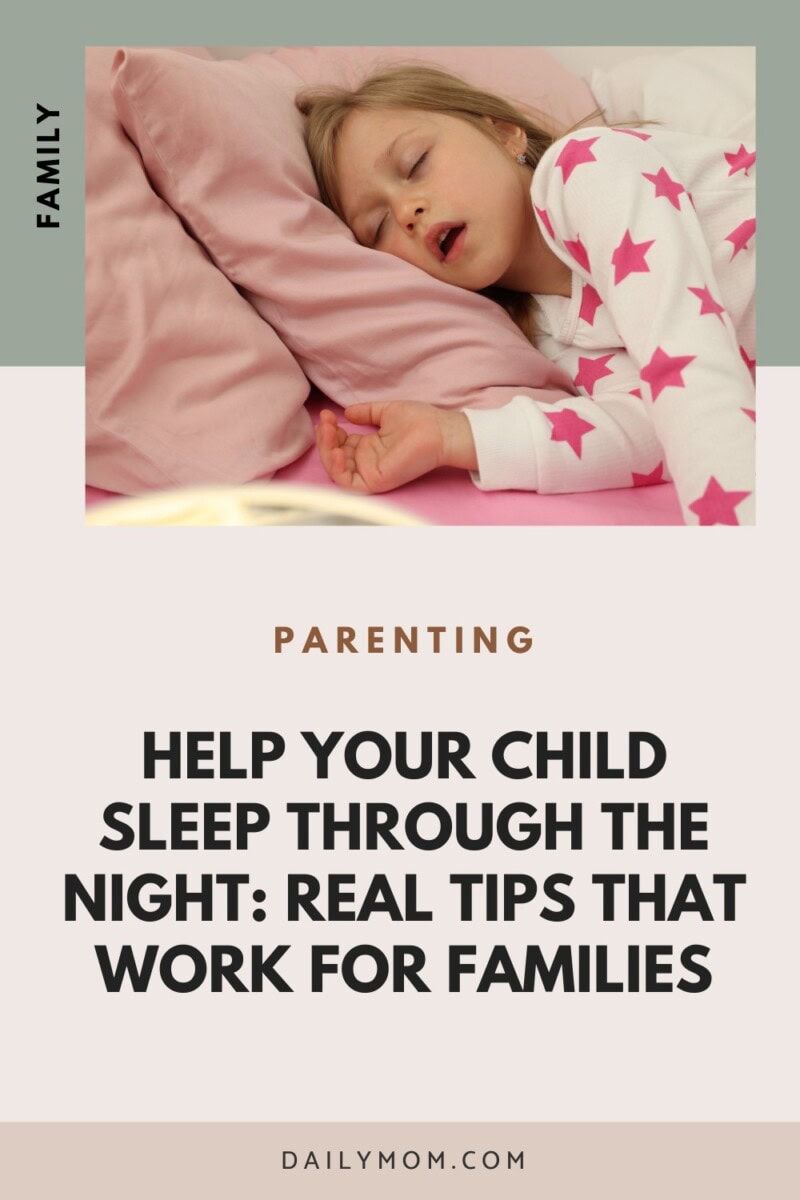
































Help children sleep better by understanding that bedtime isn’t just a routine, and it’s often one of families’ biggest daily challenges. When bedtime becomes a struggle, it can leave both kids and parents feeling drained, frustrated, and at a loss. Restful sleep plays a massive role in a child’s growth, mood, and learning ability. When children don’t get enough sleep, it affects their well-being and often disrupts the whole family’s night. Here we offers practical, gentle, proven strategies that make bedtime easier, helping everyone feel refreshed.
Establishing a Healthy Sleep Bedtime Routine
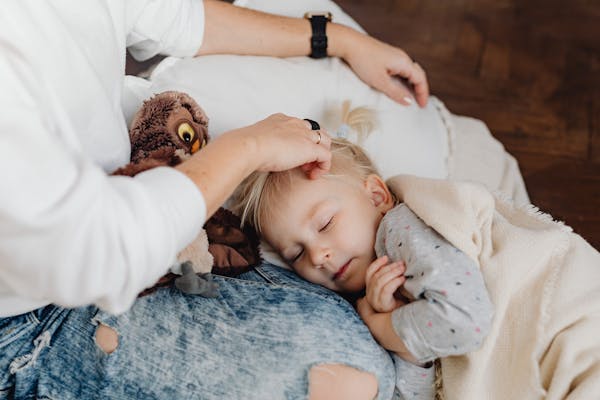
Sleep is essential for a child’s growth, development, and well-being. A structured bedtime routine can make all the difference in ensuring they get enough rest to thrive. Establishing healthy habits early on sets a foundation for better sleep in the long run.
Bedtime routine matters for getting kids to fall asleep
A predictable evening routine helps children fall asleep faster and stay asleep longer. Their bodies and minds associate certain activities with sleep time, making the transition smoother. Kids may resist bedtime without structure, leading to a lack of sleep and disrupted nights.
Benefits of a Consistent Routine:
- Signals to the brain that it’s time to wind down
- Helps regulate the sleep cycle for more restful nights
- Reduces bedtime struggles and nighttime awakenings
- Strengthens emotional security and comfort before sleep
Creating a calming nighttime ritual
A bedtime routine should include calming activities that help children fall asleep. Establishing relaxing habits ensures they get into the right mindset for sleep rather than feeling overstimulated before bed.
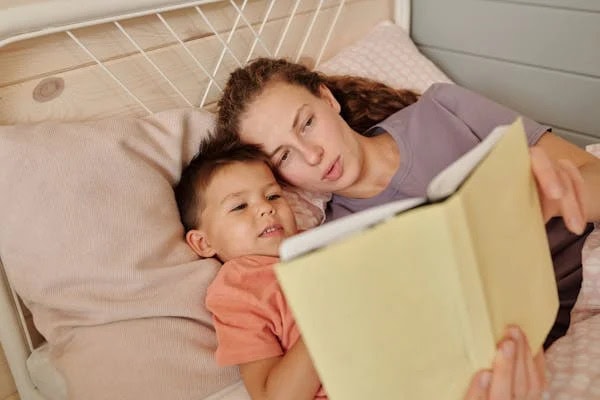
Steps to Build a Soothing Routine:
- Start at the same time each night – Consistency is key in setting the sleep schedule.
- Limit screen time – Avoid bright screens at least an hour before bed to prevent sleep disruption.
- Encourage relaxation – Warm baths, gentle stretching, and soft music help prepare for sleep.
- Read a bedtime story – Reading fosters comfort and helps children sleep peacefully.
- Provide a comfort item – A favorite stuffed animal or blanket can offer security.
The role of consistency in sleep training
Some children struggle with establishing good sleep habits without parental guidance. Sleep training techniques can help develop independence and teach kids to sleep through the night without difficulty.
Sleep Training Strategies:
- Gradually shift bedtime earlier for healthier sleep hygiene
- Use positive reinforcement when they fall asleep on their own
- Avoid excessive nighttime interaction when they wake up unnecessarily.
- Teach self-soothing skills so they stay asleep without needing assistance.
A stable bedtime routine provides comfort and reliability, making sleep a peaceful experience rather than a nightly battle. Children can develop healthy sleep habits that contribute to their well-being with time and patience.
Understanding Sleep Hygiene
A strong foundation for better rest starts with understanding sleep hygiene. It’s not about cleanliness, it’s about creating habits and a sleep environment that supports healthy, consistent rest. When children have good sleep hygiene, they fall asleep more easily, stay asleep longer, and wake feeling more refreshed. Unfortunately, many families overlook simple things that can disrupt sleep, like too much screen time before bed, irregular schedules, or even the wrong bedroom lighting.

Start with a few basics that can transform a child’s sleep experience:
- Keep a consistent sleep schedule, even on weekends
- Avoid screens at least an hour before bed, as blue light can delay melatonin production.
- Use the bed only for sleep, not homework, play, or electronics.
- Dim the lights in the evening to signal to the body it’s time to wind down.
- Create a calm, quiet, and cozy sleep environment.
The bedroom plays a significant role in a child’s ability to fall and stay asleep. A room that’s too hot, noisy, or brightly lit can disrupt sleep cycles and make it harder for kids to settle. Consider blackout curtains, a white noise machine, or even a favorite comfort item that stays in bed. These minor adjustments help children associate their room with calmness and security, naturally promoting better sleep habits.
Finally, remember that sleep hygiene isn’t a one-size-fits-all approach. Every child is different. Some may need more time to decompress, while others fall asleep when their head hits the pillow. What matters most is consistency and awareness, making sure bedtime routines and environments support the kind of sleep children need to grow, learn, and thrive.
Addressing Common Sleep Problems

Help children sleep by recognizing and addressing common sleep problems that disrupt their rest. Understanding these challenges allows families to create practical solutions for better sleep, from night terrors to trouble falling asleep.
Night terrors: what they are and how to handle them
Night terrors can be distressing for both children and parents. Unlike nightmares, these episodes occur during deep sleep, causing sudden fear and confusion without full wakefulness.
Signs of Night Terrors:
- Sudden screaming or thrashing during sleep
- Rapid heartbeat and heavy breathing
- Difficulty calming down after the episode
- Child remains asleep but appears frightened
Strategies to Reduce Night Terrors:
- Establish a consistent bedtime routine to promote relaxation
- Ensure children get enough sleep to prevent overtiredness
- Minimize stress and create a calming sleep environment
- Avoid overstimulation before bedtime, such as screen exposure or rough play
Strategies for children struggling to sleep through the night
Some kids struggle to stay asleep, causing repeated nighttime awakenings that disrupt their sleep cycle. Improving sleep habits can encourage uninterrupted rest.
Tips for Sleep Through the Night:
- Set a stable sleep schedule – Going to bed at the same time nightly strengthens the body’s sleep rhythm.
- Ensure a comfortable sleep setting – Soft bedding, a cool room temperature, and minimal noise help support more profound sleep.
- Encourage self-soothing techniques – Teach children to calm themselves if they wake up rather than relying on a parent’s presence.
- Limit nighttime interactions – Avoid immediately rushing in when a child stirs; allow brief moments for self-settling.
Dealing with infant sleep struggles

Newborns and infants often experience irregular sleep patterns, making restful nights challenging for parents. Understanding infant sleep needs can lead to better outcomes.
Supporting Infants to Sleep:
- Follow age-appropriate sleep training techniques
- Introduce soothing sleep cues like white noise or rocking.
- Ensure proper feeding schedules to minimize nighttime hunger.
- Maintain a calm and dimly lit room for easier falling asleep.
The connection between diet and sleep: what to eat for better sleep
A child’s diet can directly influence how well they fall asleep and stay asleep at night. Certain foods help regulate sleep hormones, while others can cause disruptions.
Best Foods for Better Sleep:
- Bananas – Rich in magnesium and potassium, promoting muscle relaxation
- Oatmeal – Contains melatonin-supporting nutrients for deeper sleep
- Warm milk – A classic sleep remedy that encourages drowsiness
- Nuts – Almonds and walnuts provide essential sleep-enhancing vitamins
Foods to Limit Before Bed:
- Sugary snacks that lead to energy spikes
- Caffeinated drinks, including soda or chocolate
- Heavy, greasy meals that disrupt digestion

Addressing common sleep problems can help families help children sleep more soundly and wake up refreshed. A thoughtful approach to night terrors, sleep training, and healthy bedtime habits ensures better rest for everyone.
Medical Considerations and Therapy Options
Sometimes, even with a solid routine and a sleep-friendly environment, deeper issues may affect a child’s ability to rest well. One medical concern to be aware of is sleep apnea, which can occur in children and adults. This condition causes brief pauses in breathing during sleep, leading to restless nights and daytime fatigue. Common signs include loud snoring, gasping for air, restless tossing and turning, and frequent waking. Speaking with a pediatrician or a pediatric sleep specialist is essential if these symptoms appear.
Disrupted sleep cycles not only make kids groggy, but they can also interfere with learning, mood regulation, and even growth over time. In some cases, underlying medical conditions, like allergies, enlarged tonsils, or reflux, may be the root cause. When sleep challenges persist despite your best efforts at home, professional evaluation can help rule out or treat these possibilities. Early intervention often leads to better outcomes and healthier sleep patterns.
Therapy can also be a powerful tool, especially for children dealing with anxiety, trauma, or behavioral patterns that affect sleep. Cognitive Behavioral Therapy for Insomnia (CBT-I) is a well-researched, non-medical approach that helps children (and adults) change thought patterns and behaviors around sleep. Some children may also benefit from working with a licensed therapist to address fears, stressors, or nighttime anxiety that keeps them from falling or staying asleep.
In rare cases, sleep disorders may require medication, but this should always be a last resort and prescribed only by a healthcare professional. Parents should never try over-the-counter sleep aids unless directed by a doctor. If you’re unsure whether your child’s sleep issue is behavioral or medical, consider tracking their sleep patterns in a journal and bringing that information to your child’s healthcare provider. It’s a simple way to get better sleep solutions tailored to your child’s needs.
Parental Support: Helping Your Child Sleep Better
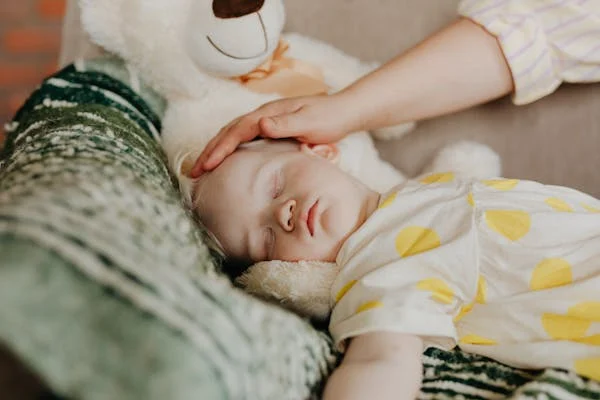
Help children sleep by providing the proper support and creating a sleep-friendly home environment. Parents play a crucial role in shaping their child’s sleep habits, and minor adjustments can lead to better sleep and healthy sleep routines.
Ways parents can assist in getting kids to fall asleep
Children often rely on parental guidance to develop good sleep hygiene. Parents who model consistent bedtime behaviors can positively influence how their kids fall asleep and stay asleep.
Ways to Support Your Child’s Sleep:
- Set a predictable bedtime routine to reinforce healthy habits.
- Create a relaxing nighttime atmosphere with dim lighting and soothing sounds.
- Limit screen exposure before bed to prevent sleep disruptions.
- Encourage self-soothing techniques for independent sleep.
- Avoid over-scheduling to allow enough downtime before bed.
Creating a sleep-friendly home environment
A child’s surroundings can make or break their ability to fall asleep and have good sleep hygiene. Parents can design a supportive setting that promotes better pediatric sleep.
Key Elements of a Sleep-Friendly Home:
- Keep bedrooms calm, dark, and quiet to encourage deep sleep.
- Use calming colors in the bedroom for a relaxing environment.
- Ensure a comfortable mattress and bedding suited to the child’s age and needs.
- Maintain consistent household noise levels in the evening for uninterrupted sleep.
Managing parental stress related to child sleep challenges
Sleep struggles can affect parents, leading to frustration and exhaustion. Finding balance while helping kids get better sleep is essential for the entire family’s well-being.
Tips for Parents Coping with Sleep Difficulties:
- Practice self-care to manage stress effectively.
- Seek support from other parents or professionals if sleep struggles persist.
- Stay patient and avoid power struggles around bedtime.
- Adjust expectations as children’s sleep needs evolve with age.
- Celebrate small successes when kids show improvement in their sleep routines.
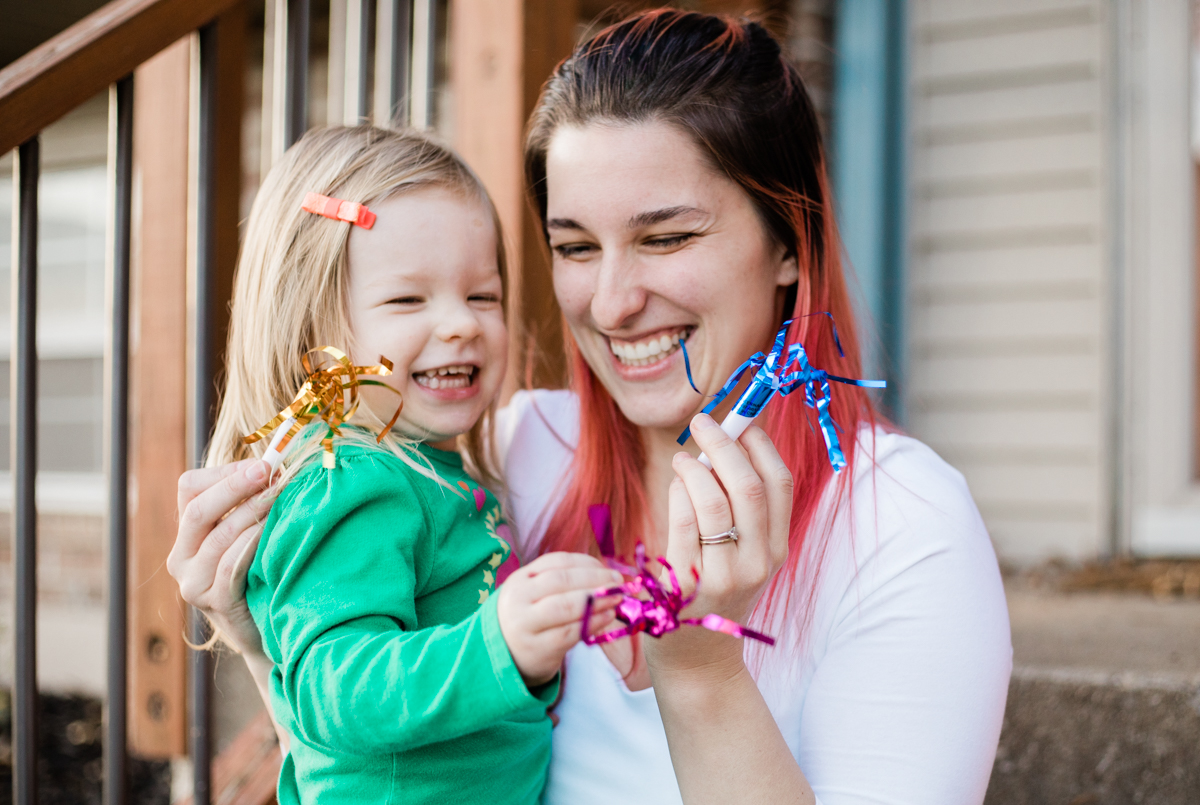
Parents who actively support their children’s sleep habits can help children sleep soundly and develop long-term healthy sleep routines. By prioritizing restful nights, families can create a positive sleep culture that benefits everyone.
Helping kids sleep better isn’t about perfection but consistency, patience, and understanding. Every child is different, and what works for one may not work for another. The key is to approach sleep challenges with calm and curiosity, not frustration. Children often respond best when they feel safe, understood, and part of a loving nighttime routine that supports rest.
Some sleep issues are simply part of growing up, while others may need more attention. Some strategies can make a difference if your child struggles with falling asleep, staying asleep, or waking too early. From adjusting bedtime habits to creating a soothing sleep space and even seeking professional advice when necessary, the path to better sleep is not only possible but within reach for every family.
Key Takeaways to Help Children Sleep:
- Establish a consistent bedtime routine that signals to the body it’s time to rest
- Practice good sleep hygiene with a calm environment, limited screens, and regular sleep schedules.
- Watch for signs of medical concerns, such as sleep apnea, night terrors, or restless sleep.
- Support emotional well-being by listening to fears and making bedtime a peaceful time.
- Don’t be afraid to ask for help; pediatricians and therapists can offer customized guidance.
By prioritizing healthy sleep, families improve rest and support children’s mood, behavior, and development. With the right tools and patience, even the most restless nights can give way to peaceful, restorative sleep for children and the parents who love them.
FAQs
Q: How many hours of sleep do children need at different ages?
A: Sleep requirements vary by age. Infants (0-1 year old) need 12-16 hours, toddlers (1-2 years) need 11-14 hours, preschoolers (3-5 years) need 10-13 hours, school-age children (6-12 years) need 9-12 hours, and youth (13-18) need 8-10 hours of sleep per night. According to the American Academy of Sleep Medicine, insufficient sleep can affect your child’s mood, behavior, health, memory, and academic performance. If your child or youth isn’t getting enough sleep, addressing this issue promptly is essential.
Q: What are the signs my child isn’t getting enough sleep?
A: Signs that your child may not get enough sleep include difficulty waking up in the morning, falling asleep during daytime activities, irritability, hyperactivity, difficulty concentrating, behavioral problems, and decreased academic performance. If your child still feels tired even after what should be adequate rest, they may be experiencing poor sleep quality or have an underlying sleep disorder like sleep apnea or restless leg syndrome. Pay attention if your child feels consistently tired, as chronic lack of sleep can impact their development.
Q: How can I help my child get better sleep?
A: To help your child get a good night’s sleep, establish a consistent sleep schedule (even on weekends), create a calming bedtime routine, ensure their bedroom is calm, dark, and quiet, limit screen time before bed, avoid caffeine, and make sure your child gets enough physical activity during the day. Maintaining good sleep hygiene is especially important for children aged 3-12. If your son or daughter can’t sleep, try natural relaxation techniques like reading a story, playing soft music, or deep breathing exercises rather than immediately turning to sleep medicine.
Q: What is a healthy sleep cycle for children?
A: A healthy childhood sleep cycle includes non-REM and REM sleep phases. Children typically enter deep non-REM sleep within about 10 minutes of falling asleep, which is crucial for physical restoration. REM sleep, when dreaming occurs, is essential for cognitive development and helps your child to learn and process information. Children have shorter sleep cycles than adults (about 50-60 minutes for young children compared to 90 minutes for adults) and spend more time in deep sleep, so it can be harder to wake a child during certain parts of their sleep cycle.
Q: How can I establish good sleep hygiene for my family?
A: Good sleep hygiene involves consistent habits that promote quality sleep. Create a regular sleep schedule where everyone goes to bed and wakes up at approximately the same time each day. Develop relaxing bedtime routines for your kids and teens that signal it’s time to wind down. Limit electronic devices at least 1-2 hours before bedtime, as the blue light can interfere with the natural sleep cycle. Make bedrooms comfortable sleep environments free from distractions. Additionally, be a good role model by practicing healthy sleep habits, as children often mimic their parents’ behaviors.
Q: What should I do if my child wakes up frequently at night?
A: If your child wakes frequently during the night, ensure their basic needs are met (they’re not hungry, thirsty, or need a diaper change for younger children). Nighttime waking is ordinary for children around 2-3 years old, but can be managed by creating a consistent response. Keep interactions brief and boring during night wakings, and guide your child back to sleep without creating new sleep associations like rocking or feeding. If the problem persists, consider consulting a pediatric sleep specialist, as frequent night waking can sometimes indicate sleep apnea or other sleep disorders that require professional attention.
Q: Could my child have sleep apnea, and what are the signs?
A: Sleep apnea in children can present differently than in adults. Signs include loud snoring, pauses in breathing during sleep, restless sleep, unusual sleeping positions, bedwetting, night sweats, morning headaches, daytime sleepiness, and behavioral issues that may be misdiagnosed as ADHD. If you notice these symptoms, especially the breathing irregularities, consult your child’s doctor promptly. The American Academy of Sleep Medicine recommends that children with suspected sleep apnea undergo proper evaluation, as untreated sleep apnea can lead to serious health problems and affect your child’s development and academic performance.
Q: How can I help my child who stays up too late?
A: Teenagers naturally experience a shift in their sleep cycle that makes them want to stay up later and sleep longer. To help your teenager get better sleep, discuss the importance of sleep for academic performance, athletic achievement, and emotional well-being. Work together to establish a reasonable bedtime that allows for 8-10 hours of sleep before they need to wake for school. Encourage a digital curfew about an hour before bedtime, limit caffeine after noon, and create a calm sleep environment. For students with early school start times, consider advocating for later school starts, as research shows this can help with the natural teenage sleep pattern.
Q: What are some genuine ways to help your child fall asleep faster?
A: Natural approaches to induce sleep include establishing a soothing bedtime routine involving a warm bath, gentle massage, reading books, or listening to soft music. Ensure the room is comfortable (around 65-70°F), dark, and quiet. Consider using white noise if environmental sounds are disruptive. Some parents find that diffusing calming essential oils like lavender can be helpful. Physical activity during the day (but not right before bed) can also promote better sleep. Avoid getting your child to nap late in the day as this can interfere with nighttime sleep. Always consult your pediatrician before using any sleep supplements, even organic ones.
You might also be interested in…
Tips to help kids sleep peacefully. Check it out.
CONNECT WITH DAILY MOM
💖 NEWSLETTER: DAILY READS IN YOUR INBOX 💖
Sign up to receive our picks for the best things to do, see and buy so you can relax and focus on more important tasks! Let us help you be the best version of yourself you can be!
BE SOCIAL WITH US
📌 LOVE IT? PIN IT!📌