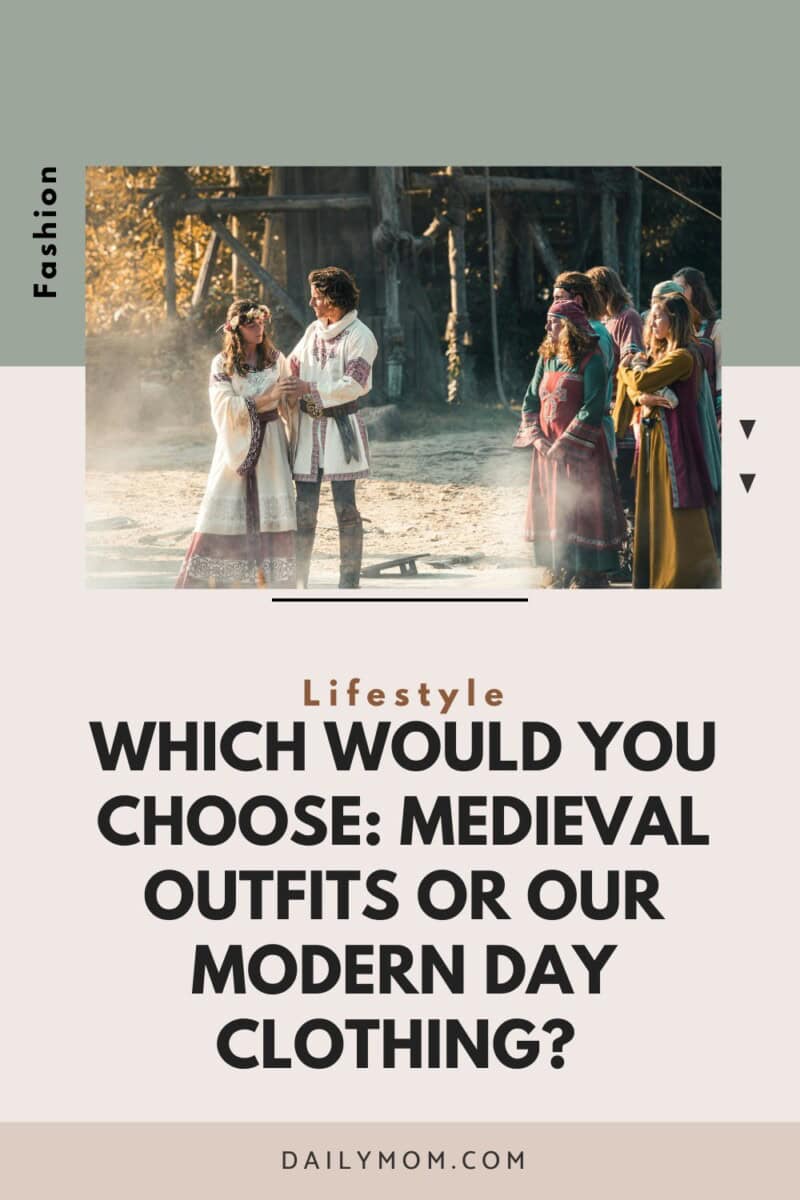
































A Brief Look at Medieval Outfits in the Middle Ages
If you think getting dressed today is complicated, imagine navigating medieval clothing during the medieval period, when your attire wasn’t just about style but about survival, status, and sometimes even the law. Throughout medieval times, what you wore depended heavily on your place in medieval society, with strict social hierarchies influencing everything from fabric to fit. From the 1200s through the 1400s, clothing evolved across the high medieval and late medieval phases, reflecting shifts in culture, climate, and craftsmanship across europe.
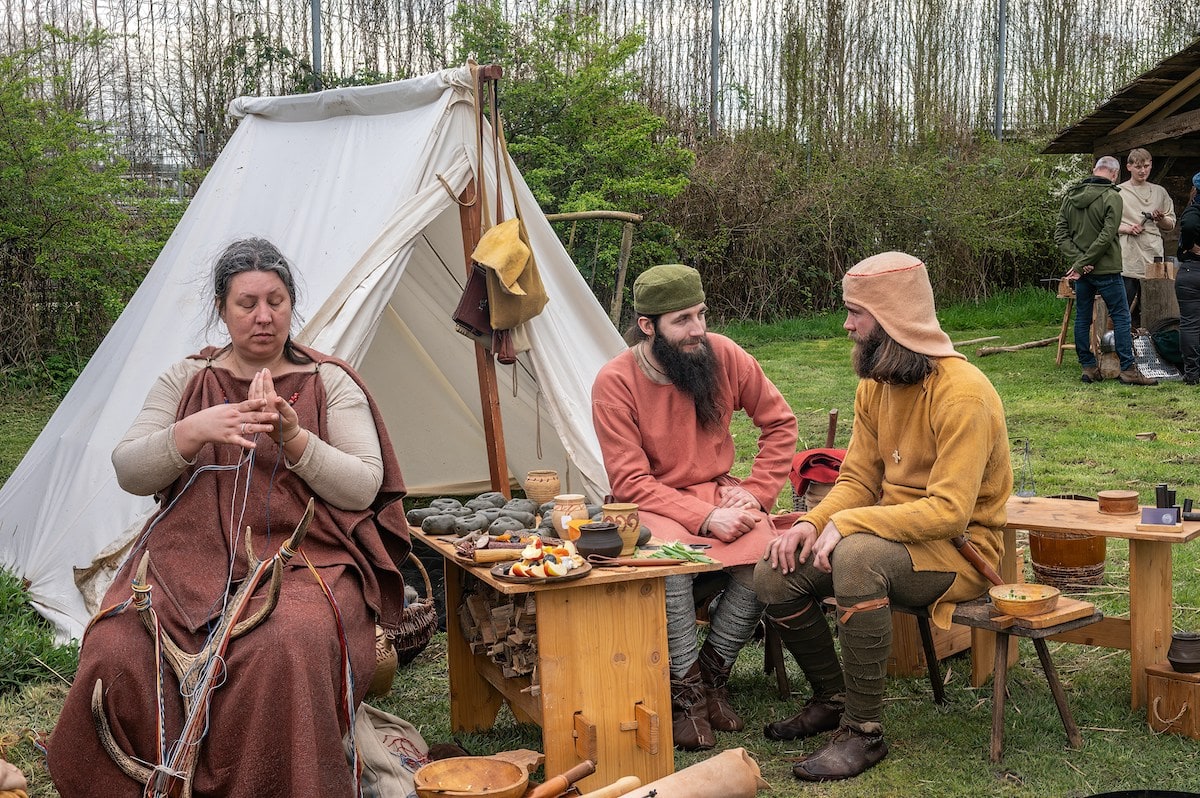
In the early medieval clothing phase, simplicity ruled, but by the late middle ages and toward the end of the middle ages, things became more detailed and expressive. Fashion in the middle ages wasn’t just about looking good. Instead, it followed a strict code, often enforced by sumptuary laws that dictated what kind of clothes different classes could wear.
Yes, your clothing could get you in trouble.
From Tunic to Tee: How Basic Pieces Have Changed
The Humble Tunic vs. Today’s Everyday Wear
At the heart of most outfits was the tunic, the ultimate multitasker of medieval fashion. Whether you were rocking long tunics or short tunics, this essential garment worked for nearly every occasion. Compare that to today, where we somehow need separate attire for lounging, errands, workouts, and “just in case I run into someone I know.”
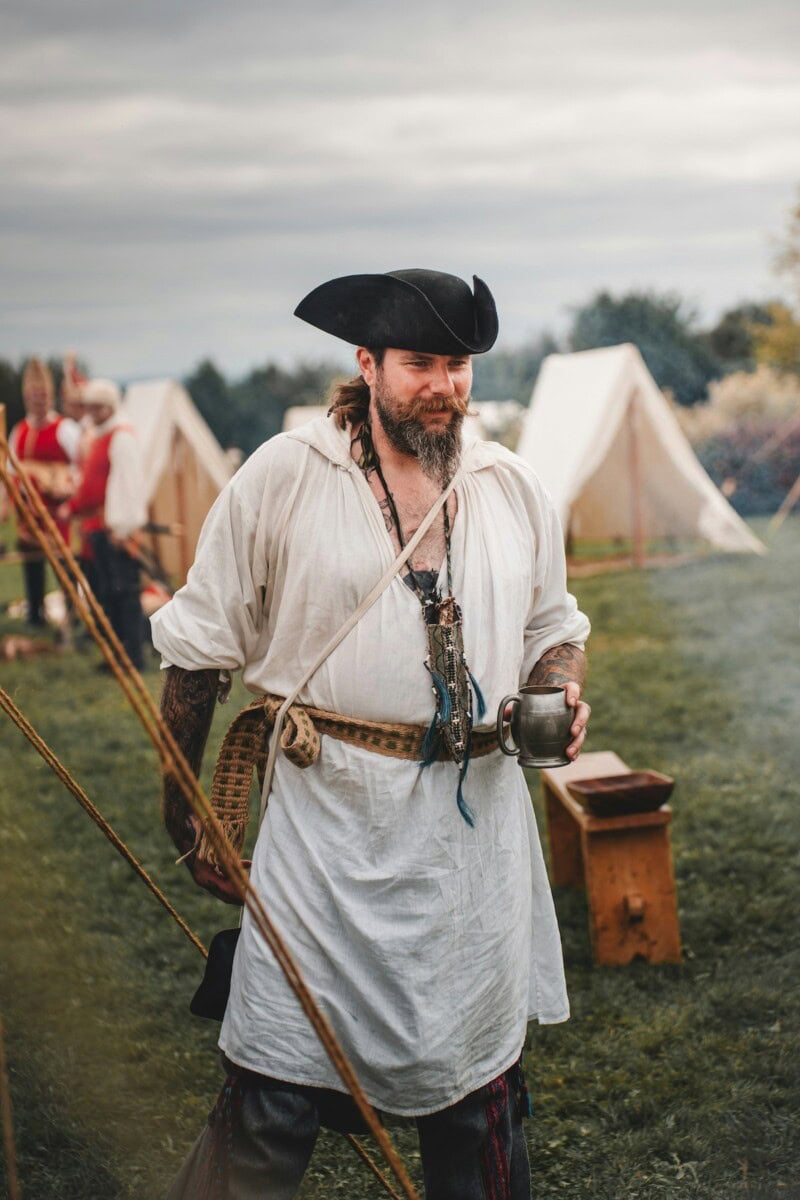
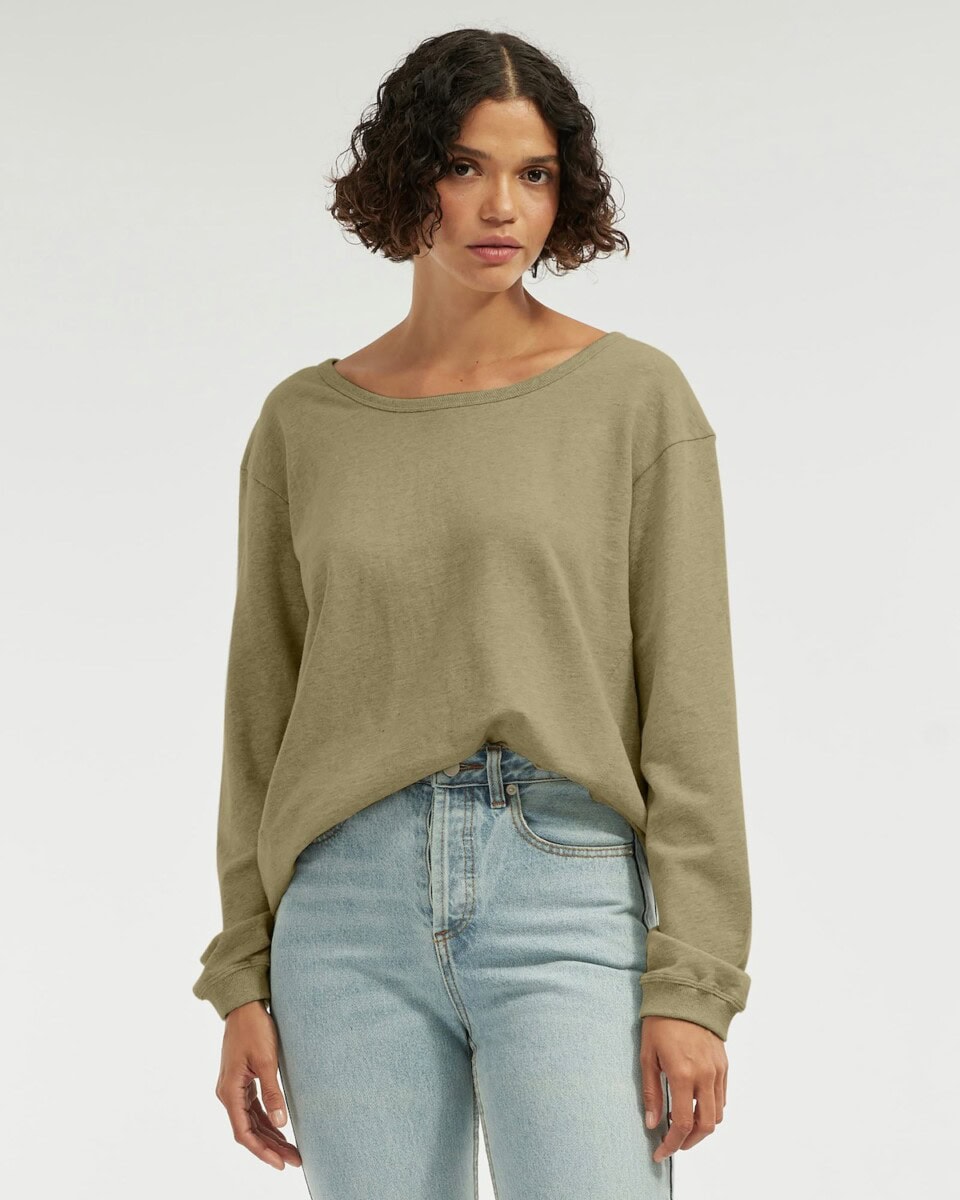
For men’s clothing, tunics were often paired with braies, a loose-fitting precursor to modern underwear (and thankfully, elastic waistbands were eventually invented). Meanwhile, women’s looks layered tunics over undergarments made of linen, creating a surprisingly practical base for everyday attire.
Layer Upon Layer: Why a Medieval Outfit Meant Commitment
Breaking Down a Full Medieval Outfit with Chemise, Robe, and Cloak
A proper medieval outfit was not for the faint of heart, or the impatient. Getting dressed meant layering multiple pieces, starting with a chemise, followed by fitted layers like kirtles, and topped with heavier outerwear like a robe or cloak.
This was all about practicality, but also endurance. Imagine needing help just to put on your clothes and then realizing you forgot something downstairs. At least today, we can throw on a hoodie and call it a day.
Monk robes offered a more uniform look, proving that even then, some people preferred a capsule wardrobe.

Medieval Dress vs. Modern-Day Fashion Freedom
How Women Wear Has Evolved
A medieval dress was often a full-length gown, especially for those in the upper classes. For a female in this era, clothing wasn’t just about comfort as much as it was about presenting yourself as a proper lady. Styles became more form-fitting over time, especially in the late medieval period, highlighting a shift toward tailored silhouettes.

For married women, expectations around modesty were even stricter, often including a head covering as part of their daily look. Today, women wear whatever fits their mood, schedule, or weather app which is quite the upgrade from dressing to meet societal expectations alone.
Cloaks, Capes, and Cardigans: Outerwear Then and Now
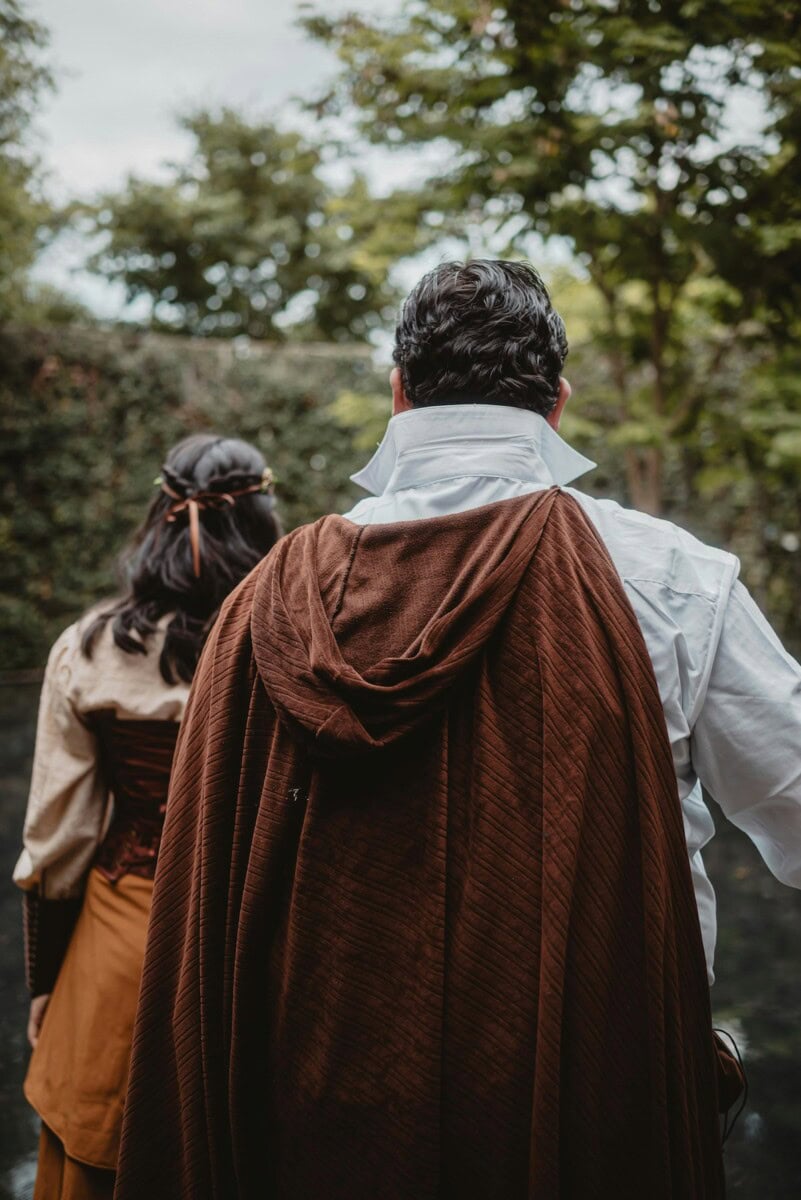

Outerwear in the Middle Ages wasn’t optional, it was essential. A cloak could mean the difference between comfort and freezing, especially since central heating wasn’t exactly trending.
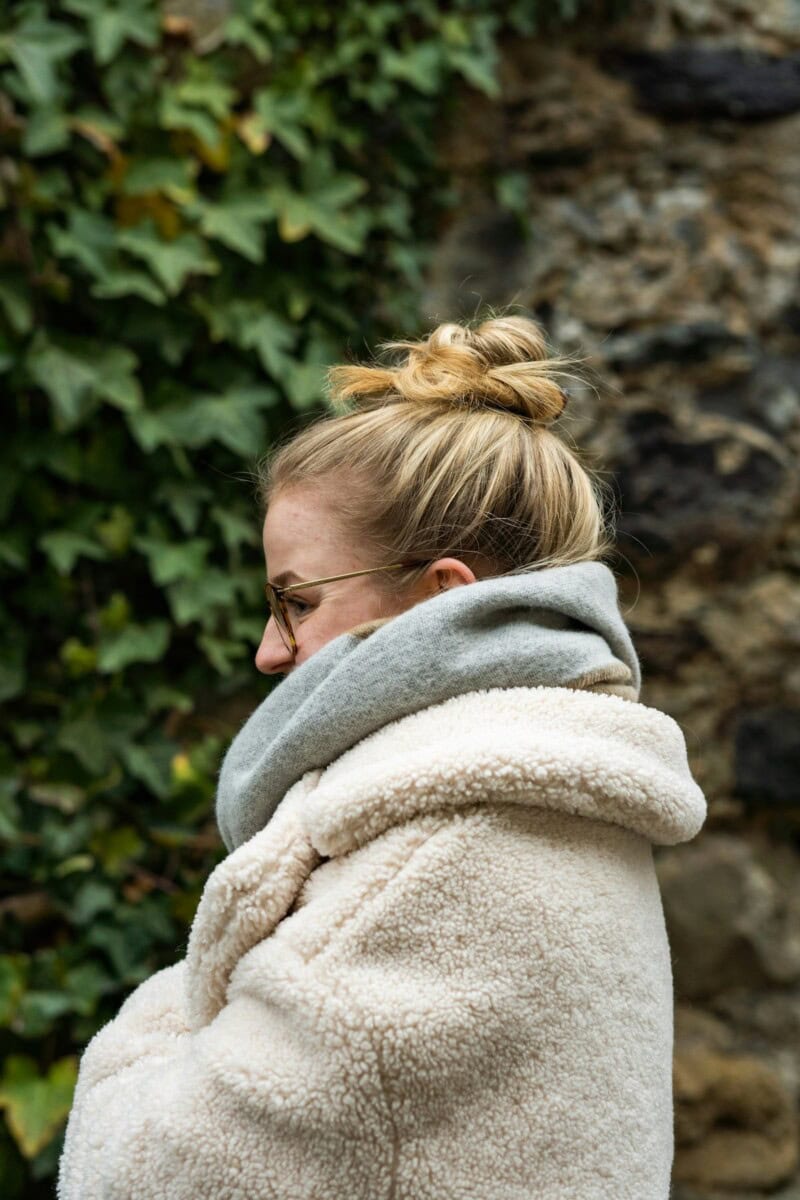
Today’s version? Light jackets, oversized sweaters and cardigans, or that one coat you keep in your car “just in case.”
Head to Toe: Headdress vs. Hair Trends
Headwear was serious business. A headdress or head covering wasn’t just decorative as it often signaled your role, age, or marital status. In contrast, modern hair trends range from sleek blowouts to “I haven’t washed my hair in three days but it’s working for me.”
Honestly, both approaches have their merits.
Medieval Costumes vs. Everyday Style in 2026
When a Costume Was Just Called “Getting Dressed”
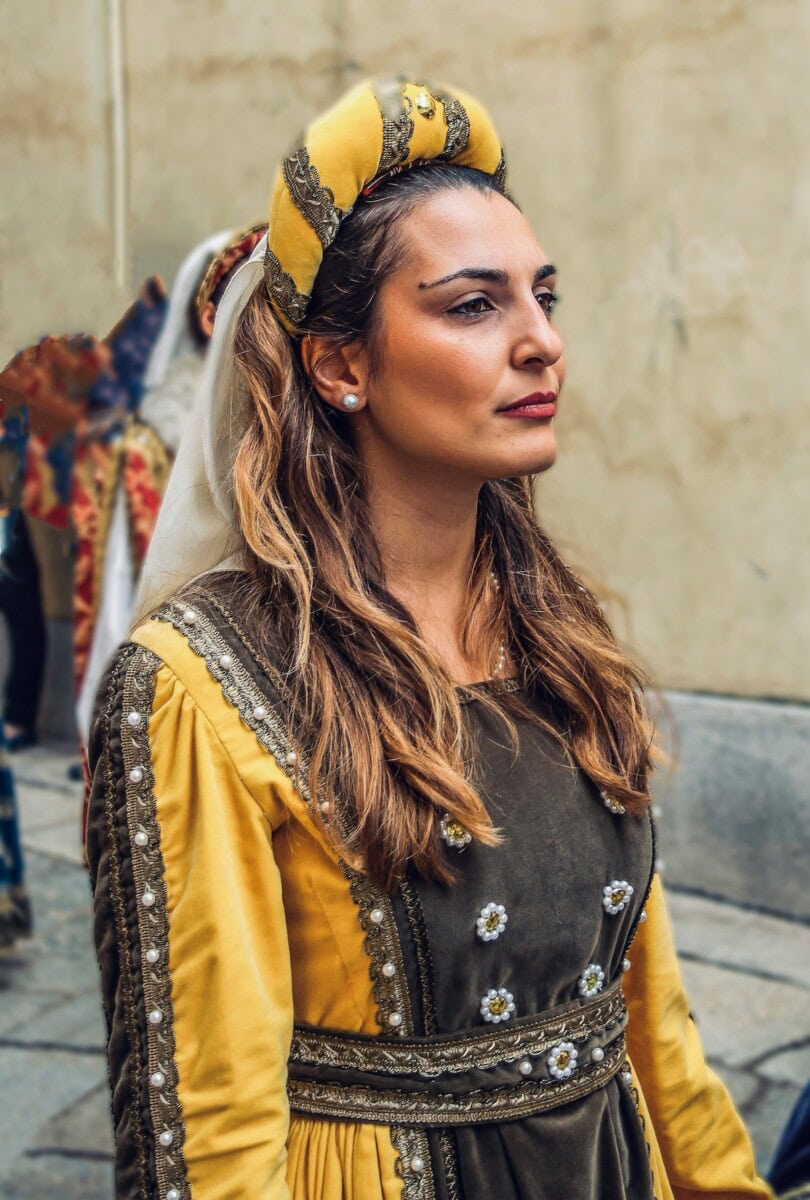
What we now call medieval costumes were simply the clothing worn by medieval people every day. Today, you’ll mostly see these looks at renaissance festivals, during reenactment events, or as part of cosplay.
The difference? Back then, there was no opting out. No “I’ll just wear sweats today.” It was full commitment, every single morning.
Authentic Medieval Clothing vs. Fast Fashion
Would You Shop Medieval Today?
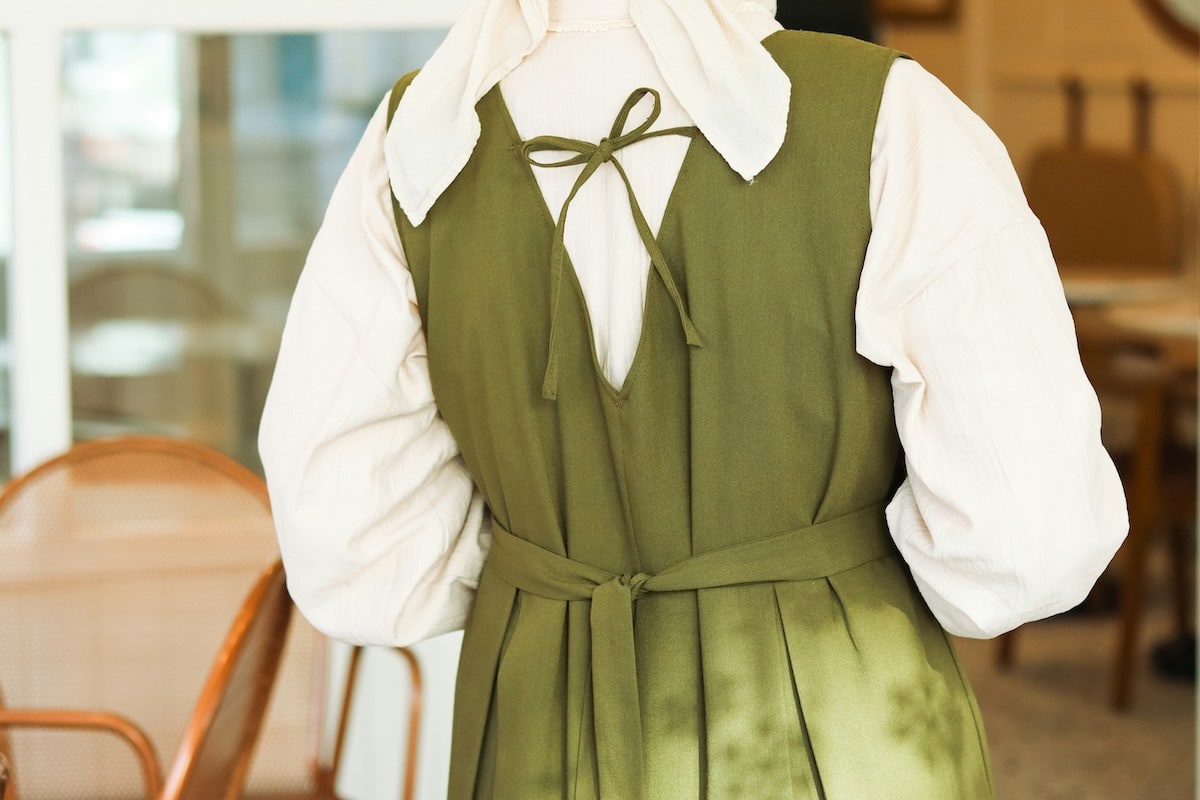
There’s something impressive about authentic medieval clothing. Pieces were handmade, often using natural fibers like linen, and dyed with plant-based dye though not always successfully, since colors could fade or require bleach-like processes to adjust. Many garments were left undyed, especially among the average peasant, while the nobility flaunted richer hues and finer fabrics.
For a noble, clothing was a clear status symbol, often featuring luxurious materials and opulent garments. Compare that to today’s fast fashion cycle, where trends change faster than your online cart refreshes.
From Renaissance Fashion to Modern Fashion Statements
As the Middle Ages transitioned into the Renaissance, influences from figures like Byzantine emperors inspired more extravagant looks. Clothing became less about pure function and more about making a fashion statement.

This evolution laid the groundwork for the expressive, ever-changing style landscape we see today where fashion is less about rules and more about personality.
From LARP to Lifestyle: Why Medieval Style Still Exists
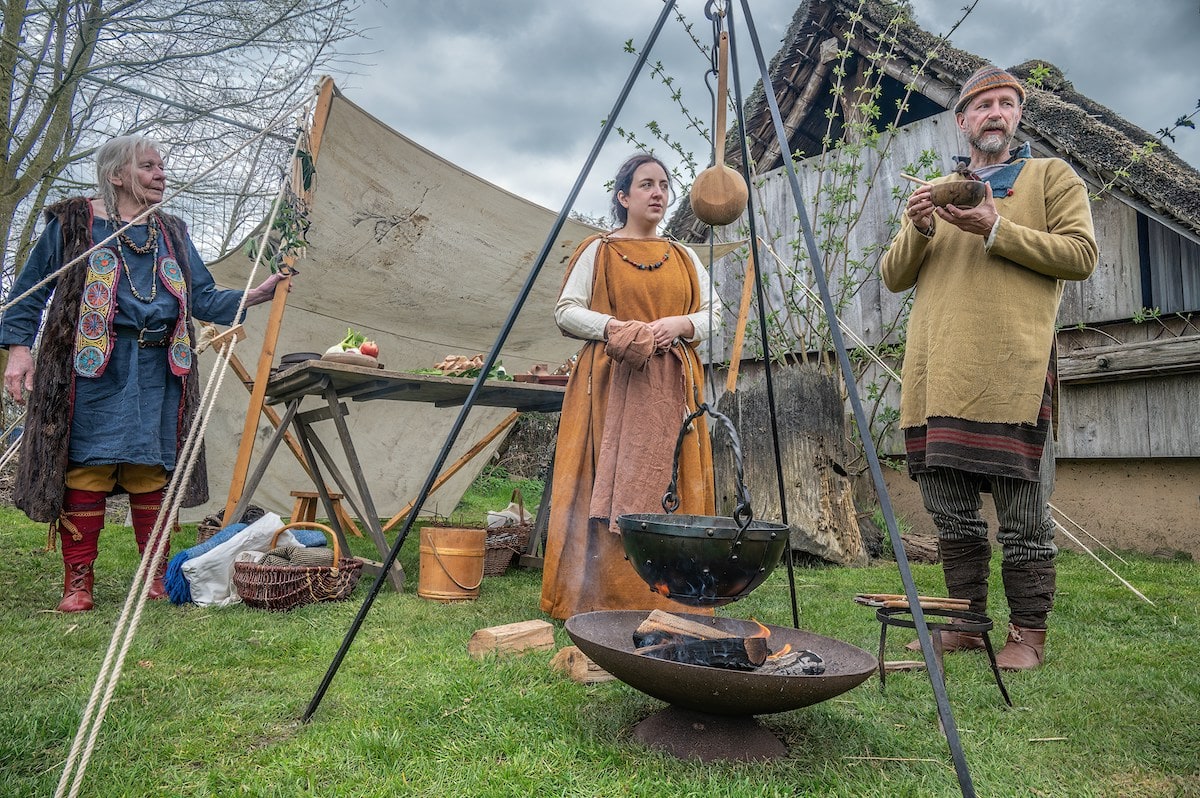
Medieval-inspired fashion hasn’t completely disappeared. It’s just found new homes. Whether it’s LARP (live action role play), historical reenactment, or fans striving for historical accuracy, people still embrace historical clothing for both fun and education.
Some even aim for accurate recreations based on medieval manuscripts, studying clothing designs and clothing stylesdown to the stitch. It’s dedication…and honestly, a little impressive.
Final Thoughts: Would You Trade Your Closet for the Era?
When you stack modern convenience against the layered complexity of medieval apparel, it’s clear we’ve traded effort for ease. Sure, there’s something charming about the craftsmanship and structure of the past, but there’s also something magical about elastic waistbands and knee-length dresses you can throw on in seconds.
So, would you swap your closet for one from the Middle Ages? Or are you perfectly happy living in a world where getting dressed doesn’t require a small team and a strict dress code?
WANT TO READ MORE?
DOPAMINE DRESSING: THE FEEL-GOOD FASHION TREND BACKED BY COLOR THEORY AND COMFORT
CONNECT WITH DAILY MOM
💖 Where every mom deserves a moment. 💖
FIND US ON OUR SOCIALS
LOVE IT? PIN IT!