





























The Rise of Earbuds Among Kids
The dangers of earbuds are becoming harder to ignore as these tiny devices embed themselves into children’s daily routines. Earbuds have become an everyday companion for children, seamlessly integrating into their routines for entertainment, learning, and social interactions. As wireless earbuds continue to dominate the market, kids are gravitating toward them more than ever. But what’s driving this surge in popularity, and should parents be concerned?
How technology has made wireless earbuds more accessible to younger audiences
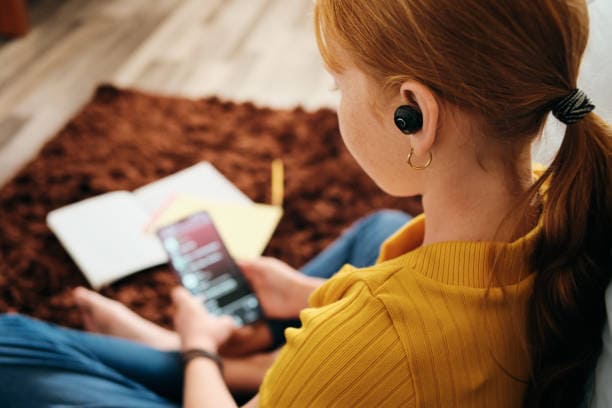
The evolution of audio technology has made earbuds more affordable and user-friendly, making them a staple among younger audiences. Several factors contribute to their rise:
- Portability: Unlike bulky headphones, earbuds are lightweight and easy to carry.
- Wireless Convenience: Eliminating tangled cords makes wireless earbuds more appealing to kids.
- Customizability: Many brands now offer colorful designs and features tailored to youthful preferences.
- Bluetooth Integration: With many schools embracing digital learning, Bluetooth earbuds allow seamless connectivity to tablets and computers.
Common reasons parents allow kids to use earbuds are online learning, entertainment, and privacy
Many parents justify the use of earbuds with practical reasons, often unaware of potential concerns. Common motivations include:
- Educational Needs: Virtual classes, audiobooks, and language-learning apps make earbuds seem like an academic necessity.
- Entertainment & Social Connection: Whether gaming, streaming, or listening to music, children use earbuds to stay engaged.
- Privacy & Independence: Earbuds provide kids with personal space, allowing them to focus without external noise.
While these reasons seem valid, excessive use of earbuds can introduce unforeseen consequences. From auditory strain to distraction, improper listening habits may pose serious risks.
The shift from speakers and headphones to compact earbuds
Traditionally, children relied on external speakers or headphones for audio experiences. Over time, they have shifted toward earbuds, influenced by:
- The convenience of hands-free functionality.
- The ability to multitask while wearing earbuds without external interference.
- Marketing efforts from major brands promote wireless earbuds as superior.
This transition has reshaped how kids consume audio but also calls for caution. Are earbuds truly harmless, or should parents rethink their widespread acceptance? The following section explores how kids engage with earbuds daily and why their habits may need closer scrutiny.
Understanding How Kids Use Earbuds
Earbuds have become a daily accessory for children, seamlessly blending into their routines. But how exactly are kids using them, and what risks come with their listening habits?
Typical habits of earbud use among children and teenagers
Children and teenagers develop unique earbud use patterns, influenced by lifestyle and technology. Some common trends include:
- Prolonged Listening: Many kids use earbuds for hours, whether during homework, gaming, or streaming.
- High audio Levels: The louder the audio, the more engaging it feels, leading to unsafe listening levels.
- Multitasking with Earbuds: Kids often wear earbuds while completing other activities, including studying or exercising.
While these behaviors seem harmless, excessive earbud use can pose long-term risks. Without proper limits, children may unknowingly damage their hearing over time.
Preferred listening volumes and duration, why excessive earbuds use is a concern

Unlike traditional headphones, earbuds sit directly inside the ear canal, making users more susceptible to audio-induced hearing issues. Some concerns include:
- Hearing Loss: Repeated exposure to loud sounds can damage delicate hair cells inside the inner ear.
- Tinnitus: Ringing in the ears can result from sustained exposure to high-decibel levels.
- Ear Infections: Wearing earbuds for extended periods without cleaning them can lead to bacterial buildup.
Understanding these risks is the first step toward encouraging safer listening habits.
Different types of earbuds (wired vs. wireless) and their impact
Parents may wonder whether wireless earbuds are safer than wired ones. Here’s how the two compare:
- Wired Earbuds: Limited mobility, but no need for battery charging.
- Wireless Earbuds: These are more convenient but may encourage longer listening durations due to their ease of use.
- Volume Control: Some brands offer built-in sound restrictions to prevent overly loud sounds.
While technological advancements make wireless earbuds appealing, wearing them frequently, regardless of type, can affect a child’s hearing health.
Considering these concerns, the following section dives into the hidden dangers associated with excessive earbud use and what parents should watch for.
The Hidden Dangers of Earbuds
While earbuds provide convenience and entertainment, they carry risks that often go unnoticed. Many parents don’t realize how frequent earbud use can lead to long-term complications, particularly concerning hearing health.
Potential physical effects on the ear and long-term health risks
Constant exposure to sound from earbuds affects the ear canal and inner auditory structures. Some overlooked dangers include:
- Pressure Buildup: Unlike headphones, earbuds sit deep within the ear canal, creating sustained pressure.
- Ear Infections: Poor hygiene and sharing earbuds can introduce bacteria, leading to painful infections.
- Hearing Fatigue: Prolonged earbud use strains the auditory system, making it harder to process sound over time.
Parents should be aware of these concerns, especially when kids develop habits of wearing earbuds daily.
The role of high volumes in hearing loss, the science behind auditory damage
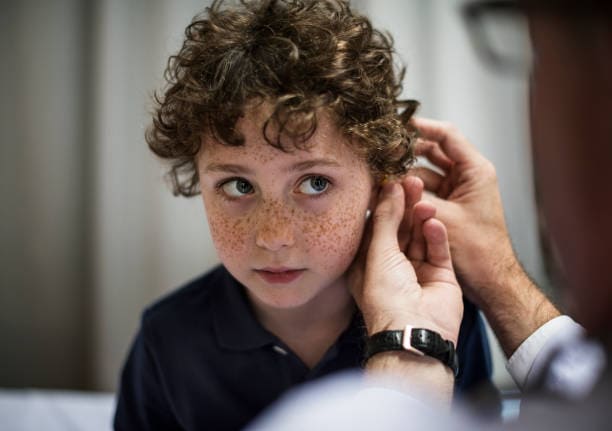
One of the most serious risks of excessive earbud use is hearing loss, which can be caused by exposure to overly loud audio for extended periods.
- 112 dB Levels: Some wireless earbuds can reach dangerous sound volume comparable to live concerts.
- Damage to Delicate Hair Cells: Once these cells are harmed, they don’t regenerate, resulting in permanent hearing loss.
- Tinnitus: Ringing in the ears can develop due to prolonged exposure to high-decibel sounds.
Even moderate listening levels can cause harm when used for excessive durations.
Common myths vs. real concerns surrounding earbuds and hearing loss

Many misconceptions circulate about earbuds and their risks. Let’s separate myth from fact:
- Myth: Low-volume listening poses no risk.
- Fact: Duration matters; long listening hours at any volume can affect hearing over time.
- Myth: Only older people experience hearing loss.
- Fact: Early exposure to loud sounds can damage your hearing at any age.
- Myth: Noise-canceling wireless earbuds prevent hearing problems.
- Fact: While they reduce external noise, improper use at high volumes still causes harm.
Understanding these dangers empowers parents to make informed decisions about their children’s listening habits.
As the risks of using earbuds become clearer, the following section explores why certain habits can be particularly bad for kids.
What Makes Earbuds ‘Bad’ for Kids?
At first glance, earbuds don’t seem all that threatening. They’re small, lightweight, and marketed as sleek tech accessories. But the very design that makes them appealing, especially to kids, can also make them bad for developing ears. One primary concern is how earbuds are often inserted firmly into the ear, which creates a seal that intensifies sound pressure in the ear canal. This proximity to the eardrum increases the risk of damage, primarily when used over long periods or at high volumes. When earbuds are worn frequently, kids may unknowingly establish bad listening habits that last into adulthood.
Beyond physical health, there are emotional and psychological risks as well.
- Wearing earbuds for long stretches can isolate children from their environment.
- They may become less responsive to conversations or safety cues, like a car horn or a teacher’s voice.
- Over time, this habit can interfere with social interaction and awareness.
- It can lead to distraction during learning, creating tension between kids, parents, and teachers.
There’s also the issue of mental disconnect. Earbuds can become an escape mechanism, helping children block out uncomfortable emotions or avoid real-life situations. While it’s tempting to let a child use them to self-soothe or unwind, this listening bubble may create an unhealthy pattern where earbuds are a crutch rather than a tool. In the long term, this reliance can impact mental health and well-being, particularly if it replaces interpersonal communication or outdoor activity.
From a hygiene standpoint, using these devices often without cleaning can also cause issues. Many kids don’t wipe down or rotate their earbuds, allowing bacteria to grow in the soft crevices. Add sweat, dust, or shared use between friends, and the risk of ear infections and skin irritation increases. Unlike traditional earplug-style headphones, these are more likely to be tossed in pockets, backpacks, or lunchboxes, spreading germs.
So, while earbuds themselves may not be inherently harmful, how and how often they’re used can make them dangerous. Poor hygiene, excessive volume, and social detachment are all at play, making it clear that earbuds aren’t just tiny devices. They can significantly impact a child’s physical and emotional development.
How Parents Can Mitigate the Danger
Earbuds are here to stay, but that doesn’t mean they have to threaten children’s hearing and well-being. Parents can take proactive steps to encourage safer earbud use and minimize potential harm.
Setting safe limits for earbud use, time restrictions, and volume guidelines
Moderation is key when it comes to wireless earbuds. Establishing healthy habits can help prevent excessive listening. Consider these strategies:
- Time Restrictions: Encourage kids to take breaks after wearing earbuds for long periods. A good rule of thumb is the 60/60 rule—listen at 60% volume for no more than 60 minutes at a time.
- Volume Guidelines: Teach children to keep sound levels safe. Audio over 85 dB can begin causing damage; anything approaching 112 dB is dangerous.
- Environment Awareness: Encourage kids to use speakers instead of earbuds whenever possible, especially in safe and controlled settings.

These habits can help reduce the risk of hearing loss and keep listening enjoyable without harming the ears.
Choosing safer alternatives, such as headphones with noise-limiting features

Not all audio devices are equal. Parents can make mindful choices that minimize risks:
- Headphones vs. Earbuds: Over-ear headphones have less direct impact on the ear canal than earbuds.
- Noise-Limiting Features: Some brands offer kid-friendly wireless earbuds with built-in volume controls.
- Bone Conduction Headphones: Unlike traditional earbuds, these send sound through bone vibrations rather than the inner ear, reducing hearing strain.
Choosing safer listening devices ensures kids can still enjoy their favorite content without the dangers of improper earbud use.
Educating kids on the dangers of earbud misuse and responsible listening practices
Awareness is one of the best ways to prevent hearing impairment. Parents should discuss the risks of frequent earbud use, emphasizing the importance of mindful listening. Some conversation points include:
- Recognizing Warning Signs: If a child experiences ringing in their ears (tinnitus) or muffled sounds, they may be listening too loudly.
- Earbud Hygiene: Cleaning wireless earbuds regularly prevents infections and wax buildup.
- Alternatives to Earbuds: Encourage kids to mix their listening habits, use speakers when appropriate, and avoid constantly wearing earbuds.
By guiding children toward healthier listening practices, parents can help prevent long-term auditory issues while allowing them to enjoy their favorite audio experiences.
With these strategies in place, the final section will offer a concise takeaway, helping parents determine whether earbuds are a practical tech tool or a genuine parenting dilemma.
When it comes to wireless earbuds and children, it’s clear that these tiny devices pack more than sound; they come with serious considerations for long-term well-being. While they may feel like a must-have tool for learning, entertainment, or keeping peace in busy households, they can pose real health risks without boundaries. The challenge isn’t whether kids should have access to earbuds; it’s how to help them use earbuds responsibly, with awareness of how the ears and the listening connection play a vital role in development and quality of life.
Parents today are navigating a tech-forward world, where convenience and comfort often blur safety lines. But with a few mindful adjustments, volume limits, earbud breaks, and open conversations, families can reduce the risk of hearing loss, infection, and distraction without stripping kids of the joys that come with listening devices. The goal isn’t to ban earbuds, but to ensure they’re not silently stealing something as precious as a child’s hearing.
Key Takeaways: What to Remember About Kids and Earbuds
To ensure safe listening habits, parents should keep these points in mind:
- Set Limits: Encourage breaks and monitor sound intensity to prevent auditory damage.
- Choose Safer Alternatives: Consider headphones with built-in restrictions or bone conduction options.
- Educate on Hygiene & Hearing Health: Teach kids to clean their wireless earbuds regularly and recognize signs of auditory strain.
- Encourage Mindful Listening: Use balanced earbuds with alternative audio experiences to protect hearing and mental health.
Earbuds aren’t inherently bad, but improper use can make them dangerous. Parents can ensure their children enjoy technology by staying informed and setting boundaries without compromising their ears or overall well-being.
FAQs
Q: What are the potential risks of using earbuds daily?
A: The simple act of wearing earbuds daily can lead to hearing loss and tinnitus. When earbuds are used frequently at high volumes, they can cause damage to your ears by exposing them to loud decibels for extended periods.
Q: How can wearing earbuds and listening to music at high sound intensity hurt my ears?
A: Listening to whatever you listen to at high volume levels can permanently damage your ears by overwhelming the delicate structures within the ear with excessive sound pressure, which may eventually lead to the need for hearing aids.
Q: Are Apple AirPods safer than other in-ear headphones?
A: While Apple AirPods and other in-ear headphones may offer superior sound quality, they pose similar risks if misused. To protect your hearing, it’s crucial to limit volume and duration.
Q: How does using earbuds firmly inserted into the ears cause hearing issues?
A: Earbuds firmly inserted into the ears can cause pain and exacerbate auditory impairment by directing sound directly into the ear canal. This increases the risk of high-decibel exposure, which can damage your ears over time.
Q: Can using earbuds to listen to podcasts be harmful?
A: Using earbuds to listen to podcasts can be harmful if the volume is too high. It’s essential to keep the volume safe to avoid causing any hearing damage.
Q: What precautions should earbud users take to prevent hearing loss?
A: Earbud users should take breaks to rest their ears, keep volumes at safe levels, and avoid using earbuds for extended periods to prevent hearing loss and nurture their mental health.
Q: How does exposure to high decibels affect the ears?
A: Exposure to high decibels can damage the tiny hair cells in the cochlea, preventing them from converting sounds we hear into electrical impulses for the brain, which can lead to hearing loss.
Q: Can wearing a pair of earbuds all day cause pain?
A: Wearing earbuds all day can cause pain due to pressure on the ear canal and surrounding areas. To avoid discomfort, it’s important to take breaks and ensure a proper fit.
Q: Are there any alternatives to earbuds that are safer for the ears?
A: Over-ear headphones or earplug-style headphones can be safer alternatives. They typically do not require high volume levels to hear the music clearly, reducing the risk of hearing damage.
Q: How can I tell if I’m using earbuds in a way that might harm my hearing?
A: If you’re using earbuds and experiencing ringing in your ears, discomfort, or finding it more challenging to hear conversations after use, these might be signs that you are causing harm to your hearing.
You might also be interested in…
Need to know the truth about earbuds and hearing loss? Check this out.
CONNECT WITH DAILY MOM
💖 NEWSLETTER: DAILY READS IN YOUR INBOX 💖
Sign up to receive our picks for the best things to do, see and buy so you can relax and focus on more important tasks! Let us help you be the best version of yourself you can be!
BE SOCIAL WITH US
📌 LOVE IT? PIN IT!📌