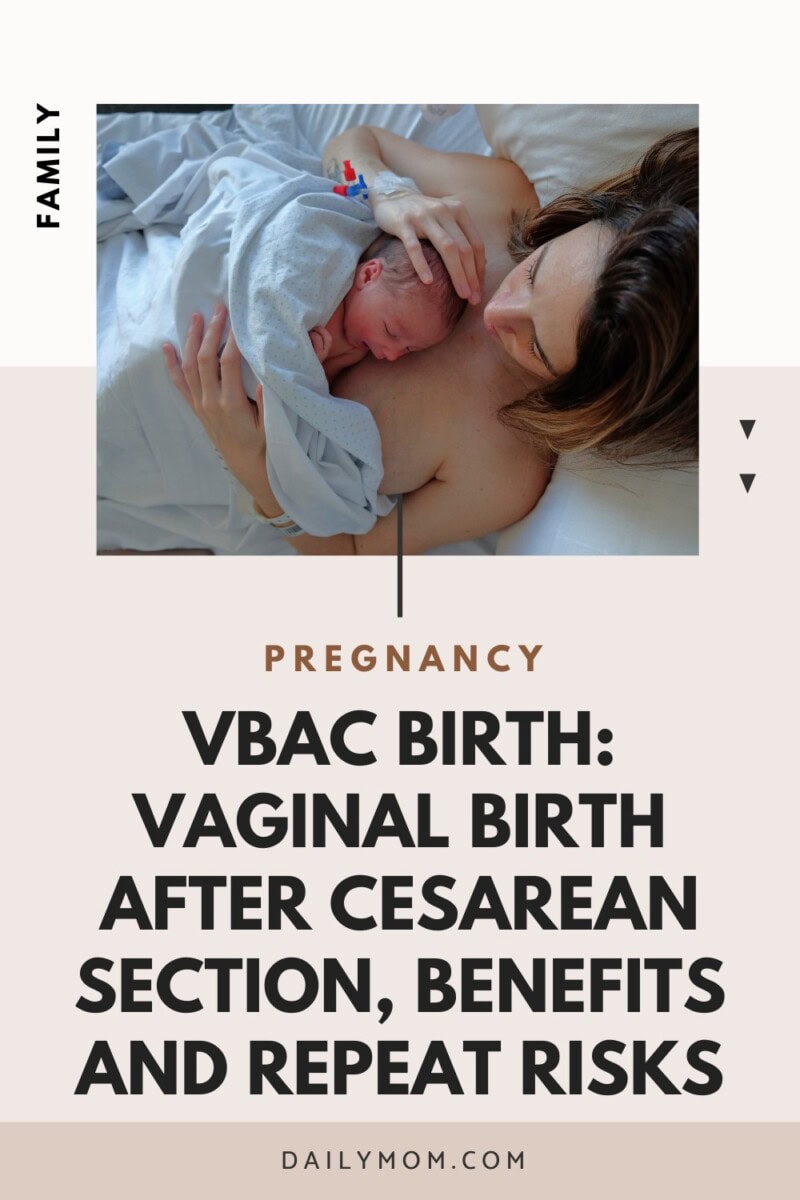





























After one c-section, many women assume every future birth has to be surgical too. That’s not always true. Vaginal birth after cesarean, often called VBAC birth, is a real option — and for some, a deeply healing one.
Choosing a VBAC may come with questions, emotions, and a few challenges. It also comes with the chance to avoid the risks of multiple c-sections and experience a vaginal birth. Learning what VBAC really involves can make the decision feel less overwhelming and more informed. Understanding the benefits and risks, what impacts success rate, and how to prepare physically and mentally can make all the difference. For moms thinking about a VBAC, it’s worth knowing what’s possible — and what support makes it safer.

My VBAC Birth Story: What I Wish More Moms Knew
Every birth story holds emotion, but a VBAC birth brings a unique blend of hope, healing, and determination. For women who’ve had a c-section, the idea of trying for a vaginal birth the next time can feel like reclaiming something that was lost. It’s not just about delivery method — it’s about agency, recovery, and emotional closure.
A successful VBAC can be life-changing. But it often takes research, the right provider, and confidence in your body after a previous cesarean. Many moms never hear the full story — only the risks, rarely the benefits. That’s something that needs to change.
Editor’s Note
There’s a lot that women aren’t told when it comes to vaginal birth after cesarean. After a traumatic emergency c-section that happened at 9 cm with fetal distress, there was physical pain — but the emotional weight stuck around much longer. The epidural hadn’t kicked in during the surgery, and recovery was rough.
Choosing a VBAC wasn’t just about avoiding another cesarean section. It was about getting a chance to push, to feel strong, to heal something invisible. A supportive doctor made all the difference. So did the hours spent reading about VBACs, joining due date groups, and reminding myself of the why. The outcome? A safe, empowered birth — and a much smoother recovery.
No two VBACs look the same, but every woman deserves to know that a VBAC is possible — and that she has a say in how she gives birth.
What is a VBAC Birth?
VBAC stands for vaginal birth after cesarean, and it’s exactly what it sounds like: giving birth vaginally after having had a prior c-section. It’s not a rare thing — and yet, many women don’t know it’s even an option until they’re well into their second pregnancy.
VBAC is usually considered safe for many moms who’ve had one prior cesarean with a low transverse scar, and no other major complications. Still, some providers are hesitant to offer VBAC, so finding the right support can be key. The benefits and risks are real, but so is the satisfaction many women feel after a successful VBAC birth. Understanding what it involves can help make the decision feel less overwhelming.
Vaginal Birth After Cesarean Explained

Not every hospital talks about it, but VBAC birth has become more common — and more supported — in recent years. The success rate for VBACs can be as high as 60–80% depending on individual birth history and provider support. VBAC is generally considered a safe option for many women, especially those with one c-section in the past and no other uterine complications.
VBAC birth typically includes:
- Labor after a prior c-section, either spontaneous or medically induced
- A specific kind of c-section incision — usually a low transverse cut, which reduces the risk of uterine rupture
- Close monitoring throughout labor, in case a repeat c-section is needed
- Clear hospital protocols in place to handle emergencies safely
Having a scar on your uterus doesn’t automatically mean a vaginal birth is off the table. Knowing the details of your prior c-section and getting honest answers from your doctor is essential. Being able to have a vaginal birth the next time around can feel incredibly rewarding — especially for those who felt like that choice was taken the first time.
Why More Women Are Considering Vaginal Birth After a Cesarean
It’s not just about avoiding surgery — although that’s part of it. The shift toward VBAC birth is happening because moms want more control over how they give birth, more options, and better recoveries. C-sections absolutely have a place, but repeat c-sections come with increased risk over time. For many women, VBAC may be a good way to avoid the risks of multiple cesarean deliveries.
Some of the biggest reasons women choose to try a VBAC:
- Recovery is often faster than with abdominal surgery
- Fewer complications like infections, blood clots, and long-term pain
- No major surgery involved, which can reduce healing time
- Lower risk of placenta complications in future pregnancies
- Desire for a natural experience or to be more active during labor
Many women say the most surprising part of a successful VBAC is how emotionally healing it can be — especially after a traumatic first birth. Pushing, even just once, can feel like reclaiming something that was missed. Having the right support, information, and care plan makes all the difference in making VBAC not just a possibility, but a powerful, positive experience.
My Previous C-Section Experience: From Trauma to Healing
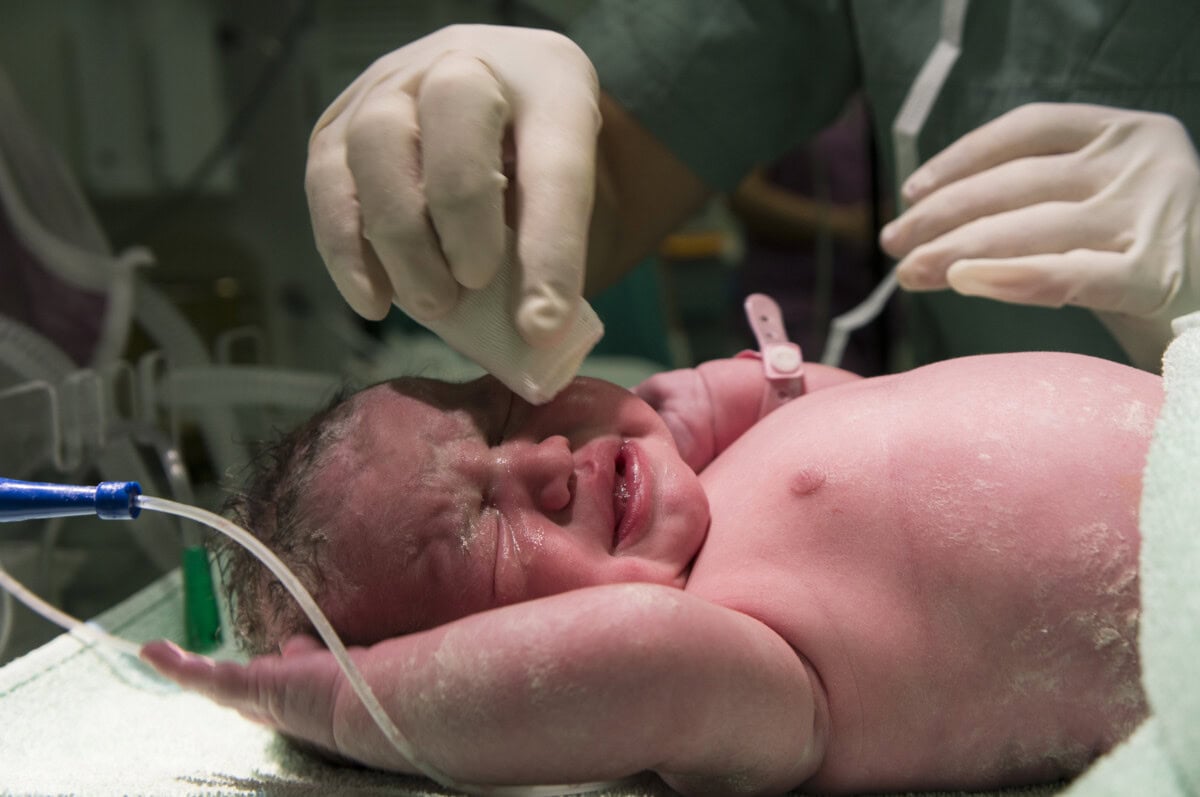
The first birth experience often shapes how women feel going into their next one. When that first experience involves an emergency c-section, the emotional toll can linger far beyond the physical recovery. For those who have previously had a c-section, the decision to try a vaginal birth later can be deeply personal. Healing from a past cesarean isn’t just about scars — it’s about trust, information, and feeling heard the next time around.
The Emergency Cesarean That Changed Everything
There’s a unique kind of heartache that comes with getting so close to a vaginal delivery, only to be rushed into surgery. Being 9 cm and stuck there for hours, then hearing that the baby was in distress, changed everything. With the epidural wearing off and no time to readjust, the cesarean happened fast — too fast for the medication to catch up. Most of the surgery was felt, and only once the stitches began did the numbness return. Calling it traumatic is not an exaggeration.
While the care team was supportive, the experience left a heavy emotional weight that carried into the next pregnancy. That kind of c-section changes how women think about birth going forward. There was grief over not pushing. Grief over not choosing how things unfolded. That’s what made trying for a VBAC feel not just appealing, but necessary.
What I Didn’t Know About the Risk of a VBAC
It’s easy to hear about the dangers of VBAC without getting the full story. Uterine rupture often gets mentioned first, while the actual risk is rarely put into context. Looking back, the most surprising part wasn’t the statistics — it was realizing how often fear shapes hospital policies and how few women are told they even qualify for a trial of labor after cesarean.

The fact is, VBAC is usually safe for many women with one prior cesarean delivery, especially when they’ve had a c-section with a low transverse incision. That part of the uterus tends to hold up well in labor, and most VBACs that are approved are based on this type of scar.
- VBACs are successful more often than expected — up to 80% in good candidates
- A trial of labor after cesarean (TOLAC) can reduce the long-term risks tied to multiple surgeries
- Risks of a c-section increase with every additional cesarean delivery
- Not all VBAC candidates are high risk — many are ideal for a safe vaginal birth
Choosing to attempt a VBAC isn’t reckless or extreme. It’s a valid, informed decision. For many, it’s the right one.
Preparing for a VBAC: What Helped Me Succeed
VBAC success isn’t just luck — it’s often the result of preparation, mindset, and having a birth team that actually supports the goal. Trying to make that shift after a past c-section means doing the emotional and practical work upfront. Many moms don’t realize they can try a vaginal birth until later in pregnancy. Some are even told they need to have a c-section again without exploring any other option. It doesn’t have to be that way.
Finding a VBAC-Friendly Provider
Not all doctors will offer VBAC — even when it’s medically safe to do so. In some practices, only one OB might truly support it, even if the rest say they’re open to it. That can make a big difference in how much support is given during the process.
Signs a provider truly supports VBAC:
- Reviews your past c-section records to evaluate VBAC safety
- Knows the success rate and doesn’t overemphasize worst-case scenarios
- Willing to induce when appropriate instead of pushing a scheduled cesarean
- Answers questions without pressure, judgment, or dismissiveness
Choosing a good candidate for VBAC isn’t just about medical history. It’s also about finding a provider who believes VBAC is a good option when the safety factors line up. One supportive doctor can completely change the experience.
Understanding the VBAC Calculator
One tool that helps some women feel more confident is the VBAC calculator. While it isn’t perfect, it provides a general idea of VBAC success likelihood based on personal health data, prior cesarean details, and birth history. This doesn’t mean it makes the decision — but it can offer some helpful perspective, especially when discussing the risks vs benefits with your OB.
What the calculator usually considers:
- Age and BMI
- History of vaginal delivery
- Reason for prior c-section
- Gestational age at delivery
Seeing a high score on the calculator gave a sense of reassurance — not because it guaranteed a vaginal birth after c-section, but because it proved a VBAC was possible, and maybe even likely.
Getting Past the Fear of My Previous C-Section Scar
Trying for a VBAC after a traumatic birth brings emotional flashbacks. The biggest fear often centers on the c-section scar and the uterus — specifically the risk of rupture. Every twinge or contraction comes with the mental question: is this pain normal, or is something going wrong? That kind of anxiety is common, but manageable with the right mindset and monitoring.
- Affirmations that reinforce trust in the body and in the safety plan
- Choosing a doctor who clearly explains risks, but doesn’t exaggerate them
- Learning about what kind of c-section incision was done — most often, a low transverse cut, which is considered the safest for VBAC
- Preparing for both outcomes — being ready to try VBAC, but at peace if a c-section is needed again

The uterus is strong, and in most VBACs, that previous c-section scar holds just fine. Still, it’s okay to take time to emotionally process what happened before — and to recognize the strength it takes to try again.
The Day of Birth: My Vaginal Birth After a C-Section
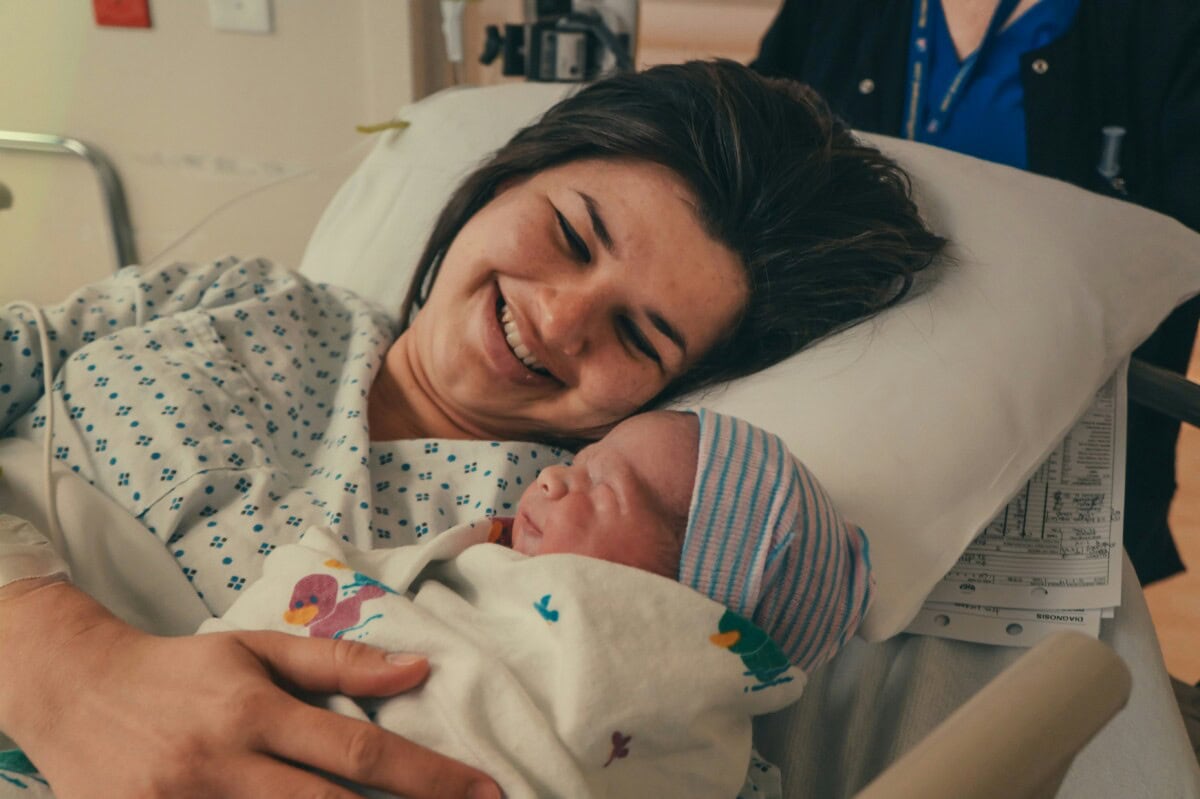
Reaching the end of a VBAC pregnancy feels like standing at the edge of something powerful. It’s emotional, uncertain, and exciting all at once. The day labor begins can stir up flashbacks from a previous cesarean, but also hope for something new. For moms planning a vaginal birth after cesarean delivery, staying grounded and supported in that moment matters more than ever.
Being Induced for a VBAC Birth
Induction during a VBAC isn’t always standard, and not every doctor is comfortable with it. In this case, it was one day before the due date, and the doctor was willing to induce because everything pointed to a good chance of success. The first attempt — a membrane sweep — didn’t do much. Pitocin ended up being the magic touch. Labor started soon after, and it progressed smoothly. The one non-negotiable from the doctor was getting an epidural early in case a c-section was needed again. That gave peace of mind without taking away from the moment.
- Pitocin can be safe for VBAC when used carefully with monitoring
- Some doctors require an epidural as a precaution, especially when labor is induced
- Early planning reduces stress when birth unfolds a little differently than expected
- A supportive provider makes all the difference, especially when induction is part of the plan
Starting labor in a hospital that supports VBAC gave a sense of calm. There was trust in the process, and confidence in knowing a c-section if needed could happen quickly and safely.
My Natural VBAC Birth: What Surprised Me
Nothing compares to the moment of realizing a VBAC might actually happen. After spending years believing that a repeat cesarean was inevitable, feeling that first real urge to push felt almost unreal. The first push brought instant tears — not from pain, but from the emotional release of getting the birth that once seemed impossible. That moment is forever etched in memory.
- Pushing felt like reclaiming strength, especially after not reaching that point in the first birth
- Labor felt natural and connected, even with the epidural
- Recovery was shockingly smooth, especially compared to the long healing process after surgery
- The mental shift was real — going from fear to pride in what the body accomplished
Vaginal birth is generally considered easier to recover from than surgery. And for many moms who’ve gone through both, the difference in physical and emotional healing is massive.
VBAC Birth Risks and Benefits: What Every Mom Should Know
Choosing between a VBAC and a repeat cesarean is deeply personal. There’s no one-size-fits-all answer. Understanding both the benefits and risks helps make the decision less intimidating and more informed. Every option comes with pros and cons. The goal is to plan for safety while also honoring what feels right — physically, emotionally, and practically.
Common Risks of a VBAC
The most talked-about risk is uterine rupture — when the previous c-section scar on the uterus tears during labor. It’s serious but rare. In well-monitored hospital settings, rupture is caught quickly and managed safely. VBAC isn’t inherently dangerous, but it does require careful planning and open conversations with your doctor. It’s also important to note that not every VBAC attempt leads to a vaginal delivery — and that’s okay too.
Potential risks of VBAC include:
- Uterine rupture, though rare, can make a c-section necessary quickly
- Emergency interventions, especially if labor stalls or fetal distress occurs
- Emotional triggers for women who had traumatic first births
- Chance of a longer labor, particularly if it’s the first time giving birth vaginally
Complications to Be Aware Of
Even with a great team and solid preparation, no birth is without unpredictability. Complications can happen with any type of delivery — vaginal or via cesarean section. The important thing is staying informed and having a plan in place. For some, the fear of a complication outweighs the desire to attempt a VBAC. That’s okay. For others, knowing they’ve done everything they can to experience a vaginal birth is worth it, even if a c-section ends up being necessary.
- Increased monitoring or intervention during labor
- Unplanned transition to surgery
- Need for longer monitoring postpartum, especially if uterine tenderness or blood loss occurs
Knowing the possible bumps along the road helps keep expectations grounded. But it doesn’t cancel out the empowerment that comes from trying.
Even with these concerns, VBAC is usually safe for many women. The key is being prepared — mentally, physically, and medically.
Benefits of VBAC Over Repeat Cesarean
For those who are able to try a VBAC, the benefits can be meaningful. Not only does vaginal birth typically offer a smoother recovery, but it also reduces complications tied to surgical deliveries — especially for women hoping to have more children.
- Avoiding major surgery, which often means less pain and quicker mobility
- Lower chance of infection and blood loss
- More immediate bonding and easier breastfeeding, especially with fewer post-op meds
- Less scar tissue, which protects fertility and lowers future pregnancy risks
VBAC and a repeat cesarean each come with trade-offs, but for a good candidate for VBAC, the overall health outcomes often lean positive.
Is VBAC Right for You? How to Make an Informed Choice
The decision to try a VBAC isn’t just medical — it’s emotional, practical, and deeply personal. What feels right for one mom may not feel right for another. The good news? You don’t have to decide alone.
Support, preparation, and information are the keys to knowing if a VBAC is right for you.
Who Is a Good Candidate for Vaginal Birth After a Previous Cesarean Birth?
Not every woman who previously had a c-section will be able to attempt a VBAC — but many are. Doctors typically look at past birth history, the type of c-section performed, and current pregnancy health.
Strong indicators of a good VBAC candidate:
- Low transverse incision on prior cesarean
- No complications with the current pregnancy
- Baby is in a head-down position
- Adequate spacing since the last birth, usually 18+ months
- No medical conditions that would make a c-section necessary
Vaginal birth after c section isn’t just for “unicorn” pregnancies. In fact, VBACs are successful more often than not when the conditions are right.
When a Repeat C-Section Might Be the Better Option
There are valid reasons to choose a scheduled cesarean — and sometimes, it’s the safest call. Certain medical complications, uterine issues, or repeat surgeries can make VBAC less ideal. Reasons to consider a repeat c-section:
- Vertical or classical uterine incision, which affects the strength of that part of the uterus
- Placenta previa or accreta
- Multiple prior cesareans without vaginal births in between
- Structural concerns, like a narrow pelvis or large baby (though this is often overestimated)
- No desire to risk an emergency scenario, especially after a traumatic first birth
Making the choice between VBAC and cesarean isn’t about pride or pressure. It’s about safety, readiness, and trusting your instincts. If there’s ever a moment during labor when the plan needs to shift, a c-section if needed can still be part of a positive and supported birth story.
What I’d Tell Any Mom Considering a VBAC
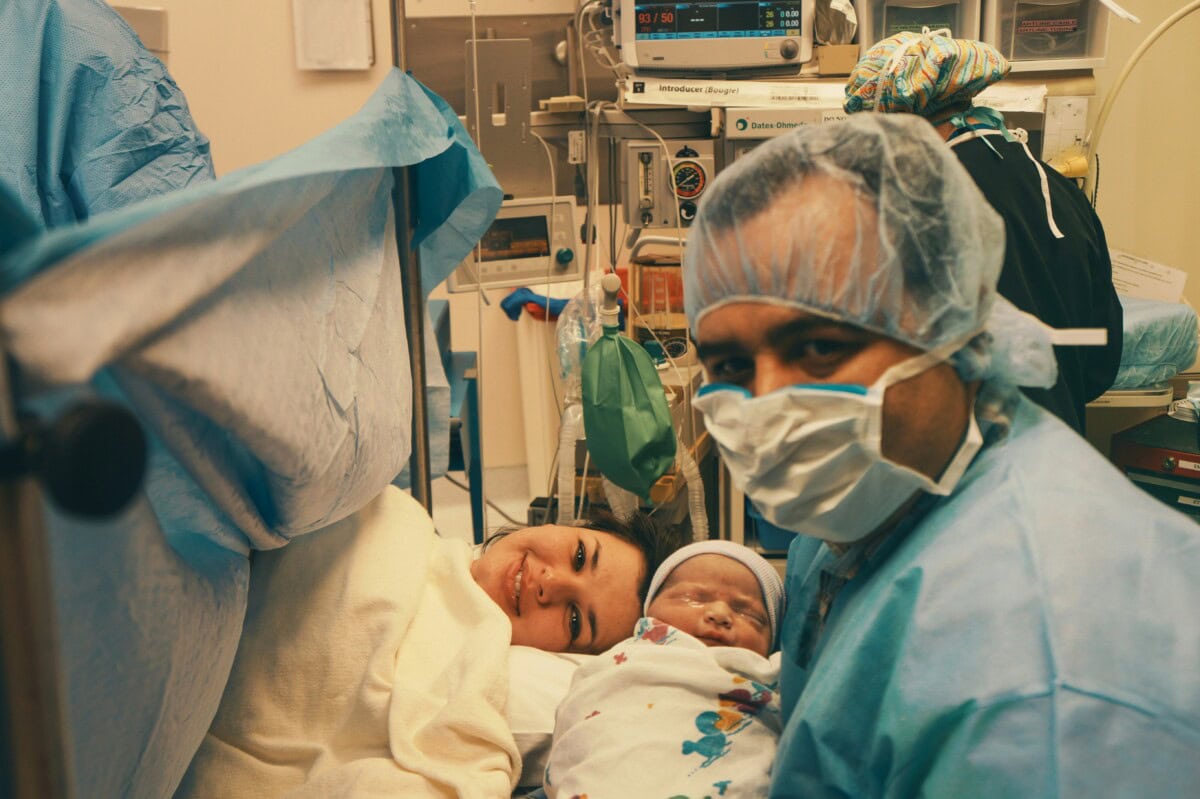
Choosing to try a vaginal birth after cesarean can feel like stepping into the unknown. Even with support and planning, the emotional weight of a past birth experience doesn’t disappear overnight. That said, this path can also bring deep healing — the kind that sticks with you long after the hospital stay.
Trusting Your Body After a Past C-Section
The hardest part for many moms isn’t the physical challenge of labor. It’s the mental battle: Can my body really do this after everything it’s been through? The answer isn’t always a guaranteed yes — but VBACs are successful more often than people realize. That’s a fact worth repeating.
Sometimes, it only takes one moment — that first push, or hearing the doctor say “you’re doing it” — to realize just how strong and capable your body still is.
Resources That Helped Me Feel Empowered
Getting educated on VBAC early in the third trimester made a huge difference in confidence and clarity. Joining groups, reading other birth stories, and using tools like the VBAC calculator gave perspective.
- VBAC support groups on Facebook and other mom communities
- Birth plan templates that include VBAC-specific preferences
- Positive birth podcasts and VBAC stories to stay encouraged
- Conversations with OBs and midwives who support vaginal birth after cesarean
For anyone unsure if a VBAC is right, it helps to read personal stories, look at the research, and talk with more than one provider. Knowledge doesn’t guarantee a specific outcome — but it does give you options. VBAC isn’t just a medical decision — it’s a personal one. And when it’s made with care, it can be exactly what a woman needs to feel strong, seen, and in control of her story again.
FAQs
Q: What is VBAC and why is it called vaginal birth after cesarean?
A: VBAC stands for Vaginal Birth After Cesarean. It refers to the process of delivering a baby vaginally after having previously undergone a cesarean section (C-section). This term is used to differentiate it from repeat C-sections.
Q: What are the chances of a successful VBAC?
A: The chances of a successful VBAC are generally favorable, with studies showing that about 60% to 80% of women who attempt VBAC are successful. However, this can vary based on individual circumstances including the reasons for the previous cesarean, the type of incision made, and overall health.
Q: What are the benefits of choosing a VBAC over a repeat C-section?
A: The benefits of a VBAC may include a shorter recovery time, decreased risk of surgical complications, lower risk of infection, and a reduced likelihood of future pregnancies being complicated by surgical scarring. Additionally, many women prefer the experience of a vaginal birth.
Q: Are there any risks associated with VBAC?
A: Yes, while VBAC can be successful, there are risks involved. The most significant risk is uterine rupture, which occurs in about 0.5% to 1% of cases. Other risks may include complications related to labor and delivery, as well as potential need for an emergency C-section.
Q: How can I increase my chances of a successful VBAC?
A: To increase the chances of a successful VBAC, it’s essential to choose a supportive healthcare provider, ensure that you are a good candidate for VBAC, maintain a healthy pregnancy, and discuss your birth plan thoroughly with your medical team.
Q: What factors can affect the success of a VBAC?
A: Several factors can affect the success of a VBAC, including the type of incision made during the previous cesarean, the reason for the initial C-section, maternal health, the baby’s position, and whether labor begins spontaneously or is induced.
Q: Can I still have a VBAC if I had multiple cesareans?
A: It is possible to have a VBAC after multiple cesareans, but the decision will depend on individual circumstances such as the type of incisions used and overall health. It’s important to have a detailed discussion with your healthcare provider to assess the risks and benefits.
Q: What are some common misconceptions about VBAC?
A: Common misconceptions about VBAC include the belief that it is always risky or impossible after multiple C-sections, that all women are candidates for VBAC, and that VBAC is not safe for larger babies. It’s important to consult with healthcare providers to get accurate information based on individual circumstances.
You might also be interested in…
Does it seem like a c-section would be a better fit? Check out these reasons they may not be as bad as you think!
CONNECT WITH DAILY MOM
💖 NEWSLETTER: DAILY READS IN YOUR INBOX 💖
Sign up to receive our picks for the best things to do, see and buy so you can relax and focus on more important tasks! Let us help you be the best version of yourself you can be!
BE SOCIAL WITH US
📌 LOVE IT? PIN IT!📌