





























Learn to code online, and YouTube quickly becomes the biggest free classroom on the internet. The trouble is that thousands of coding YouTubers post every week, and the teaching quality swings wildly from one creator to the next. Here we break down the top YouTube channels for coding at every level, plus the newer wave of AI-focused programmers shaping how people pick up real programming skills today.
Is YouTube a Good Place to Learn Coding?
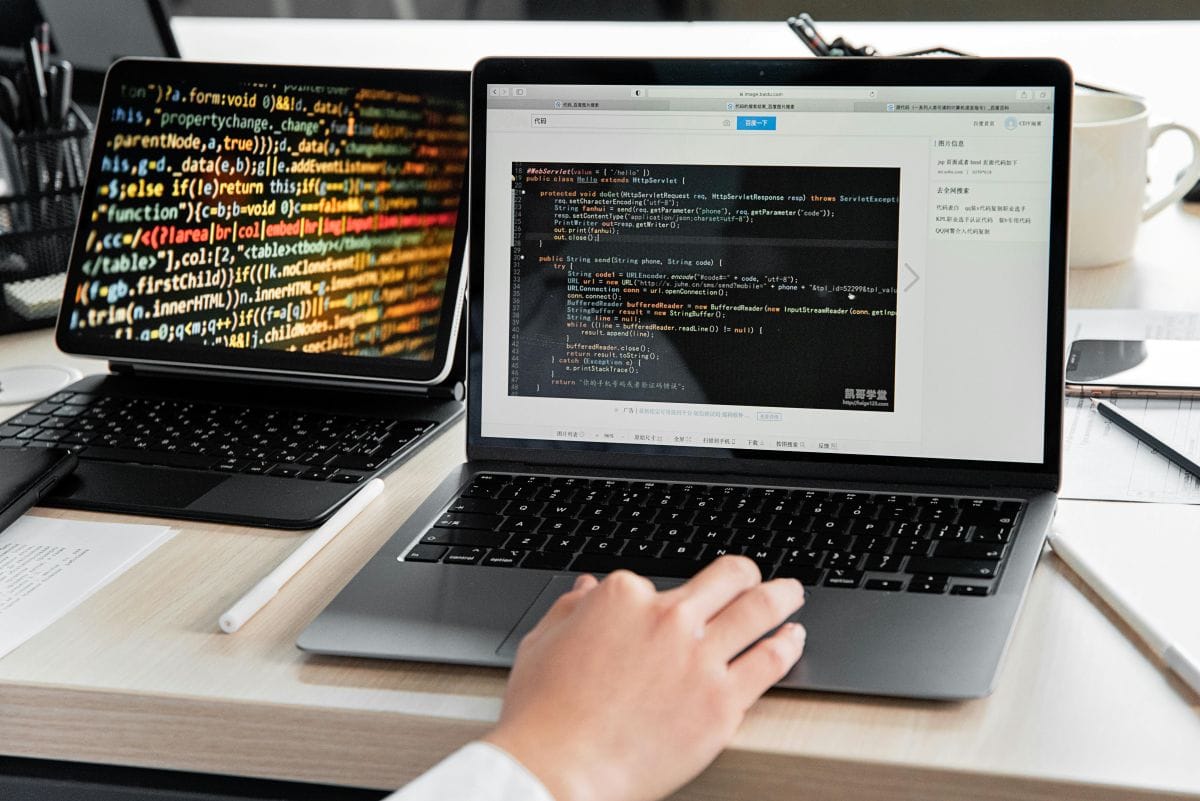
Short answer: yes, with one honest catch. Watching alone won’t turn anyone into a programmer, the videos only stick when paired with writing real code along the way.
- Free, on-demand learning that rivals paid bootcamps and most free courses online
- A visual format that helps a newcomer see what a real codebase looks like in motion
- Comment threads that turn into a debugging hotline for tough coding problems
- Creators update content often, while written tutorials can go stale within a year
- Pair the videos with structured online coding platforms like freeCodeCamp or The Odin Project for steady learning progress
Why YouTube Is the Best Place to Learn How to Code in 2026
The platform has quietly outpaced most paid options for one simple reason: the price tag is zero, and the depth is real. Where else can a learner sit beside an expert coder for three hours and watch a full app get built from a blank file?
- On-demand, project-based lessons that match what most bootcamps charge thousands for
- A visual format that helps a beginner absorb syntax, file structure, and the rhythm of writing code
- Comment sections that double as a free help desk for stuck programmers
- Fresh uploads that keep pace with new programming languages, frameworks, and AI tools
- A reminder: the platform alone won’t replace hands-on practice — pair the videos with a structured site like freeCodeCamp or The Odin Project, and ship a first project as soon as possible
What Makes a Best Coding YouTube Channel
Not every creator with a camera deserves a spot in a learner’s queue. Knowing what separates a useful channel from a flashy one saves hours of wasted watch time.
- Subscriber count and longevity, half a million subscribers or more usually signals that working software developers trust the teaching
- A consistent upload schedule, since abandoned channels fall behind in tech almost overnight
- Clear, code-first explanations with less talking head and more screen filled with computer code
- An up-to-date stack that reflects current programming technology and the ongoing AI shift in software development
- Project-based content, so the viewer leaves with something built and a small win in their coding journey
Which Channels Offer the Best Introduction to Coding for Beginners?
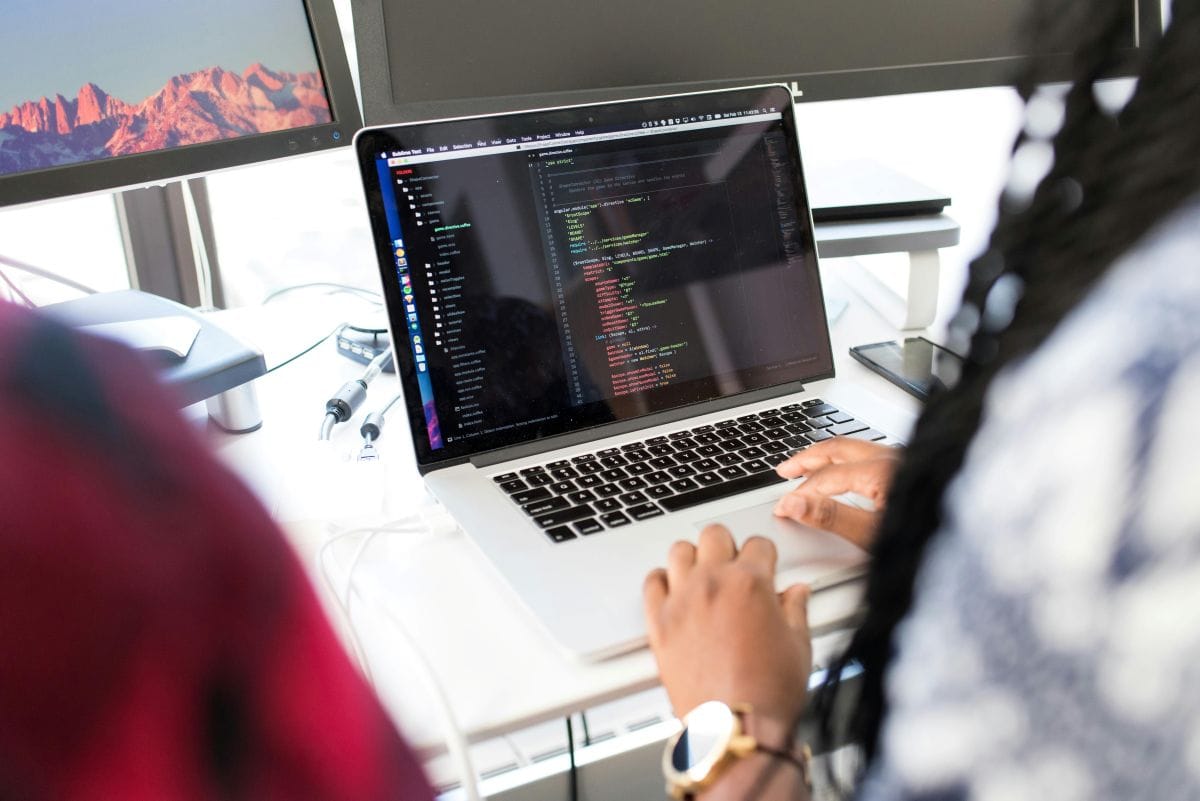
A new learner needs slow pacing, plain English, and a teacher who remembers what it felt like to be lost. The picks below all check those boxes, and most are run by software developers who were once new to coding themselves.
FreeCodeCamp.org— A Full Computer Science Curriculum for Free
over 11 million subscribers, with full programming courses on HTML, CSS, Python, and data structures
Programming with Mosh— A Polished Path Into Coding for Beginners
Calm, polished lessons across several programming languages and frameworks
Bro Code— Free, Fast-Paced Lessons for the Self-Taught Coder
Fast-paced and irreverent, great for anyone bored stiff by a traditional bootcamp
Kevin Powell— The Best YouTube Channel to Learn HTML and CSS
The expert coding voice on HTML and CSS, and the strongest intro coding path for anyone drawn to front-end work
Code with Ania Kubów— Project-Based Coding for Beginners
Project-driven builds like Pac-Man and Tetris, written from scratch in JavaScript
CS Dojo— A Gentle Introduction to Computer Science Fundamentals
A gentle path into computer science, taught by an ex-Google engineer who never required a degree in computer science from his audience
Top Programming Tutorials for Intermediate Coders
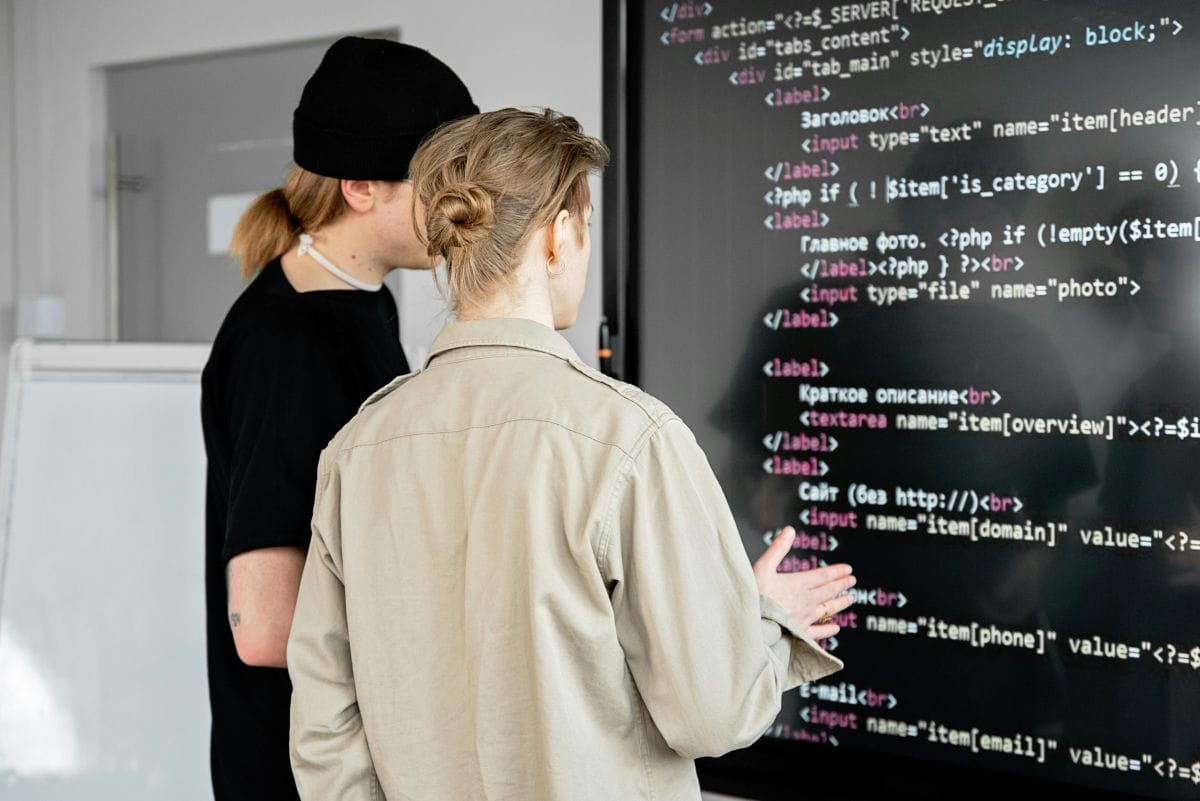
After the basics click, most learners hit a wall, too advanced for beginner videos, not quite ready for senior-level talks. These channels live in that middle zone, where syntax is solid but real-world coding skills are still being shaped.
Fireship— Lightning-Fast Programming Explainers
Three-minute explainers on every new framework, language, and AI tool worth tracking
The Net Ninja— A 2,000-Video Library for the Web Coder
A 2,000-video library covering JavaScript, Node, React, Vue, and dozens more
Web Dev Simplified— One Concept at a Time
Short, focused lessons by Kyle Cook with zero fluff and a steady rhythm
Coding with Lewis— Career-Focused Programming Content
Career-driven content for anyone serious about software engineering as a path
Academind— Full-Project Builds for the Aspiring Programmer
Full app development walkthroughs in React, Angular, Vue, and Node from blueprint to deploy
The Best YouTube Channels for Advanced Developers and Computer Science Topics
Past the intermediate stage, the question shifts from “how does this work” to “why was it built this way.” These channels go deep on algorithms, data structures, and the parts of computer science most online courses skip entirely.
Traversy Media— Deep Dives Across the Full Stack
Long-form full-stack tutorials trusted by 2.4 million subscribers
Sebastian Lague— Computer Science Through Creative Projects
Gorgeous deep dives into algorithms, simulations, and custom game engines
The Coding Train— Creative Coding and Generative Art
Creative coding and generative art led by Daniel Shiffman of NYU
TechWorld with Nana— DevOps, Docker, and Kubernetes for Working Coders
DevOps, Docker, and Kubernetes for coders moving into infrastructure
Hussein Nasser— Back-End Engineering and System Design Deep Dives
Database internals and back-end systems explained slowly for senior programmers
Missing Semester (MIT)— The Computer Science Tools Nobody Formally Teaches
Shell scripting, Git, and the technical toolkit, no formal course bothers to cover
The Best YouTube Channels by Programming Language to Learn
The right channel depends on the programming language to learn first, and that choice usually comes down to what a learner wants to build. The picks below are sorted by language, so a new coder can jump straight to the stack that fits the goal.
Channels to Learn Python
- Python — Corey Schafer for clean Python explainers, Sentdex for data science and machine learning, Tech With Tim for automation and game projects
- JavaScript — The Net Ninja, Web Dev Simplified, Fireship, and Wes Bos own this space
- Java — Coding with John for clean fundamentals, Amigoscode for Spring Boot and microservices
- C# and game development — Brackeys for Unity, GameDev.tv for full Unity and Unreal walkthroughs
- Mobile apps — CodeWithChris for Swift and iOS, Android Developers for Kotlin, Flutter for cross-platform builds
- SQL and databases — Caleb Curry for clear SQL walkthroughs that work for any backend stack
How AI Is Reshaping What It Means to Learn How to Code
The reality of 2026: most new programmers learn alongside AI assistants from day one. The skill mix has shifted away from pure syntax memorization toward debugging, prompting, and reading AI-generated code with a sharp eye.
- Fireship’s Code Report — the fastest way to track Cursor, Copilot, Claude Code, and every new AI dev tool
- Sentdex — hands-on machine learning and Python builds using real datasets
- Two Minute Papers — bite-sized recaps of cutting-edge AI research for context, not coding
- StatQuest with Josh Starmer — machine learning concepts taught without the math anxiety
- Matthew Berman and David Ondrej — practical app development using AI tools like Cursor, Bolt, and Claude
- Lex Fridman — long-form interviews with AI researchers for the bigger-picture view on where computer science is heading
A Few Honorable Mentions Every Coder Should Know
Some creators don’t fit cleanly into a beginner, intermediate, or AI bucket, but skipping them means missing real gems. These channels round out a well-balanced subscription list for anyone serious about a long coding journey.
- DesignCourse — a front-end and UI/UX hybrid for coders who care about how a build looks
- Developedbyed — creative web development lessons with personality and a sense of humor
- Stefan Mischook — career advice from a veteran with over twenty years in the field
- TheNewBoston — the original coding YouTuber, with a massive back catalog still worth mining
- Abdul Bari — algorithm lessons delivered like a university lecture, perfect for interview prep
- GitHub — the official channel, useful for anyone contributing to open source projects or learning Git workflows
How to Actually Learn to Code from YouTube (and Not Just Watch)

Watching videos is the easy part, building the habit around them is where most learners trip. The trick is to treat the platform like a guided gym session, not a Netflix binge, and put in the time at the keyboard.
- Pick one channel and stick with it for at least thirty days; channel-hopping is the top reason beginners stall
- Code along in real time, pausing the video to type every line by hand
- Choose a single language to learn first — Python or JavaScript works for most people new to coding
- Ship a first project fast, like a personal site or a small game
- Pair the videos with structured learning resources like freeCodeCamp or The Odin Project
- Join the channel’s Discord or comment section, since coding moves quicker with the company
- Treat coding books as a backup reference for moments when a video skips a step
Ideas for a First Project Once You’ve Picked Your Channel

The best way to learn is to build something small and finish it. A scrappy project that actually works teaches more than ten polished tutorials ever could, and it gives a learner real evidence of progress to put on GitHub.
- A personal portfolio page built with HTML and CSS, then sprinkled with a little JavaScript
- A to-do list app in React or vanilla JS to get comfortable with state
- A weather app that pulls data from a public API and renders the results
- A simple game like Snake, Pong, or Tic-Tac-Toe to practice loops and logic
- A chatbot wired up to the OpenAI or Anthropic API — the modern version of “Hello, World!”
- A script that automates one annoying daily task, like renaming files or scraping a page
Final Thoughts on the Best Way to Learn to Code in 2026
The barrier to learn programming has never been lower, and anyone who wants to learn to code can do it without spending a dime. The channels above represent millions of hours of vetted lessons, pick one, commit to a coding project, and let the rest follow.
- This beginner’s guide works best when paired with hands-on practice and a clear goal in mind
- Free online courses like freeCodeCamp or The Odin Project lock in what each coding tutorial introduces
- Anyone who wants to learn the basics can build websites within a few weeks of steady effort
- Web languages like HTML and CSS are easy to learn and the friendliest starting point for most
- A new coder doesn’t need to understand the code on day one — clarity comes with reps, not theory
- Even tools that feel intimidating, like a new operating system or terminal, get easier with time
- These resources help you learn faster than going it alone, so pick a favorite and press play
Key Things to Remember
- YouTube is one of the strongest places online to pick up real coding skills for free
- Subscriber count, fresh uploads, and screen-first teaching mark the channels worth your time
- Beginners should start with freeCodeCamp, Mosh, or Kevin Powell
- Intermediate coders get the most from Fireship, Net Ninja, and Academind
- Advanced learners belong with Traversy Media, Sebastian Lague, and MIT’s Missing Semester
- Python and JavaScript remain the smartest first languages for most newcomers
- AI-focused creators like Fireship, Sentdex, and Matthew Berman cover the new wave of dev tools
- Ship a small project early — a portfolio site, a weather app, or a simple chatbot will do
- One channel, thirty days, real keyboard time — that’s the recipe that actually sticks
You might also be interested in…
Want to learn new skills every month? Check this out.
CONNECT WITH DAILY MOM
💖 Where every mom deserves a moment. 💖
FIND US ON OUR SOCIALS
LOVE IT? PIN IT!


