



























From desks that change configuration and dining tables that transform for entertaining to modular sofas and storage that grow with the family, Hulala Home is rethinking what furniture can do for modern living.
The modern family home has become one of the hardest-working spaces in our lives. It’s where careers unfold, children grow, friends gather and everyday routines overlap in ways they rarely did a generation ago. A dining room might double as a workspace during the day before becoming the setting for a family dinner. A living room can accommodate an afternoon homework session and an evening spent entertaining friends. As families grow and circumstances change, the rooms we once designed for a particular purpose often need to become something entirely different.
Yet for all the ways our lives have evolved, much of the furniture we live with has remained remarkably unchanged. Desks are designed for offices, dining tables are designed for meals and furnishing a home often means choosing pieces based on how we expect to use a room rather than how our needs might change over time. It’s a disconnect that Hulala Home is working to address through a design philosophy that feels particularly relevant to today’s families: The Adaptive Home, a home that evolves with the life happening inside it.
At its core is the belief that furniture should accommodate the people who use it, rather than requiring people to adapt their lives around it. For Hulala Home, that means considering how a piece functions within a space, how its purpose might change throughout the day or over the years and how it serves the different generations sharing a household. The brand calls this approach Adaptive Design, but the underlying idea is refreshingly straightforward. A home should be able to keep up with life, whether that means creating a productive workspace in a shared living area, expanding a dining table for unexpected guests or rearranging a sectional to accommodate a growing family.
What makes Hulala Home’s philosophy particularly interesting is that it doesn’t insist every piece of furniture needs to transform. Instead, the brand believes furniture should earn its place in one of two ways: by offering meaningful adaptability or by delivering the craftsmanship, materials, quality and comfort that make it worth keeping. A desk that changes configuration to accommodate different activities has a clear purpose, as does a modular sofa that can be rearranged or a storage system that expands as needs change. But a beautifully crafted bed or comfortable recliner doesn’t need a clever mechanism to justify its existence. Its value comes from how well it serves the family and how naturally it fits into everyday life.
It’s an approach that distinguishes meaningful innovation from novelty. For Hulala Home, that philosophy began with an unconventional desk and has since evolved into a broader vision for the entire home.
A Desk That Refused to Be an Office
The shift toward working from home created an unexpected design challenge. For years, the home office had been treated as a separate category, with furniture that looked and functioned much like the pieces found in corporate workplaces. But as work became part of everyday home life, those traditional designs often felt out of place. A bulky desk could overwhelm a bedroom, while a conventional workstation might look awkward in a living room that was otherwise carefully furnished. Families needed places to work, but they didn’t necessarily want their homes to look like offices.
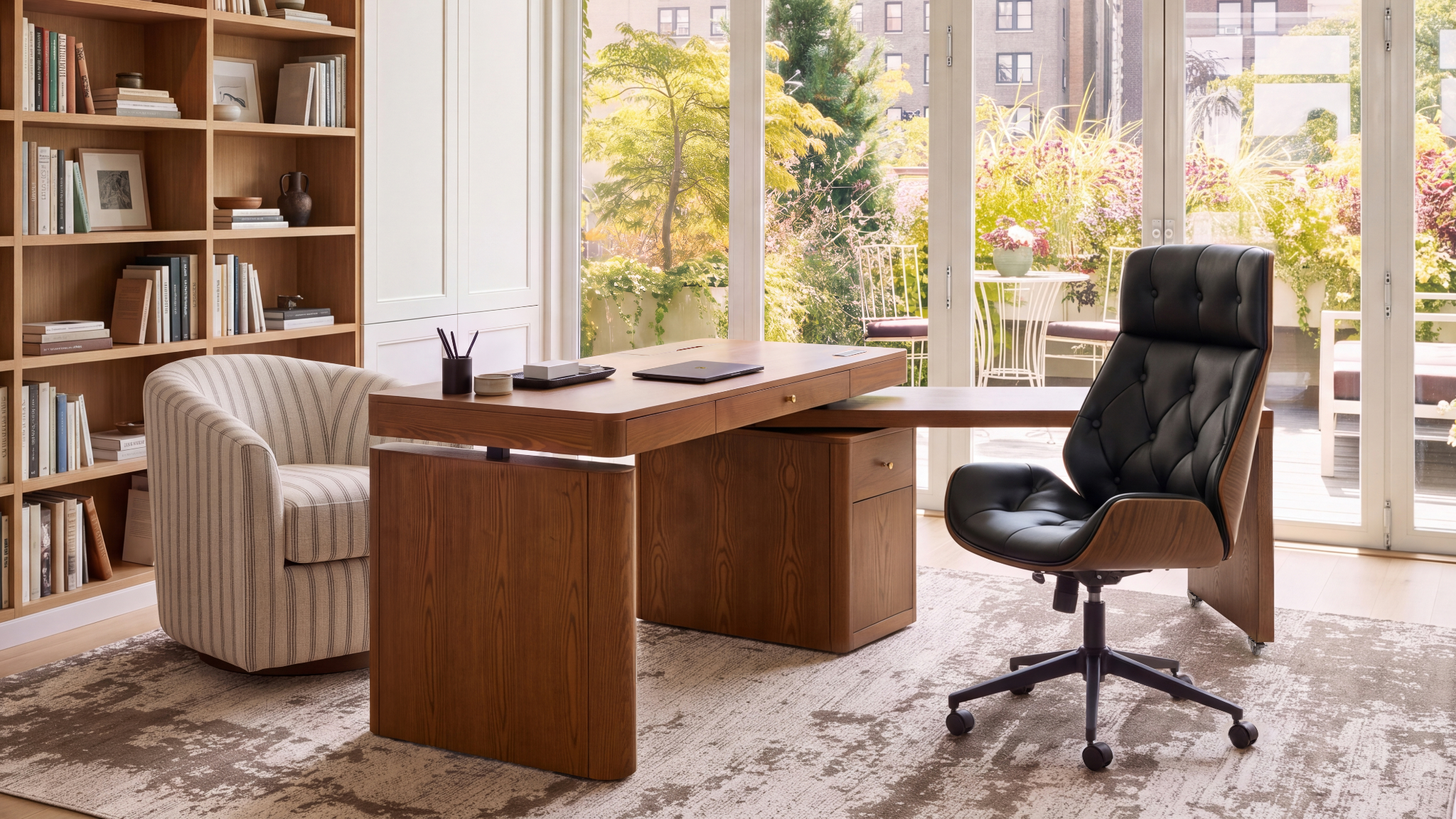
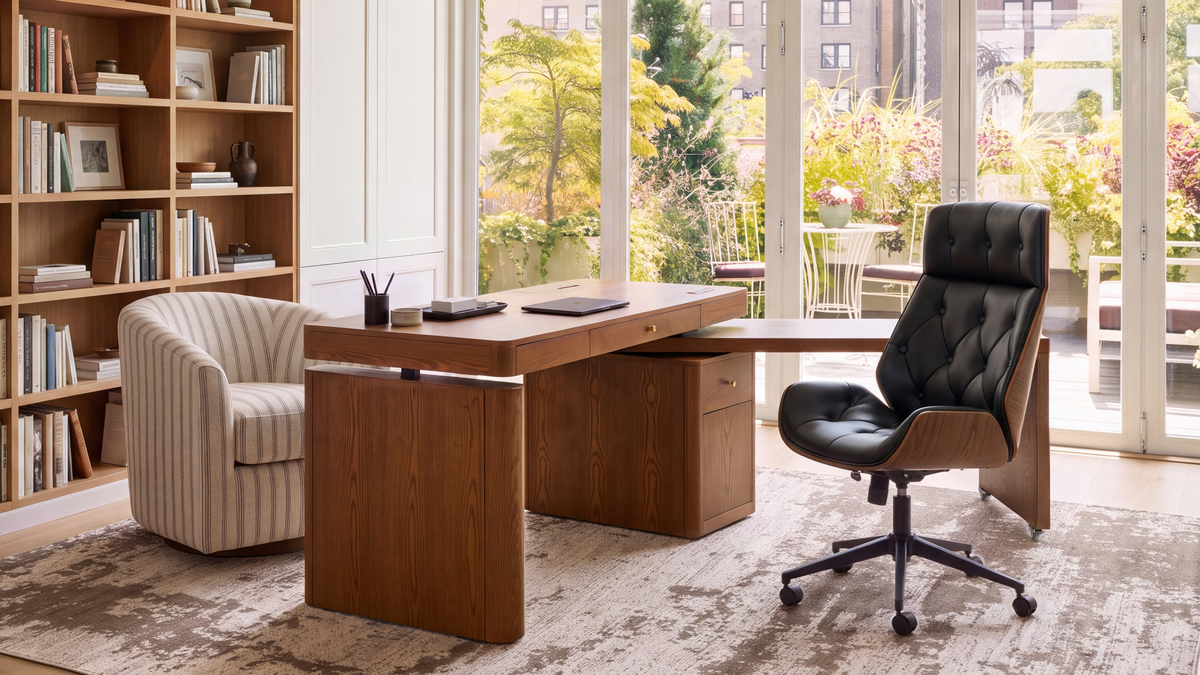
Hulala Home approached the problem from a different perspective. Rather than asking how office furniture could be squeezed into residential spaces, the brand considered how a desk might be designed specifically for the way people live at home. That thinking helped inspire the Veritas 360-Degree Rotating Electric Adjustable Standing Desk, a piece that combines the functionality of a contemporary workstation with the warmth and visual appeal of residential furniture.
What distinguishes the Veritas is its ability to change configuration. The desk features a secondary work surface that rotates 360 degrees, allowing users to reposition it according to their needs. Instead of remaining in a single fixed arrangement, the desk can take on different layouts for focused computer work, paperwork, creative activities or collaboration. Its flexibility is particularly useful in homes where a workspace must coexist with other functions, offering a way to make better use of available space without introducing additional furniture.
Consider a parent who begins the morning answering emails and participating in video meetings. The desk can be arranged to accommodate a laptop, monitor and the materials needed for a productive workday. Later, the rotating surface can be repositioned to create additional room for reviewing documents, organizing a household project or working alongside a child. When the workday ends, the desk can return to a more compact configuration, allowing the surrounding room to feel less like an active office. The transformation isn’t about novelty. It’s about giving one piece of furniture the flexibility to support different activities as the day unfolds.
The Veritas also incorporates electric height adjustment, allowing users to alternate between sitting and standing positions. Three programmable memory presets make it convenient to return to preferred heights, while a built-in sedentary reminder encourages users to be more mindful of prolonged sitting. Integrated storage provides room for office supplies and everyday essentials, while concealed cable management helps reduce the visual clutter that often accompanies computers and electronic devices. These practical features make it easier to maintain a workspace that feels organized and intentional, especially when the desk is located in a bedroom, living room or other shared area.
The Veritas illustrates an important distinction in Hulala Home’s design philosophy. Adaptive furniture isn’t simply furniture with moving parts. Its value comes from the way those features respond to genuine needs. The rotating desktop provides flexibility in how the work surface is arranged, the height adjustment accommodates different working positions and the storage helps a professional workspace coexist with residential life. Each element contributes to the same goal: making the home more functional without compromising the experience of living in it.
A Dining Room That Makes Space for More
The dining room offers another compelling example of how Hulala Home is approaching furniture differently. While the dining table has always been a gathering place, its role in modern family life extends far beyond mealtimes. It’s where children complete homework, parents spread out paperwork, holiday decorations are assembled and family games stretch late into the evening. For families who enjoy entertaining, the ideal table must also accommodate everything from intimate weeknight dinners to holiday celebrations with a full house.
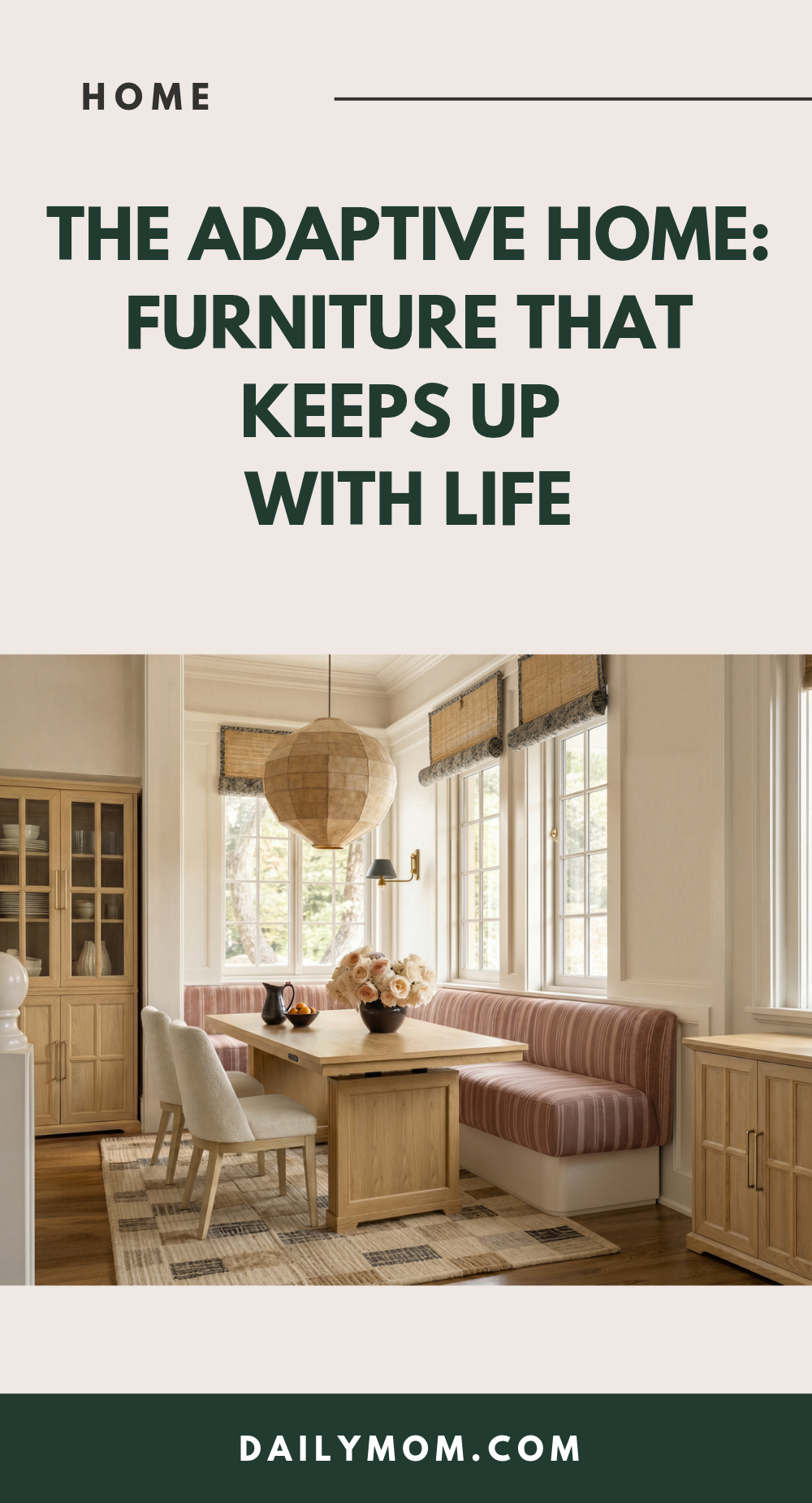
Hulala Home’s new Julia 86.5-Inch Electric Height-Adjustable Dining Table brings the brand’s Adaptive Design philosophy into this familiar setting. Designed with the warmth of farmhouse-inspired furniture, Julia looks like an inviting dining table, but its electric lift system allows the tabletop to rise and lower according to the activity taking place. With a height range of 30 to 48.5 inches, the table can transition from traditional seated dining to a raised surface for standing activities, creative projects or entertaining.
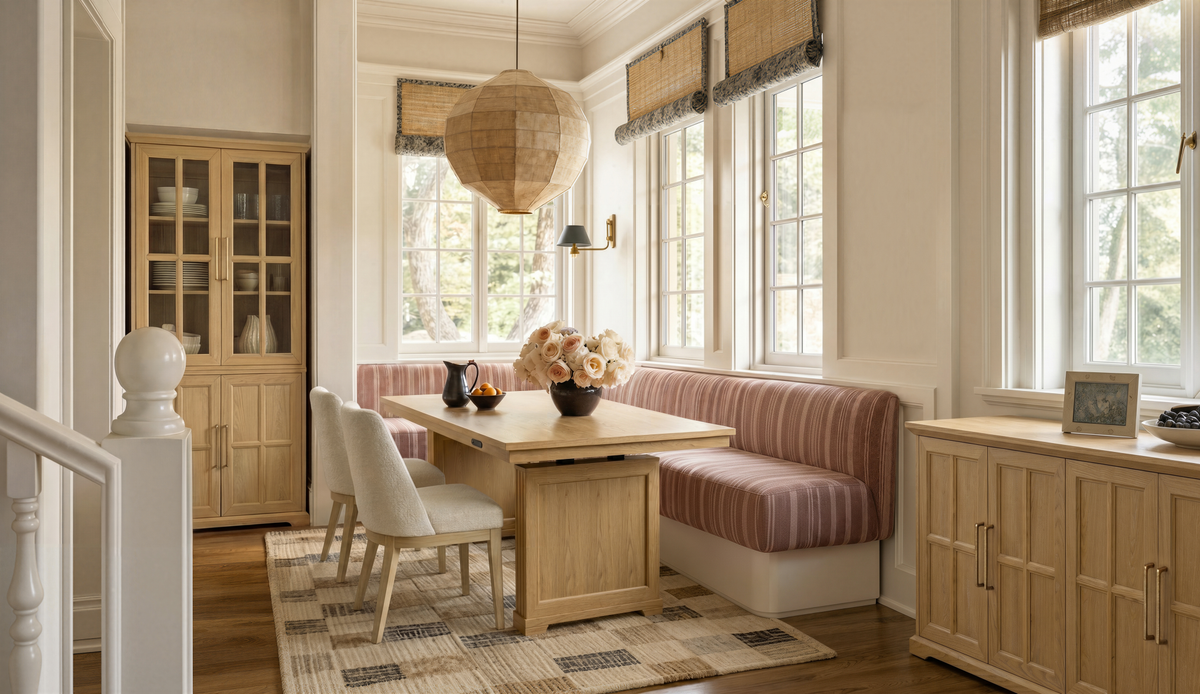
One of Julia’s most appealing applications is its ability to double as a buffet for parties and holiday gatherings. Imagine preparing for Thanksgiving dinner, a birthday celebration or a casual Sunday brunch. Rather than bringing in additional furniture or crowding the dining table with serving dishes, Julia can be raised to create a generous buffet-style station for appetizers, desserts or a festive spread. Guests can help themselves while mingling, and the expansive 86.5-inch tabletop offers room for platters, serving pieces and decorative accents. After the celebration, the table can be lowered and returned to its everyday role as the family’s dining table.
Julia’s technology is designed to support that versatility without overwhelming its appearance. The table features a four-motor electric lift system and three programmable memory presets, allowing users to return to preferred heights with minimal effort. Concealed controls on both sides provide convenient access, while hidden cable management and a scratch-resistant tabletop address practical considerations of everyday use. Available in pale oak and mocha finishes, the table maintains a warm, residential aesthetic that complements a variety of interiors.
While Julia demonstrates how a dining table can change function, Hulala Home’s extendable dining tables address another familiar challenge: accommodating a changing number of people without permanently dedicating an entire room to occasional gatherings. The CURVAN Extendable Dining Table, for example, features a sculptural, midcentury-inspired design that expands from a 47-inch round table to an 86.5-inch oval. In its smaller configuration, it creates an intimate setting for everyday dining while occupying less space. When additional guests arrive, the table extends to provide a more generous gathering surface.
The brand’s Sonia Modern Extendable Dining Table offers another interpretation of the same idea, incorporating a concealed extension leaf that expands the tabletop when additional room is needed. Rather than asking homeowners to choose between a table that’s practical for everyday life and one that’s suitable for entertaining, these designs provide a way to enjoy both. Together with Julia’s ability to transition from dining height to a raised buffet station, they demonstrate how Hulala Home is making the dining room more responsive to the different ways families gather.
Flexible Seating for the Way Families Actually Gather
The living room presents a different kind of design challenge. Unlike a dining area, where the number of seats may change depending on the occasion, a living room must accommodate activities that call for entirely different arrangements. A family movie night might benefit from everyone sitting close together, while a gathering with friends calls for a more conversational layout. As children grow, households move or entertaining habits change, the ideal seating arrangement may look very different from the one originally planned.
Hulala Home’s Aeris modular sectional collection addresses this challenge with flexible seating that can be rearranged to suit the space and occasion. Combining curved and straight elements, the collection allows homeowners to create different configurations, from an intimate conversation area to a more expansive seating arrangement. Its sculptural silhouette and inviting upholstery give it the appearance of a carefully designed statement piece, while the modular construction provides practical flexibility that a conventional fixed sofa cannot offer.
That adaptability becomes especially useful as a household evolves. A family might initially arrange Aeris as a curved sectional that encourages conversation and togetherness, then adjust the configuration when moving to a different home or rethinking the living room layout. Additional matching components can also provide opportunities to expand the seating arrangement, making the collection more flexible than a sofa purchased in one permanent configuration. Removable covers on compatible Aeris models add another practical consideration for households with children, pets and the everyday spills that come with a busy home.
The appeal isn’t simply the freedom to rearrange furniture. It’s the ability to create a living room that feels welcoming and functional without assuming that one layout will suit every stage of family life. Aeris demonstrates that adaptability can be just as relevant to the places where families relax and entertain as it is to the spaces where they work.
Storage That Grows With the Household
Storage is another area where families frequently find that their needs change faster than their furniture. A small cabinet that once held nursery supplies may eventually be needed for toys, books or school materials. A compact bedroom arrangement may work beautifully in a first apartment but feel inadequate in a larger home. Traditionally, accommodating these changes often meant purchasing additional mismatched furniture or replacing a storage piece altogether.
Hulala Home’s Modory modular cabinet systems, including the Tessa and Barndo collections, offer a more flexible approach. Rather than functioning as isolated cabinets with a single intended use, the individual units are designed to be mixed, matched and expanded into different arrangements. A homeowner might begin with a simple bedside setup, then add coordinating modules to create a larger dresser or an expansive storage wall as needs change. The system allows the storage arrangement to evolve while maintaining a cohesive appearance throughout the room.
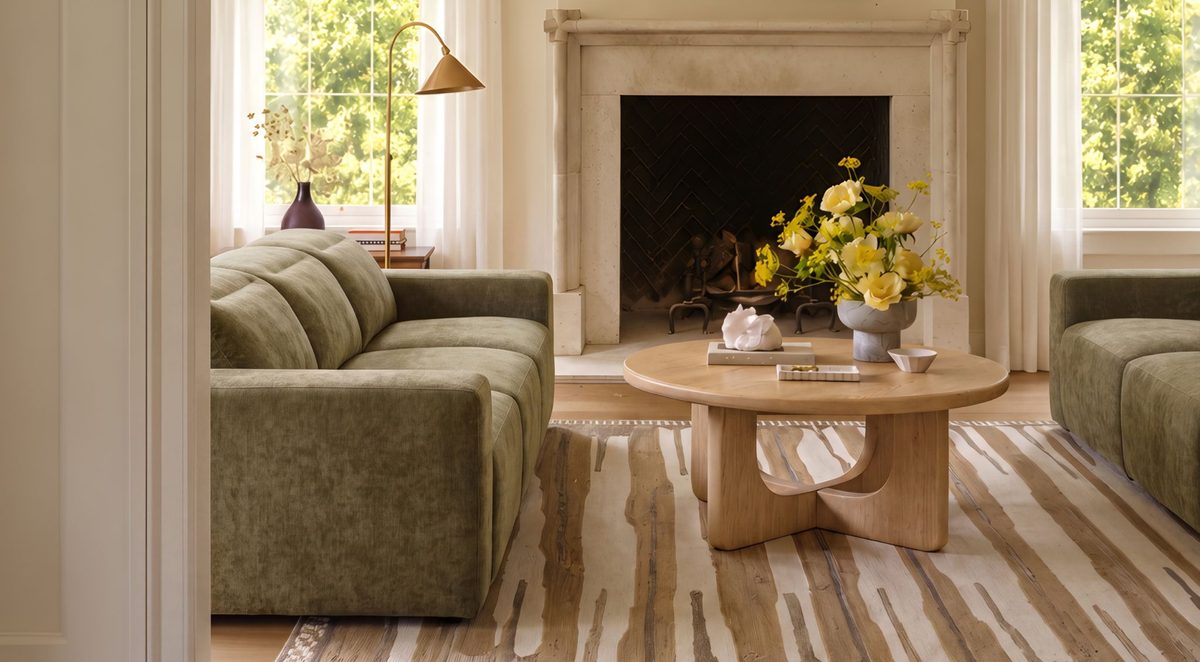
The Tessa collection brings a clean, contemporary aesthetic to this concept, with minimalist lines that work well in bedrooms, apartments and modern living spaces. Barndo offers a warmer farmhouse-inspired interpretation, incorporating natural wood character and subtle fluted detailing. Although their appearances differ, both demonstrate how modular design can help families build storage around their actual needs rather than purchasing a fixed piece that may eventually become inadequate.
The practicality extends beyond the ability to add more cabinets. Thoughtfully organized interior storage helps keep belongings accessible while maintaining a cleaner, less cluttered appearance, and the modular approach allows homeowners to rethink how the units are arranged as rooms take on new purposes. For a family whose storage needs evolve from baby essentials to school supplies and eventually household or entertaining items, that flexibility can make a meaningful difference.
Perhaps most importantly, Modory demonstrates that adaptive furniture doesn’t necessarily need electricity, motors or moving tabletops. Sometimes adaptability is simply the ability to start with what you need and build on it over time, preserving the usefulness of the furniture as the household changes.
Made to Endure: When Great Furniture Doesn’t Need to Transform
While the Veritas desk, Julia dining table, Aeris seating and Modory storage demonstrate different expressions of Adaptive Design, Hulala Home recognizes that not every piece of furniture needs to move, rotate or change configuration to earn its place. Some of the most important pieces in a household serve a different purpose. A bed should provide a restful retreat, a dresser should offer dependable storage and a comfortable recliner should create an inviting place to relax. Their value comes not from transformation, but from how well they’re designed, constructed and suited to everyday living.
This distinction is central to Hulala Home’s broader philosophy. Every piece should earn its place either through meaningful adaptability or through the quality, materials, craftsmanship and comfort that make it worth keeping. The brand doesn’t view furniture innovation as a requirement to add complicated features to every product. Instead, it recognizes that a beautifully designed piece can contribute to a better home simply by performing its intended purpose exceptionally well.
For families, this second promise is particularly relevant in the bedroom and living room, where comfort and reliability often matter more than versatility. Hulala Home’s broader furniture collection includes upholstered seating, recliners, beds and other furnishings designed to create inviting spaces for everyday living. A thoughtfully selected chair can become a favorite place to read, while a comfortable bed and practical bedroom furniture can help create a restful retreat from the activity happening elsewhere in the house.
The larger point is that a home filled with multifunctional furniture isn’t automatically a better home. There are times when flexibility is valuable and other times when simplicity, comfort and quality matter more. Hulala Home’s approach allows both ideas to coexist, recognizing that different pieces contribute to a household in different ways.
A Better Home, Not Just Better Furniture
The most successful family homes aren’t necessarily the largest, the most expensive or the most perfectly decorated. They’re the ones that accommodate the people living in them, providing space for daily routines, special occasions and the unexpected changes that come with every stage of life. A home should feel welcoming when friends arrive, comfortable when everyone needs a quiet evening and functional when work, school and family responsibilities overlap.
That’s the larger idea behind Hulala Home’s vision of The Adaptive Home. The brand isn’t simply interested in creating furniture that looks innovative or introducing new features for the sake of novelty. Its focus is on how furniture can contribute to a home that feels more useful, comfortable and capable of evolving alongside the people who live there.
From the Veritas desk that changes configuration to accommodate different activities to Julia’s ability to become a buffet for entertaining, Hulala Home is demonstrating how meaningful innovation can make familiar furniture more useful. Extendable dining tables accommodate changing guest lists, Aeris modular seating allows living rooms to evolve and Modory storage systems can grow alongside the household. Meanwhile, the brand’s broader collection of furniture reflects a complementary commitment to pieces designed for comfort, quality and lasting usefulness.
Together, these approaches offer a more thoughtful way to furnish a home. Instead of focusing solely on how a piece looks in a photograph or whether it follows the latest trend, families can consider how it will function in their everyday lives, how it might serve them as their needs change and whether it offers something meaningful enough to justify its place.
Because family life doesn’t stand still. Children grow, careers change, new traditions begin and rooms gradually take on different roles. The furniture we choose becomes part of those experiences, accompanying us through the ordinary routines and important milestones that make a house feel like home.
For Hulala Home, that’s the promise of The Adaptive Home: a home that fits the space available, the people who share it and the many chapters of life still to come.
A home that keeps up with life.
CONNECT WITH DAILY MOM
💖 Where every mom deserves a moment. 💖
FIND US ON OUR SOCIALS
LOVE IT? PIN IT!