





























Every child has stories waiting to be told – the key is unlocking their narrative potential. Teaching young minds the craft of writing opens doors to creativity, communication skills, and lifelong confidence. This comprehensive guide to writing provides parents and educators with proven story writing hints that transform reluctant writers into enthusiastic storytellers. Whether you’re looking to help you write better or seeking the best writing advice for elementary learners, these techniques will help kids discover their unique voice and learn to write compelling narratives that captivate readers.
When you want to write a short story with children, the method becomes less overwhelming when approached systematically. This artistic journey helps young writers become a better writer through structured practice and creative exploration.
What Makes the Art of Storytelling So Powerful for Young Minds?
The art of storytelling transcends simple conversation – it’s both creative expression and learned skill that benefits children throughout their development. When kids engage with storytelling, they’re not just creating entertainment; they’re building essential life skills that extend far beyond the classroom.
Consider how storytelling enhances vocabulary, imagination, and emotional intelligence simultaneously. Young storytellers naturally expand their word choices as they search for the perfect way to describe a character’s emotions or the setting where their story takes place. This organic vocabulary building happens because children love writing when it feels like play rather than work.
The process of writing stories also teaches patience and persistence.
Unlike quick social media posts, crafting a complete story requires sustained attention and planning. This artistic endeavor helps children develop the mental stamina they’ll need for future academic and professional pursuits. Many writers discover that regular writing practice in the elementary years establishes habits that serve them throughout life, making storytelling a valuable investment in their long-term success.
What Are the Essential Elements of a Short Story Every Child Should Know?
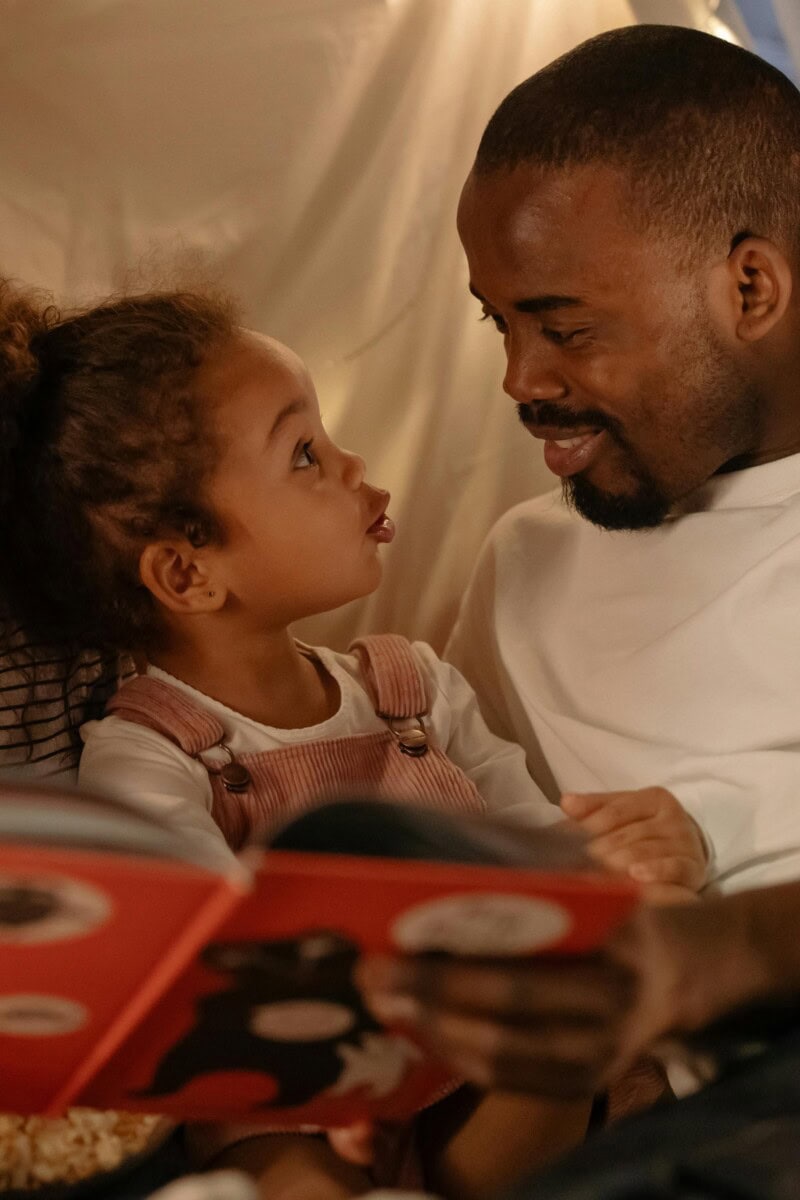


Breaking down the fundamental elements of a short story helps young writers understand how their favorite books work. These building blocks become the foundation for all future writing projects, whether kids want to write flash fiction or eventually tackle novel writing.
Core Story Elements:
- Character: The person (or animal) the story follows
- Setting: Where and when the story takes place
- Plot: What happens from beginning to end
- Conflict: The main problem the character faces
- Resolution: How the problem gets solved
- Theme: The deeper message or lesson
Teaching these elements through familiar stories works wonderfully. Take “The Three Little Pigs” – children can easily identify the three pig characters, the countryside setting, the plot involving house-building, the conflict with the wolf, and the resolution where the brick house saves the day. When you’re writing with children, this method makes abstract concepts concrete and memorable while ensuring the story you’re helping them create has solid structure.
Interactive exercises help cement understanding. Ask children to identify these elements in their favorite picture books, or play games where they create characters and settings on the spot.

A new writer gains confidence when they recognize these patterns in stories they already love, then feel empowered to include similar elements in their own creative work. The character’s journey becomes clearer when children understand how each story element supports the others.
How Does Strong Story Structure Help Young Writers Create Better Narratives?
Story structure provides the framework that keeps narratives organized and engaging. Think of structure as the skeleton that supports all the creative flesh of storytelling. Without it, even the most imaginative ideas can collapse into confusion. The writing process becomes smoother when children understand this foundation.
The Classic Three-Act Structure:
- Act 1 (Setup): Introduce the character and setting
- Act 2 (Confrontation): Present the main problem or adventure
- Act 3 (Resolution): Show how everything gets solved
Visual aids make this concept accessible. The way to write compelling stories often involves understanding pacing, and story writers benefit from using a “story mountain” diagram where the rising action climbs toward the climax of the story, then descends toward resolution. Children can draw these mountains and plot their own stories along the path, making the abstract concept of pacing tangible.
Practice exercises using familiar fairy tales reinforce these concepts. Take “Goldilocks and the Three Bears” and map it onto the three-act structure. Act 1 introduces Goldilocks and the bears’ house. Act 2 develops the conflict as she tries different items. Act 3 resolves when the bears return and Goldilocks escapes. This logical sequence helps children understand cause-and-effect relationships in storytelling. When teaching story structure, make sure your story follows this logical progression so readers can follow along easily as the story progresses from beginning to end.
What Writing Hints and Tips Transform Good Ideas into Great Stories?
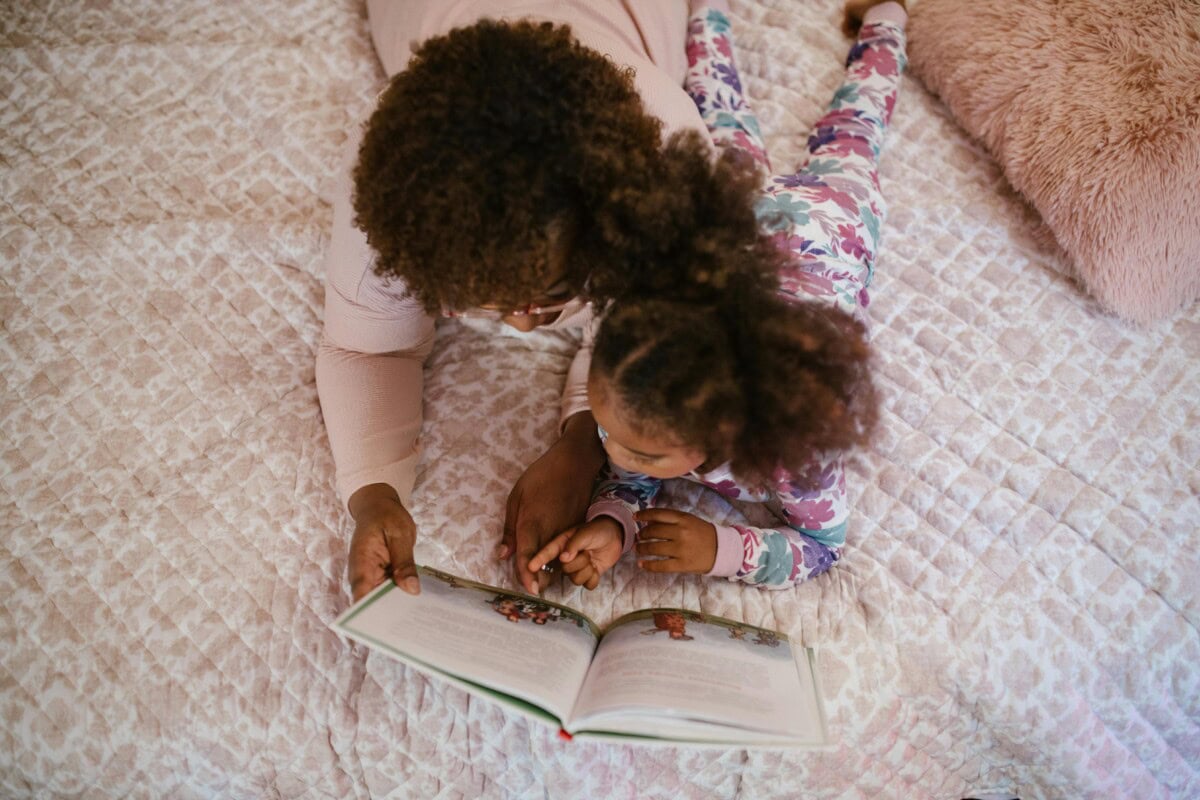
Professional story writers know secrets that can be adapted for young storytellers. The difference between amateur and polished writing often lies in these subtle techniques that bring stories to life on the page. These writing skills develop through practice and attention to craft details.
Essential Writing Techniques:
- Show, don’t tell: Instead of “Sarah was scared,” write “Sarah’s hands trembled”
- Use sensory details: Include what characters see, hear, smell, taste, and feel
- Create natural dialogue: Make characters sound like real people talking
- Vary sentence length: Mix short, punchy sentences with longer, flowing ones
- Start in the middle of action: Jump right into interesting moments
Voice and tone development happens gradually as children experiment with different storytelling styles. Some kids naturally gravitate toward humor, while others prefer adventure or mystery. Encouraging this exploration helps young writers discover their authentic voice rather than forcing them into prescribed molds. The art of writing emerges when children feel free to express their unique perspectives.
Reading stories aloud remains one of the most effective ways to develop rhythm and flow. When children hear their own words spoken, they notice awkward phrasing, run-on sentences, or places where the story doesn’t make sense. This self-editing skill proves invaluable as they progress toward more complex writing projects. A good storyteller learns to trust their ear for natural language patterns, and this writing technique serves them throughout their creative journey.
How Can Short Story Examples Inspire Young Writers?



Learning from established short story examples provides children with models of excellence while demonstrating that stories come in many forms. Exposure to diverse storytelling styles expands children’s creative possibilities and helps them understand different approaches to narrative craft.
Classic children’s literature offers timeless examples: “The Velveteen Rabbit” shows how to create emotional depth, while “Where the Wild Things Are” demonstrates imaginative world-building. Contemporary stories introduce modern language and situations that resonate with today’s children. When learning how to write, studying these mentor texts helps children see how professional authors craft compelling narratives.
Building a home or classroom library of excellent short stories creates an ongoing resource for inspiration.

Include stories from different cultures and backgrounds to expose children to varied storytelling traditions. This diversity enriches their understanding of how universal themes can be expressed through different cultural lenses. Teachers can use these collections for writing and editing exercises that help students analyze what makes each piece of writing effective.
Encouraging children to analyze what makes their favorite stories memorable develops critical thinking skills. Ask questions like “What made you care about the character in the story?” or “How did the author make the ending satisfying?” These discussions help young writers internalize effective storytelling techniques while building their ability to think critically about different aspects of writing. When children understand why certain stories work well, they can apply those insights to creating a story of their own.
What’s the Best Process for Helping Kids Write a Short Story?


The writing process becomes less intimidating when broken into manageable steps that build confidence rather than overwhelm young writers. Teaching this systematic approach helps children tackle writing projects with confidence and enjoyment.
Step-by-Step Story Writing Process:
- Brainstorm: Generate ideas through discussion, drawing, or games
- Plan: Create simple character profiles and plot outlines
- Draft: Get the first version down on paper
- Revise: Improve the content and organization
- Edit: Fix spelling, grammar, and punctuation
- Share: Celebrate the completed story
Pre-writing activities spark creativity and reduce blank page anxiety. Story starters, writing prompts, or “what if” questions help children generate ideas when inspiration doesn’t strike naturally. Visual learners benefit from drawing their characters or settings before writing about them. These tips to help young writers often involve making the abstract concrete through visual or hands-on activities.
Setting realistic length expectations prevents frustration. A new story might be just one paragraph for a beginning writer, while more experienced children can handle several pages. The goal is completion and satisfaction, not meeting arbitrary word count requirements. When children want to write longer pieces, they naturally progress from short story writing to more ambitious projects. The main story should always feel manageable, and the story ends when the conflict reaches satisfying resolution.
How Do You Help Kids Start Writing Their First Draft?

Writing your first draft should feel like discovery, not perfection. The biggest hurdle many young writers face is the pressure to get everything right immediately. When you write your first draft, the goal is getting ideas onto paper, not creating a polished final product.
Permission to write badly initially sounds counterintuitive, but it’s liberating. Professional writers understand that first drafts serve as raw material for later improvement. When children grasp this concept, they stop self-censoring and let their creativity flow freely. This benefit extends beyond writing – children learn that making mistakes is part of learning any new skill.
Practical First Draft Strategies:
- Set short time limits (10-15 minutes) to prevent overthinking
- Start with dialogue or action rather than lengthy descriptions
- Write terrible first sentences on purpose to break perfectionist tendencies
- Use voice recording for children who struggle with physical writing
- Focus on getting the story out, not making it pretty
Stream-of-consciousness exercises work well for children who get stuck. Ask them to write continuously for five minutes without stopping, even if they repeat words or write nonsense. This technique bypasses internal criticism and helps ideas emerge naturally. Students often discover they like writing more when the pressure to be perfect gets removed.
When writing your first story, remember that even professional authors rarely get everything right on the first try.
What Writing Tips Help Young Storytellers Write a Good Story?
Quality storytelling emerges from understanding what makes stories compelling rather than following rigid formulas. Good stories connect with readers emotionally while delivering satisfying narrative experiences. Teaching these principles helps children create stories that others genuinely want to read.

Start with what they know works particularly well for young writers. Personal experiences provide rich material for fictional stories. A child’s memory of being lost in a store can become an adventure tale, while family vacation mishaps might inspire comedic stories. When children write better by drawing from their own experiences, they naturally create more authentic and engaging narratives.
Key Elements of Good Stories:
- Characters readers care about and can relate to
- Clear conflicts that create genuine tension
- Logical plot progression that makes sense
- Satisfying endings that resolve the main conflict
- Authentic dialogue that sounds natural
- Vivid descriptions that help readers visualize scenes
Encouraging regular writing habits builds skill more effectively than sporadic intensive sessions. Even fifteen minutes of daily story writing produces better results than hour-long weekly sessions. Consistency helps children internalize storytelling patterns and develop their unique voice. Fiction writing improves when practiced consistently, and children who keep writing discover they have an idea for a story waiting in their imagination more often than they expected. The process of writing becomes more natural when approached as a regular practice rather than a special event.
How Can Learning How to Write Stories Benefit Children Long-Term?


The skills children develop through story writing extend far beyond creative expression. Storytelling builds communication abilities, critical thinking, and confidence that serve them throughout life. Understanding these broader benefits helps parents and educators prioritize creative writing in children’s education.
Academic benefits appear immediately as children who write stories regularly show improved performance in reading comprehension, vocabulary development, and overall writing ability. The narrative skills they develop transfer to other subjects, helping them organize thoughts clearly in science reports or history essays. Students who learn to write fiction often find they can write better in all academic areas.
Professional applications become evident later as children enter careers requiring communication skills. Whether they become teachers, business leaders, or healthcare providers, the ability to tell a story clearly and engagingly proves invaluable in presentations, reports, and interpersonal communication. The craft of writing serves professionals across all fields who need to communicate complex ideas effectively.
Long-Term Benefits Include:
- Enhanced verbal and written communication abilities
- Improved empathy through character development exercises
- Greater comfort with public speaking and presentations
- Better problem-solving skills developed through plot creation
- Increased cultural awareness through diverse storytelling exposure
Creative writing courses and writing contests provide structured opportunities for skill development, while the writer’s notebook habit helps children capture inspiration whenever it strikes. Teaching children to become a better writer through storytelling creates lifelong learners who approach challenges with creativity and confidence.
What Resources Can Help You Write Better Stories Over Time?
Developing strong storytelling abilities requires ongoing support and fresh inspiration. The right resources accelerate learning while keeping the creative writing process enjoyable and engaging. Building a toolkit of books, activities, and community connections sustains long-term growth and helps children write a novel when they’re ready for longer projects.
Recommended books for young story writers include age-appropriate writing guides that explain complex concepts simply. “The Young Writer’s Handbook” series offers practical advice on writing, while author biographies inspire children by showing how their favorite writers developed their craft. The art of writing becomes more accessible when children see the journey other successful authors have taken.
Essential Resources:
- Writing guides specifically designed for children
- Online platforms with writing prompts and story starters
- Local library programs and writing workshops
- Creative writing courses offered through community centers
- Writing contests appropriate for young participants
- Apps that make story creation interactive and fun
Community connections prove especially valuable. Many libraries offer storytelling circles where children can tell your story in supportive environments and tell a story to appreciative audiences. Some schools organize writing clubs that connect young authors with peers who share their passion for creating stories.
Building a personal writing library gradually creates an ongoing reference collection. Include books about different genres, character development techniques, and editing strategies. As children mature, they can access more sophisticated resources that challenge their growing abilities.
When children start writing consistently, they benefit from having quality resources that make the story compelling and help ensure the story is complete before sharing it with others.
Key Takeaways for Teaching Story Writing Success

- Start with the fundamentals – teach story elements and structure before advanced techniques
- Make the process enjoyable – pressure kills creativity, while fun encourages exploration
- Focus on completion over perfection – finished stories build confidence more than perfect fragments
- Use familiar examples – children learn better when concepts connect to stories they already love
- Encourage regular practice – consistent short sessions beat occasional marathon writing attempts
- Celebrate every achievement – recognition motivates continued effort and risk-taking
- Provide diverse models – exposure to different storytelling styles expands creative possibilities
- Remember it’s a journey – storytelling skills develop gradually through patient, supportive guidance
- Connect to real life – personal experiences provide the best material for compelling fiction
- Build community – sharing stories with others makes the creative process more rewarding and meaningful
FAQs
What are some effective writing tips for beginners?
Beginner writers can benefit from focusing on the fundamentals of storytelling. Start by brainstorming story ideas and creating an outline to structure your narrative. Set aside time for writing each day to develop your skills gradually. Don’t be afraid to experiment with different genres, and always seek feedback to improve your craft.
How can I develop a compelling story idea?
To develop a compelling story idea, consider starting with a “what if” scenario that sparks your imagination. Explore different themes, characters, and settings that interest you. Engaging with short story examples can also inspire your creativity and help you identify elements of a short story that resonate with you.
What are the essential elements of a short story?
The essential elements of a short story include characters, setting, plot, conflict, and resolution. Each of these components plays a crucial role in creating a cohesive narrative. When writing your story, ensure that these elements are well-developed to engage your readers and convey your intended message.
How do I write a good first draft?
Writing a good first draft involves allowing yourself to write freely without overthinking. Focus on getting your ideas down on paper, knowing that revisions will come later. Set realistic goals for your writing sessions and remember that the first draft is just the starting point in the writing process.
What hints and tips can help me while writing my story?
To enhance your writing experience, try to establish a writing routine that suits your lifestyle. Utilize writing prompts to kickstart your creativity, and don’t hesitate to explore various narrative styles. Additionally, reading widely can help you learn how to write effectively and understand different storytelling techniques.
How can I improve my storytelling skills?
Improving your storytelling skills takes practice and dedication. Start by analyzing short stories and novels that you enjoy, paying attention to their structure and character development. Consider taking writing workshops or online courses to receive professional guidance and feedback on your work.
What process should I follow to write a novel?
When writing a novel, begin by outlining your story structure, including major plot points and character arcs. Develop a writing schedule that allows you to work consistently towards completing your first draft. After finishing, take time to revise and edit your manuscript to ensure it flows well and meets your creative vision.
Can you provide examples of short stories to inspire my writing?
Yes, there are many short story examples available across various genres. Classic stories like “The Lottery” by Shirley Jackson or contemporary works like “Cat Person” by Kristen Roupenian can provide inspiration. Reading diverse short stories can help you understand different narrative techniques and enhance your own writing style.
What are some common pitfalls to avoid when writing your first draft?
Common pitfalls to avoid when writing your first draft include self-editing too early, losing sight of your story idea, and neglecting character development. It’s essential to allow your creativity to flow without constraints during the first draft stage, as this will enable you to refine your narrative in later revisions.
You might also be interested in…
Want some kid-friendly ideas to encourage a reluctant reader? Check out this link to Got a Kiddo Who Doesn’t Love to Read? 10 Awesome Gift Books for Reluctant Readers!
CONNECT WITH DAILY MOM
💖 NEWSLETTER: DAILY READS IN YOUR INBOX 💖
Sign up to receive our picks for the best things to do, see and buy so you can relax and focus on more important tasks! Let us help you be the best version of yourself you can be!
BE SOCIAL WITH US
📌 LOVE IT? PIN IT!📌
Photo Credit – Pexels