
































If you’re a parent, you’ve probably heard the buzz about year round schooling calendars. More and more districts across the U.S. are considering making the switch, and it’s got a lot of us wondering—would this be better for our kids, or is it just another change we have to adjust to?
The idea of learning year round might sound exhausting at first, but it doesn’t actually mean kids are in class for more days per year. Instead, the classic long summer break is swapped for shorter breaks during the year. Some parents love the idea of frequent breaks during the year, while others worry about losing the structure of the original calendar. And of course, there’s the big question: Does year-round learning affect learning in a positive way, or could it actually be bad for kids?
In this article, we’ll break down the perks and downfalls of year-round learning, looking at everything from the different school schedules and academic results, to how it affects family life, teachers, and even summer traditions like vacations and summer employment. Whether you’re in favor of the all-year calendar days or prefer to stick with the traditional academic year, understanding the facts can help you decide what’s best for your child. Let’s dive in!
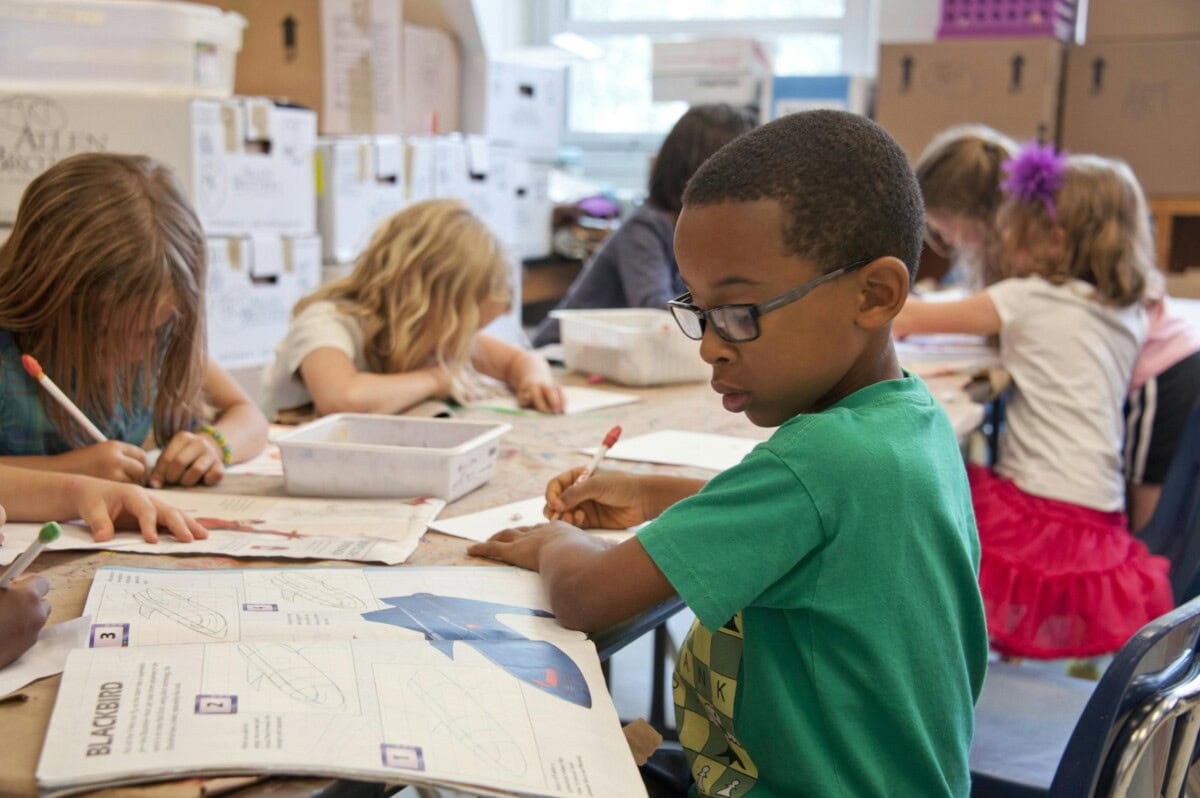
What Is Year-Round Calendar Schooling?
When people hear “year-round school,” they often imagine kids spending the entire year in the classroom with no real breaks. But that’s not actually how things go! A year-round program doesn’t increase the number of learning days—it just spreads them out throughout the year instead of sticking with the nine month calendar most of us grew up with.
In a classic academic year, students follow a nine-month plan, with classes running from late summer or early fall through spring, followed by a long break in the summer months. Institutions with traditional calendars usually have a single, extended vacation (often around 10–12 weeks) between years.
On the other hand, schools operate on an all-year calendar by replacing that long summer break with smaller breaks spread during the year. These breaks, often called “intersessions,” can last anywhere from two to five weeks, depending on the district.
There are a few different ways districts organize a year-round program:
- Single-track schools: All students follow the same year-round school calendar, with breaks at different times of the year instead of one extended summer break.
- Multi-track all-year calendar: Students are divided into groupings of students who rotate on different schedules. While one group is on break, the others are in class. This system allows school buildings to be used more efficiently and can help overcrowded schools serve more students.
Some parents and educators see year-round schooling as a great way to prevent kids from forgetting what they learned over the summer and increase summer learning retention. Others worry that moving away from the classic framework could make it harder for families to plan getaways, arrange childcare, or find summer employment for older kids.
So, is an all-year calendar a smart move, or does the original school year do just fine? Let’s take a closer look at the perks and negatives of year-round schooling.

The Benefits and Pros of Year-Round Schooling in the U.S

Switching to a year-round school calendar definitely has its perks—especially when it comes to academics, planning, and even how well kids retain information throughout the school year. While it might feel like a big shift for families used to a classic calendar, many parents, teachers, and education experts argue that the impact of year-round schooling can be incredibly positive.
Reduces Learning Loss Over the Summer
One of the biggest concerns with the usual school year is that extended breaks—especially the traditional summer break—cause kids to forget what they learned. Studies, including research from Von Hippel, suggest that students, especially low-income students, struggle with summer learning loss.
With a year-round program, kids get more breaks during the year instead of one long break, helping them retain information better and avoid that dreaded back-to-school “review period” in the fall.
More Consistent Schedules for Students and Families
For parents, one of the best perks of year-round education is the steady routine. With a balanced calendar, kids aren’t doing schoolwork for an extended stretch and then off for months—they follow a pattern of learning for six to nine weeks, then taking short breaks.
This can make planning easier for parents who have jobs, as there’s no need to scramble for child care over an extended summer break. Some parents also like that family breaks can happen at different times of the year, not just in the peak of summer when everything is crowded and expensive.
Better Use of School Resources
Overcrowded institutions are a big issue, especially in states like California. Some districts have adopted a multi-track all-year calendar, meaning different groupings of students go to school on rotating schedules. This keeps buildings in constant use, allowing more students to attend without having to build new schools.
Helps Prevent Burnout for Staff and Students
While some worry that year-round learning affects downtime, others argue that shorter breaks over the course of the year actually help kids and teachers stay refreshed. Instead of powering through nine months straight and then crashing, they get regular breaks to rest and recharge.
For teachers, the usual use of schools under a year-round model can also provide more opportunities for professional development or even additional teaching opportunities during intersession breaks.
Potential for Increased Academic Performance
While research is mixed, organizations like the National Association for Year-Round Education (NAYRE) argue that institutions operate more effectively when students have shorter summer breaks and learning is more evenly distributed. Some studies suggest that students go to school more consistently and that attendance rates improve when kids aren’t overwhelmed by an extended, unstructured break.
Of course, no system is perfect. While there are strong reasons in favor of the year-round calendar, there are also some disadvantages to consider.

The Cons of Year-Round Education

While there are plenty of reasons to support year-round learning, it’s not a perfect solution for every family. Some parents, teachers, and students argue that the disadvantages outweigh the perks, especially when it comes to planning, extracurricular activities, and even the academic results. Here are some of the key downfalls of year-round schooling to consider.
Disrupts Classic Family Schedules
Many families have built their routines around the classic educational year, from time off to child care arrangements. A year-round program can make it harder to coordinate trips, especially for families with kids in different schools following different itineraries. Parents who rely on summer camps, grandparents, or other caregivers during the summer may struggle to find coverage during breaks at different times in the year.
Limits Opportunities for Summer Jobs and Programs
For older students, a smaller summer vacation can mean fewer opportunities to have seasonal summer employment, which many teens use to save for college, contribute to family expenses, or gain valuable experience. Some enrichment programs and internships also operate based on the original summer program, meaning students in schools with traditional calendars may have access to more options.
Scheduling Conflicts for Extracurricular Activities
Sports teams, music programs, and other extracurricular activities are often structured around the original calendar. School year-round could create conflicts, making it harder for students to participate in community sports leagues or summer training programs. This is especially true in institutions that use a multi-track year-round calendar, where different groups of students are on different plans.
Staff and Student Burnout
While more breaks over the course of the year can help prevent exhaustion, some argue that the lack of an extended normal summer vacation actually leads to constant time in school with little chance for full relaxation. Staff and students may feel like they’re always in a cycle of learning and testing, without a true mental reset. Additionally, teachers who take on summer employment or professional development courses may find fewer opportunities available due to the adjusted program.
Higher Operational Costs for Schools
Running buildings year-round can lead to increased costs for maintenance, utilities, and staffing. While some districts spread students out using a rotating schedule all-year calendar, others must budget for things like air conditioning during hot summer days or increased wear and tear on facilities. According to the National Center for Education Statistics, these added expenses can make year-round learning less financially viable.
No Clear Evidence of a Major Academic Advantage
While some studies show that students attend school days more consistently and retain information better throughout the year, research is mixed on whether using an all-year calendar actually leads to higher achievement. According to NAYRE, some institutions see a positive academic influence, but others show little to no difference when compared to the classic school year.
Although school attendance is an important factor, in the end, the debate over learning year-round vs. the traditional school year comes down to what is best for students, families, and educators. With both perks and negatives of year-round learning to consider, the right choice may depend on the specific needs of a community.

How School Districts Are Making the Decision Work
With more districts considering a shift away from the classic 180 days school model, the decision to adopt an all-year calendar isn’t taken lightly. There are many factors at play, from academic performance and funding to community feedback and logistical concerns. Here’s a look at how districts across the U.S. are weighing the positives and negatives of year-round learning.
Reviewing Academic Impact and Research
Many districts turn to studies from organizations like the National Center for Education Statistics and the NAYRE to determine whether switching to a year-round program will help students. Some research suggests that institutions operate more efficiently with shorter, more breaks, while others find little difference between a year-round school and a classic educational year in terms of academic performance.
Districts also analyze whether students attend school more regularly under a balanced calendar, as attendance rates and student engagement are key factors in making the transition.
Assessing School Capacity and Overcrowding
For many—especially schools in California and other high-population areas—space is a major issue. Some districts implement a multi-track year-round calendar, where different groups of students go to school at staggered times to maximize the use of buildings.
This approach can allow institutions to accommodate more students without building new facilities, but it also presents planning challenges for families who may have children on different tracks.
Weighing Financial and Operational Work Costs
While a year-round calendar can help alleviate overfilling, it also comes with added costs. Districts must consider:
- The cost of keeping buildings open year-round (utilities, maintenance, staffing).
- Potential teacher burnout and whether educators will stay in schools with classic calendars instead.
- The impact on summer programs and partnerships that rely on the classic calendar.
Some districts find that running schools on a staggered program increases efficiency, while others struggle with the financial burden of keeping facilities running over the course of the year.
Gathering Input from Parents, Staff, and Students
The transition to year-round schooling affects families, educators, and students in different ways. Many districts hold town hall meetings, conduct surveys, and collaborate with local education boards to gauge community interest.
Parents often worry about the impact on family routines, summer employment, and childcare, while teachers may be concerned about constant use of learning time leading to burnout. Students, on the other hand, may have mixed opinions—some prefer more breaks over the course of the year, while others want the classic summer time free.
Testing the Year-Round Calendar Model in Pilot Programs
To avoid making a district-wide shift too quickly, some institutions experiment with single-track learning using a year-round calendar before expanding the program. This allows them to study the academic influence, adjust planning conflicts, and determine whether the change is beneficial before fully committing.
Ultimately, the decision to switch to learning year-round is complex, with no one-size-fits-all answer. As more districts explore the idea, the debate over whether the usual educational year should remain the norm will continue.
As Year-Round Schooling Affects Many, is it the Right Choice?
At the end of the day, whether a year-round calendar is the best option depends on a lot of factors—where you live, how your child learns best, and what works for your family’s schedule. There are strong arguments both in favor of the year-round calendar and against it. Some families love the idea of frequent breaks throughout the year, helping kids avoid burnout and the dreaded summer slide over summer vacation. Others feel that a shorter summer vacation disrupts family traditions, limits summer jobs, and makes scheduling more complicated.
For many families, the decision to move away from the traditional school calendar comes down to how the days of break are distributed. Instead of one lengthy summer vacation, a school year may be structured with shorter, more frequent breaks at different times of year. While the majority of schools still follow a conventional nine-month calendar, some districts are exploring new models to maximize learning retention. By spreading days in school more evenly across the course of a year, proponents argue that students stay more engaged and experience fewer setbacks from extended time off.
While some studies show that using a year-round calendar can have a positive academic impact, research remains mixed, and the transition isn’t always smooth. As more districts across the U.S. consider making the switch, parents, teachers, and students will continue to weigh the positives and negatives of year-round learning.
No matter which side of the debate you’re on, one thing is clear—education is changing, and the conversation about what’s best for students isn’t going away anytime soon. Whether your district sticks with a classic academic year or makes the move to a year-round schedule, the most important thing is ensuring that kids get the support, structure, and learning environment they need to thrive.
WANT TO READ MORE?
Check out Understanding Dyslexia: Common Signs of Dyslexia in Children and What to Look for at School Age.
CONNECT WITH DAILY MOM
💖 NEWSLETTER: DAILY READS IN YOUR INBOX 💖
Sign up to receive our picks for the best things to do, see and buy so you can relax and focus on more important tasks! Let us help you be the best version of yourself you can be!
BE SOCIAL WITH US
📌 LOVE IT? PIN IT!📌