






























Homeschooling is no longer a fringe choice—it’s one of the fastest-growing forms of education in the United States. In 2024, the rise of homeschooling signals a shift in how families think about learning, control, and their children’s future.
Many parents are stepping away from the traditional school system due to concerns about the quality of education, school safety, standardized testing, and misaligned values. Homeschooling allows them to tailor education to each child’s needs—something public or private schools often can’t provide.
This post explores why homeschooling is on the rise, how families are doing it differently in 2024, and what this trend means for the future of education in America. We’ll look at current statistics, highlight alternative models like Waldorf-inspired homeschooling, and share why more families educate their children at home.
Whether you’re considering homeschooling or simply curious about the shift, this guide will help you understand the movement—and where it’s headed.
Reasons Why Homeschool is on the Rise in 2025
The rise of homeschooling in 2025 isn’t just a passing trend—it’s a significant shift in how families approach their children’s education. Once considered an alternative path, homeschooling is now a mainstream option for many. Homeschooling is on the rise across the U.S. as more parents seek flexibility, safety, and a more values-aligned educational experience.
Current Homeschooling Statistics
According to the National Center for Education Statistics, homeschooling rates have surged over the past few years. Here’s a snapshot of what the landscape looks like now:
- Over 3.7 million homeschoolers were recorded in the U.S. in 2023, with projections expecting continued growth in 2025.
- Homeschool enrollment increased by 51% during the early years of the pandemic—and those numbers have held steady or grown.
- Homeschooling is now the fastest-growing form of education in America, outpacing both public and private school enrollment in certain areas.
The Department of Education and other education advocates note that public school enrollment has declined while growth in private school enrollment has only modestly increased, indicating that homeschooling is becoming more popular among families from all backgrounds.
Pandemic as a Turning Point
The COVID-19 pandemic was a major catalyst for the shift toward homeschooling. When schools shut down in 2020, many families were forced to step into a teaching role. But instead of returning to the traditional school model, a large number chose to continue homeschooling—and not just temporarily.
Reasons the pandemic sparked the homeschooling movement include:
- Exposure to the limits of the public education system, especially during remote learning
- Desire for greater control over the school environment and health safety
- Frustration with the pressure of standardized tests and rigid curriculums
- A deeper connection formed with children’s learning and home education

In the past six school years, we’ve witnessed a clear rise in homeschooling, with more families prioritizing flexibility, individualized attention, and values-based learning.
This rise from fringe to fastest-growing form of schooling represents a major transformation in the American education system—and it’s only just beginning.
Why Families Choose Homeschooling
The rise of homeschooling isn’t just about reacting to what’s not working in public schools—it’s also about what’s possible when families take education into their own hands. More than ever, parents are looking for alternatives that reflect their values, support their child’s learning style, and offer a safer, more balanced experience. Let’s look at some of the top reasons families choose homeschooling in 2025.
Popular Reasons Families Are Choosing to Homeschool:
- Values-Based Education
Many parents want their children’s education to align with their family’s beliefs and lifestyle. Homeschooling allows families to center lessons around faith, nature, simplicity, or other guiding principles without the constraints of a standardized curriculum. Waldorf-inspired homeschoolers, for instance, often weave in seasonal rhythms, handwork, and storytelling. - Flexibility and Freedom
One of the biggest benefits of homeschooling is the freedom to set your own schedule. Learning can happen at the kitchen table, on a road trip, or outside in the garden. Parents no longer feel bound by rigid school years or testing cycles. This flexibility supports travel, creativity, and life skills that don’t always fit inside a classroom. - Individualized Attention
In a traditional public school system, teachers are stretched thin. Homeschooling flips that dynamic. Kids get more one-on-one instruction and can move at their own pace. Whether your child is gifted, has learning challenges, or just doesn’t thrive in a standardized setting, home education offers the chance to tailor education to their needs. - Concerns Over School Safety and Environment
From school shootings to bullying to controversial curriculum changes, the school environment has become a growing concern for many parents. The aftermath of the COVID-19 pandemic also left lasting questions about health, social pressure, and classroom management. Homeschooling provides a sense of safety, both physically and emotionally.
In 2024 and beyond, these reasons aren’t going away. Instead, they’re becoming more mainstream. As the homeschooling trend grows, more families are choosing to homeschool not because they have to but because they truly believe it offers a better path for their child’s future.
Is Public Education Falling Short?
Despite the efforts of dedicated teachers and administrators, many families are finding that public schools are no longer meeting their needs. Overcrowded classrooms, one-size-fits-all approaches to education, and outdated models are just a few reasons families are turning to homeschooling as a more viable option.
Frustrations with Public Schools:
- Overcrowded Classrooms
As school populations grow, classroom sizes are often unmanageable. Teachers struggle to give individual attention to students, leaving some children behind in a system that’s built for efficiency, not personalization. For parents seeking an educational environment that caters to their child’s specific needs, public schools can feel like an overwhelming maze. - Standardized Testing
While tests are meant to measure progress, many believe standardized tests are more about comparison than true learning. This focus on testing can stifle creativity, limit critical thinking, and fail to account for a child’s unique strengths. For families who value a well-rounded education, this can be a dealbreaker. - School Shootings and Safety Concerns
School shootings and other safety concerns are undeniable realities for many families. While schools have implemented safety protocols, the fear of potential violence still looms large. Many parents feel their children’s safety—both physical and emotional—is compromised in the traditional school setting, pushing them toward homeschooling as a safer alternative. - Lack of Innovation
The traditional school system often resists change, despite new developments in education technology and alternative learning methods. The lack of innovation in public schools, compared to the rise of homeschooling and alternative education models, is becoming increasingly obvious. Many parents are frustrated by the slow pace of educational reform and the inability of public schools to adapt quickly to their child’s needs.
How the Pandemic Accelerated the Number of Homeschooled Students
The COVID-19 pandemic brought unprecedented challenges, but it also acted as a catalyst for change in how we think about education. Forced to adapt quickly, families experienced a shift in their perspective on schooling, and many discovered that homeschooling could offer an alternative that was flexible, personalized, and aligned with their values.
COVID-19 as a Turning Point for Home Education:
- School Closures and Remote Learning
When schools closed and remote learning became the norm, many parents were thrust into the role of teacher. While this created stress for some, it also gave families a direct experience of homeschooling. Parents saw that they could manage their child’s learning at home without the rigid structures of traditional schools. - Realization of Flexibility
As students adjusted to online classes, parents began to appreciate the flexibility that homeschooling could offer. Without the constraints of school schedules, parents could tailor learning to their child’s pace, helping them grasp concepts more effectively and focus on areas of interest.
Shift in Perception of What Schooling “Has to” Look Like:
- Learning Outside Traditional Classrooms
The pandemic broke down the idea that education had to happen within the four walls of a traditional school building. Families saw that learning could occur in a variety of environments—whether at the kitchen table, outside, or through real-life experiences. - Hands-On, Customized Learning
Parents also realized that homeschooling offered the ability to craft a curriculum that was personalized to their child’s interests and learning style. For many, this shift in how education “has to” look was eye-opening and prompted them to explore home education as a long-term solution.
The pandemic didn’t just disrupt traditional schooling; it ignited a growing movement toward homeschooling. With the rise of remote learning and the need for adaptability, many families discovered the benefits of homeschooling that continue to shape the future of education in the U.S.
What Does Homeschooling Look Like Today?
Homeschooling has evolved dramatically over the years, especially as more families seek flexible, personalized, and tech-savvy education options. Today, homeschooling is not just about traditional methods; it’s a blend of modern technology, community support, and innovative learning approaches.
Breakdown of Modern Homeschooling:
- Tech Tools and Online Resources
With the rise of online learning platforms and educational apps, homeschooling is increasingly supported by technology. Parents can access a wide range of tools—interactive lessons, educational videos, and virtual tutors—that help bring subjects to life. Programs like Khan Academy, Coursera, and Time4Learning offer easy-to-follow lessons across all subjects, allowing children to learn at their own pace. - Co-Ops and Community Support
Many homeschooling families join co-ops (cooperative education programs) where parents share teaching responsibilities. Co-ops offer socialization opportunities for kids and allow parents to collaborate, pooling resources and expertise. This community-based approach provides support as well as a sense of belonging, which is important for families who are new to homeschooling. - Flexible Curricula
Homeschooling today is far from rigid. Parents can design their child’s curriculum around specific needs or interests, creating a customized educational experience. Whether they prefer a classical, unschooling, or Waldorf approach, families are free to mix and match different methods that work best for their children. The flexibility extends to time management as well, with families deciding the pace, schedule, and location for lessons.
Differences Between Traditional Education and Homeschooling Approaches:
- Personalized Learning vs. One-Size-Fits-All
In traditional schools, the curriculum is standardized for all students, often leading to gaps in understanding for some and boredom for others. In contrast, homeschooling allows parents to customize lessons, focus on individual strengths and weaknesses, and provide a more tailored approach to learning. - Flexible Scheduling vs. Fixed Hours
Traditional schools operate on a fixed schedule with set hours, which may not work for every child’s learning rhythm. Homeschooling offers flexibility—whether it’s deciding to take breaks during the day or structuring schoolwork around family activities, it allows for a much more adaptable lifestyle. - Learning Environment
Traditional schooling typically confines students to a classroom setting. Homeschooling, however, offers a more diverse learning environment, from kitchen tables to local parks, allowing kids to learn in ways that feel more comfortable and engaging.
In short, homeschooling today is a blend of traditional and innovative elements. Families are leveraging technology, community networks, and personalized curricula to create a learning experience that suits their child’s needs, interests, and learning style. It’s a far cry from the rigid system of public education and continues to grow as a viable, flexible alternative.
What Is Worldschooling? A Practical Path to Learning Through Travel

Worldschooling is an educational approach where families use travel and hands-on experiences to teach their children—while creating meaningful memories together. Through curated group trips and family-friendly cruises, one company, Worldschooling Journeys by Every Avenue Travel, makes it possible for homeschooling families to explore the world in community. With travel logistics handled, families can focus on connection, learning, and adventure in inspiring places around the globe. Whether a family is fully homeschooling or simply curious about alternative education, worldschooling offers a flexible and enriching path forward.
🧳 See upcoming trips and explore the possibilities at trips.everyavenue.com
📲 Follow @worldschoolingjourneys on Instagram and TIktok for trip updates, stories, and inspiration
Trending Approaches to Homeschooling
As homeschooling continues to grow, more families are exploring alternative educational philosophies that offer unique approaches to learning. These alternatives are tailored to different learning styles and values, providing a more customized educational experience. Some of the most popular approaches include Waldorf, Montessori, Charlotte Mason, and unschooling. Each of these methods offers distinct benefits and caters to the individual needs of children.
Waldorf Education
- Creative Learning and Imagination
Waldorf education emphasizes creativity, imagination, and hands-on learning. It is centered around art, music, and movement, encouraging children to learn through sensory experiences and artistic expression. Waldorf is ideal for children who thrive in creative, holistic environments. - Developmentally Focused
Waldorf takes a developmental approach, aligning lessons with the child’s natural growth stages. It focuses on fostering emotional and social skills alongside academic learning. This approach can be especially beneficial for children who need a more gentle, non-pressured path to education.
Montessori Education
- Self-Directed Learning
The Montessori method encourages children to take control of their own learning journey. Children are given the freedom to choose activities that interest them while still adhering to a structured, individualized curriculum. Montessori schools are designed to promote independence, responsibility, and critical thinking through hands-on activities. - Fosters Autonomy
With its focus on independence and self-motivation, Montessori education is perfect for children who thrive when given the freedom to explore at their own pace. The approach supports children in becoming active participants in their learning process.
Charlotte Mason Education
- Emphasis on Nature and Literature
Charlotte Mason’s approach places a strong emphasis on nature study, living books, and outdoor learning. It encourages children to spend time in nature, learning through direct experience and exploration, which can foster a love of the natural world. - Narration and Memorization
Charlotte Mason also emphasizes narration—having children retell what they have learned in their own words—as well as memorization, especially for poetry and literature. This method appeals to families who value rich, classical education that prioritizes character development alongside academics.
Unschooling
- Child-Led Learning
Unschooling takes a completely different approach by following the child’s own interests and curiosity. Rather than following a structured curriculum, unschooling allows children to learn based on their passions and day-to-day experiences. This method is particularly effective for children who are highly independent and prefer to learn by doing. - Learning Through Exploration
In unschooling, learning is constant and happens naturally through exploration, hobbies, and everyday activities. This approach is best suited for families who prefer a less formal education and want to give their children the freedom to follow their own path of discovery.
How These Approaches Appeal to Different Learning Styles
Each of these alternative methods appeals to specific learning styles, allowing children to flourish in environments that match their individual needs:
- Waldorf offers a rich, sensory-driven environment that’s ideal for children who are drawn to artistic expression and creative problem-solving.
- Montessori caters to independent learners who benefit from a structured yet flexible, hands-on approach.
- Charlotte Mason suits families who value nature and literature, as well as those who want a well-rounded, classical education.
- Unschooling is perfect for children who are self-motivated, curious, and thrive in non-traditional learning environments.
These growing homeschooling methods give families a wide range of options to tailor education to their child’s personality, strengths, and needs. Whether through structured hands-on learning, literature, or child-led exploration, these alternative approaches offer innovative ways to engage students and support diverse learning styles.

Is Homeschooling as Effective as Traditional Schooling?
As homeschooling continues to rise in popularity, many parents wonder whether it’s as effective as traditional schooling when it comes to academic success and long-term outcomes. The answer, according to many studies, is a resounding yes. Homeschooled students often perform on par with or even outperform their peers in public and private schools. This success can be attributed to several factors, including the individualized approach to learning, flexible curricula, and a focus on holistic development.
Homeschooling Success and Academic Outcomes
Research consistently shows that homeschooled students achieve academic success comparable to their traditionally schooled counterparts. According to the National Home Education Research Institute, homeschooled students typically score 15-30% higher on standardized tests in subjects like reading, math, and language arts.
- Personalized Learning
The ability to tailor the curriculum to a child’s specific strengths and weaknesses allows homeschooled students to progress at their own pace. This level of customization means that students who need more time on certain subjects can get it, while others can move ahead without being held back. - More Attention and Focus
With fewer distractions and a lower student-teacher ratio, homeschooling allows for deeper focus and one-on-one attention. This personalized environment often leads to better retention of information and a stronger grasp of the material being taught.
Homeschooled Students’ Performance on Standardized Tests and College Admissions
Many homeschooled students perform exceptionally well on standardized tests, with the average score being significantly higher than that of public school students. This is due in part to the ability to work through the material at a pace that best suits their learning style, as well as the emphasis on critical thinking and problem-solving within homeschooling curriculums.
- Standardized Test Performance
On standardized tests like the SAT and ACT, homeschooled students consistently score higher than their public school peers. These results reflect the individualized attention and tailored curricula provided by homeschooling, which helps students develop a strong foundation in core subjects. - College Admissions
Colleges and universities are increasingly recognizing the success of homeschooled students, and many have formal admissions processes in place for them. Homeschoolers are often admitted based on academic performance, standardized test scores, and a strong portfolio of extracurricular activities. Many homeschooled students are known to be highly motivated, self-disciplined, and well-prepared for the challenges of higher education.
How Do Homeschooling Families Tailor Education to Fit Their Children’s Needs?
One of the primary reasons homeschooling has become so popular is the customization it offers. Families can adapt the learning experience to suit the child’s specific interests, learning styles, and developmental pace, something that traditional schools often struggle to provide.
- Child-Led Learning
In a homeschooling environment, children are often given the opportunity to choose their own learning paths based on their interests. This approach fosters a love for learning and encourages curiosity and independence. For example, a child who loves science may spend more time exploring biology, chemistry, or physics through hands-on experiments and field trips. - Project-Based Learning
Many homeschooling families incorporate project-based learning into their curriculum, allowing children to explore subjects in-depth through real-world applications. For example, a student might design a science project, create an art piece, or build a model, all while integrating learning from different subjects. This hands-on approach helps solidify concepts and encourages creativity. - Creative Freedom
Homeschooling also provides ample opportunity for creative freedom in learning. Students might engage in a wide range of activities, from music and theater to coding or photography. This flexibility allows children to develop both academic and creative skills, promoting a well-rounded education that values both arts and sciences.
Homeschooling’s ability to tailor education to a child’s needs not only supports academic success but fosters a love of learning and self-direction. Families have the flexibility to explore different learning methods, from project-based learning to child-led education, ensuring their children receive an education that aligns with their personal strengths and interests.
What’s the Future of Education—and Where Does Homeschooling Fit In?
The increasing number of families choosing homeschooling has sparked discussions on the national and local levels about the future of education policy. Policymakers are taking notice, as this movement highlights a desire for greater choice and flexibility in education. With homeschooling proving to be an effective educational model for many families, more states are passing laws that support home education, and some are even providing financial incentives to make it easier for parents to choose homeschooling over public schooling.
- Shifting Perceptions
As more homeschooled students succeed academically and in extracurricular activities, societal perceptions of homeschooling are shifting. Once considered an alternative reserved for a small, niche group, homeschooling is increasingly seen as a legitimate, effective educational option. This growing acceptance is leading to greater inclusivity and support for homeschooling families. - Education Advocacy and Policy Changes
The rise of homeschooling has led to policy reforms at both state and federal levels. Lawmakers are exploring ways to expand school choice, allowing parents to choose the best educational setting for their children—whether that’s homeschooling, private schooling, or hybrid models. The growing demand for alternative options is also encouraging schools to adapt and become more flexible, potentially leading to reforms that improve education quality across the board.
Education Savings Accounts and Flexible Schooling Options

One significant development that has emerged from the rise of homeschooling is the growth of education savings accounts (ESAs). These accounts allow families to use public funding allocated for education toward homeschooling expenses, such as curriculum materials, tutors, and educational resources. ESAs are helping level the playing field, making homeschooling more accessible for a broader range of families.
- Increased Access to Homeschooling
Education savings accounts are giving families more financial freedom to homeschool without the burden of covering all costs themselves. This shift is making it easier for parents to invest in the best resources and tools for their children’s education, further solidifying homeschooling as a viable and attractive option. - Impact on Public and Private School Systems
As ESAs become more widespread, they could change the way public and private schools operate. Schools may need to adapt by offering more flexible schooling options to remain competitive with homeschooling and other alternatives. This shift could lead to a more diverse range of education options, where families can select what best suits their child’s needs.
Hybrid Models: The Best of Both Worlds?
One of the most exciting developments in modern education is the rise of hybrid models that combine elements of homeschooling with traditional schooling. These models provide families with the flexibility of homeschooling while still maintaining access to some aspects of the public or private school system.
- Blended Learning
Many families are opting for blended learning arrangements, where students spend part of the week attending a local school for certain subjects, like art or physical education, while the rest of the week is spent homeschooling. This model offers the best of both worlds: the flexibility and individualized attention of homeschooling, combined with the social and extracurricular opportunities offered by traditional schools. - Online and Virtual Learning
Another growing trend is the use of online learning platforms, which allow homeschooling families to access structured curricula and virtual classrooms. These platforms make it easier to integrate high-quality educational resources into the homeschool experience while also offering interactive and social learning opportunities.
What’s Next for Homeschooling?
As education continues to evolve, homeschooling will likely remain an important piece of the puzzle. The combination of customized learning, flexible options, and increased access to resources is reshaping the future of education in America. With rising support from policymakers and greater recognition of its effectiveness, homeschooling is poised to continue its upward trajectory, influencing the way children are educated for years to come.
In the future, we may see even more innovation in homeschooling, from AI-driven personalized learning to expanded hybrid models. One thing is clear: the rise of homeschooling is not just a trend but a shift in education that reflects the evolving needs and desires of today’s families. As the education system continues to adapt to a more diverse range of options, homeschooling will remain a prominent and flexible choice for families seeking a more individualized, tailored educational experience for their children.
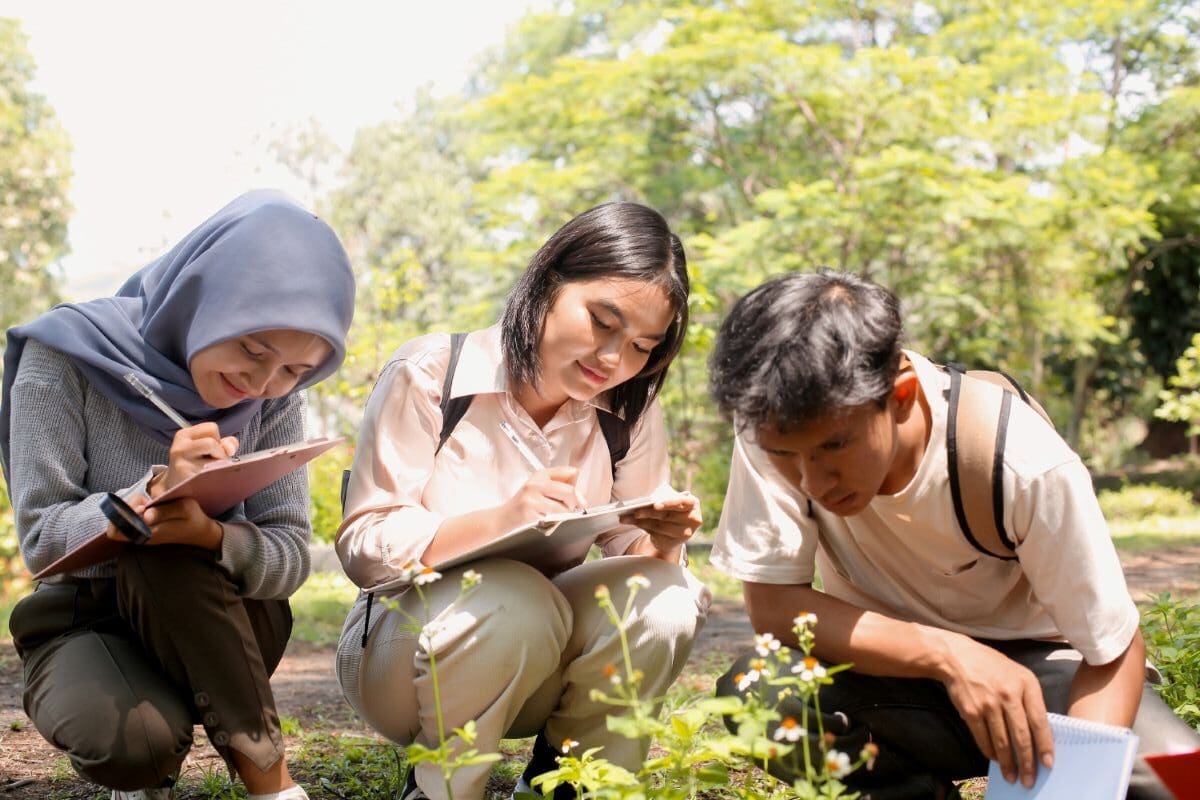
The Rise of Homeschooling
Homeschooling is rapidly becoming one of the fastest-growing educational choices in the U.S., driven by a desire for more control over children’s education, flexibility, and tailored learning experiences. This shift has been accelerated by frustrations with traditional public schools, especially regarding overcrowding, standardized testing, and safety concerns. The pandemic further solidified homeschooling as a viable option, prompting many families to reconsider what education should look like. Today, homeschooling encompasses diverse approaches like Waldorf, Montessori, and unschooling, allowing for unique learning styles. As policy changes and educational innovations continue to emerge, homeschooling is set to remain a significant and influential part of the future of education in America.
FAQs
1. Is homeschooling becoming more popular in the U.S.?
Yes, homeschooling in the U.S. is on the rise, with many families turning to home education as a way to have more control over their child’s education. Schooling’s rise from fringe to mainstream has sparked a growing movement, and homeschooling became a viable option for many, especially since the pandemic.
2. What is the current state of homeschooling in the United States?
Homeschooling in the United States continues to gain popularity. Recent news highlights the rapid growth of homeschool students, with the homeschooling community expanding year by year. However, homeschooling laws and regulations can vary by state.
3. What are the benefits of homeschooling?
Homeschooling offers numerous benefits, such as a personalized learning experience and the ability to tailor the child’s education to their needs. Research facts on homeschooling suggest that students often perform as well or better than their peers in traditional school settings.
4. Are there any differences between homeschooling and traditional schooling?
Homeschooling provides a more individualized learning experience, whereas traditional schooling tends to follow a standardized curriculum. Education data shows that many homeschool families prefer this tailored approach, and homeschooling gains are being observed in academic performance, especially on standardized tests.
5. Can people continue homeschooling through high school?
Yes, many families continue homeschooling through high school, and homeschooling is expected to remain a popular choice for students in the later grades. Some families find that their homeschooling experience better prepares students for college admissions than public school education.
6. What do education associations say about homeschooling?
Education associations acknowledge the rise in homeschooling and the need for more research on its effectiveness. Homeschooling laws and policies are continuously evolving, but homeschooling as a way of education is becoming more recognized and accepted.
7. How do homeschooling families tailor education?
Homeschool families often customize education to fit their children’s needs, focusing on learning styles and interests. Whether homeschooling involves child-led learning, project-based learning, or other creative methods, families have the flexibility to design an enriching educational experience.
You might also be interested in…
CONNECT WITH DAILY MOM
💖 NEWSLETTER: DAILY READS IN YOUR INBOX 💖
Sign up to receive our picks for the best things to do, see and buy so you can relax and focus on more important tasks! Let us help you be the best version of yourself you can be!
BE SOCIAL WITH US
📌 LOVE IT? PIN IT!📌