



Summer is a time for exploration and adventure, but that doesn’t mean learning has to take a break. Students can learn and grow no matter the time, place, or classroom—and how to teach them matters. Nature and quality family activities offer just as many, if not more, opportunities to develop a growth mindset than the traditional classroom environment. Instead of telling your child that learning only happens at school, embrace the idea that every experience can teach valuable lessons.
This summer, make a commitment to encouraging a love of learning in a fun, supportive environment. Helping students see that they can grow and improve through effort and practice will make a big difference in their mindset and overall success. Let’s take a look at some effective teaching strategies to help support your student’s growth mindset throughout the summer.
Teaching Strategies: What is a Growth Mindset vs. a Fixed Mindset?
As parents and teachers, we all want what is best for our children—educationally, socially, and emotionally. Sometimes, though, it can feel challenging to know the best ways to support their development. The good news is that with a few adjustments to your teaching style or parenting approach, you can make a big difference in promoting a growth mindset in your child.
One of the most impactful ways to help students grow is by teaching them to embrace a growth mindset rather than a fixed mindset. By understanding the difference between these two mindsets, you can help students develop resilience, a love of learning, and the ability to overcome challenges.
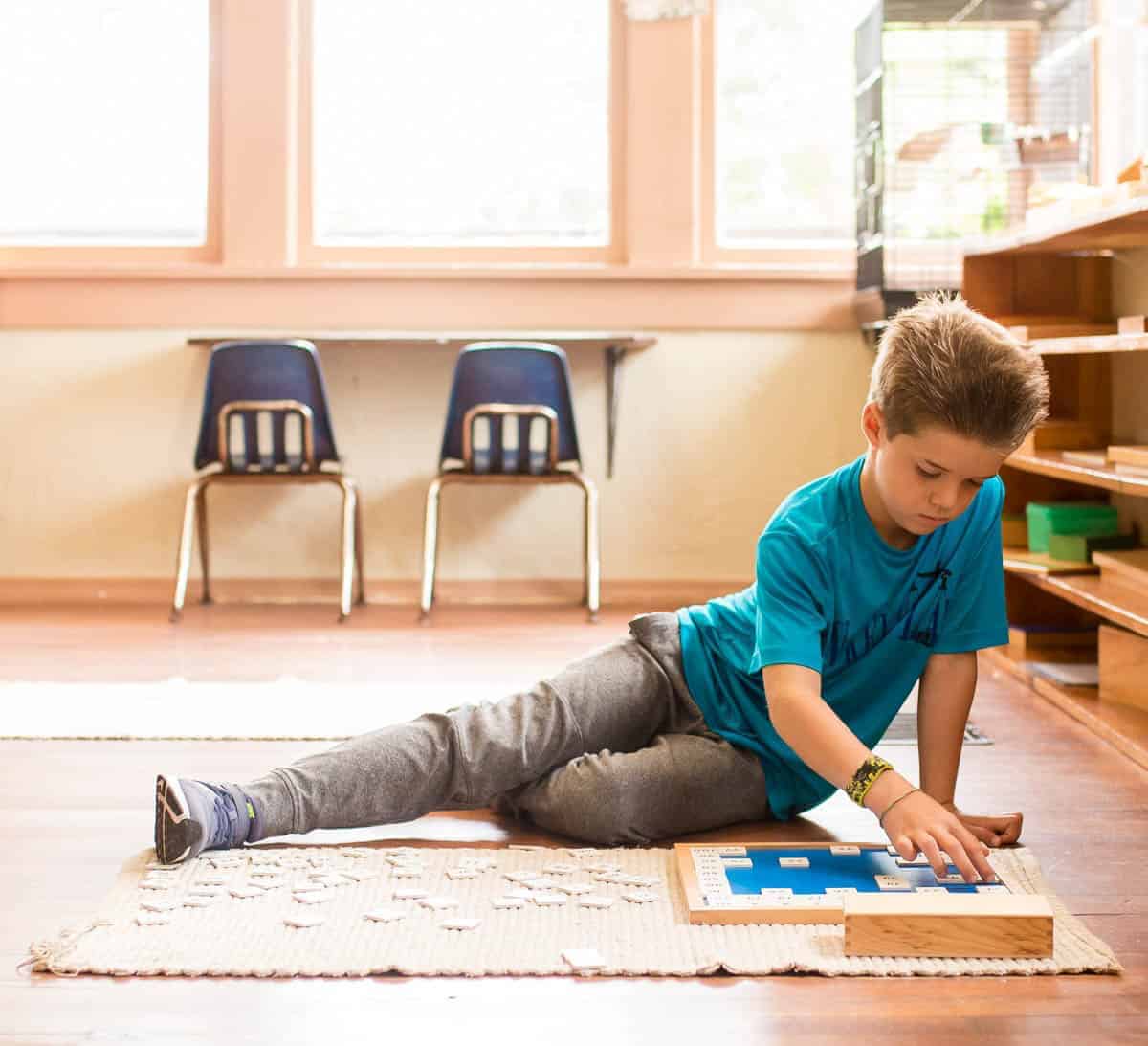
Growth Mindset in Students
A growth mindset is the belief that intelligence and abilities can be developed through hard work, perseverance, and a willingness to learn from mistakes. It encourages students to see challenges as opportunities to grow and to view setbacks as part of the learning process.
Characteristics of a Growth Mindset:
- Embraces challenges: Students aren’t afraid to try new things, even if they might fail.
- Learns from mistakes: Instead of giving up, students see failures as opportunities to improve.
- Puts in consistent effort: They believe that practice and hard work make a big difference in success.
- Maintains a positive attitude toward learning: A love of learning and a willingness to keep going are key.
As Carol S. Dweck, a leading researcher on mindsets, puts it:
“If parents want to give their children a gift, the best thing they can do is to teach their children to love challenges, be intrigued by mistakes, enjoy effort, and keep on learning. That way their children don’t have to be slaves of praise. They will have a lifelong way to build and repair their own confidence.”
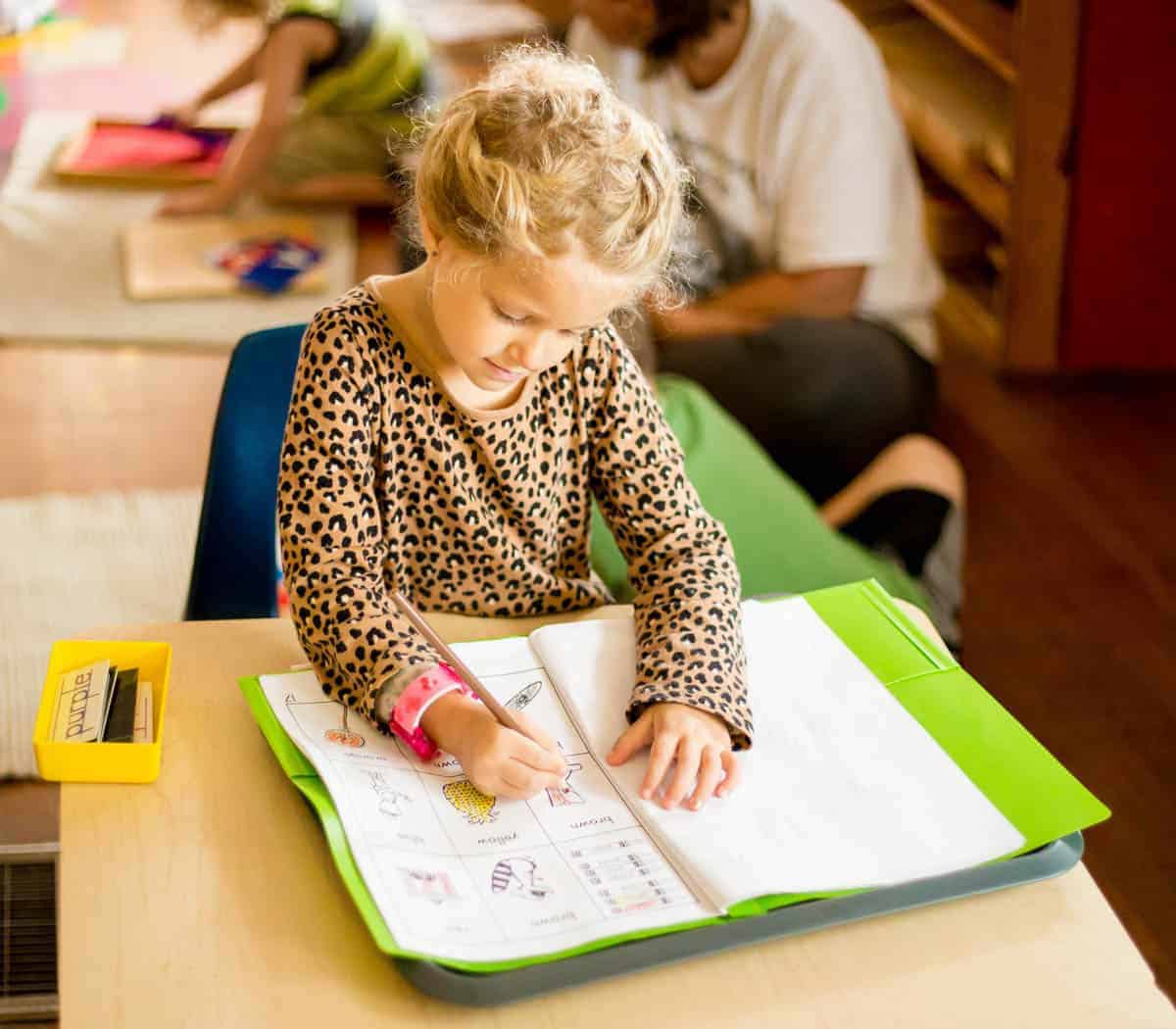
How to Help Students with a Fixed Mindset
A fixed mindset, on the other hand, is the belief that intelligence and abilities are static and unchangeable. Students with a fixed mindset may think they are simply “good” or “bad” at something and that no amount of effort will make a difference. This mindset can hold students back from achieving their full potential.

Characteristics of a Fixed Mindset:
- Avoids challenges: Students may shy away from trying new things out of fear of failure.
- Gives up easily: When faced with a setback, they may feel defeated and unwilling to try again.
- Feels limited by natural talent: They believe they are either “good” or “bad” at something without room for growth.
- Seeks validation: Praise is often seen as proof of ability rather than encouragement to keep working.
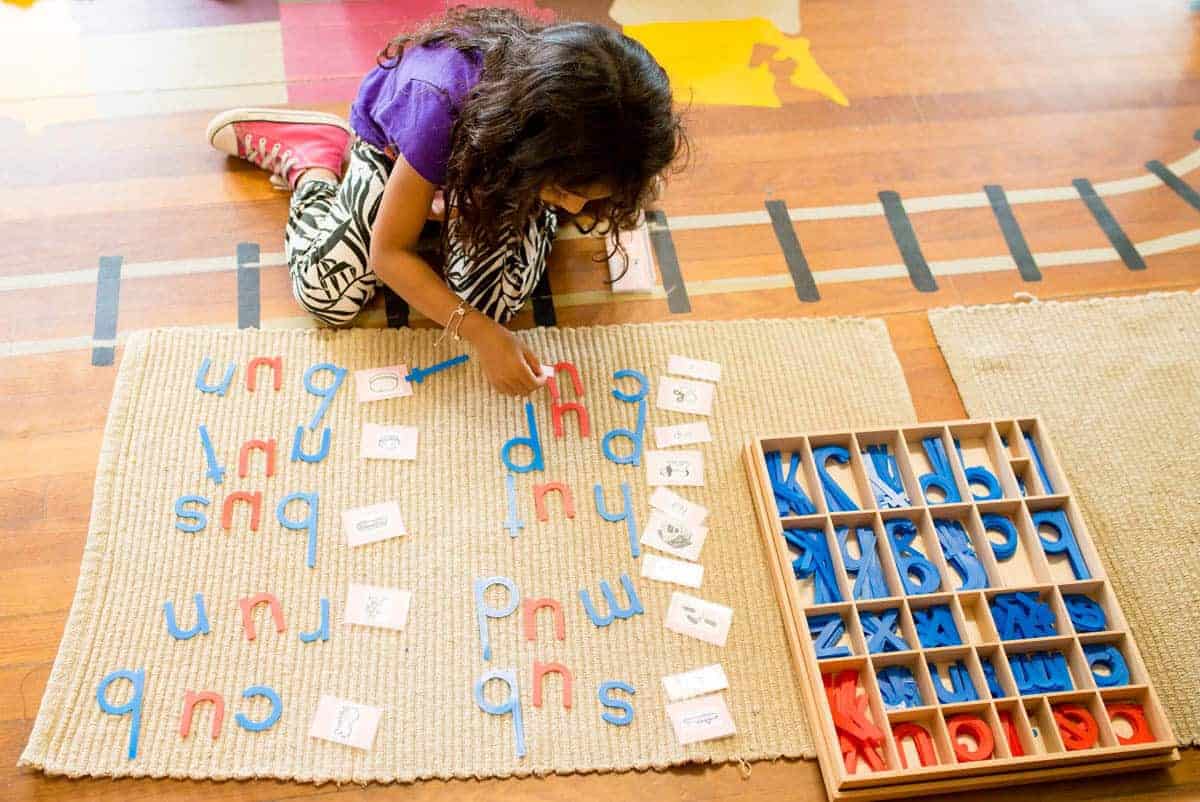
Real-Life Example:
Imagine a student who struggles with math. Someone with a fixed mindset might say, “I’m just not a math person,” and avoid putting in extra effort. They feel stuck, believing their math ability is unchangeable.
In contrast, a student with a growth mindset would view math as a challenge to overcome. They’d put in extra practice, seek help when needed, and see mistakes as stepping stones to improvement. Over time, their persistence and willingness to learn help them grow and succeed.
By encouraging a growth mindset in students, you give them the tools to tackle challenges head-on and develop resilience that will serve them throughout their lives. Let’s take a look at some teaching strategies to help students develop this mindset.
The Benefits of a Growth Mindset for Students In and Out of the Classroom
Children who develop a growth mindset are naturally more inclined to embrace challenges and seek out new learning opportunities. Instead of feeling defeated by difficult tasks, they are motivated to keep trying because they believe their abilities can grow through effort and perseverance.
On the other hand, children with a fixed mindset may view intelligence or talent as something they are born with—something static and unchangeable. This belief can prevent them from even attempting to achieve specific goals because they assume those goals are unattainable. They may develop attitudes like:
- “I’m just not good at this.”
- “I’ll never be able to do it.”
- “Some people are just born with talent, and I’m not one of them.”
A growth mindset shifts this thinking entirely by encouraging children to view their abilities as flexible and improvable.
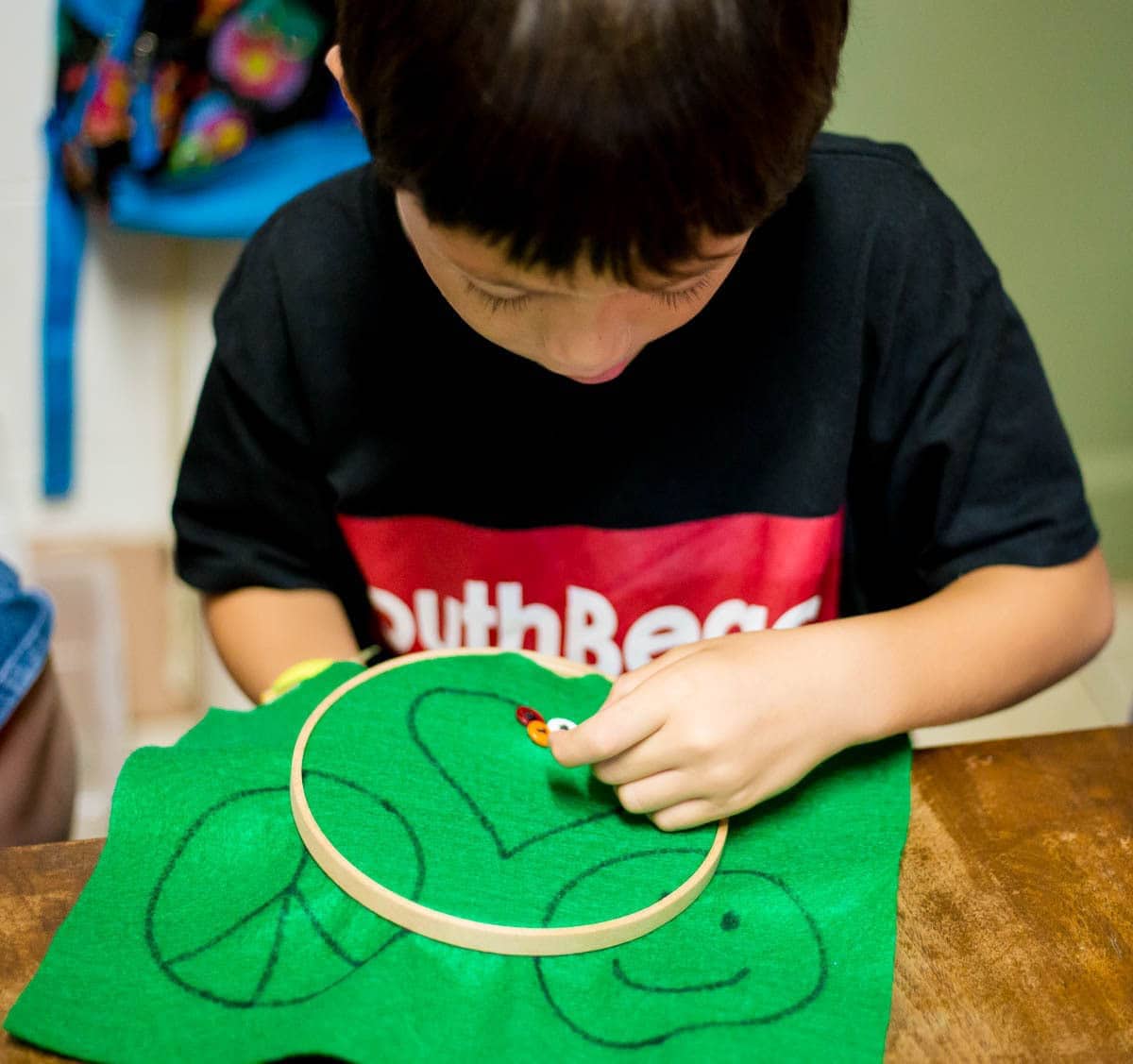
Teacher Best Practices: Praise Effort, Not Talent
One of the most important strategies in fostering a growth mindset is to praise effort rather than inherent ability. Instead of telling a child that they are “so smart,” acknowledge their hard work, perseverance, or creative problem-solving. For example:
- Instead of: “You’re so smart!”
- Try: “I’m proud of how hard you worked on that project!”
- Instead of: “You’re a natural at this!”
- Try: “Your dedication to practicing really shows!”
While praising effort is essential, it’s also important to encourage strategic thinking and problem-solving. Children need to know that sometimes hard work alone isn’t enough—they may need to try new approaches or seek out different resources to succeed. This combination of effort and adaptability is the essence of a growth mindset.
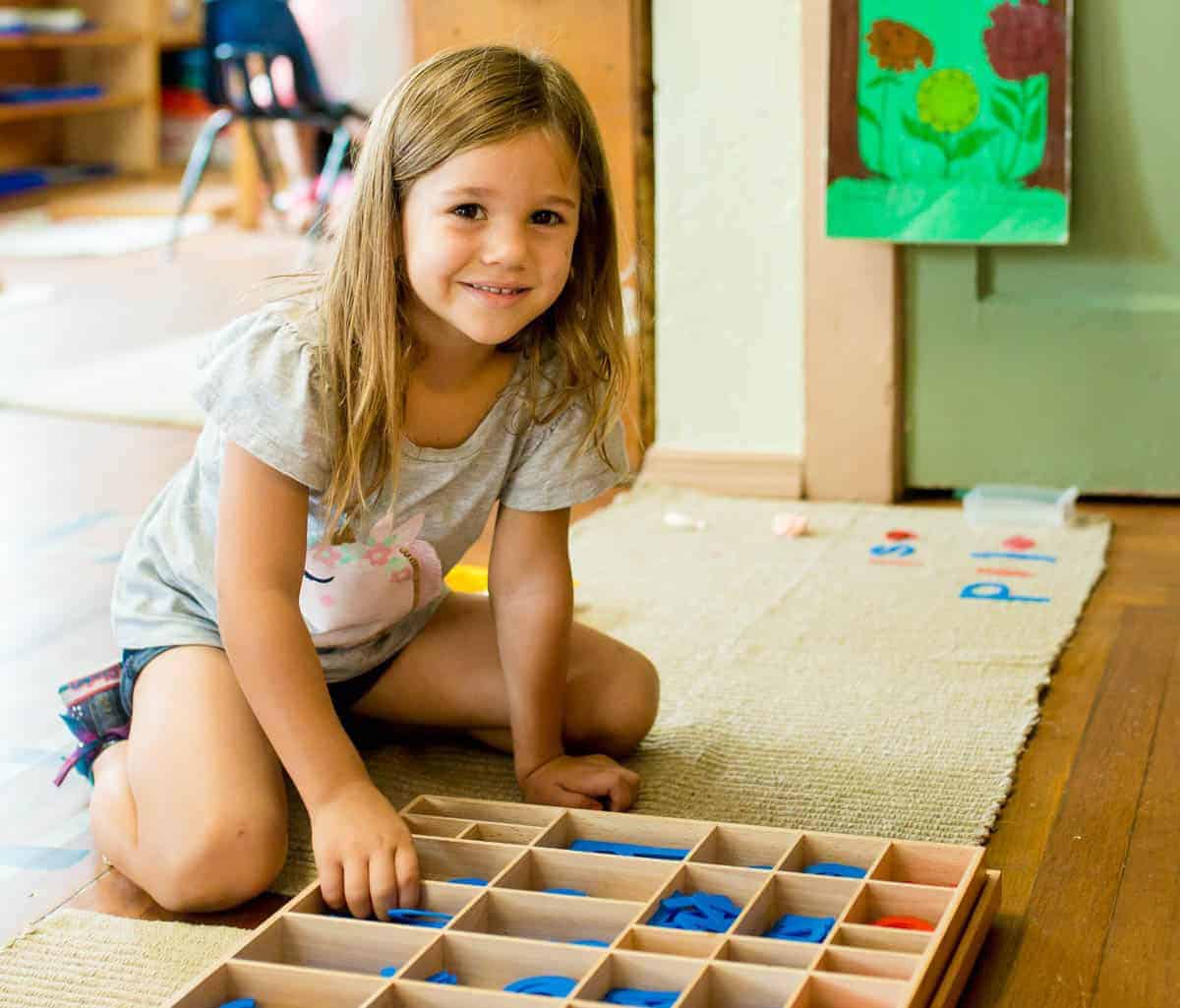
Real-World Relevance Outside of Classroom Teaching
Today, it’s clear that the well-intentioned praise culture of the past—where children were told they were “special” or “naturally gifted”—has led to some unintended consequences. Many young adults raised this way struggle with resilience and perseverance because they were taught to value innate talent rather than hard work. As Carol S. Dweck explains:

“The growth mindset was intended to help close achievement gaps, not hide them. It is about telling the truth about a student’s current achievement and then, together, doing something about it, helping him or her become smarter.”
Brain-Based Teaching and Learning and Neuroplasticity
Recent advances in brain research highlight the concept of neuroplasticity—the brain’s ability to change, reorganize, and form new neural connections throughout life. This means that as children encounter challenges and put in the effort to overcome them, their brains literally grow and adapt.
How Growth Mindset Encourages Neuroplasticity:
- New Experiences: Trying new things and pushing past comfort zones stimulate brain growth.
- Practice and Repetition: Repeated efforts strengthen neural connections, making tasks easier over time.
- Problem Solving: When children encounter obstacles and work through them, they form connections that help with future problem-solving.
Teaching children to keep solving problems and seeking solutions—even amid multiple failed attempts—trains their brains to adapt and grow. This allows them to learn faster and tackle more complex challenges with confidence.
By fostering a growth mindset, we give our children lifelong tools to face difficulties head-on and develop resilience. With these skills, they are better equipped to thrive academically, socially, and emotionally.
Teaching Practices for Instilling a Growth Mindset in Your Child
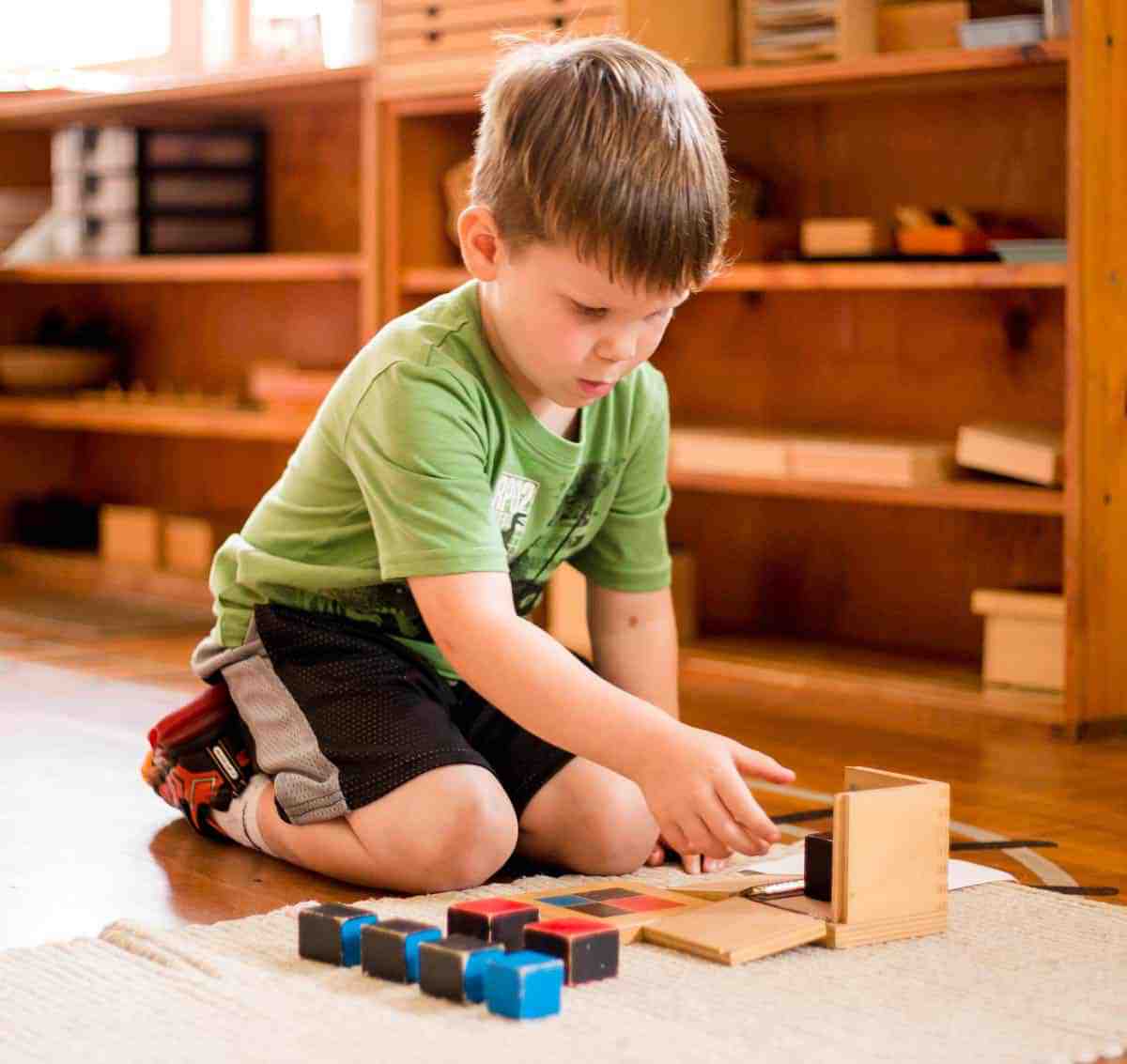
One of the most effective educational models for teaching a growth mindset is the Montessori method. In Montessori classrooms, children are given the space, freedom, time, and gentle guidance to work through challenges independently. The learning environment is thoughtfully designed to encourage exploration and perseverance, allowing children to learn from their mistakes without external correction or judgment.
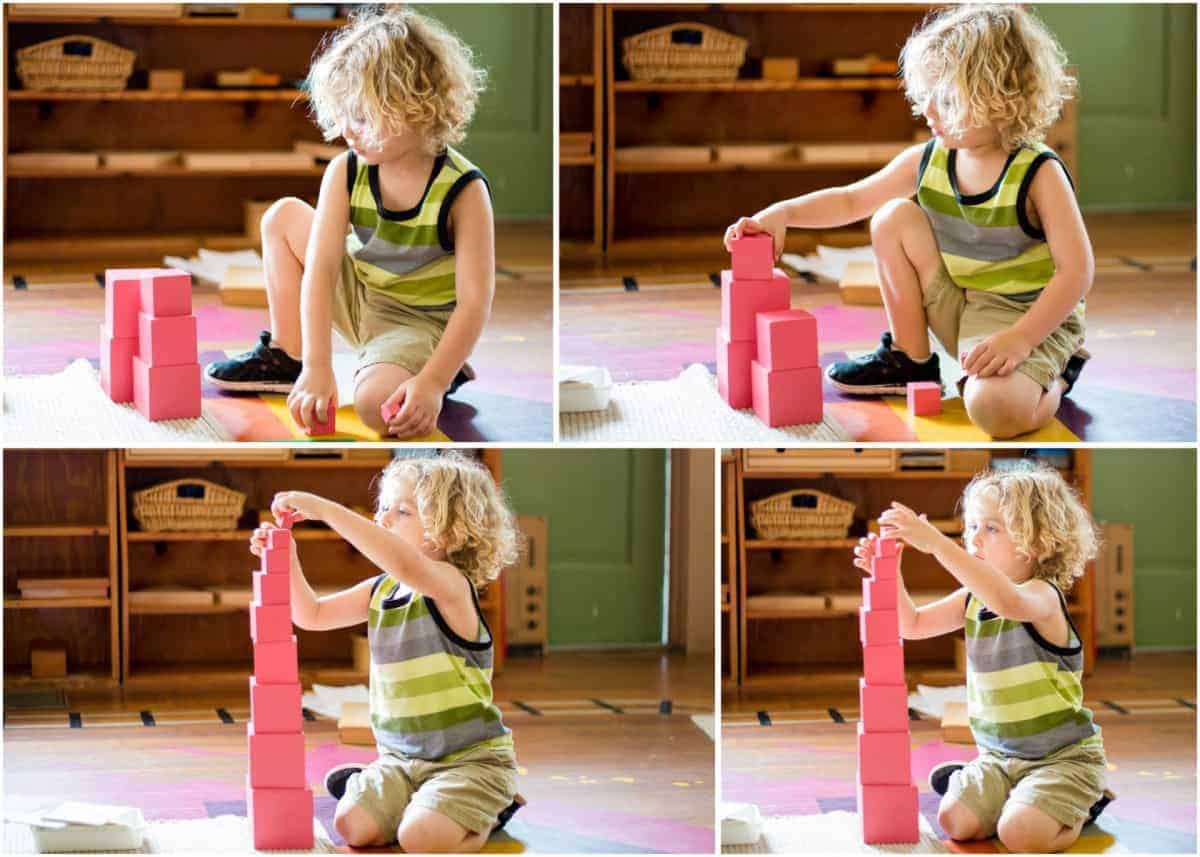
How Montessori Fosters a Universal Design for Learning
Montessori classrooms are set up with a progression of increasingly challenging tasks, but every lesson is self-correcting. This means children can practice over and over, identifying their own mistakes and figuring out solutions without feeling pressured or judged. This approach builds resilience and problem-solving skills, as students learn to evaluate their own progress and feel pride in their achievements.
One of the most powerful aspects of the Montessori method is that children learn to love learning for its own sake. Unlike traditional classrooms, where motivation often comes from external rewards, Montessori students are driven by their own curiosity and the satisfaction of accomplishment. They learn to take pleasure in the process rather than just the outcome.
“Never help a child with a task at which he feels he can succeed.” – Maria Montessori
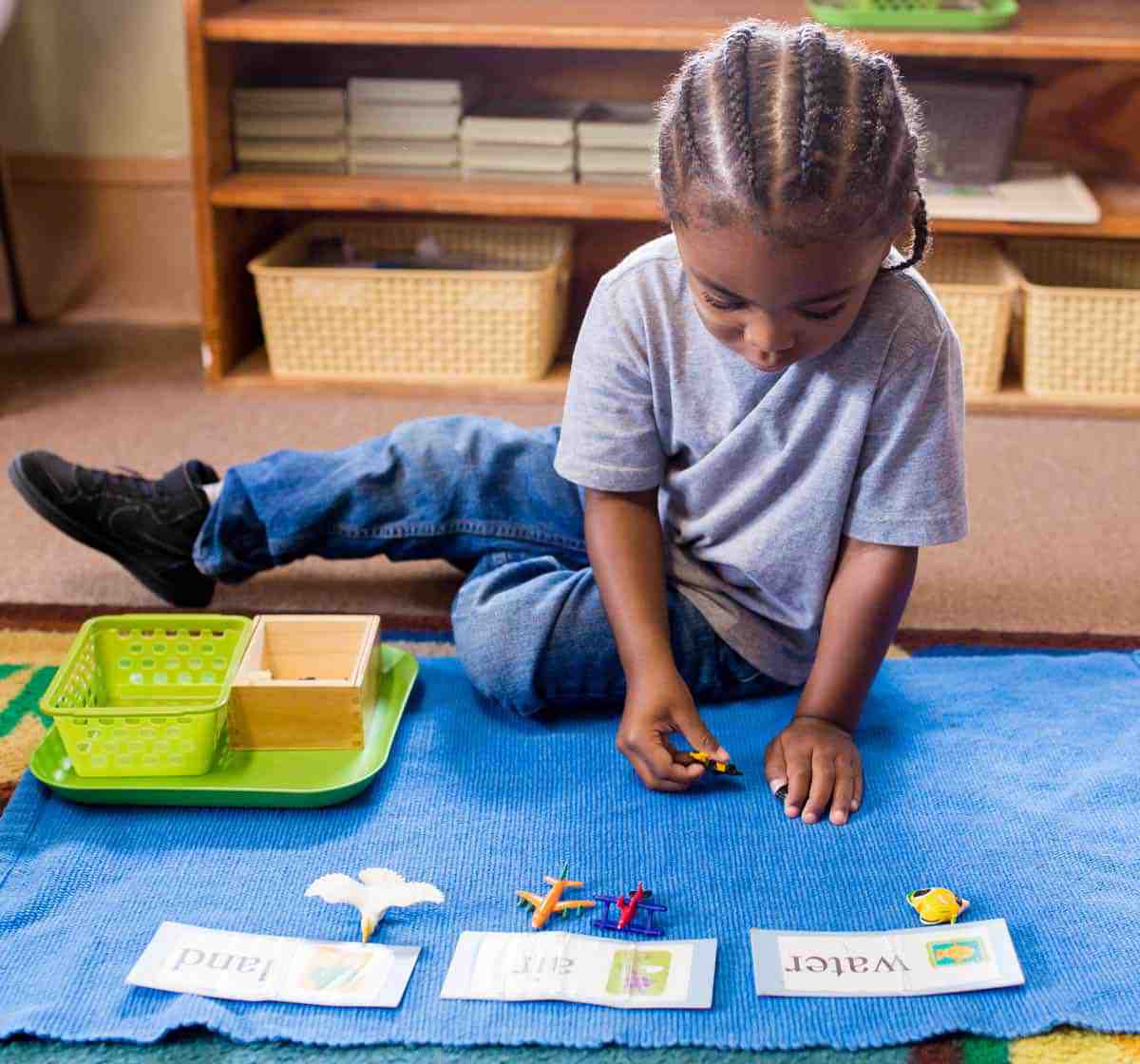
Building Lifelong Confidence
A Montessori education goes hand-in-hand with the principles of a growth mindset. It teaches children that perseverance and effort lead to success and that failure is merely a step toward mastery. By allowing children to complete difficult tasks independently, the method builds confidence and self-belief. These children grow into teens and adults who understand that challenges are opportunities for growth rather than obstacles to avoid.

“We discovered that education is not something which the teacher does, but that it is a natural process which develops spontaneously in the human being.” – Maria Montessori
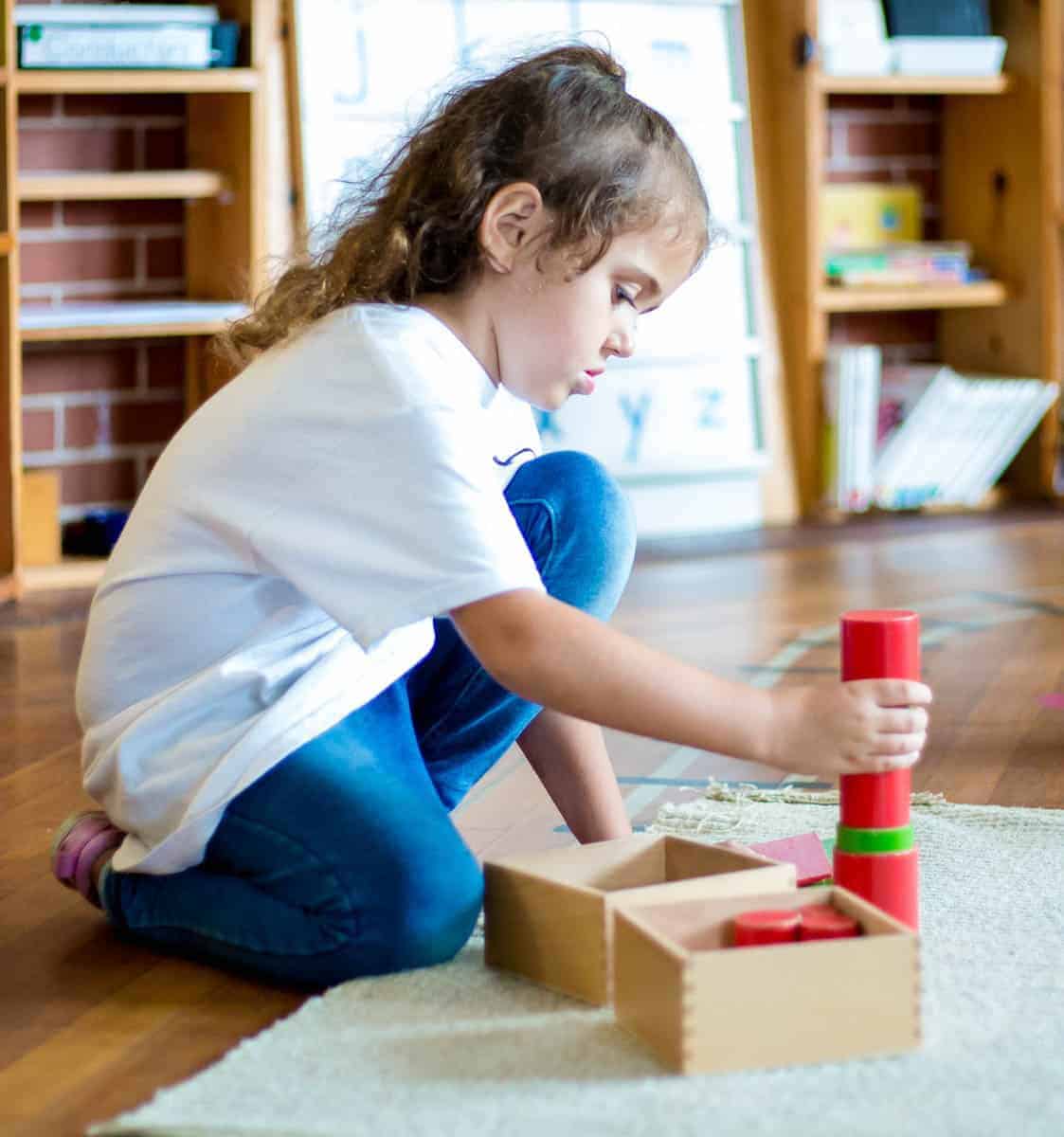
Making Growth Mindset a Way of Life Outside of Class
Unfortunately, finding a Montessori school—especially for elementary and above—can be challenging and often costly. However, parents can still foster a growth mindset at home, regardless of educational setting.
We all exhibit both fixed and growth mindsets in different areas of life. For instance, someone might feel stuck when managing a complex mortgage payment schedule but feel motivated and capable when training for a challenging triathlon. It’s normal to have a mix of mindsets, but the goal is to embrace challenges, stay curious, and view setbacks as progress.
Ways to Encourage a Growth Mindset at Home:
- Lead by Example: Demonstrate a willingness to try new things, even when they’re difficult or unfamiliar.
- Encourage Perseverance: Teach children to keep going, even when a task seems tough.
- Set Realistic Goals: Help them break challenges into smaller, manageable steps.
- Praise Effort and Strategy: Acknowledge their hard work and problem-solving, not just the end result.
By setting realistic challenges and giving children the freedom to work through them on their own, parents can help build resilience and a lifelong love of learning. Creating an environment where effort is valued and failure is seen as a step toward growth prepares children to tackle life’s challenges with confidence and determination.
Tools for Developing a Growth Mindset
Summer is the perfect opportunity for parents to explore the concept of a growth mindset and work on instilling this invaluable trait in their children. No parent wants their child to spend the summer lounging on the couch in front of a screen, so make a commitment to having an enjoyable and educational summer that inspires your child to work harder and do better when they head back to school in the fall.

Big Life Journal: Building Mindset and Motivation
One of the best tools to help children develop a growth mindset is theBig Life Journal. This guided journal is designed to encourage kids to think critically, reflect on challenges, and build social and emotional skills through storytelling and engaging activities.

- Inspiration from Influential Leaders: The journal includes stories from successful figures like Elon Musk, J.K. Rowling, and Walt Disney, demonstrating how perseverance leads to success.
- Interactive Activities: With exercises that develop reading, writing, and critical thinking skills, it helps children embrace challenges and learn from failures.
- Skill Building: Besides mindset development, it also enhances fine motor skills and penmanship.


Help your child develop a mindset geared toward success while practicing essential skills at home this summer.
SHOP:
Big Life Journal
EXPLORE AND CONNECT:
Big Life Journal | Facebook | Twitter | Pinterest | Instagram
Three Cups: Financial Responsibility for Kids
Teaching kids about money early on is crucial, especially in today’s world where financial literacy is often lacking. One great way to introduce smart money habits is through the Three Cups book.

- Core Lessons: Teaches children to divide money into three categories: spend, save, and give.
- Life Skills: Emphasizes the importance of using money wisely rather than simply accumulating it.
- Real-World Connections: Encourages discussions about setting financial goals and understanding the value of money.


SHOP:
Three Cups Book
EXPLORE AND CONNECT:
Three Cups

Money Savvy Pig: Smart Money Habits from a Young Age
Pairing perfectly with the Three Cups concept, the Money Savvy Piggy Bank takes financial education a step further with an interactive approach.

- Four-Part Money Management: The piggy bank is divided into four sections: Save, Spend, Donate, and Invest.
- Practical Learning: Helps children develop the habit of thinking about how to allocate their money.
- Interactive App: Supports tracking and teaches practical concepts like bartering and goal setting.
- Skill Development: Promotes decision-making and financial responsibility from an early age.

Empowering children with these skills not only teaches them money management but also fosters a sense of independence and control.
SHOP:
Money Savvy Pig
EXPLORE AND CONNECT:
Money Savvy Generation | Facebook | Twitter | Instagram
Microduino STEM Kits: Hands-On Learning with Technology
What is summertime learning without a bit of STEM? While we may want to limit screen time, hands-on STEM activities offer a valuable way to keep kids engaged while nurturing creativity and problem-solving skills.

- Building and Coding Skills: Offers kits that combine electronics, hardware coding, and product design.
- Hands-On Exploration: From magnetic blocks to more advanced hardware coding, children of various ages can participate.
- Educational Standards: Aligned with NGSS, ISTE, and Common Core Guidelines to ensure high-quality educational value.
- Imagination and Innovation: Encourages kids to think beyond the basics and expand their projects with creativity.

STEM activities teach perseverance and ingenuity while allowing children to practice problem-solving in a real-world context.
SHOP:
mPuzzle | mPie
EXPLORE AND CONNECT:
Microduino | Facebook | Twitter | Google+ | Instagram | YouTube
How to Teach Your Child Lifelong Skills
By incorporating these tools and activities into your summer plans, you’re setting your child up for success—academically, financially, and personally. Whether they’re journaling about growth, learning financial principles, or building the next great invention, they’ll be developing critical skills that last a lifetime.
Take advantage of the summer months to foster a growth mindset, financial literacy, and problem-solving abilities. With engaging resources like the Big Life Journal, Three Cups, Money Savvy Pig, and Microduino STEM Kits, your child will be ready to face new challenges with confidence and creativity when the school year starts again.
FAQs
Q: How can I help support my students’ growth mindset in the classroom?
A: One of the best ways to support your students is by incorporating teaching methods that promote inquiry-based learning and allow students to develop a love for learning. Encourage students to ask questions and provide them with flexible ways to learn through classroom activities and group work. By using a variety of teaching strategies in your classroom, such as student-centered classroom approaches and technology in the classroom, you give students a chance to engage with the material in a way that resonates with their individual learning styles.
Q: What are the most effective classroom management strategies?
A: Effective classroom management involves setting clear rules and expectations while encouraging students to take responsibility for their actions. By using management strategies that promote engagement, such as small groups or interactive classroom instruction, you can create an environment where students feel comfortable and empowered to participate. Teachers may also benefit from using posters with growth mindset messages to help students understand that challenges are opportunities for learning.
Q: How can I engage students who need extra support?
A: It’s important to meet with students who need extra help and provide them with the resources they require to succeed. This might include one-on-one instruction, group work with peers, or giving students access to online sources. Additionally, providing differentiated lesson plans that address the various learning styles of your students is crucial in ensuring that all students are engaged and supported.
Q: How can I encourage inquiry-based learning in my classroom?
A: To encourage inquiry-based learning, ask your students thought-provoking questions that prompt critical thinking. Allow students to work on projects that give them the opportunity to create something meaningful while exploring topics that interest them. By encouraging students to make their own discoveries and guiding them with a teaching technique that promotes exploration, you’re helping students develop essential skills for lifelong learning.
Q: How can I help students understand complex concepts?
A: One effective teaching technique is to use a variety of teaching methods that cater to different learning styles. Many students benefit from visual aids, hands-on activities, or collaborative small group work. Teachers also play an important role by explaining concepts in different ways and encouraging students to ask questions for clarification. Giving students time to process and engage with the material in different formats can help them understand even the most challenging content.
Q: How can I incorporate technology in the classroom effectively?
A: Technology in the classroom plays an important role in engaging students and supporting their learning. There are many different ways to incorporate technology, such as using educational apps, online sources, or interactive platforms that allow students to collaborate and share their ideas. Teachers may also use technology to provide personalized learning experiences and track student progress, allowing them to meet the individual needs of their students.
Q: How do I ensure that I’m meeting the needs of all students?
A: In order to meet the diverse needs of your students, you must be flexible in your teaching methods and adapt your lesson plans to suit different learning styles. Use a number of ways to allow students to engage with the material, including interactive activities, project-based learning, and group discussions. Providing students a chance to work independently and in small groups can also help ensure that every student, including those who need extra support, has the opportunity to thrive.
Q: How can I encourage students to take an active role in their learning?
A: To encourage students to take an active role in their own learning, create a student-centered classroom where students have more control over how they learn. This can be achieved by giving students flexible ways to learn and providing opportunities for them to create their own projects or explore topics of interest. By encouraging students to take initiative, ask questions, and engage in the learning process, you’ll help students feel empowered to take ownership of their education.
Q: How can I differentiate instruction for students with various needs?
A: Differentiating instruction means adjusting your classroom activities and lesson plans to meet the individual needs of your students. This may include providing students who need extra support with additional resources, offering students flexible ways to work (such as using online sources or peer support), and modifying assignments based on students’ learning abilities. Teaching strategies like scaffolding and grouping students based on their needs can also ensure that all students are able to participate and succeed in the classroom.
Q: How can I assess my students’ progress effectively?
A: Regular assessment is key to tracking students’ progress. Use a variety of tools such as quizzes, project-based learning, and peer reviews to assess students’ understanding of the material. Encouraging students to reflect on their learning and discuss challenges they’ve faced can also give you valuable insights into their progress. Teachers may also meet with students individually or in small groups to assess their understanding and offer personalized feedback.
Q: What role does feedback play in developing a growth mindset?
A: Feedback is crucial in helping students develop a growth mindset. Rather than simply giving praise, offer constructive feedback that focuses on the effort and process, not just the result. Encouraging students to learn from mistakes and continue improving is an important part of teaching students to embrace challenges. When students feel supported through thoughtful and timely feedback, they’re more likely to take on new challenges with confidence and resilience.
Q: How can I keep students engaged during lessons?
A: To keep students engaged, it’s important to use a variety of teaching strategies in your classrooms that encourage active participation. By incorporating group work, hands-on activities, and technology, you can help ensure students stay interested and involved. Engaging students means providing opportunities for them to create, explore, and contribute to the classroom experience, making the learning process more dynamic and interactive.
Q: How can I give all students the support they need in a general classroom setting?
A: To give all students the support they need, it’s essential to implement common teaching strategies that cater to a range of learning styles. This might include offering differentiated instruction, flexible grouping, or project-based learning. Additionally, by providing students flexible ways to learn and allowing them to go at their own pace, teachers can create a more inclusive and supportive environment where students take ownership of their learning.
Q: What are some effective ways to teach students who need extra help?
A: For students who need extra help, it’s important to use targeted strategies that support their unique needs. Consider meeting with students in small groups, using visual aids, or providing additional resources to help students access the material. It’s essential to differentiate instruction to meet individual student needs and provide opportunities for one-on-one support to ensure that no student falls behind.
Q: How can I encourage students to play an active role in their learning?
A: Encouraging students to play an active role in their learning can be achieved by using teaching strategies that foster independence and critical thinking. By creating opportunities for students to collaborate, create, and lead projects, you give them the chance to develop skills and ownership of their learning. Students can also take the initiative by asking questions, researching topics of interest, and finding creative solutions to problems.
Q: How can I adapt teaching strategies for a diverse group of students?
A: Teachers may need to work to find effective strategies that cater to a diverse group of students, considering varying learning styles, abilities, and backgrounds. By incorporating a variety of resources, such as online sources or differentiated lesson plans, teachers can ensure that students are not only engaged but also able to understand the material. Using flexible groupings and offering multiple ways to access content ensures that all students feel supported and valued in the classroom.
Q: How can I make sure students are challenged at the right level?
A: One of the most important things teachers can do is to provide students with opportunities to engage in tasks that are appropriately challenging. Giving students the chance to take on tasks that stretch their thinking without overwhelming them is key. You can adapt the difficulty level by offering extension activities or tasks that push students to create, solve problems, and engage with content in new ways.
Q: How can I use technology to help support my students?
A: Technology in the classroom can be an excellent tool for supporting students, especially when used to cater to various learning styles. You can use online resources, interactive learning apps, or virtual platforms to engage students and provide them with flexible learning opportunities. Technology helps students go beyond traditional classroom materials and gives all students the chance to work at their own pace or collaborate with peers.
Q: What should I do if a group of students is struggling with the same concept?
A: If a group of students is struggling with a particular concept, it’s important to adapt your teaching strategies to meet their needs. Consider using group work to allow students to discuss and explore the concept together. You might also offer additional practice, provide visual aids, or meet with the students individually to ensure they understand the material. Working closely with a group of students who need extra support can help them feel more confident and supported.
Q: How can I ensure my classroom is inclusive for students from around the world?
A: To make sure your classroom is inclusive, it’s important to recognize and respect the diverse backgrounds of your students. Incorporate materials and resources that reflect different cultures and perspectives. Teachers also play a key role in creating an environment where students from around the world feel welcomed and valued. Encouraging open dialogue and collaboration helps all students learn from one another and enriches the classroom experience.
Q: What are some must-read strategies for new teachers?
A: For new teachers, it’s crucial to familiarize yourself with various teaching techniques and strategies that will work best for your students. Must-read strategies include using differentiated instruction, encouraging inquiry-based learning, and creating a student-centered classroom. Learning to implement these common teaching strategies will help new teachers engage students, maintain classroom management, and foster a positive, supportive learning environment.
Q: How can I make sure students feel motivated to learn?
A: Motivation is key to student success. You can motivate students by providing them with opportunities to make choices in their learning, such as picking topics for projects or exploring areas of interest. Encouraging students to take ownership of their learning through activities where they can create, collaborate, and problem-solve will keep them motivated and engaged. Additionally, recognizing their effort and progress helps students feel valued and encourages continued growth.
Q: How can I help students who need extra support thrive in my classroom?
A: Helping students who need extra support requires creating an environment that caters to their individual needs. By using a variety of teaching strategies, including differentiated instruction, flexible grouping, and one-on-one support, teachers can give students the tools they need to succeed. Offering opportunities for students to work in small groups, meet individually with the teacher, or access online resources also ensures that every student gets the help and encouragement they need to thrive.
You might also be interested in…
For more on keeping the whole family motivated this summer check out our 8 Tips for Avoiding the Summer learning Slump.
CONNECT WITH DAILY MOM
💖 NEWSLETTER: DAILY READS IN YOUR INBOX 💖
Sign up to receive our picks for the best things to do, see and buy so you can relax and focus on more important tasks! Let us help you be the best version of yourself you can be!
BE SOCIAL WITH US
📌 LOVE IT? PIN IT!📌


