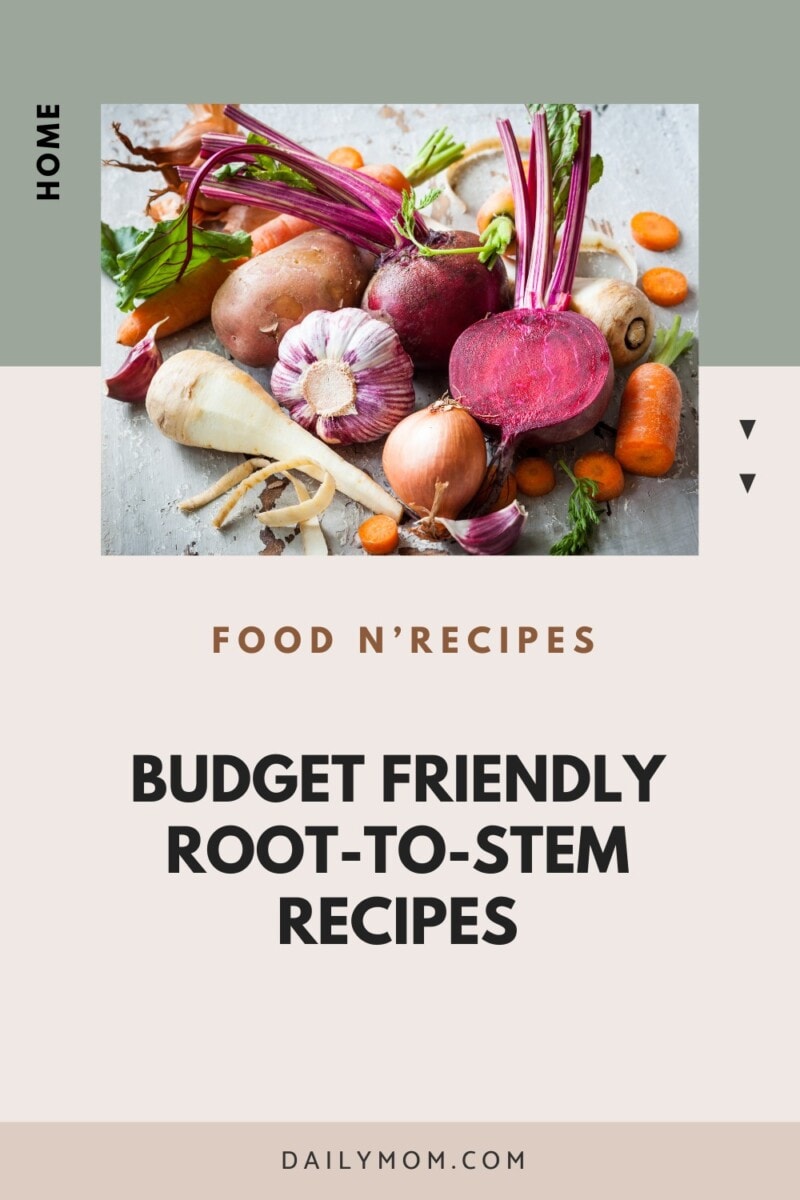






























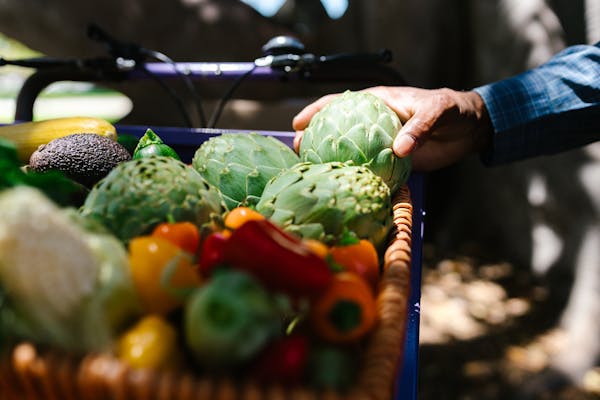
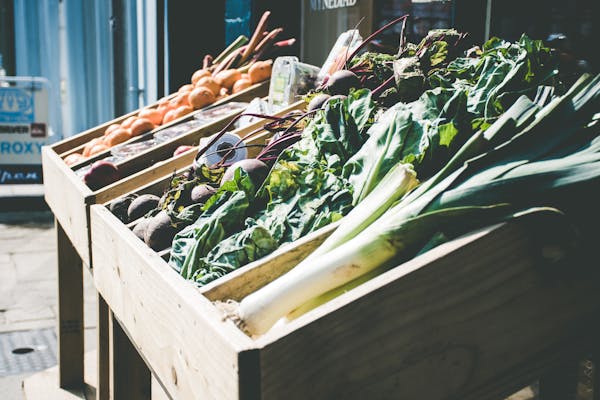
Root to stem cooking is the practice of using every edible part of a plant, ensuring nothing goes to waste. In a world where food waste continues to rise, this approach offers a sustainable way to cook while unlocking flavors that are often overlooked.
Food waste is a serious issue; approximately 30-40% of the global food supply is disposed of, with a significant portion coming from fruits and vegetables. Many perfectly edible parts of produce end up in the trash simply because we aren’t accustomed to using them. By shifting our mindset and embracing the entire plant, home cooks can reduce food waste, maximize nutrition, and save money while creating inventive dishes.
There’s a moment of realization for every cook, the day they discover that carrot tops can make pesto or that broccoli stems are just as delicious as the florets. Root-to-stem cooking is a philosophy that transforms waste into star ingredients, proving that sustainability can be as delectable as it is responsible.
Root-to-stem cooking isn’t just about lessening waste; it’s about appreciating food in its entirety. This guide will explore why it matters, how to embrace it, and delicious recipes to inspire every cook to use every edible part of their vegetables.
Understanding Root-to-Stem: The Sustainability Movement
Long before the modern kitchen streamlined food preparation, root-to-stem cooking was a natural practice. Traditional cuisines around the world have long adhered to the philosophy of utilizing every edible part of a plant. Whether it’s beet greens in Eastern European dishes, citrus peels in Mediterranean marmalades, or vegetable waste turned into savory stocks in Asian cooking.
How modern cooking has led us to throw away valuable parts
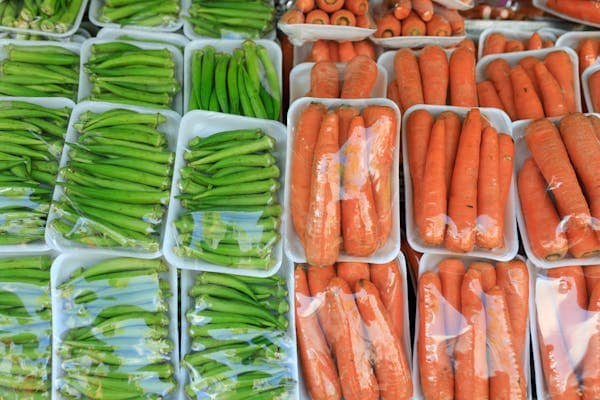
As food production became industrialized, convenience became a priority, resulting in increased waste. Pre-packaged produce often omits stems, skins, and greens, contributing to the misconception that these parts are inedible or inferior in quality. Grocery stores dispose of imperfect vegetables, reinforcing the notion that only picture-perfect produce deserves a place on our plates.
Environmental impact of food waste
- Food waste is responsible for nearly 8–10% of global greenhouse gas emissions, mainly due to discarded produce that ends up in landfills.
- Wasting edible plant parts squanders resources used to grow them, including water, soil, and labor.
- Landfills are overwhelmed with food waste that could have been repurposed into meals, compost, or animal feed.
Economic benefits of using the entire plant
Embracing root-to-stem cooking isn’t just good for the planet, it’s great for the wallet. When all parts of a vegetable are used, fewer ingredients need to be purchased. Root-to-stem techniques encourage creativity, making it easier to stretch meals without sacrificing quality.

For those looking to make their grocery budget more efficient, this practice offers practical benefits:
- Reduce spending by using edible waste instead of wasting it.
- Maximize the value of your food purchases by stretching the value of every vegetable you buy.
- Support local farmers by embracing produce in its natural form, stems and all.
Root-to-stem cooking is more than just a trend, and it’s a return to thoughtful food practices that respect the ingredients we use.
Why Root-to-Stem Cooking Matters
Root-to-stem cooking is more than a way to reduce food waste, and it’s a game changer for health, flavor, and sustainability. By utilizing every edible part of a plant, kitchens become more efficient, meals become more nutrient-dense, and the environmental impact of cooking is significantly reduced.
Nutritional benefits of the parts we typically dispose of
Some of the most nutrient-rich parts of vegetables often end up in the trash. By taking a closer look, it’s clear these overlooked elements can contribute significantly to a balanced diet:
- Beet greens are packed with vitamin K, iron, and calcium, often more than the beet itself.
- Carrot tops offer a rich source of antioxidants and fiber, adding depth to salads and dips.
- Broccoli stems contain the same amount of dietary fiber and vitamin C as florets, yet they’re regularly tossed away.
Eating the entire plant of a vegetable not only ensures maximum nutrition but also elevates dishes with a diverse array of textures and flavors.
Flavor profiles found in different plant parts
Root-to-stem cooking unlocks new dimensions of taste:
- Stems often provide a mild sweetness or crunch, enhancing slaws and stir-fries.
- Greens and tops can be slightly bitter or peppery, ideal for balancing rich dishes.
- Peels and rinds contribute natural zest and depth, perfect for broths and infusions.
Instead of viewing vegetable leftovers as waste, considering their characteristics can lead to inventive recipes that enhance the overall meal experience.
Reducing kitchen waste and your carbon footprint
By using the whole vegetable, waste is reduced, leading to more sustainable kitchen habits:
- Less food in landfills reduces harmful methane emissions.
- Smaller grocery bills, thanks to more efficient ingredient use.
- A deeper connection to seasonal produce and local farms, supporting sustainable agriculture.
Root-to-stem cooking isn’t just a responsible choice; it’s a tasty and resourceful way to cook.
Budget-friendly approach to cooking
Incorporating root-to-stem techniques into your kitchen isn’t just better for your body; it’s also more economical and kinder to the planet.
- You’ll save money by getting more meals out of fewer ingredients.
- You’ll reduce the frequency of grocery trips and decrease packaging waste.
- You’ll actively reduce food waste, a significant contributor to greenhouse gas emissions.
The practice is simple: use every part, waste less, and eat better, all while honoring what the plant has to offer. It’s a small, delicious way to be part of something bigger.
Standard Parts We Throw Away (But Shouldn’t)
Many perfectly edible and delicious plant parts are regularly disposed of in the trash. Here are some of the most valuable ones to start incorporating into your cooking:
- Carrot tops: These leafy greens have a parsley-like flavor perfect for pesto, chimichurri, or as an herb in salads
- Broccoli and cauliflower stems: Once peeled, these crunchy stems are delicious raw in slaws or roasted alongside florets
- Beet greens: These nutritious leaves cook similarly to chard or spinach and are packed with vitamins
- Citrus peels: Zest adds intense flavor to dishes, and peels can be candied or infused into oils
- Herb stems: Cilantro and parsley stems contain concentrated flavor, perfect for stocks and gravy
- Watermelon rinds: The white portion is excellent for pickling or using in stir-fries
- Potato skins: Loaded with nutrients and fiber, these become crispy when roasted with oil and spices
Even parts like chard stems, cabbage cores, and fennel fronds have culinary uses that can add variety to your cooking while reducing waste. The key is approaching each vegetable with curiosity about how every component might contribute to your meals.
How to Cook with the Whole Plant: Techniques and Tips
Transitioning to root-to-stem cooking doesn’t require specialized equipment or advanced skills; it simply requires a willingness to experiment and reduce waste. Here are simple ways to begin:
- Start with proper cleaning: Thoroughly wash all parts of the vegetables, especially if they’ll be eaten raw. For root vegetables from the farmers market or garden, this is particularly important.
- Store each part appropriately: Remove the tops from carrots, radishes, and beets to extend root storage life, but don’t dispose of them! Store these leafy portions separately, wrapped in damp paper towels, to use within a few days.
- Keep a “stock bag” in your freezer: Even parts you can’t immediately use can be stored in a freezer bag for later use in making vegetable stock. This includes onion skins, asparagus ends, leek tops, and other similar waste products.
Creating delicious meals from commonly discarded parts doesn’t require complicated techniques. A food processor quickly transforms carrot tops into vibrant pesto. Tough stems become tender when roasted or sautéed a bit longer than their leafy counterparts. The goal isn’t perfection but progress in using more of what you already buy.
Root-Based Recipes: Using Every Bit from Below the Ground
Root vegetables offer incredible versatility with both their underground portions and leafy tops. Here are some simple recipes to begin your root-to-stem journey:
Roasted Roots with Sautéed Greens
- Cube beets, carrots, and turnips
- Toss with olive oil, salt, pepper, and roast at 400°F until tender
- Meanwhile, sauté the washed greens with garlic
- Serve roots atop their greens with a drizzle of balsamic vinegar
Carrot Top Pesto
- Blend 2 cups washed carrot tops with 1/3 cup nuts, two garlic cloves, and 1/3 cup olive oil
- Add 1/4 cup grated Parmesan, salt, and pepper
- Use on pasta, as a sandwich spread, or veggie dip
Sweet Potato Skin Chips
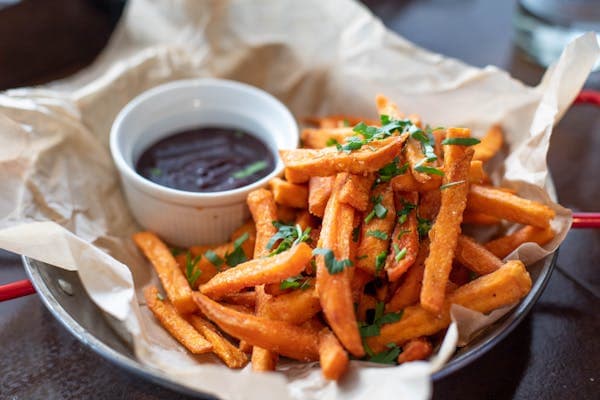
- Scrub sweet potatoes thoroughly and save the peels when preparing other dishes
- Toss peels with olive oil, salt, and spices (paprika, garlic powder)
- Roast at 425°F for 15 minutes or until crispy
Beet and Beet Green Risotto
- Chop beet greens and stems, dice peeled beets
- Sauté diced beets with onion before adding arborio rice
- Add broth gradually as usual for risotto
- Stir in chopped greens in the final minutes of cooking
- Finish with butter and parmesan for a striking red dish
Turnip and Apple Slaw with Turnip Green Pesto
- Shred turnips and apples for a crunchy slaw with lemon dressing
- Process turnip greens with olive oil, garlic, and sunflower seeds for pesto
- Drizzle pesto over the slaw for a full-plant dish
Creative Uses for Often-Discarded Stalks
Stems are among the most commonly discarded vegetable parts, yet they often contain wonderful texture and flavor. Here are some approachable recipes that highlight these underappreciated plant portions:
Broccoli Stem Slaw
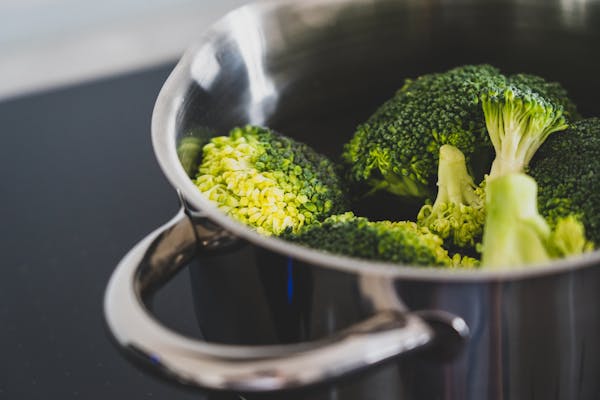
- Peel the tough outer layer from the stems and julienne into matchsticks
- Toss with shredded cabbage, carrots, and a creamy or vinegar dressing
- Add sunflower seeds for extra crunch
Pickled Watermelon Rinds
- Remove the green outer skin, keeping the white rind
- Cut into cubes and simmer in pickling solution (vinegar, sugar, spices)
- Refrigerate for 2 days before enjoying as a snack or condiment
Chard Stem Gratin
- Chop chard stems into 1-inch pieces
- Blanch until just tender
- Layer in the baking dish with béchamel gravy and cheese
- Bake until golden and bubbling
Cauliflower Stem Fritters
- Grate cauliflower stems and squeeze out moisture
- Mix with egg, flour, garlic, and herbs
- Pan-fry until golden brown on both sides
- Serve with yogurt sauce
Asparagus End Soup
- Save tough asparagus ends in the freezer until you have 2 cups
- Simmer with onion, potato, and broth until very tender
- Blend until smooth, strain if needed, and finish with cream
Kale Stem Pesto
- Finely chop tender portions of kale stems
- Blanch quickly, then blend with basil, nuts, garlic, and oil
- Use anywhere you’d use traditional pesto
Leaf to Root: Recipes That Use Many Parts of the Same Plant
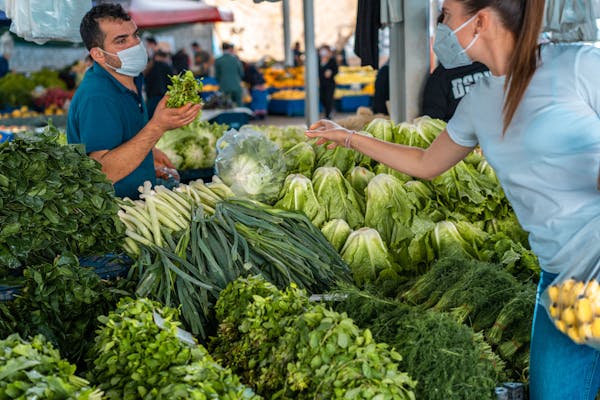
These recipes celebrate the whole plant by incorporating multiple parts into a single dish:
Whole Radish Salad
- Slice radish bulbs thinly
- Chop greens roughly
- Toss with lemon juice, olive oil, salt, and pepper
- Add shaved parmesan and serve
Complete Fennel Utilization
- Shave the fennel bulb for the salad base
- Chop stems and sauté until tender to add to pasta
- Use fronds as an herb garnish or in pesto
- Toast seeds for an anise-flavored garnish
Turnip and Green Soup
- Sauté diced turnips with onion
- Add chopped greens and potato with broth
- Simmer until tender, then blend half for texture
- Finish with a dollop of yogurt
Carrot and Top Tabbouleh
- Grate carrots and finely chop tops
- Mix with cooked bulgur, cucumber, and tomato
- Dress with lemon, olive oil, and herbs
- Perfect protein-rich side when topped with chickpeas
Beet Everything Salad
- Roast beets and dice
- Chop stems and sauté until tender
- Tear greens into bite-sized pieces
- Combine all with goat cheese and vinaigrette
Advanced Root-to-Stem Techniques

Once you’re comfortable with the basics, these more advanced approaches can help you minimize waste even further:
Vegetable left over Kimchi
- Collect cauliflower leaves, broccoli stems, and carrot tops
- Chop uniformly and ferment with Korean chili paste, garlic, and ginger
- Allow to ferment for 3-7 days
- Use as a flavorful condiment
Ultimate Vegetable Stock
- Save all vegetable trimmings in a freezer bag
- Once complete, roast scraps until browned
- Simmer with herbs and water for 1-2 hours
- Strain and freeze in portions
Dehydrated Vegetable Powder
- Dry clean vegetable peels and leaves in a low oven or dehydrator
- Once completely dry, grind into powder
- Use as flavor-boosting seasonings in soups and sauces
Citrus Peel Infused Vinegar
- Pack clean citrus peels into a jar
- Cover with white wine vinegar
- Let steep for 2 weeks, then strain
- Use in dressings and marinades
Herb Stem Oil
- Blend clean herb stems with neutral oil
- Strain through cheesecloth
- Use for cooking or as finishing oil for vegetables
Seasonal Guide to Root-to-Stem Cooking
Seasonal eating pairs perfectly with root-to-stem cooking. Each season offers unique opportunities:
Spring Root-to-Stem Stars
- Radishes and greens: Early spring favorites with entirely edible tops
- Turnips: Spring varieties are tender with mild greens
- Green garlic: Use the entire plant from the bulb to the tender stems
Spring Garlic and Greens Pasta
- Sauté sliced green garlic with olive oil
- Add chopped radish or turnip greens
- Toss with pasta and finish with lemon and parmesan
Summer Whole Plant Ideas
- Fennel: Bulbs, stems, and fronds all have uses
- Fresh herbs: Stems as flavorful as leaves
- Zucchini: Blossoms can be stuffed and fried
Summer Foraged Herb Oil
- Blend mixed herb stems (basil, parsley, cilantro) with oil
- Strain and use for drizzling over fresh tomatoes
- Refrigerate and use within one week
Fall and Winter Root Vegetables
- Sweet potatoes: Skins and flesh are both nutritious
- Winter squash: Seeds can be roasted for snacks
- Carrots: Store-bought often still have some greens
Whole Squash Utilization
- Roast squash halves for the main dish
- Clean and roast seeds with spices for garnish
- Use skins to make vegetable stock
Winter Root Top Soup
- Sauté onion with chopped root tops (turnip, beet, radish)
- Add the potato and broth, and simmer until tender
- Blend until smooth and top with croutons
- Start small: Begin with one vegetable and learn to use more parts before expanding.
- Focus on quality: Fresh, organic produce often has more usable parts than conventional produce.
- Think flavor first: Use stronger-flavored parts, such as stems, in smaller amounts.
- Store properly: Separate leaves from roots to extend the freshness of both
- Be flexible: Not every part works in every recipe – experiment to find what you enjoy
- Connect with growers: Farmers market vendors often have advice on using the whole plant
- Celebrate the learning process: Each vegetable “scrap” saved is a small victory for sustainability
Root-to-stem cooking isn’t just about waste reduction; it’s also about rediscovering the full potential of plant-based eating. By approaching vegetables with curiosity and creativity, home cooks can simultaneously expand their culinary repertoire, improve their nutrition, save money, and contribute to a more sustainable food system.
The next time you start to toss those carrot tops or broccoli stems, pause and consider: there might be delicious potential waiting to be unlocked. Your palate, wallet, and planet will all thank you.
FAQs
Q: What does “root to stem” cooking mean, and why should I consider it?
A: Root-to-stem cooking is a holistic approach to food preparation that encourages the use of the entire vegetable or fruit, including the leaves, seeds, stalks, roots, and other parts typically discarded. Similar to the “nose-to-tail” cooking philosophy for meats, this approach reduces the amount of food waste generated. By eating every edible part of your veggies and fresh fruits, you not only maximize your grocery budget but also contribute to the sustainability of the planet by reducing wasteful practices in your kitchen.
Q: Which parts of the vegetables that we commonly discard are edible?
A: Many parts we routinely discard are not only edible but also nutritious! These include carrot greens (which make excellent pesto), beet tops (delicious sautéed like spinach), broccoli and cauliflower cores and stems (great in stir-fries), watermelon rinds (can be pickled), citrus peels (zest for flavoring), potato skins (packed with nutrients), and even corn cobs (perfect for flavorful stocks). These parts often contain different nutrients than the parts we typically eat, providing a more complete nutritional profile.
Q: What are some easy root-to-stem recipes for beginners?
A: Beginners can start with simple recipes like vegetable scrap broth (using onion skins, carrot tops, and celery leaves), pesto made from carrot greens or radish tops, roasted potato skins as a crispy snack, beet green and stem stir-fry, cauliflower leaf chips, or broccoli stem slaw. Smoothies are also a great way to use fruit peels and stems while masking any intense flavors with sweeter ingredients. These recipes require minimal additional cooking skills while helping you utilize parts of vegetables that you’d usually discard.
Q: How can root-to-stem cooking help me save money?
A: Root-to-stem cooking dramatically improves your food budget by increasing the yield from every fresh ingredient you purchase. When you use the entire veg instead of discarding half of it, you effectively double your food value. For example, broccoli stems and leaves constitute about 40% of the vegetable’s weight, throwing them away means wasting nearly half of what you paid for. Additionally, using vegetable scraps for homemade stocks eliminates the need to buy packaged versions, creating further savings while reducing packaging waste.
Q: Are there nutritional benefits to eating the parts we usually discard?
A: Absolutely! The parts we typically discard are often nutritional powerhouses. Broccoli stems contain more fiber than florets, carrot greens are rich in vitamin K and calcium, beet greens offer more iron than the roots, and citrus peels contain higher concentrations of certain antioxidants than the flesh. Vegetable skins are typically loaded with fiber and micronutrients. By incorporating these parts into your diet, you can increase your intake of protein, vitamins, minerals, and fiber without buying additional food, and you’re getting more nutrition for free.
Q: How does root-to-stem cooking help ensure the sustainability of our food systems?
A: Root-to-stem cooking significantly reduces food waste, which is a major environmental issue. Approximately one-third of all food produced globally is wasted. When we discard edible parts, we’re not just wasting the food itself but also all the resources that went into growing it: water, land, energy, labor, and transportation. By using the entire vegetable, we reduce demand for additional produce, decrease methane emissions from decomposing food in landfills, and lower our carbon footprint. This practice is one of the most impactful ways individuals can contribute to the planet’s sustainability through their daily choices.
Q: What are some creative ways to use vegetable scraps beyond cooking them directly?
A: Beyond direct cooking, vegetable scraps can be repurposed in numerous ways: create infused oils with herb stems and citrus peels; pickle watermelon rinds or cauliflower cores; dehydrate vegetable scraps into powder for seasoning; regrow vegetables like green onions and lettuce from their bases; make natural dyes from onion skins and beet trimmings; create homemade beauty products from cucumber peels; compost any truly inedible parts to nourish your garden. Even your morning coffee grounds can be repurposed as plant fertilizer or exfoliating scrubs, ensuring nothing goes to waste.
Q: How do I store vegetable scraps until I have enough to use them?
A: Create a “scrap bag” in your freezer to collect clean vegetable trimmings (such as onion ends, carrot peels, celery leaves, and herb stems) until you have enough to make stock. Store greens like carrot tops and beet greens as you would other leafy greens, wrapped in slightly damp paper towels in the refrigerator crisper drawer. Citrus peels can be dried at room temperature or stored in airtight containers in the freezer. More complex vegetable parts, such as broccoli stems or cauliflower cores, can be refrigerated alongside the parts you typically use. Always clean all parts thoroughly before storing, especially if they’ll be eaten raw later.
You might also be interested in…
Need a kid-friendly stem vegetable recipe? Check it out
CONNECT WITH DAILY MOM
💖 NEWSLETTER: DAILY READS IN YOUR INBOX 💖
Sign up to receive our picks for the best things to do, see and buy so you can relax and focus on more important tasks! Let us help you be the best version of yourself you can be!
BE SOCIAL WITH US
📌 LOVE IT? PIN IT!📌