


























The kitchen is often seen as a no-go zone for little ones—filled with hot ovens, sharp knives, fragile glassware, and the inevitable mess that comes with meal prep. It’s easy to feel anxious about inviting toddlers into this space. But what if we told you that the kitchen can be one of the best environments for your child to learn and grow?
In a Montessori kitchen, meal preparation becomes an opportunity for practical life skills, from learning how to prepare real food to discovering the value of nutrition and healthy eating. Food manipulation—messy as it may be—is also one of the best ways to encourage picky eaters to try something new! Plus, allowing your child to use child-sized utensils and functional kitchen tools fosters independence and confidence.
By setting up a Montessori kitchen, you’re creating a space where your child can safely explore, cook, and clean up—learning valuable real-life skills. The Montessori approach makes the home kitchen accessible and enjoyable for all while also promoting self-exploration and practical life activities. Here are four tips to make food fun and set up a functional Montessori kitchen for your toddler!
Get Creative with Cool Montessori Kitchen Gadgets
One of the best ways to make your Montessori kitchen fun and functional is by enlisting cool kitchen gadgets. While most kitchens are full of exciting tools that are typically off-limits to little hands, giving your toddler access to child-sized utensils and safe gadgets fosters independence and practical life skills. From potato peelers to apple cutters, gadgets make the kitchen a place of learning and creativity.
Must-Have Gadgets for Your Toddler Kitchen
Here are some of the best gadgets to introduce in your Montessori toddler kitchen:
- Potato Peelers: Great for peeling soft fruits and vegetables like apples or cucumbers.
- Apple Cutters: Teach your child how to slice apples safely and efficiently.
- Strainers: Ideal for rinsing berries or draining pasta.
- Cheese Graters: Grating a hard block of Parmesan into fine dust is a fantastic practical life activity.
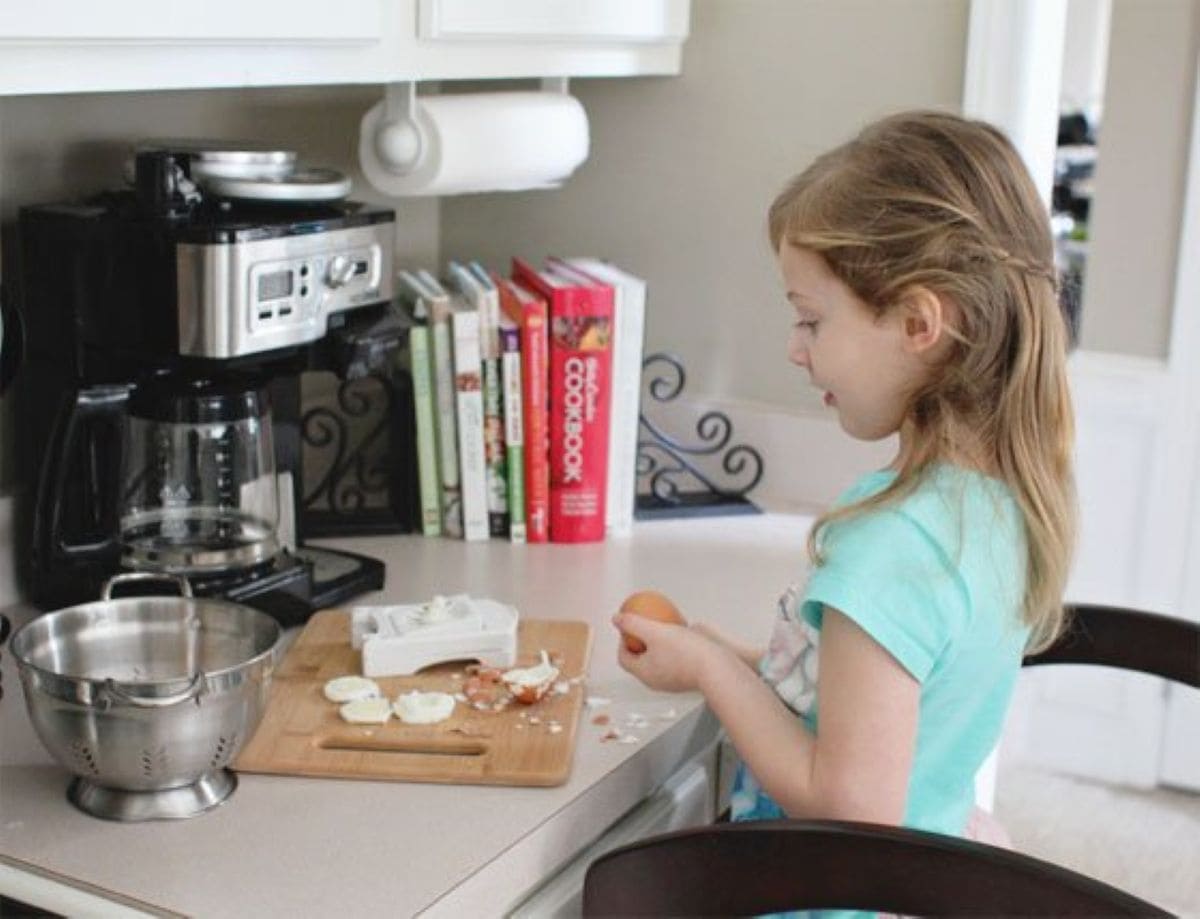
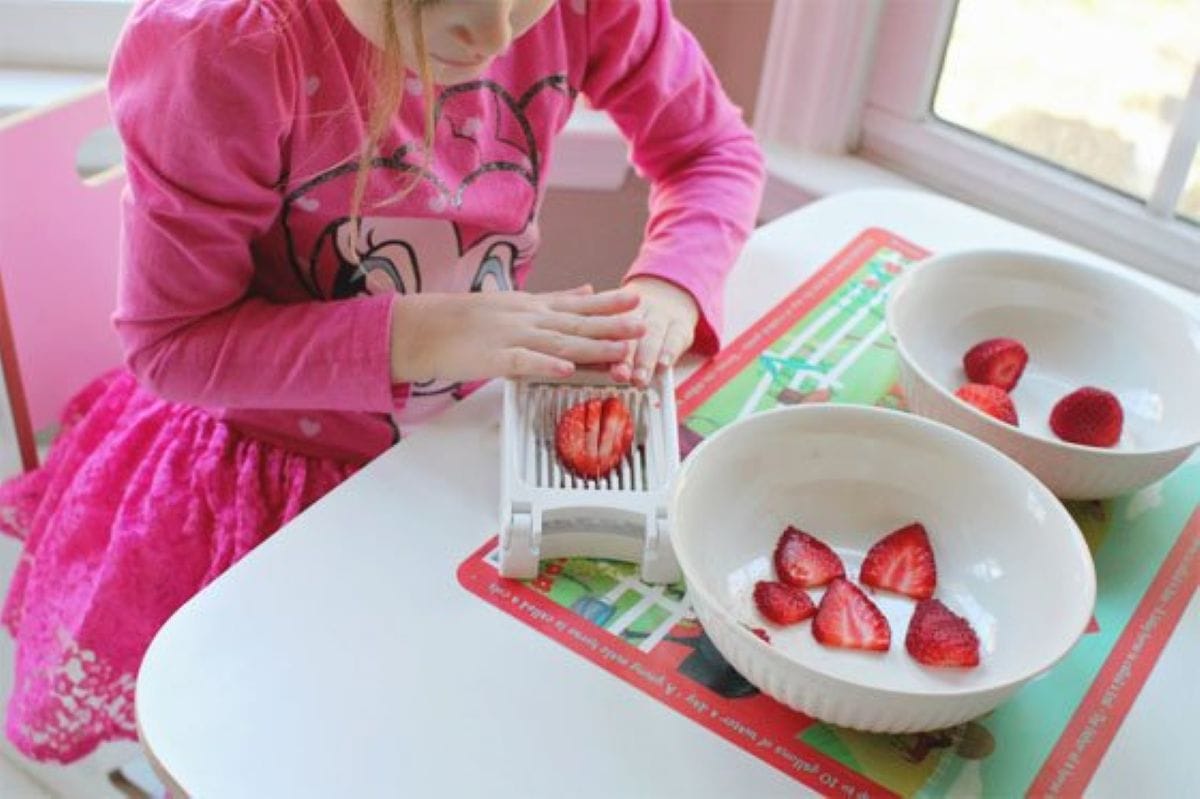
- Egg Slicers: Perfect for transforming hard-boiled eggs or strawberries into beautiful, even slices.
- Funnels: Help your child practice pouring water from a pitcher into smaller containers without making a mess.
- Spatulas: Useful for stirring batters or scraping bowls.
Hands-On Learning with Food Prep, the Montessori Way
In a Montessori kitchen, gadgets like these do more than just make cooking fun—they also help develop fine motor skills and real-life abilities. For example:
- Grating Cheese: Let your child transform a block of Parmesan into a fine dusting for tonight’s pasta dinner, helping them understand how food changes form.
- Slicing Eggs and Strawberries: An egg slicer can be used for both hard-boiled eggs and strawberries, teaching children about different textures and shapes while creating decorative slices.
- Pouring Water: Filling a pitcher and allowing your child to pour water into individual cups is a great way to practice hand-eye coordination and pouring skills.
Practical Life Skills
- Start with just one gadget at a time to help your child master its use before moving on to the next.
- Encourage creativity by using tools in unconventional ways—like creating apple slinkies with an apple slicer or making floral patterns with strawberry slices.
- Be prepared for a little mess! Part of the Montessori way is giving your child the freedom to explore and learn, even if it means wiping up a spill.
By incorporating functional tools and giving your child the right gadgets, you’ll transform your kitchen into a Montessori learning hub, building independence and confidence through hands-on cooking activities.
Fun Food Prep Essentials:
- Mortar and Pestle
- Hand-held juicer
- Mini grater
- Spice grinder
- Potato masher
- Whisk
- Nut cracker
- Rubber scraping spatula
- Vegetable brush
- Hand mixer
- Banana slicer
- Egg slicer
- Apple slicer
- Sifter
Create a Montessori Play Kitchen Set Just for Them
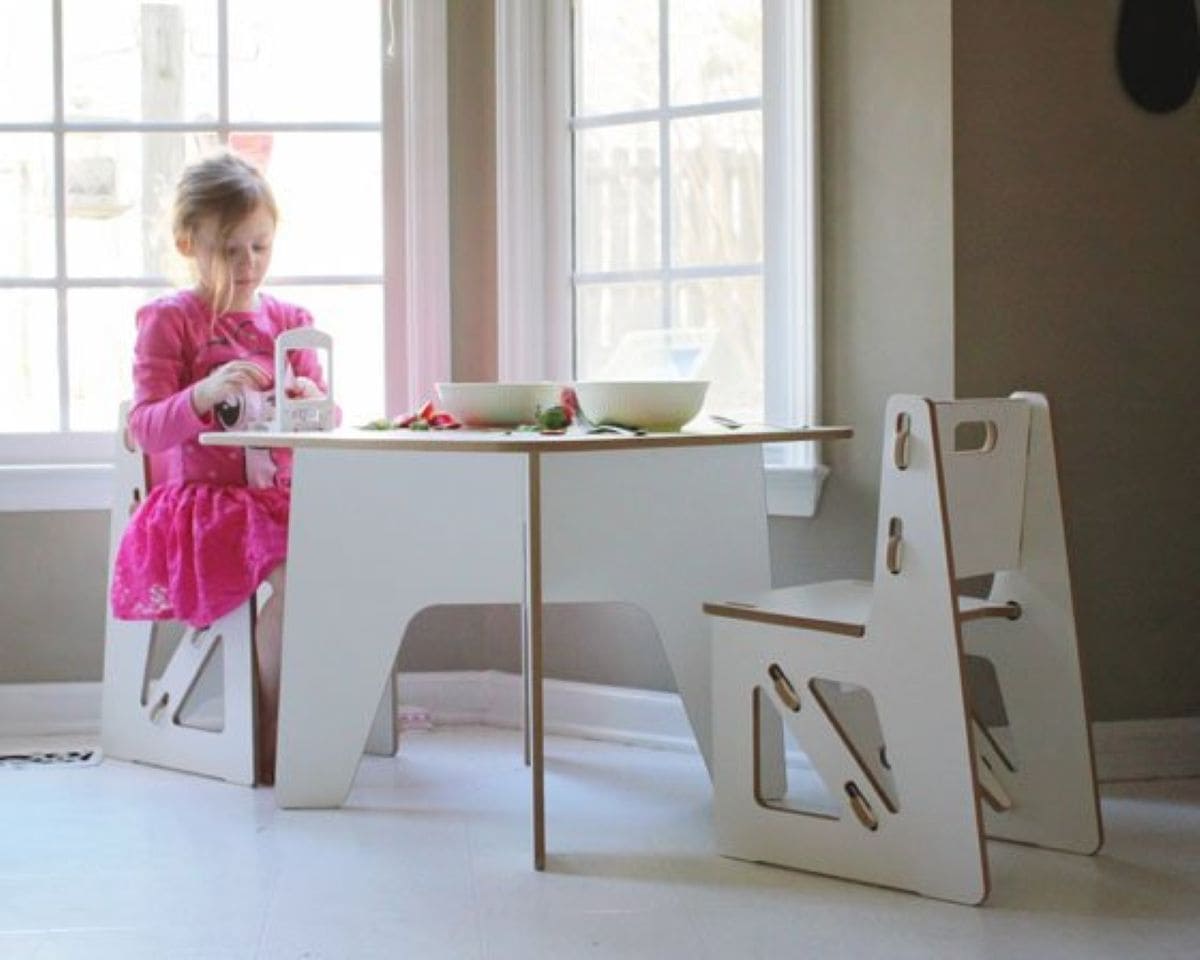
One of the best ways to encourage independence and practical life skills in a Montessori kitchen is to provide your child with their own space. While most of the kitchen action happens on countertops, having a dedicated toddler kitchen area at their height allows them to participate more comfortably and confidently.
Why Your Child Needs a Functional Kitchen of Their Own
- Setting the table and folding napkins
- Serving food and pouring drinks from a pitcher
- Using utensils, like a butter knife to spread butter on bread
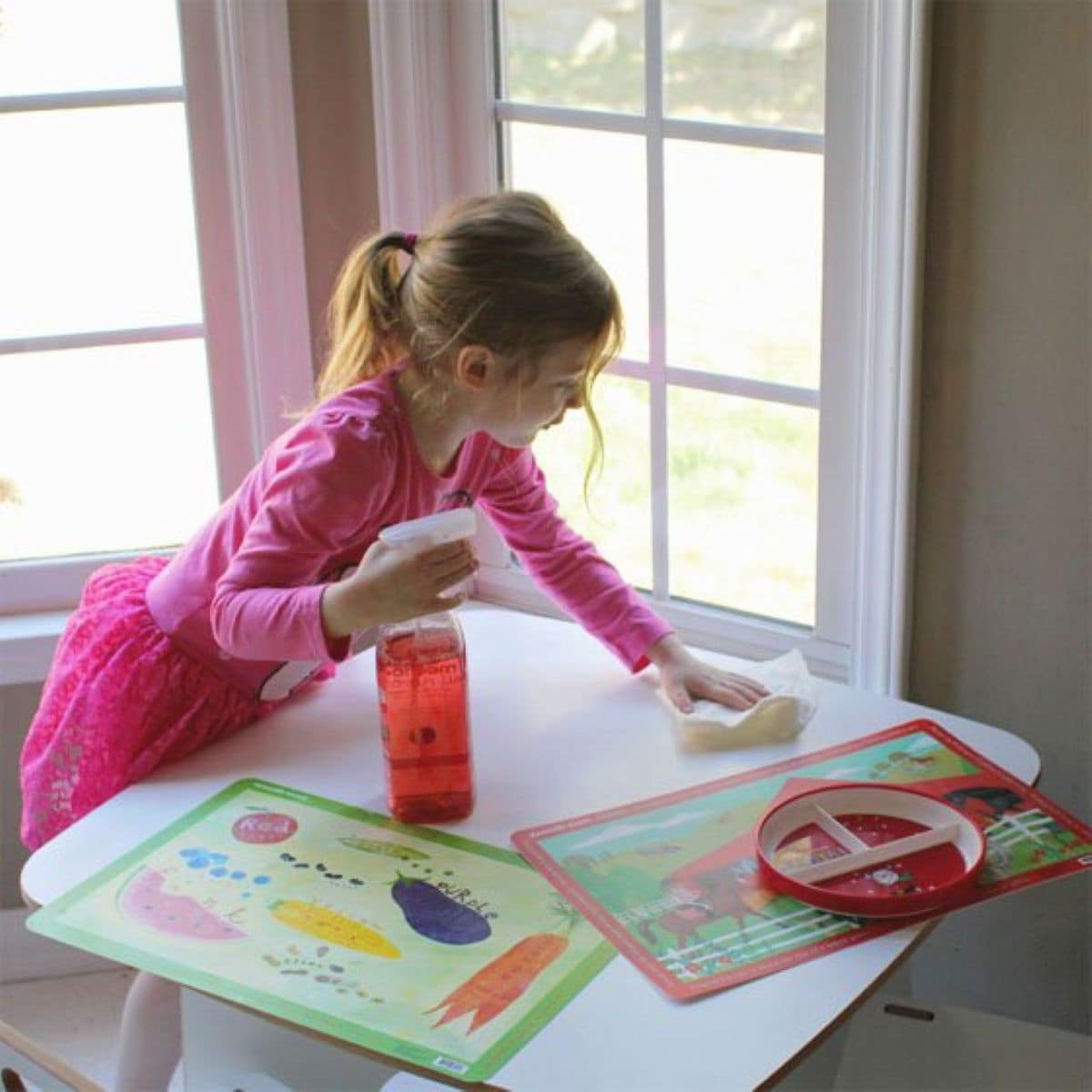
- Cleaning the table after meals
- Sorting silverware into the right spots
- Arranging flowers as a centerpiece
- Exploring water table activities, like transferring water from one bowl to another using a funnel or baster
Having a small table that your child can access independently not only builds confidence but also helps develop coordination and problem-solving skills. Plus, it turns meal prep and cleanup into engaging, real-life learning opportunities.
The Solution: The Best Montessori Play Kitchen

Creating a dedicated space for your child to engage in kitchen activities is essential for fostering independence and a sense of responsibility. A specially designed table can provide the perfect environment for your child to take part in setting the table, serving meals, and even cleaning up after themselves. A good Montessori kids table should be easy for your child to access, simple to clean, and adaptable to their growing needs.
Sprout Modern Kids Table and Chairs
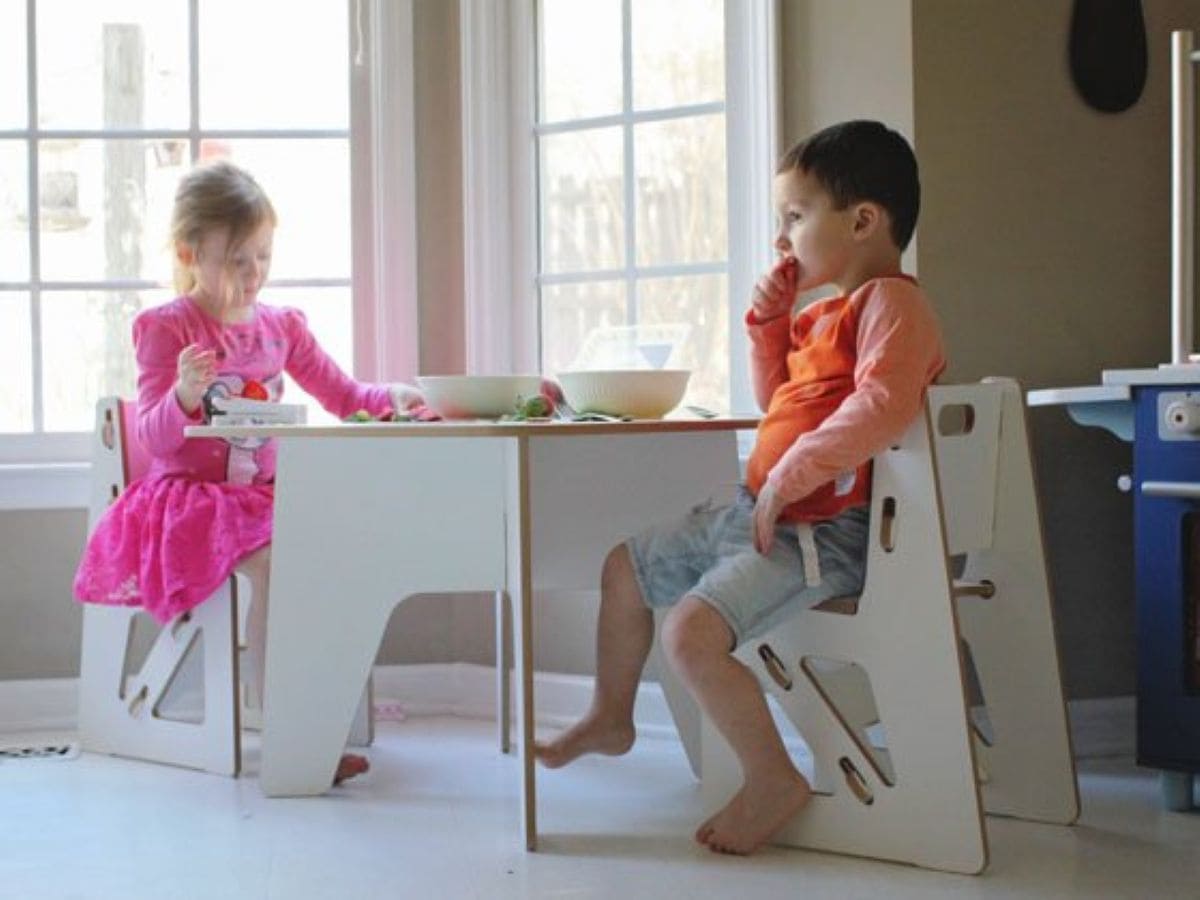
One of the best Montessori toddler kitchen sets you can invest in is the Sprout Modern Kids Table and Chairs. This practical and functional kitchen set is:
- Easy to Assemble: No tools are needed, just snap it together within minutes.
- Perfectly Sized: Designed specifically for toddlers so they can reach and maneuver independently.
- Simple to Clean: The washable melamine finish wipes clean effortlessly, making messy spills no problem at all.
- Versatile: Can be moved and placed anywhere in your home, from the kitchen to the play area.
Giving your child their own small kitchen table not only makes practical life activities enjoyable but also fosters a sense of responsibility. You might be surprised by how much they love taking charge of cleanup when they have ownership of their space. For extra motivation, give them a child-sized spray bottle with a safe, chemical-free cleaner and watch them go to town wiping the table!
Montessori Table Activities:
- Setting the table
- Napkin folding
- Serving food
- Pouring drinks
- Water table activities: Play with bowls and sponges, transfer water from one bowl to another with a baster, pour water into a bottle using a funnel.
- Sorting silverware
- Using silverware, such as a butter knife to spread butter on bread
- Cleaning the table
- Arranging flowers for a centerpiece
SHOP:
Sprout Modern Kids Table and Chairs
EXPLORE AND CONNECT:
Sprout | Facebook | Twitter | Pinterest | Instagram
Make An Accessible Kitchen for Your Toddler
One of the biggest challenges in creating a Montessori-friendly kitchen is making the space accessible to children while keeping safety a top priority. Kitchens are typically designed for adults, with high countertops and cabinets that make it hard for little hands to help prepare food, wash dishes, or put away items from the dishwasher. Without access, children miss out on valuable opportunities to build self-confidence and independence in the kitchen.
The Solution: A Step Stool
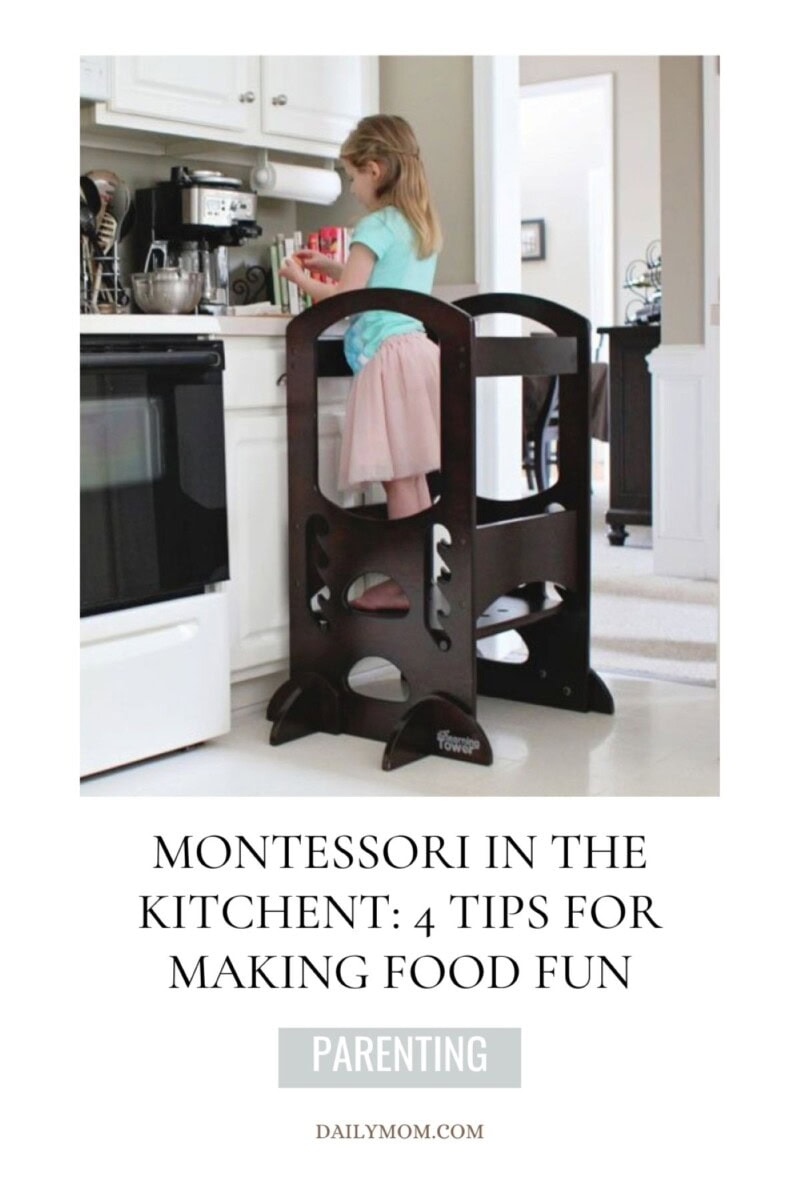
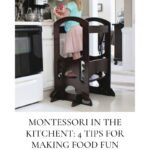
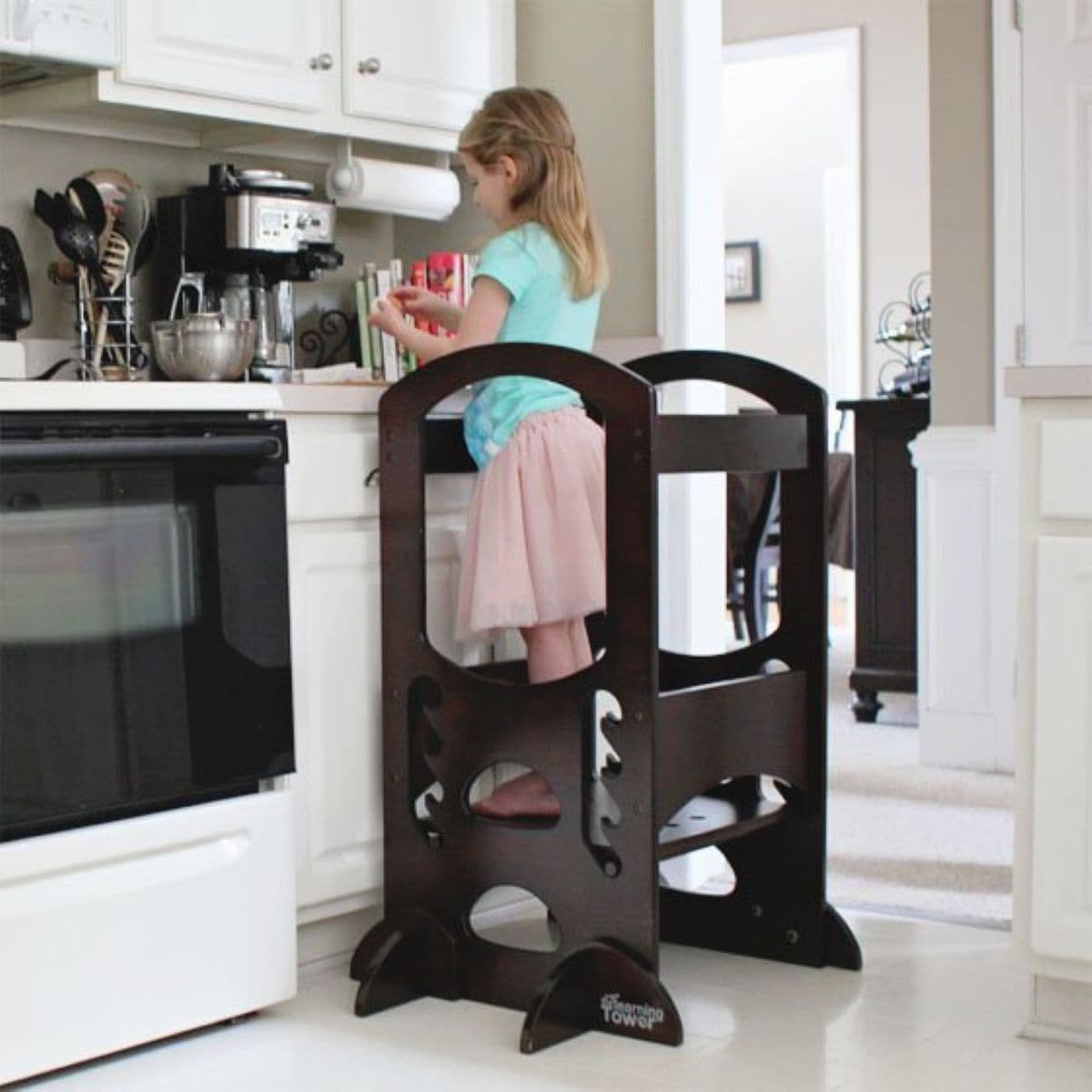
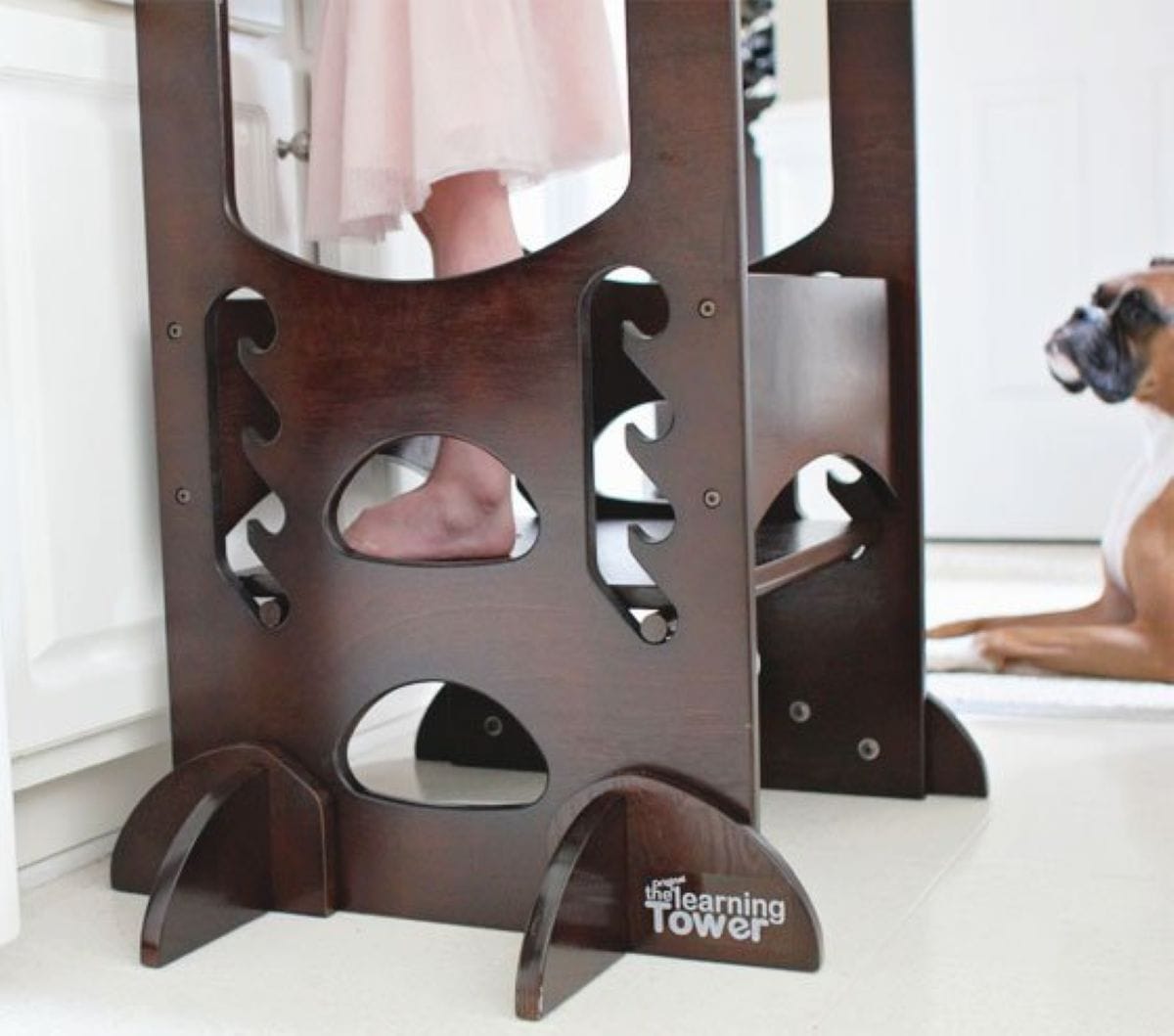
A learning tower is an essential tool in any Montessori kitchen. Unlike typical stools, learning towers are designed specifically for young children, allowing them to reach countertops and sinks safely and securely.
Little Partners Original Learning Tower
One of the best options on the market is the Little Partners Original Learning Tower. It’s a game-changer for families who want to involve their kids in kitchen activities. Here’s why it stands out:
- Adjustable Height: Suitable for children from 18 months to 6 years, so it grows with your child.
- 360-Degree Enclosure: Keeps your child safely inside without the risk of slipping or falling.
- Sturdy and Stable: Unlike standard stools, it remains stationary, giving your child a secure spot to participate in kitchen tasks.
Hands-On Learning Activities
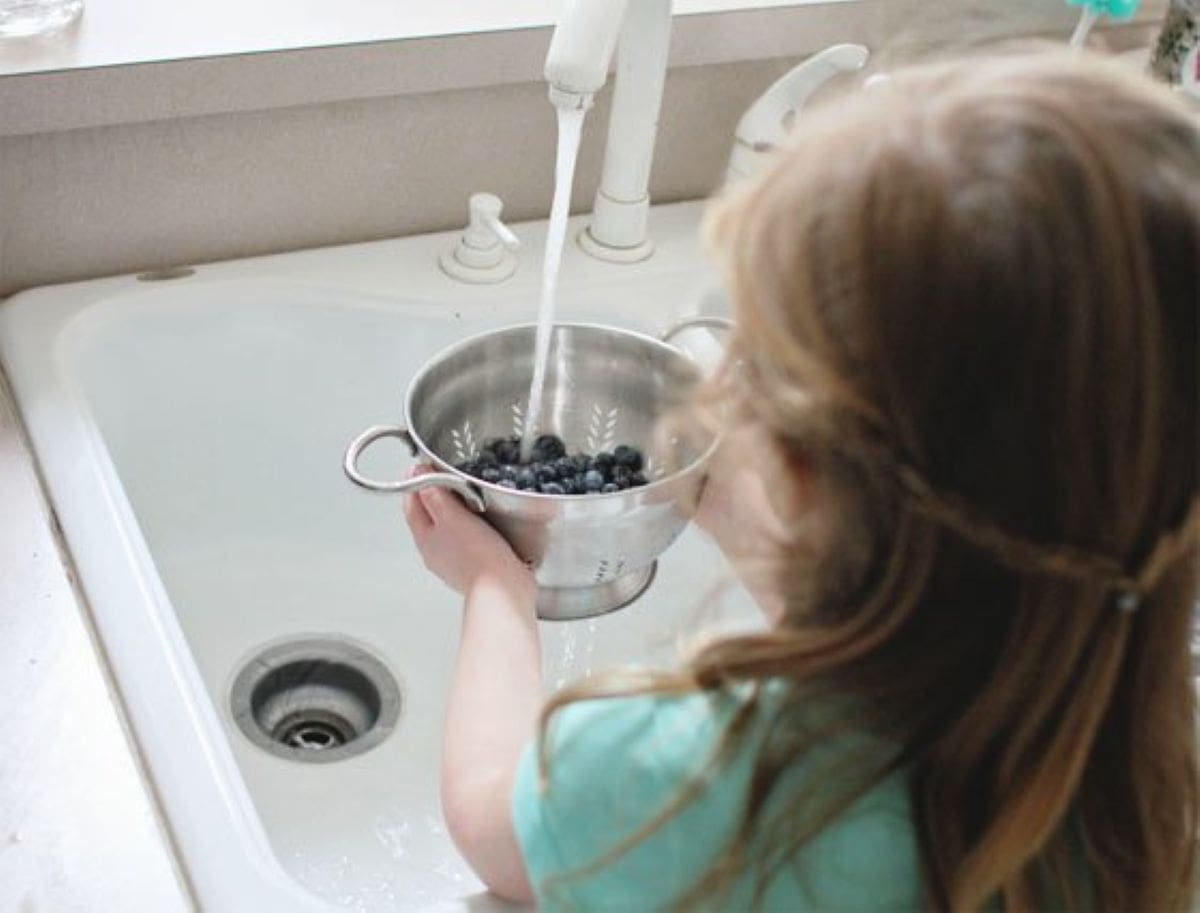
One of the most enriching experiences you can offer with the Little Partners Learning Tower is food preparation. Incorporate your child into everyday tasks, like washing fresh fruit.
Here’s a simple and engaging activity to try:
- Berry Washing Station: Set up the learning tower at the kitchen sink. Give your child a strainer filled with berries and teach them how to rinse and check for clean fruit.
- Temperature Exploration: Let your child experiment with the faucet to feel the difference between hot and cold water.
- Water Control: Teach them how to adjust the faucet speed to minimize splashes.
- Sorting Solids and Liquids: Demonstrate how the strainer keeps the berries inside while the water drains away.
This hands-on activity not only teaches practical skills but also engages your child’s senses—an essential part of the Montessori method. Plus, it builds fine motor skills and coordination while fostering independence and confidence.
SHOP:
Little Partners Original Learning Tower
EXPLORE AND CONNECT:
Little Partners | Facebook | Twitter | Pinterest | Instagram | YouTube

Set Up a Montessori Kitchen to Ignite the Senses
One of the fundamental aspects of the Montessori method is engaging a child’s senses to encourage exploration and learning. In the kitchen, sensory experiences are abundant—sights, sounds, smells, tastes, and textures are all at play. Allowing your child to experience these sensory elements while cooking helps develop their curiosity, independence, and willingness to try new foods.
Building a Positive Relationship with Food
Children are naturally more inclined to taste and enjoy foods they have had a hand in preparing. Instead of presenting a plate of steamed broccoli that might lead to a dinnertime meltdown, involve your child in the process of washing, cutting, and seasoning the broccoli. This active participation makes them more likely to try it because they’ve invested time and effort into the dish.
Here are some simple ways to ignite your child’s senses in the kitchen:
- Choice Matters: Let your child select the menu from a few pre-selected options. This sense of autonomy builds their confidence and involvement.
- Seasoning Independence: Allow your child to choose and add seasonings or toppings. Want cheese on that broccoli? Let them go for it!
- Taste Testing: Encourage sampling throughout the cooking process. Trying a fresh strawberry while making a fruit salad or nibbling on cheese while grating it for pasta helps develop their palate.
- Play with Food (Yes, Really!): Playing with food textures and shapes enhances sensory learning. Let your child knead dough, roll melon balls, or slice a banana.
Food for Fun
Providing a variety of shapes, sizes, and textures helps your child explore different sensory experiences. Here’s a list of foods that are great for taste testing and sensory play:
- Cheese: Cubes, slices, crumbles—explore different textures and tastes.
- Spaghetti: Feel the difference between raw and cooked pasta.
- Bread: Soft rolls or crunchy toast offer contrasting textures.
- Berries: Strawberries, blueberries, and raspberries introduce vibrant colors and flavors.
- Fruit Variety: Apples, bananas, kiwi, cantaloupe (mini balls!), pineapple rings.
- Veggies: Cucumber slices, carrot sticks, bell pepper slices.
- Other Fun Foods: Hot dog slices, cooked pasta shapes.
Let food be an experience. When children are given the freedom to touch, taste, and experiment with food, they build confidence and discover their preferences. Not every dish will be a hit, and that’s okay! Independence, self-confidence, and a little trial and error in the kitchen foster a healthy relationship with food and a willingness to try new things.
Make a Montessori Kitchen, You Won’t Regret It
Incorporating Montessori principles in the kitchen not only nurtures independence and self-confidence but also fosters a lifelong love of learning and healthy eating habits. By creating a safe, accessible, and sensory-rich environment, your child can actively participate in meal preparation and everyday tasks, building essential life skills along the way. Whether it’s using a learning tower to reach the counter, having their own space at a child-sized table, or exploring new tastes and textures through hands-on activities, the kitchen becomes a dynamic classroom where growth and connection thrive.
Embrace the joyful (and sometimes messy) process of teaching your child to navigate the kitchen. With the right tools and a little patience, you’ll be amazed at how capable and confident they become—transforming everyday tasks into invaluable learning opportunities.
FAQs
1. At what age can my child start using the kitchen?
Your child can start using the kitchen as early as 18 months, with supervision and proper setup. A functional toddler kitchen or a child’s Montessori kitchenette can make it safe and accessible for them to participate in meal prep and cleanup activities.
2. How can I make my kitchen more accessible for preschoolers?
To make your real kitchen more child-friendly, consider adding a learning tower at the kitchen counter to give your child safe access. Use child-sized kitchen utensils and tools, and keep cleaning supplies within reach so they can help with tasks like wiping up spills and putting dishes away. Having a designated space like a little kitchen or mud kitchen also encourages independence.

3. What are some good projects to do with preschoolers in the kitchen?
Cooking simple recipes like making fruit salad or preparing a sandwich are great ways to start. Use tools like a cutting board, pots and pans, and a water jug to introduce basic skills. Letting your child use the kitchen will allow for practical tasks like setting the table, pouring drinks, and washing hands. These projects help develop fine motor skills while teaching life skills.
4. How do I encourage my child to keep the kitchen clean?
Make cleanup fun and accessible! Keep a glass water dispenser or water jug at their height so they can wash their hands and fill cups independently. Provide a small cutting board and teach them how to use it properly. Show them how to clean up by wiping surfaces, putting dishes away, and wiping up spills to foster a sense of responsibility.
5. What kind of water system works best for a Montessori kitchen?
A sink with running water or a water dispenser is ideal for promoting independence. If that’s not possible, consider a portable water source or a glass water dispenser on a low table. This way, children can easily access water for washing hands, cleaning dishes, or even filling cups.
6. Can my child use real dishes and utensils?
Yes! Using real dishes helps teach responsibility and care. Start with sturdy, child-friendly options and transition to breakable dishes as they become more careful. Introduce kitchen utensils and tools that are safe and size-appropriate, like small spatulas or butter knives.
7. What if my child makes a mess or spills water?
Spills and messes are part of the learning process. Teach your child to wipe up spills using small towels or sponges. Show them how to deal with dirty water and keep cleaning supplies accessible. Encourage them to take ownership of the cleanup to build self-confidence.
8. How can I incorporate Montessori education into my child’s play kitchen?
Turn your child’s play kitchen into a practical space by including real dishes, a small water dispenser, and play food that mimics what they see in a real kitchen. Teach them how to use utensils, practice pouring from a water jug, and set up a little lunch station where they can practice serving.
9. What are the benefits of giving your child freedom in the kitchen?
Giving your child the freedom to explore and participate in the kitchen helps develop independence, problem-solving skills, and self-confidence. A Montessori education encourages hands-on learning, and the kitchen is one of the best places for learning practical life skills. Whether they are washing hands, using a water system, or helping with pots and pans, they learn responsibility and gain a sense of accomplishment.
10. Is it okay to use affiliate links for Montessori kitchen tools?
Absolutely! Sharing product recommendations and including affiliate links, like those for a learning tower or functional toddler kitchen, can generate a small commission while helping parents find the best tools. Just make sure to disclose that information clearly.
11. How can I create a kitchen space that’s suitable for 2-year-olds?
For a 2-year-old child, creating a new kitchen setup that’s both safe and accessible is key. A functional toddler kitchen with a high chair and a learning tower at the kitchen counter allows them to engage in tasks like washing vegetables, stirring, or setting the table. The goal is to make the space feel like a real kitchen to encourage independence and confidence.
12. How can I make a kitchen-like experience for my child?
You can recreate a kitchen-like atmosphere by incorporating child-sized tools, utensils, and a water dispenser that is easy for them to reach. Allow your child to explore real cooking activities under supervision, such as washing fruit, setting the table, and stirring ingredients. This setup encourages practical life skills and makes them feel part of the household process.
13. Is it safe for preschoolers to be in the kitchen?
Absolutely! With the right precautions, it’s completely safe for preschool children to be in the kitchen. Use tools like a learning tower to keep them at the counter safely and provide easy access to tasks such as washing dishes or wiping down surfaces. Having an area where they can freely explore kitchen utensils and tools helps them develop a sense of responsibility.
14. Can a kitchen setup accommodate multiple kiddies at once?
Yes! A well-organized kitchen can easily accommodate multiple kiddies helping out at once. Consider setting up different kitchens around areas for each child, such as a designated space for one child to wash fruits at the sink with running water while another can be at the cutting board chopping vegetables. This encourages teamwork and independence while also keeping the space safe and functional.
15. What are the benefits of a kitchen setup for kiddies?
One of the best things about setting up a kitchen for kiddies is that it fosters independence, responsibility, and self-confidence. By letting your child handle real tasks, such as washing dishes or setting the table, they learn life skills that will serve them well into adulthood. Whether it’s their first time trying to find a water dispenser or making a recipe, they gain a sense of accomplishment.
You might also be interested in…
Looking for more fun ideas for teaching your children practical life skills? Be sure to check out 25 Indoor Montessori Activities for Toddlers!
CONNECT WITH DAILY MOM
💖 NEWSLETTER: DAILY READS IN YOUR INBOX 💖
Sign up to receive our picks for the best things to do, see and buy so you can relax and focus on more important tasks! Let us help you be the best version of yourself you can be!
BE SOCIAL WITH US
📌 LOVE IT? PIN IT!📌