
























Learning sight words for kindergarten is a key step in helping young readers gain confidence and fluency. These are the words that pop up most often in early books, worksheets, and classroom activities, and recognizing them instantly makes reading smoother and more enjoyable. For children just starting their reading journey, mastering kindergarten sight words can be empowering, opening doors to better comprehension and writing skills.
This article is packed with practical tips, printable resources, fun sight word games, and step-by-step guidance to help kindergarten kids master these essential words. Whether teaching at home, supplementing classroom learning, or simply looking for ways to make reading more exciting, this guide provides everything needed to make sight-word learning effective and engaging.
By reading on, you’ll discover:
- What sight words are and why they’re essential for early readers.
- How to create a structured sight word list for kindergarten students.
- Interactive games, worksheets, and activities to make learning fun.
- Tips to practice sight words for kindergarten kids, both at home and in the classroom.
This is a go-to resource for parents, teachers, and caregivers who want to set children up for reading success right from the start.
What Are Sight Words And Why Are They Important In Kindergarten?
Sight words are the short, familiar words that appear constantly in early reading materials. These are the words kindergarten students are encouraged to recognize instantly—without having to decode each letter slowly. Because many of these words don’t follow standard phonics patterns, memorizing them helps young readers move through sentences more smoothly and confidently.
For kindergarten kids, early success with sight words creates a strong foundation for long-term reading growth. Recognizing common words on the page also frees up mental energy, allowing children to focus on understanding the story rather than pausing at every line. The more these words become automatic, the more natural reading begins to feel.
A strong list of sight words usually includes simple, high frequency words such as the, and, is, and you. These appear across nearly all beginning readers, making them essential for early literacy. When children become comfortable with these building blocks, reading becomes less intimidating and far more enjoyable.
To put it simply, strong sight word knowledge helps children:
- Read beginner books with greater ease
- Build early fluency and confidence
- Recognize patterns in common words
- Strengthen overall comprehension
- Enjoy reading more—and stick with it
Mastering sight words early in kindergarten, or even in preschool, supports smoother transitions into more advanced skills, including phonics, sentence writing, and understanding new vocabulary.
How To Start Teaching Sight Words To Your Kindergarten Kids
Getting started with sight words in kindergarten works best when the process feels approachable and consistent. A small group of words introduced at a time helps children ease into the rhythm of recognizing them on the page. Most families and teachers begin with just a handful of high frequency words, giving kids the chance to grow comfortable before adding more to the list.
Instead of relying on long drills, these early lessons often work best when blended into everyday moments. Quick bursts of exposure—five minutes here and there—can make a big difference. Reading together, pointing out familiar words in a favorite book, or simply keeping sight word cards in a visible spot can all help reinforce what children are learning.
To make the first steps feel natural and friendly, consider:
- Introducing 3–5 words in the beginning
- Using simple, colorful cards for easy recognition
- Reading books that naturally repeat those early words
- Keeping learning light and playful, not pressured
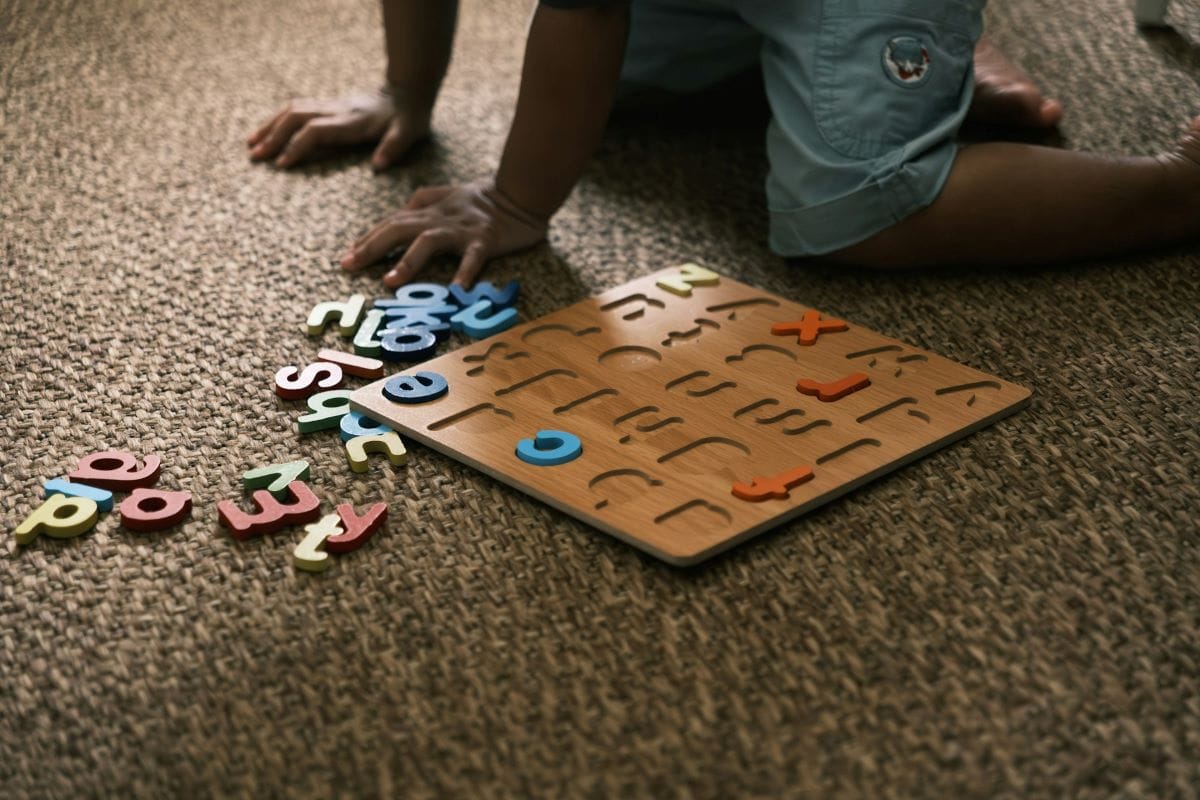
As children grow more confident, they can gradually add new words. Variety helps maintain interest, so mixing reading practice with hands-on activities is often effective. Whether tracing words in sand, building them with magnetic letters, or using quick match-and-read games, the goal is steady, comfortable exposure.
Consistency is key. The more often children see the exact words in different contexts, the quicker they settle into memory. With regular practice—woven into reading, play, and conversation—sight word learning becomes an energizing part of the kindergarten routine rather than a chore.
The Best Kindergarten Sight Word List For Kindergarten Students: Fry, First 100, And Dolch Sight Word
A well-organized sight word list provides kindergarten learners with a clear, predictable path to early reading success. Instead of guessing which words to introduce next, a structured list offers clarity and momentum—both for the child and the adult guiding them. These lists highlight the most frequently used words in children’s books, early readers, and classroom materials, making them an essential tool for steady progress.
Most kindergarten sight word lists draw from well-known collections, such as the Dolch or Fry lists. These sets focus on high frequency words that recur in beginning texts. Because young readers encounter these words so often, learning them early helps create smoother, more confident reading sessions.
Many families and teachers choose from one of the following:
- Dolch Kindergarten Sight Words – Classic, classroom-friendly words commonly taught in early grades
- Fry Sight Words – A broader collection of everyday words seen across grade levels
- First 100 Words –Tailored lists that match the books and worksheets children use most, incorporating the first 100 sight words your child needs.
To simplify planning, here’s a sample list of words for the kindergarten year. Keeping it short and approachable gives children a manageable starting point before moving into larger sets:
| Dolch Kindergarten Words | Fry Sight Words |
| a | the |
| and | to |
| away | I |
| big | you |
| blue | he |
| can | me |
| come | we |
| down | be |
| find | on |
| for | my |
Using a list like this also helps track what has been introduced and what’s coming next. When children master one group, the next set can be added naturally—no rushing, no pressure. With time, the complete list of sight words becomes a familiar, friendly foundation for every new reading adventure.
Free Printable Sight Word Worksheets And Activities for Kindergarten
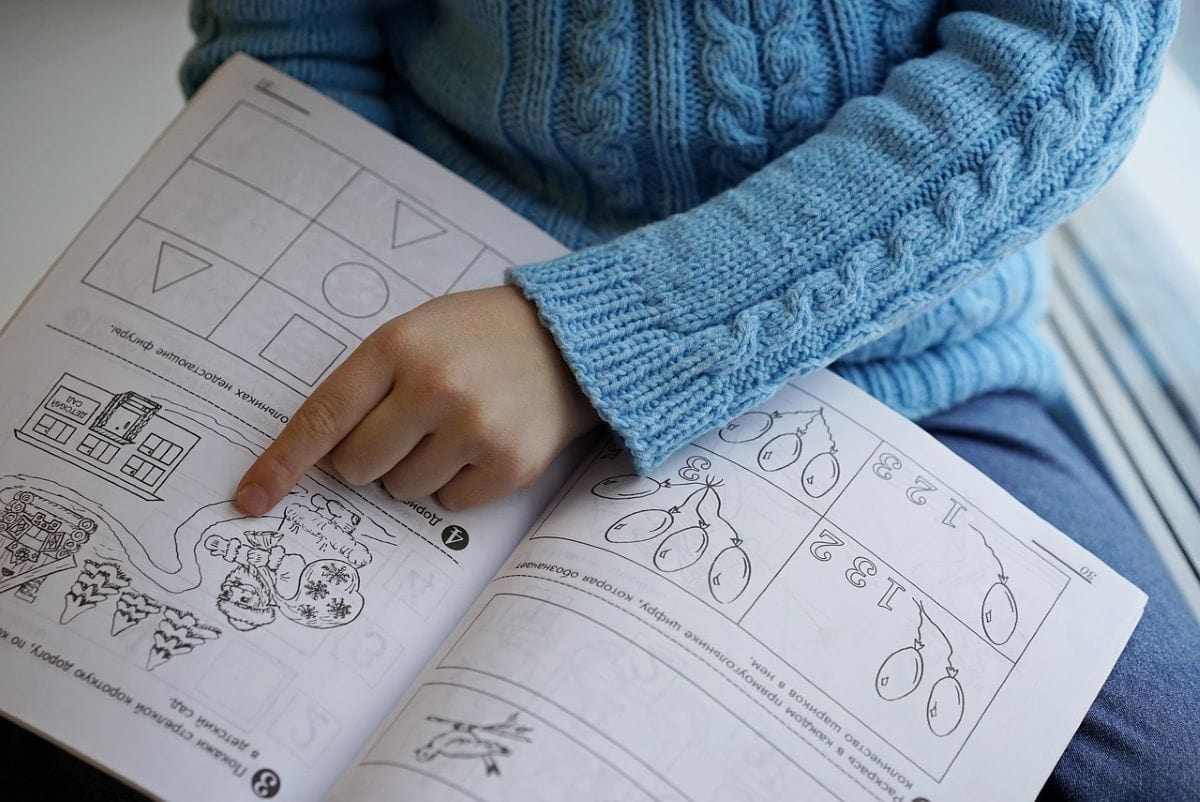
Printable sight word worksheets and hands-on activities give kindergarten learners a fun, structured way to build confidence. These tools offer simple, purposeful practice that reinforces what children are already seeing in their books and daily reading. Because kindergarten kids often learn best through repetition paired with play, printables and activities keep things engaging without feeling overwhelming.
Many worksheets focus on tracing, coloring, circling, or writing each sight word. These gentle tasks help children notice patterns, build muscle memory, and connect the look of a word with how it sounds. When paired with short reading sessions, worksheets support steady sight word memorization while keeping things relaxed and familiar.
To add variety and keep interest high, many families and teachers rely on a mix of activities, such as:
- Trace-and-read sheets that help children see and write each new sight word
- Cut-and-paste worksheets that encourage matching, sorting, and word recognition
- Color-by-word printables that turn practice into an artistic activity
- Simple writing sheets that guide children in using sight words in context
In addition to worksheets, small, playful activities can make a significant impact. Kindergarten students often love movement-based games, quick matching tasks, and sensory play that includes sight words. Whether it’s reading words on cards hidden around the room or writing sight words in sand or shaving cream, these activities help create strong associations between what children see and what they read.
The key is keeping practice short, varied, and enjoyable. When worksheets and activities feel more like a mix of creativity and exploration, children are far more likely to stay excited about learning new sight words throughout the kindergarten year.
| Resource Type | Description & Link |
| Free Printable Kindergarten Worksheets | A free, ready-to-print worksheet set covering basic sight words — includes reading, tracing, and word practice. Kiddo Worksheets |
| Free Flashcards & Printable Worksheets (Pre‑K to Grade 5) | Comprehensive PDFs for sight word flashcards and worksheets, suitable for kindergarten learners and beyond. Kiddo Worksheets+1 |
| Free Printable Sight Word List (Dolch Kindergarten) | A full printable list of common sight words for kindergarten, ideal as a reference chart or sight-word checklist. TPR Teaching+1 |
| Free Dolch Sight Words Worksheets (Tracing, Coloring, Word‑Search, Spelling) | Worksheets that incorporate tracing, coloring, spelling, and word searches to reinforce recognition and writing. Worksheets4Free+1 |
| Free Printable Sight Word Flashcards (Dolch Lists by Grade Level) | Colorful, printable flashcards for Pre‑Primer, Kindergarten, and beyond—great for quick daily practice or games. Superstar Worksheets+1 |
| Additional Sight Word Printables and Worksheets Collection | A variety of free PDFs including flashcards, printables, and activities built around sight words for early readers. Tupuy+1 |
Fun Sight Word Games For Kindergarten
Learning sight words doesn’t have to feel like a lesson—especially when it’s wrapped in laughter, movement, and a little friendly competition. These playful activities turn everyday practice into something kids actually look forward to, giving them the repetition they need without the monotony.
Here are a few kid-approved favorites:
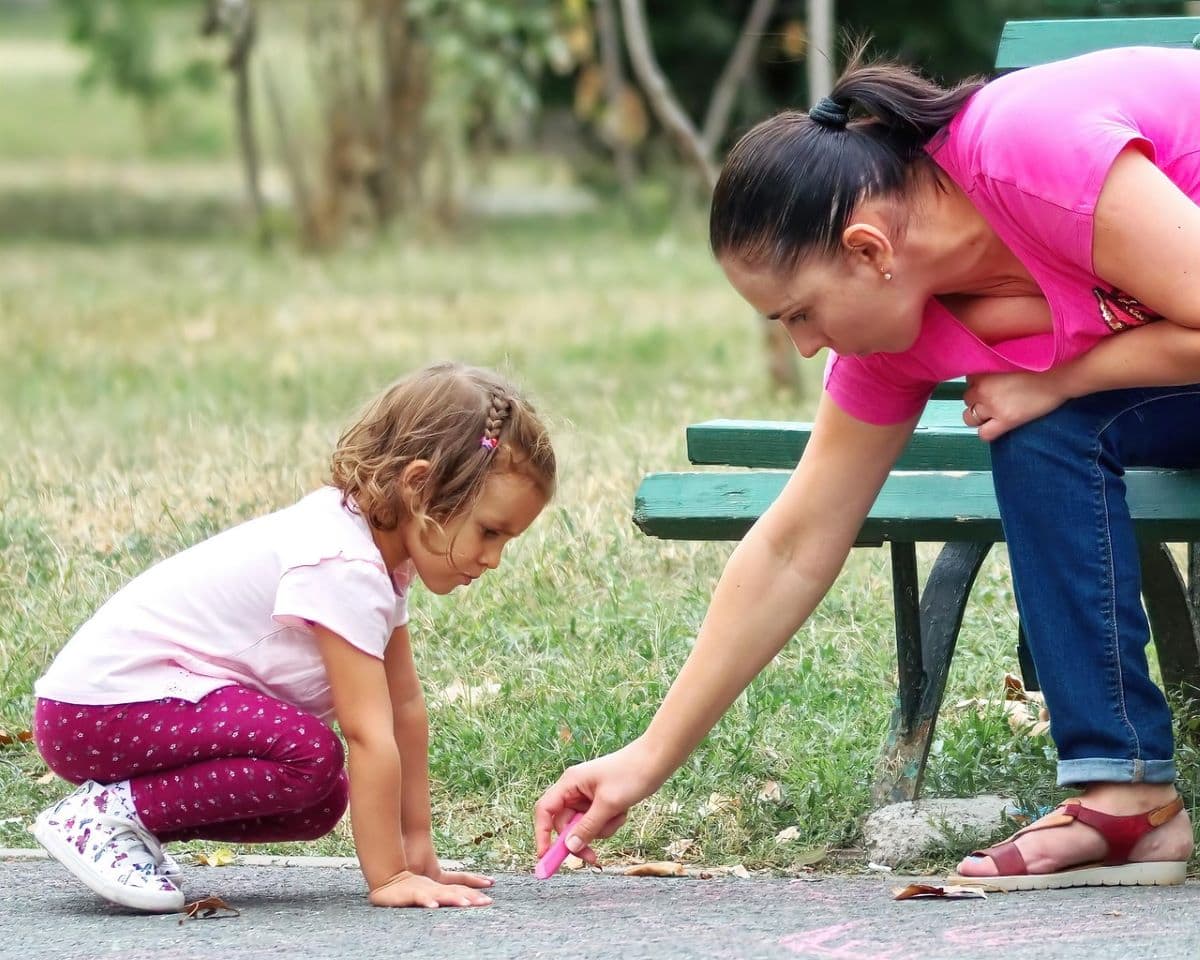
- Sight Word Hopscotch: Chalk out squares, add words instead of numbers, and let kids hop their way through reading practice.
- Swat the Word: Tape sight words to a wall and hand over a (clean!) fly swatter. Call out a word and watch the giggles erupt as kids race to “swat” the right one.
- Word Fishing: Attach paperclips to word cards and let little readers “fish” for their sight words using a magnet-tipped pole.
- Memory Match: Create pairs of sight-word cards and turn reading practice into a satisfying game of concentration.
- Musical Words: Similar to musical chairs—kids walk around cards while music plays, then read the one closest to them when the music stops.
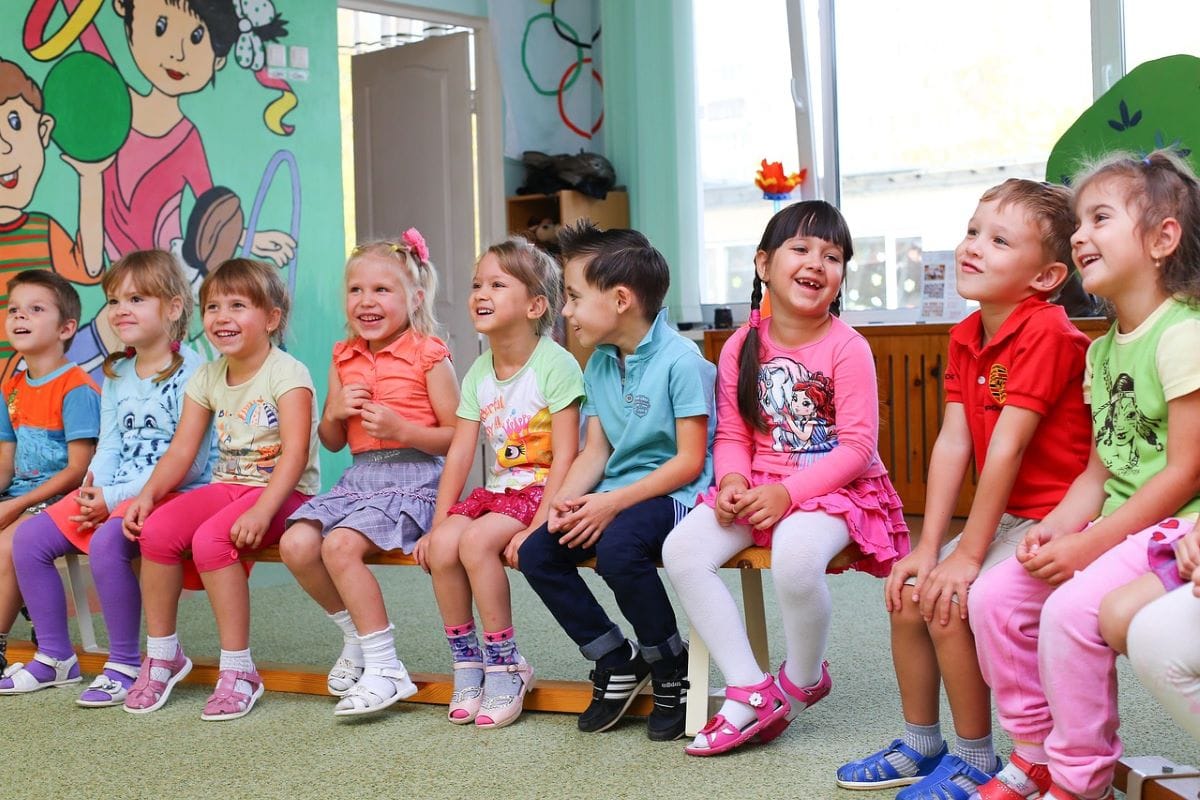
These games help build recognition, boost confidence, and keep kids engaged with short, high-energy bursts of learning—perfect for growing readers who thrive on fun.
How To Practice Reading Sight Words At Home
Building confidence with sight words for kindergarten doesn’t require a classroom setup—just a little consistency, creativity, and a few everyday moments. With the right approach, practice slips easily into a family’s routine without feeling like homework.
Here are some simple, stress-free ways to keep sight-word learning rolling at home:
- Keep practice short and sweet: A few minutes a day goes much further than long, exhausting sessions.
- Use real-life moments: Spot sight words on signs, snack labels, mail, or menus to help kids connect reading with the world around them.
- Mix it up often: Rotate flashcards, games, and writing activities to keep things fresh and engaging.
- Celebrate the small wins: Cheering for progress—big or tiny—helps kids stay motivated and proud of themselves.
- Create a sight-word station: A small tray or basket with cards, markers, magnets, or sticky notes encourages independent practice.
With a cozy, low-pressure routine, kids naturally begin recognizing sight words in kindergarten, building fluency day by day.
Tips For Teaching Sight Words To Kindergarten Effectively
Teaching sight words for kindergarten works best when the experience feels playful, consistent, and stress-free. Kids learn quickly when they’re relaxed and having fun, so short, engaging activities often go further than long study sessions. The goal is to build recognition naturally while keeping curiosity alive.
A few simple strategies can make a big difference:
- Start small and steady: Introducing just a handful of sight words at a time prevents overwhelm and builds confidence.
- Use repetition with variety: Seeing and hearing the exact words in different ways—games, books, songs, and quick practice moments—helps the brain lock them in.
- Keep sessions brief: Young learners thrive with quick, focused bursts of attention. A few minutes a day go a long way.
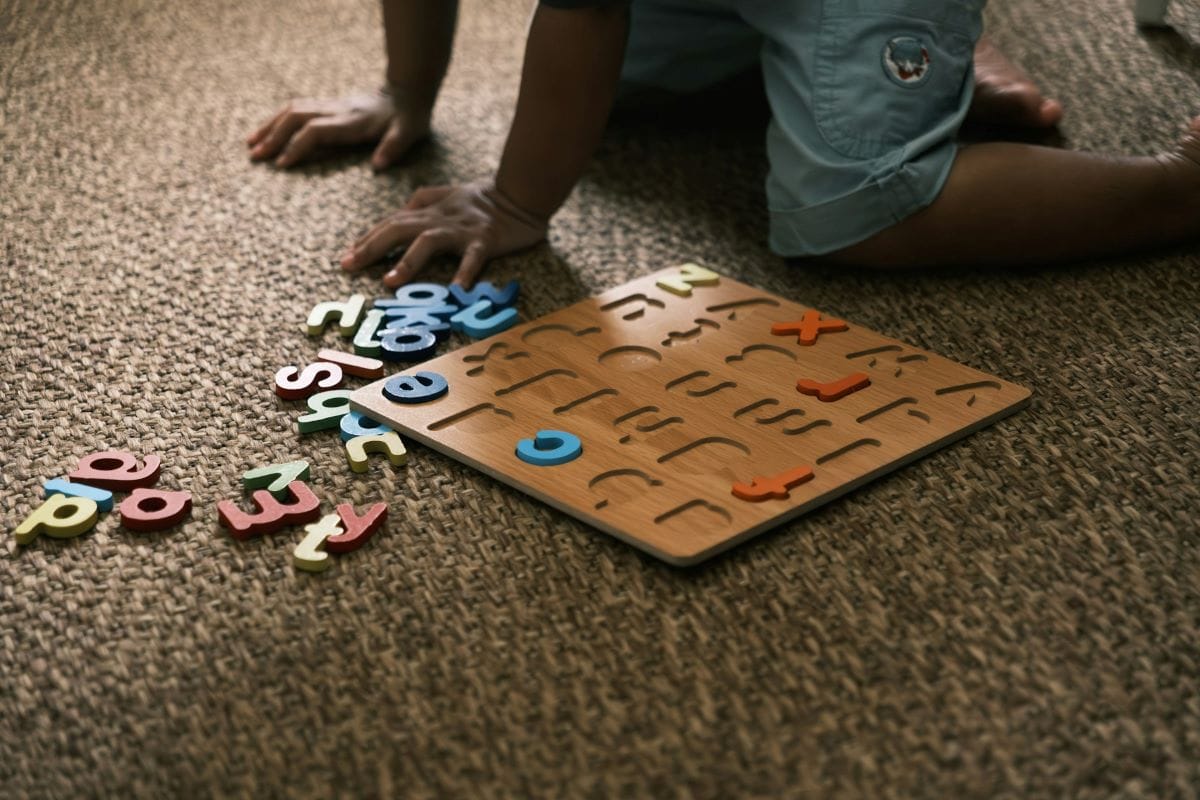
- Make learning multisensory: Tracing words in sand, forming them with playdough, building them with blocks, or tapping them out with fingers turns reading into a hands-on adventure.
- Celebrate progress often: Even small wins deserve recognition. Encouragement builds motivation and keeps kids eager to learn more.
When sight words for kindergarten are taught with patience, creativity, and consistency, kids begin recognizing them automatically—laying a strong foundation for confident reading.
Using Flashcards, Sight Word Printables, And Online Sight Word Games To Learn Sight Words
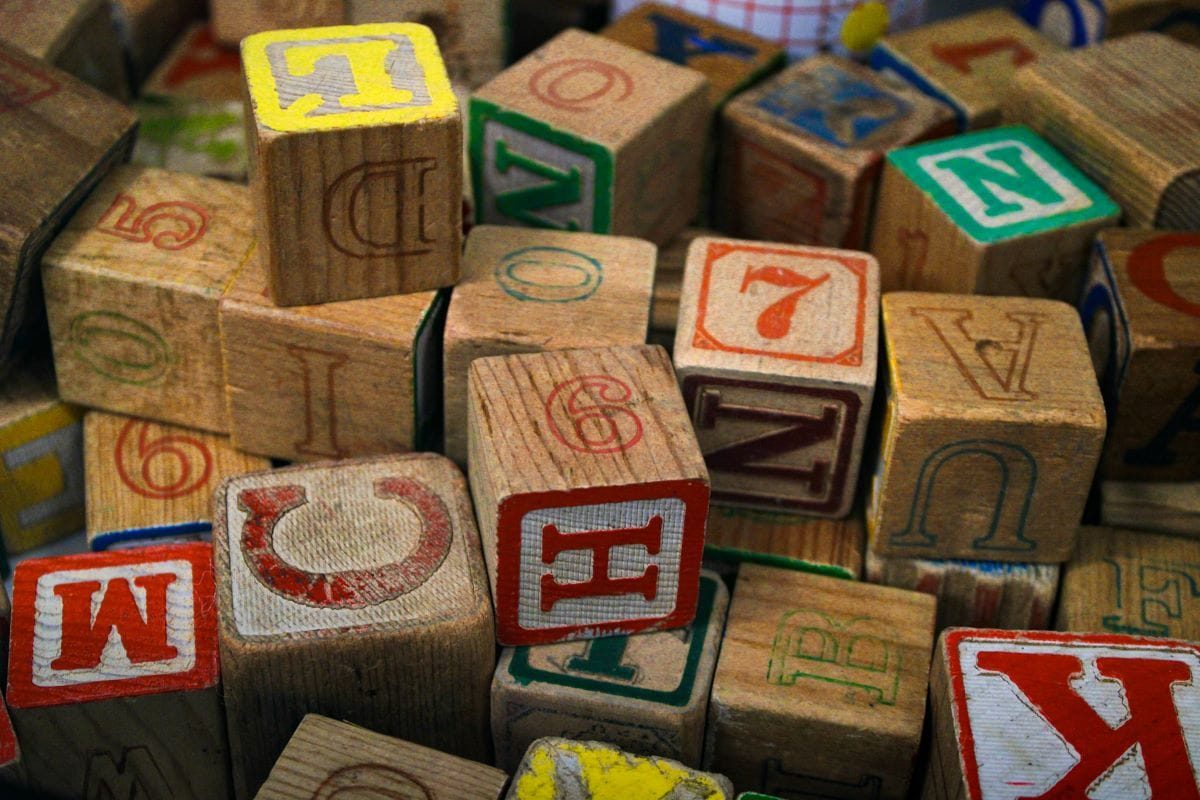
Flashcards, printables, and online tools make practicing sight words for kindergarten both engaging and straightforward. These resources offer quick, repeatable exposure—something young readers truly benefit from—while keeping activities varied enough to hold their attention. With so many formats to choose from, it’s easy to mix things up and find what resonates most with your child’s learning style.
Here are a few helpful ways to put these tools to work:
- Flashcards for quick recognition: Short sessions with colorful flashcards help build instant recall. They’re perfect for on-the-go practice or a quick warm-up before reading time.
- Printables for hands-on learning: Worksheets, coloring pages, cut-and-paste activities, and tracing sheets reinforce sight words while building fine-motor skills. Simply print and get started!
- Online games and videos: Digital platforms offer interactive activities, songs, and animations that bring sight words for kindergarten to life in a fun, low-pressure way.
- Mixing resources for variety: Rotating between digital tools, printables, and flashcards keeps practice fresh and prevents learning fatigue.
Using a blend of these resources creates a balanced routine that supports memorization, boosts confidence, and helps sight words for kindergarten feel like an exciting part of each day.
Easy Practice Sight Words For Kindergarten Kids: What High-Frequency Words To Focus On First
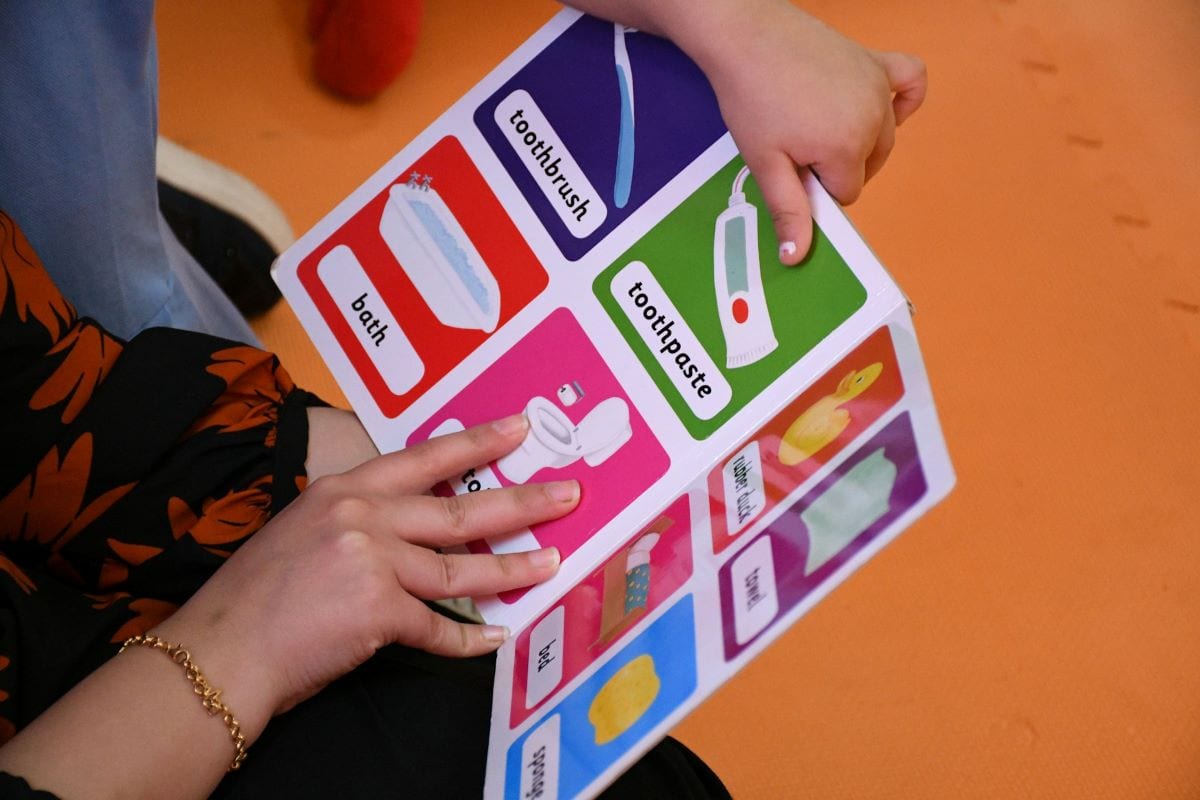
When starting with sight words for kindergarten, it’s helpful to focus on a small, manageable set before gradually expanding. Beginning with the most frequently used words ensures that children encounter them often in books, worksheets, and daily reading, helping build recognition and confidence quickly.
Here’s a practical approach for starting:
- Start with high-frequency words: the, and, is, you, and my appear often in texts and are easier for kids to recognize.
- Use a step-by-step progression: Introduce 3–5 new words at a time, allowing each set to be mastered before moving to the next.
- Connect words to real life: Spotting words in labels, signs, or favorite books helps children see their relevance beyond practice sheets.
- Incorporate words in fun activities: Simple games, songs, and art projects reinforce learning in playful, memorable ways.
- Review frequently: Quick daily check-ins help lock words into memory and prevent forgetting.
Focusing on these foundational sight words first makes practice feel achievable. Gradually adding new words ensures steady growth and sets the stage for reading fluency in the kindergarten year.
Tracking Progress: How To Know Your Child Is Ready For First Grade
Monitoring sight word mastery helps determine when kindergarten kids are ready to move forward in reading and writing. Keeping track of which words a child recognizes confidently ensures that they have a strong foundation before tackling first-grade material.
Here are some ways to gauge progress effectively:
- Observe reading fluency: Children who can read simple sentences and books without pausing on common sight words are showing readiness.
- Check writing skills: When kids can spell and use sight words correctly in sentences, it demonstrates understanding beyond recognition.
- Use informal quizzes or games: Quick, playful checks—like flashcard challenges or sight-word scavenger hunts—help track mastery without the pressure.
- Review frequently missed words: Identifying words that need more practice allows targeted reinforcement and builds confidence.
- Celebrate milestones: Mark progress with a chart, sticker system, or verbal praise to keep children motivated and engaged.
By keeping sight word learning consistent and enjoyable, children develop the skills and confidence they need to enter first grade ready to read, write, and explore new words independently.
What To Remember When Creating Your List of Sight Words
Whether it be prek, kindy, 1st, or 2nd grade, mastering sight words in kindergarten lays the foundation for confident reading and writing, making early literacy smoother and more enjoyable. These high-frequency words appear everywhere in beginner books, worksheets, and everyday life, so recognizing them automatically gives children a huge advantage.
Here’s a quick summary of the most essential points to remember:
- Sight words are crucial building blocks: Recognizing common words instantly helps children read more fluently.
- Start small and steady: Introduce a handful of words at a time to prevent overwhelm.
- Use a mix of resources: Combine flashcards, worksheets, printables, and online games for varied practice.
- Keep learning short and playful: Short daily sessions and engaging activities maintain interest and reinforce memory.
- Incorporate words into everyday life: Spot words on signs, labels, or favorite books to make learning relevant and fun.
- Track progress thoughtfully: Observe reading fluency, writing accuracy, and recognition to guide next steps.
- Celebrate milestones: Positive reinforcement builds motivation and confidence.
By combining structured practice with playful, real-life learning, sight words for kindergarten become more than memorization—they become a stepping stone to lifelong reading success.
You might also be interested in…
Expand your repertoire with 10+ Spelling Activities and Games for Spelling!
CONNECT WITH DAILY MOM
💖 NEWSLETTER: DAILY READS IN YOUR INBOX 💖
Sign up to receive our picks for the best things to do, see and buy so you can relax and focus on more important tasks! Let us help you be the best version of yourself you can be!
BE SOCIAL WITH US
📌 LOVE IT? PIN IT!📌