


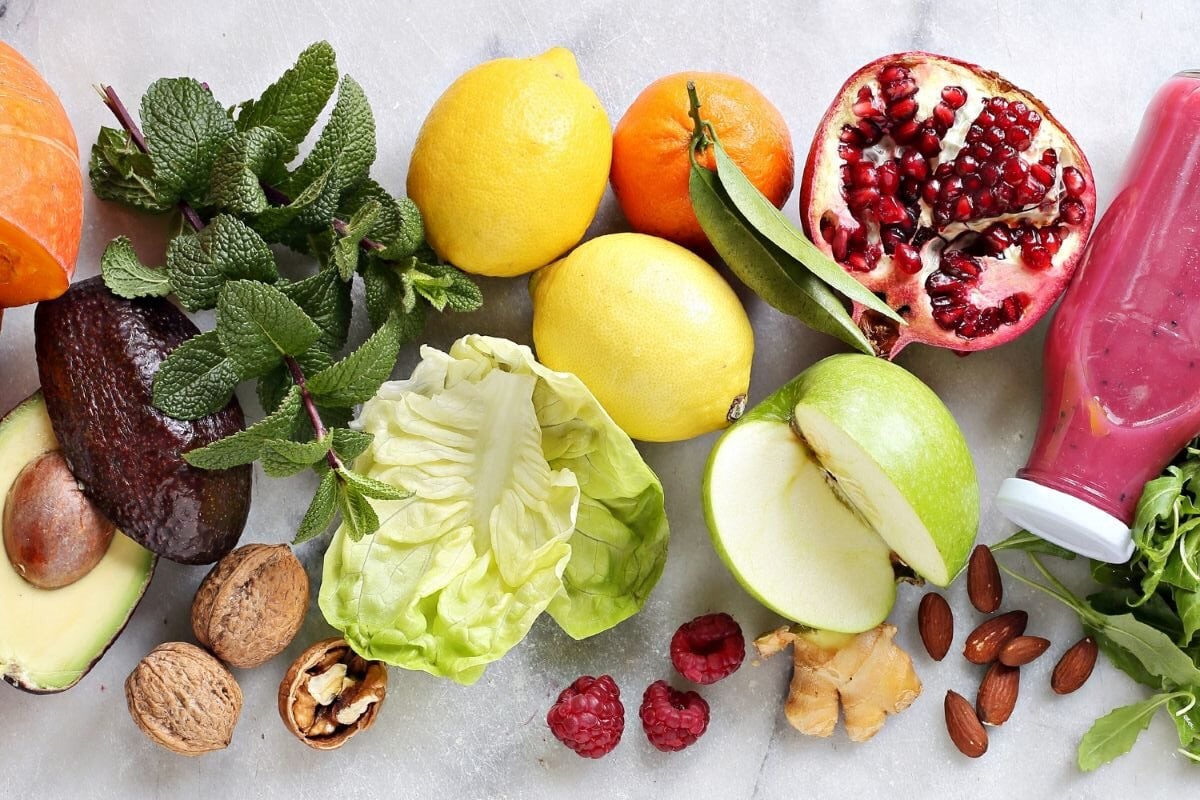
Eating with the seasons is one of the easiest and most rewarding ways to bring more flavor, nutrition, and intention into your kitchen. Whether you want to support local farmers, reduce food waste, or simply eat healthier, this guide to eating seasonally will show you how.
When you eat foods that are in season, you enjoy fruits and vegetables at their peak—fresh, flavorful, and full of nutritional value. Seasonal eating also helps you eat locally, cutting down long distances food travels and supporting local growers.
In this guide, you’ll learn the benefits of eating seasonally and locally, how to find seasonal food where you live, and simple ways to begin eating seasonally. We’ll also share seasonal recipes that highlight fresh fruits and veggies—from spring berries to winter squash—so you can cook healthy, delicious meals all year long.

What Does It Mean to Eat Seasonally?
To eat seasonally means choosing fruits and vegetables that grow naturally in your region during a particular time of the year. Instead of buying the same foods year-round, you focus on what’s in season now—what’s ripe, fresh, and harvested locally.
In short, eating seasonally means:
- Choosing produce at its natural peak
- Enjoying better flavor and higher nutritional value
- Reducing the need for out-of-season imports
- Supporting local farmers market options and small growers
- Cooking with foods that reflect the rhythm of each season
Why does it matter? Why Should You Eat Seasonally? (Benefits of Seasonal Eating)
There are many benefits of eating seasonally, and they go beyond your plate:
- Health: Seasonal produce is often fresher, more nutrient-dense, and harvested closer to ripeness, especially when it hasn’t traveled long distances.
- Flavor: When fruits and veggies are picked in season, they taste better. Think of tomatoes in the summer or crisp apples in the fall—nothing compares.
- Sustainability: Eating with the seasons cuts down on energy used for storage and shipping. Less demand for out-of-season produce means less strain on global food systems.
- Community support: You’re more likely to eat locally and support local growers when you focus on seasonal food in your area.
Whether you’re discovering new foods that are in season, building a seasonal meal plan, or simply wanting to eat food seasonally for better health, this practice brings more connection, variety, and intention to your kitchen.
How to Begin Eating Seasonally (Even as a Beginner)
Starting to eat seasonally doesn’t have to be overwhelming. Even small shifts—like swapping out one ingredient for something that’s in season—can make a difference in taste, nutrition, and sustainability.
Here are a few simple ways to begin:
1. Shop Where the Seasons Are Obvious
- Visit your local farmers market. The best way to see what’s in season is to see what local farmers are growing right now.
- Talk to vendors—they’re often happy to share what’s freshest and how to cook it.
- Pay attention to prices in grocery stores—seasonal produce is often cheaper because it’s more abundant.
2. Use a Seasonal Food Guide
- A seasonal food guide can show you what’s available in your region throughout the year.
- Look for:
- Local university extension services or agricultural programs
- State-specific charts
- User-friendly apps like Seasonal Food Guide or the USDA’s seasonal produce calendar
- These tools help you easily find seasonal ingredients and start building meals around them.
3. Plan Your Meals Around the Harvest
- Build a seasonal meal plan by starting with what’s available—foods that are in season—instead of planning meals and shopping for ingredients that may be out of season.
- Choose one or two seasonal vegetables or fruits each week and center your meals around them.
- Look for seasonal dinner ideas and healthy seasonal recipes that highlight fresh produce.
4. Keep It Flexible and Fun
- Don’t stress about eating perfectly. The goal is to increase awareness and gradually include more seasonal produce in your diet.
- Try swapping one ingredient in a favorite recipe for something in season.
- Use this as a way to explore new foods of autumn, summer, or even early spring—depending on the season where you live.

Starting to eat food seasonally is as much about curiosity as it is about routine. As you tune into the natural rhythms of the year, you’ll naturally start eating with the seasons—and your meals will get more flavorful, nutritious, and inspiring.

What’s in Season Right Now?
When you eat seasonally, the foods you enjoy will change with the seasons. Here’s a breakdown of what’s in season during each time of year so you can easily shop and cook with what’s freshest and most flavorful.
Spring: Fresh Starts and Leafy Greens
Spring is all about rejuvenation—fresh growth and vibrant leafy greens. As the weather warms, you’ll find a variety of tender, nutrient-packed vegetables to enjoy.
- Leafy greens (like spinach, arugula, and kale)
- Asparagus
- Radishes
- Peas (snap peas and sugar peas)
- Strawberries (late spring)
- Rhubarb (great for pies and jams)
Summer: Berries, Tomatoes, and the Best of Warm Weather
Summer is when seasonal food really shines—plenty of juicy fruits and colorful veggies at their peak. It’s the perfect time to embrace the benefits of seasonal eating with sweet berries and flavorful tomatoes.
- Berries (strawberries, blueberries, raspberries, blackberries)
- Tomatoes (heirloom, cherry, and beefsteak varieties)
- Zucchini and summer squash
- Cucumbers
- Bell peppers (sweet peppers)
- Melons (cantaloupe, watermelon)
- Eggplant
Fall: Root Vegetables, Squash, and Heartier Meals
As temperatures cool, fall brings a bounty of root vegetables and hearty squash varieties. These ingredients lend themselves perfectly to seasonal dinners and comfort food recipes.
- Root vegetables (carrots, turnips, parsnips, beets)
- Winter squash (butternut, acorn, spaghetti squash)
- Sweet potatoes
- Apples (a great autumn fruit)
- Pears
- Brussels sprouts
- Cabbage
Winter: Hearty and Nutritious Winter Squash and Citrus
Winter foods are all about sustenance and warmth—think hearty winter squash and the bright, refreshing flavors of citrus. These foods store well and bring nutrition during the colder months.
- Winter squash (butternut, kabocha, delicata)
- Citrus fruits (oranges, grapefruits, lemons)
- Kale (often sweeter after a frost)
- Leeks
- Pomegranates (late fall to winter)
- Cabbage (cabbage varieties thrive in winter)
By learning what’s in season during each time of the year, you’ll be able to create seasonal meals that celebrate fresh, local produce. Whether you’re incorporating leafy greens in the spring, berries in the summer, or root vegetables in the fall, eating seasonally helps you make the most of each harvest.
Seasonal Meal Plan Ideas by Time of Year
Building a seasonal meal plan is a great way to make the most of the fresh produce available in each season. Here’s some inspiration for meals that highlight the best ingredients throughout the year—from vibrant breakfasts to hearty dinners and snack ideas.
Spring & Early Summer: Light, Fresh, and Energizing
As the weather warms up, spring and early summer meals should focus on light, fresh ingredients that provide energy and nourishment after the long winter months. Think crisp salads, juicy fruits, and vibrant greens.
Breakfast:
- Spinach and Strawberry Smoothie: Combine fresh spinach (in season) with ripe strawberries, a banana, and a splash of almond milk for a refreshing start to the day.
- Overnight Oats with Rhubarb Compote: Use oats topped with a homemade rhubarb compote—sweet, tart, and full of flavor. Add chia seeds for a fiber boost.
Lunch:
- Spring Greens Salad: A mix of fresh spinach, arugula, and peas, topped with goat cheese, nuts, and a citrus vinaigrette dressing.
- Grilled Veggie Wrap: Lightly grill asparagus, radishes, and zucchini and wrap them in a whole-grain tortilla with hummus and fresh herbs.
Dinner:
- Grilled Salmon with Asparagus: A simple grilled salmon paired with sautéed asparagus and a squeeze of lemon for brightness.
- Pasta Primavera: Fresh peas, zucchini, and radishes tossed with whole wheat pasta, olive oil, garlic, and fresh herbs.
Snacks:
- Strawberries and Greek Yogurt: Fresh strawberries paired with creamy Greek yogurt and a drizzle of honey for a quick, nutritious snack.
- Crispy Chickpeas: Toss chickpeas with olive oil and your favorite spices, then roast until crispy for a crunchy snack.
Autumn: Cozy, Comforting, and Flavorful
As temperatures drop, autumn meals get heartier and more comforting. Think roasted root vegetables, rich squash dishes, and warm flavors that fill the home with coziness.
Breakfast:
- Pumpkin Spice Pancakes: Add pumpkin puree and a blend of warm spices to your pancake mix for a cozy fall breakfast.
- Apple Cinnamon Oatmeal: Warm up with a bowl of oatmeal topped with apples, cinnamon, and a sprinkle of nuts for crunch.
Lunch:
- Roasted Root Vegetable Salad: Combine roasted carrots, beets, and sweet potatoes with greens like arugula and top with a tangy dressing made from balsamic vinegar and mustard.
- Butternut Squash Soup: A velvety soup made from roasted butternut squash, onions, and garlic, perfect for crisp autumn days.
Dinner:
- Roasted Chicken with Root Vegetables: A simple dinner of roasted chicken, turnips, and parsnips—a satisfying and filling meal.
- Stuffed Acorn Squash: Roasted acorn squash stuffed with a savory mixture of quinoa, cranberries, and toasted nuts.
Snacks:
- Baked Sweet Potato Fries: Slice sweet potatoes into wedges, toss with olive oil and spices, and bake for a healthy and satisfying snack.
- Apple Slices with Almond Butter: A perfect combination of sweetness and protein for an easy fall snack.
Winter: Hearty, Nutritious, and Cozy

Winter meals are all about warming up and keeping your body nourished with hearty vegetables, stews, and roasted dishes. This is the time to enjoy the richness of winter squash and citrus fruits, packed with vitamins to keep you energized through the colder months.
Breakfast:
- Citrus Smoothie: Use fresh oranges and grapefruit with Greek yogurt, a handful of spinach, and a little honey for a vitamin C-packed smoothie.
- Winter Squash Pancakes: Use butternut squash puree in your pancake batter for a filling, flavorful breakfast that will keep you full all morning.
Lunch:
- Kale and White Bean Soup: A hearty soup made with kale, white beans, and carrots—perfect for a warming, nutrient-packed lunch.
- Roasted Beet and Goat Cheese Salad: Roasted beets served with goat cheese, walnuts, and a drizzle of olive oil and balsamic vinegar for a seasonal, filling salad.
Dinner:
- Winter Squash Risotto: A creamy risotto made with butternut squash, garlic, and sage, perfect for a comforting dinner on a cold winter night.
- Beef Stew with Root Vegetables: A hearty stew made with beef, turnips, carrots, and potatoes, simmered slowly to develop deep, rich flavors.
Snacks:
- Roasted Winter Squash Seeds: Save the seeds from your squash and roast them with a little salt and oil for a crunchy, nutritious snack.
- Citrus Salad: A refreshing snack of segmented oranges and grapefruit with a sprinkle of sea salt and a drizzle of honey.

Healthy Seasonal Recipes You’ll Want to Cook All Year
Cooking with the seasons not only boosts the flavor and nutritional value of your meals but also allows you to enjoy the freshest ingredients available. Here are a few healthy, seasonal recipes that celebrate in-season produce from spring through winter. Each dish brings out the best of the season, making it easier than ever to eat well, enjoy fresh flavors, and cook with intention.
Spring: Strawberry Spinach Salad
Ingredients:
- Fresh spinach (in-season)
- Ripe strawberries
- Feta cheese or goat cheese
- Walnuts or pecans
- Balsamic vinaigrette
Instructions:
- In a large bowl, combine fresh spinach and sliced strawberries.
- Top with crumbled feta or goat cheese and a handful of nuts for a bit of crunch.
- Drizzle with balsamic vinaigrette and toss to combine.
This spring salad is a refreshing, nutrient-packed dish that highlights fresh strawberries, which are at their peak in spring. The sweet-tart strawberries paired with the earthy spinach and creamy cheese, create a balanced and flavorful salad. Eating seasonally means you get to enjoy the ripest, most flavorful produce that’s naturally aligned with the time of year.
Summer: Grilled Vegetable Skewers with Herbs
Ingredients:
- Zucchini, bell peppers, mushrooms, and cherry tomatoes (seasonal summer vegetables)
- Olive oil
- Fresh herbs like rosemary, thyme, and oregano
- Salt and pepper
Instructions:
- Preheat your grill to medium heat.
- Cut vegetables into bite-sized pieces and thread them onto skewers.
- Brush with olive oil and sprinkle with fresh herbs, salt, and pepper.
- Grill for 5-7 minutes, turning occasionally, until vegetables are tender and lightly charred.
Summer’s abundance of zucchini, bell peppers, and tomatoes makes it the perfect time for grilled vegetable skewers. This simple recipe brings out the natural sweetness and smoky flavor of these vegetables. Grilling with seasonal herbs adds another layer of flavor, making this dish a delightful way to enjoy fresh, in-season produce.
Fall: Roasted Root Vegetables with Maple Glaze
Ingredients:
- Carrots, sweet potatoes, parsnips, and beets (seasonal root vegetables)
- Olive oil
- Maple syrup
- Salt, pepper, and cinnamon
Instructions:
- Preheat your oven to 400°F (200°C).
- Peel and chop root vegetables into evenly sized pieces.
- Toss vegetables in olive oil, salt, pepper, and a sprinkle of cinnamon.
- Roast in the oven for 25-30 minutes, or until tender.
- Drizzle with maple syrup and return to the oven for another 5 minutes to caramelize.

Fall is all about comforting flavors, and roasted root vegetables are a perfect fit. The natural sweetness of sweet potatoes, carrots, and parsnips is enhanced by the maple glaze, making this dish feel indulgent yet healthy. The roasting process brings out the earthy, caramelized flavors, making it an ideal way to enjoy seasonal produce while warming up on a crisp autumn day.
Winter: Butternut Squash Soup or Lentil Stew
Butternut Squash Soup Ingredients:
- 1 medium butternut squash (in-season)
- 1 onion, chopped
- 2 cloves garlic, minced
- 4 cups vegetable broth
- Olive oil
- Salt, pepper, and nutmeg
Instructions:
- Peel and chop the butternut squash into cubes.
- In a large pot, heat olive oil and sauté onions and garlic until soft.
- Add squash and vegetable broth, then bring to a boil.
- Lower heat and simmer for 25-30 minutes until squash is tender.
- Use an immersion blender to purée the soup until smooth. Add salt, pepper, and a pinch of nutmeg to taste.
Lentil Stew Ingredients:
- 1 cup dried lentils
- 2 carrots, chopped
- 1 onion, chopped
- 2 cloves garlic, minced
- 4 cups vegetable broth
- Spinach (or kale)
- Olive oil, salt, pepper, and cumin
Instructions:
- Rinse lentils and set aside.
- In a large pot, sauté onions, garlic, and carrots in olive oil until softened.
- Add lentils, vegetable broth, and spices. Bring to a boil, then simmer for 30-40 minutes.
- Stir in spinach (or kale) and cook until wilted. Season with salt and pepper.
Butternut squash soup is the epitome of winter comfort. This velvety-smooth, slightly sweet soup brings out the best of seasonal butternut squash. The spices like nutmeg add warmth, making it perfect for colder months. Alternatively, lentil stew is another hearty winter dish filled with plant-based protein and nutrients, providing a satisfying meal that’s rich in flavor and perfect for cozy nights.
Why Cooking Seasonally Enhances Flavor and Enjoyment
Cooking with seasonal ingredients doesn’t just enhance your meals nutritionally—it also elevates the flavors. When you eat seasonally, you’re using produce at its peak ripeness, when the taste is the freshest and most vibrant. The natural sweetness of summer tomatoes, the earthy depth of roasted root vegetables in the fall, and the warmth of winter squash all shine through when they’re prepared at the right time.
Supporting Local Farmers and Finding Seasonal Food Near You
One of the most impactful ways to eat seasonally is by supporting local farmers and purchasing food directly from them. This not only ensures you’re getting the freshest, most flavorful produce available but also strengthens your community and supports sustainable farming practices.
Visit Farmers Markets
Farmers’ markets are a great place to find seasonal food and connect with local growers. Shopping at a farmers market allows you to buy directly from the grower, often picking up produce that was harvested that same day. It’s an opportunity to ask questions about how the food was grown, learn about seasonal varieties, and even discover unique local products you may not find at the grocery store.
By buying food grown locally, you are reducing the carbon footprint associated with long-distance transportation. Locally grown food typically travels shorter distances, which means less time spent in transit and a smaller environmental impact.
Buy from Local Farmers
In addition to visiting farmers’ markets, many local farmers sell their products directly through farm stands, or you may have the option to buy straight from the farm. These direct-to-consumer models allow you to build a relationship with the people growing your food, providing you with more transparency about farming practices and seasonal offerings.
Buying from local farmers ensures that the food you’re eating is harvested when it’s meant to be. The produce is picked at its peak, meaning it’s fresher and more flavorful. Plus, supporting small-scale farms keeps money in the local economy and encourages practices that prioritize sustainability and environmental stewardship.
Sign Up for a CSA (Community Supported Agriculture)
A CSA program allows you to buy a “share” in a local farm’s harvest for the season. In exchange, you’ll receive a weekly or biweekly box of seasonal produce, often including unique or heirloom varieties you won’t find elsewhere. CSAs often provide access to fresher, more flavorful fruits and vegetables, while also promoting agricultural biodiversity and sustainable farming practices.
Signing up for a CSA means you’ll have a regular supply of seasonal food delivered straight to your door or a nearby pickup location. Many CSAs also offer the option to include eggs, dairy, and meat, giving you a comprehensive, locally sourced grocery experience.
The Benefits of Eating Locally and Seasonally
- Freshness and Flavor: Food that hasn’t traveled long distances maintains its freshness and taste. It also preserves more of its nutritional value since it hasn’t been stored for weeks before reaching your table.
- Reduced Environmental Impact: By buying seasonal foods that haven’t been grown out of season or shipped from faraway places, you’re helping to reduce food miles and the carbon footprint associated with transporting goods.
- Supporting Sustainable Practices: Local farmers often use more sustainable practices and focus on growing food that’s in harmony with the land, as opposed to large-scale commercial agriculture that might prioritize quantity over quality.
Whether you’re shopping at a farmers market, buying from local farms, or joining a CSA, eating seasonal and local foods helps ensure that you are enjoying the freshest produce while also supporting the local economy and fostering more sustainable food practices.

Grow Your Own Food for the Ultimate Seasonal Experience
One of the best ways to experience seasonal eating is to grow your own food. Not only does it provide you with the freshest ingredients possible, but it also gives you a deeper connection to the food you eat. Growing your own fruits, vegetables, and herbs allows you to enjoy seasonal produce at its peak and engage with the rhythms of nature. Plus, it can be incredibly satisfying to harvest something you’ve nurtured from the ground up!
Start Small: Herbs and Container Vegetables
If you’re new to gardening, starting with herbs or container vegetables is a great way to dip your toes into growing your own food. Herbs like basil, parsley, rosemary, and thyme are easy to grow in small spaces, such as on a windowsill, balcony, or porch. These flavorful herbs can be added to nearly any dish and will bring a fresh, aromatic boost to your cooking.
Container vegetables such as tomatoes, lettuce, spinach, or peppers can thrive in pots or raised beds. These are perfect for those with limited space or those just starting out. You can grow them on a patio, balcony, or even in a sunny corner of your kitchen. With a little attention and care, you’ll have access to seasonal ingredients right outside your door.
Embrace Seasonal Gardening
When you grow your own food, you naturally start eating seasonally because your garden will follow the natural growing cycle. You’ll be eating seasonal vegetables and fruits that ripen during specific times of the year, making each harvest feel like a special reward for your effort.
Here are a few tips to help you get started:
- Research your growing zone: Knowing your region’s growing zone will help you choose the best plants for your climate. Different plants thrive in different environments, and understanding the growing season for your area will ensure success.
- Plan your garden: Choose plants that grow well together and complement each other. Many plants, such as tomatoes and basil, grow well when planted side by side.
- Plant in succession: Stagger your plantings throughout the season to ensure a steady supply of fresh produce. This will help you eat seasonally for a longer period of time.
- Harvest regularly: Picking your produce at the right time ensures the best flavor and texture. Fresh vegetables and fruits are at their peak when harvested at the right moment.
The Benefits of Growing Your Own Food
- Freshness: There’s nothing like picking vegetables and fruits straight from your garden. When you grow your own food, you’ll have access to the freshest ingredients, harvested at the peak of their flavor and nutrition.
- A Deep Connection to Your Meals: Growing your own food fosters a deeper relationship with what you eat. It allows you to appreciate the process of growing and harvesting, and you’ll be more mindful of the seasonal cycles of nature.
- Sustainability: Growing your own food reduces the need for packaged or shipped produce. You’re cutting down on food miles, reducing waste, and supporting a more sustainable way of living.
- Economic Benefits: Growing your own food can save money over time, especially when you grow high-yield crops or herbs that are expensive at the store.
Eat Seasonally for Healthier, Happier Meals
Eating seasonally is an incredibly rewarding way to enhance both your health and your meals. By embracing seasonal eating, you’re not only enjoying fresher, more flavorful ingredients but also supporting local farmers and reducing your environmental impact. Whether you’re shopping at farmers markets, growing your own food, or planning meals based on what’s in season, you’re making choices that benefit both you and the planet. So, start small, use seasonal food guides, and experiment with fresh recipes that highlight the best of what each season has to offer. By eating seasonally, you’ll enjoy a more vibrant, sustainable lifestyle all year long.

FAQs
Q: Why is it important to eat seasonal foods?
A: Eating seasonally offers numerous advantages of eating fresh produce. Foods that are in season are typically more flavorful, nutritious, and affordable. For example, in the spring, you can enjoy foods like leafy greens and strawberries, which are packed with vitamin C—a nutrient that is often at its peak in season. Plus, it’s in season, so these foods are harvested at their best, ensuring you get the most out of each bite.
Q: How can I find out what foods are in season near me?
A: A seasonal produce guide is a great resource to help you track what’s in season at any certain time of the year. You can also check local farmers markets or use apps that highlight seasonal and local eating options.
Q: How can I support my local community through eating seasonally?
A: Eat local by shopping at farmers’ markets or signing up for a CSA. Not only will you get fresh fruits and vegetables, but you’ll also support local farmers who provide fruits and vegetables that are harvested at their peak. Sustainable eating like this helps reduce the environmental impact of long-distance food travel.
Q: What if I can’t always find seasonal ingredients?
A: If you can’t find a fruit or vegetable in season, try growing your own! Even herbs and small container vegetables can give you access to fresh, seasonal ingredients right from your own home. This aligns with the practice of eating seasonally and deepens your connection to your food.
Q: How do seasonal foods benefit my health?
A: Seasonal foods are often richer in nutrients, as they’re harvested at their peak. For example, many fruits and vegetables are high in vitamin C, which is essential for immune health and skin vitality. When fruits and vegetables are harvested in season, they retain more of their natural vitamins and minerals, making them a healthier choice for you and your family.
You might also be interested in…
Check out our Lifestyle, Healthy Living, and Food N’ Recipes sections for more tips and tricks!
CONNECT WITH DAILY MOM
💖 NEWSLETTER: DAILY READS IN YOUR INBOX 💖
Sign up to receive our picks for the best things to do, see and buy so you can relax and focus on more important tasks! Let us help you be the best version of yourself you can be!
BE SOCIAL WITH US
📌 LOVE IT? PIN IT!📌


