





























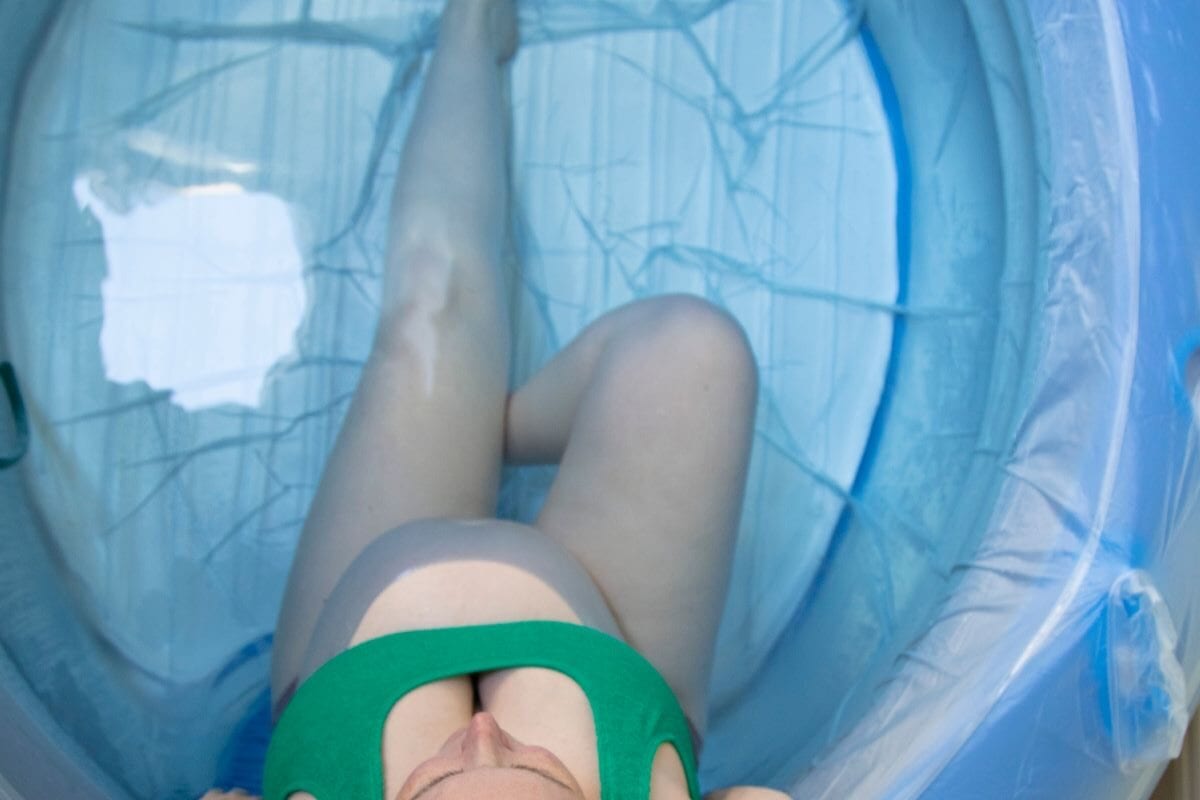
Imagine warm water easing your labor pains, surrounding you with calm and comfort as you bring your baby into the world. This is the promise of a waterbirth—a gentle, natural way to give birth that’s becoming increasingly popular. At the heart of this experience is the water birthing pool, designed to support and enhance your journey.
The right water birthing tub can transform labor by promoting relaxation, reducing pain, and providing buoyancy for easier movement. It creates an empowering, soothing environment for labor and delivery.
This guide will help you explore water birthing pools, including types, features, and how to choose the best option for your birth plan. Whether you’re preparing for a home birth, a birthing center experience, or just want to labor in water, this post has everything you need to know. Let’s dive in!
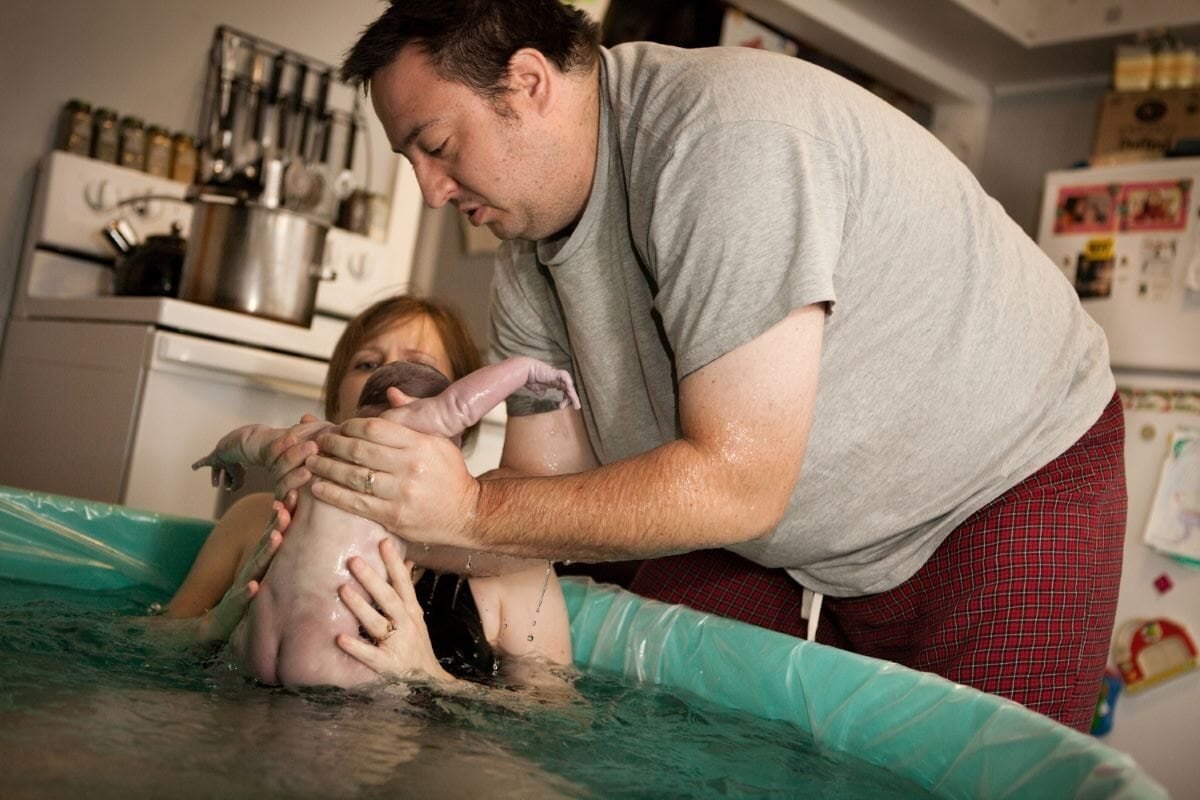
What is a Water Birth Pool?
A water birthing pool is a specialized pool designed for labor and delivery, offering comfort and support during childbirth. Unlike regular bathtubs, these tubs are deeper, larger, and made to meet the needs of birthing.
Key Benefits of a Water Birthing Pool
- Buoyancy: Reduces strain on muscles and joints, allowing for easier movement.
- Warmth: Soothes and relaxes, helping to reduce labor pain.
- Support: Provides security and comfort during contractions and transitions.
How Water Birthing Pools Differ from Regular Tubs
Regular Tubs:
- Shallow and restrict movement.
- Made from hard, slippery materials, uncomfortable for extended use.
- Lack temperature control for labor needs.
Water birthing pools:
- Deeper, allowing full submersion for better buoyancy.
- Constructed with soft or non-slip materials for safety and comfort.
- Include features like quick inflation, heaters, and hygienic liners.
water birthing pools are tailored for home births, birthing centers, or hospitals, ensuring a more comfortable and calming birth experience.
Types of Birthing Pools and Kits
Choosing the right type of water birthing pool is essential for comfort, safety, and convenience. Here’s a look at the main options available:
Inflatable Home Birth Water Pools
These are a popular choice for home births due to their flexibility and affordability.
- Benefits:
- Portable and easy to set up.
- Affordable compared to fixed tubs.
- Soft, cushioned sides provide comfort.
- Popular Options:
- Birth Pool in a Box
- La Bassine
Fixed Water Birth Tubs

Found in birthing centers and hospitals, fixed tubs offer stability and integrated features.
- Benefits:
- Durable and sturdy for longer use.
- Equipped with built-in seating, temperature control, and jets for added comfort.
- Designed for professional-grade hygiene and sanitation.
- Ideal For:
- Those giving birth in a hospital or birthing center setting.
Homemade or DIY Options
Some families opt for improvised solutions using regular bathtubs or stock tanks, but these come with significant limitations.
- Considerations:
- Regular bathtubs are shallow and restrict movement.
- DIY setups may lack proper sanitation and safety measures.
- Not recommended unless thoroughly vetted by a midwife or obstetrician.
Each option has its advantages, but factors like location, budget, and personal preferences will guide the best choice for your water birthing experience.
What Look for When Planning a Home Water Birth: Pool Liners, Air Pumps, and How to Inflate
When selecting a water birthing pool, focus on key features that ensure comfort, safety, and ease of use. Here are the most important aspects to consider:
Size and Depth
A water birthing pool should provide enough space for comfort and freedom of movement during labor.
- Ideal Size:
- Look for tubs that allow you to change positions easily.
- Ensure it’s large enough to accommodate both you and your birthing team if needed.
- Depth Considerations:
- A deeper tub is recommended for full immersion, allowing you to float and ease pain with buoyancy.
Material and Durability
Durable, non-toxic materials ensure safety and longevity.
- Durable Materials:
- Opt for puncture-resistant vinyl or reinforced PVC that can withstand the pressure of water and movement.
- Make sure the material is free of harmful chemicals to ensure the safety of both you and your baby.
Ease of Setup
A tub that is quick and easy to set up can reduce stress when preparing for labor.
- Inflation and Filling:
- Choose a tub with an air pump that quickly inflates the tub.
- Ensure it has a hose for easy filling and draining of water.
- Simple Maintenance:
- Look for a tub that can be cleaned and sanitized easily. Many models come with disposable liners to simplify the cleanup process.
Temperature Control
Maintaining the right water temperature throughout labor is essential for comfort.
- Heating Options:
- Some tubs come with built-in heaters or offer the option to use an external heater to keep the water at a comfortable temperature.
- Always monitor the temperature to ensure it stays between 95–100°F (35–37°C).
Hygiene and Sanitation
Hygiene is crucial when using a water birthing pool, as it ensures a safe and clean environment.
- Disposable Liners:
- Many water birthing pools come with or offer the option to buy disposable liners. These liners are essential for keeping the water clean and hygienic throughout labor.
- Easy-to-Clean Surfaces:
- Check for smooth, non-porous surfaces that can be easily wiped down after use.
Choosing a water birthing pool with these features will help create a comfortable and safe environment for both you and your baby.
Using a Birthing Pool for Pain Relief

water birthing pools offer a range of benefits that can make labor and delivery more comfortable and empowering. Here’s why many expectant mothers choose water birthing for their birth experience:
Promotes Relaxation and Reduces Labor Pain
The warm water helps ease muscle tension and relaxes the body, making contractions more manageable. The buoyancy of the water supports your body, allowing you to feel weightless and less restricted.
- Pain Relief:
- The soothing effect of the water provides natural pain relief during labor.
- Water has been shown to reduce the need for pain medications in many cases.
Offers Buoyancy for Easier Movement
In the water, your body is supported by buoyancy, allowing for greater freedom of movement. This makes it easier to find positions that relieve pressure and discomfort.
- Improved Mobility:
- Moving around in water during labor is easier than on land, especially as your body becomes heavier.
- You can experiment with different positions to facilitate a smoother, quicker labor.
Creates a Calm, Supportive Environment
The warm water creates a serene and private space, helping you relax and focus. This calm environment promotes a sense of safety and control during the birthing process.
- Emotional Comfort:
- Labor can be overwhelming, but waterbirths provide an element of peace.
- It reduces anxiety and provides a peaceful, intimate atmosphere, especially if you’re birthing at home.
Adds Flexibility to the Birth Plan
Water birthing allows you to labor in the water while still having the option to leave the tub if you choose to give birth on land. This flexibility is a unique feature of waterbirths.
- Labor Without Delivery:
- You can choose to labor in water but transition to another position outside the tub if necessary.
- This gives you control over your birth experience, enabling you to adapt to changing circumstances.
Choosing to use a water birthing pool can enhance the overall experience, offering comfort, pain relief, and a sense of control during labor.
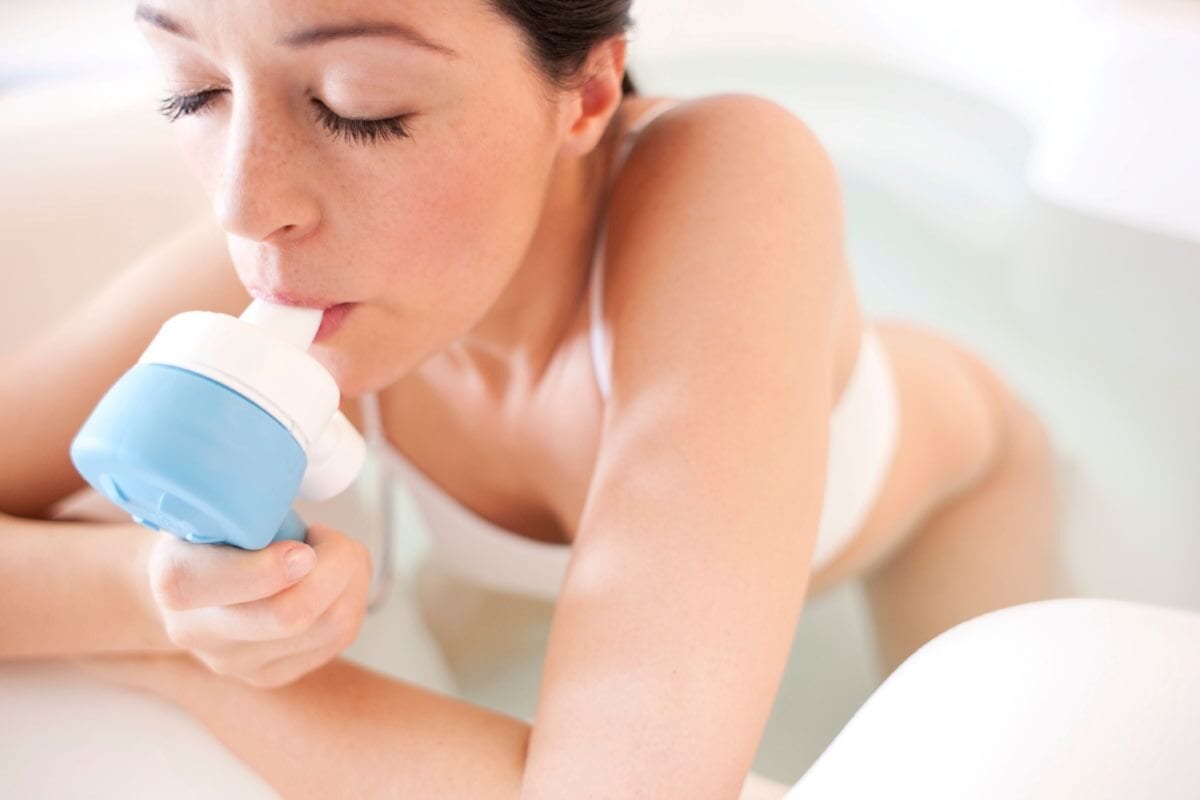
Giving Birth in the Water and Choosing the Right Birthing Supplies for You
Choosing the best water birthing pool depends on your personal needs and preferences. Here are key considerations to help guide your decision:
Assessing Your Needs: Home, Birthing Center, or Hospital Setup
Where you plan to give birth plays a big role in the type of water birthing pool you choose. If you’re planning a home birth, you’ll need to ensure that your tub is portable and easy to set up. Birthing centers and hospitals may already have specialized tubs, but if you’re considering an at-home birth, flexibility is key.
- Home Birth:
- Look for inflatable tubs or a “pool in a box” that are easy to transport and set up.
- Consider a portable waterbirth pool kit that includes everything needed for setup and use.
- Birthing Center/Hospital Birth:
- Many centers have fixed waterbirth tubs, but it’s important to check the available features and sizes.
- Confirm that the tub meets your comfort preferences and has space for movement during labor.
Budget Considerations: Cost Ranges for Different Types of Tubs
Waterbirthing tubs come in a range of prices, from affordable inflatable models to higher-end fixed tubs found in hospitals. Your budget will influence your choice, but it’s important to prioritize comfort and durability.
- Inflatable Tubs (Affordable):
- Generally range from $150 to $400, offering portability and ease of use.
- Perfect for home water births, and available for purchase or rental.
- Fixed Waterbirth Tubs (Higher-End):
- These can cost upwards of $1,000 or more, especially when bought with specialized features like heating systems or built-in support for labor positions.
- Rental Options:
- Renting a tub is an option if purchasing isn’t feasible. Rental costs typically range from $150 to $300 depending on the model and length of use.
Availability and Rental Options
If you’re not ready to commit to buying a water birthing pool, rental options are a great choice. Many companies offer rentals with delivery, setup, and pickup services.
- Renting a Tub:
- Renting is an excellent option if you’re only planning to use the tub once.
- Look for reputable rental services that include necessary accessories like liners, air pumps, and hoses.
- Buying a Tub:
- If you plan to have multiple water births or want to customize your experience, buying may be the better option.
- Consider brands known for quality, like La Bassine or other professional-grade water birthing pools.

Choosing the right water birthing pool comes down to where and how you plan to give birth, your budget, and whether you want to rent or purchase. Make sure to consult with your midwife or healthcare provider to ensure your choice aligns with your birth plan.
Setting Up a Birthing Pool
Once you’ve selected your water birthing pool, it’s time to prepare for the big day. Here’s a step-by-step guide to setting up your tub, along with important tools and safety tips to ensure everything goes smoothly.
Step-by-Step Guide to Setting Up Your Tub at Home
- Choose the Right Location:
Set up your waterbirthing tub in a space with enough room for movement, while ensuring easy access to water sources and power outlets for your pump. Consider the flooring—place a tarp or mat beneath the tub to protect the area from spills or splashes. - Inflating the Tub (if applicable):
If you’ve chosen an inflatable water birthing pool, use an air pump (preferably a high-capacity one) to inflate it. Be sure to follow the manufacturer’s instructions carefully to avoid over-inflating or under-inflating the tub. - Filling the Tub with Water:
Fill your waterbirth pool with warm water using a garden hose or portable water pump. The water should be at a comfortable temperature—typically between 95°F and 100°F (35°C to 37.7°C)—to promote relaxation and pain relief. Use a thermometer to monitor the water temperature, adjusting the water flow as needed.
Tools and Accessories You’ll Need
To ensure a successful waterbirth experience, you’ll need a few essential accessories:
- Pool Liner:
A disposable or reusable liner will protect your tub and keep it sanitary. Make sure it fits your tub model and is free of toxins. - Water Pump:
A water pump will help you fill and drain the tub quickly. Some birth pool kits include a pump, or you can buy one separately if needed. - Hose and Adapters:
Have a hose with the right adapters for connecting to your water source. Ensure that the hose is long enough to reach your tub. - Temperature Control Tools:
If your water source is too cold or too hot, you may need a heating element or a cooling system. Be sure to test the water temperature well before you enter the tub. - Birthing Pool Kit:
If you bought a complete pool kit, it should come with all the necessary accessories, including the tub, liner, pump, and hose.
Safety Measures
Setting up your water birthing pool correctly is crucial for both comfort and safety:
- Check Stability:
Ensure that the tub is placed on a level surface and won’t tip over once filled with water. Use a non-slip mat or towel to provide extra stability. - Sanitation:
Be sure to clean the tub and all accessories before use. This includes washing the liner, pump, and hoses to prevent any potential contamination. - Water Temperature:
Keep the water temperature within the ideal range (95°F–100°F), as water that is too hot or too cold can cause discomfort or complications. Keep a thermometer on hand to monitor the temperature throughout labor.
Tips for Maintaining the Right Water Temperature
Maintaining a consistent, comfortable water temperature is key to the effectiveness of your waterbirth. Here are some tips:
- Monitor Regularly:
Use a thermometer to check the water temperature every 30 minutes, especially during long labor. If the water cools down, add warm water in small increments. - Preheat the Water:
If you’re using a home water source, preheat the water using a kettle or portable heater. This will save you time and ensure the water is at the ideal temperature when you’re ready to enter the tub.
Setting up a water birthing tub is simple if you have the right tools and follow the steps carefully. By ensuring the tub is in a safe, clean location with optimal water temperature, you can create a calm, supportive environment for your labor and waterbirth experience.
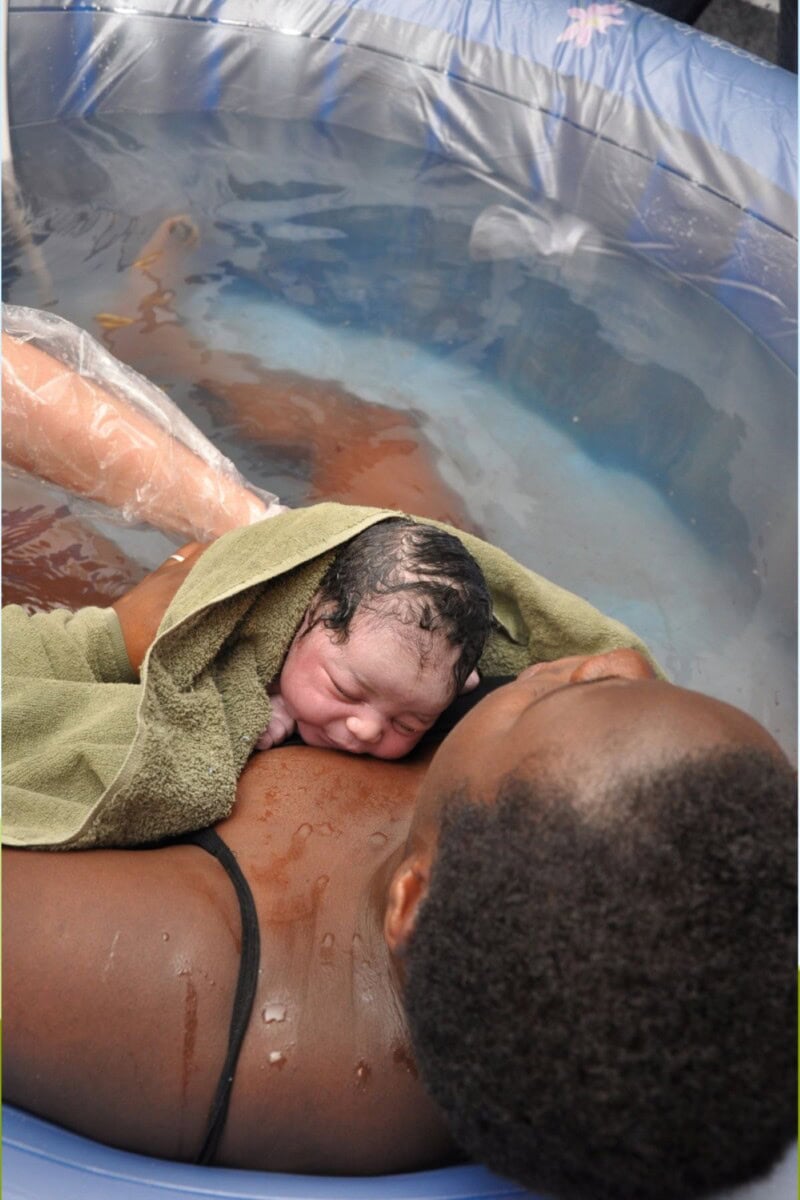
Your Birth Kit: Using the Tub During Labor and Delivery
Laboring in a water birthing pool can provide significant relief, allowing you to move freely while benefiting from the soothing warmth of the water. Here’s what to expect when using the tub during labor and delivery.
What to Expect When Laboring in a Water Birthing Pool
The water provides buoyancy, which helps reduce the weight of your body and eases pressure on your joints. This can make it easier to find comfortable positions and manage contractions.
- Pain Relief:
The warm water naturally relieves pain by increasing blood circulation and promoting relaxation. Many women report feeling less intense pain and stress when laboring in water, allowing them to focus better on the birth process. - Relaxation:
The buoyancy of the water can help you relax, lowering your stress levels and encouraging a more positive birth experience. This calming effect can even speed up labor by helping your body function more efficiently.
Positions for Comfort and Effective Labor Progression
Being in the water allows you to experiment with different positions to find what works best for you. Some comfortable and effective positions include:
- Leaning Back or Reclining:
Leaning back against the side of the tub or reclining with support allows you to rest between contractions while maintaining an upright position, encouraging optimal fetal positioning. - Kneeling or Squatting:
Kneeling or squatting in the tub can open up the pelvis and help move the baby into the birth canal, especially in the later stages of labor. These positions may encourage faster progress. - Hands-and-Knees Position:
Kneeling on all fours in the water can help relieve back labor and assist with fetal positioning. The water’s support allows you to move freely into this position with ease. - Side-Lying or Sitting:
For more rest, sitting or lying on your side in the water can be a good choice. This position allows you to relax between contractions and conserve energy for the pushing stage.
How Your Midwife or Birth Team Supports You in the Tub
Your midwife or healthcare provider will be with you every step of the way, providing guidance and support. Here’s how they’ll assist:
- Monitoring Labor:
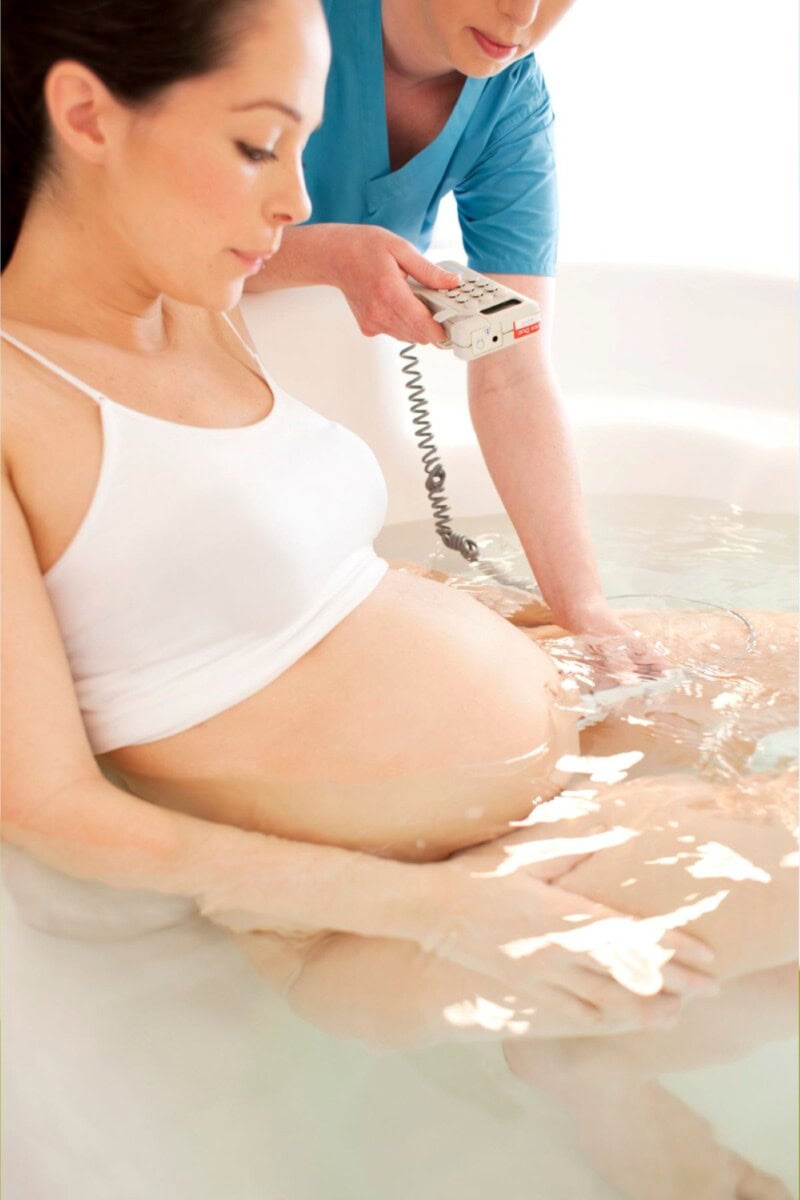
They’ll regularly monitor the progress of your labor, ensuring the baby’s heart rate and your vital signs are stable. Your birth team may use waterproof equipment or tools to check on you without leaving the tub. - Helping with Positioning:
Your birth team can assist with adjusting positions as needed to help the baby move down the birth canal. They’ll encourage you to listen to your body and adjust as you see fit. - Providing Emotional Support:
A calm, reassuring birth team will help you stay relaxed and confident. They’ll be there to support you emotionally, offering encouragement and guidance throughout the process.
Transitioning Out of the Tub if Needed
While laboring in water is often a great experience, you may need to leave the tub if your birth plan changes or if complications arise. Here’s how to transition:
- Listen to Your Body:
If you begin to feel uncomfortable or if the baby’s position needs adjustment, leaving the tub may be the best option. Your birth team will help you move safely and comfortably. - Moving to a Bed or Different Position:
If you need to get out of the tub, your midwife or support team can assist with guiding you to a bed or another location. The goal is to ensure you’re in the most comfortable and effective position for delivery.
Laboring in a water birthing pool can help reduce pain and increase relaxation, making the process more manageable and enjoyable. By using different positions and having your birth team’s support, you can enhance your experience, creating a positive environment for both you and your baby.
Rental vs. Purchasing a Birthing Tub
When considering a water birthing pool, one of the first decisions you’ll need to make is whether to rent or purchase. Both options come with their own set of advantages and drawbacks, and the best choice will depend on your individual circumstances. Let’s explore both options to help you make an informed decision.
Pros and Cons of Renting a Tub
Renting a water birthing pool is often the most convenient and cost-effective option for many families, especially if you’re planning a one-time use. Here are the benefits and potential drawbacks of renting:
- Pros:
- Lower Upfront Cost:
Renting a tub typically costs less upfront than buying one. Depending on your location, rental fees usually range from $150 to $400 for a full rental period, which often includes delivery and setup. - Convenience:
Rental companies typically deliver and set up the tub at your home, which can save you time and effort. After the birth, they’ll also take care of picking up the tub. - No Long-Term Commitment:
Renting allows you to enjoy the benefits of a water birthing pool without the need for long-term storage or maintenance. This can be a great option for families who are not sure they will use the tub again.
- Lower Upfront Cost:
- Cons:
- Limited Customization:
Rental tubs may not offer the same level of customization as a purchased tub. You might not be able to choose the size, shape, or features that best fit your needs. - Availability and Booking:
Rental tubs may be in high demand, especially during peak birth seasons. Booking ahead is essential, but there’s always a risk that availability may be limited when you need it most.
- Limited Customization:
Pros and Cons of Purchasing a Water Birthing Pool
If you’re planning multiple births or want more control over your tub, purchasing one might be the right decision for you. Here’s what to consider:
- Pros:
- Customization and Ownership:
When you buy a tub, you have the freedom to choose exactly what fits your needs. Whether it’s the size, material, or additional features like an air pump or filtration system, you can select a tub that meets your personal preferences. - Multiple Uses:
Owning a tub means you can use it for future births or even for personal relaxation. Many families keep their tub for years, using it for future pregnancies or as a post-birth recovery tool. - No Rental Fees:
Once you’ve purchased a tub, there are no ongoing rental fees. It’s a one-time investment, and the tub is yours to keep for as long as you need.
- Customization and Ownership:
- Cons:
- Higher Initial Cost:
The cost of purchasing a tub can range from $300 to $1,500 or more, depending on the model and features. This is a significant upfront cost, especially if you don’t plan on using it multiple times. - Storage and Maintenance:
Owning a tub requires storage space, and you’ll need to maintain it properly, especially if it’s inflatable. You’ll need to ensure it’s cleaned and stored correctly after use to keep it in good condition for the next time.
- Higher Initial Cost:
Cost Breakdown: Rental vs. Purchasing
Here’s a quick cost comparison to help you understand the financial differences:
- Rental Costs:
- Rental fee: $150 – $400 for a typical rental period (usually 2-4 weeks)
- Includes delivery, setup, and pick-up
- Limited customization options
- No long-term commitment
- Purchase Costs:
- Basic inflatable tub: $300 – $600
- Premium fixed tubs or high-end inflatable tubs: $600 – $1,500+
- Includes lifetime ownership and customization
- Requires storage and maintenance
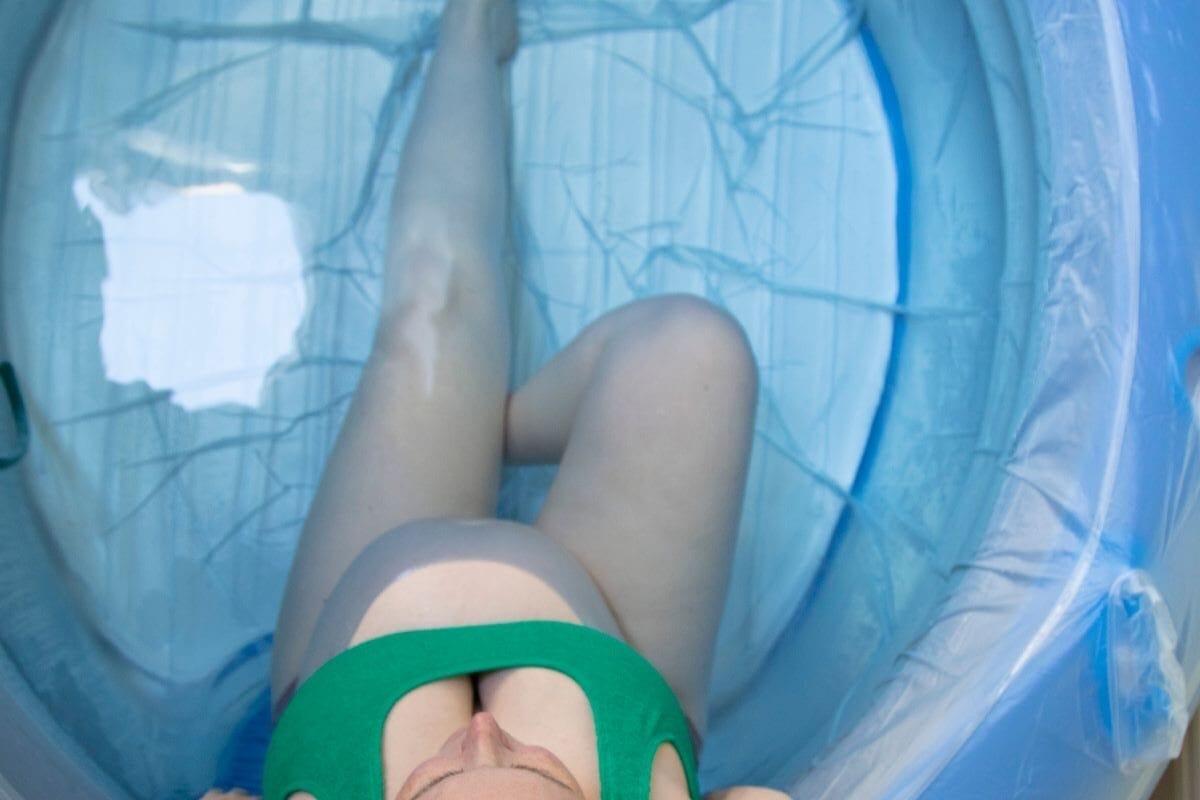
Birthing Pool Myths Debunked
Waterbirth is an exciting option for many expectant parents, but it’s also surrounded by myths and misconceptions. To help you make an informed decision, let’s debunk some of the most common myths about waterbirthing tubs.
Myth 1: Any Inflatable Pool Can Be Used as a Birthing Pool
Indeed, inflatable pools are commonly used for waterbirths, but not all inflatable pools are suitable for labor and delivery. A water birthing pool is specifically designed to meet the needs of both mother and baby during childbirth, offering features such as proper depth, durable materials, and ease of sanitation. Generic inflatable pools may lack the support, stability, and safety features required for a smooth waterbirth experience.
The truth:
water birthing pools are purpose-built with safety, comfort, and hygiene in mind. It’s crucial to use a tub designed for labor, which provides the necessary depth, buoyancy, and structural support.
Myth 2: Waterbirthing Tubs Are Difficult to Set Up and Maintain
Some people assume that water birthing pools are complicated to set up or maintain, but this is far from the truth. While there are some setup steps to consider, most tubs are designed to be user-friendly and easy to handle. Inflatable tubs are particularly easy to inflate and fill, and many come with handy features like built-in pumps and hoses.
The truth:
Setting up a water birthing pool is relatively simple, especially with rental companies that offer delivery and setup. Regular maintenance mainly involves cleaning and disinfecting, which is no different from any other birthing equipment. Be sure to follow the manufacturer’s guidelines for proper care.
Myth 3: Waterbirthing Tubs Are Only for Home Births
While waterbirth is a popular choice for home births, water birthing pools are used in many other settings, including birthing centers and hospitals. Some hospitals even have special birthing suites equipped with water birthing pools, allowing you to labor in water and then transition to the bed for delivery if needed. You don’t have to give birth at home to enjoy the benefits of a waterbirth tub.
The truth:
water birthing pools are available in various settings, and many hospitals or birthing centers can accommodate waterbirths. If you’re considering a waterbirth, consult with your healthcare provider to see if this option is available at your chosen birth facility.
Myth 4: Waterbirths Are Only for Low-Risk Pregnancies
Some believe that waterbirths are only for low-risk pregnancies, but water birthing can be a safe option for many women, including those with moderate risk factors. However, it’s essential to consult with your midwife, doula, or doctor to ensure it’s a safe choice for you. There are instances where waterbirth might not be recommended, such as with certain complications or conditions that may require monitoring or interventions.
The truth:
While waterbirths are not suitable for all situations, many women with low to moderate-risk pregnancies can safely labor in water. Always consult your healthcare provider for guidance on whether water birthing is a safe option for you.
By addressing these myths, we hope you can make a more informed decision about whether a water birthing pool is right for you. Understanding the truth behind these misconceptions can help you feel more confident and prepared for your waterbirth experience.
Is a Birthing Pool Right for You?
Choosing the right water birthing pool is essential for a comfortable and positive birth experience. Whether you’re planning a home water birth or laboring in a birthing center, the right tub can enhance relaxation, provide pain relief, and offer flexibility during labor. Consider factors like size, material, ease of setup, and hygiene when making your choice. Consult with your healthcare provider to ensure the tub aligns with your birth plan and safety needs.
Investing in a water birthing pool—whether renting or purchasing—can help create a supportive environment for labor and delivery. With the right preparation and guidance, a waterbirth can be a deeply empowering and soothing experience.
FAQs
What are the benefits of water immersion during labor and birth?
Water immersion can significantly help with pain during labor and birth. The buoyancy provided by a tub filled with warm water makes it easier to move and adjust positions, reducing pressure on the body and enhancing comfort. Research, including studies from the Cochrane Database of Systematic Reviews, highlights improved maternal and neonatal outcomes when water immersion is part of the birthing plan.
What is the recommended temperature of the water for labor and birth?
The temperature of the water should be carefully maintained to ensure safety and comfort for both the birthing person and the baby. Guidelines from the American College of Obstetricians, the Royal College of Obstetricians, and the NHS Trust recommend warm but not overly hot water, typically between 36°C and 37°C, to prevent overheating.
Is giving birth in water safe for my baby?
Yes, giving birth in water is generally safe for healthy pregnancies. Organizations like the National Institute for Health and Care Excellence and the College of Midwives recognize the benefits of water during labor. However, the baby is born in water only under professional supervision, with protocols in place to ensure safety.
Can water immersion help with the delivery of the placenta?
The use of water during labor provides relaxation and comfort, but the delivery of the placenta often occurs outside the tub to allow for closer monitoring of maternal health. Midwifery practices and popular birthing protocols vary, so consulting with your maternity care provider is essential.
Where can I access water birthing facilities?
Many birth centers and hospitals offer professional-grade birthpools or poolkits designed for water immersion during labor. Check with your local NHS Trust, maternity care provider, or birthing center to confirm availability. For home births, you can purchase or rent a poolkit specifically designed for waterbirths.
What does the research say about waterbirths?
According to the Cochrane Database of Systematic Reviews and guidance from the Institute for Health and Care Excellence, immersion in water during labor can lead to positive maternal and neonatal outcomes. It also makes it easier to move around, which can improve overall comfort and progression during labor.
Who can assist with waterbirths?
Midwives and other professionals trained in waterbirth are the best resources. The College of Obstetricians and Gynecologists and the College of Midwives emphasize the importance of qualified supervision to ensure safety during waterbirths. Always consult your maternity care team for guidance.
CONNECT WITH DAILY MOM
💖 NEWSLETTER: DAILY READS IN YOUR INBOX 💖
Sign up to receive our picks for the best things to do, see and buy so you can relax and focus on more important tasks! Let us help you be the best version of yourself you can be!
BE SOCIAL WITH US
📌 LOVE IT? PIN IT!📌