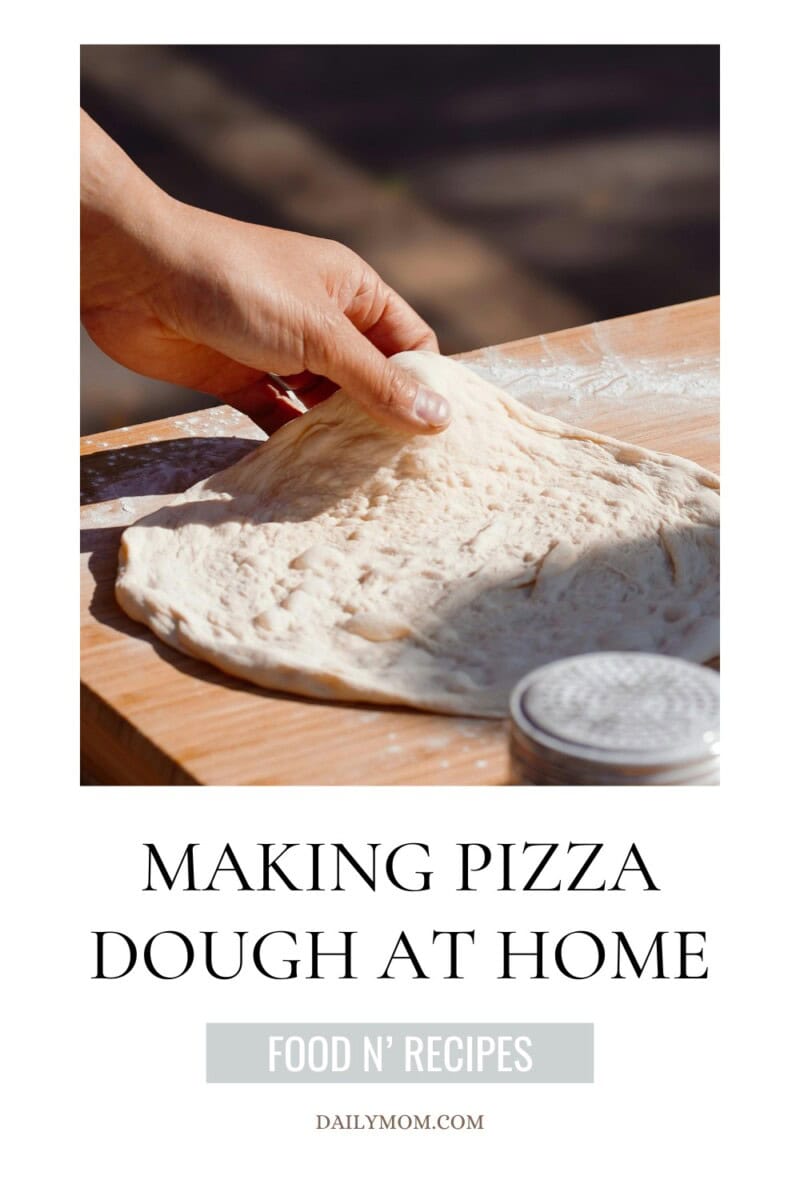





























Nothing beats the aroma of fresh pizza baking in your oven, especially when it starts with homemade pizza dough that you crafted from scratch. While ordering takeout seems convenient, making your own pizza dough at home delivers superior flavor, better texture, and complete control over ingredients. This comprehensive guide reveals the secrets to creating the best pizza dough recipe that transforms simple pantry staples into restaurant-quality pizza crust.
Whether you’re a complete beginner or looking to perfect your technique, this easy homemade pizza dough recipe breaks down every step into manageable parts. You’ll discover why homemade consistently outperforms store-bought options, master essential techniques for perfect fermentation, and learn professional tips that guarantee success every time. The journey from flour to finished pizza becomes surprisingly simple when you understand the fundamentals.
What Makes the Best Pizza Dough?
Creating exceptional pizza dough starts with understanding what separates great crust from mediocre results. The best pizza dough achieves the perfect balance of texture, flavor, and workability that makes every bite memorable.
Outstanding pizza dough exhibits three key characteristics: a crispy exterior that provides satisfying crunch, a chewy interior with just enough bite, and an airy structure filled with small, irregular holes. This combination creates the ideal base for any pizza topping combination. The crust should support toppings without becoming soggy while maintaining enough flexibility to fold without cracking.
Homemade pizza dough surpasses commercial alternatives in every category. Store-bought versions often contain preservatives and stabilizers that compromise flavor and texture. When you make pizza dough from scratch, every ingredient serves a specific purpose in developing taste and structure. The fermentation process that occurs during rising creates complex flavors that simply cannot be replicated in mass-produced dough.
Setting realistic expectations helps beginners avoid common frustrations. Your first few attempts might not rival your favorite pizza restaurant immediately, but the improvement curve is steep. Each batch teaches valuable lessons about dough handling, timing, and technique that build toward consistent excellence.
How Do You Make Pizza Dough with Basic Ingredients?
The foundation of any great pizza dough recipe lies in understanding how each ingredient contributes to the final result. Flour provides the structural backbone, while yeast creates the rise and develops flavor through fermentation.
Flour selection dramatically impacts your pizza crust quality and texture. Bread flour contains higher protein content (12-14%) compared to all-purpose flour (10-12%), creating stronger gluten networks that produce chewier, more substantial crust. All-purpose flour works perfectly well for beginners and creates tender, softer pizza bases. Many professional pizzaiolos blend both types to achieve specific texture goals.
Yeast choices include active dry yeast and instant yeast, each with distinct characteristics:
- Active dry yeast requires proofing in warm water before mixing
- Instant yeast can be mixed directly with dry ingredients
- Both types produce excellent results when used correctly
- Instant yeast works slightly faster than active dry varieties
Salt enhances flavor while strengthening gluten structure and controlling fermentation speed. Water temperature affects yeast activity – too hot kills yeast, while too cool slows activation. A small amount of olive oil adds richness and improves dough handling characteristics.
What’s the Best Pizza Dough Recipe for Beginners?
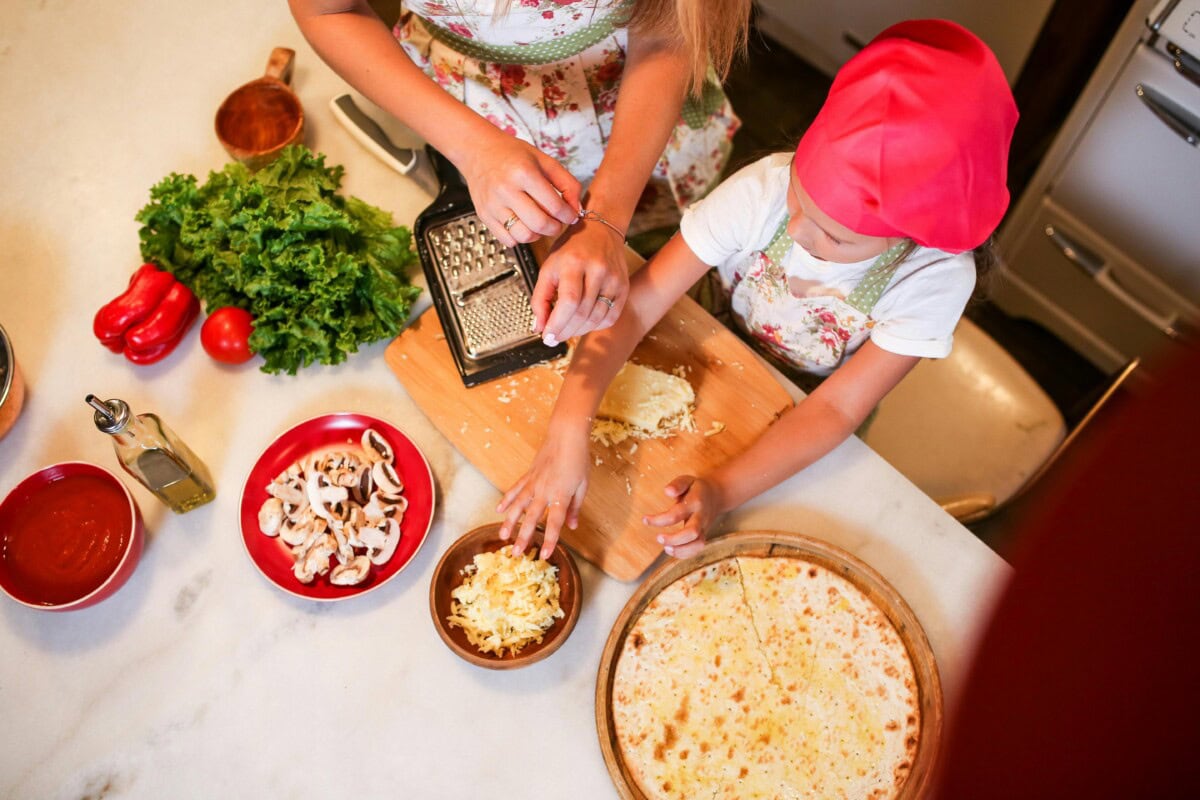
This best pizza dough recipe creates enough dough for two 12-inch pizzas and uses straightforward techniques that guarantee success. The ingredient ratios have been tested countless times to produce consistent, delicious results.
Essential Ingredients:
- 3 cups bread flour (or all-purpose flour)
- 1 teaspoon active dry yeast
- 1 teaspoon salt
- 1 tablespoon olive oil
- 1 cup warm water (110°F)
This recipe works because the ratios create optimal hydration levels while providing enough structure for easy handling. The moderate hydration (about 67%) produces dough that’s neither too sticky nor too stiff. Professional bakers often adjust hydration based on flour type and environmental conditions, but this base recipe accommodates most variables.
Scaling this pizza dough recipe for different batch sizes follows simple multiplication. Double all ingredients for four pizzas, or halve everything for a single pizza. The fermentation timing remains consistent regardless of batch size, though larger quantities may require bigger mixing bowls and longer kneading times.
How Do You Make Easy Homemade Pizza Dough?
The easy homemade pizza dough method streamlines traditional bread-making techniques without sacrificing quality. This approach works perfectly for busy schedules while still producing exceptional results.
Simplified mixing process eliminates complicated steps: combine dry ingredients in a large bowl, create a well in the center, add liquids, and stir until a shaggy dough forms. It’s easy to make when you focus on bringing ingredients together rather than achieving perfection immediately. The dough will still be slightly rough at this stage, which is completely normal.
No-knead variations save time while developing flavor through extended fermentation. Mix ingredients until just combined, cover tightly, and let time do the work. This technique requires 12-24 hours of slow fermentation but produces incredibly flavorful results with minimal hands-on effort. The long, slow rise develops complex flavors that rival traditional kneading methods.
Essential tools include:
- Large mixing bowl
- Measuring cups and spoons
- Clean kitchen towel or plastic wrap
- Pizza pan or baking sheet for final baking
Don’t have a pizza stone? A regular pizza pan or baking sheet works perfectly well. Preheat your chosen baking surface for crispier bottom crusts, or start with room temperature pans for softer results.
How Do You Make Pizza Dough Step-by-Step?
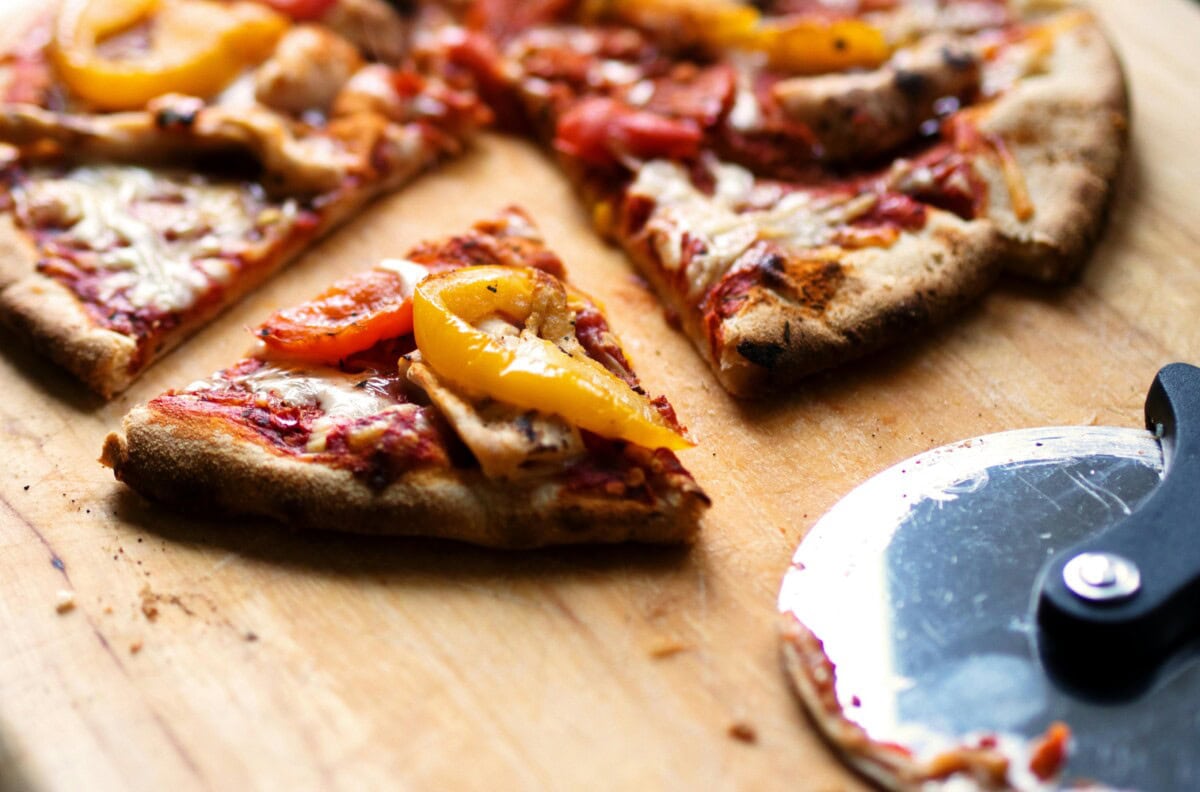
Learning to make pizza dough successfully requires understanding each phase of the process. Mix the dough components systematically to ensure even distribution and proper gluten development.
Hand mixing technique: Start by combining flour, salt, and yeast in a large bowl. Create a well in the center and pour in warm water and olive oil. Using a wooden spoon or your hands, gradually incorporate flour from the edges until a rough dough forms. Turn the dough out onto a lightly floured surface for kneading.
Kneading develops gluten structure that gives pizza crust its characteristic chewiness. Push the dough away from you with the heel of your hand, fold it back over itself, rotate quarter-turn, and repeat. Continue for 8-10 minutes until the dough is smooth and elastic. Properly kneaded dough springs back when poked gently.
Stand mixer method: Use a mixer fitted with a dough hook attachment for easier preparation. Fitted with a dough hook, the mixer handles heavy lifting while you monitor consistency. Mix on low speed for 2-3 minutes until ingredients combine, then increase to medium-low for 5-6 minutes until smooth. The dough will still be slightly tacky but shouldn’t stick excessively to the bowl.
Window pane test confirms proper gluten development: stretch a small piece of dough until thin enough to see light through. Well-kneaded dough stretches without tearing, indicating sufficient gluten formation.
Why Should You Let the Dough Rise?
Dough rise transforms dense, heavy mixture into light, airy pizza crust through yeast fermentation. Let the dough rise properly for optimal flavor development and texture improvement.
Allow the dough to rise in a warm, draft-free environment for best results. Ideal rising temperature ranges between 75-80°F, which encourages steady yeast activity without overproofing. Place the dough inside an oiled bowl, cover with damp towel or plastic wrap, and let double in size. This process typically takes 1-2 hours depending on ambient temperature.
Temperature dramatically affects rising time and flavor development. Warmer environments speed fermentation but may compromise flavor complexity. Cooler temperatures slow the process while allowing more nuanced flavors to develop. Many bakers prefer longer, cooler rises for superior taste.
Benefits of proper fermentation include:
- Enhanced flavor complexity through enzyme activity
- Improved digestibility from partially broken-down proteins
- Better texture from well-developed gluten networks
- Increased crust browning from available sugars
Pizza dough in the refrigerator continues slow fermentation while maintaining workability. Cold fermentation for 24-72 hours produces incredibly flavorful results that rival professional pizzerias. The dough to prevent overproofing by monitoring size rather than relying solely on timing.
How Do You Make the Dough Ahead of Time?
Make the dough in advance for convenient meal planning and improved flavor development. Proper storage techniques maintain dough quality while fitting busy schedules.
Refrigerator storage method: After initial rising, punch down dough to release gases and divide the dough in half for easier handling. Shape each portion into a ball, coat lightly with olive oil, and store in covered containers. Properly stored pizza dough remains viable for up to three days while continuously developing flavor.
Cold fermentation enhances taste complexity through slower enzyme activity and extended yeast metabolism. The dough in half portions become easier to work with after chilling, as cooler temperatures make stretching more manageable. Remove from refrigerator 30-60 minutes before shaping to allow slight warming.
Freezer storage extends shelf life up to three months:
- Shape dough into balls and freeze on parchment-lined trays
- Transfer frozen dough ball portions to airtight containers
- Thaw overnight in refrigerator before using
- Bring to room temperature before shaping
Ball of dough portions thaw evenly when removed from freezer 24 hours before needed. This timing allows gradual temperature adjustment without shocking the yeast or affecting texture quality.
What’s the Best Way to Shape Pizza and Prepare Your Pizza Pan?
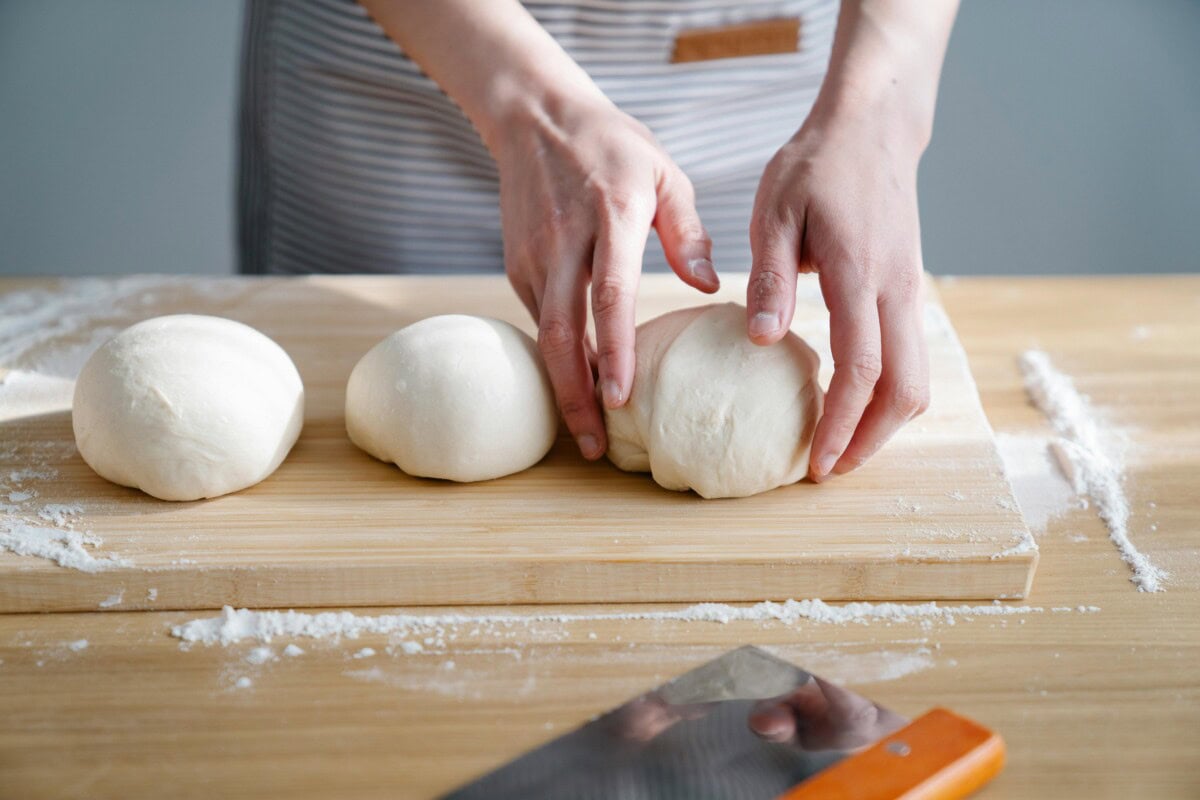
Shaping pizza dough properly creates even thickness and prevents tearing during the stretching process. Stretch the dough gradually using gentle, consistent pressure rather than aggressive pulling.
Hand stretching technique produces superior results compared to rolling pins, which can compress air bubbles and create dense crust. Start by flattening the dough ball into a disc, then work from the center of the dough outward using fingertips. Gradually stretch while rotating, allowing gravity to help extend the dough naturally.
Professional shaping tips for consistent results:
- Keep hands lightly floured to prevent sticking
- Work on a clean, lightly floured surface
- Maintain even pressure to avoid thin spots
- Edge of the dough should remain slightly thicker for crust formation
Pizza pan preparation affects bottom crust texture significantly. Lightly oil the pizza pan or baking sheet to prevent sticking while promoting browning. Using a pizza stone requires preheating for 30-45 minutes at maximum oven temperature. Pizza stone in the oven creates professional-quality crispy bottoms that rival commercial ovens.
Parchment paper alternatives work when you don’t have a pizza stone or prefer easier cleanup. The paper handles initial baking but should be removed halfway through for direct crust contact with the pan.
How Do You Assemble the Perfect Pizza Recipe?
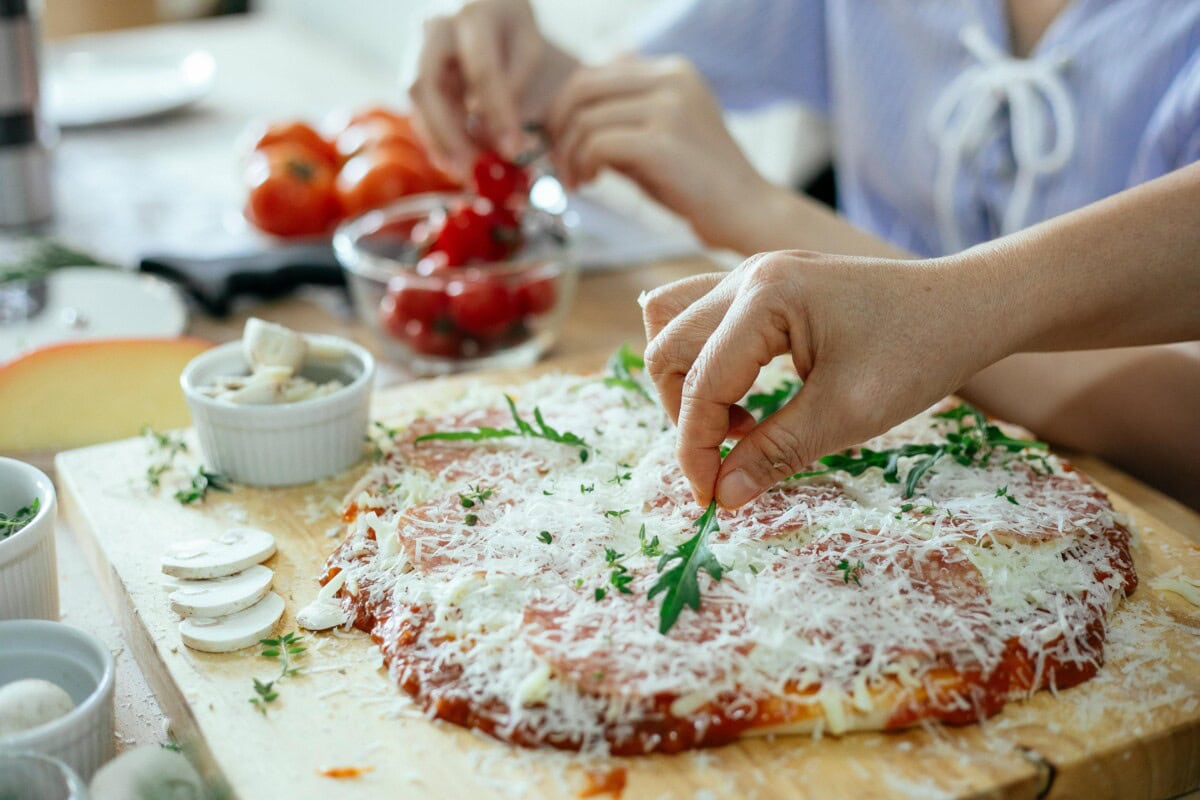
Building the perfect pizza recipe requires understanding how ingredients interact during baking. Pizza sauce application, cheese distribution, and pizza topping placement all affect final results.
Sauce spreading technique influences crust quality significantly. Apply thin, even layers leaving a border for crust formation. Too much pizza sauce creates soggy bottoms, while too little results in dry, bland pizza. Spread sauce using the back of a spoon in circular motions from center outward.
Cheese selection and placement strategies:
- Fresh mozzarella requires pre-draining to prevent excess moisture
- Low-moisture mozzarella melts consistently without watering out
- Blend different cheeses for complex flavors
- Dough to prevent bubbling by pricking large air pockets before adding toppings
Pizza topping order matters for even cooking and optimal texture. Place moisture-heavy vegetables like mushrooms or tomatoes directly on sauce, add proteins next, and finish with cheese on top. This layering prevents sogginess while ensuring even heating throughout.
Preventing soggy bottom crust requires balancing moisture levels and using proper baking techniques. Pre-bake crust for 3-4 minutes before adding toppings, or brush the surface of the dough with olive oil to create a moisture barrier.
How Do You Bake the Pizza for Perfect Results?
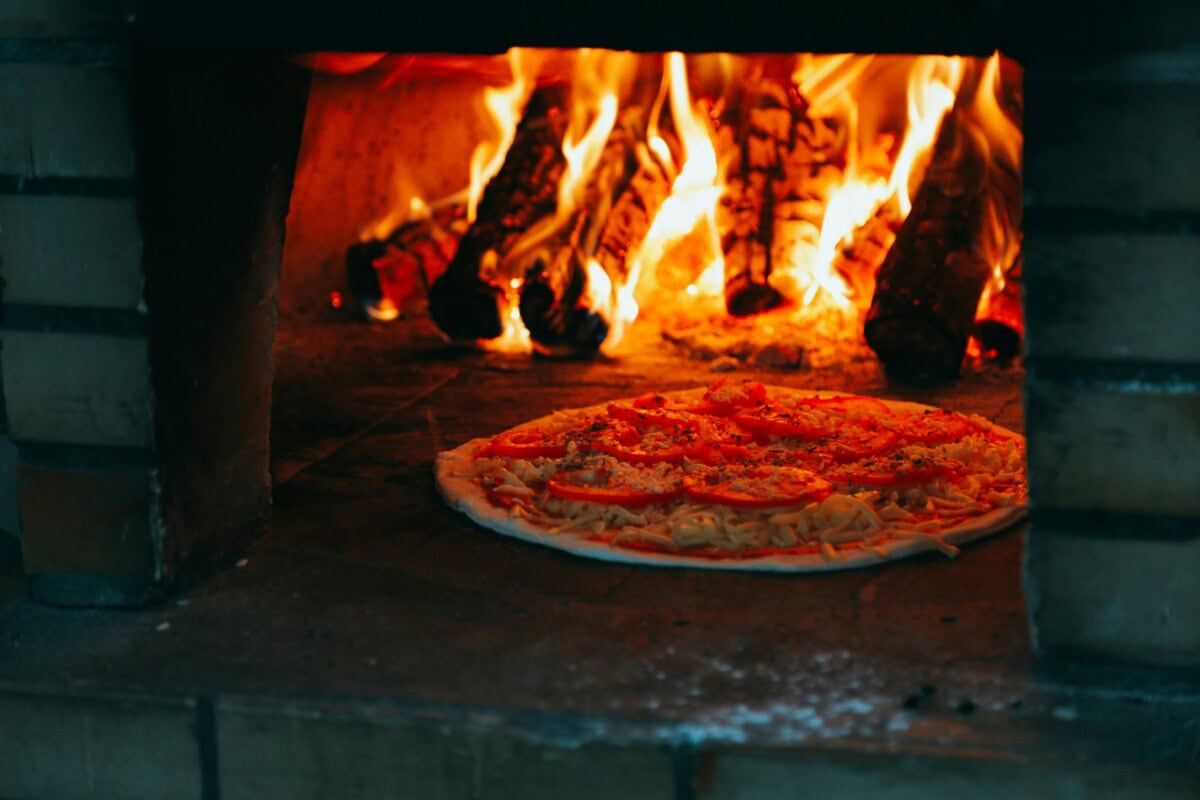
Bake the pizza at high temperatures for optimal crust development and proper cheese melting. Home ovens require specific techniques to approximate commercial pizza oven results.
Optimal temperature settings range from 475-500°F for most home ovens, though some can handle higher temperatures. Bake pizza on the lowest oven rack for maximum bottom heat exposure. This positioning promotes proper crust browning while ensuring toppings cook evenly.
Timing guidelines for different crust thicknesses:
- Thin crust: 8-12 minutes
- Medium thickness: 12-15 minutes
- Thick crust: 15-20 minutes
- Neapolitan-style pizza: 90 seconds to 3 minutes at maximum temperature
Signs of perfectly made pizza include golden-brown crust edges, bubbling cheese, and slight charring on high-moisture toppings. The bottom should sound hollow when tapped gently, indicating proper moisture evaporation and crust development.
Pizza peel usage requires practice but dramatically improves results when using a pizza stone. Dust the peel with flour or cornmeal to prevent sticking, assemble pizza directly on the peel, and slide onto preheated stone with quick, confident motions.
What Are Easy Pizza Dough Recipe Variations?
Easy pizza dough recipe variations accommodate different dietary needs and flavor preferences while maintaining the basic technique foundation. These modifications prove that versatility doesn’t require complexity.
Whole wheat pizza dough substitutes half the white flour with whole wheat varieties for increased fiber and nutty flavor. This pizza dough recipe requires slightly more water due to whole wheat’s higher absorption rate. The dough is too wet initially but firms up during kneading as the bran particles hydrate fully.
Gluten-free alternatives use specialized flour blends that mimic wheat flour behavior:
- Almond flour and tapioca starch combinations
- Rice flour and potato starch blends
- Commercial gluten-free flour mixes with xanthan gum
- Recipe is easy to make with proper flour substitutions
Flavor enhancement options include herbs, garlic, and cheese additions mixed directly into the dough. Dried herbs integrate during mixing, while fresh herbs should be added after initial rise to prevent breakdown. These modifications create favorite pizza bases that complement specific topping combinations.
Regional style adaptations change hydration levels and fermentation timing. Neapolitan-style pizza uses higher hydration (70-75%) and longer fermentation for characteristic leopard-spotted crusts. Sicilian styles employ lower hydration and oil additions for thick, focaccia-like textures.
What Are Your Favorite Pizza Recipes Using Homemade Dough?
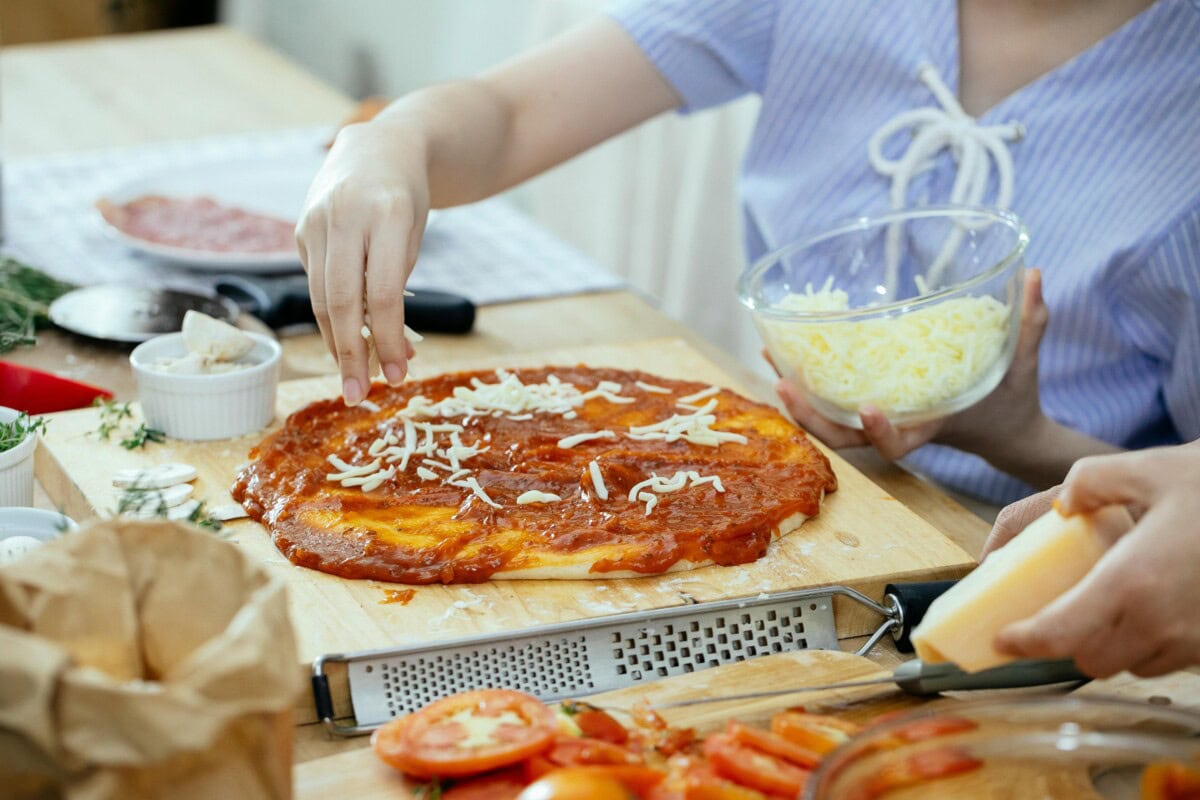
Favorite pizza recipes showcase how quality homemade pizza dough elevates simple ingredients into memorable meals. These combinations highlight different techniques and flavor profiles achievable with basic dough preparation.
Classic Margherita represents pizza perfection through simplicity and balance. Spread thin layer of crushed tomatoes seasoned with salt and basil, add fresh mozzarella pieces, and finish with fresh basil leaves after baking. This pizza recipe demonstrates how homemade pizzas surpass restaurant versions when using quality ingredients.
Gourmet combinations that work beautifully with homemade pizza dough:
- Prosciutto, arugula, and fresh ricotta with lemon zest
- Caramelized onions, goat cheese, and fresh thyme
- Roasted butternut squash, sage, and brown butter
- Pizza crust at home provides the perfect canvas for creative expression
Pepperoni and cheese crowd-pleasers remain popular for good reason – they showcase fundamental pizza principles while satisfying broad appeal. Use quality pepperoni that cups slightly during baking, creating little pools of flavorful oil that enhance the overall taste experience.
Seasonal topping inspirations take advantage of peak ingredient availability. Spring combinations feature asparagus and peas, summer highlights tomatoes and fresh herbs, fall embraces squash and mushrooms, while winter celebrates hearty root vegetables and preserved meats.
How Does Homemade Pizza Dough Compare to Frozen Pizza?
Homemade pizza dough versus frozen pizza comparison reveals significant differences in taste, texture, nutrition, and overall satisfaction. Understanding these contrasts helps justify the minimal extra effort required for homemade preparation.
Cost analysis strongly favors homemade preparation when calculated per serving. Basic ingredients for pizza dough cost roughly $0.50-0.75 per pizza, while frozen pizza options range from $3-8 each. The savings multiply quickly for families who enjoy regular pizza nights.
Quality differences become apparent immediately:
- Homemade pizza dough contains no preservatives or artificial additives
- Fresh preparation allows complete control over salt and fat content
- Texture surpasses frozen alternatives through proper fermentation
- Flavor complexity develops during rising process
Frozen pizza convenience appeals to busy schedules, but the time difference isn’t as dramatic as many assume. Make this easy pizza dough on weekends, store properly, and enjoy fresh pizza faster than delivery services on weeknight dinners.
When store-bought makes sense: extremely busy periods, camping trips, or feeding large groups with varied preferences. However, learn how to make pizza dough transforms these scenarios into opportunities for memorable cooking experiences rather than settling for inferior alternatives.
What Are the Best Pizza Dough Recipe Tips and Tricks?
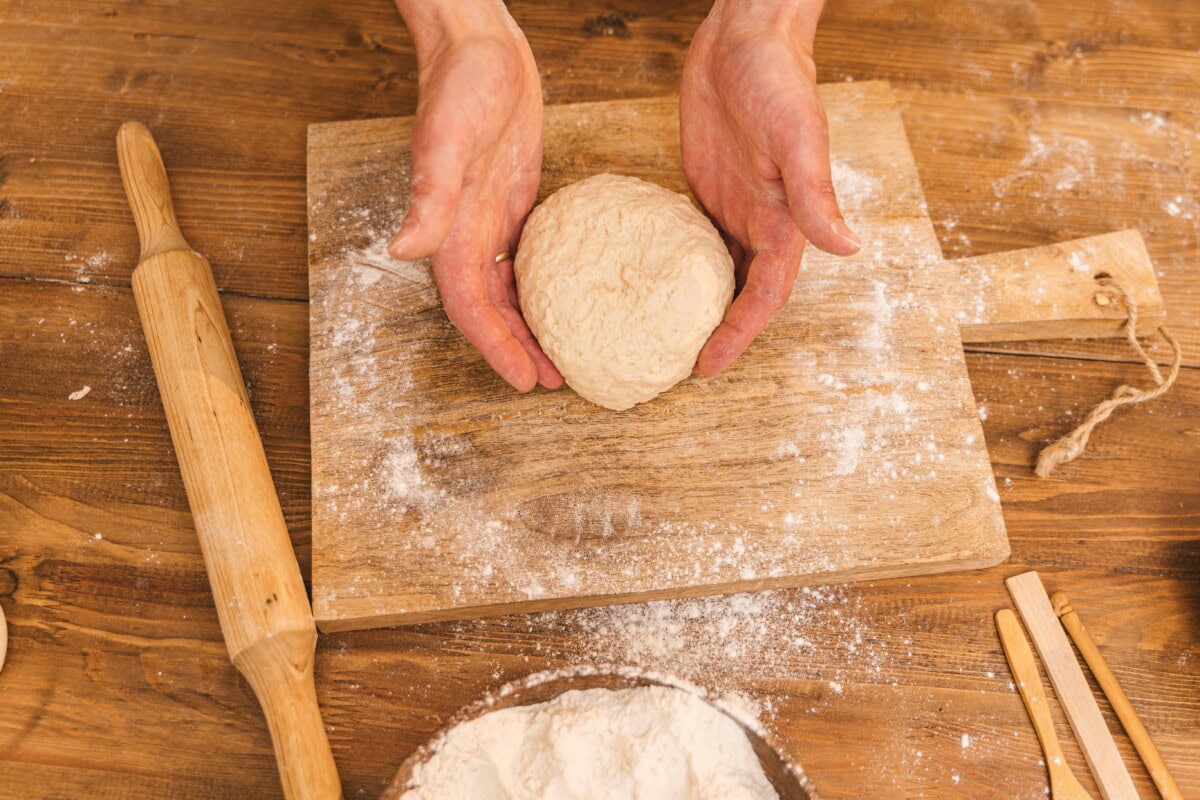
Best pizza dough recipe success depends on understanding professional techniques that guarantee consistent results. These insider secrets eliminate guesswork while improving outcomes dramatically.
Professional baker secrets for superior results:
- Dough with olive oil coating prevents surface drying during rises
- Salt addition timing affects gluten development – add after initial mixing
- Water temperature accuracy ensures optimal yeast activation
- Enough dough for two pizzas allows practice and comparison
Equipment recommendations that make a difference include digital scales for precise measurements, instant-read thermometers for water temperature, and quality mixing bowls that accommodate dough expansion. Mixer fitted with the dough hook attachment saves time and energy for regular pizza makers.
Timing strategies for busy weeknights involve weekend preparation and proper storage. Proceed with the recipe through the first rise, then refrigerate portions for use throughout the week. This approach provides fresh pizza in 30 minutes after work without compromising quality.
Meal prep applications extend beyond single pizzas. Recipe made in large batches and frozen in portions creates convenient bases for quick dinners, appetizer flatbreads, or creative leftover transformations.
How Do Pizza Dough Skills Transfer to Bread Making?
Bread making and pizza dough preparation share fundamental techniques that build upon each other naturally. Mastering pizza dough creates a foundation for exploring broader baking applications.
Gluten development principles remain consistent across most bread recipes, though hydration levels and fermentation timing vary. The kneading techniques, rise recognition, and shaping skills transfer directly to sandwich breads, dinner rolls, and artisan loaves.
Foundational skills that apply broadly:
- Yeast handling and activation techniques
- Temperature effects on fermentation timing
- Dough texture recognition and adjustment
- Purpose flour selection for different applications
Next steps for aspiring home bakers include focaccia, which uses similar dough with higher hydration and different shaping techniques. Breadsticks, calzones, and pizza pinwheels utilize the same base recipe with varied forming methods.
Equipment investments that pay off include stand mixers, digital scales, and proofing baskets that serve multiple baking applications. These tools improve consistency while expanding creative possibilities beyond basic pizza preparation.
How Do You Troubleshoot Common Pizza Dough Problems?
Sticky dough issues often result from excessive hydration or insufficient flour incorporation. Add flour gradually during kneading rather than dumping large amounts, which can create dense, heavy results. Environmental humidity affects flour absorption, requiring minor adjustments to achieve proper consistency.
Dense, heavy dough solutions typically involve insufficient kneading or inactive yeast. Fitted with the dough hook, stand mixers should run for adequate time to develop gluten structure fully. Test yeast viability by proofing in warm water with a pinch of sugar – active yeast foams within 5-10 minutes.
Common rising problems and solutions:
- Dough in the bowl not doubling indicates temperature or yeast issues
- Over-proofed dough collapses when touched gently
- Under-proofed dough feels dense and doesn’t stretch easily
- Dough to rise properly requires consistent temperature environments
Tearing during stretching suggests insufficient gluten development or overworked dough. Allow rest periods during shaping if resistance becomes too strong. Properly developed dough stretches easily without spring-back or tearing.
Burnt or undercooked results usually indicate oven temperature or positioning problems. Use oven thermometers to verify actual temperatures, as many home ovens run hot or cool. Adjust rack positioning and timing based on your specific oven characteristics.
Key Takeaways for Perfect Pizza Dough Success
Creating exceptional pizza dough at home becomes straightforward when you understand the fundamental principles and apply them consistently. These essential points ensure reliable results every time:
- Quality ingredients make dramatic differences – choose bread flour for chewier texture or all-purpose flour for tender crusts
- Proper fermentation develops flavor – let the dough rise fully for complex taste and improved digestibility
- Temperature control affects everything – monitor water temperature for yeast activation and rising environment for consistent timing
- Kneading technique builds structure – develop gluten properly through adequate mixing time and proper hand positioning
- Storage extends convenience – make ahead and refrigerate for improved flavor and meal planning flexibility
- High heat creates crispy crusts – bake pizza at maximum oven temperature with proper rack positioning
- Practice builds confidence – each attempt teaches valuable lessons about dough handling and timing
- Simple ingredients yield complex results – flour, yeast, salt, water, and oil create restaurant-quality foundations
- Timing flexibility accommodates schedules – easy to make variations work with busy lifestyles without sacrificing quality
- Homemade consistently surpasses commercial – control over ingredients and freshness makes the effort worthwhile
Making pizza dough at home transforms ordinary weeknight dinners into special occasions while building valuable baking skills. The satisfaction of creating homemade pizza from scratch, combined with superior taste and texture, makes this easy homemade pizza dough recipe an essential addition to any home cook’s repertoire.
FAQs
What type of flour is best for making pizza dough at home?
The best flour for making pizza dough is high-protein bread flour, as it provides a chewy texture and a sturdy crust. You can also use all-purpose flour if bread flour is not available, but the crust may be slightly less chewy.
How does yeast affect the pizza dough recipe?
Yeast is essential for making the dough rise and develop a light, airy texture. It ferments the sugars in the flour, producing carbon dioxide that causes the dough to expand. Using fast-acting or instant yeast can speed up the process of making this recipe.
Can I make this recipe without yeast?
While traditional pizza dough relies on yeast for leavening, you can make a quick crust recipe using baking powder as a leavening agent. However, the texture and flavor will differ from yeast-based dough.
What is the ideal resting time for pizza dough?
For optimal flavor and texture, it’s best to let the dough rest for at least 1-2 hours at room temperature. Alternatively, you can let it rise in the refrigerator for 24 hours to develop a richer flavor before using it to make this recipe.
How do I know when my pizza dough has risen enough?
The pizza dough is ready when it has doubled in size and feels light and airy to the touch. You can also perform the “poke test”—if the indentation from your finger remains and does not spring back, the dough is ready to use.
What ingredients do I need to make this pizza dough recipe?
To make this pizza dough recipe, you will need flour, yeast, water, salt, and a little olive oil. Optionally, you can add sugar to help activate the yeast and enhance the flavor.
Can I freeze pizza dough for later use?
Yes, you can freeze pizza dough. After the first rise, wrap the dough tightly in plastic wrap and place it in an airtight container. It can be frozen for up to 3 months. Thaw it in the refrigerator overnight before using it to make this recipe.
What are some tips for achieving a crispy crust when baking pizza?
To achieve a crispy crust, preheat your oven to a high temperature (around 475°F to 500°F) and use a pizza stone or a baking sheet. If using a stone, place it in the oven while it’s preheating to ensure it’s hot enough, which helps create a great crust when you bake your pizza.
How can I enhance the flavor of my pizza dough?
You can enhance the flavor of your pizza dough by adding herbs, garlic powder, or cheese to the dough itself. Also, allowing the dough to rise slowly in the refrigerator will develop deeper flavors, making your pizza even more delicious.
You might also be interested in…
Looking for new ways to incorporate pizza into your parties? Check out this link powerhouse pizza bites everyone will enjoy!
CONNECT WITH DAILY MOM
💖 NEWSLETTER: DAILY READS IN YOUR INBOX 💖
Sign up to receive our picks for the best things to do, see and buy so you can relax and focus on more important tasks! Let us help you be the best version of yourself you can be!
BE SOCIAL WITH US
📌 LOVE IT? PIN IT!📌