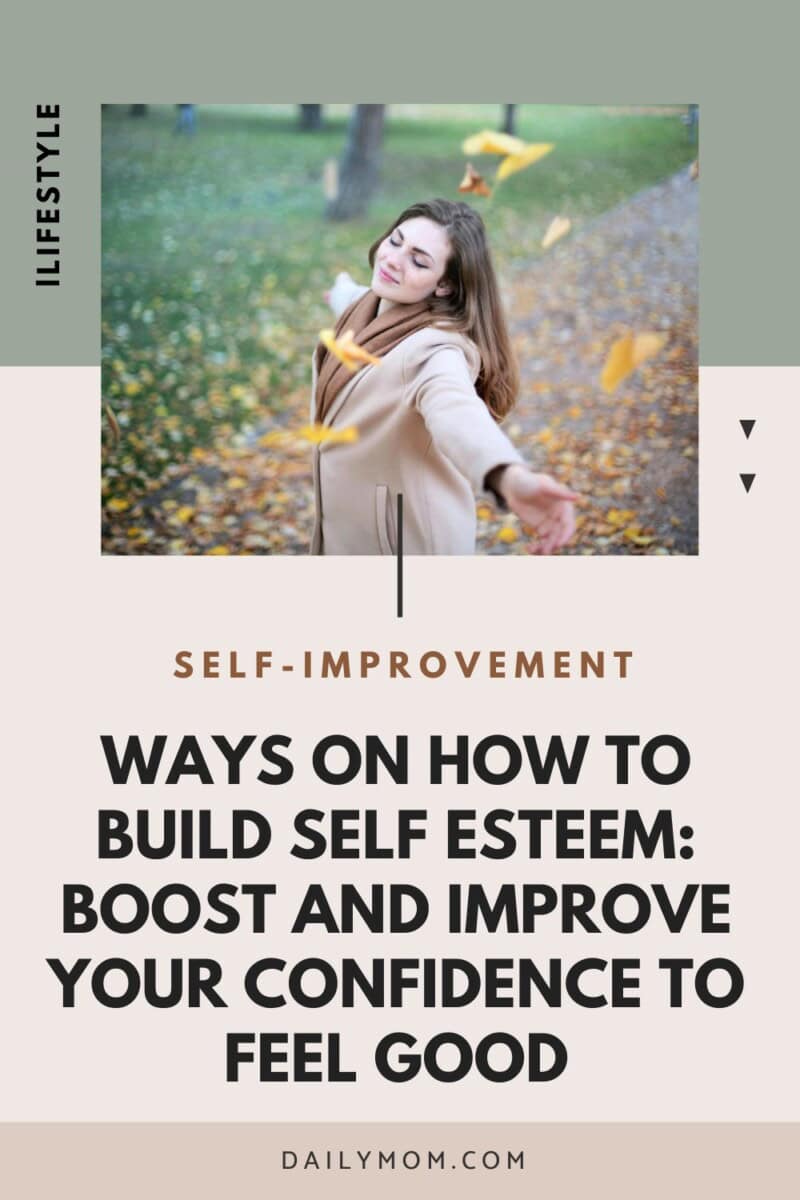





























Looking for real ways to boost confidence and build lasting self-worth? Let’s dive into what genuine self-esteem means in today’s world of likes and follows and how it makes people feel. This guide offers practical steps to develop unshakeable self-worth that doesn’t depend on others’ approval. Learning how to build self esteem is one of the most important foundations you can set up, not only for yourself, but your children!
What Does Healthy Self-Esteem Really Mean in Today’s World?
Think of self-esteem as your emotional foundation – not just how you feel about yourself on good days, but your core sense of self-worth. From children’s unknown feelings to the mature conversations from adults. Unlike the superficial confidence that comes from social media validation, authentic self-esteem runs much deeper.
- Authentic self-esteem means:
- Accepting both strengths and areas for growth
- Maintaining worth regardless of external feedback
- Believing in your ability to handle life’s challenges
- Setting healthy boundaries without guilt
- Taking a step back to evaluate all options
- Signs of healthy self-esteem include:
- Speaking up for your needs without being dismissive of others
- Taking reasonable risks outside your comfort zone
- Bouncing back from setbacks without harsh self-judgment
- Celebrating others’ successes without feeling threatened
The modern challenge lies in separating true self-worth from the constant stream of social validation. While what a quick boost might feel like from getting likes on a post, authentic confidence develops through real-world experiences, self-compassion, and meaningful connections.
- Key differences between authentic and superficial confidence:
- Authentic confidence persists through setbacks
- Real self-esteem focuses on growth rather than perfection
- Genuine self-worth comes from within, not external validation
- True confidence allows vulnerability without feeling threatened
How to Recognize When Self-Esteem Needs a Boost: The Tell-Tale Signs

Ever catch yourself downplaying achievements or feeling like an imposter? These moments might signal that your self-esteem could use some tender loving care. Recognizing these patterns is when you start to notice more positive behaviors.
Think of low self-esteem like a pair of scratched glasses – it distorts how you see yourself and the world around you. The good news? Once you identify these patterns, you can start cleaning those lenses.
- Common signs your self-esteem might need attention:
- Apologizing for things that aren’t your fault
- Avoiding challenges due to fear of failure
- Difficulty accepting compliments (“Oh, this old thing?”)
- Comparing yourself to others and always coming up short
- People-pleasing to the point of exhaustion
The Root Causes: Where Does Low Self-Esteem Come From?
Remember those childhood experiences that felt small at the time? Whether it was a dismissive comment from a teacher or constantly being compared to siblings, these moments can stack up like building blocks, forming the foundation of how we view ourselves later in life.
- Key factors that can affect self-esteem development:
- Early childhood messages about worth and ability
- Past relationships and social experiences
- Academic or professional setbacks
- Family dynamics and parenting styles
- Cultural and societal pressures
- Traumatic experiences or ongoing stress
Breaking Free from Negative Self-Talk
That little voice in your head that loves to point out flaws? It’s time to give it a major reality check. Negative self-talk often becomes such a familiar background noise that it feels normal – but it doesn’t have to stay that way. Our goal after reading this is before you began negative self-talk, you will think differently next time.
- Strategies to challenge negative self-talk:
- Catch yourself in the act – notice when criticism starts
- Ask “Would I say this to a friend?”
- Replace “always” and “never” with more realistic terms
- Keep a “wins journal” to track daily accomplishments
- Practice self-compassion when things don’t go as planned
The journey from low to healthy self-esteem isn’t about becoming perfect – it’s about becoming perfectly okay with being human. Be the type of friend for others that you wish they were with you! Each small step toward self-acceptance builds momentum for bigger changes ahead.
- Quick confidence boosters to try today:
- Write down three things you handled well this week
- Take on a small challenge outside your comfort zone
- Celebrate a recent win, no matter how tiny it seems
- Practice saying “thank you” instead of deflecting compliments
- Set one boundary that honors your needs
Remember: Building self-esteem is like tending a garden – it takes time, consistent care, and the right tools. The next sections will explore specific strategies to nurture your self-worth and help it flourish.
The 7 Core Pillars For How to Build Self Esteem: Your Blueprint for Inner Strength


Ready to roll up those sleeves and get to work on building rock-solid self-esteem? These seven pillars aren’t just theory – they’re practical stepping stones to help transform how you view yourself. Think of them as your personal construction project, except instead of bricks and mortar, you’re building with habits and mindsets.
1. Self-Awareness and Acceptance: Getting Real with Yourself
Let’s start with the foundation. Self-awareness isn’t about picking apart every flaw – it’s about seeing yourself clearly, warts and wonderful bits alike. Consider it your personal truth-finding mission.
- Keys to developing self-awareness:
- Schedule regular “check-in” moments with yourself
- Notice patterns in your reactions to different situations
- Pay attention to what energizes vs. drains you
- Recognize your values and non-negotiables
2. Goal-Setting That Actually Works
Gone are the days of vague “be better” resolutions. The trick is setting goals that stretch you just enough to grow, but not so much that they snap your confidence like a rubber band.
- Smart goal-setting strategies:
- Break big dreams into bite-sized actions
- Celebrate small wins along the way
- Keep evidence of progress (photos, journals, charts)
- Adjust goals without abandoning them
3. Boundaries: Your Self-Esteem’s Best Friend
Think of boundaries as your personal property lines – they show where you end and others begin. Without them, you’re basically running a 24/7 open house for everyone else’s needs and opinions.
- Essential boundary-setting practices:
- Start small with “soft no’s” in safe situations
- Use “I” to express your needs
- Practice phrases like “I’ll need to think about that”
- Honor your own limits as much as others’
4. Self-Compassion: Your Inner Cheerleader
Remember that friend who always knows what to say when things go sideways? Time to become that friend to yourself. Self-compassion isn’t about letting yourself off the hook – it’s about staying on your own team.
5. Building Competence Through Learning
Nothing boosts confidence quite like knowing your stuff. But here’s the twist – the goal isn’t perfection, it’s progress. Each new skill or bit of knowledge is another deposit in your self-esteem bank account.
6. Nurturing Positive Relationships
Want to know a secret? Self-esteem often grows faster in good company. Surrounding yourself with people who get you and support your growth is like having a personal greenhouse for your confidence.
7. Developing a Growth Mindset
Last but definitely not least – adopting a growth mindset means seeing challenges as opportunities rather than threats. It’s about believing that your abilities can improve with effort, rather than being set in stone.
- Daily practices for growing your mindset:
- Replace “I can’t” with “I can’t yet”
- View mistakes as learning data, not personal failures
- Seek feedback as a tool for growth
- Challenge yourself to try one new thing weekly
Remember: These pillars work together like a team. You don’t have to perfect them all at once – even small improvements in one area can create positive ripples throughout your self-esteem journey.
Build Self-Esteem From Low to High: Your Personal Transformation Roadmap


Ever wonder why some days you feel on top of the world, while others have you questioning every life choice? Let’s map out the journey from shaky self-worth to unshakeable confidence. Spoiler alert: it’s more like a cross-country road trip than a quick drive to the grocery store.
Where Are You Now? Taking Your Self-Esteem Temperature
Before jumping into the transformation process, it helps to know your starting point. Think of it like using GPS – you need both your current location and destination to plot the best route.
- Signs you’re ready for change:
- Finding yourself stuck in the same emotional patterns
- Feeling drained after social interactions
- Realizing your comfort zone has become a cage
- Noticing how often you discount your own needs
- Yearning for more authentic connections
Creating Your Personal Action Plan for High Self-Esteem
Time to get specific about building that confidence muscle. The key? Breaking down big changes into manageable steps that don’t send your inner critic into panic mode.
- Daily confidence-building habits:
- Start mornings with a power pose (yes, really!)
- Keep a “wins” journal by your bedside
- Practice one small act of self-advocacy
- Set healthy limits in low-stakes situations
- Celebrate small victories without downplaying them
Measuring Progress Without the Numbers Game
Here’s where things get interesting – how do you measure something as intangible as self-esteem? While you can’t exactly whip out a confidence calculator, there are some pretty reliable indicators of growth.
- Signs your self-esteem is growing:
- Speaking up more often in meetings
- Taking healthy risks without excessive self-doubt
- Bouncing back faster from setbacks
- Feeling comfortable with both giving and receiving help
- Noticing less need for external validation
Building Sustainable Confidence
Think of sustainable confidence like a well-built house – it needs a solid foundation, regular maintenance, and occasional updates. Once you find something that went well, make sure to notate it for the future. One foundation can show you the groundwork for foundations in other aspects of your life. The goal isn’t to become permanently immune to self-doubt (spoiler: that’s not a thing), but to build resilience that withstands life’s storms.
- Keys to lasting confidence:
- Develop routines that reinforce self-worth
- Create a support network of genuine cheerleaders
- Learn to distinguish between helpful and harmful feedback
- Practice self-compassion during setbacks
- Keep expanding your comfort zone gradually
Remember: Transformation isn’t about becoming a different person – it’s about becoming more authentically yourself. Each step forward, no matter how small, counts as progress on this journey.
Mastering the Art of Positive Self-Talk: Your Inner Dialogue Makeover

Let’s talk about that voice in your head – you know, the one that has opinions about everything you do. While you can’t exactly put it on mute, you can teach it to become your biggest supporter instead of your harshest critic.
Reframing Negative Thoughts: The Mental Flip Challenge
Think of negative thoughts like spam emails – they might flood your inbox, but you don’t have to open them. Better yet, you can set up filters to catch them before they affect your mental inbox.
- Common thought traps and how to flip them:
- “I always mess things up” → “I’m learning and growing from each experience”
- “They’ll think I’m stupid” → “Everyone starts somewhere, and my input has value”
- “I’ll never be good enough” → “I’m making progress at my own pace”
- “Why even try?” → “What’s the smallest step I can take right now?”
Daily Affirmations That Don’t Feel Cheesy
Forget those generic “I am amazing” phrases. The secret to affirmations that actually work? Making them specific, believable, and true to your experience.
- Creating authentic affirmations:
- Base them on real achievements, no matter how small
- Focus on growth and effort rather than perfection
- Keep them in present tense
- Make them action-oriented
- Connect them to your personal values
The Art of Self-Dialogue: Becoming Your Own Best Friend
What if you spoke to yourself like someone you deeply respect and care about? Not in a fake, sugary-sweet way, but with genuine understanding and encouragement.
- Techniques for healthier self-dialogue:
- Use your name when talking to yourself (it creates helpful distance)
- Ask “What would I tell a friend in this situation?”
- Replace absolute words (“never,” “always”) with more balanced language
- Acknowledge feelings without letting them drive the car
- Add “yet” to the end of limiting statements
Creating Your Personal Pep Talk Playlist
Just like you might have different playlists for various moods, it helps to have different types of self-talk ready for different situations.
- Situations and their corresponding pep talks:
- Before challenges: “I’ve prepared for this, and I can handle whatever comes up”
- After setbacks: “This is temporary, and I’m learning from it”
- During uncertainty: “I’ve navigated new situations before, and I can do it again”
- When feeling overwhelmed: “I can take this one small step at a time”
Remember: Changing your inner dialogue isn’t about positive thinking 24/7 – it’s about developing a more balanced, supportive relationship with yourself. Some days will still be harder than others, and that’s perfectly normal.
Taming Your Inner Critic: From Harsh Judge to Wise Mentor
Ever notice how that inner critic seems to have a PhD in pointing out flaws? Let’s get to know this vocal roommate in your head and transform it from a harsh judge into a constructive advisor.
Understanding Your Inner Critic’s Origin Story
That critical voice didn’t just appear out of nowhere – it often develops as a protective mechanism, like an overzealous security guard who never got the memo that the threat level has changed.
- Common sources of critical self-talk:
- Well-meaning but perfectionist parents
- Past experiences where you felt exposed or vulnerable
- Societal pressures and unrealistic standards
- Comparison culture in school or work
- Protective habits that outlived their usefulness
Tools to Challenge Your Inner Critic’s Authority
Time to put that inner critic through cross-examination. Just because it speaks with authority doesn’t mean it’s speaking truth.
- Practical strategies for challenging negative self-beliefs:
- Gather evidence that contradicts the criticism
- Question absolute statements (“always,” “never”)
- Rate the true impact of “failures” on a scale of 1-10
- Ask what you’d say to someone else in your situation
- Consider whether your standards are realistic or helpful
Transforming Your Critic into a Wise Mentor
Rather than trying to silence your inner critic completely (spoiler: it doesn’t work), why not give it a new job description? Think promotion from harsh critic to constructive advisor.
- Steps to transform critical self-talk:
- Acknowledge the concern behind the criticism
- Look for the grain of truth while discarding the harsh delivery
- Rewrite critical statements as constructive feedback
- Practice responding with curiosity instead of defense
- Create a “wise mentor” voice based on someone you admire
The Power of Perspective-Taking
Sometimes the best way to handle your inner critic is to zoom out and get some perspective. It’s like stepping back from a painting – you see the whole picture instead of fixating on one brushstroke.
- Questions to ask when your critic gets loud:
- “Will this matter in five years?”
- “What would my best friend say about this situation?”
- “What can I learn from this experience?”
- “How is this helping me grow?”
- “What’s the most supportive way to view this?”
Remember: Your inner critic developed trying to protect you. Thank it for its service, then show it there’s a better way to help – like upgrading from a medieval guard to a modern life coach.
Building Your Self-Esteem Foundation: Creating Lasting Inner Strength

Think of building self-esteem like creating a recipe for your favorite comfort food – it takes the right ingredients, proper timing, and consistent practice. Let’s explore how to cook up some lasting confidence that doesn’t crumble under pressure.
Daily Practices That Actually Work
Forget about those one-size-fits-all confidence boosters. The key is finding practices that feel authentic and sustainable for your unique lifestyle.
- Self-worth building blocks for everyday life:
- Start mornings with a personal power ritual (even if it’s just 2 minutes)
- Set one boundary daily, no matter how small
- Practice receiving compliments without deflecting
- Acknowledge daily wins before bed
- Choose one task to do purely for self-development
Creating Habits That Stick
The secret sauce of lasting self-esteem? Making supportive practices feel as natural as brushing your teeth.
- Keys to habit formation:
- Stack new confidence practices onto existing routines
- Start ridiculously small (think: tiny steps)
- Create environmental triggers for positive behaviors
- Track progress in a way that energizes rather than depletes
- Build in flexibility for life’s inevitable curveballs
Developing Resilience Against External Criticism
Life’s going to throw some curveballs – that’s just part of the game. The goal isn’t to avoid criticism but to handle it with grace and wisdom.
- Building your resilience toolkit:
- Distinguish between constructive feedback and toxic criticism
- Create a “praise folder” for tough days
- Develop a personal mantra for challenging moments
- Practice the art of the pause before responding
- Keep a “lessons learned” journal to track growth
Maintaining Long-Term Self-Esteem
Think of your self-esteem like a garden – it needs regular tending, occasional pruning, and protection from harsh elements.
- Long-term maintenance strategies:
- Schedule regular check-ins with yourself
- Adjust your support system as needed
- Update goals to match your evolving self
- Clean out old habits that no longer serve you
- Celebrate progress without getting complacent
Remember: Building lasting self-esteem isn’t about reaching some mythical finish line – it’s about creating a sustainable practice that grows and evolves with you.
Wrapping It Up: Your Journey to Lasting Self-Esteem Starts Now

Congratulations! You’ve just explored the complete roadmap to building genuine, lasting self-esteem. Now comes the exciting part – putting these insights into action and watching your confidence bloom.
Key Takeaways for Your Self-Esteem Journey
Think of these as your pocket guide to maintaining and growing your self-worth, no matter what life throws your way.
- Essential reminders for the road ahead:
- Self-esteem is a practice, not a destination
- Small, consistent actions create lasting change
- Progress isn’t always linear, and that’s perfectly normal
- Your worth isn’t determined by productivity or performance
- Growth happens outside the comfort zone, but just barely
Your Action Plan Moving Forward
Let’s make this practical. Start with these manageable steps that you can implement right away.
- Begin with these confidence-building actions:
- Choose one daily practice from the article that resonates most
- Set a small, achievable goal for the next week
- Identify one boundary you’d like to establish
- Create your personalized self-talk script for tough moments
- Pick a trusted friend to share your journey with
The Ripple Effect of Self-Worth
Here’s something amazing about building self-esteem – it doesn’t just change how you feel about yourself; it transforms your entire world.
- Benefits you’ll notice along the way:
- More authentic relationships
- Clearer decision-making
- Enhanced resilience during challenges
- Increased willingness to try new things
- Greater peace with imperfection
Your Invitation to Begin
Remember that saying about the best time to plant a tree? The same goes for building self-esteem. The best time was years ago, but the second best time is right now.
- Simple ways to start today:
- Write down three things you handled well recently
- Practice one kind self-talk statement
- Take a small step outside your comfort zone
- Share your commitment to growth with someone you trust
- Celebrate making this investment in yourself
Remember: Every expert was once a beginner. Every confident person started somewhere. Your journey to stronger self-esteem begins with a single step – and you’ve already taken it by reading this guide.
Now, go forth and build that unshakeable self-worth you deserve. Your future self will thank you for starting today.
FAQs
How can you improve your self-esteem and boost confidence?
To improve your self-esteem and boost your confidence, focus on the concept of positive things about yourself, set achievable goals, practice self-care, challenge negative thoughts, and surround yourself with supportive people. Engaging in activities to boost self-esteem is important and celebrating small victories can also help you feel good about yourself and gain confidence over time. Being positive and having a positive mindset can affect your self-esteem. Be sure to act in ways that tear down the idea of anything negative. Make an effort to do things you like. It could be anything, even if it’s as simple as washing dishes that may means feeling good to you.
What are some daily practices to help me feel good and maintain positive self-esteem?
Daily practices to maintain positive self-esteem include keeping a gratitude journal, practicing positive affirmations, exercising regularly, setting and achieving small goals, and acknowledging your accomplishments. Self-esteem is importance and unfortunately, self-esteem doesn’t grow on trees. Knowing it’s okay to not feel ok sometimes and asking for help when you’ve made a mistake. Daily practices such as making a list and even getting a good night’s rest the night before bed can help with your sense of self. Remember to ask yourself whether these activities can help you focus on the good things that happened and feel proud of your progress, which in turn boosts your self-esteem. One of our favorite things to do to maintain self-esteem is always be willing to try new things.
How does childhood experiences affect self-esteem in adulthood?
Childhood experiences play a crucial role in shaping adult self-esteem. From preschoolers to adults, a child learns from their environment at home. You can help your child learn and help at home by being a key example as the child grows up. Positive reinforcement, supportive relationships, and encouragement during childhood can raise and empower children to feel better, and lead to healthier self-esteem in adulthood. Even as simple as doing well on a test can lead to them noticing more positive things about the people. Conversely, negative experiences, criticism, or neglect go well with contributing to low self-esteem, and feeling bad later in life. Recognizing the impact of these experiences can help adults address and improve their self-esteem.
What are some common signs of low self-esteem?
Common signs of low self-esteem include negative self-talk, difficulty accepting compliments, fear of failure, perfectionism, and avoiding challenges. People with low self-esteem tend to be overly critical of themselves, have trouble setting boundaries, and may engage in self-sabotaging behaviors. Recognizing these signs is the first step in working to improve your self-esteem.
How can I help improve my child’s self-esteem?
To improve your child’s self-esteem, provide consistent love and support, encourage their efforts and achievements, teach them to set realistic goals, and help them develop problem-solving skills. Avoid harsh criticism and instead offer constructive feedback. Engage them in activities they enjoy and excel at, as this can help them feel competent and boost their confidence.
Can making mistakes hurt your self-esteem, and how can I overcome this?
While making mistakes can temporarily lower your self-esteem, it’s important to remember that everyone makes mistakes. To overcome this, reframe mistakes as learning opportunities, practice self-compassion, and focus on the effort you put in rather than the outcome. Recognizing that making mistakes is a natural part of growth can help you maintain positive self-esteem even when things don’t go as planned.
How does having good self-esteem affect various aspects of life?
Good self-esteem positively affects many aspects of life. It can lead to better relationships, improved mental health, increased resilience to stress, and greater job satisfaction. People with healthy self-esteem are more likely to take on challenges, assert themselves, and make decisions that align with their values. Self-esteem can affect how you approach problems, interact with others, and pursue your goals.
What are some examples of activities that can help boost self-esteem?
Activities that can help boost self-esteem include volunteering, learning a new skill, setting and achieving personal goals, practicing mindfulness, engaging in creative pursuits, and participating in physical activities or sports. These activities can help you feel accomplished, develop new strengths, and gain a sense of purpose, all of which contribute to improved self-esteem.
You might also be interested in…
Struggling how to navigate life and newly-found confidence at 40? Check out Life After Your 40th Birthday – A Time to Embrace Growth, And Confidence.
CONNECT WITH DAILY MOM
💖 NEWSLETTER: DAILY READS IN YOUR INBOX 💖
Sign up to receive our picks for the best things to do, see and buy so you can relax and focus on more important tasks! Let us help you be the best version of yourself you can be!
BE SOCIAL WITH US
📌 LOVE IT? PIN IT!📌