































Curious about homemade kombucha? You’re in the right place. This complete guide to making kombucha at home walks you step-by-step through the entire process—from brewing your first batch with a SCOBY to customizing flavors and even using kombucha in salad dressings and marinades. Whether you’re trying to ditch sugary sodas, looking for a refreshing summer drink, or want to take control of your ingredients, homemade kombucha is a fun, budget-friendly way to support your health. Let’s get started brewing your own fizzy, fermented tea right in your kitchen.

What Is Kombucha and Why Should You Make It at Home?
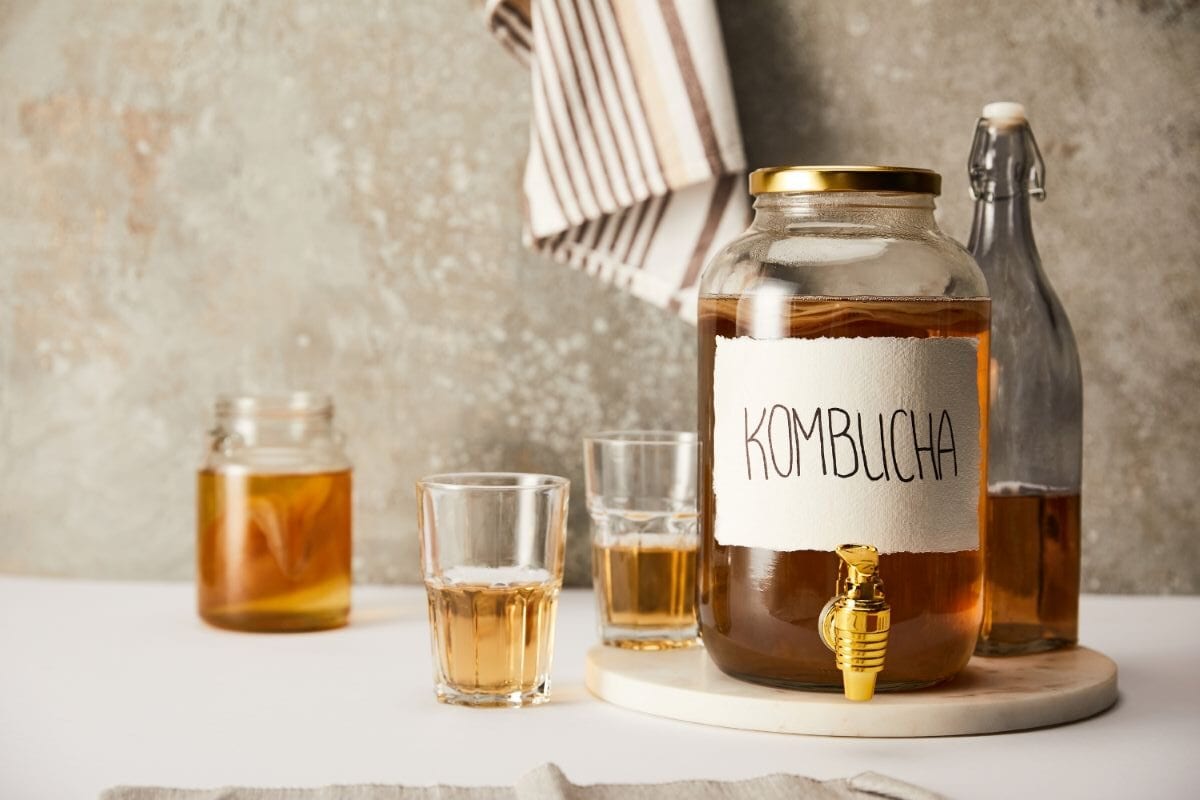
Kombucha is a slightly sweet, tangy, and naturally fizzy fermented tea made by combining brewed tea, sugar, and a SCOBY—a Symbiotic Culture of Bacteria and Yeast. Over several days, the SCOBY consumes the sugar and transforms the sweet tea into a tart, probiotic-rich drink.
So, why should you make kombucha at home?
Here are just a few reasons:
- Health benefits: Homemade kombucha contains live probiotics, enzymes, and organic acids that support digestion and gut health. It also delivers B vitamins, antioxidants, and even glucosamines that may help with joint health.
- Cleaner ingredients: When you brew homemade kombucha, you control the sugar, tea quality, and flavorings—no hidden additives or preservatives.
- Cost savings: Bottled kombucha can run $3–5 per serving. Brewing at home costs just pennies per glass.
- Customization: Once you learn how to make kombucha, you can create endless flavor combinations—fruit, herbs, spices, even floral infusions.
In recent years, kombucha has exploded in popularity across the U.S. and beyond. While it’s long been a staple in Eastern traditions, more and more people are discovering the benefits of this unique, tangy drink. And the best part? Homemade kombucha is surprisingly easy to make in your own kitchen.
Kombucha Recipe Ingredients: Supplies Needed for Making Kombucha at Home
Before you dive into your first batch, it’s important to gather the right supplies and ingredients. Brewing kombucha at home doesn’t require fancy equipment, but starting with clean, non-reactive tools and high-quality ingredients will ensure a healthy fermentation and great-tasting results.
Here’s a list of essential supplies needed for making kombucha:
- 1-gallon glass jar (avoid plastic or metal)
- Wooden spoon (never use metal during the brewing process)
- Tea towel or clean dishcloth
- Rubber band (to secure the towel)
- Fine mesh strainer (optional, for bottling)
Kombucha recipe ingredients:
- 8 cups of water
- 1 to 1½ cups of sugar (organic cane sugar works best)
- 8 tea bags or 2–3 teaspoons of loose leaf tea
- 1 SCOBY (Symbiotic Culture of Bacteria and Yeast)
- 1 cup of starter kombucha (from a previous batch or store-bought, unflavored)
Choosing your tea:
The tea you use will directly affect the flavor and fermentation strength of your kombucha. Stick with true teas like:
- Black tea – bold and rich, a favorite for first-time brewers
- Green tea – lighter and more delicate in flavor
- Oolong tea – offers a balance of depth and smoothness
- White or red teas – can be used, but are best for experienced brewers
Avoid herbal teas for your main brew, as they may lack the nutrients the SCOBY needs.
Sugar tips:
Use plain white or organic cane sugar. Other sweeteners like honey or coconut sugar can disrupt the pH and harm your SCOBY unless you’re doing advanced brewing.
SCOBY and starter kombucha:
The SCOBY is the living culture that powers your brew. You’ll also need starter kombucha, which is simply a small amount of finished, unflavored kombucha used to acidify the mixture and jumpstart fermentation.
With these ingredients and tools, you’re ready to start brewing your own 1-gallon batch of kombucha and enjoy all the benefits of this fizzy, functional drink.
How to Make Your First Batch of Homemade Kombucha
Ready to make kombucha at home? Here’s a simple, step-by-step process to help you brew your first batch with confidence.
Step-by-Step Instructions:
- Boil the water
In a large pot, bring 8 cups of water to a boil. Once boiling, remove from heat and stir in 1 to 1½ cups of sugar until fully dissolved. - Steep the tea
Add 8 bags (or 2–3 teaspoons loose leaf) of black or green tea. Let it steep for 10 minutes, then remove the tea bags or strain the leaves. - Cool completely
Allow the sweetened tea to cool to room temperature—this is important, as hot liquid can damage the SCOBY. - Pour the tea into kombucha jar
Transfer the cooled tea into a clean 1-gallon glass jar. - Add the SCOBY and starter
Gently slide in your SCOBY and pour in 1 cup of starter kombucha to help kickstart the fermentation process. - Cover and store
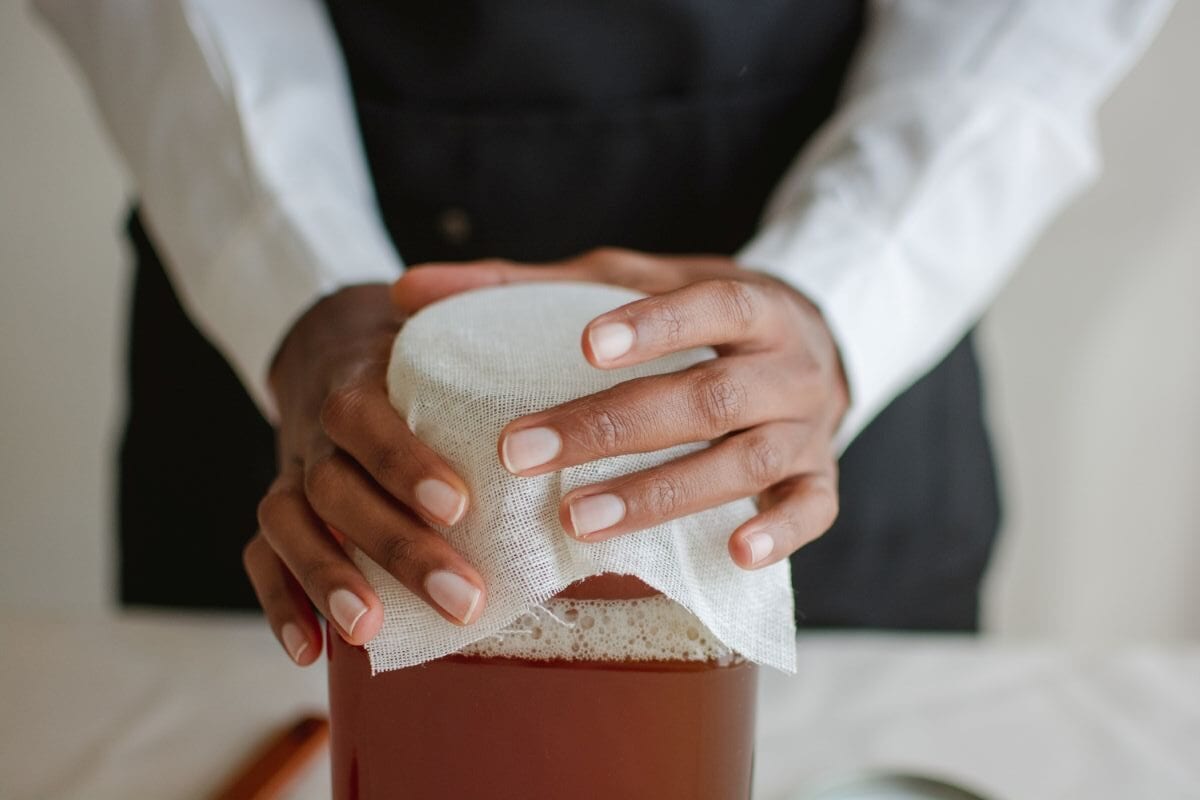
Cover the jar with a clean towel secured by a rubber band. Store it at room temperature, out of direct sunlight.
The First Fermentation (5 to 10 Days):
This is where the magic happens. Your kombucha will ferment for 5–10 days, depending on temperature, tea strength, and your taste preferences.
- For a sweeter flavor, ferment 5–6 days.
- For a more tangy, vinegar-like brew, let it ferment up to 10 days.
- In some cooler climates, fermentation can take 1 to 4 weeks total.
Check daily by gently inserting a straw (avoid metal) and tasting small sips. Over time, the tea will become less sweet as the SCOBY consumes the sugar, turning the tea into kombucha.
Troubleshooting Tips:
- Smell: Your brew should smell slightly sweet and tangy, never rotten or moldy. A vinegary smell is normal.
- Bubbles: Effervescence is a good sign that your kombucha is actively fermenting.
- SCOBY growth: A new layer may form on top—this is a great sign that the brew is alive and well.
- Too vinegary? You may have let it ferment too long. Use it as a base for salad dressings or marinades if it’s too strong to drink.
With your first fermentation complete, you’ve officially learned how to make kombucha at home! Your brew is now ready for flavoring or a second fermentation.
What Is a Kombucha SCOBY and Why Is It Essential for the Brewing Process?
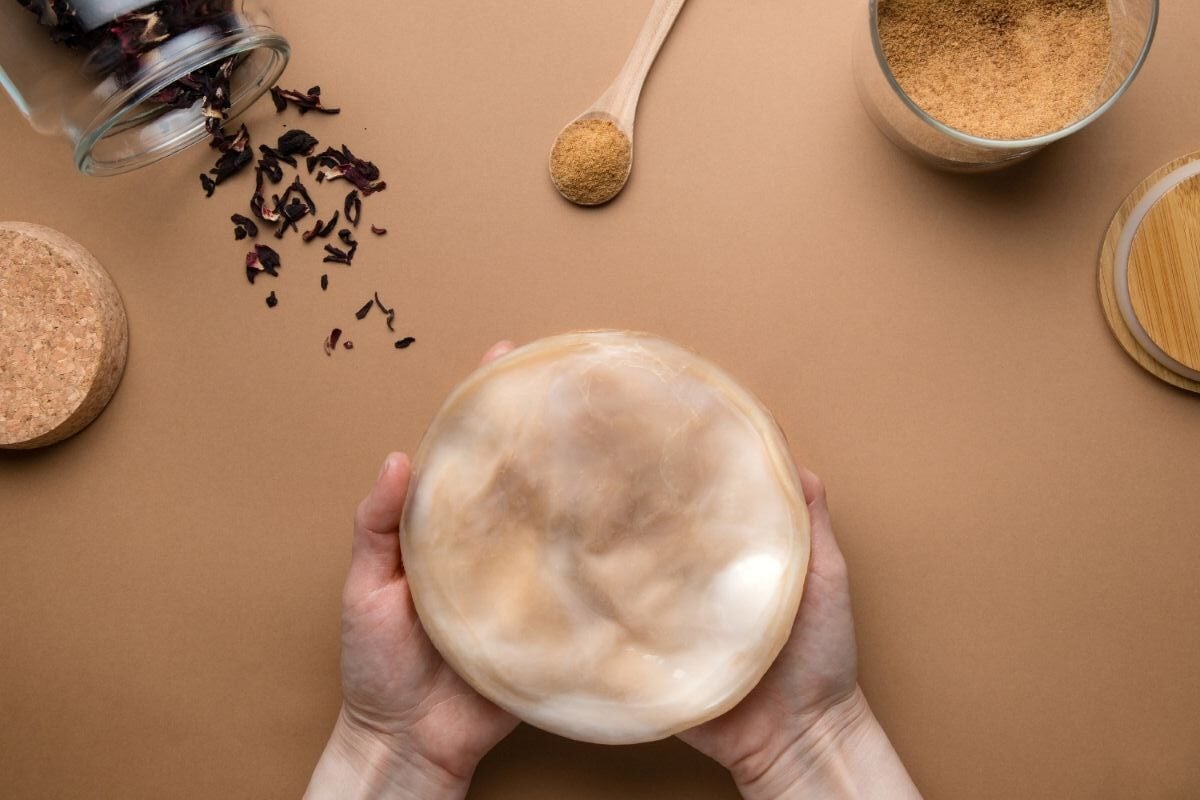
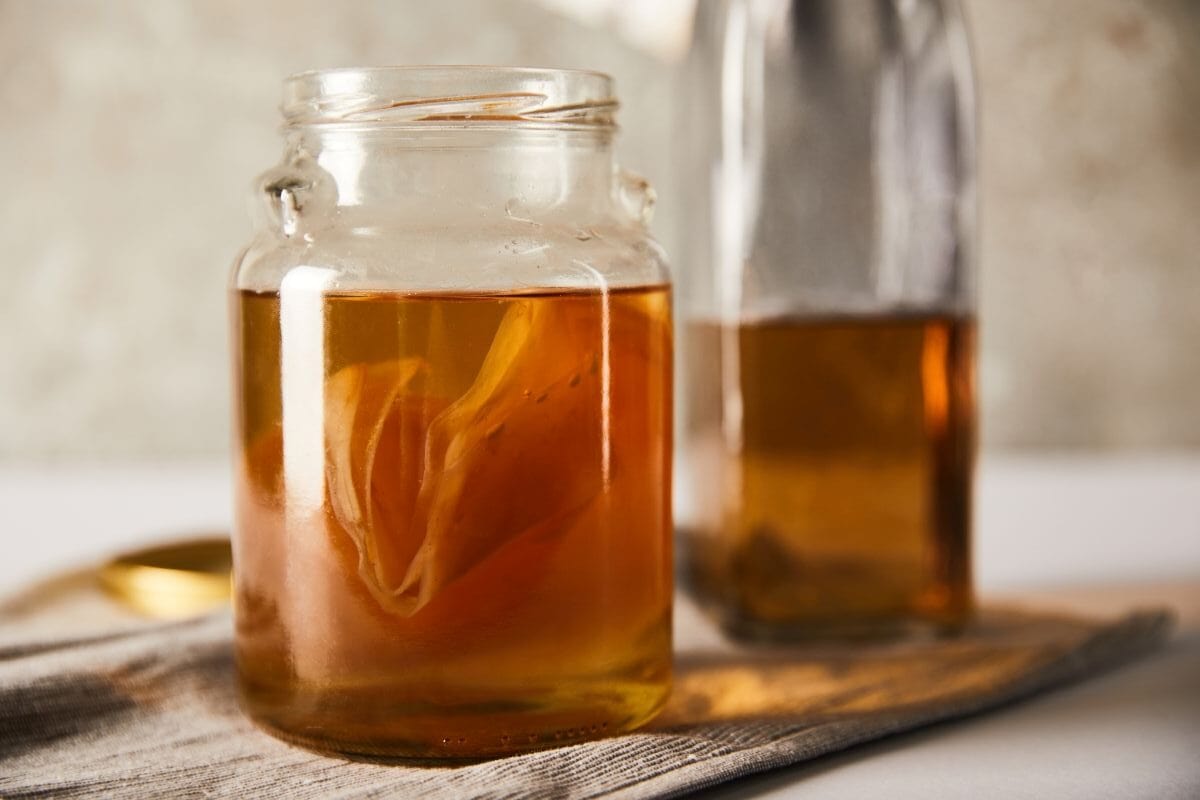
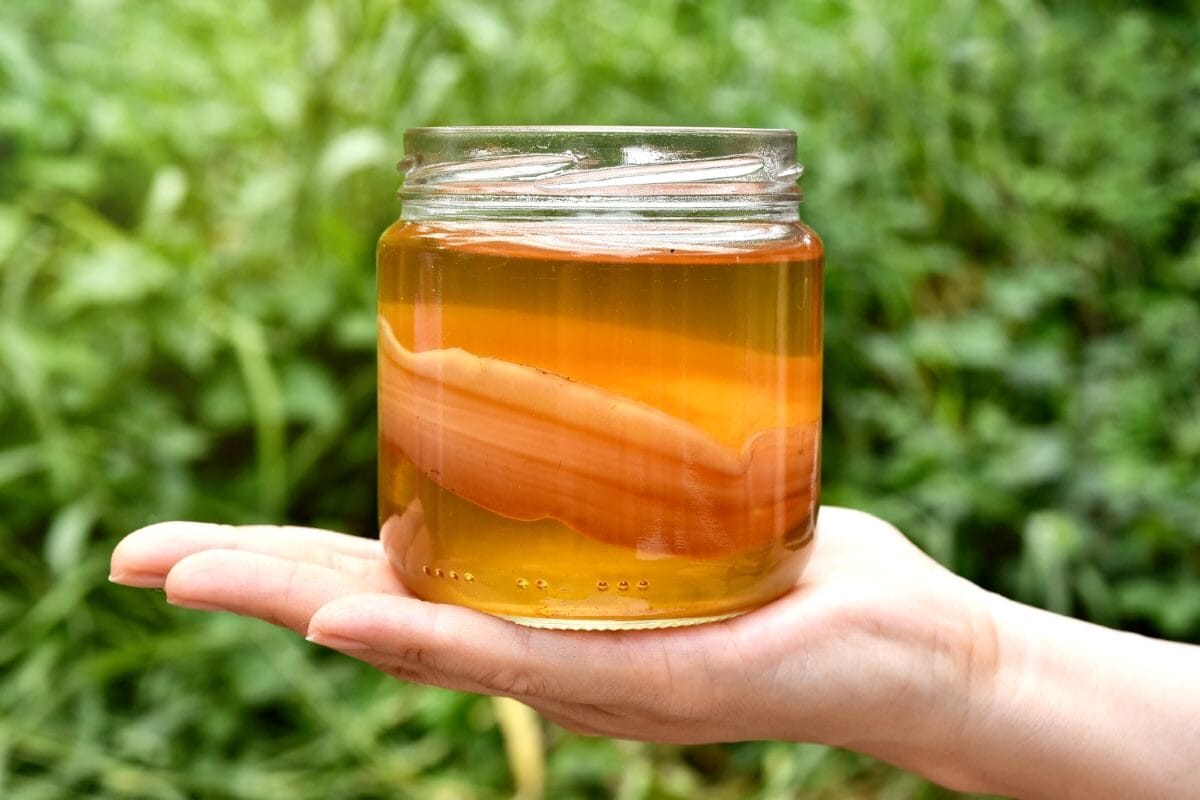
If you’re going to brew kombucha, understanding the SCOBY is key. Short for Symbiotic Culture of Bacteria and Yeast, the SCOBY is the living, jelly-like disk that transforms sweet tea into tangy, fizzy kombucha through the process of fermentation.
This culture of bacteria and yeast feeds on the sugar in your tea and produces the beneficial acids, probiotics, and trace amounts of alcohol that give kombucha its unique flavor and health benefits. Think of the SCOBY as the engine of your brew—it’s responsible for turning plain sweet tea into a functional, fermented beverage.
How to Store, Split, or Grow a SCOBY:
- Storing: Once your kombucha has finished fermenting, remove the SCOBY and place it in a clean glass container with enough kombucha to cover it (about 1 cup). Store it at room temperature if you’ll brew again soon, or refrigerate if you need to pause brewing for a few weeks.
- Splitting: With each brew, your SCOBY will grow a “baby” layer on top of the original. You can gently peel the two apart and use the new one to make kombucha for your next batch, gift it to a friend, or store it for later use.
- Growing your own: If you don’t have access to a starter SCOBY, you can grow one by fermenting a bottle of raw, unflavored store-bought kombucha with sweet tea and allowing it to sit undisturbed for 2–4 weeks. A thin SCOBY will begin to form on top.
Healthy SCOBY Management Tips:
- Keep your SCOBY away from metal utensils and containers—they can damage the microbial balance.
- Use clean hands when handling it, and always wash with filtered water to avoid contaminants like chlorine.
- Don’t be alarmed by odd shapes or brown stringy bits—those are signs of active fermentation. However, black spots or fuzzy mold mean it’s time to toss the SCOBY and start fresh.
- After multiple batches, your SCOBY may grow too thick. You can trim it down to about ¼ to ½ inch to keep your kombucha fermenting efficiently.
A healthy kombucha SCOBY is your ticket to endless batches of refreshing, fizzy tea. With a little care, it can last through dozens of brews—and even thrive with different fruit flavorings as you continue to ferment batch after batch.
How to Flavor Homemade Kombucha (Second Fermentation)
Once your first fermentation is complete and your kombucha has that perfect balance of sweetness and tang, it’s time for the fun part: flavoring your kombucha! This step—called the second fermentation—not only allows you to customize the taste, but also boosts fizziness and enhances the drinking experience.
What Is the Second Fermentation?
The second fermentation is when your finished kombucha is bottled with additional ingredients like fruit, herbs, or honey. Sealing it in airtight bottles traps carbonation and allows natural sugars to be consumed again, creating that satisfying fizz.
Popular Add-ins for Flavoring:
- Fresh or frozen fruit (berries, mango, apple slices, pineapple, orange)
- Citrus, like lemon or lime
- Fresh herbs (mint, basil, lavender)
- Spices like cinnamon or cloves
- Chopped ginger or turmeric
- A spoonful of honey in the second fermentation to sweeten or energize the bubbles
Try combinations like:
- Blueberry + basil
- Pineapple + mint
- Lemon + ginger
- Apple + cinnamon
- Strawberry + honey
Just remember: fruit to your kombucha means more sugar for the fermentation process, which leads to more bubbles—and a stronger kombucha flavor!
How and When to Bottle a Flavored Batch of Kombucha:
- After first fermentation, remove the SCOBY and reserve 1 cup of kombucha as your starter for the next batch.
- Pour the remaining kombucha into glass bottles with swing-top or airtight lids, leaving about 1 inch of space at the top.
- Add your chosen flavorings directly into the bottles. A general rule of thumb is about 1–2 tablespoons of chopped fruit or juice per 16-ounce bottle.
- Seal and let sit at room temperature for 2–4 days. This allows the yeast and bacteria to consume the new sugars and carbonate the drink.
- Refrigerate when the bottles feel firm from pressure or when the taste is where you want it.
Always “burp” your bottles once a day during second fermentation to release excess gas and avoid overflow. When you’re happy with the flavored result, chill and enjoy—your homemade kombucha flavor is ready to impress!
Creative Ways to Use Kombucha Beyond Drinking

Kombucha isn’t just a refreshing beverage—it’s a versatile ingredient that can elevate your kitchen creations in unexpected ways. Here are some fun and delicious ideas to use kombucha beyond the usual glass:
Salad Dressing and Marinade
Thanks to its natural acidity and complex flavor, kombucha makes an excellent base for salad dressings and marinades. Try mixing kombucha with olive oil, mustard, and your favorite herbs for a tangy dressing that brightens greens. For a flavorful marinade, combine kombucha with garlic, soy sauce, and a touch of honey—perfect for tenderizing chicken, tofu, or veggies before grilling or roasting.
Kombucha Mocktails and Cocktails
Looking for a healthier twist on your favorite drinks? Use kombucha as a sparkling mixer for mocktails and cocktails. Its effervescence and subtle tartness pair beautifully with fresh fruit juices, herbs like mint or basil, and spirits such as vodka or gin. Whether it’s a summer punch or a cozy winter sipper, kombucha adds depth and a probiotic boost to your drinks.
Fermented Foods and Kombucha Pairing
Combine kombucha with other fermented foods like kimchi, sauerkraut, or pickles for a flavorful and gut-friendly meal. The tangy flavor of kombucha complements these dishes well and enhances digestion. Whether enjoyed together or used as part of a recipe, this pairing is a delicious way to celebrate fermented foods.
With a little creativity, kombucha can transform from a simple drink into a culinary star, giving you new ways to enjoy its unique flavor and health benefits. So next time you brew your batch, consider these ideas and discover exciting ways to use kombucha in your kitchen!
Storing Your Finished Kombucha, Tea, and SCOBYs
Proper storage is essential to keep your homemade kombucha tasting great and your SCOBYs healthy for future batches.
Storing Finished Kombucha
Once your kombucha reaches the perfect flavor, transfer it to the refrigerator. Keeping kombucha in the refrigerator slows down the fermentation process, helping preserve its refreshing taste. Unlike store-bought kombucha, homemade versions will continue to ferment if left at room temperature, which can result in a more sour or alcoholic flavor. When you’re ready to enjoy, simply pour the kombucha over ice or drink it straight.
How Long Kombucha Lasts:
- Refrigerated kombucha stays fresh for about 2 to 4 weeks.
- Over time, it may develop a stronger tang or fizz, so try to consume it within this timeframe for the best flavor.
Storing SCOBYs:
- After your batch is done, gently rinse your kombucha scoby with filtered water if needed.
- Place the SCOBY in a clean glass jar, covering it with about 1 cup of prepared kombucha to keep it moist.
- Cover the jar loosely and store it in the refrigerator—this SCOBY hotel keeps your culture alive and ready for your next batch.
Safety Tips:
- Kombucha should smell fresh with a pleasant, tangy aroma and slight fizz.
- Check for mold, which looks fuzzy and can be white, green, or black—if mold appears, discard the batch immediately.
- Avoid using kombucha or SCOBYs with off smells or unusual colors to ensure safety.
Following these tips will help you enjoy delicious homemade kombucha while preserving your SCOBYs for many brews to come.
Why Homemade Kombucha Is the Best Option
Making your own kombucha at home offers clear benefits over buying store-bought versions. Here’s why the DIY approach is often the best choice:
Cost Savings:
- While the initial investment in supplies might seem high, you can make batch after batch of kombucha at a much lower cost than purchasing pre-made bottles regularly.
- Over time, brewing at home is much more budget-friendly, especially if kombucha is part of your daily routine.
Customization and Flavor Control:
- When you make kombucha at home, you have full control over the kombucha flavor. You can experiment with different teas, sweeteners, and natural flavorings to create a drink that suits your palate perfectly.
- This flexibility means you can adjust fermentation times and ingredients until you’re truly happy with the flavor, unlike many commercial brands that often lean too sweet or too vinegary.
Ingredient Quality and Transparency:
- Homemade kombucha means you know exactly what’s in your drink—no preservatives, artificial flavors, or added sugars.
- You get to use high-quality, organic kombucha recipe ingredients like pure cane sugar and loose-leaf tea, ensuring a cleaner, healthier beverage.
Consistency and Convenience:
- Once you’ve mastered the process, you can easily make your own kombucha regularly, ensuring a steady supply at home without relying on store availability.
- Brewing at home allows you to make batch after batch tailored exactly to your taste preferences.
In summary, kombucha making at home combines affordability, flavor customization, and ingredient control, making it the best way to enjoy this refreshing and healthful fermented tea.
Brew Better, Live Healthier: Your Homemade Kombucha Journey Starts Now
Making homemade kombucha is a rewarding way to enjoy a delicious, health-boosting beverage tailored exactly to your taste. From gathering your supplies to experimenting with flavors and creative uses, brewing kombucha at home puts you in control of every batch. Not only does it save money, but it also connects you to a centuries-old tradition of fermentation and wellness.
Whether you’re a beginner or looking to refine your kombucha-making skills, this guide gives you the confidence and knowledge to get started. So why wait? Grab your SCOBY, start your first batch, and discover the endless possibilities of homemade kombucha—one fizzy sip at a time.
FAQs About Homemade Kombucha
Q: How much tea and sugar do I need to start brewing?
A: For a full batch, you typically use about 2 cups of sugar dissolved in sweet tea. This sweet tea is then transformed into kombucha during fermentation.
Q: Can I make a smaller amount if I don’t want a full batch?
A: Yes! You can easily make a half batch of the recipe if you want to experiment or don’t need a large quantity.
Q: What should I look for when the kombucha is ready to brew?
A: Your kombucha is ready to brew when the sweet tea has cooled completely, and you have your healthy SCOBY and starter kombucha prepared.
Q: What if I’ve never tried kombucha before?
A: If you’ve never tried kombucha, homemade kombucha offers a fresher, customizable alternative to store-bought options. Starting your own brew lets you control the flavor and sweetness.
Q: What happens during the fermentation process?
A: During fermentation, the sugar left in the kombucha is consumed by the culture of bacteria and yeast. This process transforms the sweet tea into a tangy, fizzy drink, while kombucha also contains probiotics and beneficial acids.
Q: How do I know when to let the kombucha ferment?
A: Let the kombucha ferment for about 7 to 10 days, tasting it periodically. The flavor will change depending on how much kombucha you allow to ferment and the conditions of the top of the brew.
Q: What do I do with the bottles of kombucha after fermentation?
A: You can use bottles of kombucha for second fermentation to add flavors or simply store your finished kombucha. You can also use it to make salad dressings or marinades.
Q: Can I reuse the SCOBY and kombucha from a previous batch?
A: Absolutely! Use the prepared kombucha for your next batch as a starter, and your SCOBY will continue to grow with each brew.
Q: What is plain kombucha, and can I flavor it?
A: Plain kombucha is the unflavored, fermented tea before you add any fruit or herbs. You can flavor your kombucha during the second fermentation by adding ingredients like lemon, ginger, or honey.
Q: Is kombucha a great drink for everyday health?
A: Yes, kombucha is a great beverage that supports digestion and offers antioxidants, making it a tasty and healthful alternative to many sugary drinks.
Q: Can I use kombucha to make other recipes?
A: Definitely! You can use it to make refreshing drinks, marinades, or even incorporate it into fermented food recipes.
Q: What’s still in the kombucha after fermentation?
A: Even after fermentation, some sugar is still in the kombucha, but it’s significantly less than what you started with. This residual sugar helps maintain the balance of flavor and carbonation.
You might also be interested in…
Are you currently pregnant? Check out this post on 5 Pregnancy Safe Teas For The Tea Lover!
CONNECT WITH DAILY MOM
💖 NEWSLETTER: DAILY READS IN YOUR INBOX 💖
Sign up to receive our picks for the best things to do, see and buy so you can relax and focus on more important tasks! Let us help you be the best version of yourself you can be!
BE SOCIAL WITH US
📌 LOVE IT? PIN IT!📌