




























The True Story Behind Thanksgiving: The Real History and Origin of the First Thanksgiving
The first Thanksgiving started when the Native Americans brought the Pilgrims a cornucopia of food to celebrate in thanksgiving the union between the two groups. The End. Is that not how the story goes? What is the true story behind Thanksgiving? School taught us this simple explanation to the origin of Thanksgiving, which also serves as a reminder of the anniversary of when the European pilgrims traveled to North America to escape religious persecution.
With one group of people, the origin of Thanksgiving marks a celebration. But for another, it marks the beginning of a strained relationship that eventually forced the Native Americans off their land. One thing that does hold true for both sides of the situation, the origin of Thanksgiving stands for generosity, fellowship, and gathering with family and loved ones. The following list includes 13 surprising facts about the origin of Thanksgiving that you may not have learned in school. So get cozy, light a pumpkin-spiced candle, and get yourself learned on the origin of Thanksgiving.
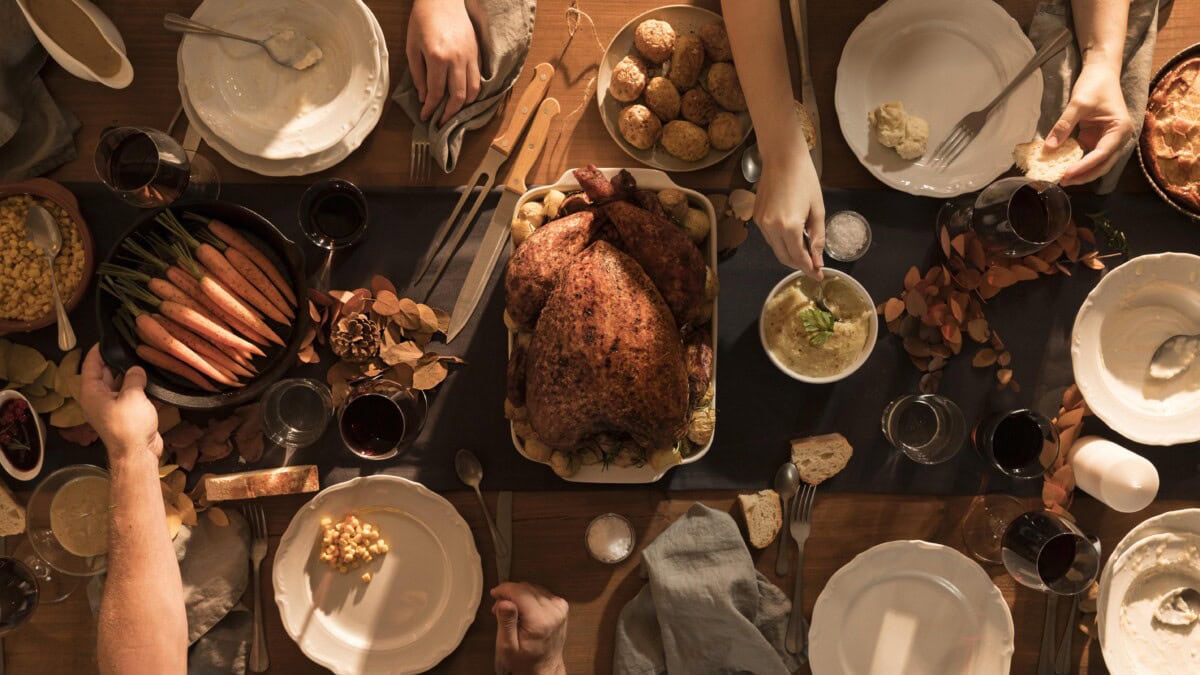
13 Facts About the True Story of Thanksgiving
Thanksgiving is one of the most widely celebrated holidays in the U.S., but the real story behind it goes far deeper than turkey and parades. The base of this holiday is often oversimplified — and sometimes just plain wrong. While many grew up with cheerful versions of the “first thanksgiving” the truth includes a complicated mix of generosity, hardship, and historical loss.
- Thanksgiving in 1621 wasn’t the first time people gave thanks — but it’s the most mythologized.
- Happy family gatherings today often overlook the pain that came after early colonial contact.
- Local Native Americans were key to the Pilgrims’ survival, but their stories are rarely centered.
- Native American Heritage Month and Native American Heritage Day are important reminders during this season.
- The day after Thanksgiving now holds significance beyond shopping — it’s a chance to honor Native resilience.
- Celebration of Thanksgiving doesn’t have to ignore the past — it can include learning and reflection.
The story of the first Thanksgiving isn’t just about a meal — it’s about the beginning of a shared history, one that deserves to be told fully and honestly. Let’s dig into 12 facts that help set the record straight.
1. The First Thanksgiving: What Really Happened in 1621
The first Thanksgiving wasn’t a single meal or even a planned event. In 1621, after surviving a brutal first winter, the Pilgrims of Plymouth Colony gathered with members of the Wampanoag tribe to celebrate their first successful harvest. It was less about turkeys and pumpkin pie and more about survival and gratitude.
This gathering came after months of assistance from the Wampanoag people, who helped the settlers learn how to work the land, fish local waters, and stay alive. While this first Thanksgiving was a peaceful moment of fellowship, it’s important to remember that this was just one chapter in a much bigger story of colonization that would unfold over the decades.
2. The Thanksgiving Feast Was a Three-Day Celebration
Forget the idea of a quiet dinner around a candlelit table. The original Thanksgiving feast in 1621 lasted three full days. According to historical accounts from Plymouth, there were roughly 50 English settlers and over 90 members of the Wampanoag tribe, including their leader Massasoit.
What was on the menu? Definitely not cranberry sauce from a can. The meal likely included venison, duck, corn, shellfish, beans, and squash — a far cry from the traditional Thanksgiving dishes served today. This mix of Native and colonial foods reflected the shared knowledge and available resources at the time.
3. The Wampanoag Played a Central Role in the Gathering
Without the Wampanoag people, the Plymouth settlers likely wouldn’t have survived. Their native traditions, farming techniques, and deep connection to the land shaped the entire event. The Wampanoag tribe, who had lived in the region for thousands of years, brought food, peace offerings, and cultural practices that influenced early colonial life.

It’s important to recognize that the native tribes, including the local Wampanoag, were not just bystanders in this story — they were essential. The story of Thanksgiving tends to gloss over their contributions, but many Native Americans are working to bring the real history to light.
4. Native People Had Their Own Harvest Traditions
Long before Europeans arrived, indigenous people across North America had harvest celebrations. These Native American traditions often honored the Earth, the seasons, and their communities. Many native tribes, including the Wampanoag, practiced seasonal feasts to give thanks for a successful growing season.
While the first Thanksgiving is often credited to the Pilgrims, it was rooted in indigenous customs of gratitude and seasonal celebration. The origin of Thanksgiving owes much to the Native American history and practices — even if school textbooks tend to skip over that part.
5. Indian Assistance: Without Squanto, There May Not Have Been A Thanksgiving
Although the actual location is still debated, a group of 38 English settlers arrived at Berkeley Plantation, near what is now Charles City, Virginia, on December 4. The winter of 1620 was so brutal that half of the European pilgrims died. In the spring of 1621, those who survived met Tisquantum, or Squanto as the pilgrims called him, a Native American who taught the pilgrims how to plant food that would thrive on North American soil: corn and pumpkin. These foods, paired with the European peas, wheat, and barley helped the colonists thrive and thus give thanks with the first Thanksgiving.
6. The Story Behind Thanksgiving Has Been Simplified Over Time
Most people grow up hearing a cheerful Thanksgiving story: the Pilgrims and Native Americans came together, shared a meal, and lived happily ever after. But the real story of Thanksgiving is more complicated. Over time, this simplified version became part of the tradition of Thanksgiving in schools and media.
In truth, the relationship between Native Americans and settlers grew tense, often violent, as colonization spread. For many Native Americans, the origin of Thanksgiving marks the start of displacement, loss of life, and cultural erasure. That’s why the truth behind the holiday is so important to understand and honor.
7. A Day of Mourning: The Real History of Thanksgiving Includes Hard Truths
It’s not easy to acknowledge that a beloved holiday is tied to pain, but that’s part of the real history of Thanksgiving. After the early years of cooperation, tensions escalated. Settlers encroached on native lands, bringing war, disease, and policies that devastated indigenous communities.
That’s why some people now observe Thanksgiving as a National Day of Mourning, held in Plymouth each year by the United American Indians of New England. For them, the day is not about turkey and football, but about remembering the struggles of Native peoples and reclaiming their voices.
8. The Plymouth Colonists Were Dependent on Native Americans
When the Pilgrims landed at Plymouth, they were unprepared for New England’s harsh climate and unfamiliar terrain. They didn’t know how to grow food, hunt local animals, or even find fresh water.
It was only through the help of native people that they made it through. The true story behind Thanksgiving isn’t one of colonists bringing civilization — it’s one of survival made possible by native generosity.
9. The Thanksgiving Holiday Was Declared a National Holiday in 1863

Though Thanksgiving in the United States is often associated with 1621, it wasn’t until over two centuries later that it became a national holiday. In 1863, during the Civil War, Abraham Lincoln issued the Thanksgiving Proclamation, declaring a national day of thanksgiving to Almighty God.
His goal was to bring a divided country together with a day of thanksgiving and praise. That moment officially established the national Thanksgiving holiday we know today — though its meaning continues to evolve.
10. Thanksgiving Is a National Holiday Because of A Woman
The origin of Thanksgiving as a national holiday was not officially celebrated until 1863 under President Abraham Lincoln. Who persuaded President Lincoln into declaring this holiday? Sara Hale, the editor of Ladies Magazine and later Godey’s Lady’s Book. She also coincidentally wrote “Mary Had A Little Lamb” (so you have her to thank after your child sings the chorus for the eight-thousandth time). This woman of many talents utilized her publications to push the idea of making Thanksgiving Day a national holiday.
11. How Americans Celebrate Thanksgiving Has Changed Over Time
From the traditional New England Thanksgiving to today’s big-city Thanksgiving Day parades, this holiday has transformed over the years. What started as a harvest celebration now includes televised football, online shopping, and a whole lot of leftovers.
Families create their own Thanksgiving traditions, blending culture, faith, and food in their own ways. For some, it’s a moment to reflect on the real story of Thanksgiving; for others, it’s a simple chance to gather and give thanks.
12. The Origin of Thanksgiving in Canada Dates Before The United States
English pilgrims settled into Canada much the same way as the United States. Newfoundland was the location for the first Canadian Thanksgiving in 1578 – which if you recall is actually prior to the origin of Thanksgiving in the United States. In 1957, Canada’s government officially declared the second Monday in October as the legal holiday of Thanksgiving Day. Before that date, Canadians celebrated the holiday the last Monday of October.
13. The Modern Thanksgiving Holiday Looks Nothing Like the Original
If the guests at the first Thanksgiving could see today’s annual Thanksgiving celebrations, they’d probably be baffled by canned cranberry jelly and green bean casserole. The modern Thanksgiving holiday is full of commercialism, travel stress, and the inevitable debate over how early is too early for Christmas music.
Still, the root of the holiday — coming together in gratitude — remains. By learning the real history of Thanksgiving, we can keep that tradition alive in a more meaningful, inclusive way.
How the True Meaning Shapes American Thanksgiving
As the turkey roasts and families gather around Thanksgiving table settings, it’s easy to fall into the familiar rhythm of food, football, and fall decorations. However, Thanksgiving is a time to go deeper — to reflect on where the holiday comes from and how its meaning has changed. The real story behind Thanksgiving carries both sorrow and strength, and today’s celebrations have the opportunity to hold space for both.
The more we learn about the origin of Thanksgiving, the more we understand its impact. It’s not about canceling a tradition — it’s about grounding it in honesty, respect, and intention.
Why the Real Story Behind Thanksgiving Still Resonates

The first harvest feast in 1621 was built on survival, alliance, and shared labor — yet what followed was centuries of hardship for Native peoples. Despite this, the story continues to hold emotional weight for many.
That’s because it taps into something universal: gathering with others, sharing food, and taking a moment to reflect on what really matters. Understanding the truth doesn’t take away from the celebration — it adds depth to it.
- Knowing the full story brings clarity to a holiday often taught in fragments.
- Recognizing Native contributions honors those who made the 1st Thanksgiving possible.
- Acknowledging the past doesn’t ruin the holiday — it gives it stronger roots.
- Embracing new traditions allows families to celebrate with more awareness and purpose.
- Shifting the focus from myths to meaning creates room for more honest conversations.
- Making space for learning can be just as important as the Thanksgiving meal.
Taking a little time to reflect on history creates space for more thoughtful gatherings — ones that blend celebration with compassion.
Understanding Thanksgiving Celebrations in Modern Context
Across the country, how people celebrate continues to evolve. Some keep it traditional with recipes passed down for generations, while others create new customs that feel more inclusive or meaningful. What’s stayed the same is the desire to pause and connect — even if that looks different from home to home.
Today, Thanksgiving is a day that might be spent cooking, volunteering, honoring Native history, or just slowing down with loved ones. The reason behind each family’s celebration may vary, but the core idea often remains the same: gratitude, togetherness, and reflection.
- Some families add land acknowledgments or discussions about the real story to their gathering.
- Others volunteer or donate in support of Native communities or local causes.
- More classrooms teach the truth about the holiday’s origins instead of the fairy-tale version.
- Dinner tables see more variety in how cultures blend traditional and personal dishes.
- Parents explain history honestly while still allowing their kids to enjoy the holiday.
- Communities host alternative events that honor the National Thanksgiving Day while telling a fuller story.
There’s no single way to approach the holiday. What matters most is choosing traditions that reflect not just where we’ve come from — but where we hope to go.
From Native American History to Thanksgiving Traditions
Every holiday evolves, and Thanksgiving in the United States is no exception. The journey from that first harvest in 1621 to today’s food-filled gatherings includes not just pies and parades, but centuries of Native American history that deserve more recognition.
When settlers held a Thanksgiving nearly 400 years ago, they likely had no idea how big the tradition would become. The national Thanksgiving Day we know now looks almost nothing like that original feast. But with a better understanding of the past, we can shape more meaningful celebrations moving forward.
- Native knowledge sustained the early settlers, but has long been overlooked in mainstream stories.
- Many families now reflect on history as part of their modern Thanksgiving traditions.
- Food is still central, but so is intention — gathering with more awareness and gratitude.
- Cultural traditions are woven in, showing how the holiday has grown to include diverse perspectives.
- Teaching the truth matters, especially to younger generations learning about our country’s past.
Thanksgiving is more than a date on the calendar — it’s a mirror of how we view ourselves and each other. Honoring the truth behind it doesn’t make it less special. If anything, it makes it stronger.
You might also be interested in…
Ready to start some new traditions? Check out these 6 ways to make your holiday amazing!
CONNECT WITH DAILY MOM
💖 NEWSLETTER: DAILY READS IN YOUR INBOX 💖
Sign up to receive our picks for the best things to do, see and buy so you can relax and focus on more important tasks! Let us help you be the best version of yourself you can be!
BE SOCIAL WITH US
📌 LOVE IT? PIN IT!📌